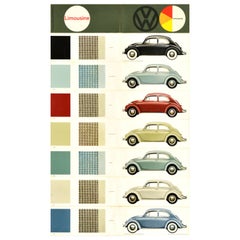
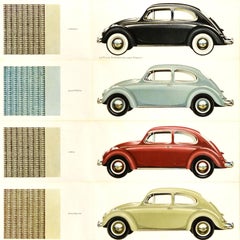
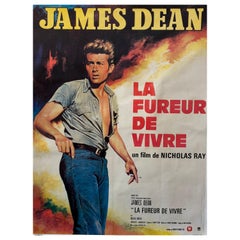
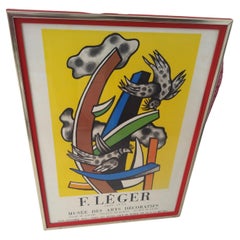
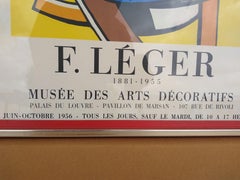
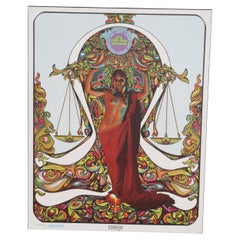
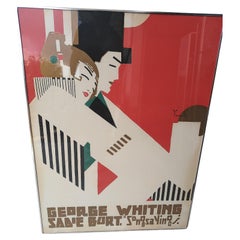
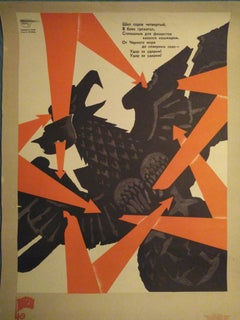
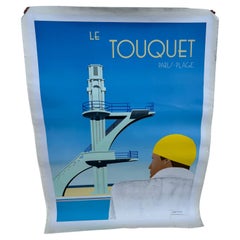
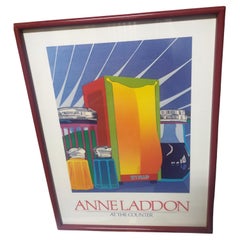
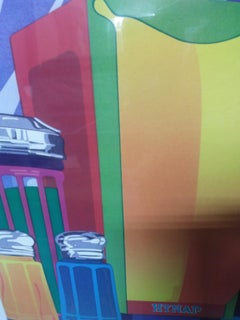
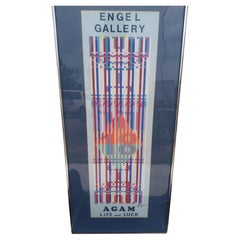
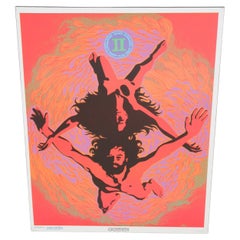
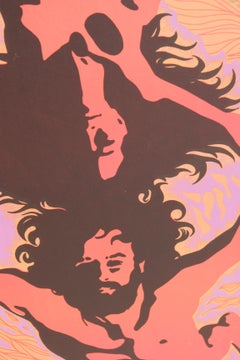
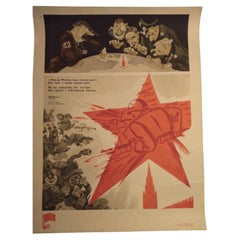
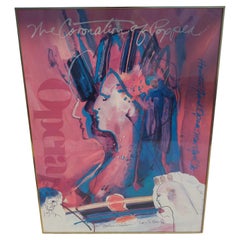
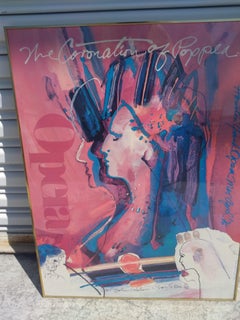
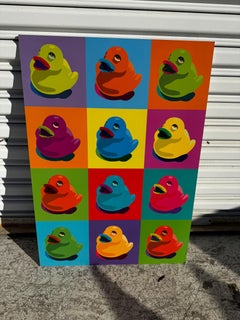
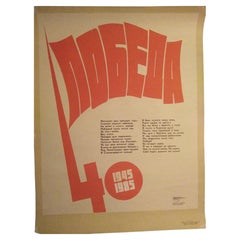
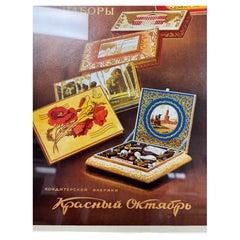
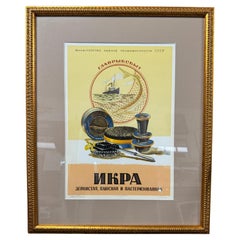
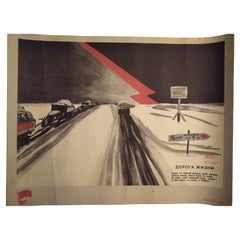
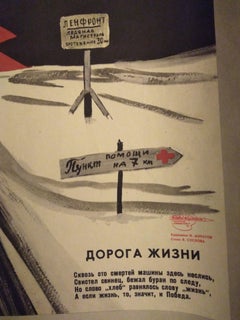
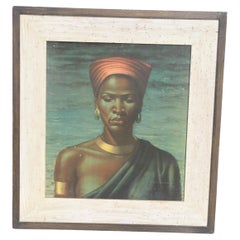
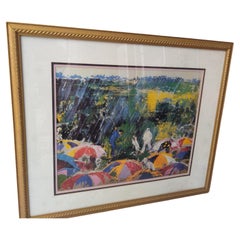
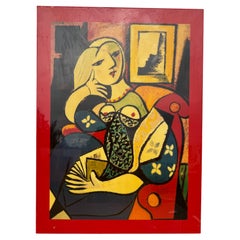
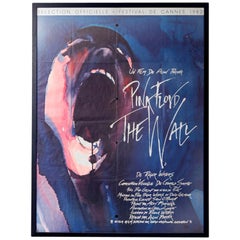
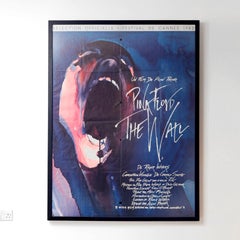
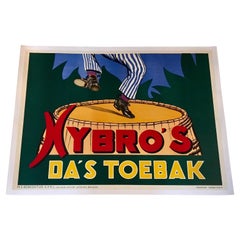
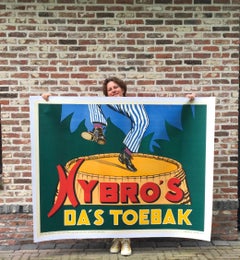
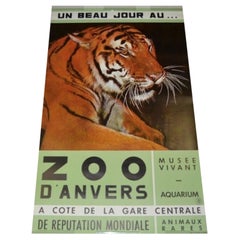
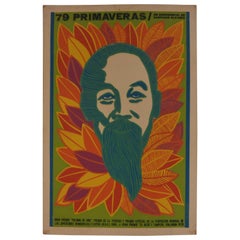
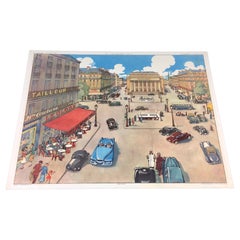
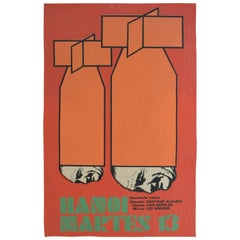
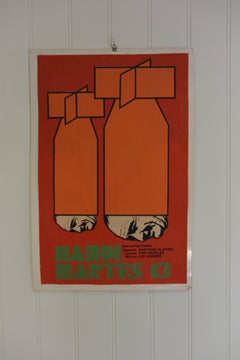
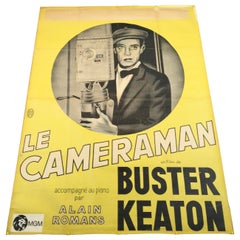
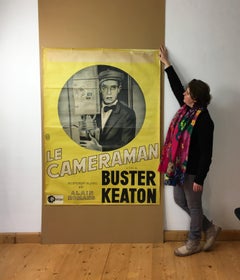
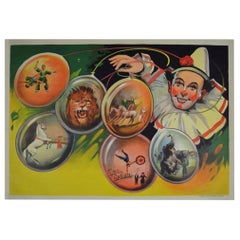
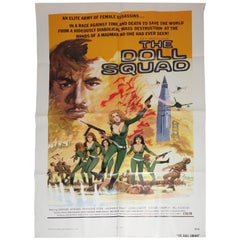
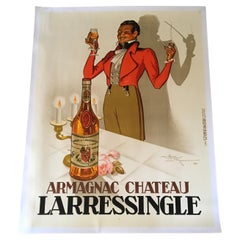
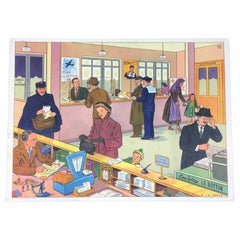
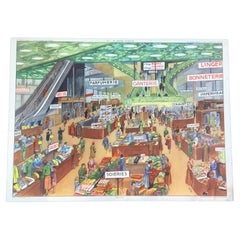
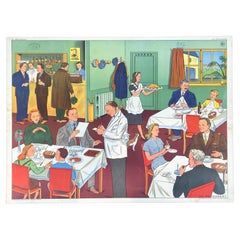
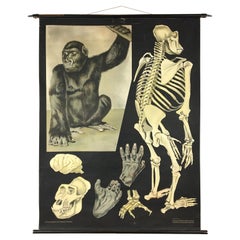
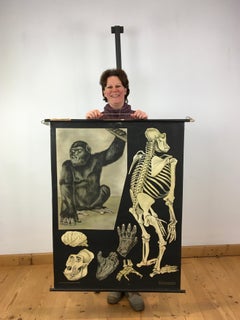
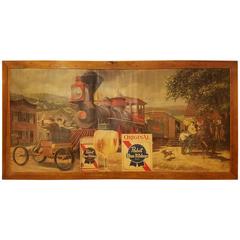
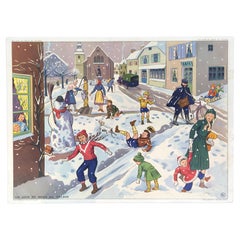
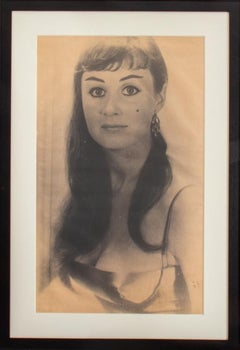
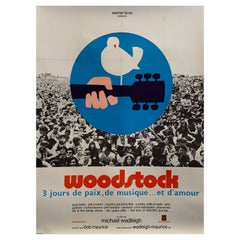
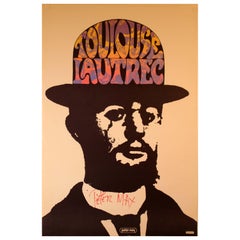
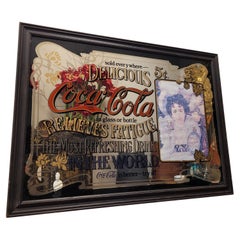
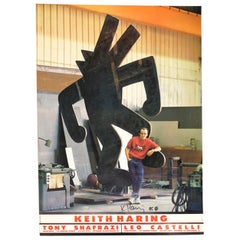
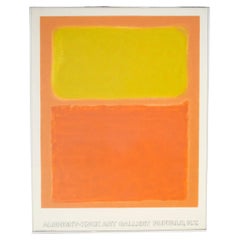
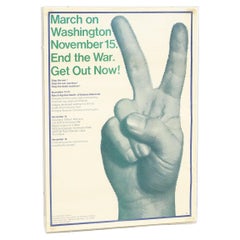
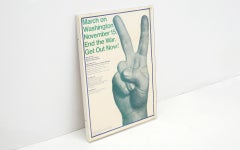
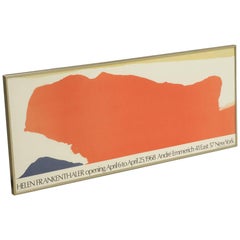
Find a variety of retro posters available on 1stDibs. Frequently made of
paper,
wood and
acrylic, all retro posters available were constructed with great care. There are all kinds of retro posters available, from those produced as long ago as the 20th Century to those made as recently as the 21st Century. Retro posters made by
mid-century modern designers — as well as those associated with
modern — are very popular at 1stDibs. Large retro posters can prove too imposing for some spaces, so the smaller retro posters available at 1stDibs — each spanning 10.5 inches in width — may make for a better choice.
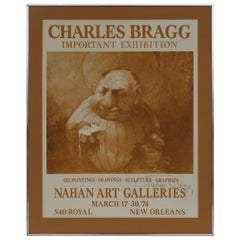
Charles Bragg,
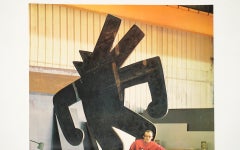
Keith Haring and
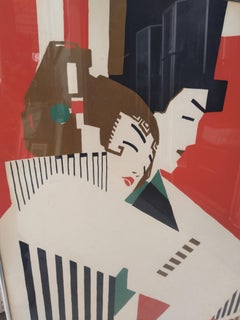
Alfonso Iannelli each produced beautiful retro posters that are worth considering.
Prices for retro posters can differ depending upon size, time period and other attributes — at 1stDibs, retro posters begin at $180 and can go as high as $6,850, while the average can fetch as much as $1,316.
Add a welcome personal touch to your space and tie your distinctive interior scheme together by introducing antique and vintage posters to any and every room of your home.
In the late 19th century, following the advent of text-heavy posters printed from woodblocks for use in taverns and shop windows, hand-drawn poster art had become commonplace in regions such as France, England and the United States. Well-known illustrators were commissioned to produce decorative posters to advertise political campaigns, theatrical events, books, household goods and other items. Early poster artists used a printmaking technique called lithography, which sees drawings or paintings created on a stone (or metal) surface with an oil-based substance, such as a greasy crayon or tusche (an oily wash). The image is eventually affixed to the surface by means of a chemical reaction, and ink adheres to certain sections of the surface while non–image areas are made to repel the ink.
If you wanted a color lithograph in the early days, the number of stones prepared had to match the number of colors you commissioned for the poster. French painter Jules Chéret, widely known as the father of the modern poster, designed some of history's most popular lithographic posters that featured color. Today, Chéret’s art is highly collectible, along with original works by Czech painter and decorative artist Alphonse Mucha, whose posters advertising theatrical productions helped define Art Nouveau.
Over time, poster artists transitioned to more advanced techniques. Using silkscreens, woodblocks and photolithography, painters and illustrators printed larger quantities at a faster rate.
If you’ve finally tracked down that vintage movie poster, mid-century modern promotional travel poster or other work and you’re looking to find out if it is valuable, distinguishing between an original poster and a reproduction can be complicated. A professional appraiser can work with you on factors such as rarity, assessing the physical condition of your poster and authenticating your piece. For now, take care of your new acquisition because conserving posters is essential in helping them retain their value. A practical conservation method is to have the work mounted on archival, acid-free paper and thin artist’s canvas, then enclosing it in a sturdy frame. (And here is a primer on how to hang wall art, be it arranged gallery-style or otherwise.)
On 1stDibs, find all kinds of posters for your home today.