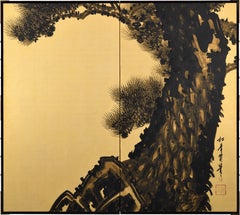
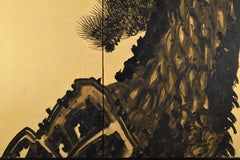
Japanese Screen. Two-panel. Aged Pines by Suzuki Shonen. Meiji period.
Located in Kyoto, JP
Suzuki Shonen (1848-1918) Aged Pine Meiji period (1868-1912).
Category
Early 20th Century Meiji Paintings and Screens
Materials
Gold Leaf
Japanese Screen. Two-panel. Aged Pines by Suzuki Shonen. Meiji period.
Located in Kyoto, JP
Suzuki Shonen (1848-1918) Aged Pine Meiji period (1868-1912).
Gold Leaf
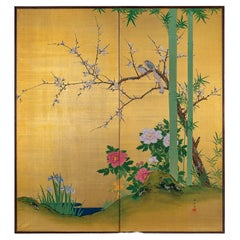

Japanese Two Panel Screen: Summer Flowers
Located in Hudson, NY
In 1902 he was sent to Kyoto to study painting under Suzuki Shonen, then one of the leading artists in the Kansai region, whereupon he received the name Fukunen (Lucky year).
Silk
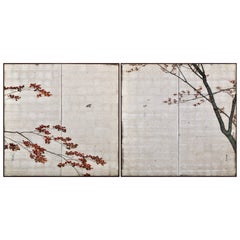
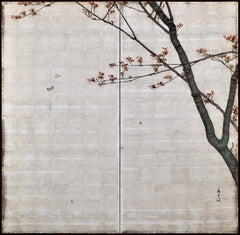
1895 Meiji Japanese Screen Pair. Cherry Blossoms & Autumn Maples on Silver Leaf
Located in Kyoto, JP
There, he refined the elegant style characteristic of the Maruyama–Shijō school and developed friendships with leading Kyoto artists such as Kubota Beisen, Imao Keinen, and Suzuki Sh...
Silver Leaf
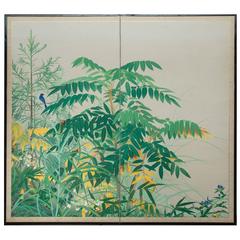
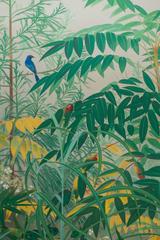
Japanese Two Panel Screen: Edge of the Forest
Located in Hudson, NY
Originally studied under Suzuki Shonen, later under Yamamoto Shunkyo. He also graduated the Kyoto City Specialist School of Painting.
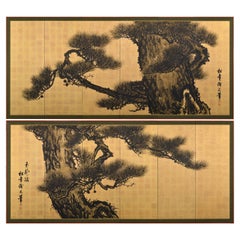
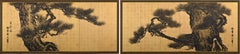
Circa 1900 Japanese Pine Screen Pair. Aged Dragons by Suzuki Shonen.
Located in Kyoto, JP
Suzuki Shonen (1848-1918) Aged Dragons A pair of six-panel Japanese screens.
Gold Leaf
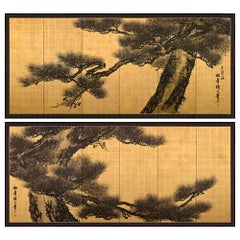
Circa 1900 Japanese Pine Screen Pair. Aged Dragons by Suzuki Shonen.
Located in Kyoto, JP
Suzuki Shonen (1848-1918) Aged Dragons Meiji period (1868-1912).
Gold Leaf
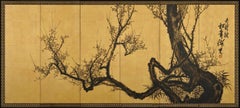
Sold
H 67 in W 146.5 in D 0.75 in
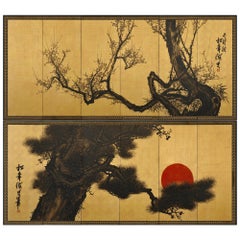
Meiji Period Japanese Pine and Plum Screens by Suzuki Shonen, Ink on Gold Leaf
Located in Kyoto, JP
Suzuki Shonen (1848-1918) Meiji period (1868-1912).
Gold Leaf
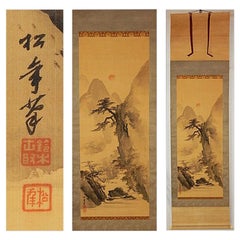
Sold
H 75.6 in W 20.6 in D 0.04 in
Farming Rice Fields Scene Meiji Period Scroll Japan 19c Artist Suzuki Shonen
Located in Amsterdam, Noord Holland
Suzuki Shonen (June 14 (1848 July 14) - Taisho 7 years (1918) January 29), the activity was Taisho from Meiji Japan painter.
Silk


Japanese Two Panel Screen, Autumn Maple and Quail
Located in Hudson, NY
In 1902 he was sent to Kyoto to study painting under Suzuki Shonen, then one of the leading artists in the Kansai region, whereupon he received the name Fukunen (Lucky year).
Gold
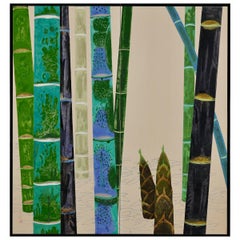
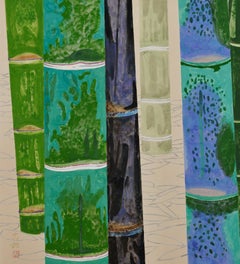
Japanese Folding Screen, circa 1960, Abstract Bamboo,
Located in Kyoto, JP
He is an ancestor of the artists Suzuki Shonen and Suzuki Hyakunen. He was a regular exhibitor with the national Nitten organization, exhibiting on 17 occasions.
Wood, Paper

Pair of Japanese Painted Silver Screens by Suzuki Shonen
Located in Seattle, WA
Exceptionally rare pair of Japanese six-panel folding screens by Suzuki Shonen (1849-1918). Each boldly painted in ink on silver leaf and paper.
Ink
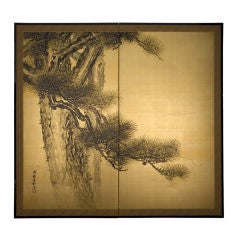
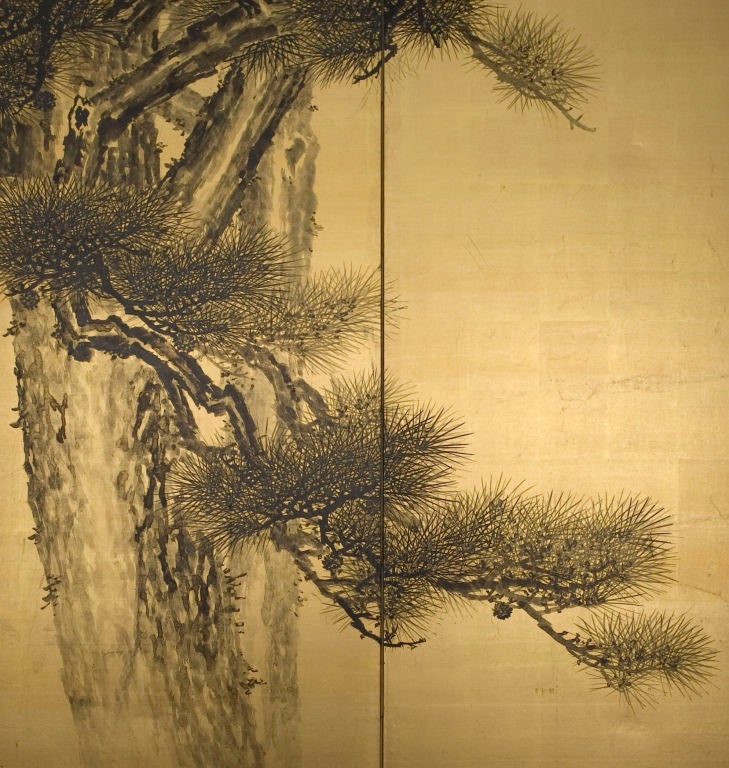
Pines
Located in New York, NY
Yukawa was born in Wakayama and studied under Suzuki Shonen, who was famous for his depictions of pines
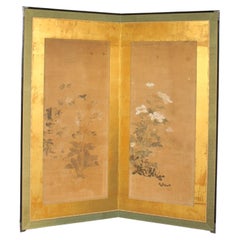
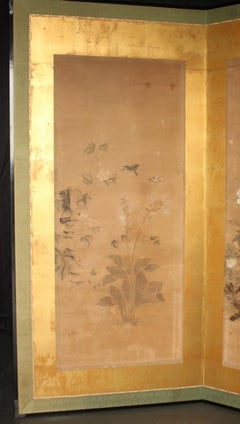
$1,750
H 68.12 in W 64.57 in D 0.79 in
B122 Japanese Antiques 2panels Byobu, paper, folding Screen Autumn grasses
Located in Niiza, JP
Material: paper, fabric on wooden frame One piece: W820×H1730mm×D17mm Painting seet: W550× H1290mm Unfolded size: W1640mm Folded size: W820×H1730×D35mm, 6kg Packaging (sandwiched wit...
Cedar, Paper
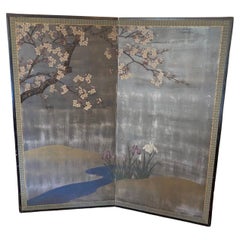
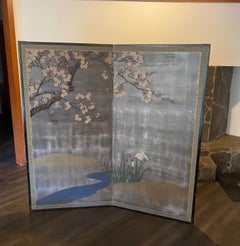
$3,495
H 60 in W 60 in D 0.75 in
Japanese Asian Two Panel Meiji Edo Byobu Cherry Blossom Tree Folding Screen
Located in Studio City, CA
A gorgeous, large two-panel antique Japanese Byobu folding screen depicting a nature landscape scene with a venerable cherry blossom tree and a running river with blooming flowers. ...
Silver Leaf
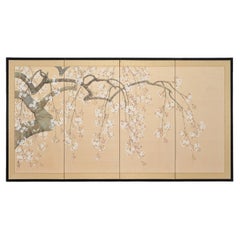
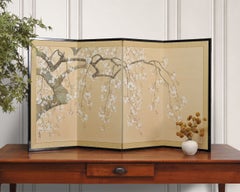
Japanese Showa Four Panel Screen Flowering Cherry Blossom
Located in Rio Vista, CA
Charming 20th century Japanese Showa period four-panel folding byobu screen depicting a spring Japanese prunus flowering cherry blossom or sakura tree. Crafted in the Nihonga School,...
Brass
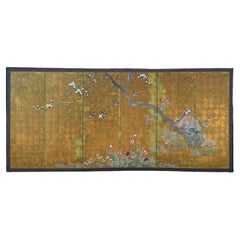
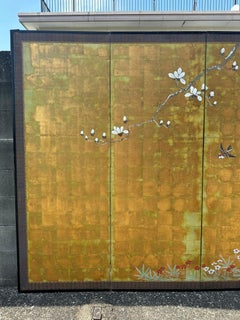
Japanese screen: Melody of Magnolia Blossoms
Located in Fukuoka, JP
Bathed in radiant gold, Melody of Magnolia Blossoms captures the fleeting harmony of nature in bloom. A graceful magnolia branch arcs across the shimmering surface, its petals unfold...
Wood, Paper
$2,995
H 27 in W 57 in D 0.75 in
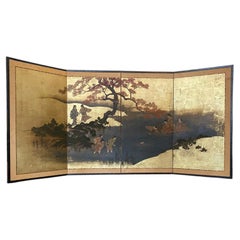
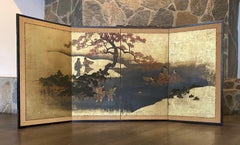
Japanese Asian Edo Meiji Four Panel Folding Byobu Screen Lakeside & Maple Tree
Located in Studio City, CA
A beautiful, quite engaging four-panel Edo Period Japanese Byobu folding screen depicting a nature landscape lakeside scene with various people fishing, boating, playing along the mi...
Gold Leaf
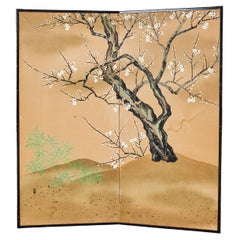
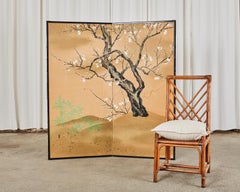
Japanese Showa Two Panel Screen Blossoming Prunus Tree
Located in Rio Vista, CA
Serene Japanese Showa period two-panel folding byobu screen depicting a large spring blossoming prunus tree or plum tree. Beautifully painted with ink and natural color pigments on m...
Brass
$4,200
H 62.6 in W 55.91 in D 1.19 in
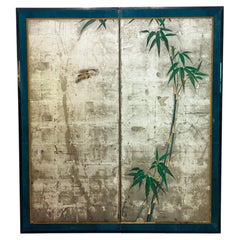
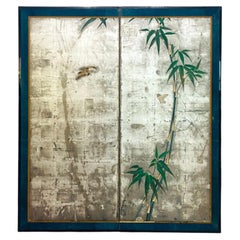
Japanese Two-Panel Silver Leaf Screen with Bamboo and Sparrows, 19th Century
Located in Fukuoka, JP
A striking Japanese two-panel folding screen from the 19th century, depicting bamboo and sparrows against a beautifully aged silver-leaf ground. Tall bamboo rises through one side o...
Silver Leaf

$23,123
H 53.75 in W 54.34 in D 0.79 in
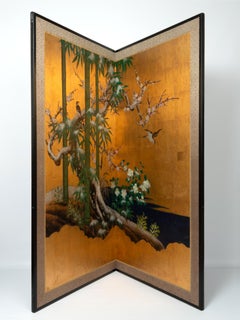
Antique 19th Century Japanese Two-Panel Screen ‘Byobu’, Kano School, Edo Period
Located in London, GB
Japanese Kano School Edo period two-panel screen depicting flowering prunus and bamboo on a rock formation, with colorful birds next to a body of water. Vivid mineral pigments on a g...
Gold Leaf
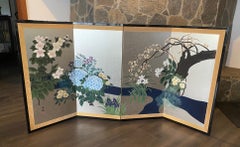
$1,695
H 36 in W 71 in D 0.75 in L 36 in
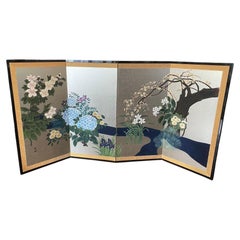
Japanese Asian Signed Four Panel Byobu Screen Cherry Blossom Tree With Flowers
Located in Studio City, CA
A gorgeous, quite riveting four-panel Japanese Byobu folding screen depicting a natural landscape with a cherry blossom tree and array of blooming flowers It is quite a wonderful co...
Silver Leaf
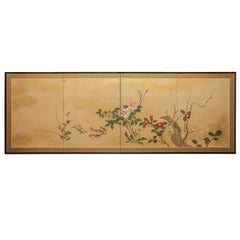
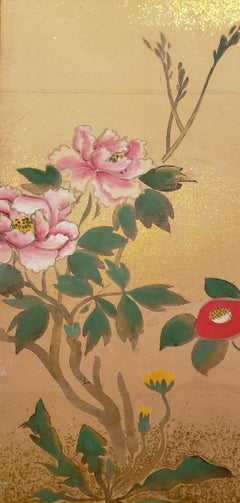
Japanese Four Panel Screen: Early Spring Into Summer
Located in Hudson, NY
Japanese Four Panel Screen: Early Spring Into Summer, Meiji period (1868 -1912) painting of plum in bloom with red camellias on the right and peony and thistle on the left. A clutc...
Gold Leaf
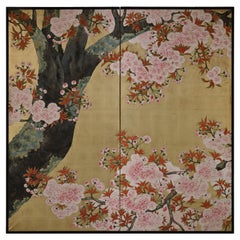
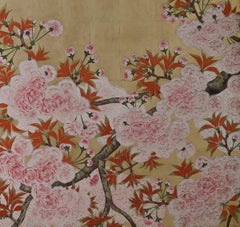
Early 20th Century Japanese Cherry Blossom Screen by Kano Sanrakuki
Located in Kyoto, JP
Cherry Blossoms Kano Sanrakuki (1898-1981) Showa period, circa 1930 2-panel Japanese Screen Color, gofun and gold leaf on paper Against a backdrop of gold-leafed groun...
Gold Leaf
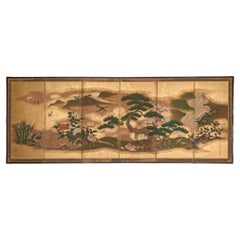
Japanese Six Panel Screen: Summer Landscape
Located in Hudson, NY
Landscape with summer flowers and waterfall with a family of pheasants. Mineral pigments and gold dust on gold leaf with silk brocade boarder and black lacquer trim with bronze hardw...
Bronze, Gold Leaf
$7,656
H 64.18 in W 66.54 in D 1.19 in
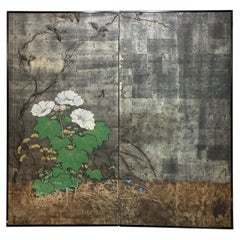
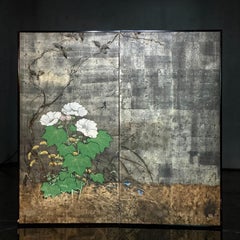
Japanese Two-Panel Silver Leaf Screen with Stylized Flowers and Foliage
Located in Fukuoka, JP
A striking Japanese two-panel folding screen distinguished by the contrast between its richly aged silver leaf ground and boldly stylized flowering plants. The silver surface has de...
Wood, Paper
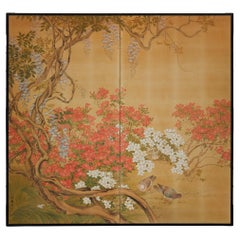
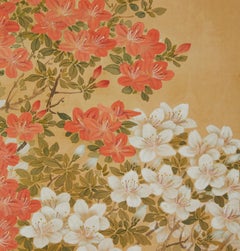
Japanese Two Panel Screen: Garden Landscape
Located in Hudson, NY
Beautifully painted garden lanscape with red and white azalias, old wisteria vine in bloom with doves. Mineral pigments on silk with black lacquer trim and beautiful bronze hardware....
Bronze

$32,500 / set
H 41.5 in W 106 in D 0.75 in
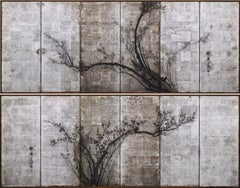
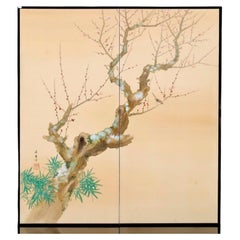
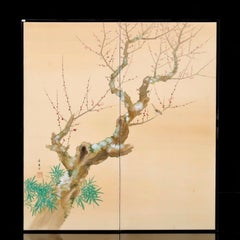
Japanese Screen Pair. Red and White Plum Blossoms on Silver Leaf.
Located in Kyoto, JP
Okada Yosai (1785–1864) Red and White Plum Blossoms Pair of six-panel Japanese screens. Ink and silver leaf on paper. Dimensions (Each Screen): H. 105.5 cm x W. 270 cm (41.5” x 10...
Silver Leaf
$4,200
H 61.03 in W 67.72 in D 1.19 in
Early 20th Century Japanese Two-Panel Screen with Plum Blossoms and Bamboo
Located in Fukuoka, JP
An early 20th-century Japanese two-panel folding screen presenting a finely balanced composition of flowering plum, bamboo, and a small bird. Across the two panels, the substantial ...
Wood, Paper
$400Sale Price|20% Off
H 5.32 in W 15.16 in D 5.12 in
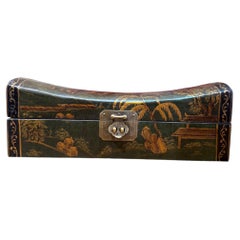
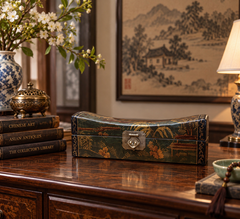
A Chinese Wooden Black Painted Pillow Box, Early 20th Century
Located in ARMADALE, VIC
A Chinese Wooden Black Painted Pillow Box, Early 20th Century Description: The box features a black finish adorned with hand-painted golden garden scenes and floral patterns. Prove...
Wood

$840 / set
H 2.5 in Dm 3 in
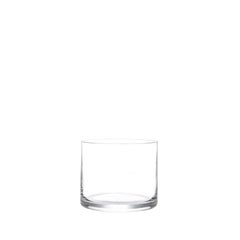
Set of 12 Deborah Ehrlich Simple Crystal Rocks Glasses, Handblown in Sweden
By Deborah Ehrlich
Located in Accord, NY
Launched with Takashimaya in 1999, these handblown crystal rocks glasses have become a modern classic. Each Deborah Ehrlich piece is designed for the extraordinary strength and clari...
Crystal
Ikebana Vase, Patina
By MONDAYS
Located in Brooklyn, NY
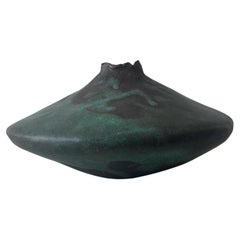
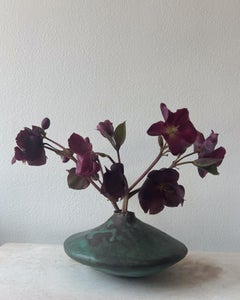
Wabi Sabi vase perfect for a single stem or small bouquet. Available in Patina, Golden Bronze or Matte White on umber clay. Vase is low and wide, and each is truly one-of-a-kind thou...
Ceramic
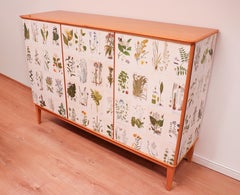
Swedish 3 Door Cabinet - Nordens Flora Illustrations
By Svenskt Tenn, Josef Frank
Located in Stockholm, SE
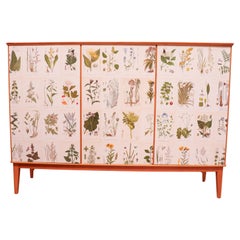
A Swedish three-door sideboard or cabinet, circa 1950s. The cabinet features clean lines and a balanced interior layout behind two doors, opening to separate compartments. One compar...
Birch, Paper
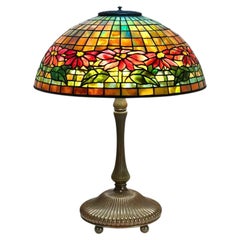
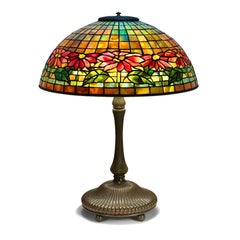
Tiffany Studios Poinsettia Table Lamp, Leaded Glass, Circa 1910
By Tiffany Studios
Located in Dallas, TX
Tiffany Studios "Poinsettia" Table Lamp circa 1910 leaded glass, patinated bronze shade impressed "Tiffany Studios, New York, 1558-6" base impressed "Tiffany Studios, New York, 370"...
Bronze
$500,000
H 39.5 in W 58 in D 82 in
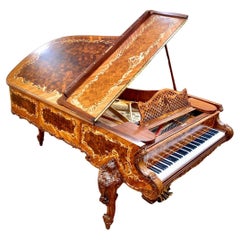
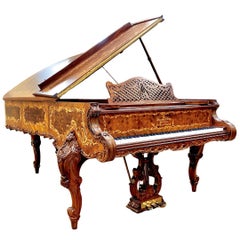
Rare Antique 1901 Steinway Model B Rosewood Grand Piano Louis XV Rococo Restored
By Steinway & Sons
Located in Dayton, OH
Fully Restored 1901 Steinway & Sons Model B Louis XV Baroque Rococo Grand Piano – Serial Number 99151, Full 88 key keyboard. The most exquisitely detailed example of a turn of the c...
Fruitwood, Rosewood
$11,222 / set
H 72.05 in W 89.77 in D 25.99 in
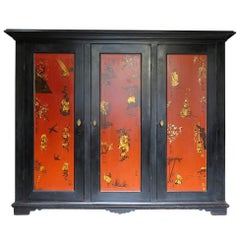
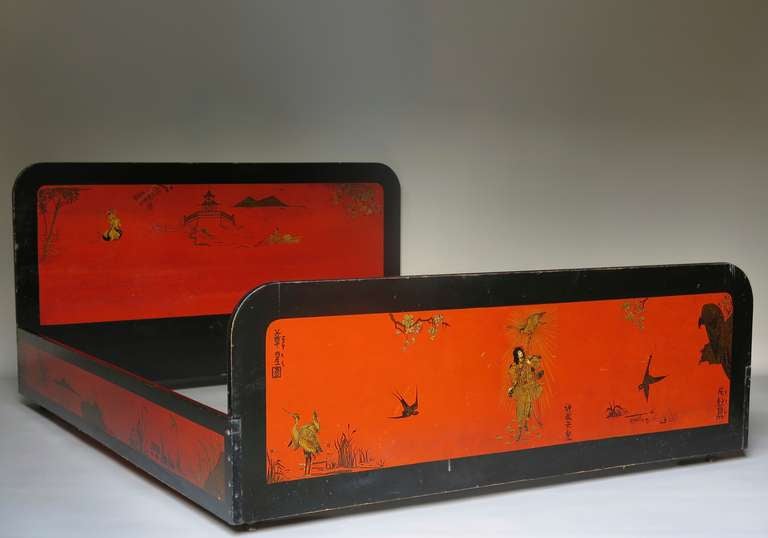
Art Deco Bedroom Set: Armoire, Bed and Mirror - France, 1920s
Located in Isle Sur La Sorgue, Vaucluse
Lovely and lively exotic bedroom set comprised of one three-door wardrobe, a double bed and a large mirror. The set is lacquered in red and black with gilt and silvered decor repr...
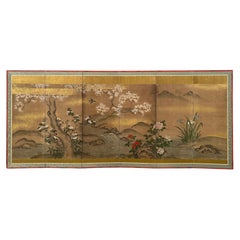
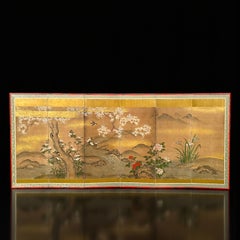
Japanese Six-Panel Folding Screen with Flowers and Landscape
Located in Fukuoka, JP
A Japanese mid-sized six-panel folding screen depicting an elegant landscape of flowering trees and plants, flowing water, rocky outcrops, distant hills, and a bird in flight. The c...
Wood, Paper
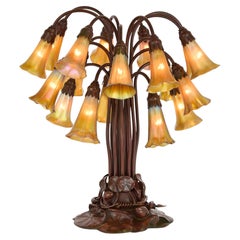
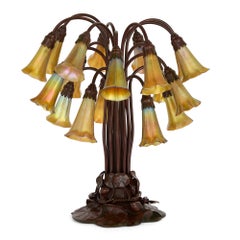
Tiffany Studios Eighteen-Light "Lily" Table Lamp
By Tiffany & Co.
Located in London, GB
Tiffany Studios Eighteen-Light "Lily" Table Lamp Tiffany Studios (American, 1902–1932) American, circa 1910 Height 51.5cm, width 49cm, depth 49cm This table lamp is constructed in p...
Bronze
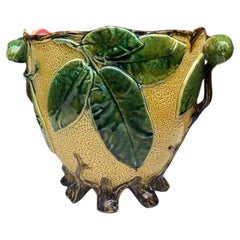
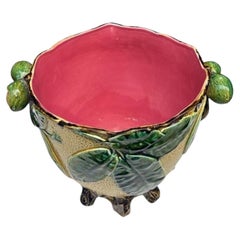
19th Century French Majolica Chesnut Jardinière
Located in Austin, TX
19th Century French Majolica Chesnut attributed to Jardinière.
Ceramic, Faience, Majolica
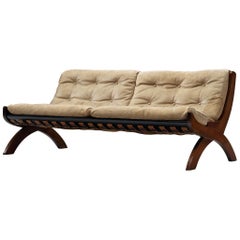
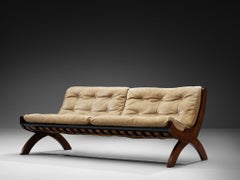
Marco Comolli Sofa in Walnut and Taupe Leather
By ICF De Padova, Marco Comolli
Located in Waalwijk, NL
Marco Comolli for I.C.F. De Padova, two-seat sofa, in walnut and taupe leather, Italy, 1965 A highly comfortable sofa by Marco Comolli due to down filling and well-designed proporti...
Leather, Walnut
$295
H 4.25 in W 10 in D 6.5 in
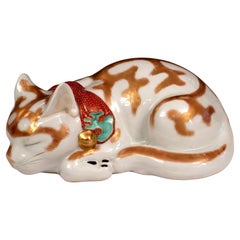
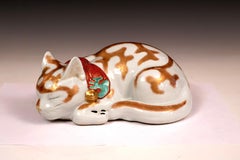
Vintage Japanese Kutani Porcelain Sleeping Cat Figure Circa 1930 Large 10"
By Kutani Studio
Located in Wilton, CT
Large, nearly antique, Japanese Kutani porcelain sleeping cat figure with ribbon and bell tied around the neck. Circa 1930. Extraordinary detail of fur, whiskers, and eye lashes very...
Porcelain

$16,700Sale Price|24% Off
H 1 in W 75.5 in D 63 in
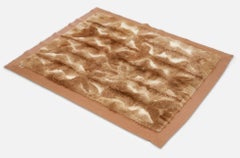
Rare Hermès Paris Guanaco Fur and Wool Blanket, c 1980s France, Signed
By Hermès
Located in Los Angeles, CA
Experience the epitome of luxury with this large exquisite vintage Hermès Guanaco (cousin to the Alpaca) fur blanket, crafted circa 1980s in Paris France. Known for their unparallele...
Fur, Wool
Tiffany Studios Poppy table Lamp
By Tiffany Studios
Located in Dallas, TX
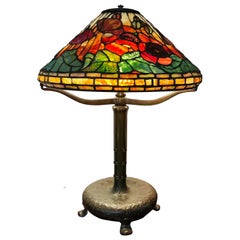
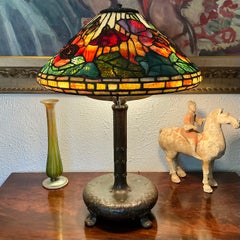
TIFFANY STUDIOS 'Poppy' Table Lamp, circa 1905 Leaded glass, gilt bronze Dimensions: 21 ¾ in. (55.2 cm) high, 16 ¾ in. (42.5 cm) diameter Shade impressed TIFFANY STUDIOS NEW YORK 146...
Bronze
$184,166
H 49.61 in W 70.87 in D 13.78 in
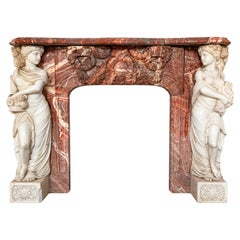
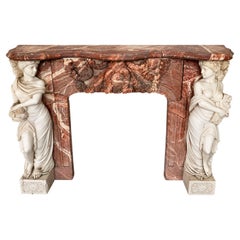
Monumental Rouge Marble Fireplace with Carved White Marble Caryatid Maidens
Located in Nottingham, GB
An exceptional and highly decorative monumental marble fireplace surround, combining richly figured rouge marble with finely carved white marble female caryatid figures. The imposin...
Marble
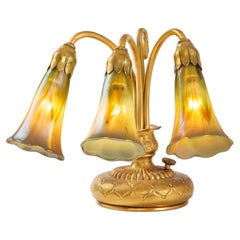
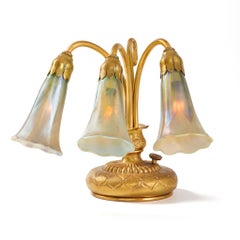
Tiffany Studios New York "Three-Light-Lily" Piano Lamp
By Tiffany Studios
Located in New York, NY
This Tiffany Studios New York "Three Light Lily" was designed to be placed on the top of pianos to illuminate sheet music. The shades are gold favrile glass with pulled feather decor...
Bronze
Traditional Asian paintings were often created on scrolls and folding screens. Artisans made screens that could be folded up or spread out by connecting several panels using hinges. Today, antique Asian folding screens and paintings are sophisticated decorative accents that can serve as makeshift partitions to ensure privacy.
The original folding screens were created by Chinese artists. The earliest record of screens comes from the 2nd century B.C., and surviving examples date back to the Ming dynasty. Chinese painting utilizes many of the same tools as calligraphy — these screens were crafted from wood with painted panels featuring striking art or calligraphy that told cultural stories or represented nature and life in the area.
The practice was introduced to Japan, where paintings for screens were made on paper and silk, in the 8th century. These paintings frequently feature subjects such as landscapes, animals, flowers and Buddhist religious themes. Along with screens for tea ceremonies and dance backgrounds, there were screens for use in Shinto and Buddhist temples.
In the 17th century, screens began to be imported to Europe where their popularity grew. Coco Chanel famously collected Coromandel folding screens.
Traditional Asian paintings can make a tasteful addition to any wall, and screens can be used as decoration or, in the case of larger iterations, as an aesthetic way to divide a large room. Browse the selection of antique Asian paintings and screens from a variety of styles and eras on 1stDibs.
Decorated with white cranes and the sought-after thousand-butterflies motif, the Meiji-period vessel offers both a celebration of traditional aesthetics and a clear reflection of the era’s appetite for exquisite export pieces.
For 25 years, gallerist Betsy Nathan has leveraged her keen eye and key connections to bring a unique selection of rare finds to the market.
Now working alongside his daughter Bianca, dealer Joel Chen has presented a most covetable array of antiques, art and contemporary creations for more than 40 years.
From cherry-blossom-adorned walls paired with glamorous lighting to wood-paneled ceilings above checkerboard-patterned chairs, these 12 spaces seamlessly blend Eastern and Western aesthetics.
The dealer and curator has spent the past 50 years amassing a collection of exceptional art, furniture and architectural elements that trace the cultural influence of the Spanish empire from Europe to the Americas and beyond.
These spaces exemplify how Eastern elements elevate a home's decor.