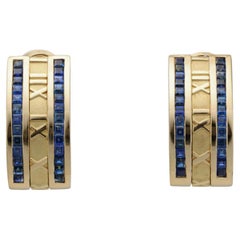
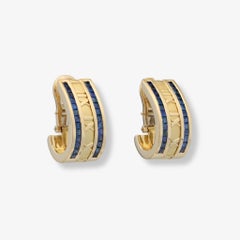
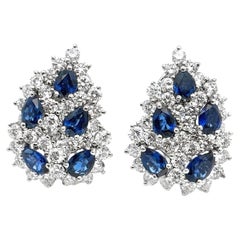
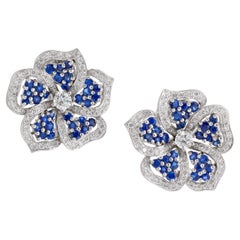
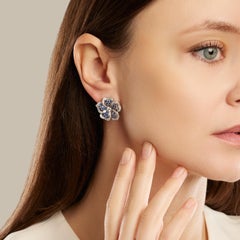
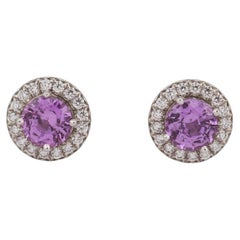
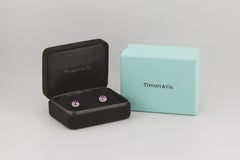
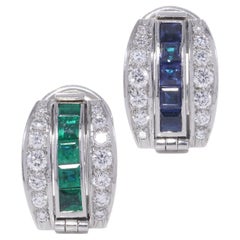
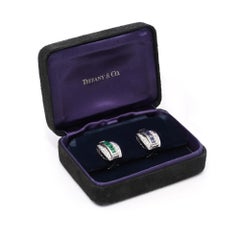
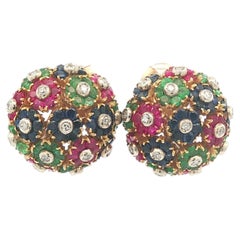
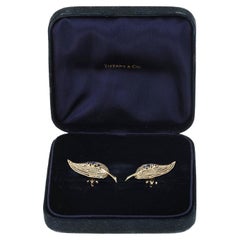
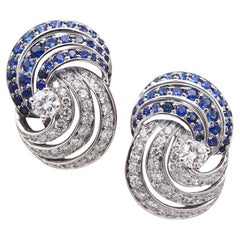
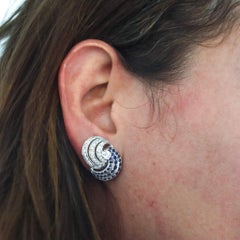
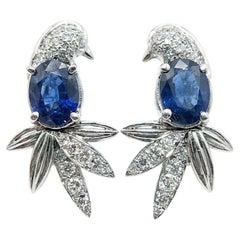
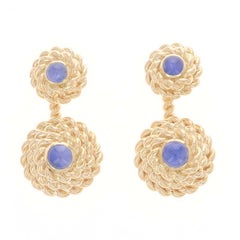
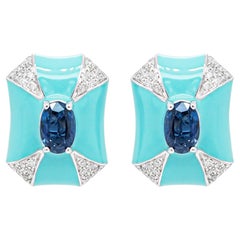
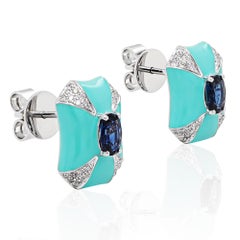
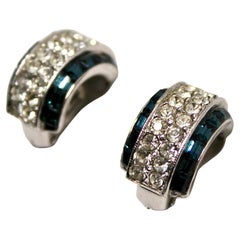
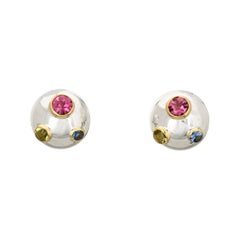
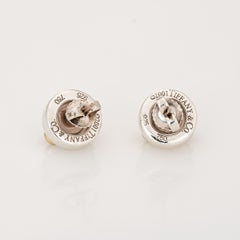
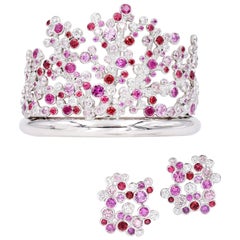
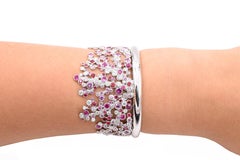
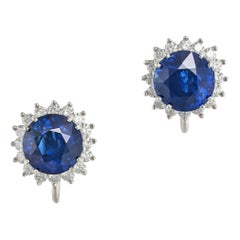
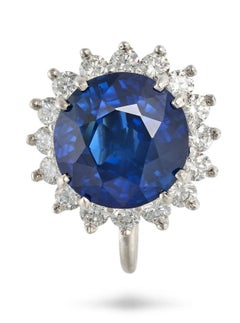
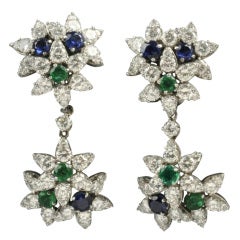
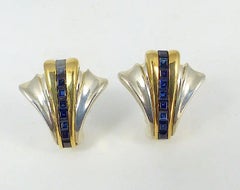
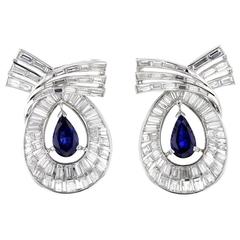
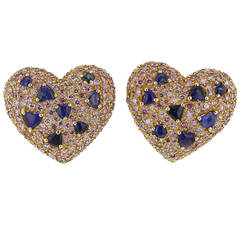
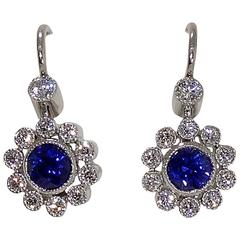
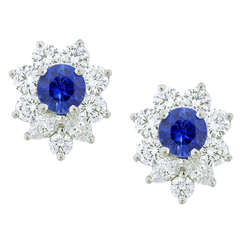
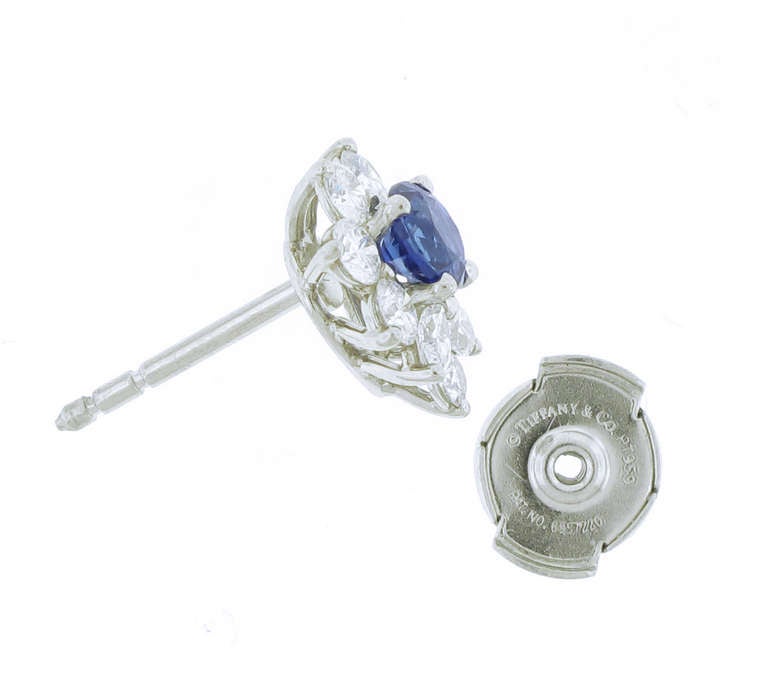
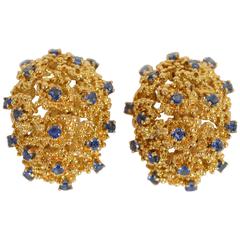
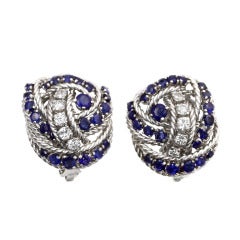
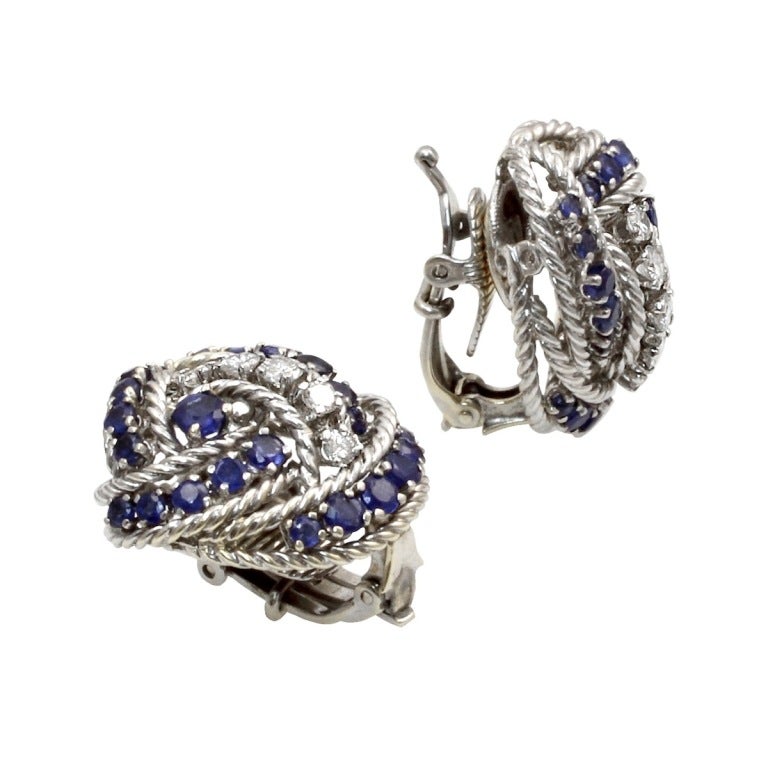
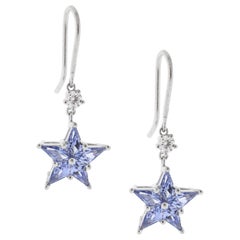
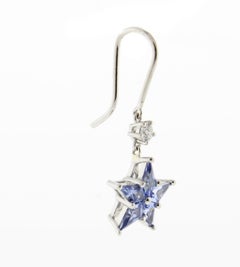
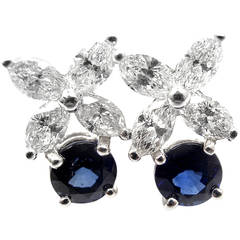
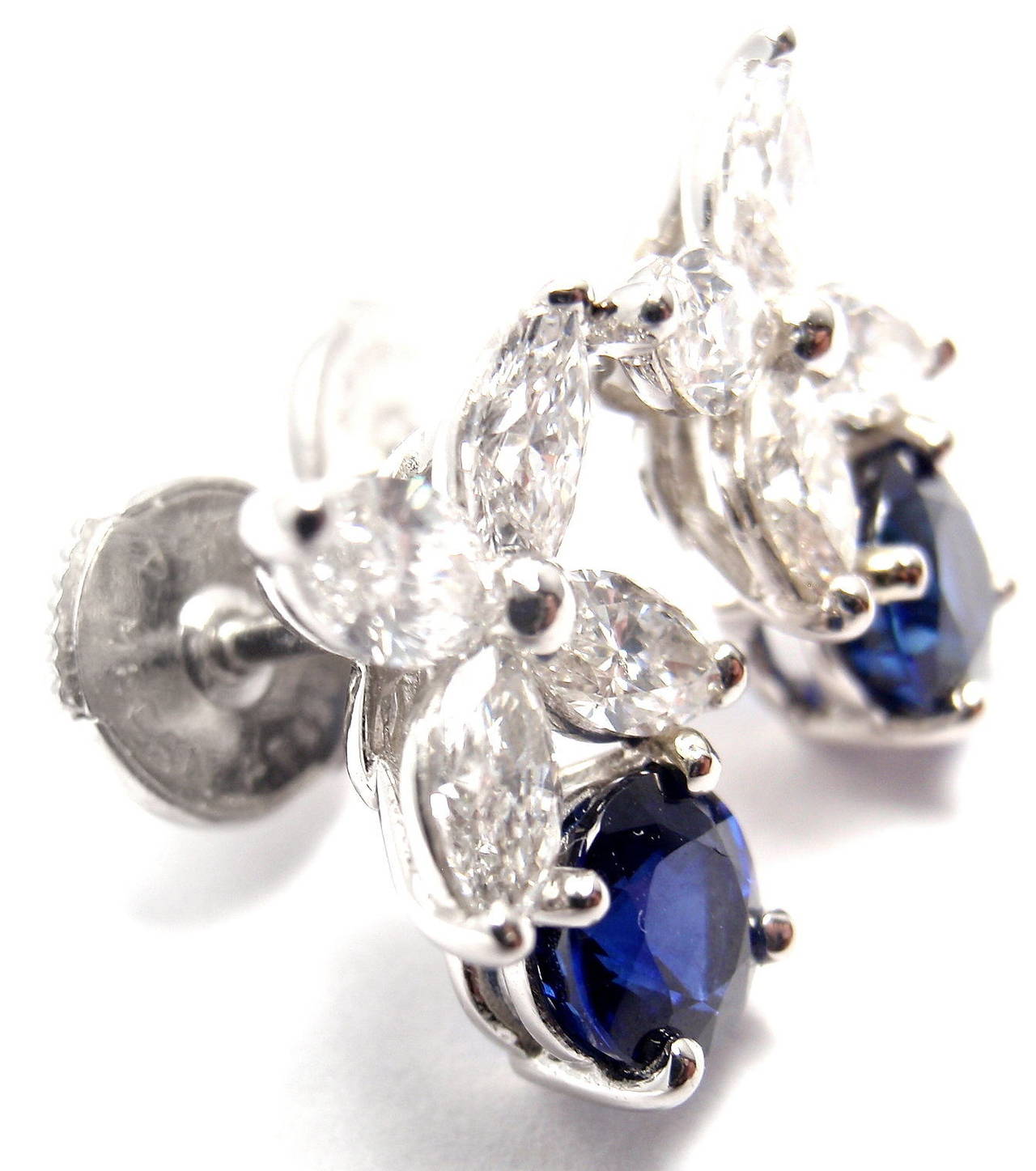
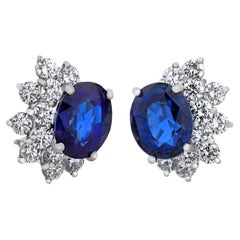
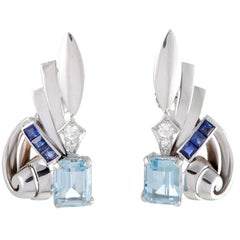
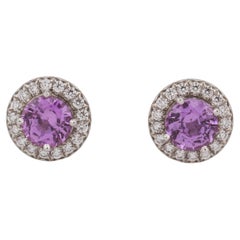
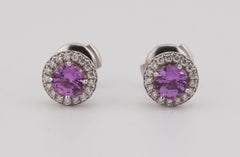
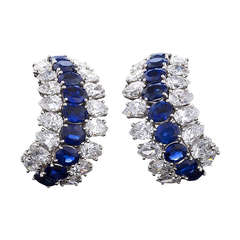
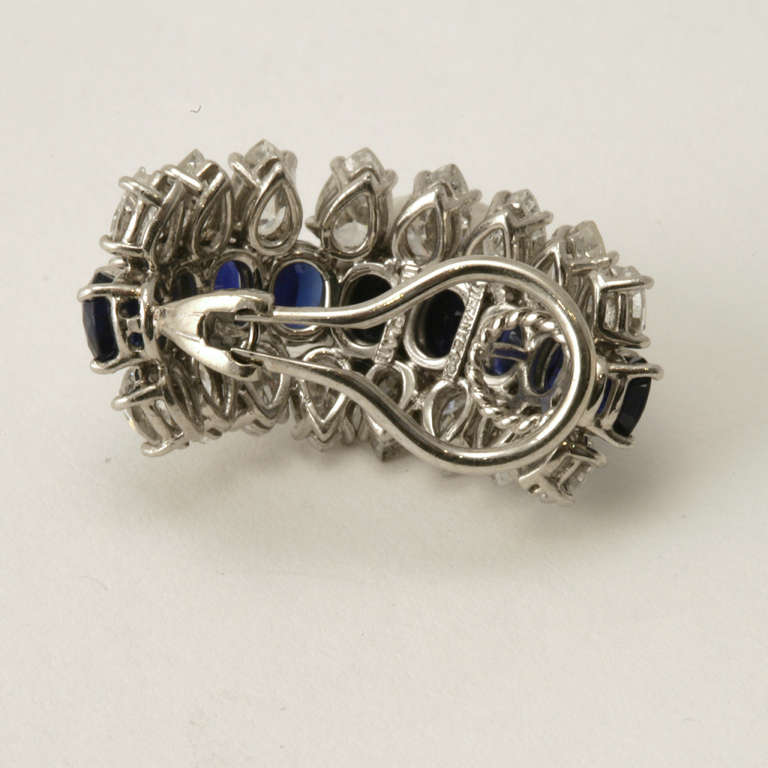
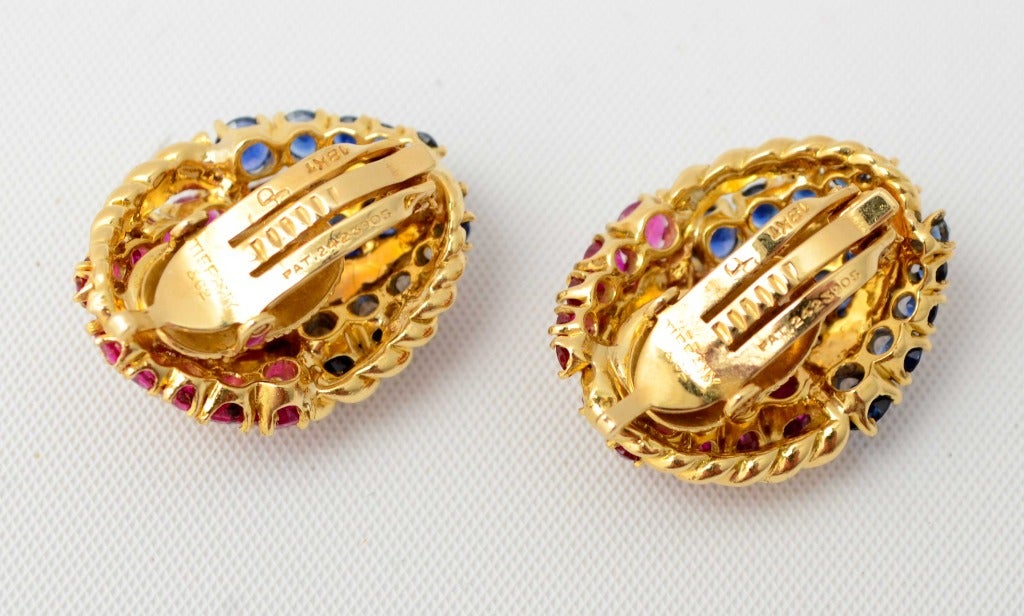
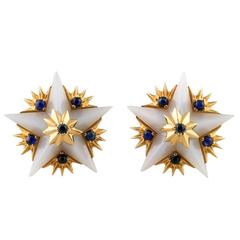
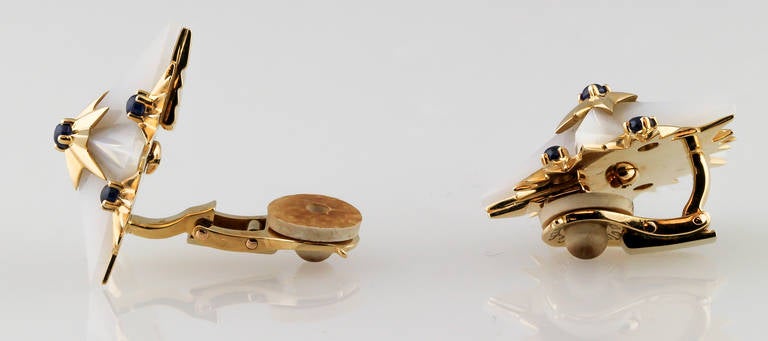
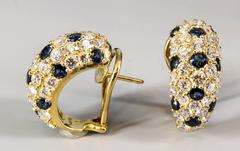
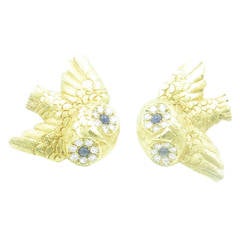
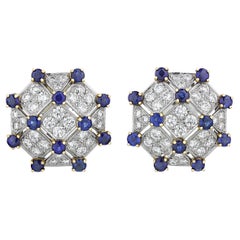
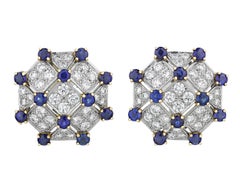
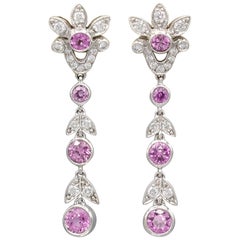
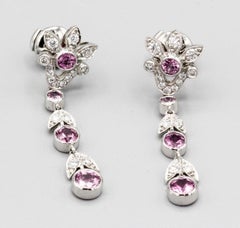
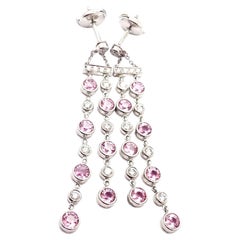
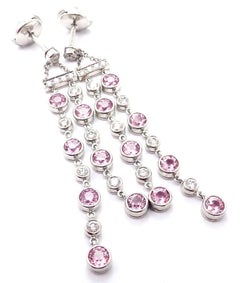
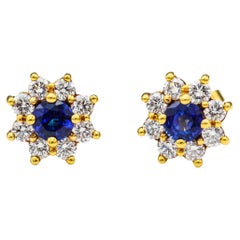
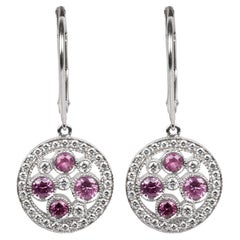
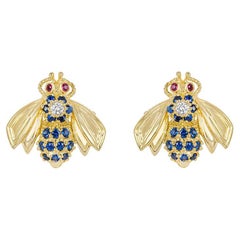
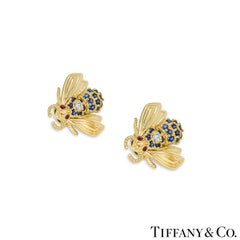
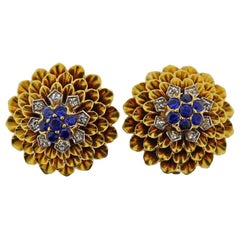
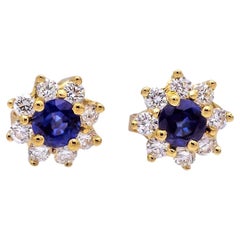
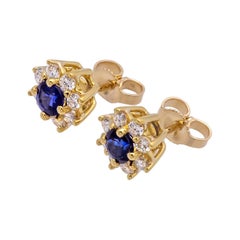
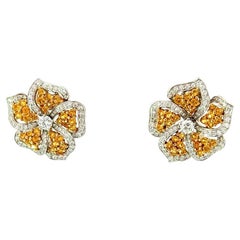
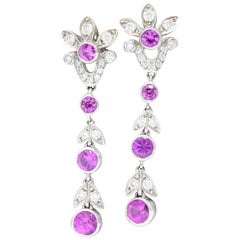
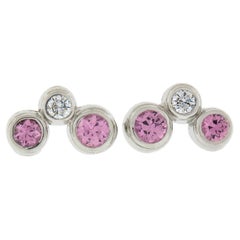
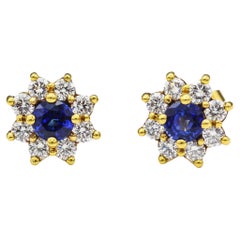
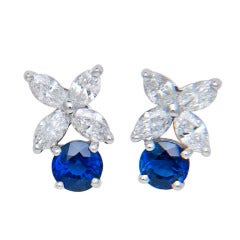
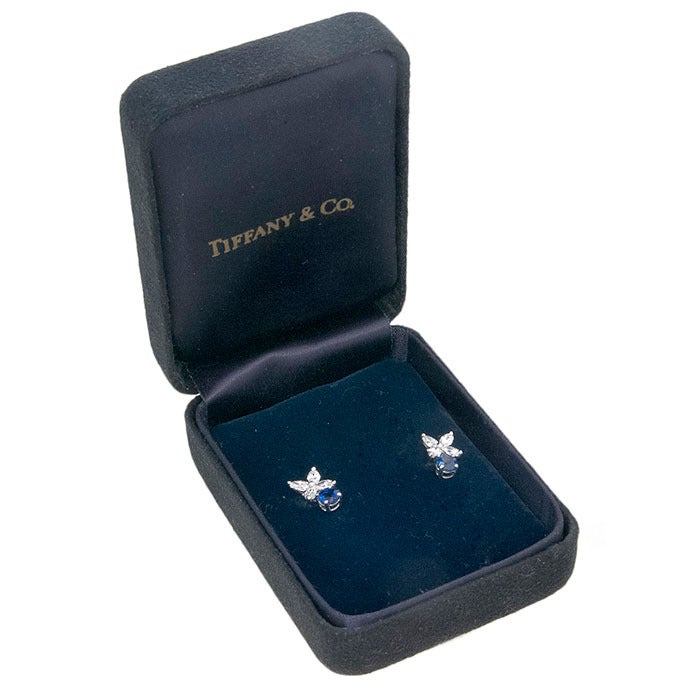
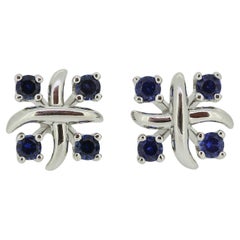
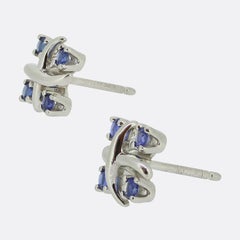
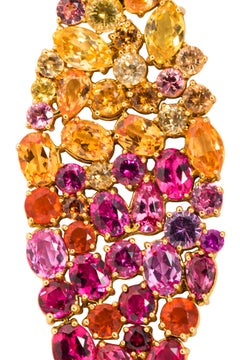
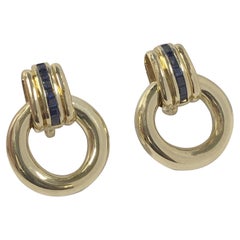
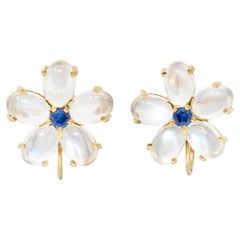
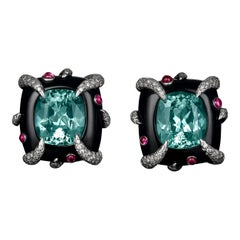
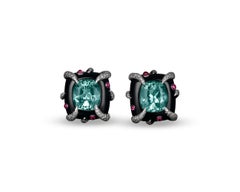
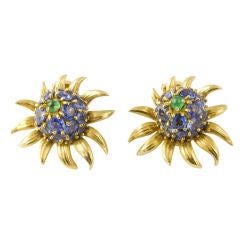
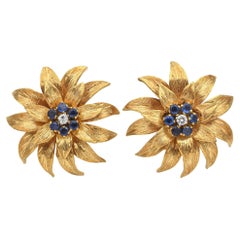
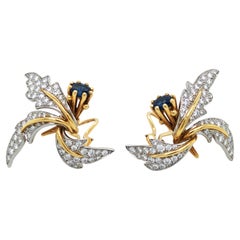
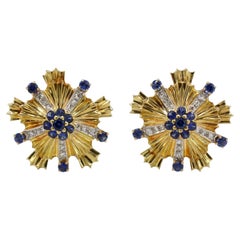
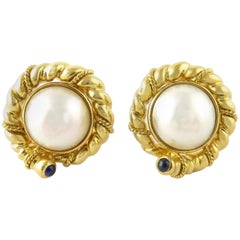
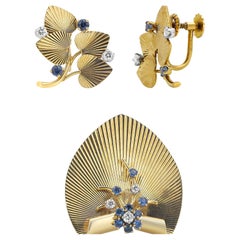
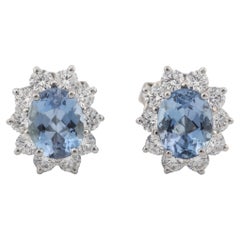
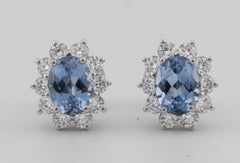
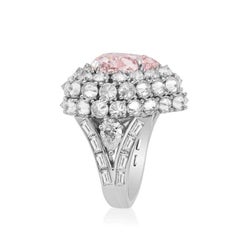
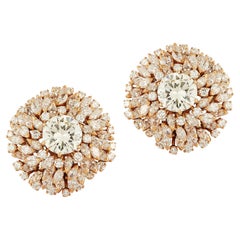
Tiffany Sapphire Earrings For Sale on 1stDibs
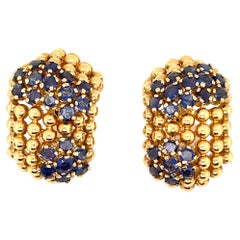
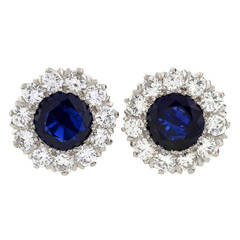
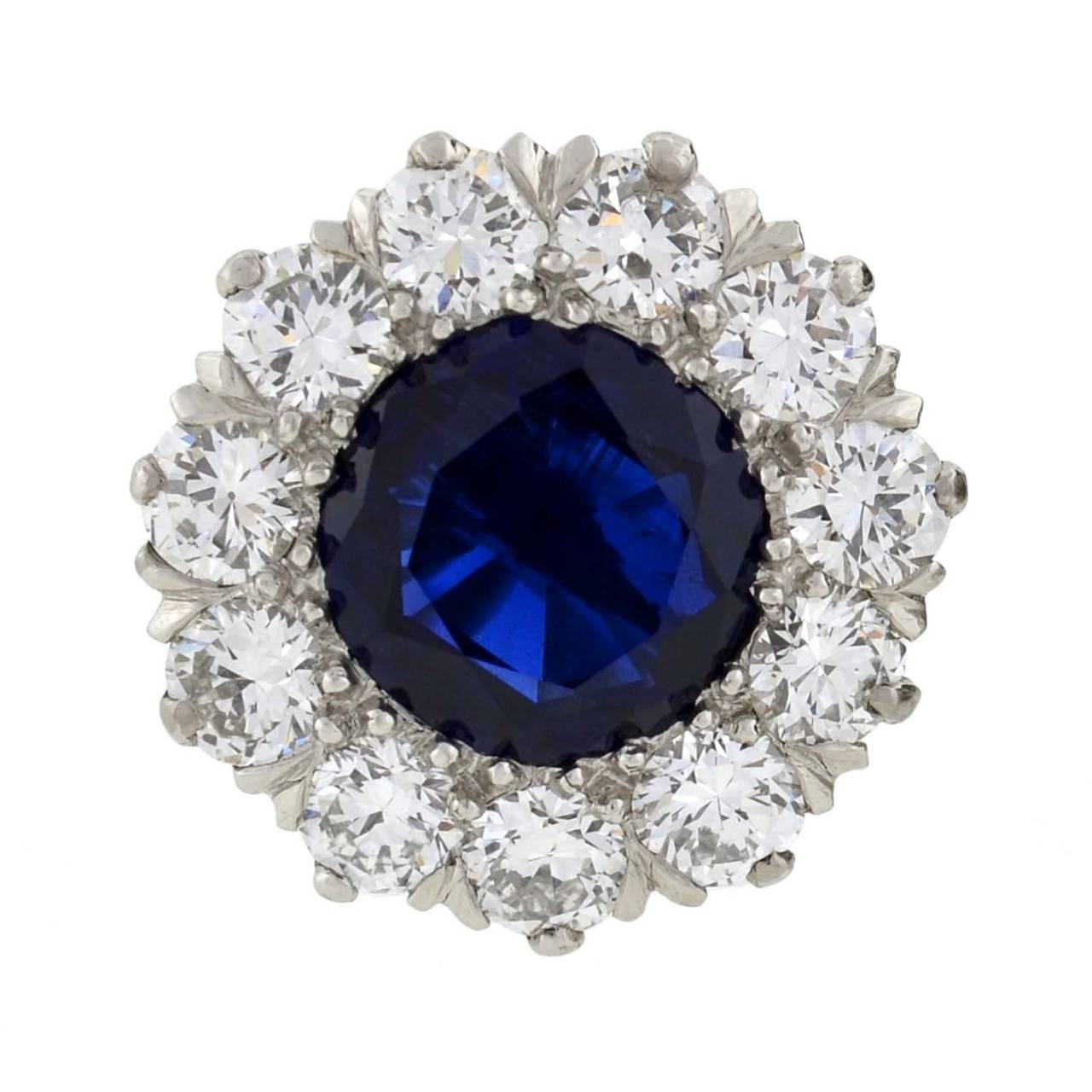
On 1stDibs, there are many options to choose from in our inventory of tiffany sapphire earrings. Frequently made of
Gold,
18k Gold and
Platinum, these items were constructed with great care. Our collection of these items for sale includes 85 vintage editions and 35 modern creations to choose from as well. Our inventory is broad and distinctive, with accessories on offer that were made as long ago as the 20th Century to those produced as recently as the 21st Century. There are many different pieces in our collection of tiffany sapphire earrings to choose from, but
Contemporary and
Modern tiffany sapphire earrings are of considerable interest. Today, if you’re looking for
round cut tiffany sapphire earrings and are unable to find the perfect match, our selection also includes
brilliant cut and
princess cut alternatives. Most of our tiffany sapphire earrings for sale are for
women, but there are 22 pieces available to browse for
men.
How Much are Tiffany Sapphire Earrings?
Prices for tiffany sapphire earrings can differ depending upon size, time period and other attributes — at 1stDibs, these accessories begin at $248 and can go as high as $125,000, while tiffany sapphire earrings, on average, fetch $4,350.
Tiffany & Co. for sale on 1stDibs
Tiffany & Co. is one of the most prominent purveyors of luxury goods in the United States, and has long been an important arbiter of style in the design of diamond engagement rings. A young Franklin Delano Roosevelt proposed to his future wife, Eleanor, with a Tiffany ring in 1904. Vanderbilts, Whitneys, Astors and members of the Russian imperial family all wore Tiffany & Co. jewelry. And Jacqueline Kennedy Onassis preferred Tiffany china for state dinners at the White House.
Although synonymous with luxury today, the firm started out rather modestly. Charles Lewis Tiffany and John B. Young founded it in Connecticut as a “stationery and fancy goods emporium” in 1837, at a time when European imports still dominated the nascent American luxury market. In 1853, Charles Tiffany — who in 1845 had launched the company’s famed catalog, the Blue Book, and with it, the firm’s signature robin’s-egg blue, which he chose for the cover — shifted the focus to fine jewelry.
In 1868, Tiffany & Co. gained international recognition when it became the first U.S. firm to win an award for excellence in silverware at the Exposition Universelle in Paris. From then on, it belonged to the pantheon of American luxury brands.
At the start of the Gilded Age, in 1870, Tiffany & Co. opened its flagship store, described as a "palace of jewels" by the New York Times, at 15 Union Square West in Manhattan. Throughout this period, its designs for silver tableware, ceremonial silver, flatware and jewelry were highly sought-after indicators of status and taste. They also won the firm numerous accolades, including the grand prize for silverware at the Paris Exposition of 1878. Among the firm’s glittering creations from this time are masterworks of Art Nouveau jewelry, such as this delicate aquamarine necklace and this lavish plique-à-jour peridot and gold necklace, both circa 1900.
When Charles Lewis Tiffany died, in 1902, his son Louis Comfort Tiffany became the firm’s design director. Under his leadership, the Tiffany silver studio was a de facto design school for apprentice silversmiths, who worked alongside head artisan Edward C. Moore. The firm produced distinctive objects inspired by Japanese art and design, North American plants and flowers, and Native American patterns and crafts, adding aesthetic diversity to Tiffany & Co.’s distinguished repertoire.
Tiffany is also closely associated with diamonds, even lending its name to one particularly rare and exceptional yellow stone. The firm bought the Tiffany diamond in its raw state from the Kimberley mines of South Africa in 1878. Cut to create a 128.54-carat gem with an unprecedented 82 facets, it is one of the most spectacular examples of a yellow diamond in the world.
In a broader sense, Tiffany & Co. helped put diamonds on the map in 1886 by introducing the American marketplace to the solitaire diamond design, which is still among the most popular engagement-ring styles. The trademark Tiffany® Setting raises the stone above the band on six prongs, allowing its facets to catch the light. A lovely recent example is this circa-2000 platinum engagement ring. Displaying a different design and aesthetic (but equally chic) is this exquisite diamond and ruby ring from the 1930s.
Find Tiffany & Co. jewelry, serveware and decorative objects for sale on 1stDibs.
The Legacy of Sapphire in Jewelry Design
On 1stDibs, shop the bright blue gems that star in sapphire rings, sapphire necklaces and other vintage and antique sapphire jewelry.
Sapphires — the stone of choice for Napoleon, Princess Diana and Elizabeth Taylor — have been a favorite of aristocrats and the well-to-do since the time of the Ancient Greeks.
Picture a sapphire. If the stone you conjure is a deep cornflower blue, you’re seeing only part of the picture. Although blue Kashmirs are considered the most valuable, sapphires come in every color except red. No matter the hue, this very special gem is rich in history and beloved by royals (FYI, Princess Diana and Kate Middleton share an 11-carat sapphire engagement ring), so September babies are in very noble company.
America’s version of royalty — old money and celebrities — have also shown a predilection for the blue stones. In 1940, John D. Rockefeller Jr. had Cartier mount a 62-carat sapphire he had bought from an Indian maharajah in a brooch for his first wife, Abby Aldrich Rockefeller; in 2001, the piece sold for a then-record of $3,031,000 at Christie’s New York.
The grand dame of jewelry, Elizabeth Taylor had a passion for the gems that her lovers were happy to indulge. Second husband Michael Wilding gave her an engagement ring set with a cabochon sapphire, while Richard Burton famously presented her with a BVLGARI sautoir set with diamonds and sapphires, including at its center a cabochon Burmese weighing 52.72 carats. One of the star lots in the sale of Taylor’s jewels at the Christie’s New York in 2011, it sold for $5,906,500.
You don’t have to have blue blood or a bulging bank account, however, to get an eyeful of this much-coveted gem. A number of outstanding examples reside in public collections.
The Smithsonian Museum of Natural History owns the 423-carat Logan sapphire, a gift from the Guggenheim family, and the Hall sapphire and diamond necklace, designed by Harry Winston and featuring 36 fine, well-matched cushion-cut Sri Lankan sapphires weighing a combined 195 carats. Also in the collection is the Bismarck sapphire necklace, designed by Cartier and sporting a central sapphire weighing 98.6 carats, which Mona Von Bismarck donated to the museum.
Sapphires are composed of corundum. Their color derives from trace elements, such as iron, titanium, chromium, copper or magnesium. When the trace element produces a ruby hue, the stone is called, what else, a ruby. (which is, as mentioned above, why sapphires cannot be red by definition).
The allure of large gemstones endures throughout the periods characterized as vintage, and sapphire features frequently in vintage engagement rings. (On 1stDibs, a range of buying guides can be found for those in the market for antique engagement rings, vintage engagement rings or Art Deco engagement rings.)
Find an exquisite collection of vintage and antique sapphire jewelry on 1stDibs.
Finding the Right Earrings for You
In the United States, ear piercing didn’t really become popular until the 1950s and ‘60s, but our desire for a dazzling pair of vintage earrings has deeper roots than that. In fact, wearing earrings actually goes back thousands of years, and you can find many tangible connections between now and then in how we continue to talk about these treasured accessories.
Women wore ornamental earrings — studs and hoops at the very least — in Ancient Egypt, which is home to mines that are among the earliest sources of emeralds in the world. Emerald earrings are highly prized today, and their quality lies in their rich, saturated color. The highest-quality emeralds are green or bluish-green. Earrings worn by the affluent in early Roman civilizations were set with precious stones such as diamonds and pearls, and a clean-looking pop of pearl on the front of the lobe is as timeless as ever. Hoop earrings are imbued with symbolism and cultural significance for many, and on view in the Metropolitan Museum of Art’s Ancient Near Eastern Art Gallery is a pair of simple gold hoops from Mesopotamia dating to between 2600 and 2500 B.C.
Today, ear piercing is very popular all over the world, and, as a result, it is difficult to overstate how much everyone pines for a good pair of earrings — modernist drop earrings, glamorous Victorian hoops, geometrically complex chandelier earrings, you name it. Sure, jewelry trends and the fashion darlings of social media come and go, but earrings have a staying power that seems impenetrable: The still-strong love affair between British royals and Cartier earrings is more than a century old, glossy 1970s hoops from legacy houses such as Bulgari and Van Cleef & Arpels remain the statement makers they’ve always been and although people have been stacking earrings for many moons, the allure of an expertly mismatched stack of charms and studs still feels fresh and new.
While there is no shortage of modern earring designs to choose from, the classics, like coral earrings, Art Deco–style earrings and diamond drop earrings are still heavy hitters. On 1stDibs, find a wide range of antique, new and vintage earrings today.