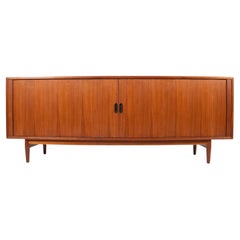
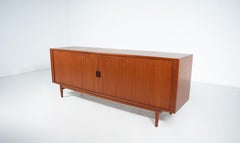
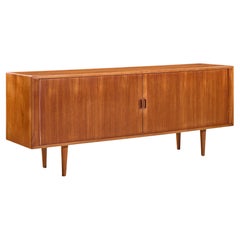
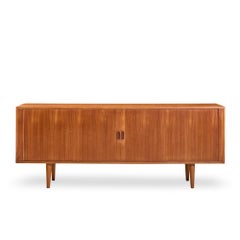
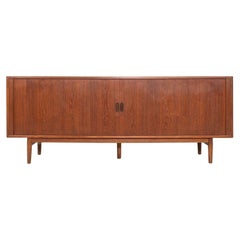
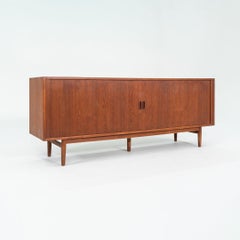
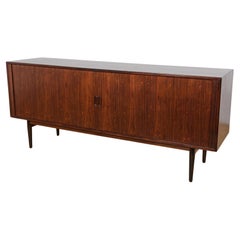
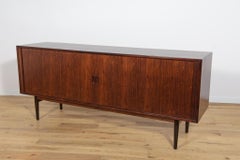
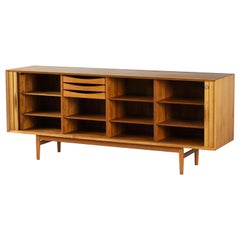
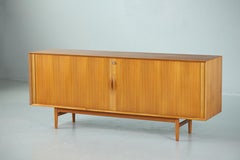
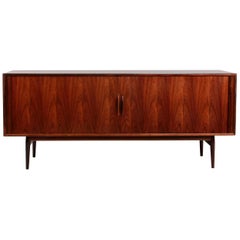
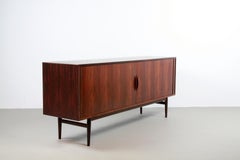
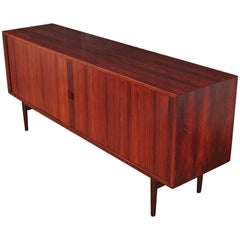
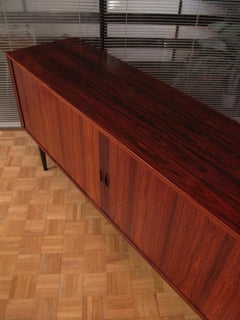
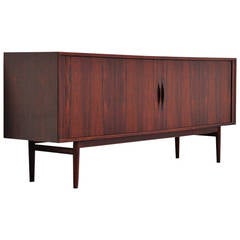
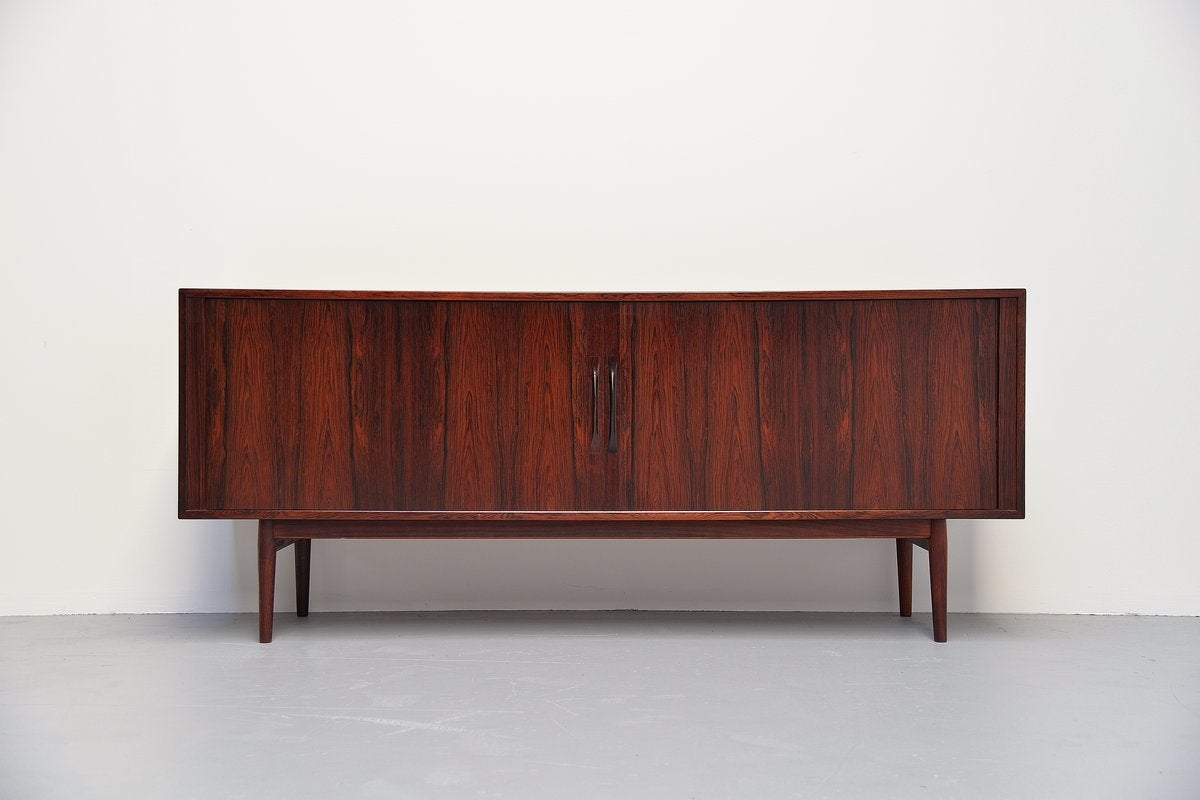
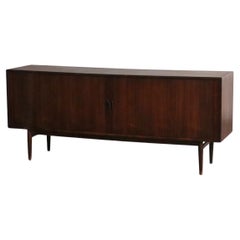
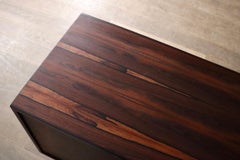
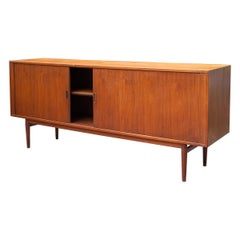
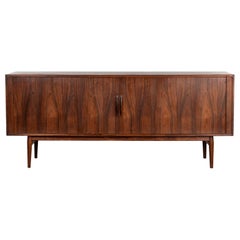
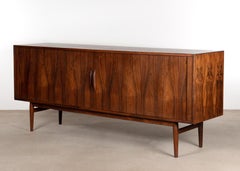
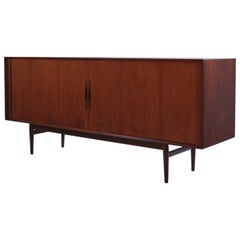
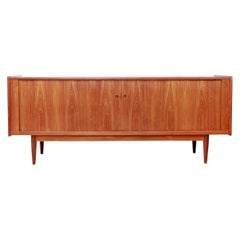
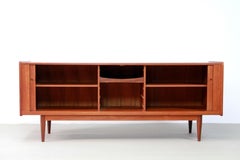
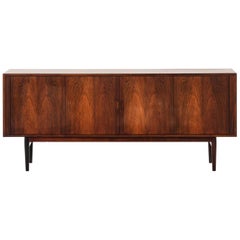
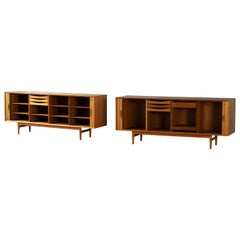
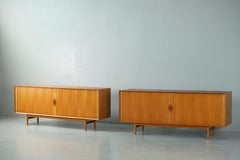
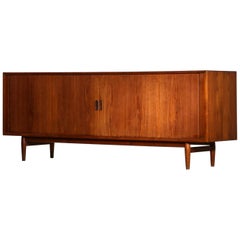
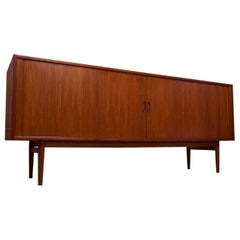
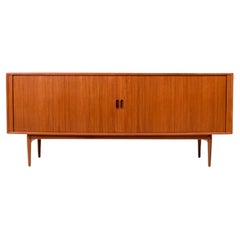
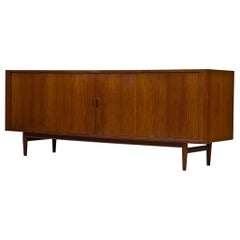
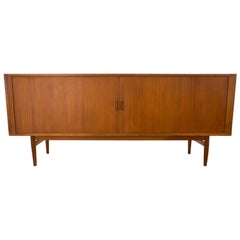
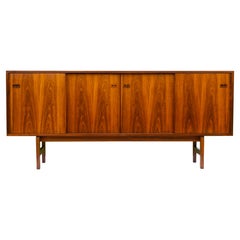
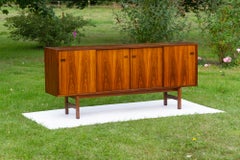
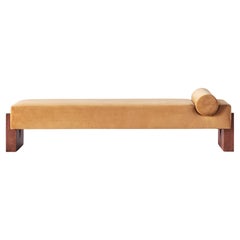
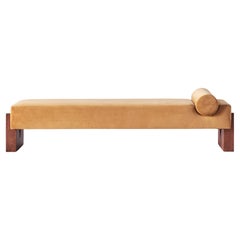
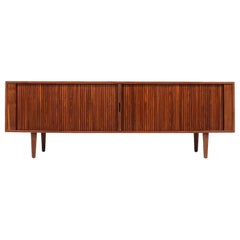
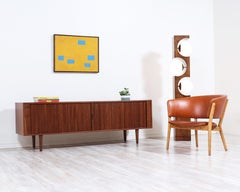
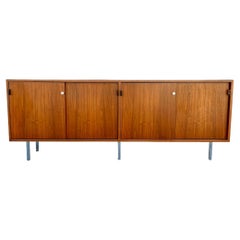
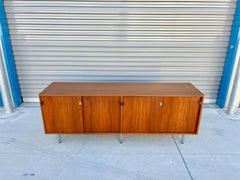
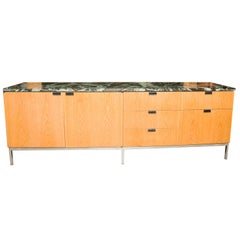
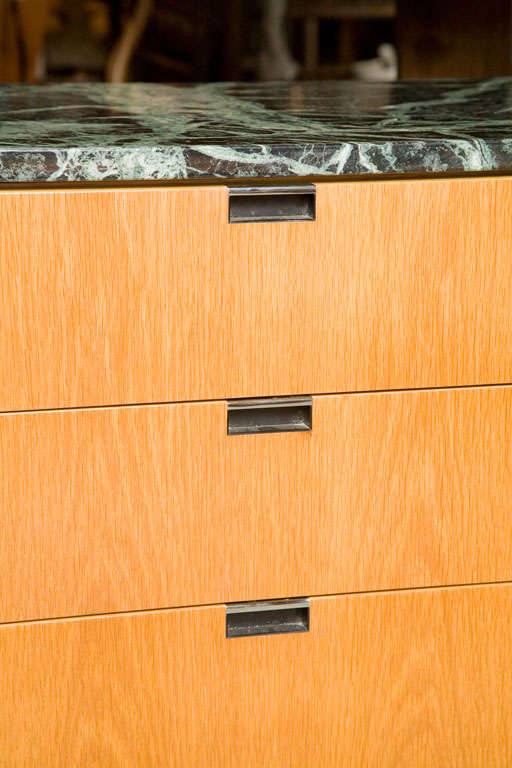
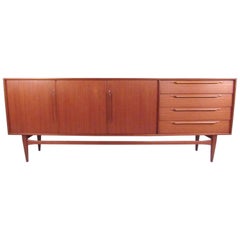
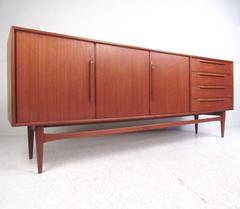
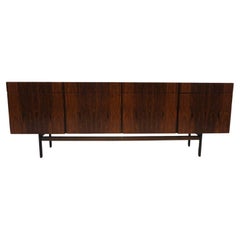
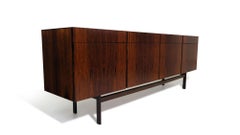
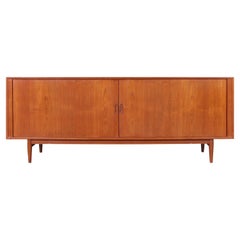
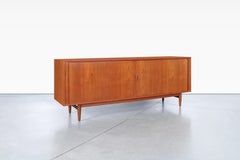
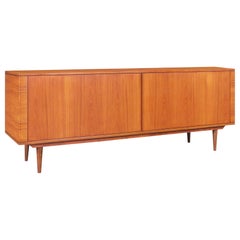
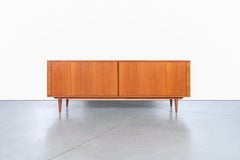
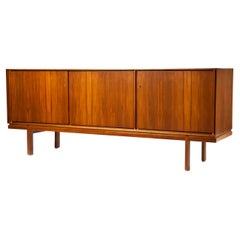
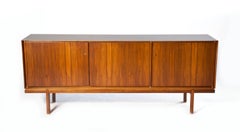
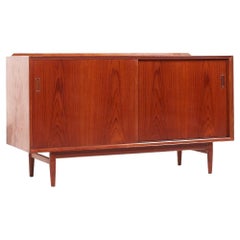
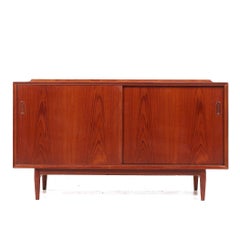
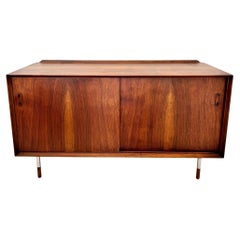
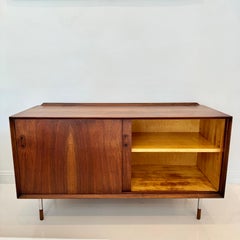
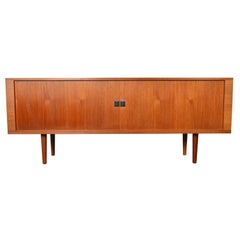
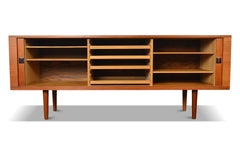
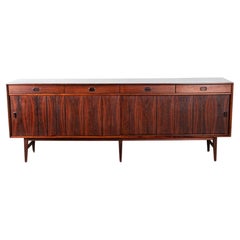
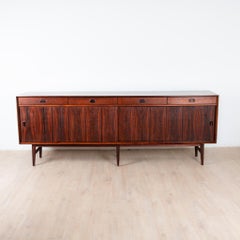
At 1stDibs, there are many versions of the ideal vodder 37 for your home. Each vodder 37 for sale was constructed with extraordinary care, often using
wood,
fabric and
hardwood. Find 6 options for an antique or vintage vodder 37 now, or shop our selection of 17 modern versions for a more contemporary example of this long-cherished piece. Your living room may not be complete without a vodder 37 — find older editions for sale from the 20th Century and newer versions made as recently as the 21st Century. Each vodder 37 bearing
modern,
Scandinavian Modern or
mid-century modern hallmarks is very popular. You’ll likely find more than one vodder 37 that is appealing in its simplicity, but
Finn Juhl,
Arne Vodder and
Sibast produced versions that are worth a look.
Prices for a vodder 37 can differ depending upon size, time period and other attributes — at 1stDibs, they begin at $1,195 and can go as high as $19,431, while the average can fetch as much as $10,071.
Along with Vernor Panton, cabinetmaker and architect Arne Vodder was a leading light of what might be called the “second generation” of forward-thinking 20th-century Danish furniture designers — those who, following in the footsteps of Hans Wegner, Arne Jacobsen, Finn Juhl and others, first applied the skills, traditions and philosophical tenets of Scandinavian craftsmanship to a modern furniture idiom.
Vodder was a graduate student in architecture trained by Juhl, a pioneer of furniture design credited with igniting the Scandinavian modernist movement that swept like wildfire across the United States in the postwar era. Vodder made his mark in the 1960s, when modern design had gained wide acceptance, particularly in the business world. Accordingly, many of Vodder's chairs, created for manufacturers such as France & Søn, Fritz Hansen and Sibast, are quiet in form — projecting an air of sturdiness and strength, rather than avant-garde styling.
Vodder’s aesthetic flair is very pronounced in his vintage cabinets and storage pieces — sideboards, bookcases, credenzas and buffets. In such pieces, the designer liked to play with asymmetry.
Vodder’s bookcases often have a seemingly random array of variously sized shelves and nooks. A typical Vodder sideboard of the mid-century period — his classic Model 29 case piece is known to collectors — might have four sections, each different in purpose and look: an open stack of vertical shelves, and other cupboards covered with sliding panels in contrasting colored laminates and wood veneers.
As you will see from the works on 1stDibs, Vodder had a sense of what kind of design was appropriate for which space: sobriety in the boardroom; playfulness at home.
Find vintage Arne Vodder furniture for sale on 1stDibs.
An antique or vintage sideboard today is a sophisticated and stylish component in sumptuous dining rooms of every shape, size and decor scheme, as well as a statement of its own, showcased in art galleries and museums.
Once simply boards made of wood that were used to support ceremonial dining, sideboards have taken on much greater importance as case pieces since their modest first appearance. In Italy, the sideboard was basically a credenza, a solid furnishing with cabinet doors. It was initially intended as an integral piece of any dining room where the wealthy gathered for meals in the southern European country.
Later, in England and France, sideboards retained their utilitarian purpose — a place to keep hot water for rinsing silverware and from which to serve cold drinking water — but would evolve into double-bodied structures that allowed for the display of serveware and utensils on open shelves. We would likely call these buffets, as they’re taller than a sideboard. (Trust us — there is an order to all of this!)
The sideboard is often deemed a buffet in the United States, from the French buffet à deux corps, which referred to a storage and display case. However, a buffet technically possesses a tiered or shelved superstructure for displaying attractive kitchenware and certainly makes more sense in the context of buffet dining — abundant meals served for crowds of people.
Every imaginable iteration of the sideboard has taken shape over the years. Furniture maker and artist Paul Evans, whose work has been the subject of various celebrated museum exhibitions, created ornamented, welded and patinated sideboards for Directional Furniture, collections such as the Cityscape series that speak to his place in revolutionary brutalist furniture design as much as they echo the origins of these sturdy, functional structures centuries ago.
If mid-century modern sideboards or vintage Danish sideboards are more to your liking than an 18th-century mahogany sideboard with decorative inlays in the Hepplewhite style, the particularly elegant pieces crafted by designers Hans Wegner, Edward Wormley or Florence Knoll are often sought by today’s collectors.
Whether you have a specific era or style in mind or you’re open to browsing a vast collection to find the right fit, 1stDibs has a variety of antique and vintage sideboards to choose from.