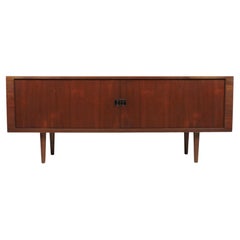
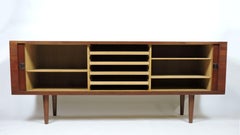
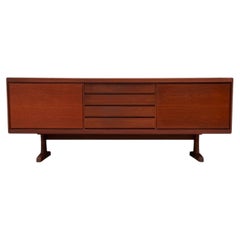
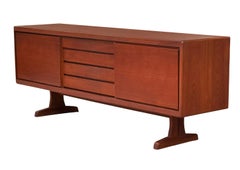
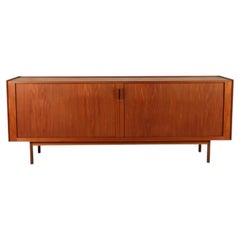
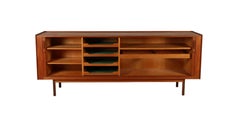
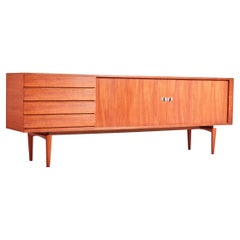
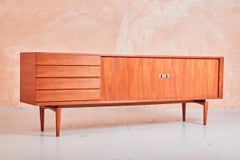
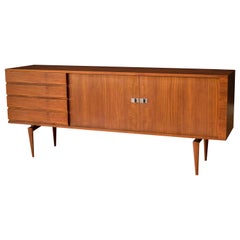
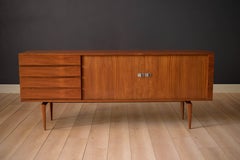
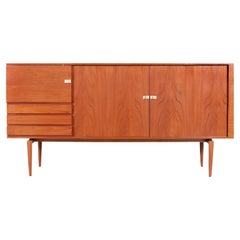
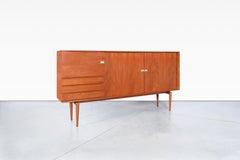
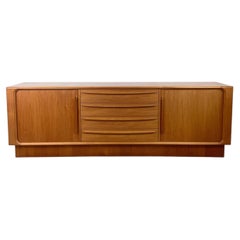
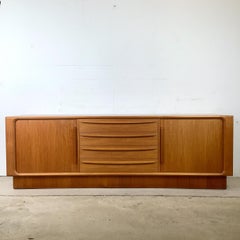
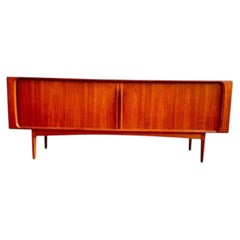
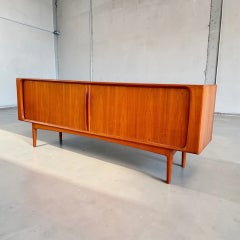
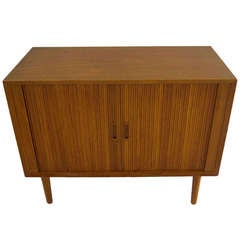
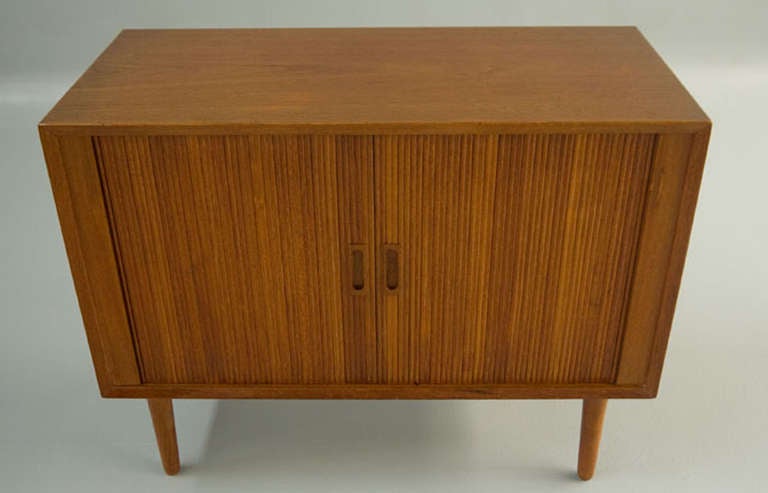
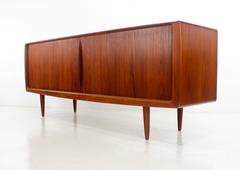
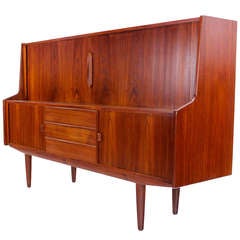
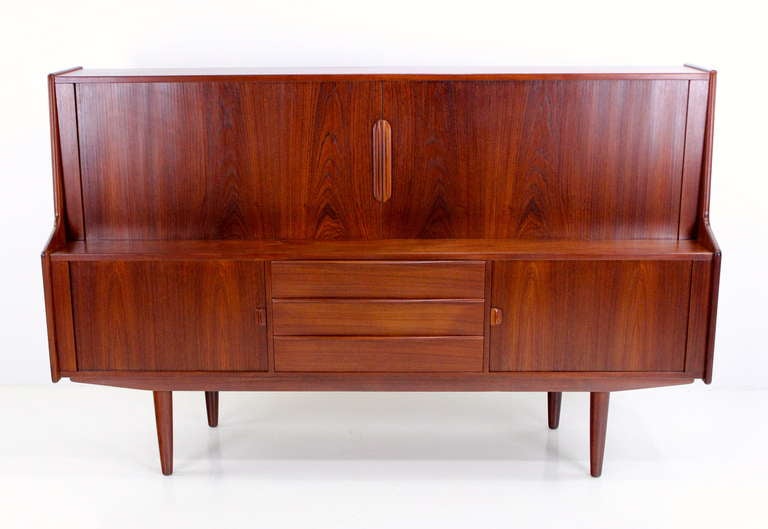
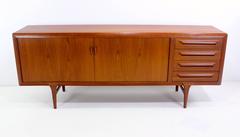
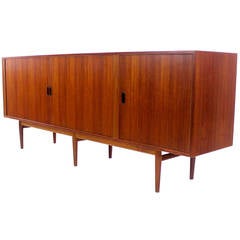
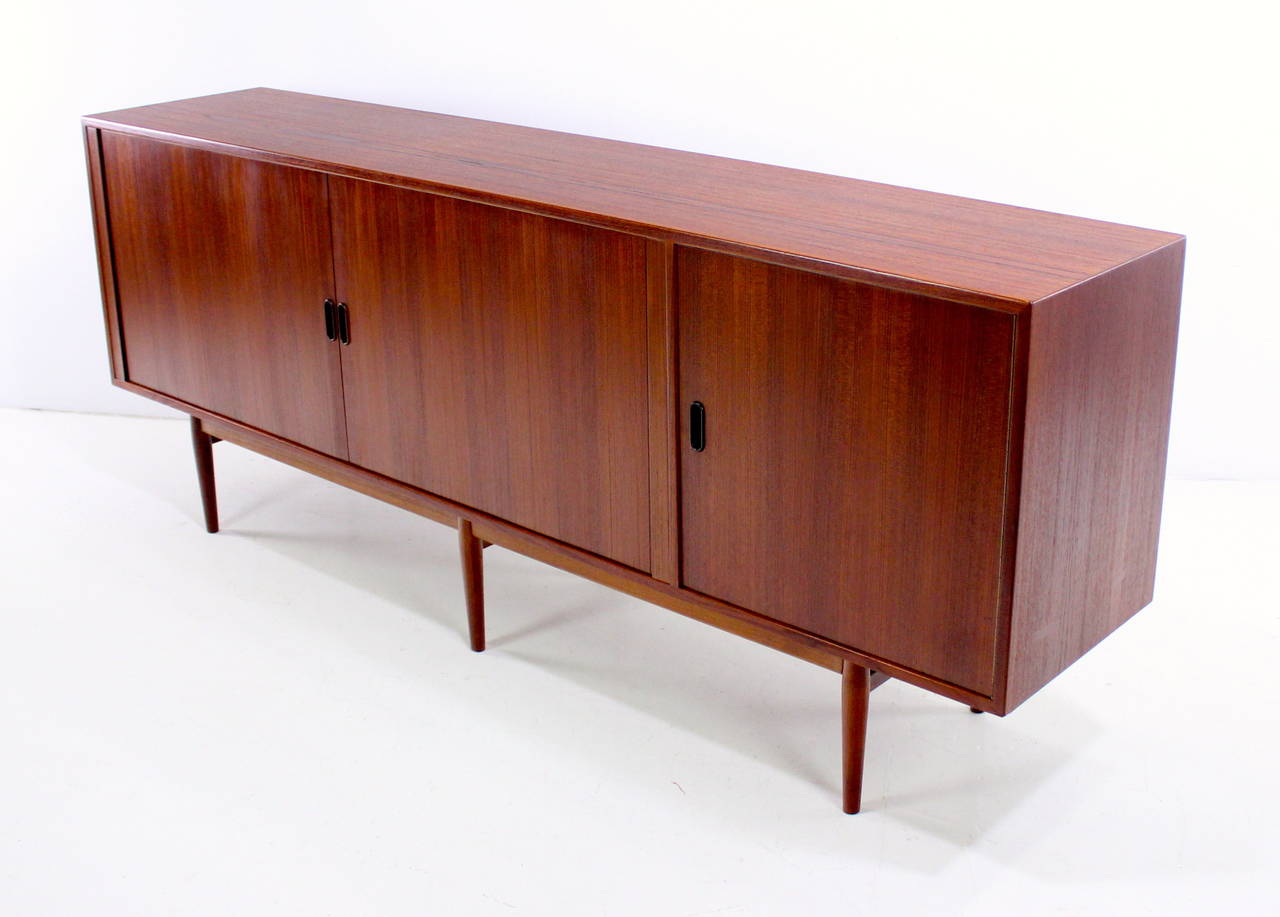
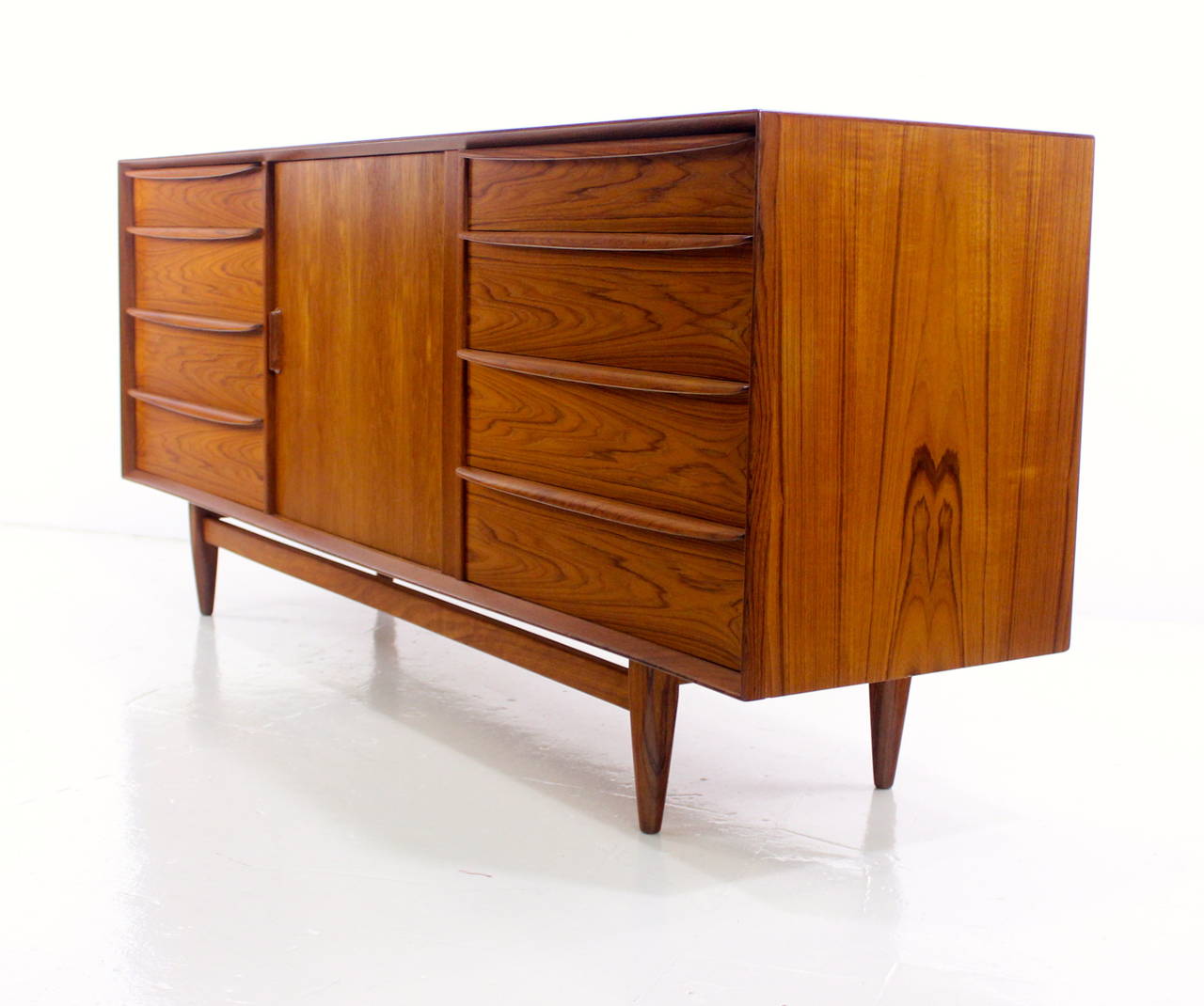
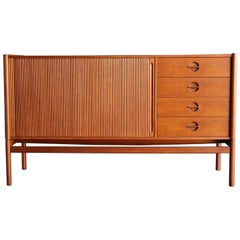
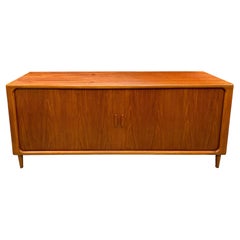
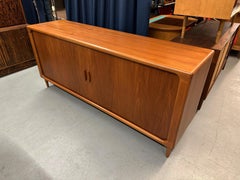
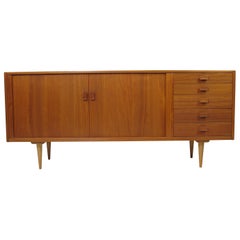
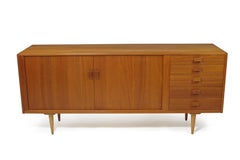
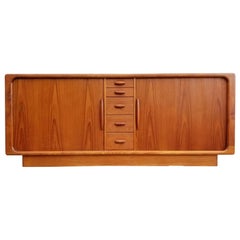
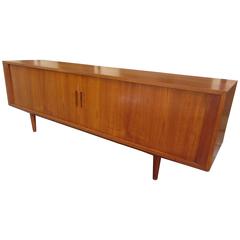
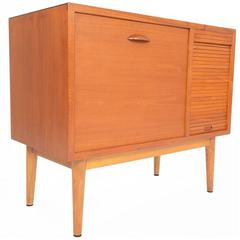
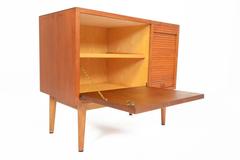
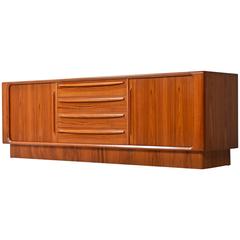
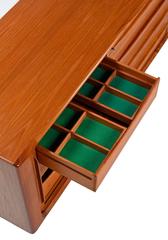
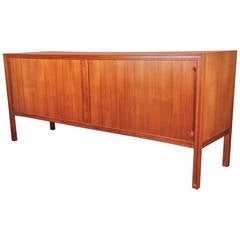
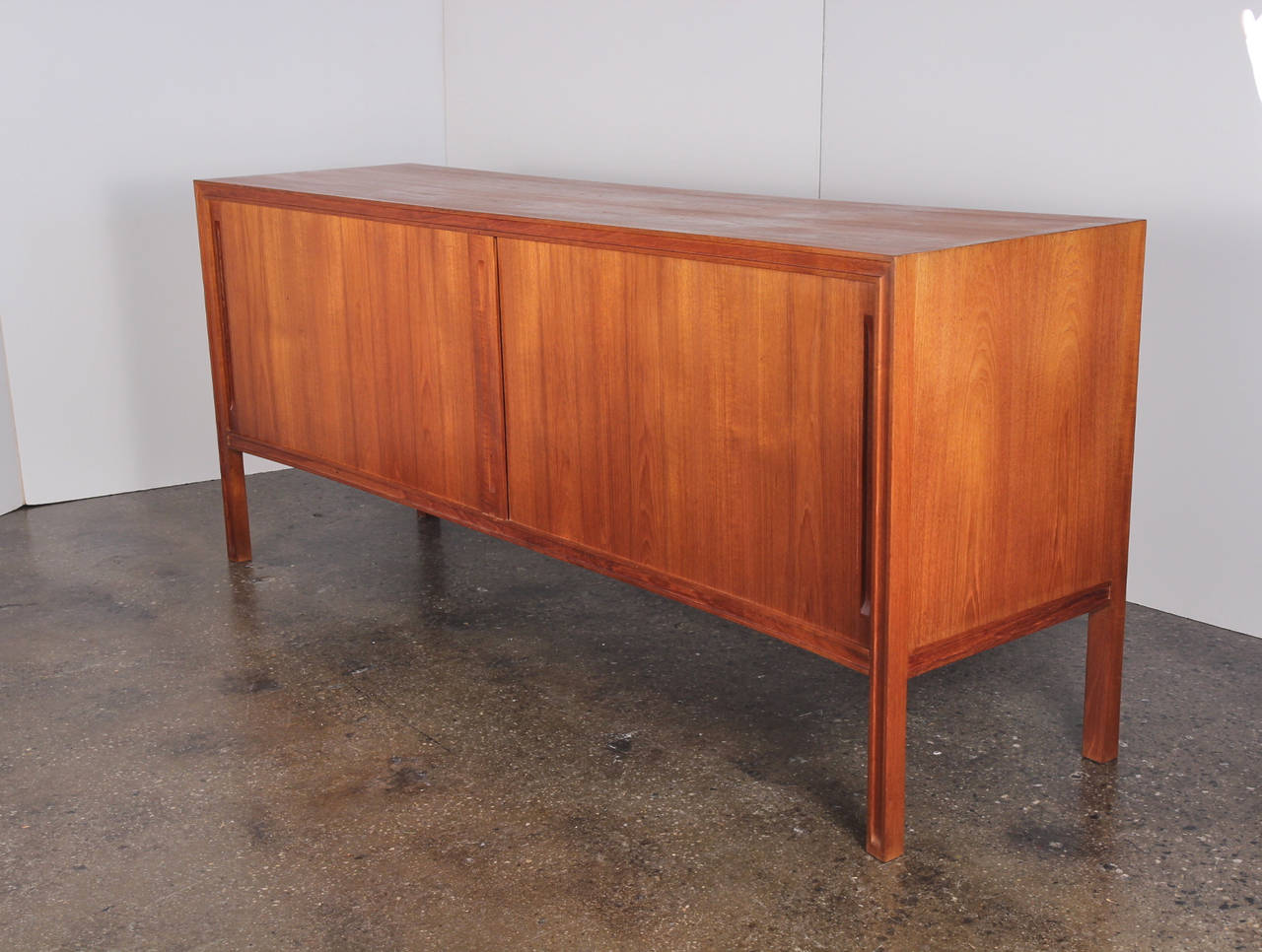
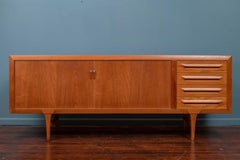
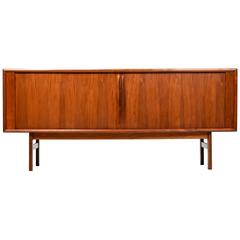
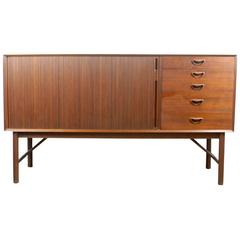
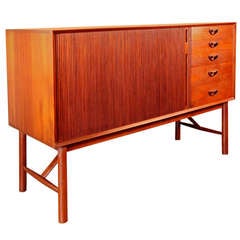
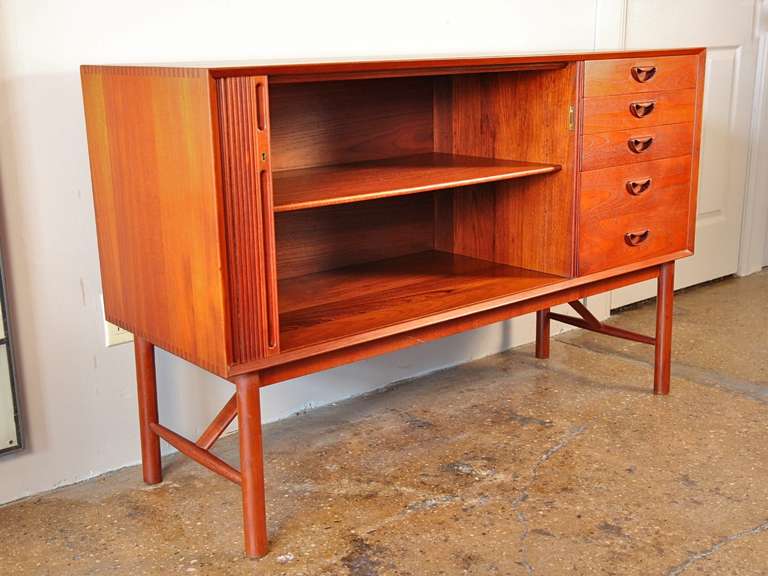
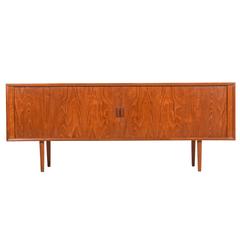
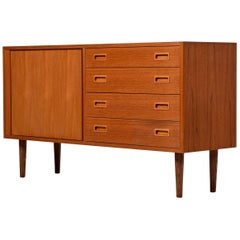
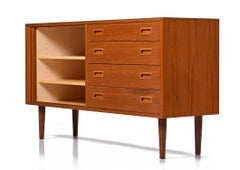
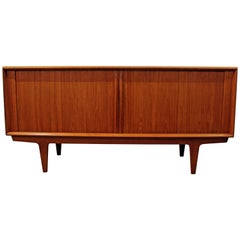
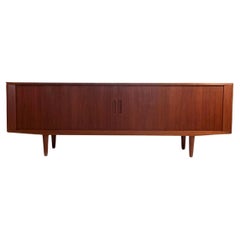
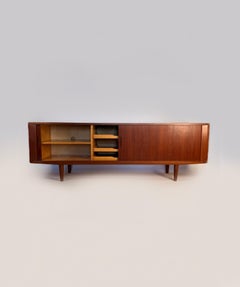
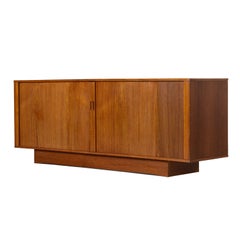
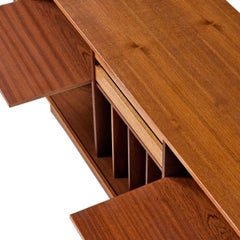
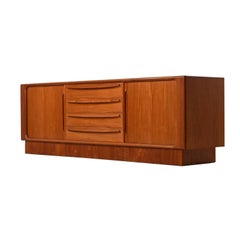
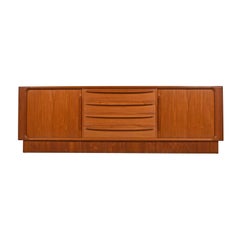
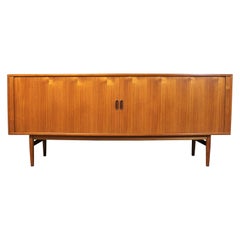
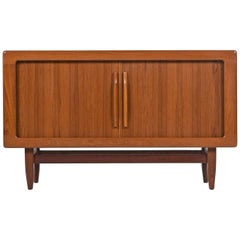
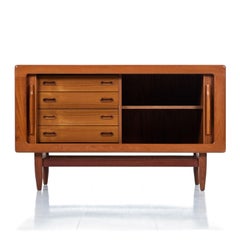
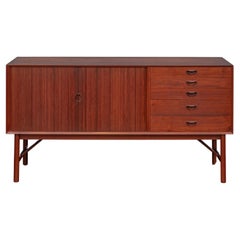
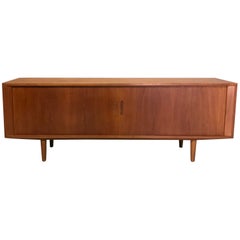
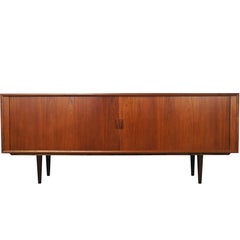
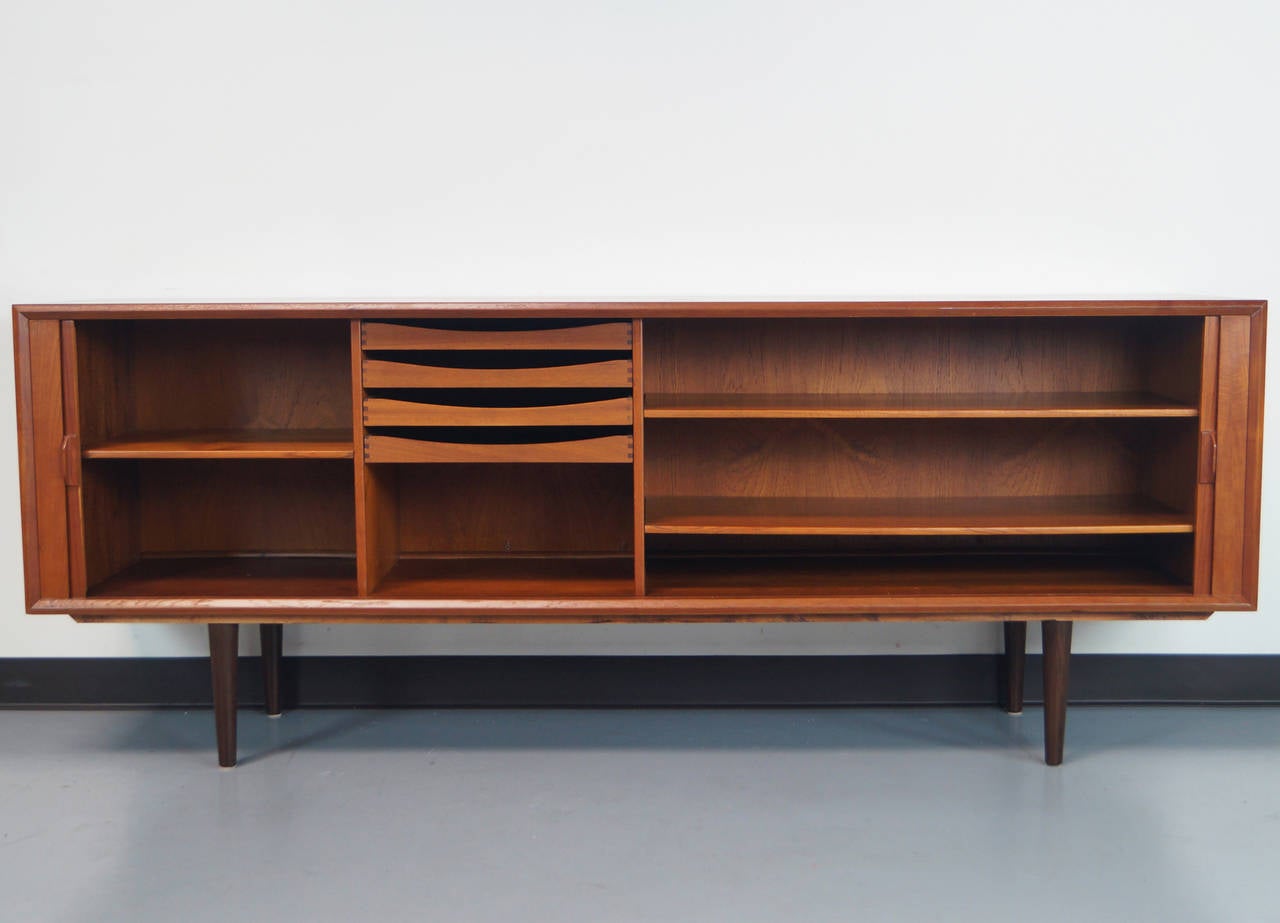
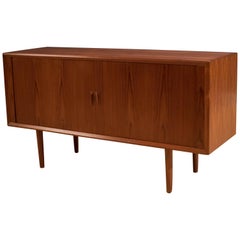
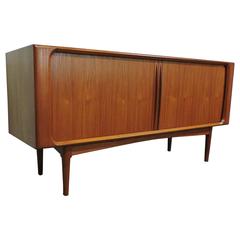
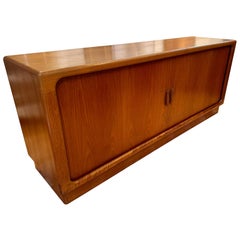
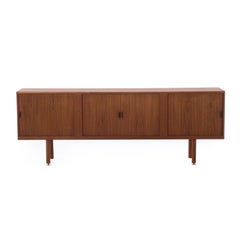
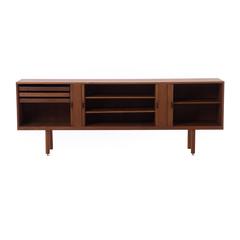
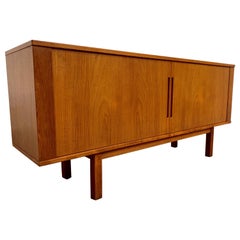
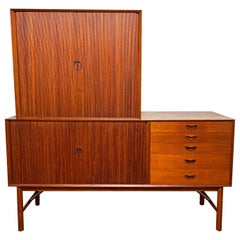
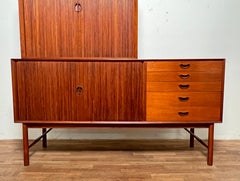
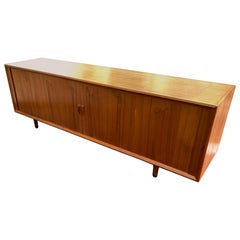
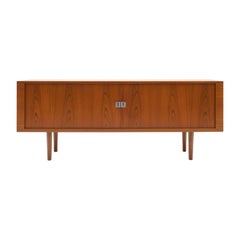
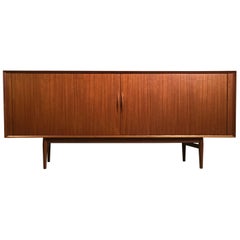
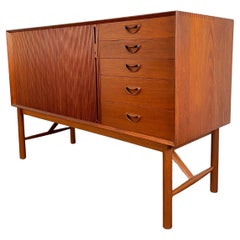
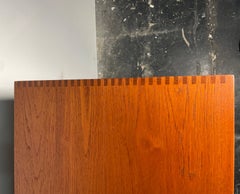
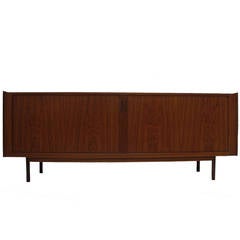
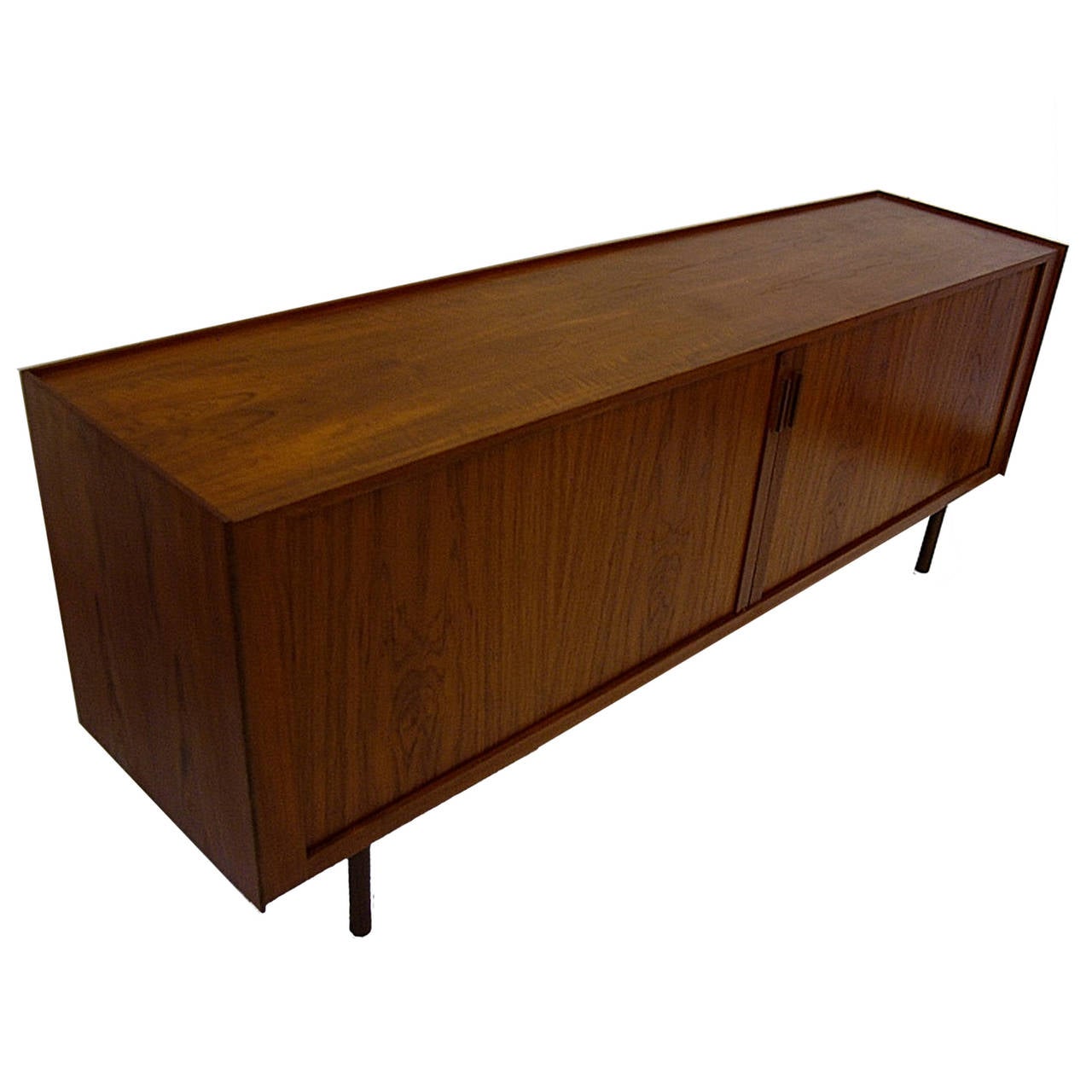
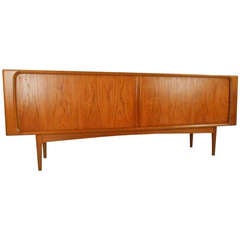
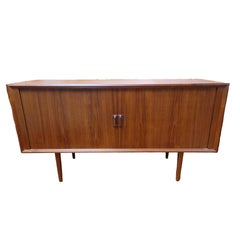
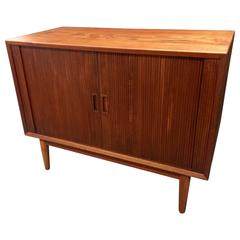
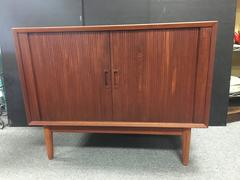
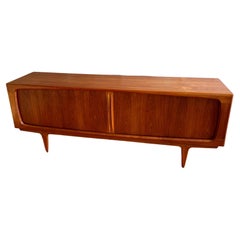
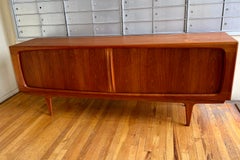
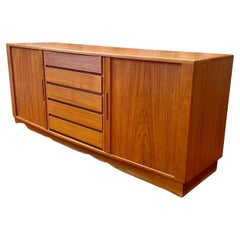
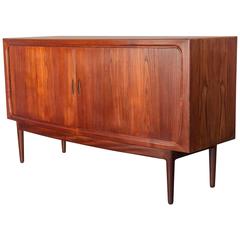
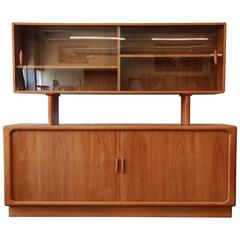
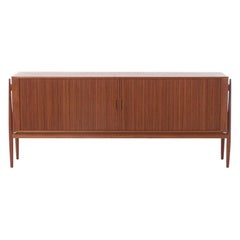
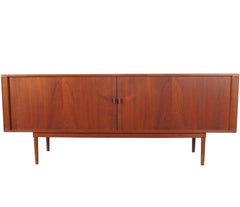
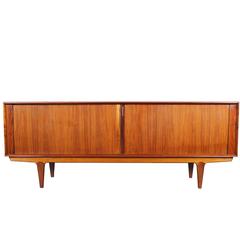
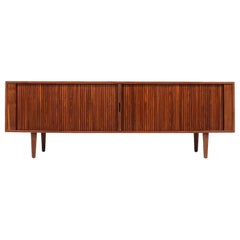
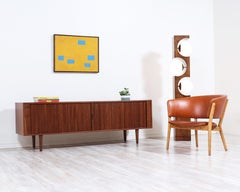
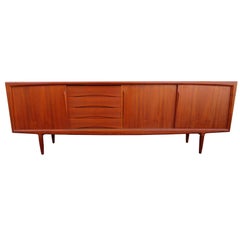
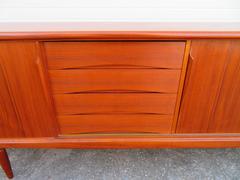
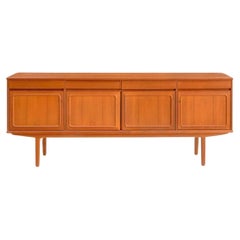
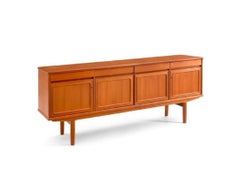
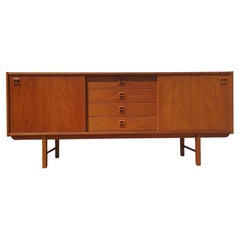
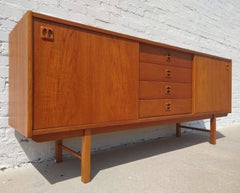
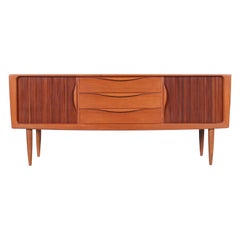
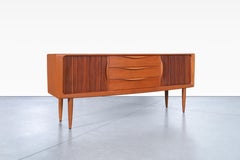
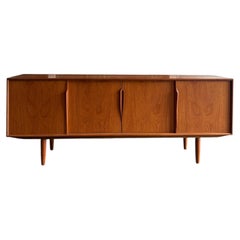
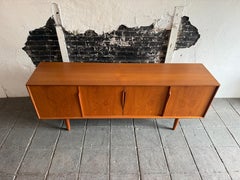
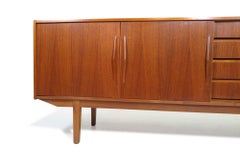
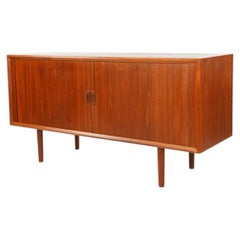
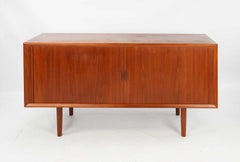
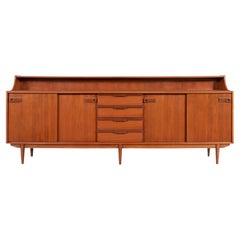
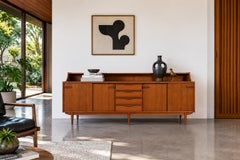
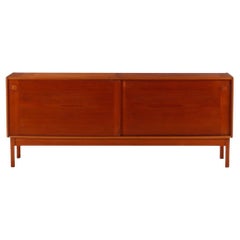
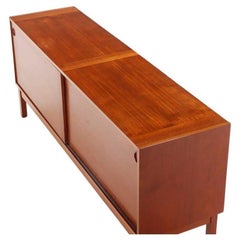
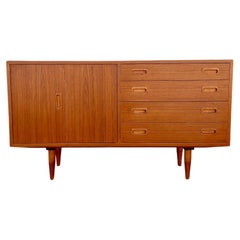
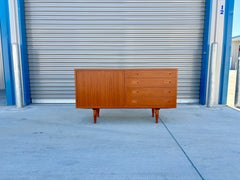
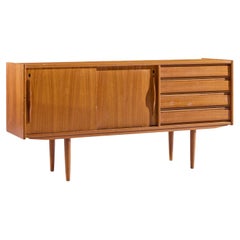
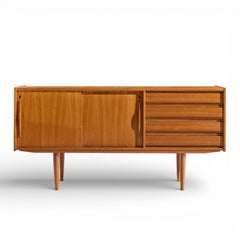
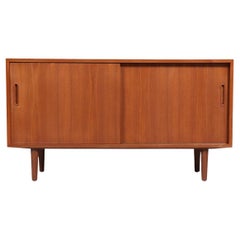
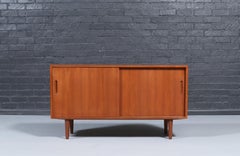
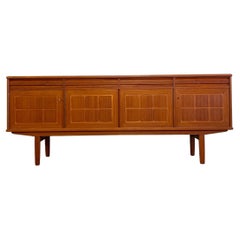
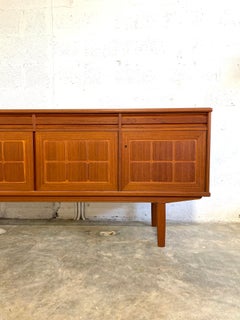
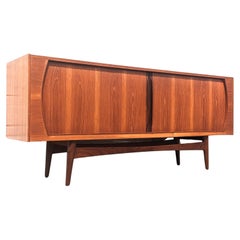
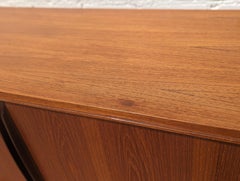
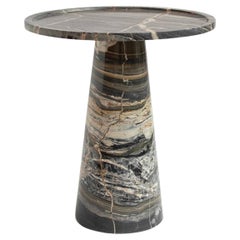
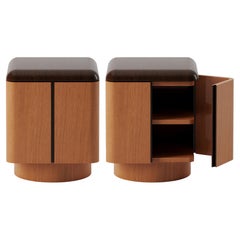
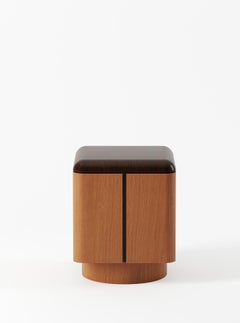
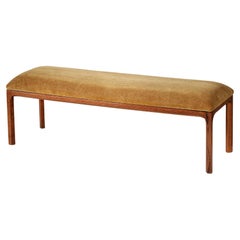
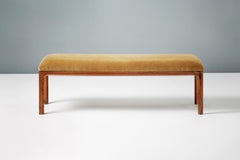
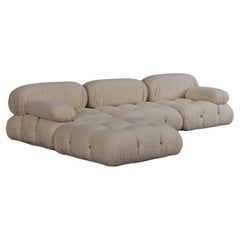
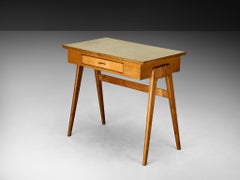
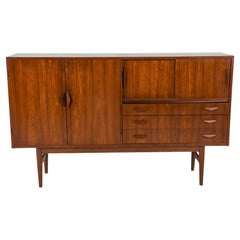
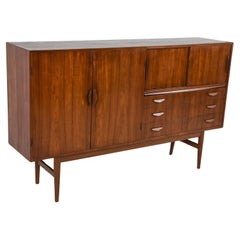
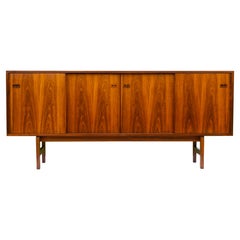
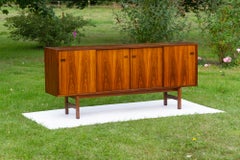
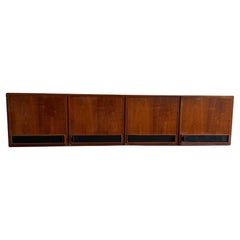
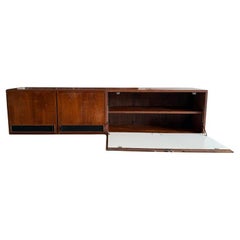
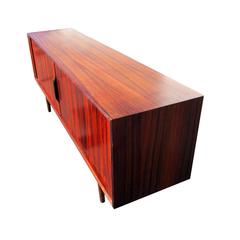
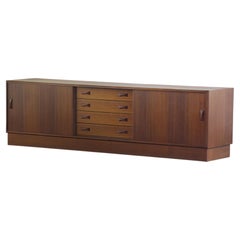
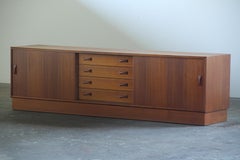
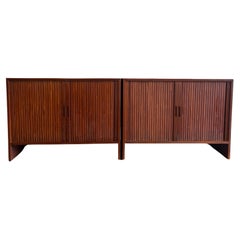
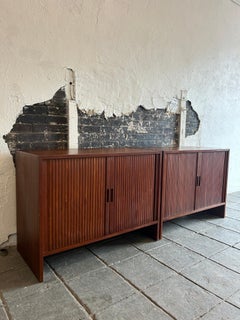
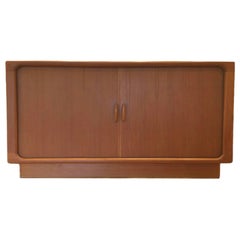
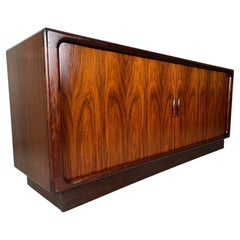
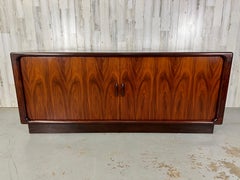
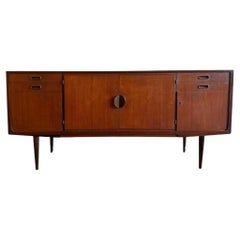
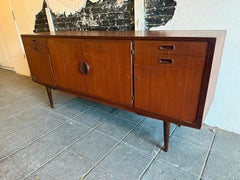
Choose from an assortment of styles, material and more with respect to the teak credenzas tambour Scandinavian you’re looking for at 1stDibs. Each teak credenzas tambour Scandinavian for sale was constructed with extraordinary care, often using
hardwood,
teak and
wood. There are many kinds of the teak credenzas tambour Scandinavian you’re looking for, from those produced as long ago as the 20th Century to those made as recently as the 20th Century. When you’re browsing for the right teak credenzas tambour Scandinavian, those designed in
Scandinavian Modern and
Mid-Century Modern styles are of considerable interest.
Bernhard Pedersen & Son,
Peter Hvidt and
Arne Vodder each produced at least one beautiful teak credenzas tambour Scandinavian that is worth considering.
Prices for a teak credenzas tambour Scandinavian can differ depending upon size, time period and other attributes — at 1stDibs, they begin at $895 and can go as high as $39,995, while the average can fetch as much as $3,825.
Scandinavian modernism is perhaps the warmest and most organic iteration of modernist design. The work of the designers associated with vintage Scandinavian modern furniture was founded on centuries-old beliefs in both quality craftsmanship and the ideal that beauty should enhance even the humblest accessories of daily life.
ORIGINS OF SCANDINAVIAN MODERN FURNITURE DESIGN
CHARACTERISTICS OF SCANDINAVIAN MODERN FURNITURE DESIGN
- Bold, clean lines and simple, sturdy symmetries
- Use of natural materials — native woods such as pine, ash and beech
- Open, airy spaces
- Promotion of functionality
- Emphasis on craftsmanship; rooted in cabinetry profession and traditional construction techniques
- Minimal ornamentation (little to no embellishment)
- A neutral or light color palette owing to prominence of light woods
SCANDINAVIAN MODERN FURNITURE DESIGNERS TO KNOW
ICONIC SCANDINAVIAN MODERN FURNITURE DESIGNS
VINTAGE SCANDINAVIAN MODERN FURNITURE ON 1STDIBS
The gentle, organic contours that are typical of Scandinavian design appear in the furnishings and decor created by Danish, Finnish and Swedish designers not as a stylistic gesture, but rather as a practical, ergonomic — and, as importantly, elegant — response to the human form.
Each nation produced exceptional talents in all areas of the applied arts, yet each had its forté. Sweden was home to Greta Magnusson Grossman and Bruno Mathsson — creators of the classic Grasshopper lighting series and Berlin daybed, respectively — but the country excelled most notably at ceramics. In the 1920s at the great Gustavsberg porcelain manufactory, Wilhelm Kåge introduced pieces in the Scandinavian style based on influences from folklore to Cubism; his skills were passed on to his versatile and inspired pupils Berndt Friberg and Stig Lindberg.
Likewise, Finland produced a truly ingenious Scandinavian modern furniture designer in the architect Alvar Aalto, a master at melding function and artistic form in works like the Paimio chair, created in collaboration with his first wife, Aino. Yet Finnish glassware was pre-eminent, crafted in expressive, sculptural designs by Tapio Wirkkala and Timo Sarpaneva.
The Danes excelled at chairs. Hans Wegner and Arne Jacobsen were exemplars of the country’s facility with wood, particularly teak.
Wegner created such iconic pieces as the Round chair and the Wishbone chair; Jacobsen — while the revolutionary architect and furniture innovator produced the best-selling plywood Ant chair — designed two classic upholstered pieces of the 1950s: the Swan chair and Egg chair. The list of great Danes could go on and on, including Finn Juhl, a stylistic maverick and maker of the bold Chieftain chair; Poul Kjaerholm, with his lean metal-and-rattan aesthetic; and Verner Panton, who introduced a vibrant Pop note into international design.
Today, decades after their heyday, the prolific, ever-evolving Scandinavian modernists continue to amaze and delight, and interior designers all over the world use their pieces to bring warmth to any given space.
On 1stDibs, you will note both instantly recognizable vintage Scandinavian modern chairs, sofas, rugs and tables — those that have earned iconic status over time — and many new discoveries.
Mid-century modern credenzas descend from the Renaissance-era sideboard, once used to serve and store food and dishware. The clean-lined, low-profile version prized today emerged from Italian and Scandinavian design in the mid-20th century, defined by tapered legs and warm walnut or teak veneers.
Styles to Know
Mid-century modern credenzas are one of the most searched storage silhouettes on 1stDibs. Sliding-door and open-shelf configurations serve different needs: books and displayed objects suit open shelving, while electronics and linens are better behind doors. A matching mid-century modern dresser extends the look to the bedroom, or an apothecary cabinet offers more drawer storage in a smaller footprint.
How to Choose the Right Vintage Credenza
Hardware and veneer condition vary considerably from piece to piece, so listing photographs deserve a close look; our guide to case pieces covers what else to look for in construction. Every credenza comes from a vetted 1stDibs seller, with era, designer and condition on record, and the 1stDibs Promise stands behind every purchase.