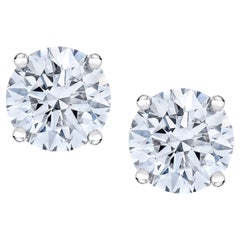
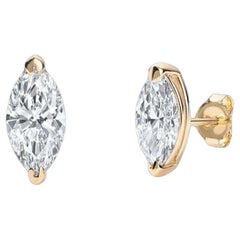
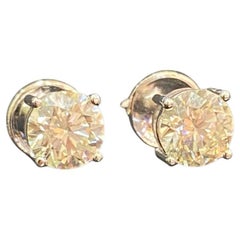
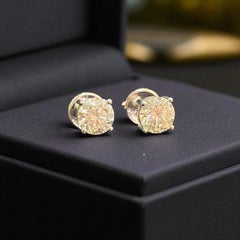
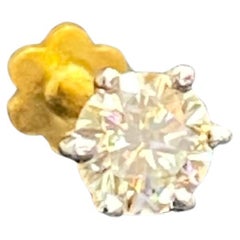
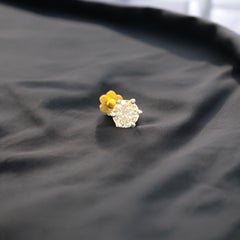
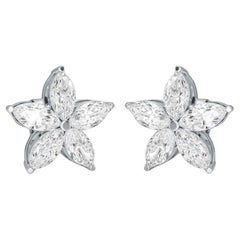
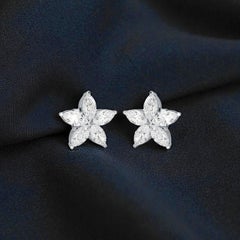
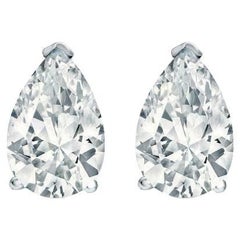
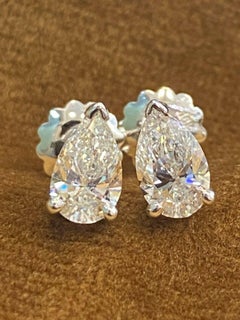
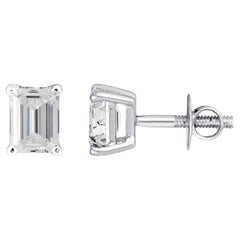
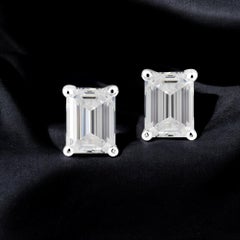
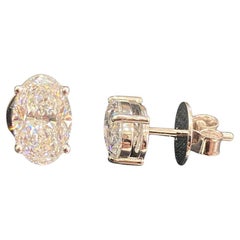
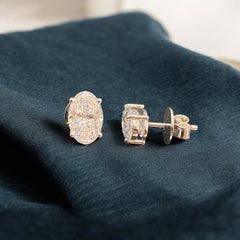
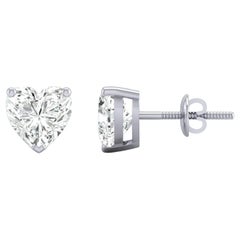
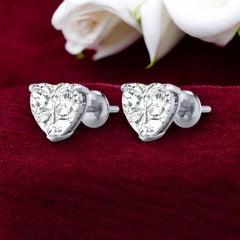
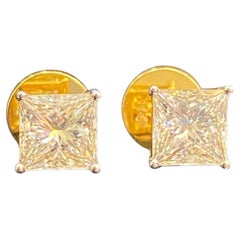
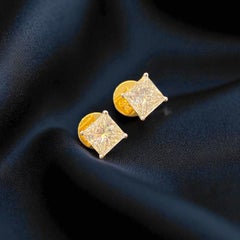
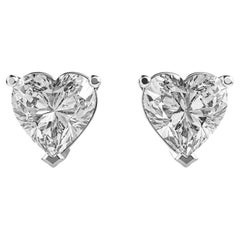
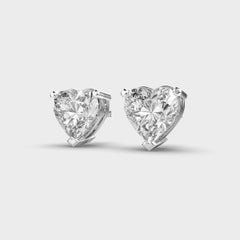
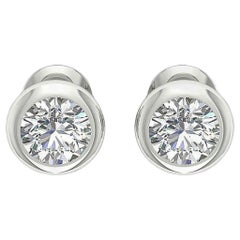
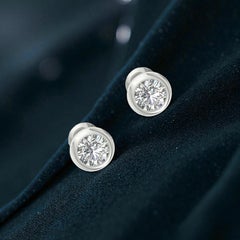
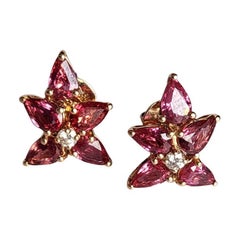
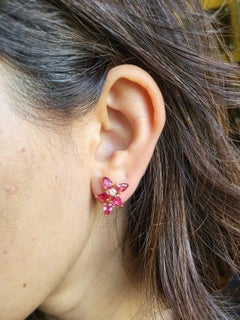
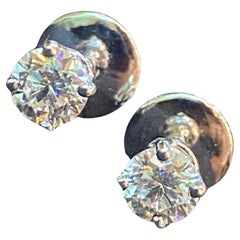
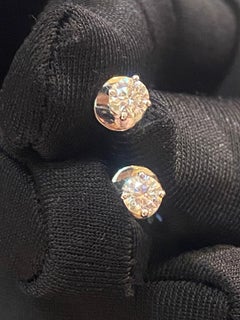
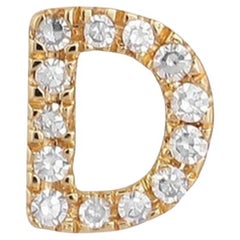
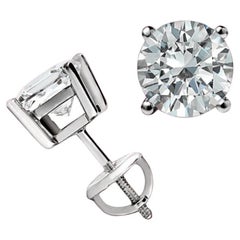
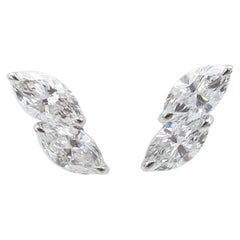
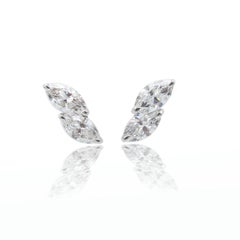
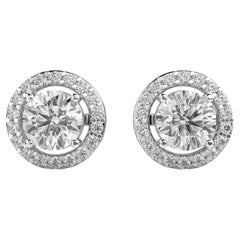
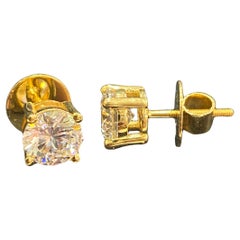
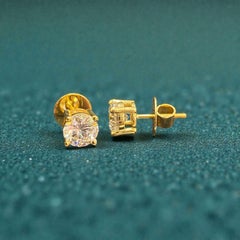
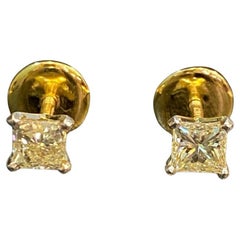
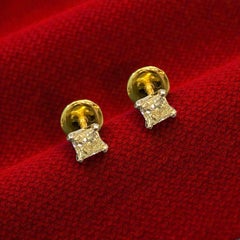
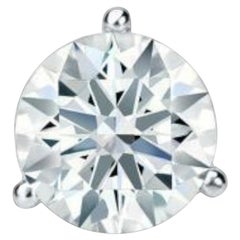
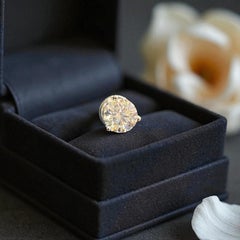
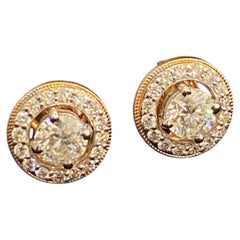
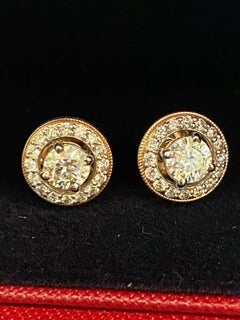
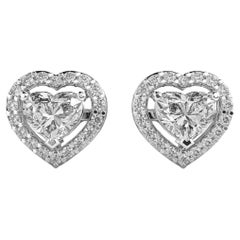
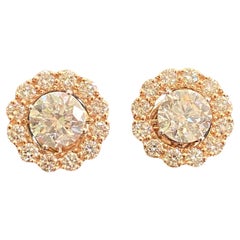
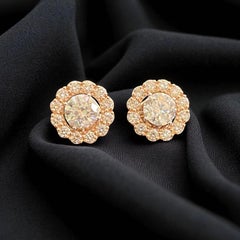
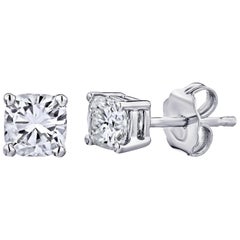
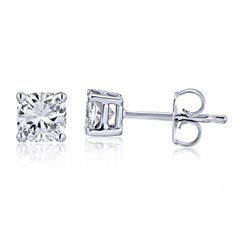
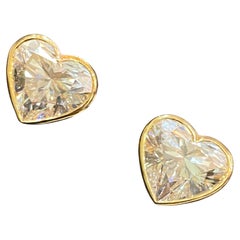
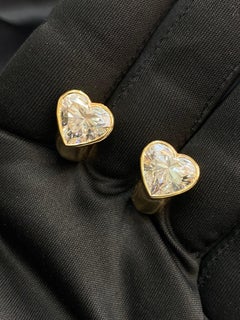
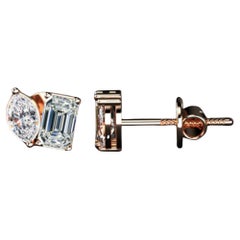
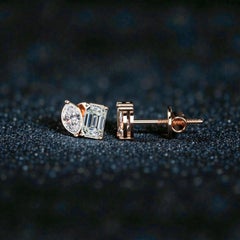
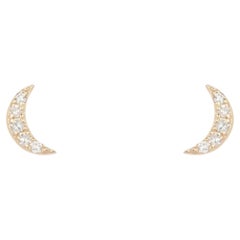
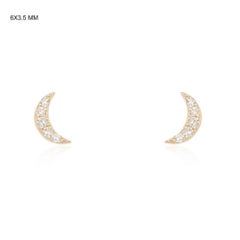
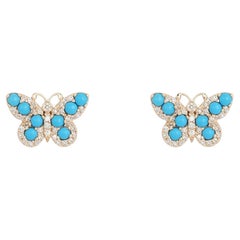
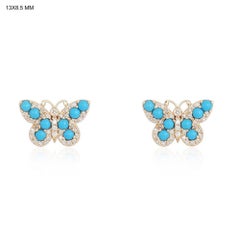
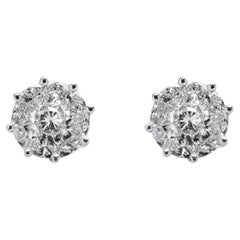
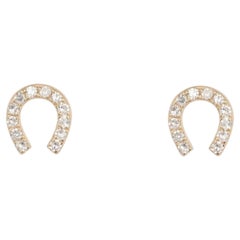
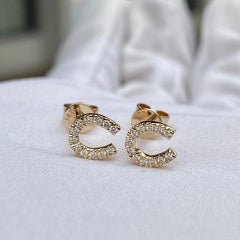
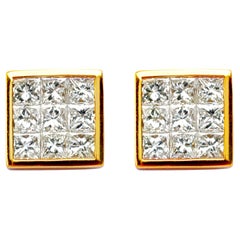
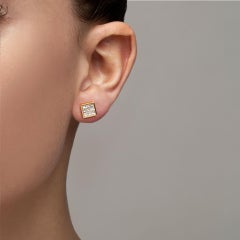
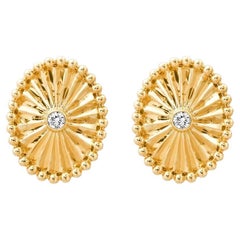
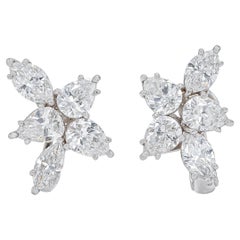
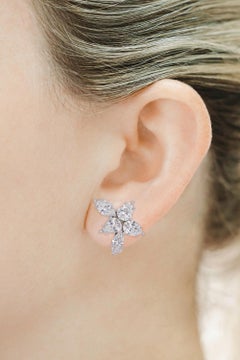
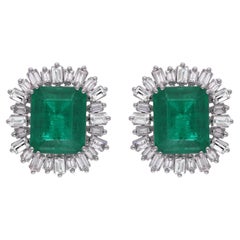
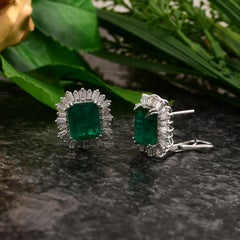
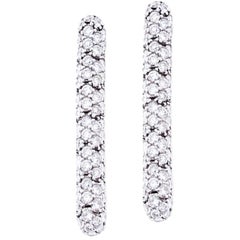
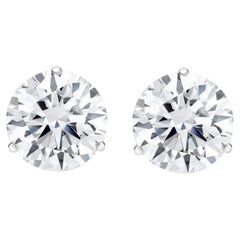
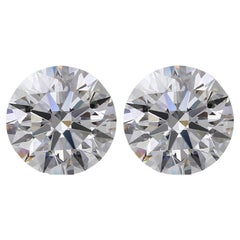
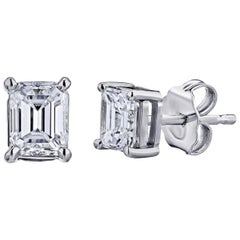
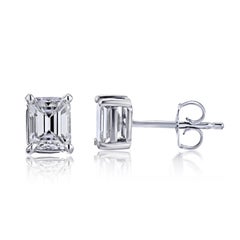
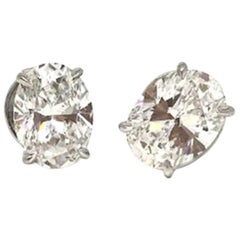
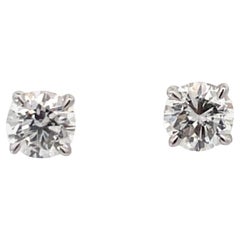
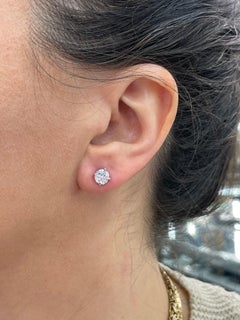
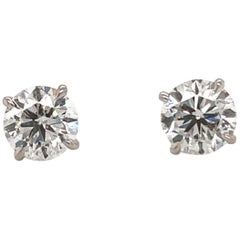
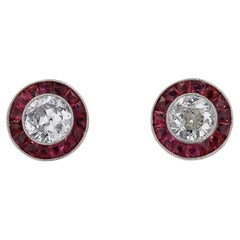
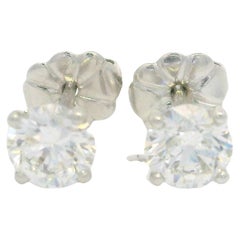
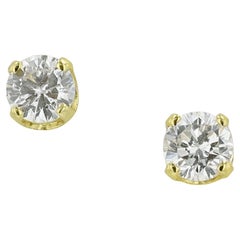
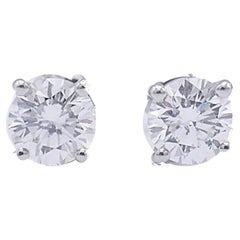
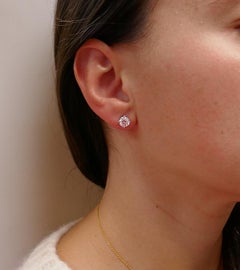
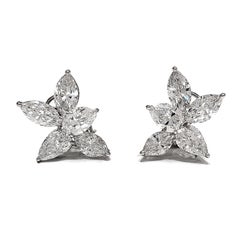
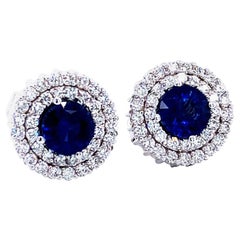
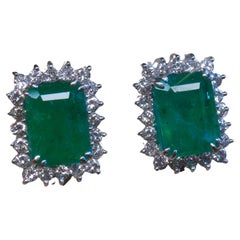
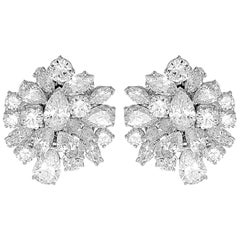
You are likely to find exactly the 4 carat diamond studs d color you’re looking for on 1stDibs, as there is a broad range for sale. Each design created in this style — which was crafted with great care and often made from
Gold,
18k Gold and
White Gold — can elevate any look. You can easily find a 10 antique edition and 241 modern creations to choose from as well. If you’re looking for a 4 carat diamond studs d color from a specific time period, our collection is diverse and broad-ranging, and you’ll find at least one that dates back to the 19th Century while another version may have been produced as recently as the 21st Century. A 4 carat diamond studs d color from
Antinori Fine Jewels,
Harakh and
Exquisite Color Kraft Pvt Ltd — each of whom created a beautiful version of this treasured accessory — is worth considering. See these pages for a
round cut iteration of this accessory, while there are also
baguette cut cut and
pear cut cut versions available here, too. When shopping for a 4 carat diamond studs d color, you’ll find that there are less available pieces for unisex or
men today than there are for
women.
Antique diamond rings, diamond tiaras and dazzling vintage diamond earrings are on the wish lists of every lover of fine jewelry. And diamonds and diamond jewelry are primarily associated with storybook engagements and red-carpet grand entrances — indeed, this ultra-cherished gemstone has a dramatic history on its hands.
From “A Diamond Is Forever” to “Diamonds Are a Girl’s Best Friend,” pop culture has ingrained in our minds that diamonds are the most desired, the most lasting and the most valuable gemstone. But what makes the diamond so special? Each stone — whether it’s rubies, sapphires or another stone — is unique and important in its own right. April babies might claim diamonds for themselves, but just about everyone wants this kind of sparkle in their lives!
There are several factors that set diamonds apart from other stones, and these points are important to our gem education.
Diamonds are minerals. They are made up of almost entirely of carbon (carbon comprises 99.95 percent; the remainder consists of various trace elements). Diamonds are the hardest gemstones, ranking number 10 on the Mohs Hardness Scale. Even its name, diamond, is rooted in the Greek adamas, or unconquerable. The only object that can scratch a diamond is another diamond. Diamonds are formed deep within the earth at very high temperatures (1,652–2,372 degrees Fahrenheit at depths between 90 and 120 miles beneath the earth’s surface) and are carried up by volcanic activity. Diamonds are quite rare, according to the Gemological Institute of America, and only 30 percent of all the diamonds mined in the world are gem quality.
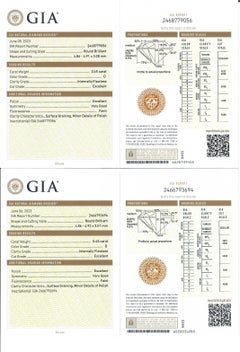
In the 1950s, the Gemological Institute of America developed the 4Cs grading system to classify diamonds: clarity, color, cut and carat weight. Not all diamonds are created equal (there are diamonds, and then there are diamonds). The value of the diamond depends on the clarity (flawless diamonds are very rare but a diamond's value decreases if there are many blemishes or inclusions), color (the less color the higher the grade), cut (how the diamond’s facets catch the light, certain cuts of diamonds show off the stone better than others) and carat weight (the bigger, the better).
When you start shopping for a diamond engagement ring, always prioritize the cut, which plays the largest role in the diamond's beauty (taking the time to clean your diamond ring at least every six months or so plays a role in maintaining said beauty). And on 1stDibs, a range of buying guides can be found for those in the market for antique engagement rings, vintage engagement rings or Art Deco engagement rings.
Shop antique and vintage diamond rings, diamond necklaces and other extraordinary diamond jewelry on 1stDibs.
Stud earrings have a unique and rich cultural history. Though their design has evolved, vintage stud earrings are still a classic jewelry style.
Stud earrings are frequently dated back over 7,000 years to Asia, where they were worn mostly by upper-class men to indicate their wealth and status. Although earrings sometimes fell out of favor over the years — such as when ear piercing was prohibited by the Catholic Church in the 13th century — they’ve remained one of the most enduring forms of body modification.
When diamond jewelry gained prominence in the 19th century, thanks to prosperity in Europe and the United States as well as the greater accessibility of gemstones, studs adorned with fine diamonds became popular. Screw-back earrings debuted in the late 19th century and allowed people without pierced ears to don the embellishment. Stud earrings became especially popular in the 1960s.
Stud earrings are simple and usually small in size, making them lightweight and easy to wear. Unlike other earrings, stud earrings have a floating appearance. They are often made with a single gemstone, such as a sapphire or emerald, and a straight post that goes through the ear, typically with a rubber or metal backing to hold it in place.
Today, stud earrings accentuate outfits with a casual, elegant style, adding a bit of glam to any ensemble. Find an eclectic array of stud earrings on 1stDibs.