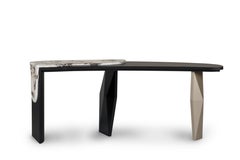
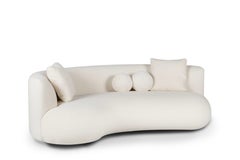
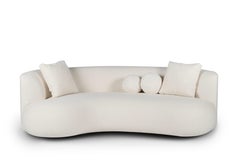
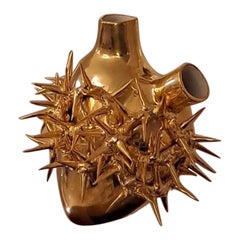
Art Deco Style Fontaine For Sale on 1stDibs
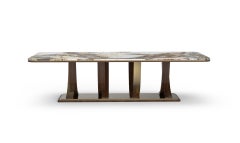
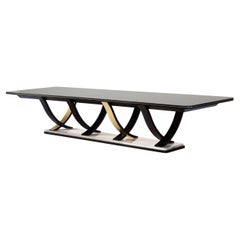
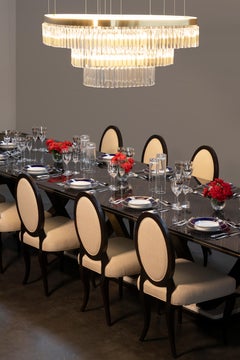
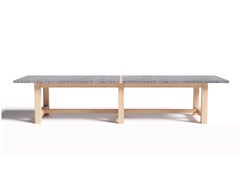
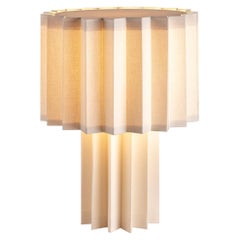
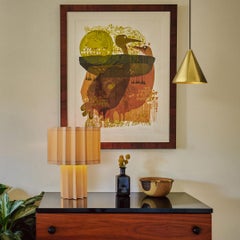
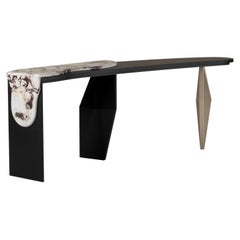
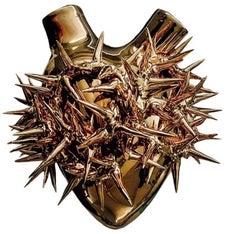
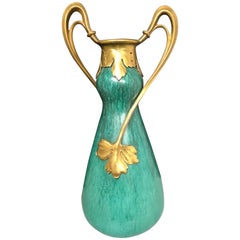
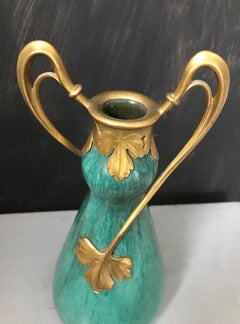
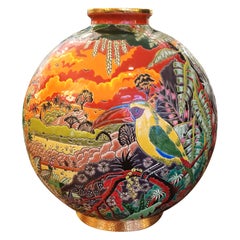
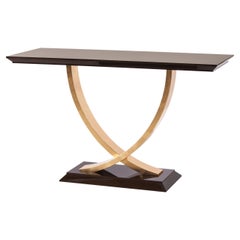
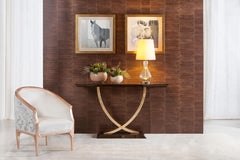
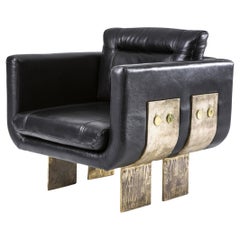
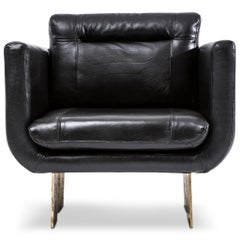
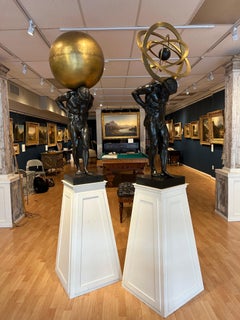
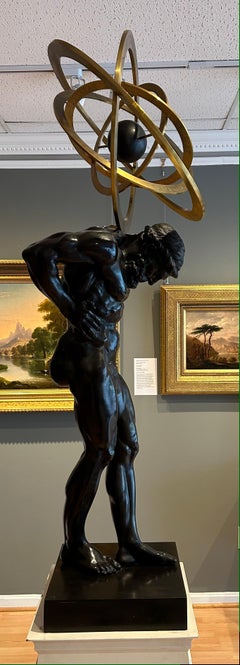
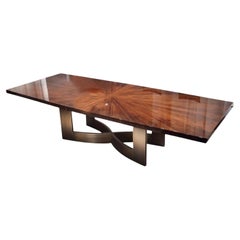
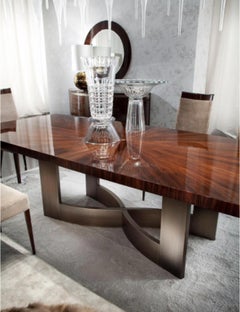
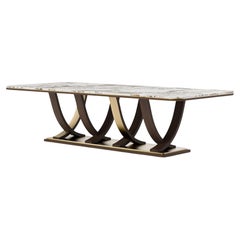
At 1stDibs, there are many versions of the ideal art deco style fontaine for your home. Each art deco style fontaine for sale was constructed with extraordinary care, often using
marble,
metal and
stone. There are 4 variations of the antique or vintage art deco style fontaine you’re looking for, while we also have 4 modern editions of this piece to choose from as well. Your living room may not be complete without an art deco style fontaine — find older editions for sale from the 19th Century and newer versions made as recently as the 21st Century. An art deco style fontaine is a generally popular piece of furniture, but those created in
Art Deco,
mid-century modern and
modern styles are sought with frequency. You’ll likely find more than one art deco style fontaine that is appealing in its simplicity, but
Greenapple,
GF Modern and
Ferdinand Barbedienne produced versions that are worth a look.
How Much is a Art Deco Style Fontaine?
Prices for an art deco style fontaine can differ depending upon size, time period and other attributes — at 1stDibs, they begin at $7,175 and can go as high as $105,656, while the average can fetch as much as $10,128.
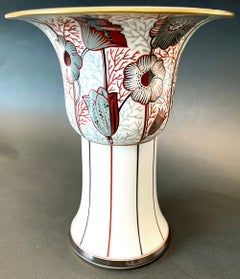
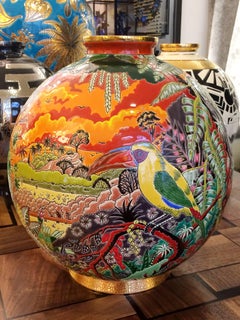
Manufacture Nationale de Sèvres for sale on 1stDibs
A maker of exemplary European ceramics for hundreds of years, Manufacture Nationale de Sèvres has produced porcelain of the highest quality since 1740.
The factory enjoyed royal patronage from its earliest days, and its most prominent patrons in the late 1700s — King Louis XV of France and his mistress, Madame de Pompadour — commissioned some of the period’s most elegant and striking pieces (only the truly wealthy could afford porcelain at this time). The company was originally established in Vincennes but was moved at the request of Madame de Pompadour, in 1756, to Sèvres, near Versailles, so that its operations would be closer to her château.
Sèvres became a mighty and much-revered factory working under a special grant from King Louis XV — the company’s owner as of 1759 and whose abundance of orders for special state gifts put financial strain on the company. Madame de Pompadour is said to have commissioned Sèvres to create an entire indoor garden of porcelain botanicals, for example.
While Sèvres gained a sterling reputation for its soft-paste porcelain wares, the company was late in entering into the production of hard-paste porcelain.
Hard-paste porcelain is the most common type of Chinese porcelain, then a widely exported and profitable product that was not made in Europe until the 18th century. The resources at Sèvres were largely relegated to meeting the demands of Louis XV, and secondly, it did not acquire the secret formula for hard-paste porcelain until 1761.
Until it obtained the coveted secrets behind hard-paste porcelain from a chemist named Pierre-Antoine Hannong — and, years later, gained access to the elusive raw materials to make hard-paste porcelain — Sèvres produced soft-paste porcelain for decades that was widely celebrated but is comparatively a far weaker type as opposed to the hard-paste productions of the company’s rival, Meissen, in Saxony, the first to produce true porcelain outside of Asia.
The artisans at Sèvres applied the rarest and most difficult-to-produce colors to their decorative objects and dinner services. One such color, the bright bleu de roi, became the manufacturer’s signature shade and is found on many of their objects. Sèvres also experimented with rarely glazed or unglazed works that bore no decoration at all — bisque porcelain, French for “biscuit,” refers to unadorned white porcelain sculptures made at Sèvres that resemble white marble after being kiln-fired.
Sèvres marks were applied over the glaze or rendered with cuts by a sharp tool — authentic Sèvres porcelain is most commonly marked with two interlaced Ls that are painted in blue and enclose a third letter. Painters and potters were tasked with affixing marks to record their role in the creation of a particular piece, and as a lot of these artisans’ names are recorded in archival factory materials — and there is also much to be learned at the Sèvres museum — it’s likely that you can accurately identify your Sèvres piece.
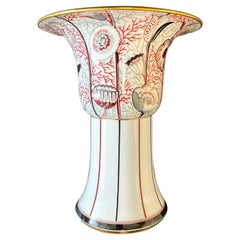
Find antique and vintage Manufacture Nationale de Sèvres vases, urns, sculptures and more on 1stDibs.
A Close Look at Art-deco Furniture
Art Deco furniture is characterized by its celebration of modern life. More than its emphasis on natural wood grains and focus on traditional craftsmanship, vintage Art Deco dining chairs, tables, desks, cabinets and other furniture — which typically refers to pieces produced during the 1920s and 1930s — is an ode to the glamour of the “Roaring Twenties.”
ORIGINS OF ART DECO FURNITURE DESIGN
CHARACTERISTICS OF ART DECO FURNITURE DESIGN
- Bold geometric lines and forms, floral motifs
- Use of expensive materials such as shagreen or marble as well as exotic woods such as mahogany, ebony and zebra wood
- Metal accents, shimmering mirrored finishes
- Embellishments made from exotic animal hides, inlays of mother-of-pearl or ivory
ART DECO FURNITURE DESIGNERS TO KNOW
VINTAGE ART DECO FURNITURE ON 1STDIBS
Few design styles are as universally recognized and appreciated as Art Deco. The term alone conjures visions of the Roaring Twenties, Machine Age metropolises, vast ocean liners, sleek typography and Prohibition-era hedonism. The iconic movement made an indelible mark on all fields of design throughout the 1920s and ’30s, celebrating society’s growing industrialization with refined elegance and stunning craftsmanship.
Widely known designers associated with the Art Deco style include Émile-Jacques Ruhlmann, Eileen Gray, Maurice Dufrêne, Paul Follot and Jules Leleu.
The term Art Deco derives from the name of a large decorative arts exhibition held in Paris in 1925. “Art Deco design” is often used broadly, to describe the work of creators in associated or ancillary styles. This is particularly true of American Art Deco, which is also called Streamline Moderne or Machine Age design. (Streamline Moderne, sometimes known as Art Moderne, was a phenomenon largely of the 1930s, post–Art Nouveau.)
Art Deco textile designers employed dazzling floral motifs and vivid colors, and while Art Deco furniture makers respected the dark woods and modern metals with which they worked, they frequently incorporated decorative embellishments such as exotic animal hides as well as veneers in their seating, case pieces, living room sets and bedroom furniture.
From mother-of-pearl inlaid vitrines to chrome aviator chairs, bold and inventive works in the Art Deco style include chaise longues (also known as chaise lounges) and curved armchairs. Today, the style is still favored by interior designers looking to infuse a home with an air of luxury and sophistication.
The vintage Art Deco furniture for sale on 1stDibs includes dressers, coffee tables, decorative objects and more.
Finding the Right Vases for You
Whether it’s a Chinese Han dynasty glazed ceramic wine vessel, a work of Murano glass or a hand-painted Scandinavian modern stoneware piece, a fine vase brings a piece of history into your space as much as it adds a sophisticated dynamic.
Like sculptures or paintings, antique and vintage vases are considered works of fine art. Once offered as tributes to ancient rulers, vases continue to be gifted to heads of state today. Over time, decorative porcelain vases have become family heirlooms to be displayed prominently in our homes — loved pieces treasured from generation to generation.
The functional value of vases is well known. They were traditionally utilized as vessels for carrying dry goods or liquids, so some have handles and feature an opening at the top (where they flare back out). While artists have explored wildly sculptural alternatives over time, the most conventional vase shape is characterized by a bulbous base and a body with shoulders where the form curves inward.
Owing to their intrinsic functionality, vases are quite possibly versatile in ways few other art forms can match. They’re typically taller than they are wide. Some have a neck that offers height and is ideal for the stems of cut flowers. To pair with your mid-century modern decor, the right vase will be an elegant receptacle for leafy snake plants on your teak dining table, or, in the case of welcoming guests on your doorstep, a large ceramic floor vase for long tree branches or sticks — perhaps one crafted in the Art Nouveau style — works wonders.
Interior designers include vases of every type, size and style in their projects — be the canvas indoors or outdoors — often introducing a splash of color and a range of textures to an entryway or merely calling attention to nature’s asymmetries by bringing more organically shaped decorative objects into a home.
On 1stDibs, you can browse our collection of vases by material, including ceramic, glass, porcelain and more. Sizes range from tiny bud vases to massive statement pieces and every size in between.