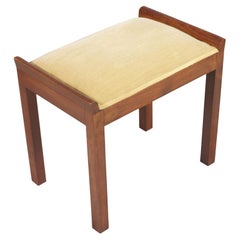
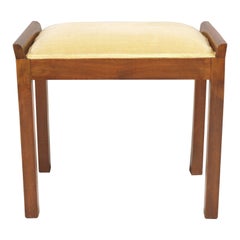
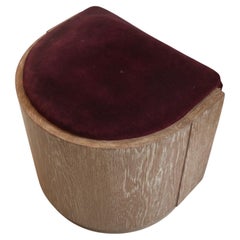
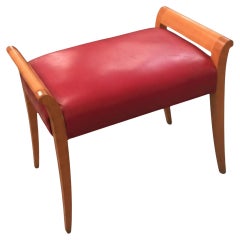
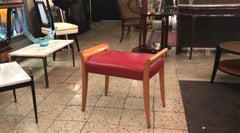
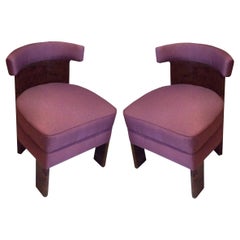
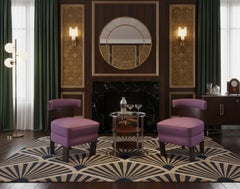
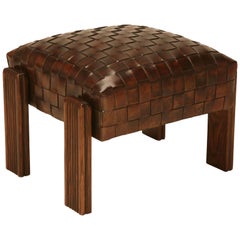
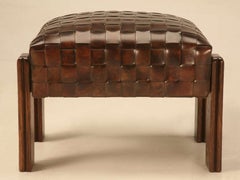
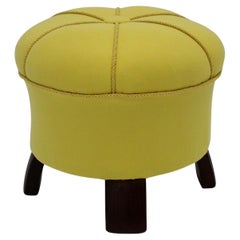
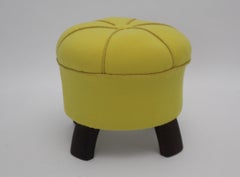
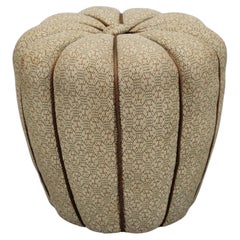
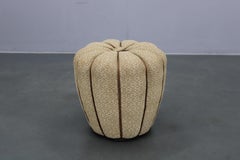
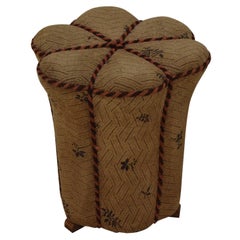
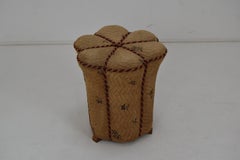
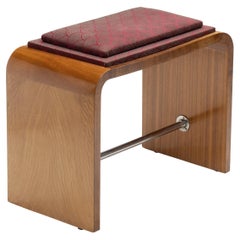
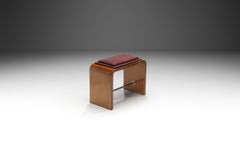
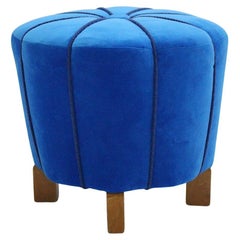
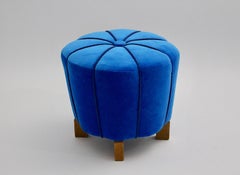
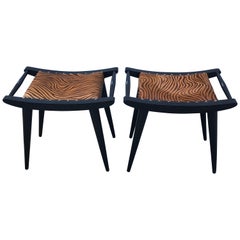
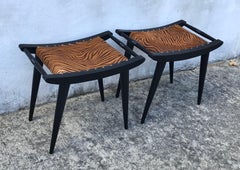
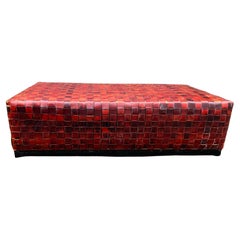
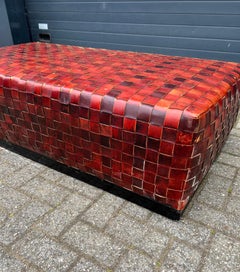
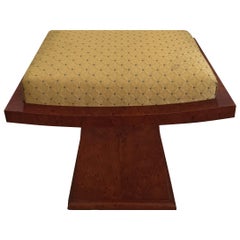
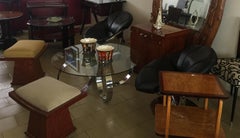
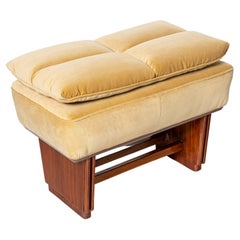
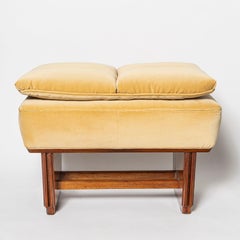
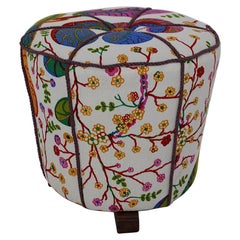
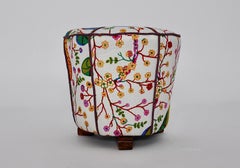
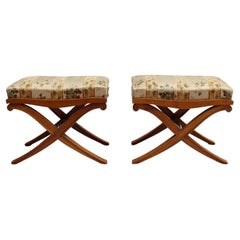
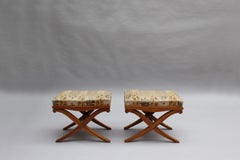
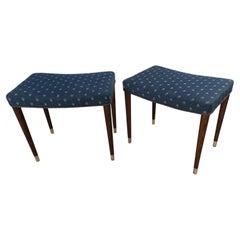
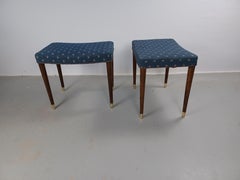
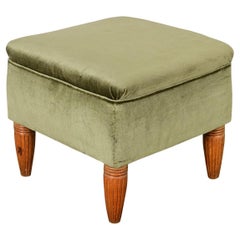
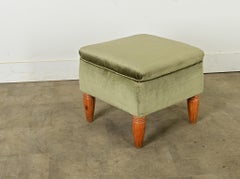
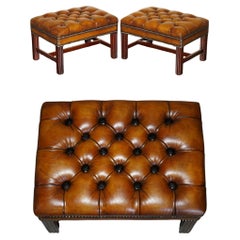
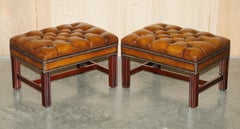
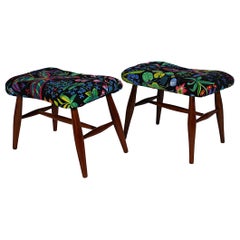
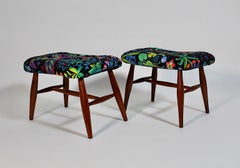
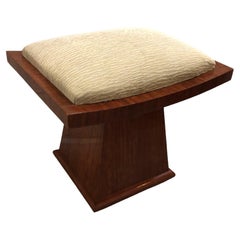
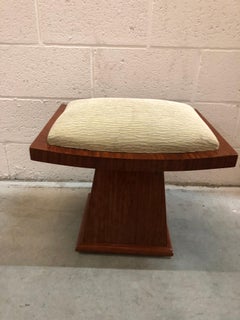
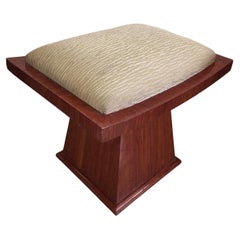
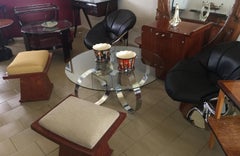
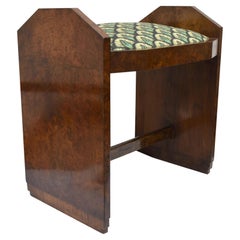
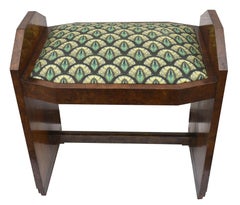
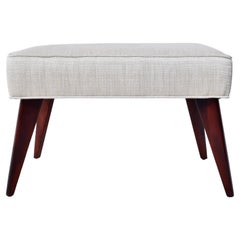
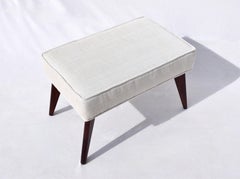
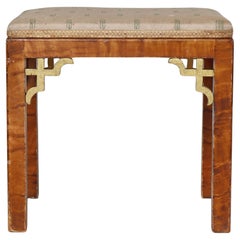
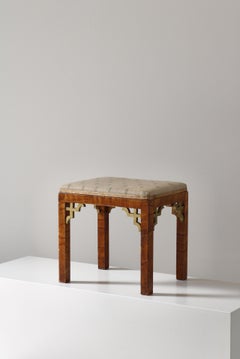
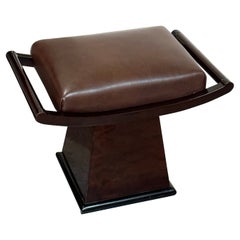
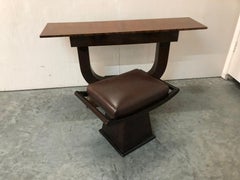
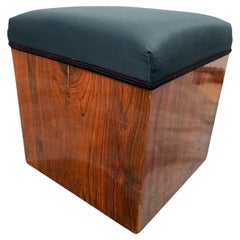
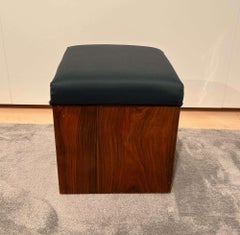
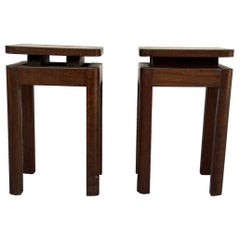
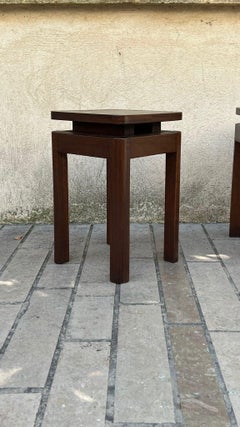
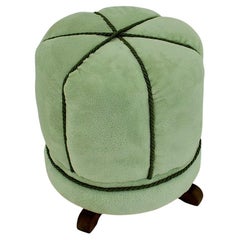
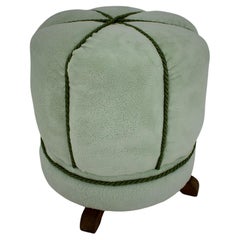
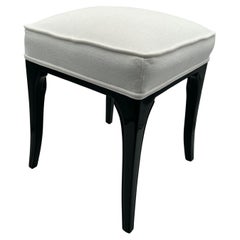
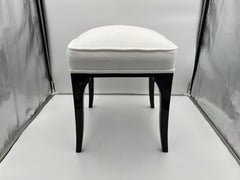
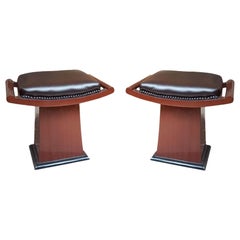
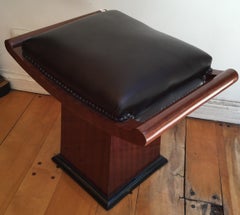
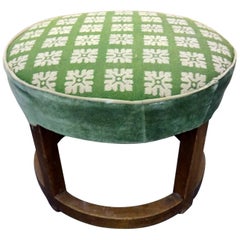
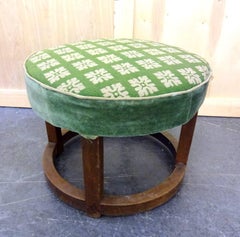
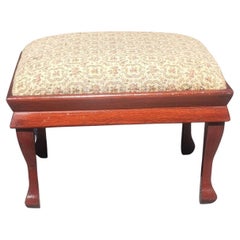
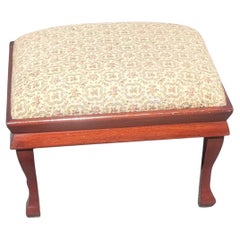
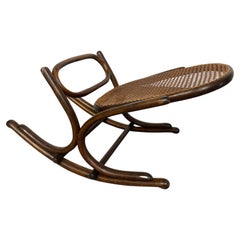
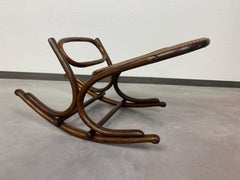
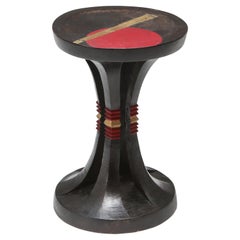
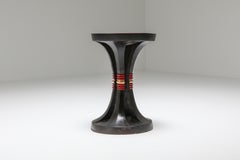
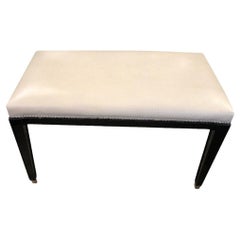
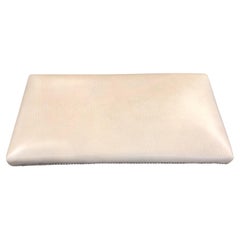
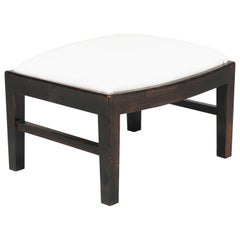
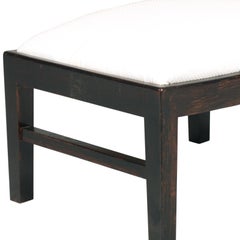
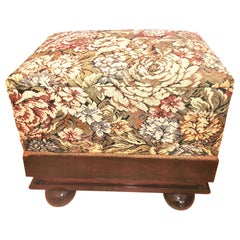
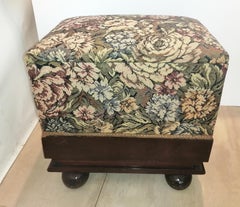
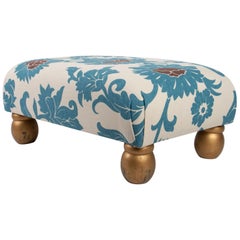
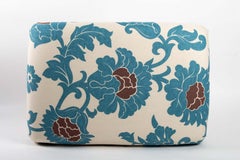
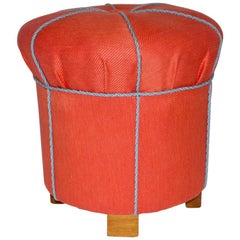
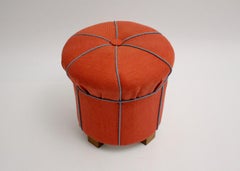
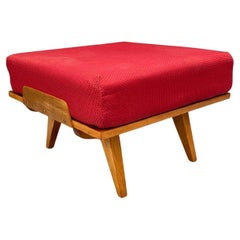
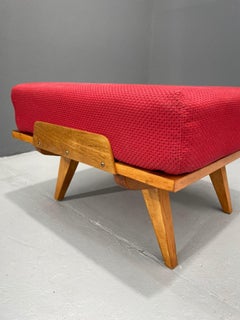
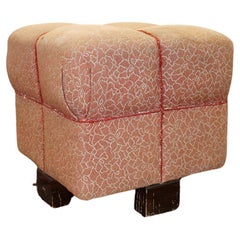
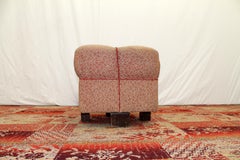
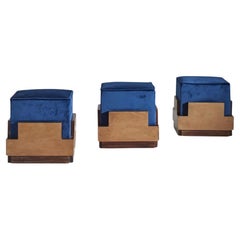
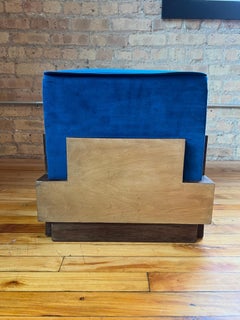
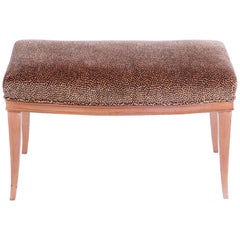
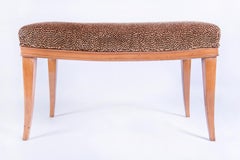
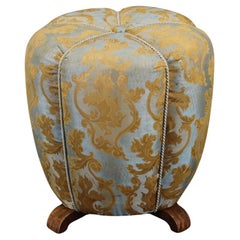
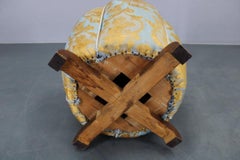
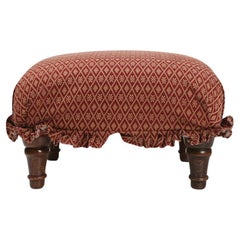
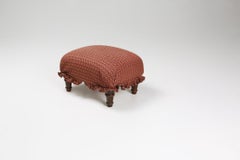
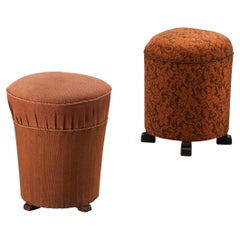
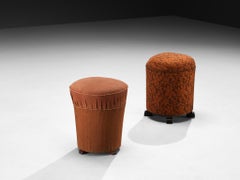
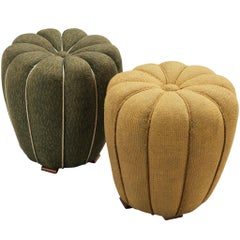
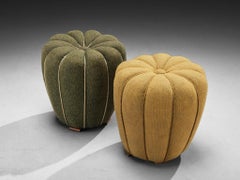
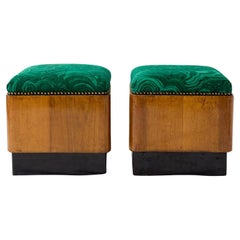
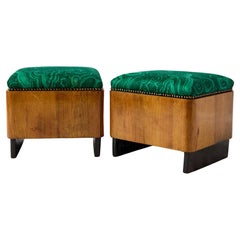
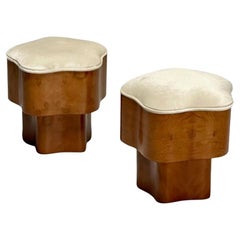
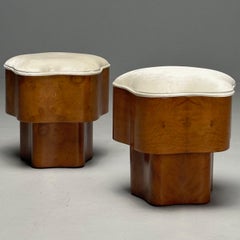
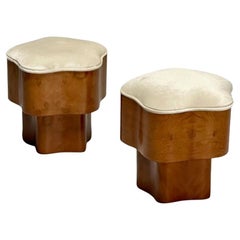
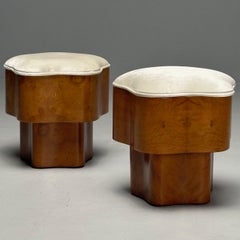
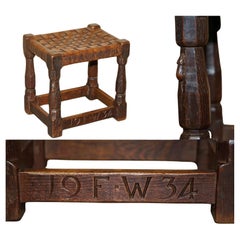
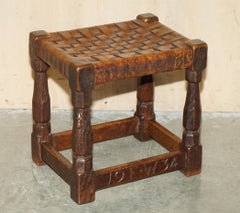
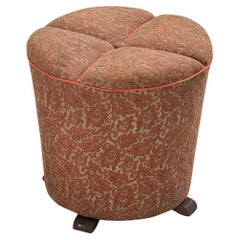
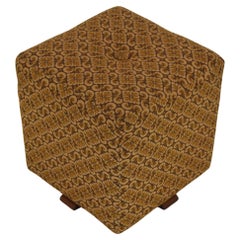
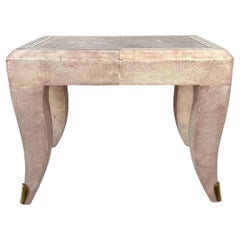
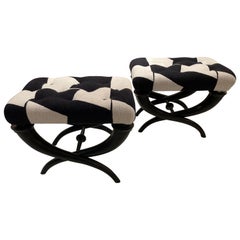
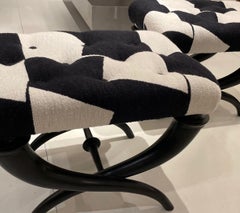
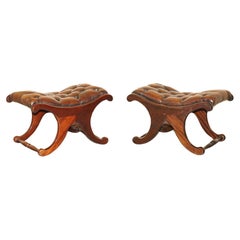
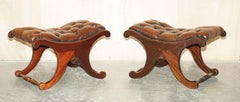
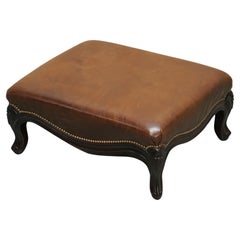
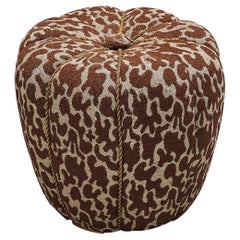
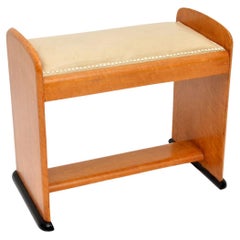
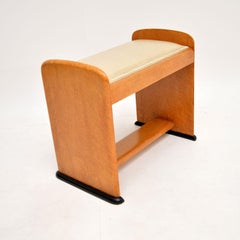
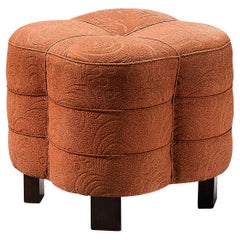
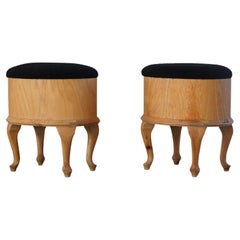
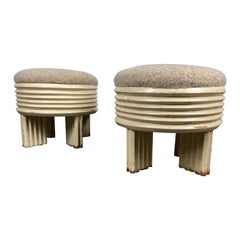
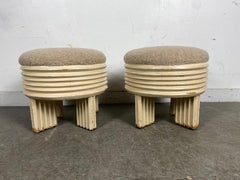
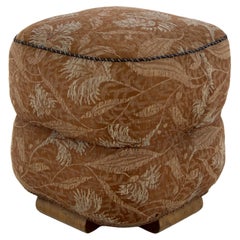
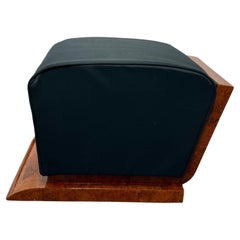
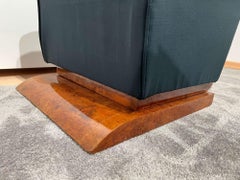
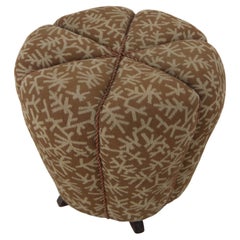
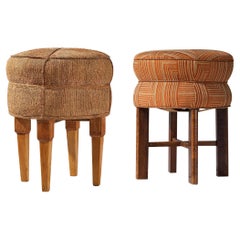
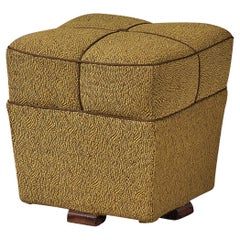
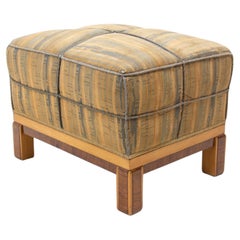
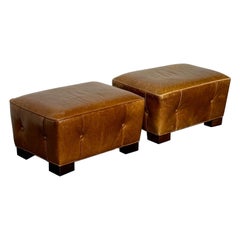
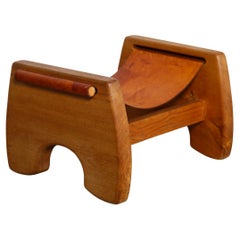
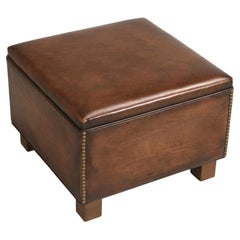
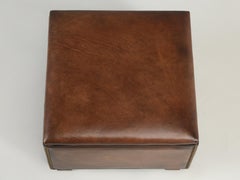
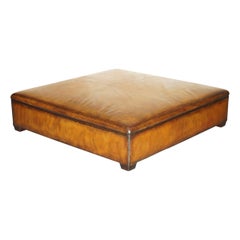
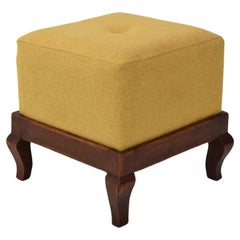
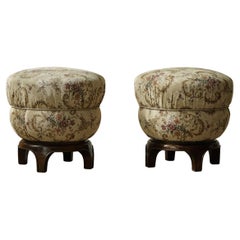
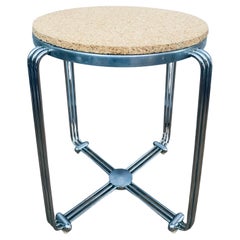
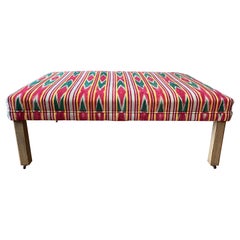
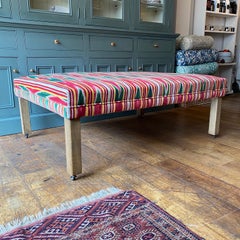
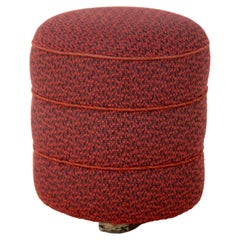
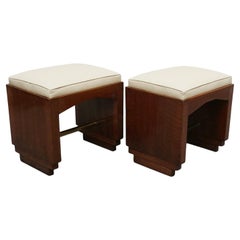
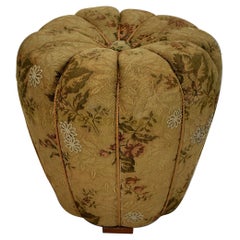
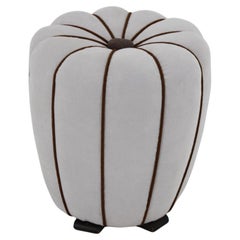
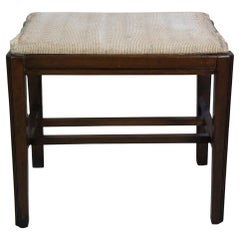
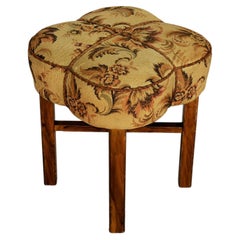
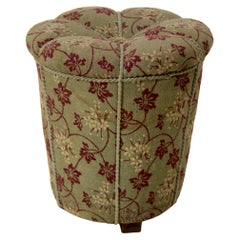
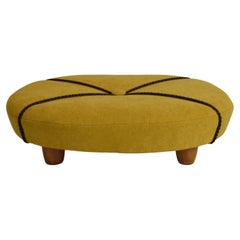
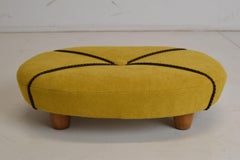
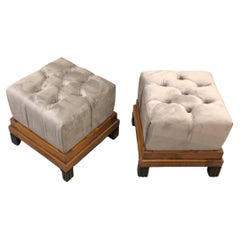
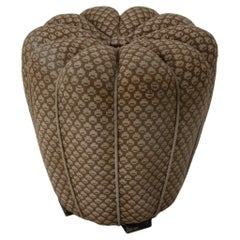
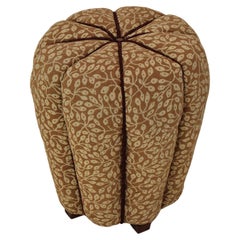
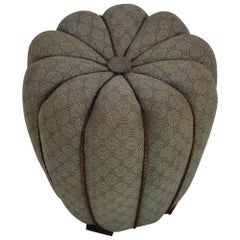
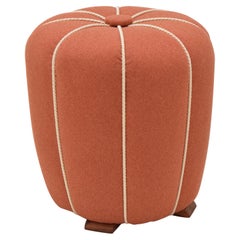
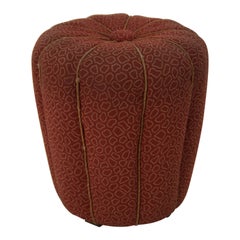
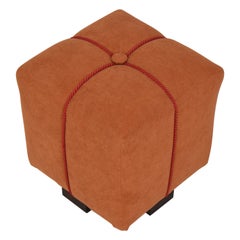
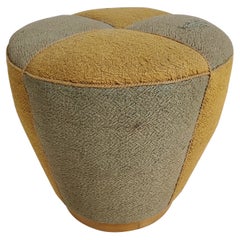
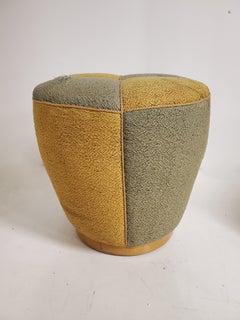
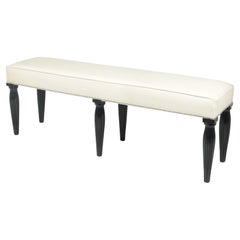
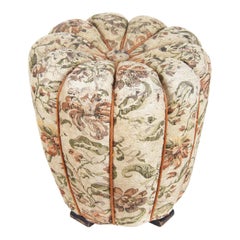
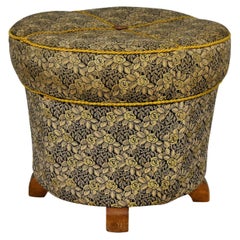
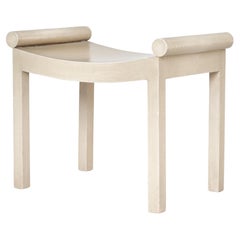
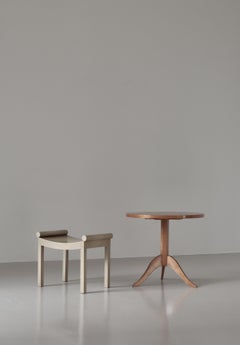
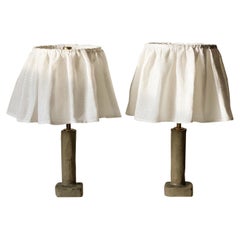
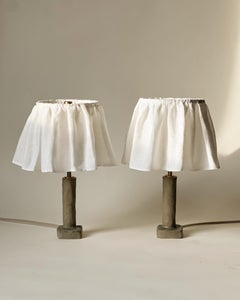
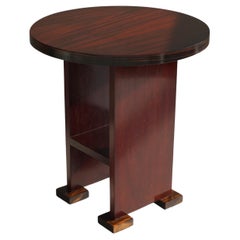
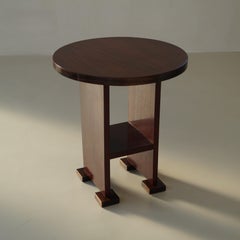
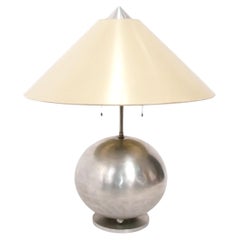
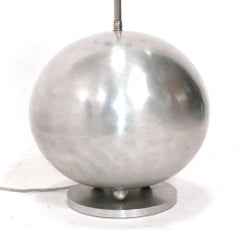
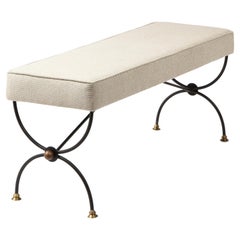
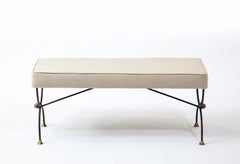
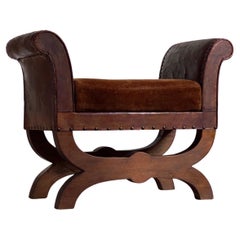
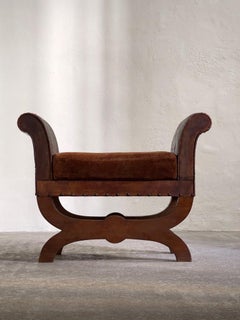
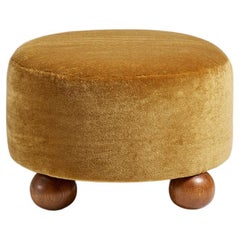
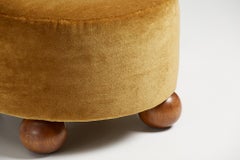
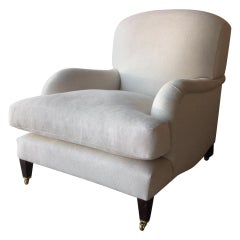
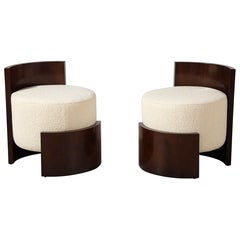
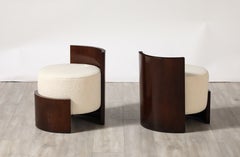
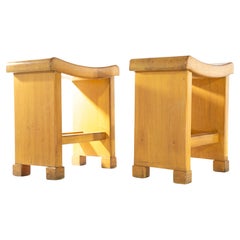
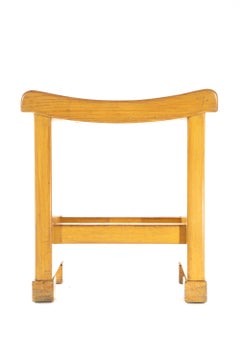
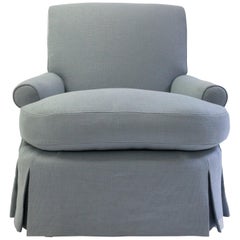
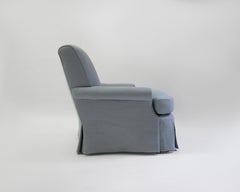
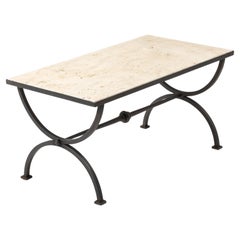
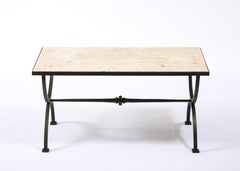
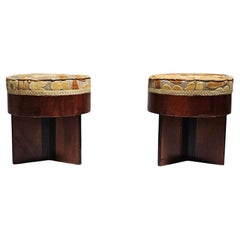
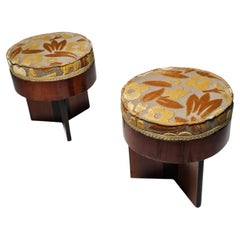
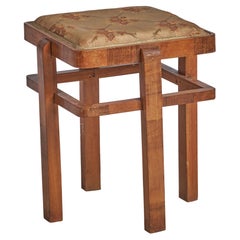
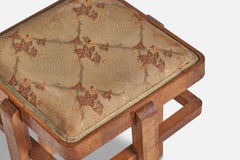
There is a range of art deco wood footstools for sale on 1stDibs. Art deco wood footstools have long been popular, with older editions for sale from the 20th Century and newer versions made as recently as the 21st Century. Not every interior allows for large art deco wood footstools, so small art deco wood footstools measuring 8.67 inches across are available at 1stDibs.
Jindrich Halabala,
UP Závody and
Boet each produced beautiful art deco wood footstools that are worth considering.
Art Deco furniture is characterized by its celebration of modern life. More than its emphasis on natural wood grains and focus on traditional craftsmanship, vintage Art Deco dining chairs, tables, desks, cabinets and other furniture — which typically refers to pieces produced during the 1920s and 1930s — is an ode to the glamour of the “Roaring Twenties.”
ORIGINS OF ART DECO FURNITURE DESIGN
CHARACTERISTICS OF ART DECO FURNITURE DESIGN
- Bold geometric lines and forms, floral motifs
- Use of expensive materials such as shagreen or marble as well as exotic woods such as mahogany, ebony and zebra wood
- Metal accents, shimmering mirrored finishes
- Embellishments made from exotic animal hides, inlays of mother-of-pearl or ivory
ART DECO FURNITURE DESIGNERS TO KNOW
VINTAGE ART DECO FURNITURE ON 1STDIBS
Few design styles are as universally recognized and appreciated as Art Deco. The term alone conjures visions of the Roaring Twenties, Machine Age metropolises, vast ocean liners, sleek typography and Prohibition-era hedonism. The iconic movement made an indelible mark on all fields of design throughout the 1920s and ’30s, celebrating society’s growing industrialization with refined elegance and stunning craftsmanship.
Widely known designers associated with the Art Deco style include Émile-Jacques Ruhlmann, Eileen Gray, Maurice Dufrêne, Paul Follot and Jules Leleu.
The term Art Deco derives from the name of a large decorative arts exhibition held in Paris in 1925. “Art Deco design” is often used broadly, to describe the work of creators in associated or ancillary styles. This is particularly true of American Art Deco, which is also called Streamline Moderne or Machine Age design. (Streamline Moderne, sometimes known as Art Moderne, was a phenomenon largely of the 1930s, post–Art Nouveau.)
Art Deco textile designers employed dazzling floral motifs and vivid colors, and while Art Deco furniture makers respected the dark woods and modern metals with which they worked, they frequently incorporated decorative embellishments such as exotic animal hides as well as veneers in their seating, case pieces, living room sets and bedroom furniture.
From mother-of-pearl inlaid vitrines to chrome aviator chairs, bold and inventive works in the Art Deco style include chaise longues (also known as chaise lounges) and curved armchairs. Today, the style is still favored by interior designers looking to infuse a home with an air of luxury and sophistication.
The vintage Art Deco furniture for sale on 1stDibs includes dressers, coffee tables, decorative objects and more.
Antique and vintage footstools might add a dose of fun to your living room, but they’re also hard workers.
Even as they’ve morphed into objects with plenty of functions over time, the footstool has a royal past. In Ancient Egypt, a footstool was used to climb onto an elevated chair or placed under someone’s feet as he or she was seated in a temple or private residence. Footstools were also in use during the Ottoman Empire. In fact, the ottoman, an upholstered seat or small bench that initially had no back or arms, was the main seating furniture in a home. Ottomans were a way to merge floor seating with cushions and mats.
Poufs, which originated in France, are also thought of as convenient seating furniture as well as occasionally serving as a side table, if needed. (Although, a pouf is typically not as firm as an ottoman.)
Over the years, footstools have taken on varying purposes. They have been used as small portable chairs, for example.
During the 18th century, a footstool might have been long with a low profile, which rendered it perfect for fireside seating. Victorian footstools were small but not unassuming, as furniture makers of the era would upholster the pieces so that they paired with the nearby sofa or wingback chairs. Footstools have even become a storage solution at home, with designers outfitting them with compartments. Today, a footstool might be used to organize quilts and blankets or other textiles, especially if you’re trying to keep things uncluttered in a small apartment.
Footstools are now available in all sorts of provocative colors, upholstery and more. No one is going to put a velvet footstool out on the curb, right? When shopping for your own footstool, try to find one that meets the height of your sofa or other seating (or is a tad lower). It should also be sturdy but not a heavy, clunky piece that’s a chore to move around.
The footstool is both decorative and functional. Not unlike a good throw pillow, interior designers have found numerous uses for this versatile, vibrant furnishing. Find yours in the growing collection of antique and vintage footstools today on 1stDibs.