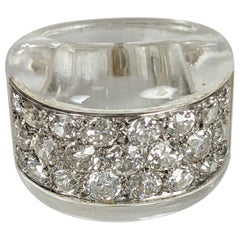
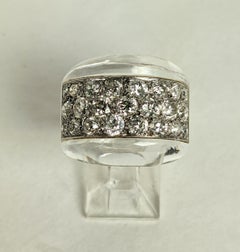
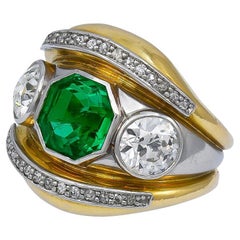
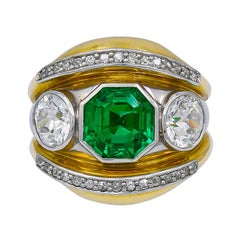
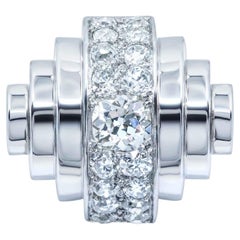
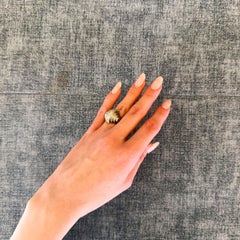
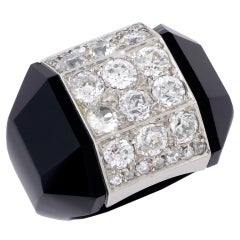
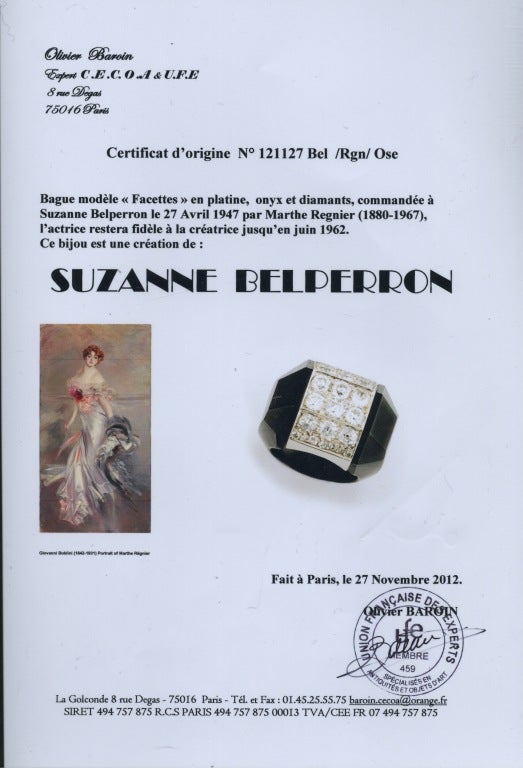
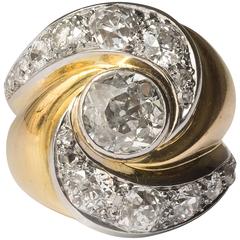
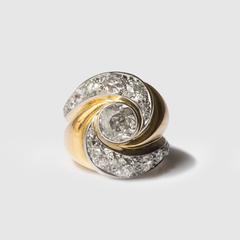
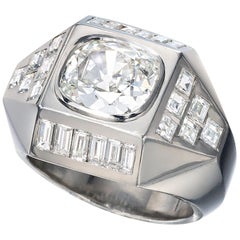
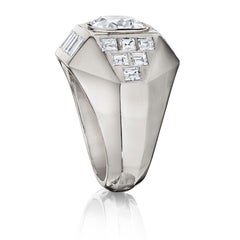
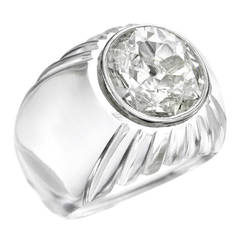
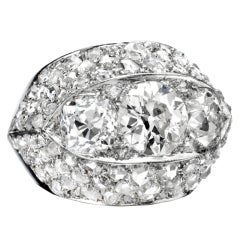
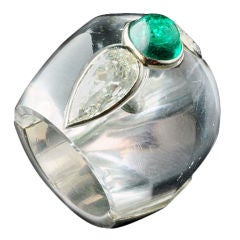
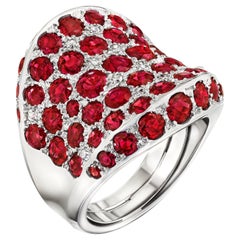
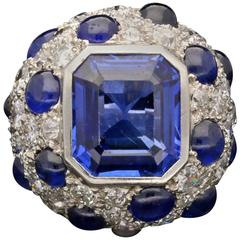
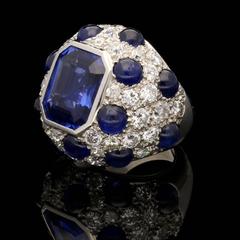
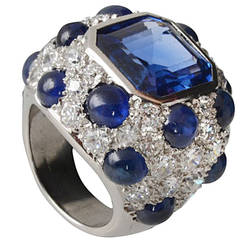
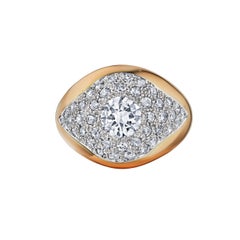
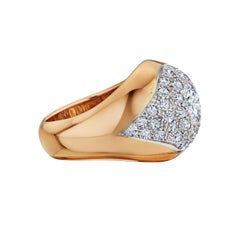
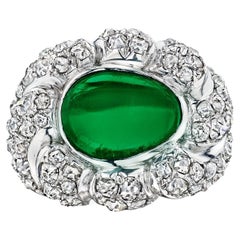
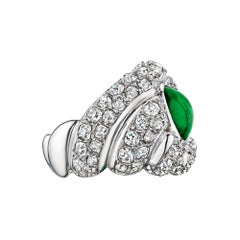
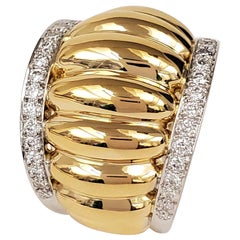
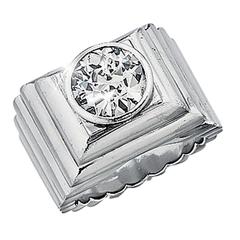
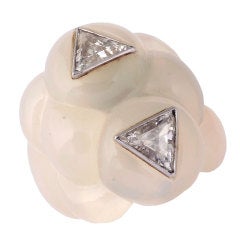
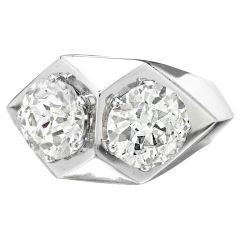
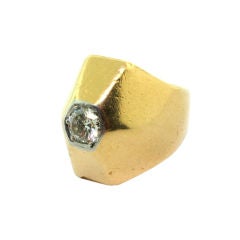
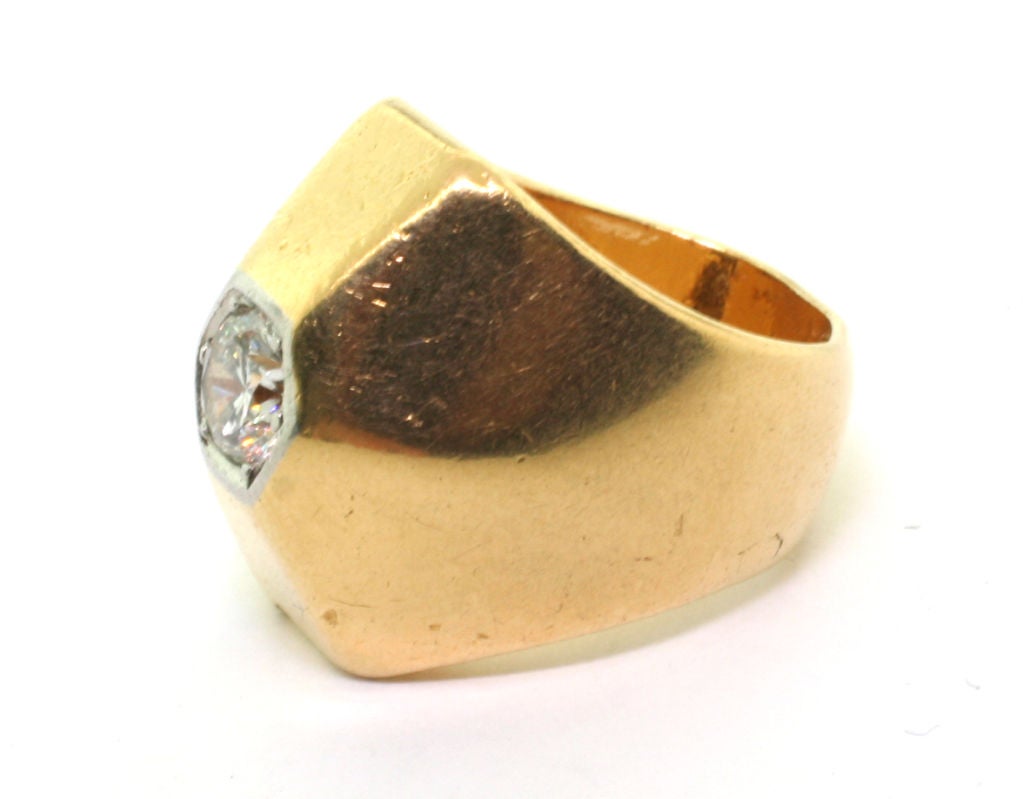
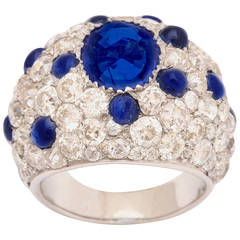
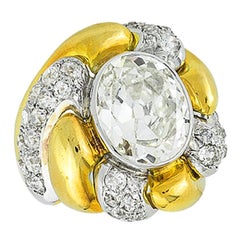
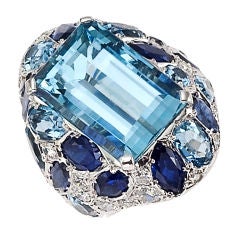
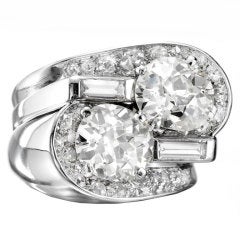
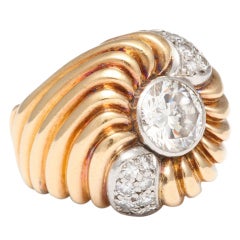
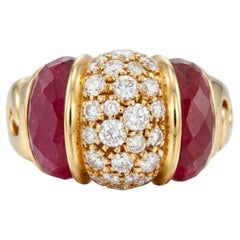
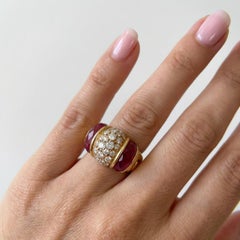
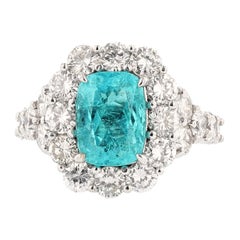
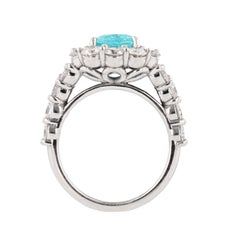
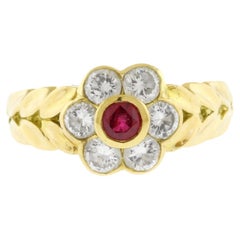
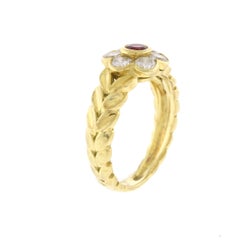
Surely you’ll find the exact belperron diamond ring you’re seeking on 1stDibs — we’ve got a vast assortment for sale. Each design created in this style — which was crafted with great care and often made from
Platinum,
Gold and
18k Gold — can elevate any look. You can easily find a 16 antique edition and 1 modern creations to choose from as well. You’re likely to find the perfect belperron diamond ring among the distinctive items we have available, which includes versions made as long ago as the 20th Century as well as those produced as recently as the 21st Century. There have been many well-made iterations of the classic belperron diamond ring over the years, but those made by
Suzanne Belperron,
Belperron and
René Boivin are often thought to be among the most beautiful. See these pages for an
antique cushion cut iteration of this accessory, while there are also
old european cut cut and
old mine cut cut versions available here, too. Most of our belperron diamond ring for sale are for
women, but there are 7 pieces available to browse for
men.
Suzanne Belperron (1900–83) may not be a household name, but anyone who knows jewelry will recognize her as one of the industry’s 20th-century greats. She was born Suzanne Vuillerme in Saint-Claude, France, a center of the French diamond-cutting industry. Displaying an early talent for design, Belperron studied at the Besançon École des Beaux-Arts before moving to Paris and landing her first job as a model-maker and designer at French jewelry house Boivin when she was 19. Within a few years, she was named codirector — a meteoric rise that would jump-start her legacy.
In 1932, Belperron left Boivin to partner with gemstone and natural pearl dealer Bernard Herz, with whom she would develop her distinct avant-garde aesthetic. Unlike most jewelry designers of the day, Belperron decided against signing her works, feeling so confident in her uniqueness that she declared, “My style is my signature.” Her exceptionally dramatic works were nothing like the angular Art Deco pieces that were popular at the time, taking on large-scale sculptural forms and featuring various design motifs from cultures around the world. The designer was a favorite of couturier Elsa Schiaparelli, who modeled her Belperron jewelry in Vogue in 1933. (Belperron jewels would grace the cover of Vogue Paris in 1934.) She would also count Diana Vreeland and Wallis Simpson, the Duchess of Windsor, among her fans.
World War II changed everything. When the Germans occupied Paris, the Jewish Herz transferred the company to Belperron in order to preserve the business. Both would later be arrested by the Nazis. Belperron was released; Herz was sent to the Drancy internment camp. He later died at Auschwitz, despite Belperron’s best efforts to get him released.
Belperron kept the firm going during the war and after its end Herz’s son, Jean — a released prisoner of war — became Belperron’s equal partner per Bernard Herz’s final wishes. The two would work together under the name Jean Herz-Suzanne Belperron for the rest of her career. In 1963, Belperron was awarded the rank of Chevalier de la Légion d’Honneur, and she quietly retired in 1974.
In 1987, there was a resurgence of interest in Belperron’s work, thanks to the auction of the Duchess of Windsor’s personal collection, which included at least 16 pieces by the designer. In 1999, Ward Landrigan of Verdura acquired both the rights to the Belperron name as well as a design archive of thousands of drawings, leading to the relaunch of the brand in 2015 with a new salon on Fifth Avenue in New York.
Find Suzanne Belperron rings, brooches and other jewelry on 1stDibs today.
Antique and vintage rings have long held a special place in the hearts of fine jewelry lovers all over the world.
No matter their origin or specific characteristics, rings are timeless, versatile accessories. They’ve carried deep meaning since at least the Middle Ages, when diamond rings symbolized strength and other kinds of rings were worn to signify romantic feelings or to denote an affiliation with a religious order. Rings have also forever been emblematic of eternity.
Over time, rings have frequently taken the form of serpents, which have long been associated with eternal life, health and renewal. Italian luxury jewelry house Bulgari has become famous for its widely loved Serpenti motif, for example, and its Serpenti ring, like the other accessories in the collection, began as an homage to jewelry of the Roman and Hellenistic eras. The serpent is now a popular motif in fine jewelry. Jewelry devotees have long pined for rings adorned with reptiles, thanks to antique Victorian rings — well, specifically, Queen Victoria’s illustrious engagement ring, which took the form of a gold snake set with rubies, diamonds and an emerald (her birthstone). Designs for Victorian-era engagement rings often featured repoussé work and chasing, in which patterns are hammered into the metal.
Engagement rings, which are reliably intimidating to shop for, are still widely recognized as symbols of love and commitment. On 1stDibs, a range of buying guides can be found for those in the market for antique engagement rings, vintage engagement rings or Art Deco engagement rings.
The most collectible antique engagement rings and vintage engagement rings are those from the Victorian, Edwardian and Art Deco eras. Named for the monarchies of the four King Georges, who in succession ruled England starting in 1714 (plus King William’s reign), antique Georgian rings, be they engagement rings or otherwise, are also coveted by collectors. Pearls, along with colored gemstones like garnets, rubies and sapphires, were widely used in Georgian jewelry. The late-1700s paste jewelry was a predecessor to what we now call fashion or costume jewelry.
The Art Nouveau movement (1880–1910) brought with it rings inspired by the natural world. Antique Art Nouveau rings might feature depictions of winged insects and fauna as well as women, who were simultaneously eroticized and romanticized, frequently with long flowing hair. Art Deco jewelry, on the other hand, which originated during the 1920s and ’30s, is by and large “white jewelry.” White metals, primarily platinum, were favored over yellow gold in the design of antique Art Deco rings and other accessories as well as geometric motifs, with women drawn to the era’s dazzling cocktail rings in particular.
Whether you’re hunting down a chunky classic for a Prohibition-themed cocktail party or seeking a clean contemporary design to complement your casual ensemble, find an exquisite collection of antique, new and vintage rings on 1stDibs.