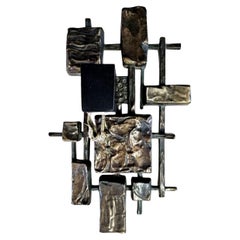
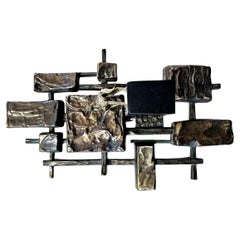
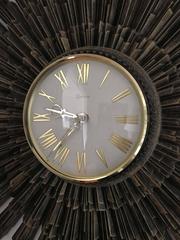
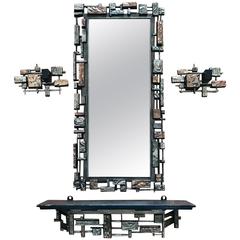
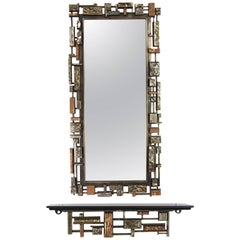
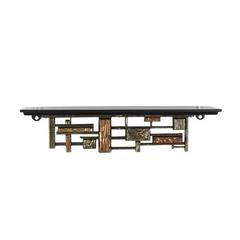
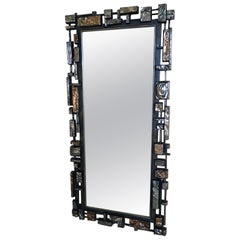
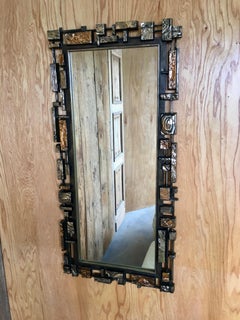
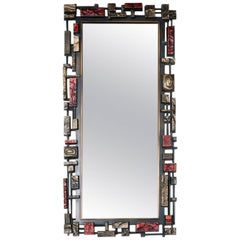
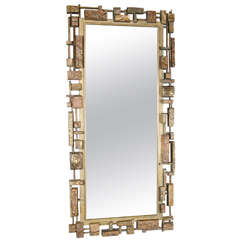
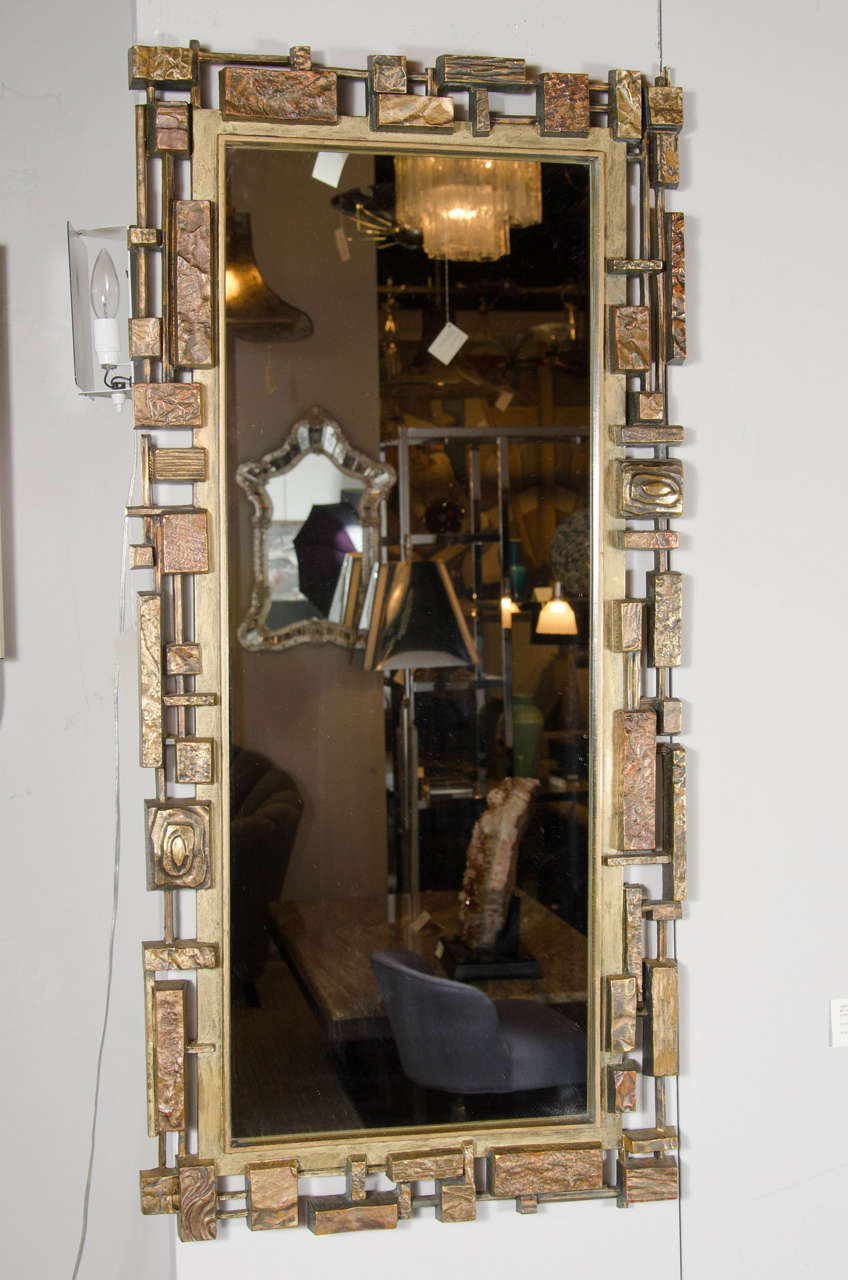
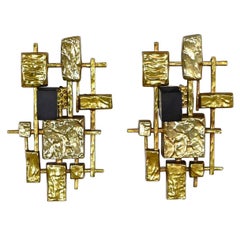
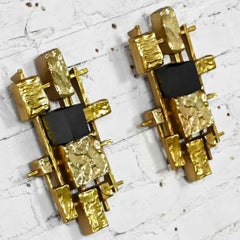
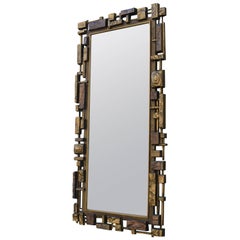
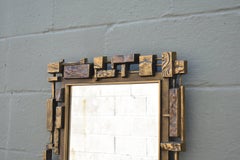
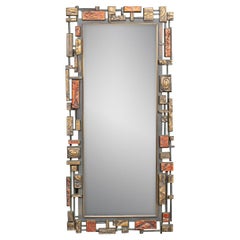
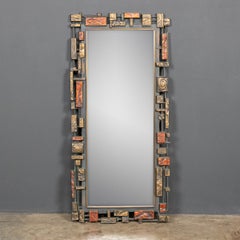
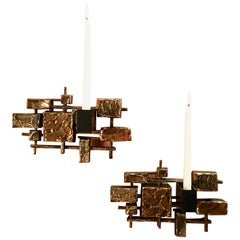
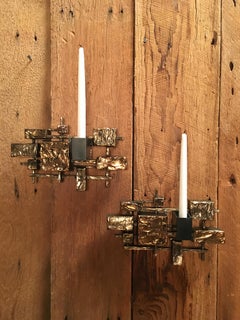
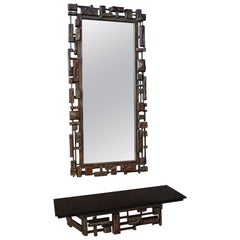
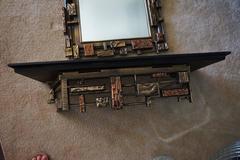
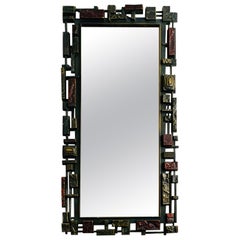
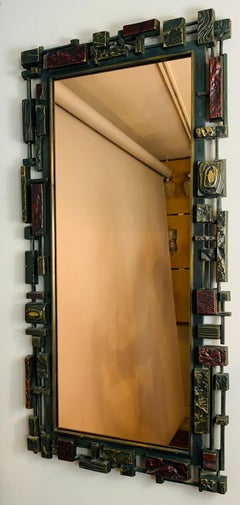
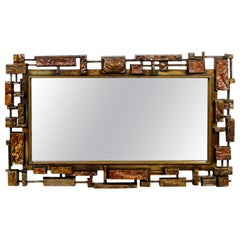
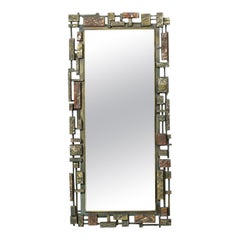
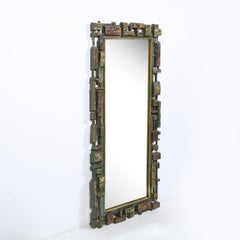
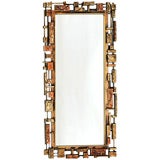
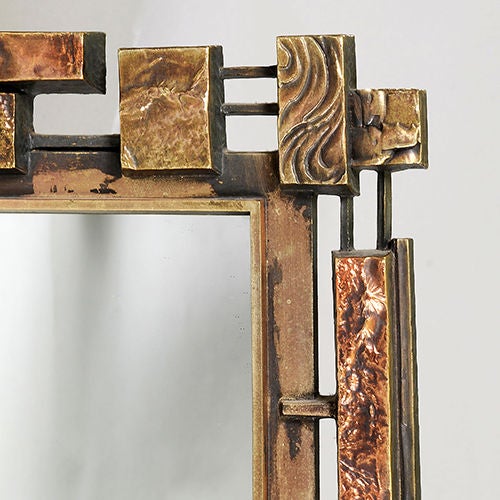
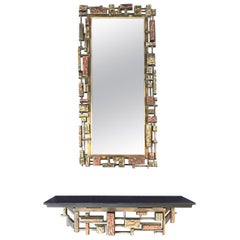
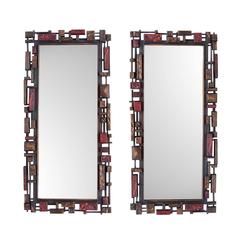
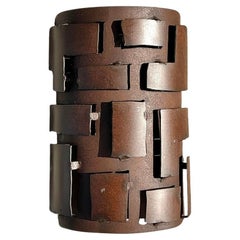
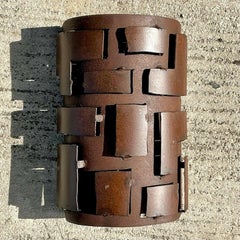
Choose from an assortment of styles, material and more with respect to the brutalist syroco you’re looking for at 1stDibs. A brutalist syroco — often made from
glass,
mirror and
organic material — can elevate any home. Your living room may not be complete without a brutalist syroco — find older editions for sale from the 20th Century and newer versions made as recently as the 20th Century. A brutalist syroco, designed in the
Mid-Century Modern style, is generally a popular piece of furniture. A well-made brutalist syroco has long been a part of the offerings for many furniture designers and manufacturers, but those produced by
Syroco and
Syracuse Ornamental Co. are consistently popular.
A brutalist syroco can differ in price owing to various characteristics — the average selling price 1stDibs is $1,225, while the lowest priced sells for $500 and the highest can go for as much as $5,250.
The design of brutalist furniture encompasses that which is crafted, hewn and worked by hand — an aesthetic rebuke (or, at least, a counterpoint) to furniture that is created using 21st-century materials and technology. Lately, the word “brutalist” has been adopted by the realms of furniture design and the decorative arts to refer to chairs, cabinets, tables and accessory pieces such as mirror frames and lighting that are made of rougher, deeply textured metals and other materials that are the visual and palpable antithesis of the sleek, smooth and suave.
ORIGINS OF BRUTALIST FURNITURE DESIGN
CHARACTERISTICS OF BRUTALIST FURNITURE DESIGN
- Use of industrial materials — tubular steel, concrete, glass, granite
- Prioritizes functionalism, minimalism and utilization of negative space
- Spare silhouettes, pronounced geometric shapes
- Stripped-down, natural look; rugged textures, modular construction
- Interiors featuring airy visual flow and reliance on neutral palettes
BRUTALIST FURNITURE DESIGNERS TO KNOW
VINTAGE BRUTALIST FURNITURE ON 1STDIBS
The term brutalism — which derives from the French word brut, meaning “raw” — was coined by architecture critic Reyner Banham to describe an architectural style that emerged in the 1950s featuring monumental buildings, usually made of unornamented concrete, whose design was meant to project an air of strength and solidity.
Le Corbusier essentially created the brutalist style; its best-known iterations in the United States are the Whitney Museum of American Art, which was designed by Marcel Breuer, and Paul Rudolph's Yale Art and Architecture Building. The severe style might have been the most criticized architectural movement of the 20th century, even if it was an honest attempt to celebrate the beauty of raw material. But while the brutalist government buildings in Washington, D.C., seemingly bask in their un-beauty, brutalist interior design and decor is much more lyrical, at times taking on a whimsical, romantic quality that its exterior counterparts lack.
Paul Evans is Exhibit A for brutalist furniture design. His Sculpture Front cabinets laced with high-relief patinated steel mounts have become collector's items nonpareil, while the chairs, coffee table and dining table in his later Cityscape series and Sculpted Bronze series for Directional Furniture are perhaps the most expressive, attention-grabbing pieces in American modern design. Other exemplary brutalist designers are Silas Seandel, the idiosyncratic New York furniture designer and sculptor whose works in metal — in particular his tables — have a kind of brawny lyricism, and Curtis Jere, a nom-de-trade for the California team of Curtis Freiler and Jerry Fels, the bold makers of expressive scorched and sheared copper and brass mirror frames and wall-mounted sculptures.
Brutalist furniture and sculptures remain popular with interior designers and can lend unique, eccentric, human notes to an art and design collection in any home.
Find authentic vintage brutalist chairs, coffee tables, decorative objects and other furniture on 1stDibs.
Vintage and antique wall mirrors add depth and openness to a space — they can help create the illusion that a narrow hallway isn’t so narrow. But you don’t need hundreds of enormous arched French or Italian mirrors framed in gilded bronze to dress up your home (maybe just a few).
A few well-placed large wall mirrors and other types of mirrors can amplify lighting and help showcase the decorative and architectural features of your home. For the Palace of Versailles during the 17th century, French King Louis XIV ordered the construction of the Hall of Mirrors after spending millions of dollars importing expensive Venetian mirrors from the revered glass-blowing factories on the island of Murano. A mirror-manufacturing rivalry between Paris and Venice took shape, and soon, across from 17 large windows that open out over the adjacent Palace Gardens on one side of the Hall, more than 350 mirrors — large mirrors made of groupings of small panes — were installed, effectively bringing the radiant colors of the outdoors into the opulent corridor.
Wall mirrors for your living room can work miracles — pull your landscaping’s colors and textures indoors, Louis XIV–style, by covering the length of an interior wall across from your living-room windows with wall mirrors.
For a similar effect, surrounding your mid-century modern wall mirror with leafy air plants and fern floor plants can amplify the sense of serenity that greenery offers in your home. Choose wall mirror frame styles to match your home’s decor, or shop for a frameless, organically shaped mirror that’s cut or beveled for a clean yet distinctive showpiece. For a free-spirited Bohemian feel, create a cluster of mismatched antique wall mirrors — an arrangement of circular Art Deco wall mirrors, Rococo-style silver leaf mirrors and decorative oval Victorian mirrors could add spice to an otherwise unadorned dining-room wall.
Elsewhere, there’s nothing vain about buying a full-length mirror for your bedroom, bathroom or walk-in closet to help you perfect your look for the day. Another may be needed in your entryway for a last-minute ensemble inspection. In fact, a shimmering 18th-century hall of mirrors awaits visitors behind the steel door of Stephen Cavallo’s atelier in Manhattan.
“We like to see the look on people’s faces when they walk in,” says Cavallo.
Decorating your home and office with wall mirrors is an art form in and of itself — get started today with the variety of antique and vintage wall mirrors on 1stDibs.