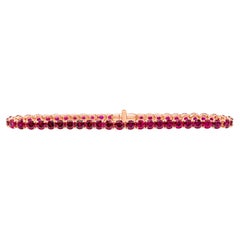
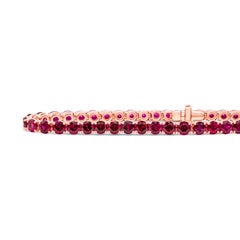
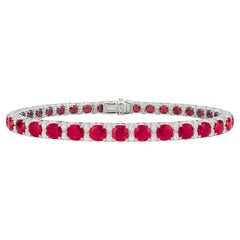
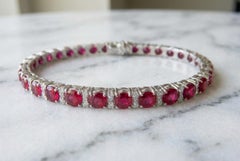
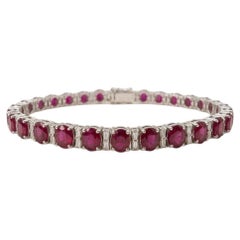
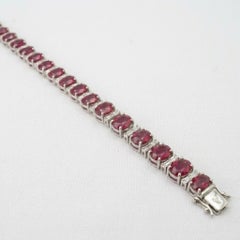
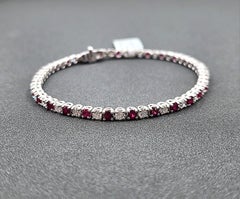
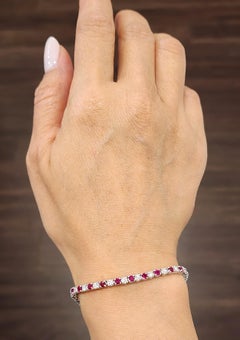
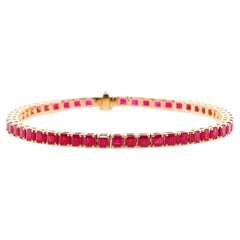
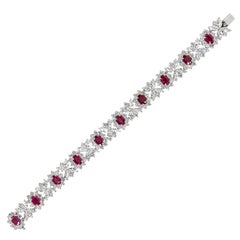
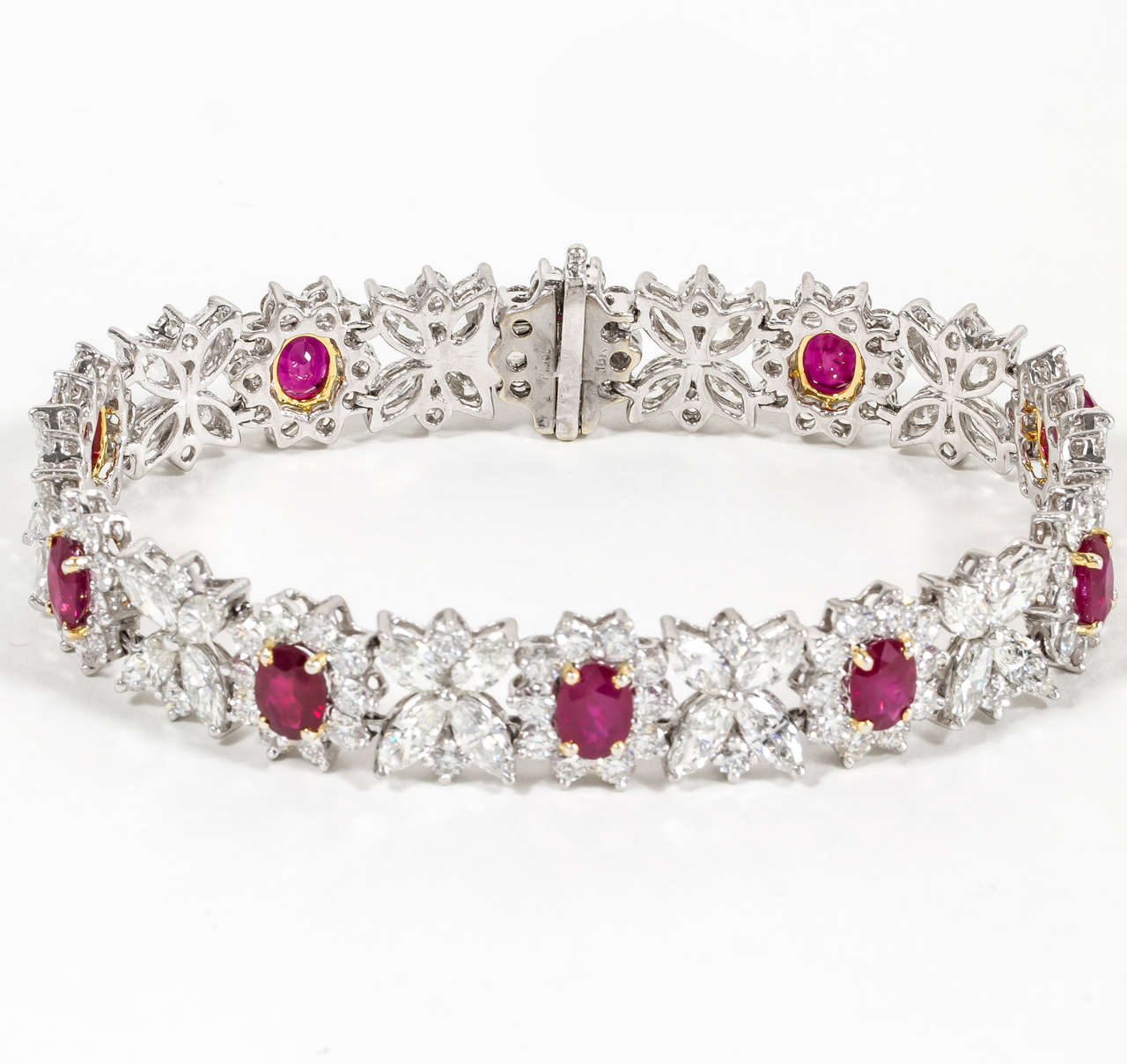
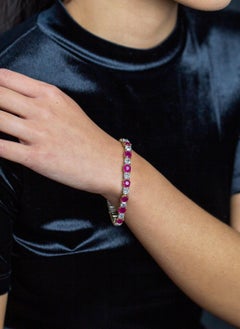
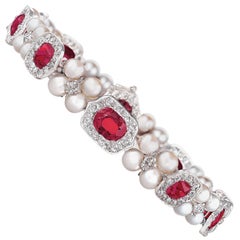
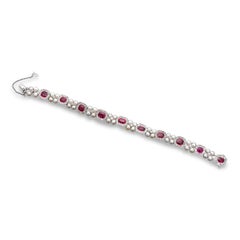
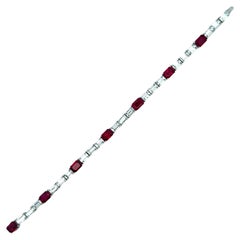
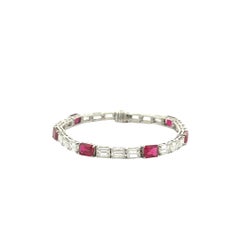
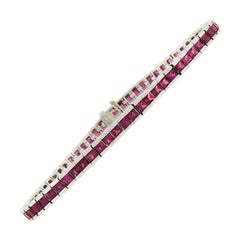
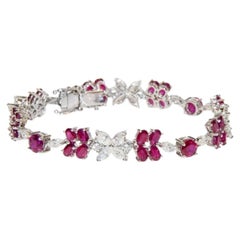
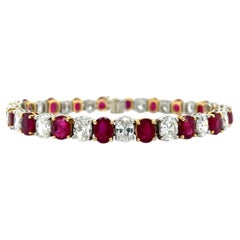
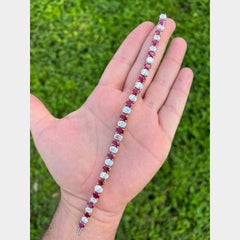
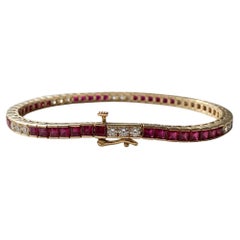
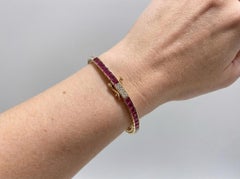
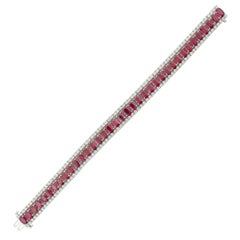
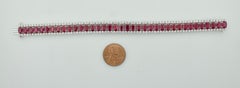
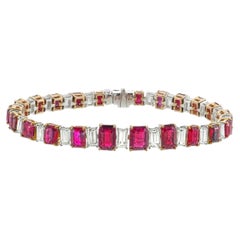
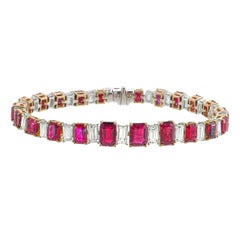
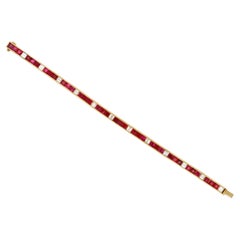
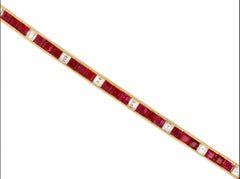
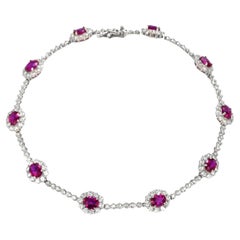
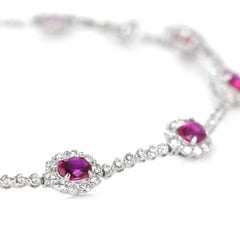
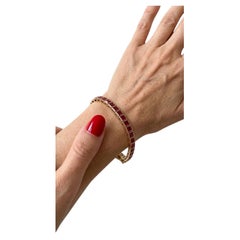
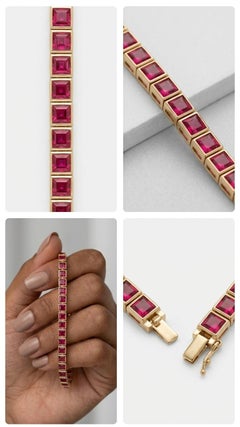
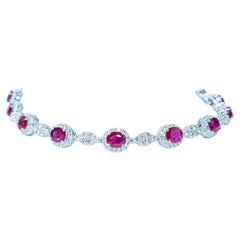
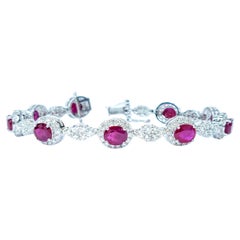
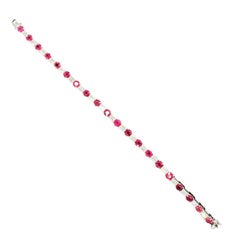
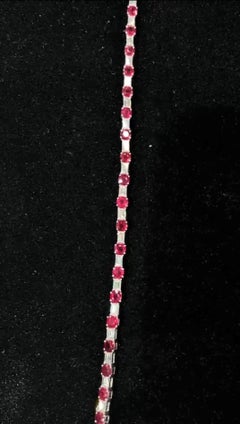
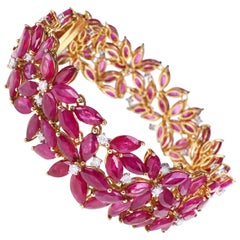
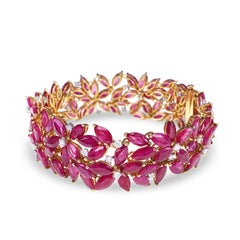
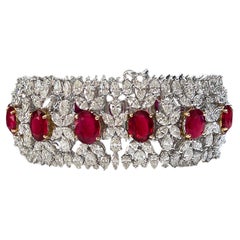
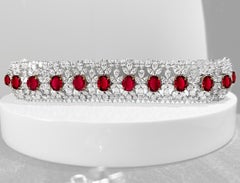
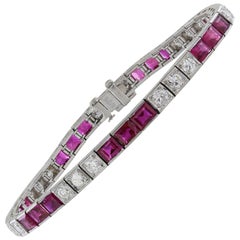
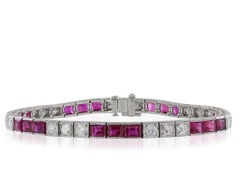
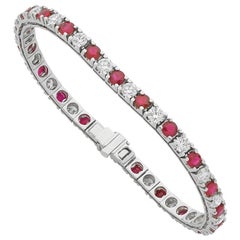
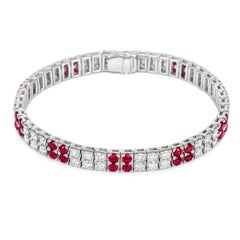
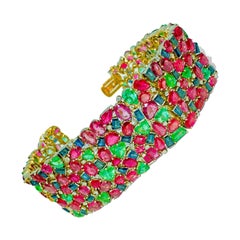
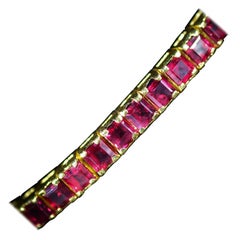
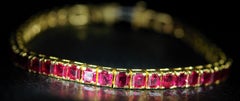
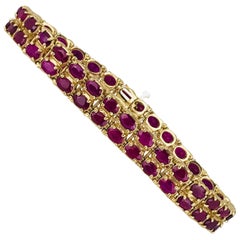
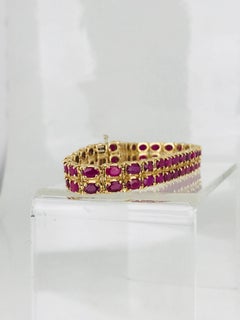
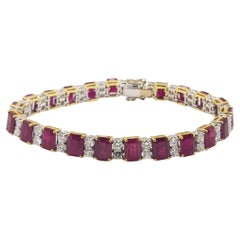
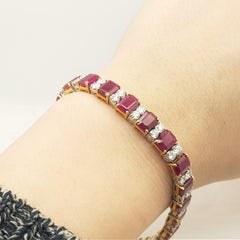
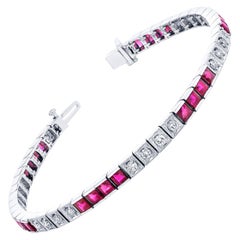
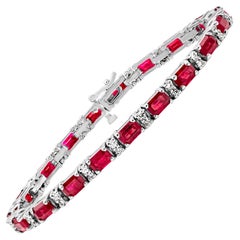
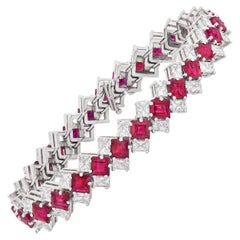
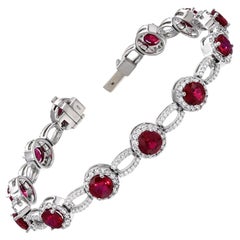
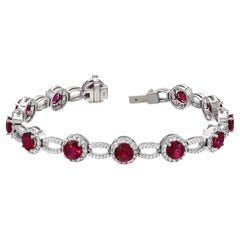
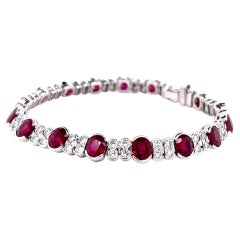
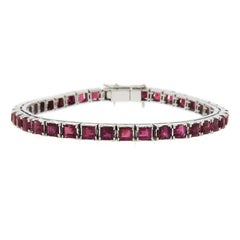
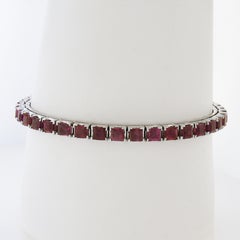
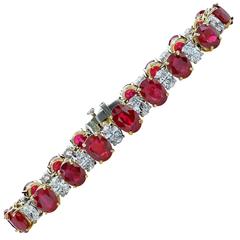
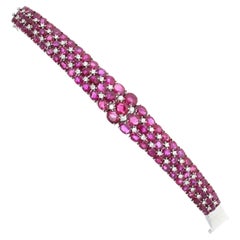
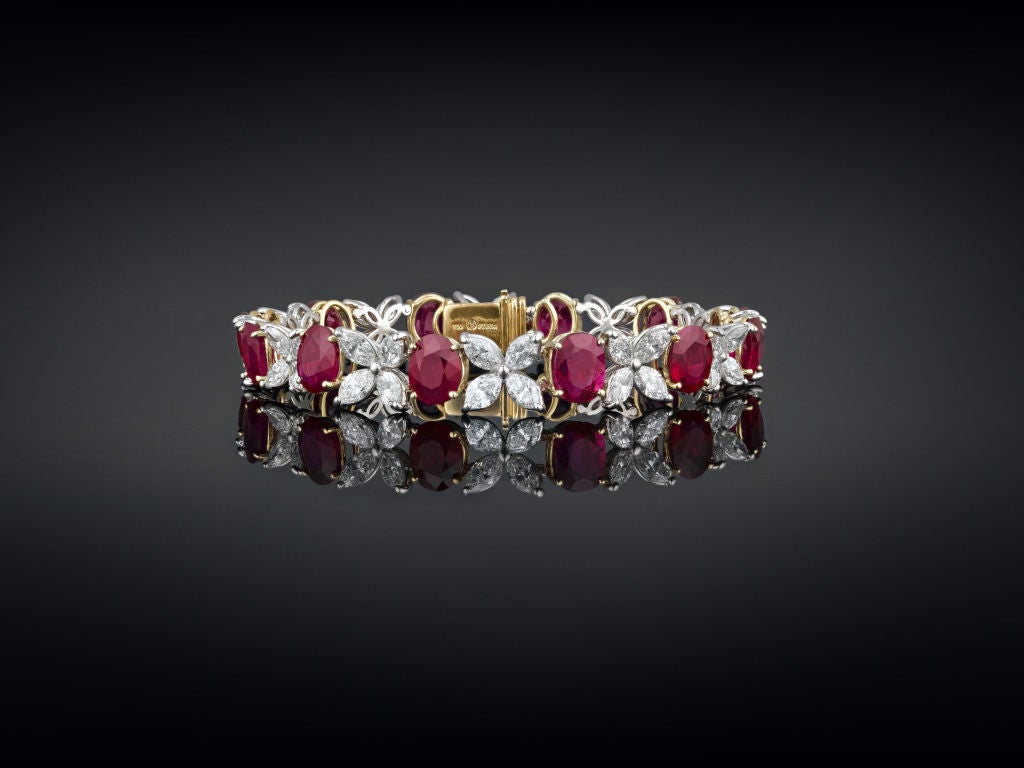
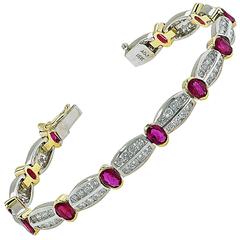
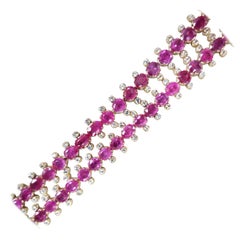
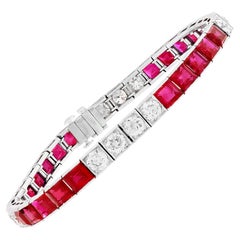
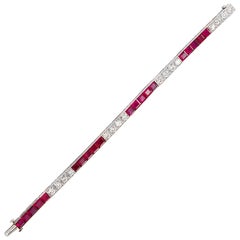
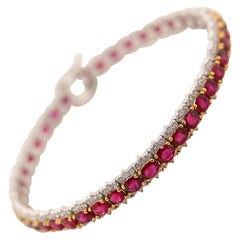
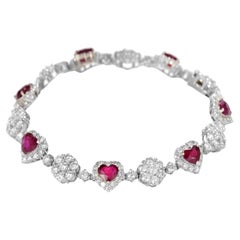
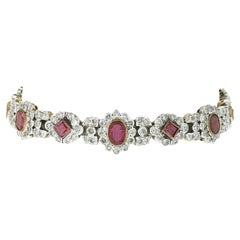
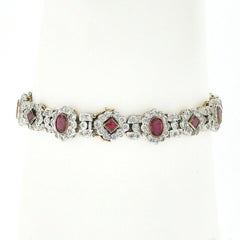
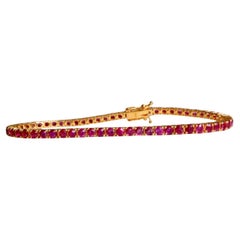
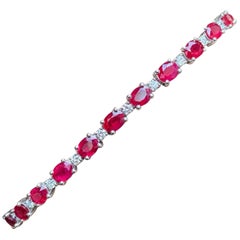
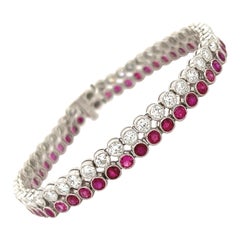
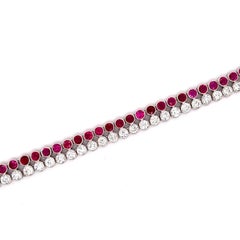
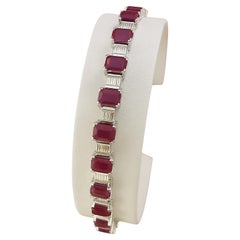
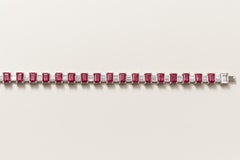
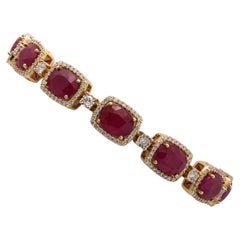
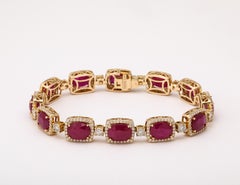
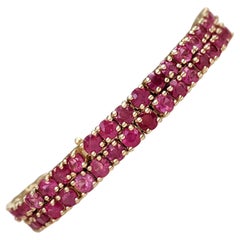
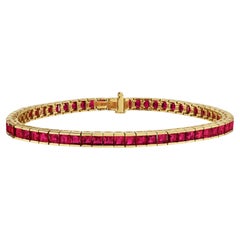
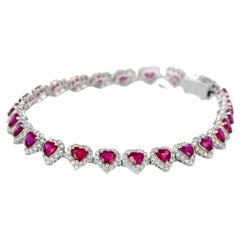
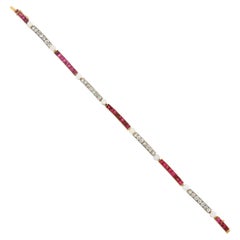
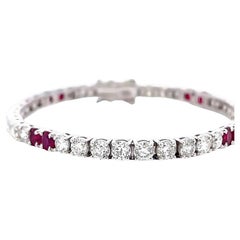
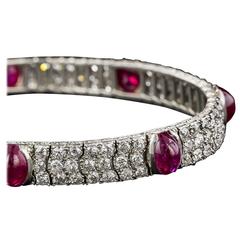
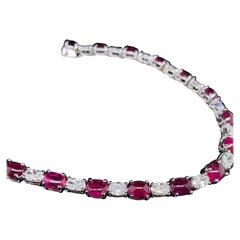
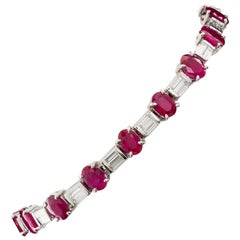
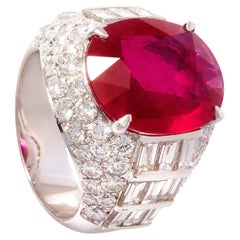
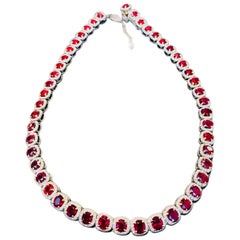
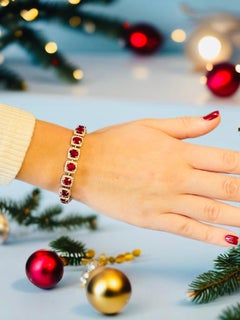
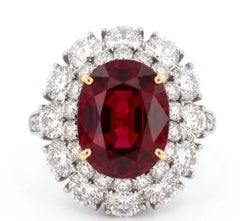
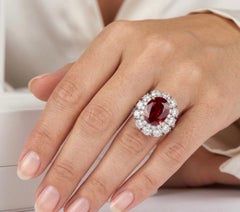
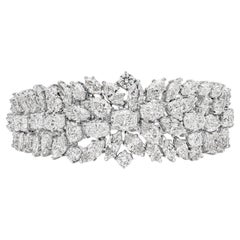
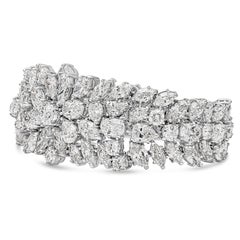
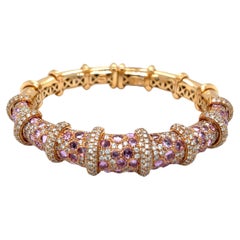
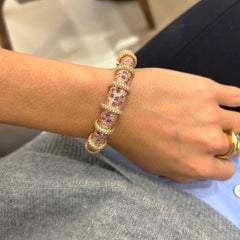
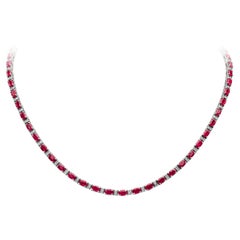
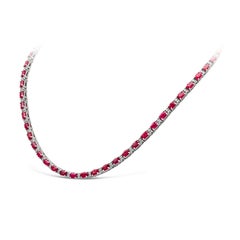
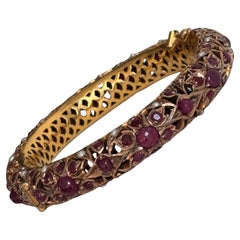
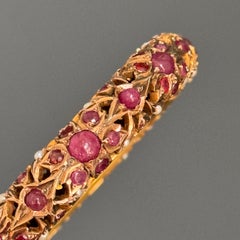
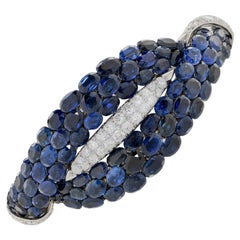
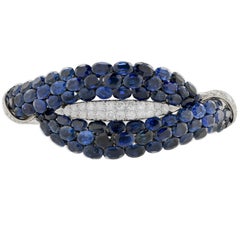
Surely you’ll find the exact burma ruby tennis bracelet you’re seeking on 1stDibs — we’ve got a vast assortment for sale. Each design created in this style — which was crafted with great care and often made from
Gold,
18k Gold and
Platinum — can elevate any look. In our selection of items, you can find a vintage example as well as a contemporary version. Finding the perfect burma ruby tennis bracelet may mean sifting through those created during different time periods — you can find an early version that dates to the 20th Century and a newer variation that were made as recently as the 21st Century. For this particular accessory, there are many different carat weights to choose from, but
3 Carat and
3.5 Carat versions are of considerable interest. Finding an appealing burma ruby tennis bracelet — no matter the origin — is easy, but
Antinori Fine Jewels,
Shreve, Crump & Low and
Boucheron each produced a popular version that is worth a look. See these pages for a
round cut iteration of this accessory, while there are also
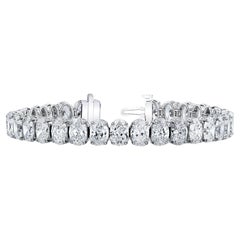
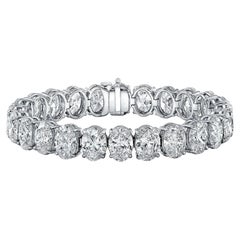
oval cut cut and
cushion cut cut versions available here, too. Finding a burma ruby tennis bracelet for sale for
women should be easy, but there are 15 pieces available to browse for unisex as well as
men, too.
Prices for a burma ruby tennis bracelet can differ depending upon size, time period and other attributes — at 1stDibs, these accessories begin at $2,100 and can go as high as $724,000, while this accessory, on average, fetches $28,000.
This deep red gem is the color of heat and passion — vintage and antique ruby jewelry is perfect for those born in the middle of summer.
Rubies are one of the few gemstones that can give diamonds a run for their money. Just consider the Van Cleef & Arpels “scarf” necklace the Duke of Windsor presented to the Duchess on her 40th birthday, in 1936 — set with diamonds and dripping with rubies, a testament to the deep-red gemstone’s power — or the slippers encrusted with 4,600 rubies that Harry Winston made to commemorate The Wizard of Oz’s golden anniversary. July babies have permission to adorn themselves with this beautiful red stone even when it’s not their birthday.
Rubies are considered precious stones — along with diamonds, sapphires and emeralds — and have a hardness of 9.0 on the Mohs Scale, surpassed only by Moissanite and diamonds. They are composed of corundum, a colorless mineral that is also the basic material of sapphires. In the July birthstone, the red of the gemstone — and the various hues seen in sapphires — are produced by the presence of trace elements. In the case of a ruby, this element is chromium. Rubies range in color from vermilion to a violet red. They are also pleochroic, which means that a stone’s hue can vary depending on the direction of viewing. The most sought-after color is pigeon’s blood: pure red with a hint of blue.
Rubies that are hosted in dolomite marble are the most prized: Because the marble is low in iron, so are the rubies, resulting in a more intense color. Rubies found in basalt, which has a higher iron content, are generally darker and less intense.
When shopping for antique and vintage ruby jewelry, remember that the 4Cs of selecting the perfect diamond — color, clarity, cut and carat — also apply to rubies.
According to the Gemological Institute of America, the color of the July birthstone should be a vibrant to slightly purplish red, and the stone should be clear and inclusion-free. Accordingly, the cut should show off its color and clarity. As for the last criterion, fine rubies more than a carat in weight are rare. Often, large rubies are more expensive than diamonds of comparable weights.
Find a collection of ruby necklaces, ruby rings and other accessories on 1stDibs.
Vintage tennis bracelets are a no-brainer for those of us who remain unabashedly nostalgic for 1980s or 1990s fashion. And as long as the casual-luxe look is hot — and it is — men's tennis bracelets, diamond tennis bracelets and other versions of these understated accessories will remain on trend.
The term “tennis bracelet” is relatively new. It stems from a tennis match that Chris Evert — the first player to win 1,000 singles matches — played in an early round of the U.S. Open during the late 1970s. A diamond and gold bracelet that the celebrated athlete had been wearing broke, and play was stopped while she scrambled to look for it on the court. At the time, minimalist fine jewelry was the order of the day. While fashion jewelry had undeniable appeal, the ornate diamond confections popular in previous decades were neither suited to the office nor the disco dance floor, and many people sought subtle but sophisticated jewelry designs to wear for both work and play.
Subdued ornament in the manner of Elsa Peretti’s versatile 1970s-era necklaces and bracelets for Tiffany & Co. wowed wearers and garnered media acclaim at the time, and the design of Evert’s straight-line bracelet, the kind that had likely been referred to as an “eternity bracelet” before then, spoke to what was a popular type of jewelry during the era. Demand for versions of Evert’s uncomplicated accessory soared in jewelry boutiques across the United States in the years and decades following the match. The tennis star would eventually earn ninth place on the Tennis Channel’s “100 Greatest of All Time” list.
The diamond tennis bracelets worn these days differ little from those crafted during the 1970s, although they’re likely outfitted with sturdier clasps that prevent them from coming apart during extensive tennis matches. Today, there is a wide range of popular unisex tennis bracelets as well as men’s tennis bracelets, although they don't have to be exclusively dotted with diamonds. A vintage Tiffany tennis bracelet, for example, might feature emeralds, rubies or sapphires set in platinum or yellow gold.
Shop Cartier tennis bracelets, diamond tennis bracelets, Harry Winston tennis bracelets and other bracelets to meet every taste on 1stDibs.