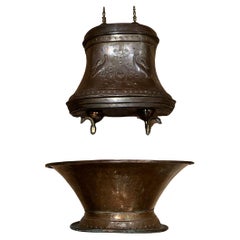
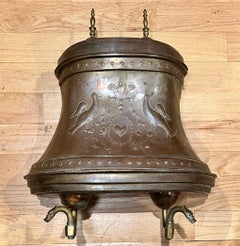
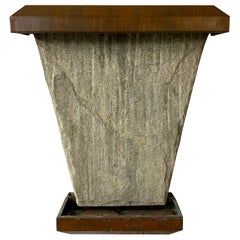
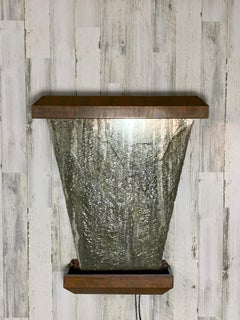
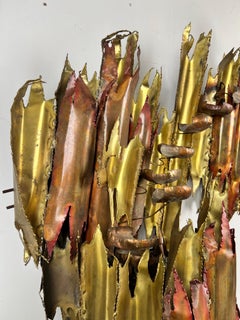
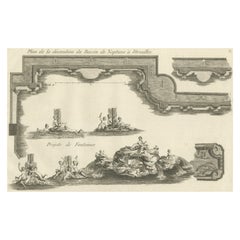
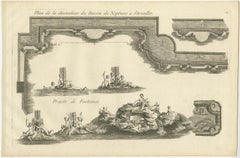
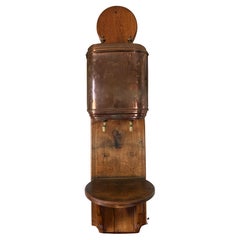
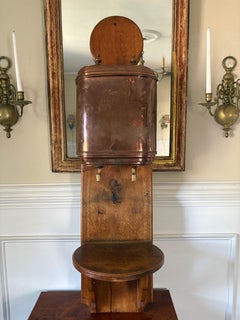
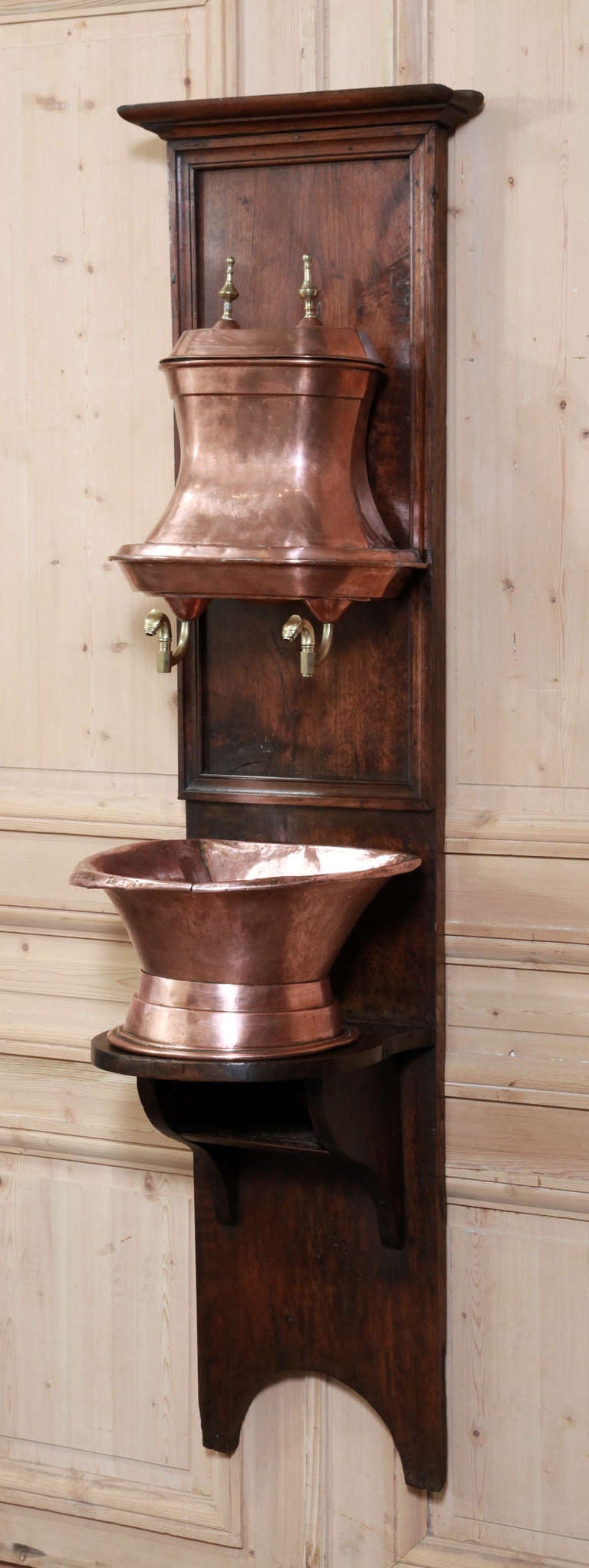
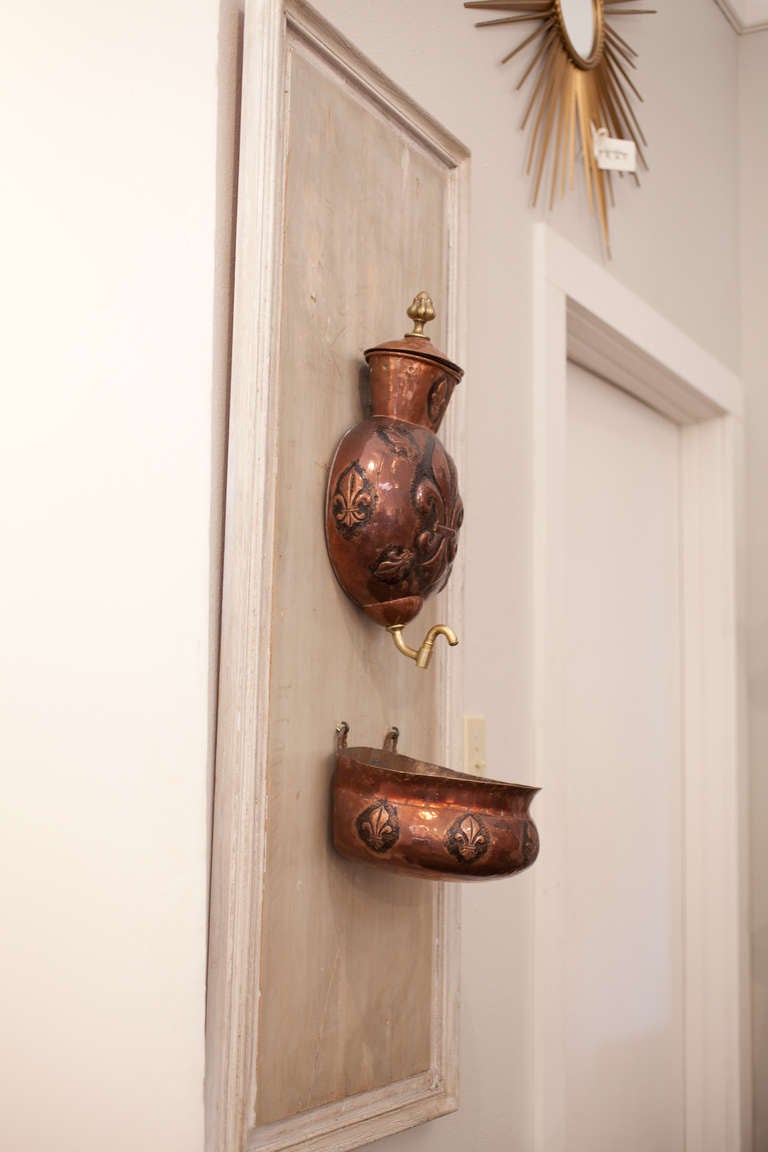
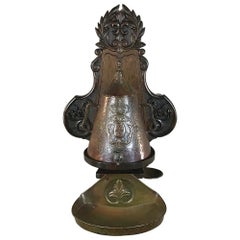
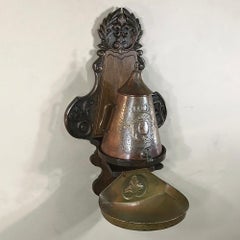
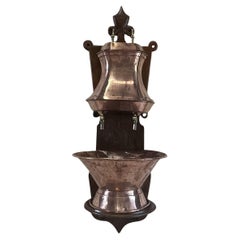
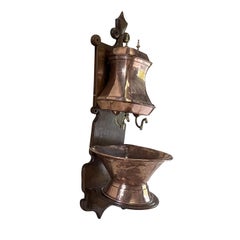
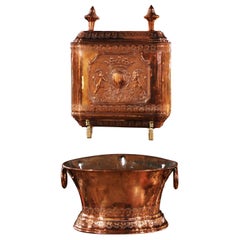
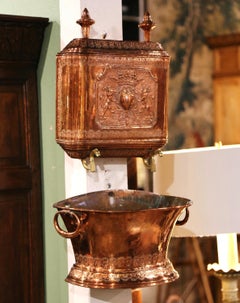
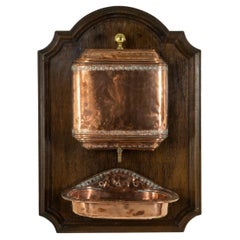
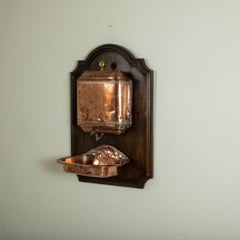
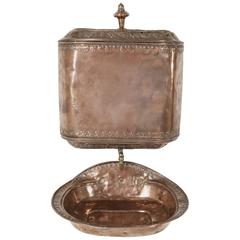
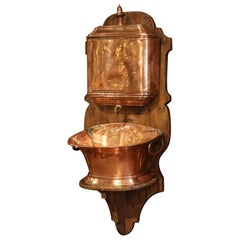
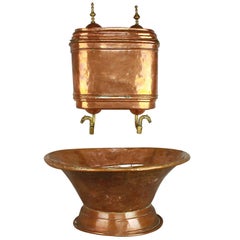
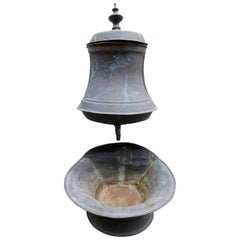
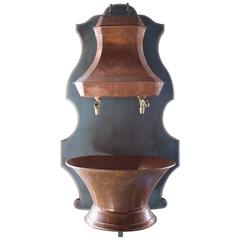
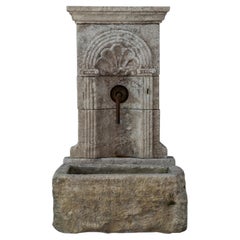
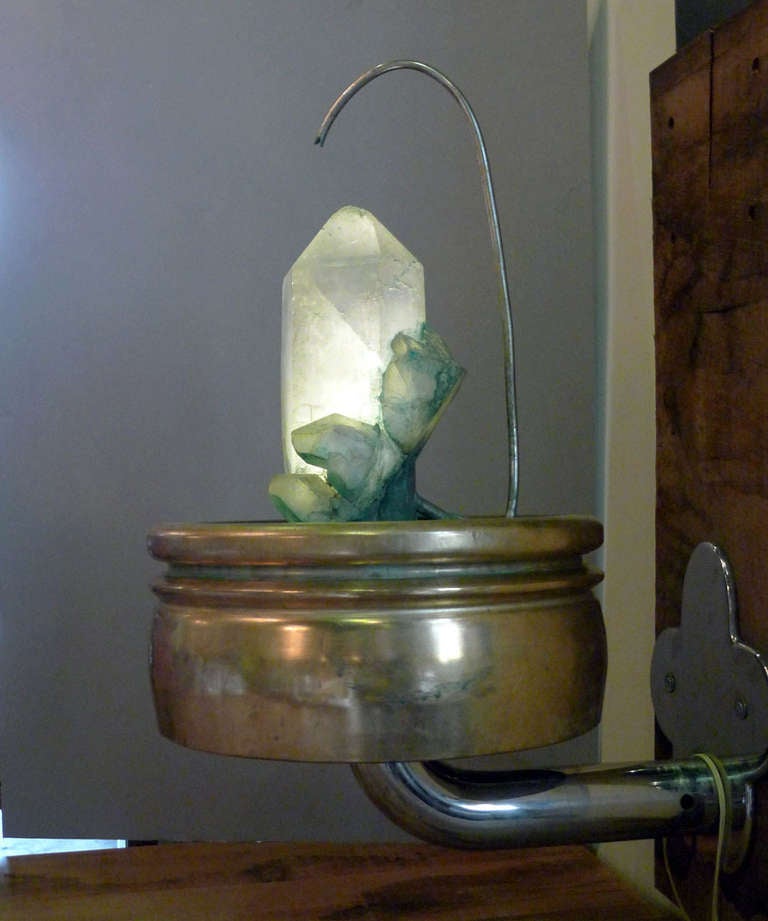
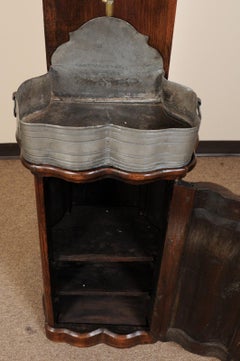
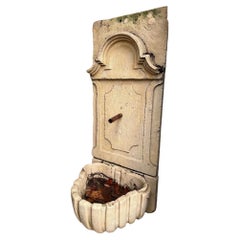
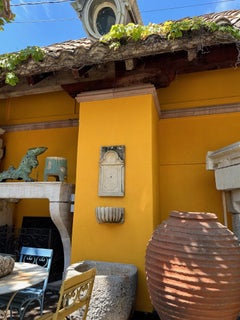
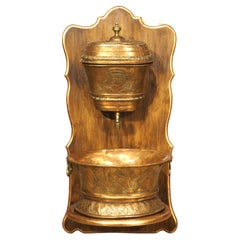
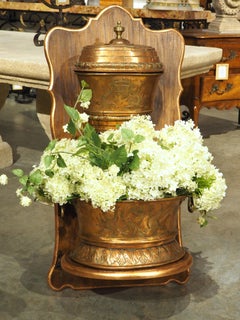
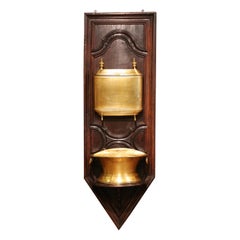
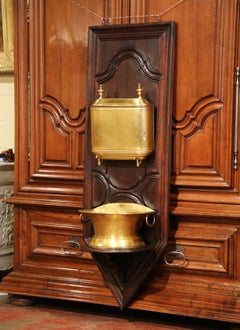
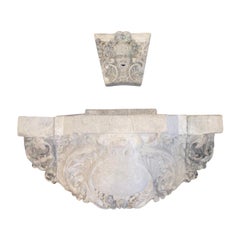
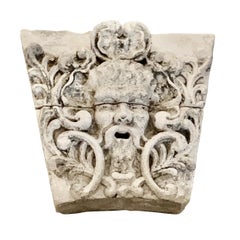
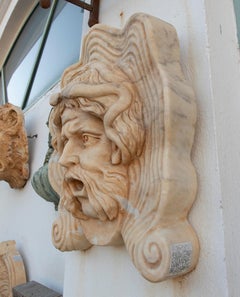
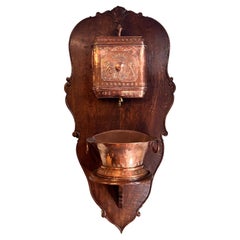
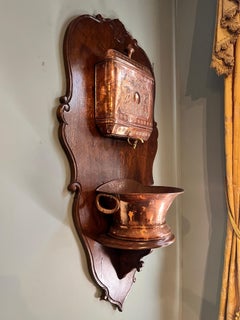
With a vast inventory of beautiful furniture at 1stDibs, we’ve got just the copper wall fountain you’re looking for. Each copper wall fountain for sale was constructed with extraordinary care, often using
metal,
paper and
copper. There are 14 variations of the antique or vintage copper wall fountain you’re looking for, while we also have 1 modern editions of this piece to choose from as well. You’ve searched high and low for the perfect copper wall fountain — we have versions that date back to the 18th Century alongside those produced as recently as the 21st Century are available. A copper wall fountain is a generally popular piece of furniture, but those created in
Baroque,
louis xv and
modern styles are sought with frequency.
Jules-Edouard Roiné each produced at least one beautiful copper wall fountain that is worth considering.
From cupolas to cookware and fine art to filaments, copper metal has been used in so many ways since prehistoric times. Today, antique, new and vintage copper coffee tables, mirrors, lamps and other furniture and decor can bring a warm metallic flourish to interiors of any kind.
In years spanning 8,700 BC (the time of the first-known copper pendant) until roughly 3,700 BC, it may have been the only metal people knew how to manipulate.
Valuable deposits of copper were first extracted on the Mediterranean island of Cyprus around 4,000 BC — well before Europe’s actual Bronze Age (copper + tin = bronze). Tiny Cyprus is even credited with supplying all of Egypt and the Near East with copper for the production of sophisticated currency, weaponry, jewelry and decorative items.
In the 15th, 16th and 17th centuries, master painters such as Leonardo da Vinci, El Greco, Rembrandt and Jan Brueghel created fine works on copper. (Back then, copper-based pigments, too, were all the rage.) By the late 19th and early 20th centuries, decorative items like bas-relief plaques, trays and jewelry produced during the Art Deco, Arts and Crafts and Art Nouveau periods espoused copper. These became highly valuable and collectible pieces and remain so today.
Copper’s beauty, malleability, conductivity and versatility make it perhaps the most coveted nonprecious metal in existence. In interiors, polished copper begets an understated luxuriousness, and its reflectivity casts bright, golden and earthy warmth seldom realized in brass or bronze. (Just ask Tom Dixon.)
Outdoors, its most celebrated attribute — the verdigris patina it slowly develops from exposure to oxygen and other elements — isn’t the only hue it takes. Architects often refer to shades of copper as russet, ebony, plum and even chocolate brown. And Frank Lloyd Wright, Renzo Piano and Michael Graves have each used copper in their building projects.
Find antique, new and vintage copper furniture and decorative objects on 1stDibs.
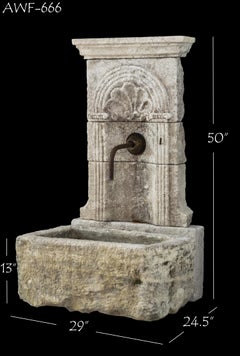
Adding antique and vintage fountains to your home and garden is a great way to accentuate your interiors or landscape design as well as reap the benefits of the calming sound of flowing water.
The design of your outdoor fountain — or the indoor fountain you’ve introduced to your parlor — is going to determine how the water flows into its basin. Whether your new addition is a simple bowl-shaped design, an elaborate wall-mounted Art Deco fountain or a classical tiered tower boasting decoratively carved floral motifs, this will determine the movement of the feature’s water as well as the sounds it makes. If you’re looking to ensure that there is steadily bubbling water, a slow trickle, a waterfall or cascading sheets of water, you’ll want to think about the architecture of your fountain.
Interior and exterior fountains are made from a variety of materials. Cast concrete lends a classical look to your outdoor fountain. Limestone, a component of concrete, is a dense rock with a creamy white finish that calls to mind classical sculptures. If you’ve already adorned your garden or patio and firepit area with Roman statues, this will feel cohesive in your outdoor space. While limestone fountains are low maintenance, these features will require upkeep. A limestone fountain will need to be cleaned out and undergo a water change on occasion — at least every two to four months — in order to prevent algae growth as well as the smell that might accompany it.
Glazed ceramic fountains, which also warrant regular cleaning to reduce buildup of debris and mineral deposits, will add a splash of color to your garden or entryway. A Spanish or Italian fountain adorned with vibrant ornamental tiles will pop against your shrubbery and concrete planters. Lightweight options for outdoor fountains can be found in fiberglass and cast iron if stone seems too heavy for your taste.
By the 19th century, Victorians realized there were health benefits to fountains. The sound of running water can help create a harmonious and soothing environment in your well-appointed outdoor oasis or inviting foyer, and today, we could all use a little relaxation.
It’s time to harness the calming properties of gently flowing water. You will love the serenity that a vintage, new or antique fountain from 1stDibs can add to your home and garden.