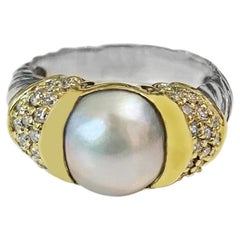
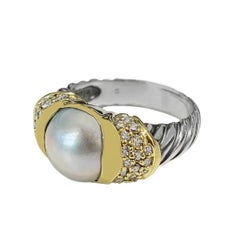
DAVID YURMAN Pearl & Diamond Cocktail Ring
By David Yurman
Located in New York, NY
-Mint condition -18k Yellow Gold & Sterling silver -Ring size: 6 -Diamonds & Pearl -Diamonds: 0.66
Category
DAVID YURMAN Pearl & Diamond Cocktail Ring
By David Yurman
Located in New York, NY
-Mint condition -18k Yellow Gold & Sterling silver -Ring size: 6 -Diamonds & Pearl -Diamonds: 0.66
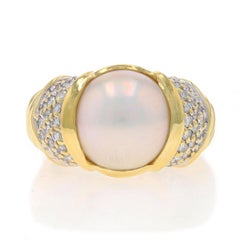
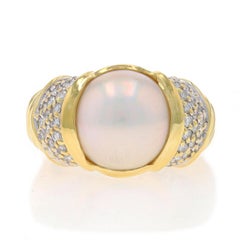
David Yurman Mabe Pearl & Diamond Ring - Yellow Gold 18k .60ctw
By David Yurman
Located in Greensboro, NC
Size: 5 1/4 Note: Please contact us for a resizing quote. Brand: David Yurman Metal Content: 18k
Diamond, Pearl, 18k Gold, White Gold, Yellow Gold
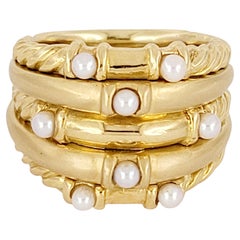
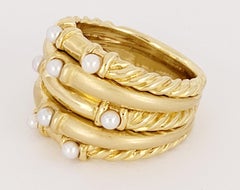
Vintage David Yurman 5 Row Cable Pearl Ring 18K Yellow Gold Multi Row
By David Yurman
Located in New York, NY
David Yurman Multi Row Ring 5 Row Ring with Pearl Material 18K Yellow Gold Width: 16.5mm at
Pearl, 18k Gold, Yellow Gold
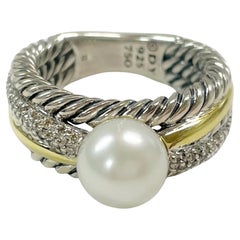
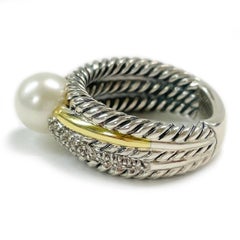
David Yurman Two-Tone 18K Gold Pearl Diamond Ring, Circa 1990, USA
By David Yurman
Located in Palm Desert, CA
This elegant David Yurman two-tone pearl and diamond ring highlights the brand’s iconic cable motif
Diamond, Pearl, White Diamond, Yellow Gold, 18k Gold, Gold, Silver
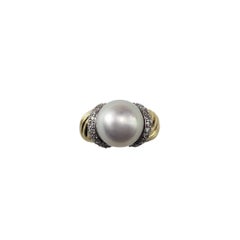
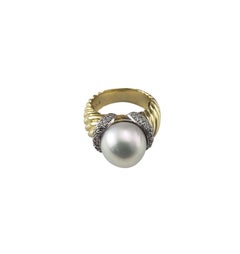
David Yurman 18K Yellow Gold Mabe Pearl & Diamond Ring Size 8-8.25 #21013
By David Yurman
Located in Washington Depot, CT
David Yurman 18K Yellow Gold Mabe Pearl and Diamond Ring Size 8-8.25 This sophisticated piece
Diamond, Pearl, Gold, 18k Gold, Yellow Gold
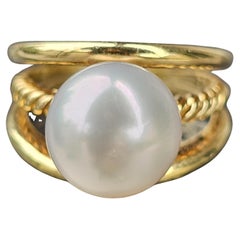
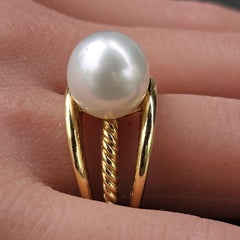
David Yurman 18k Yellow Gold 12mm Pearl Ring size 8.25 12.9g Cable Split Open
By David Yurman
Located in Northbrook, IL
This exquisite David Yurman ring features a captivating design centered around a lustrous pearl
Pearl, 18k Gold, Yellow Gold
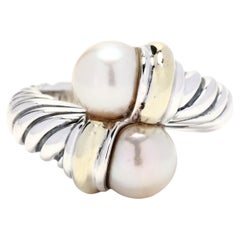
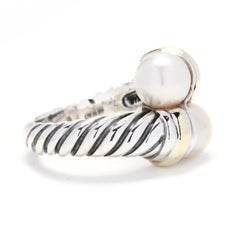
David Yurman Pearl Ring, 14K Yellow Gold Sterling Silver, Ring Size 5.75
By David Yurman
Located in McLeansville, NC
This David Yurman Cable Classics Two Pearl Crossover Ring is a stunning and elegant piece of
Pearl, 14k Gold, Yellow Gold, Sterling Silver
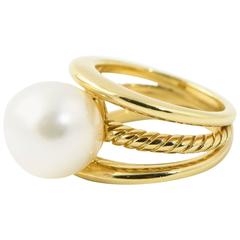
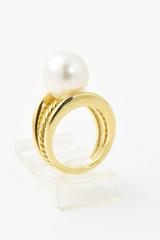
David Yurman South Sea Pearl Gold Cable Ring
By David Yurman
Located in Miami Beach, FL
David Yurman Ring featuring an 18k triple split band ring with cable center band with 11.90mm White
South Sea Pearl, 18k Gold
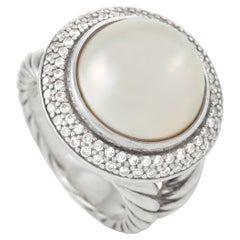
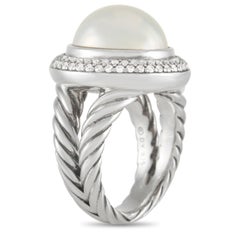
David Yurman Silver Diamond and Mobee Pearl Ring
By David Yurman
Located in Southampton, PA
This estate ring from David Yurman is equal parts intricate and effortless. It begins with the
Diamond, Pearl, Silver
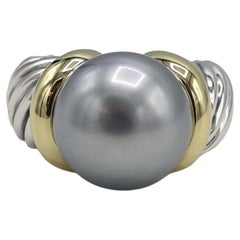
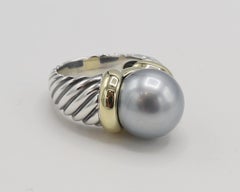
David Yurman Sterling Silver & Gold Black Pearl Cable Ring
By David Yurman
Located in Baltimore, MD
David Yurman Sterling Silver & Gold Black Pearl Cable Ring Metal: Sterling silver & 18k yellow
Pearl, Black Pearl, Gold, Sterling Silver
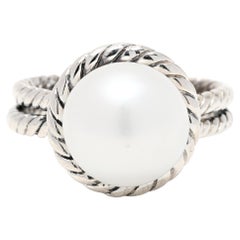

David Yurman Cable Classics Pearl Cocktail Ring, Sterling Silver, Ring
By David Yurman
Located in McLeansville, NC
This classic David Yurman Cable Classics Pearl Cocktail Ring is the perfect way to add a touch of
Pearl, Sterling Silver
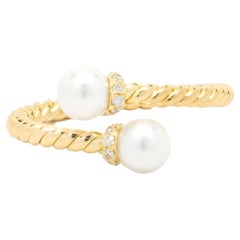

David Yurman 18 Karat Yellow Gold Cable Pearl Bypass Ring
By David Yurman
Located in Scottsdale, AZ
Designer: David Yurman Material: 18K yellow gold Dimensions: ring top measures 7.60mm wide Size: 7
Pearl, 18k Gold, Yellow Gold
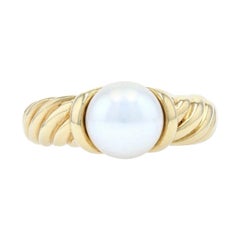

David Yurman Akoya Pearl Ring, 18k Yellow Gold Solitaire Designer Gift
By David Yurman
Located in Greensboro, NC
for a special someone! Created by David Yurman in high purity 18k yellow gold, this piece features a
Pearl, Yellow Gold
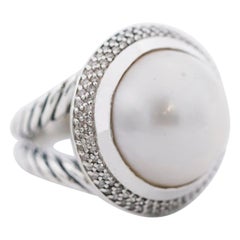
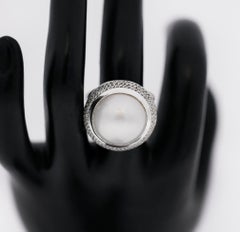
David Yurman 925 Silver Diamond Mother of Pearl Albion Cable Ring
By David Yurman
Located in San Fernando, CA
David Yurman Albion cable collection Signature Round Pearl and Diamond Framed bezel • 925 Sterling
Diamond, Pearl, Silver
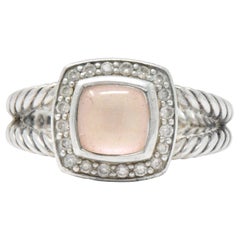

David Yurman Diamond Pink Mother of Pearl Sterling Silver Albion Ring
By David Yurman
Located in Philadelphia, PA
From Albion collection Signed DY for David Yurman Ring Size: 7 1/4 & Not Sizable Top Measures: 1/2
Diamond, Pearl, Sterling Silver
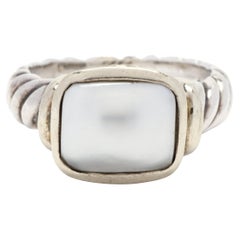
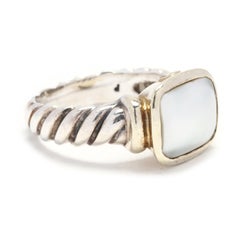
David Yurman Mabé Pearl Noblesse Ring, 14K Yellow Gold Silver, Ring Size 7
By David Yurman
Located in McLeansville, NC
This David Yurman Mabé Pearl Noblesse Ring is a stunning and elegant piece of jewelry. Made from
Pearl, 14k Gold, Yellow Gold, Silver
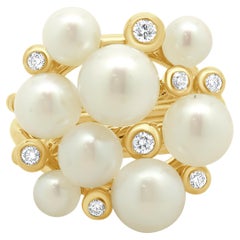
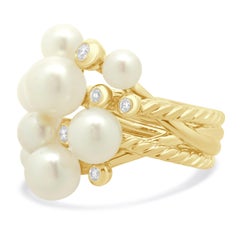
David Yurman 18 Karat Yellow Gold Pearl and Diamond Cable Cluster Ring
By David Yurman
Located in Scottsdale, AZ
Designer: David Yurman Material: 18K yellow gold Diamond: 8 round brilliant cut = 0.25cttw Color: G
Diamond, Pearl, Gold, 18k Gold, Yellow Gold
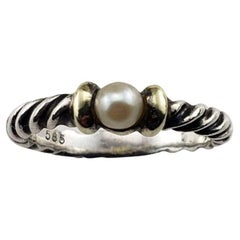

David Yurman Sterling Silver and 14K Yellow Gold Pearl Ring Size #15124
By David Yurman
Located in Washington Depot, CT
David Yurman Sterling Silver and 14 Karat Yellow Gold Pearl Ring Ring Size: 5- This elegant ring
Pearl, Gold, 14k Gold, Yellow Gold, Sterling Silver
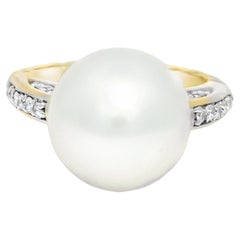

David Yurman South Sea Pearl & Natural Diamond 18-Karat Ring In Stock
By David Yurman
Located in Boca Raton, FL
David Yurman 18k Yellow Gold South Sea Pearl & Natural Diamond Ring Crafted in 18-karat yellow
South Sea Pearl, White Diamond, Diamond, Yellow Gold, 18k Gold, Gold
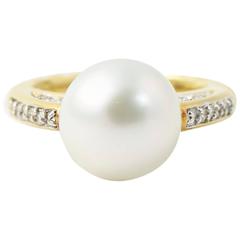

David Yurman Pearl Diamond Gold Ring
By David Yurman
Located in Miami Beach, FL
David Yurman 18k yellow gold ring featuring an 11mm South Sea pearl with pave diamond knife edge
South Sea Pearl, 18k Gold
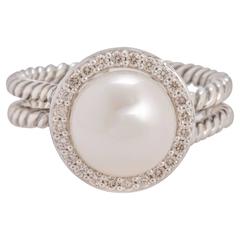

David Yurman Pearl and Diamond Cable Ring
By David Yurman
Located in Miami, FL
Sterling silver David Yurman cable ring featuring white cultured freshwater pearl and 0.20 carat of
Diamond, Freshwater Pearl, Sterling Silver
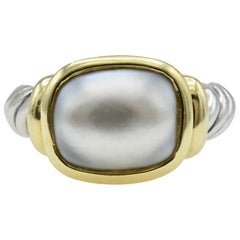

David Yurman 18 Karat Gold, Silver and Pearl Ring
By David Yurman
Located in Berkeley, CA
This stunning and classic ring is the perfect addition to your jewelry wardrobe.The white pearl is
Natural Pearl, 18k Gold, Sterling Silver
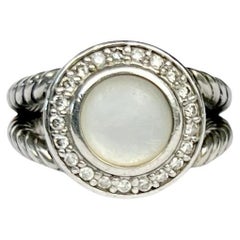
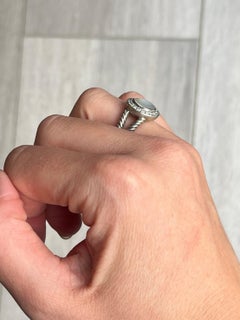
David Yurman Diamond Mother of Pearl Silver Cable Ring
By David Yurman
Located in Chipping Campden, GB
Sparkling David Yurman ring with the classic cable band and a stunning disc of mother of pearl
Diamond, Silver
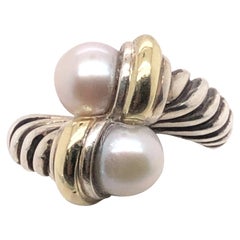

Sterling Silver and 18 Karat Yellow Gold David Yurman Pearl Bypass Ring
By David Yurman
Located in Towson, MD
This sterling silver and 18kt yellow gold David Yurman ring contains two twin round white pearls
Pearl, Silver
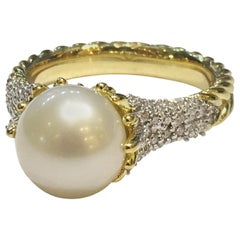

David Yurman Rare Starburst Pearl 18 Karat Yellow Gold and Pave Diamond Ring
By David Yurman
Located in New York, NY
DAVID YURMAN RARE STARBURST PEARL 18K YELLOW GOLD & PAVE DIAMOND RING -18k Yellow Gold -Ring size
Diamond, Pearl, 18k Gold
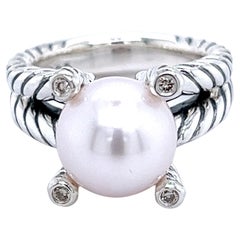

David Yurman Estate Pearl Diamond Cable Collectables Ring 5 Silver 0.05 CT DY174
By David Yurman
Located in Brooklyn, NY
David Yurman Authentic Estate Pearl Diamond Cable Collectables Ring Size 5 Sterling Silver 0.05 CT
Diamond, Pearl, Silver
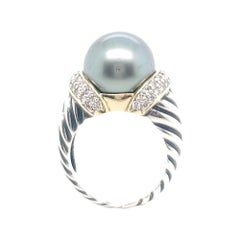

David Yurman Sterling Silver Diamond and Black Pearl Cable Ring
By David Yurman
Located in New York, NY
Authentic David Yurman Silver and 18 karat yellow gold diamond and mabe pearl cable ring. The ring
Diamond, Black Pearl, 18k Gold, Sterling Silver
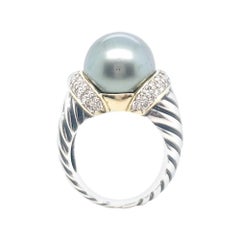

David Yurman Sterling Silver Diamond and Black Pearl Cable Ring
By David Yurman
Located in New York, NY
Authentic David Yurman sterling silver and 18 karat yellow gold diamond and mabe pearl cable ring
Diamond, Black Pearl, 18k Gold, Sterling Silver
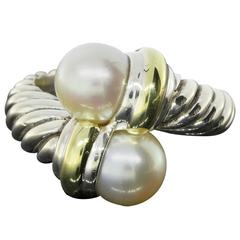

David Yurman Pearl Sterling silver Gold Bypass Ring
By David Yurman
Located in Columbia, MO
These ring features two white pearls set in a bypass style cable ring. The ring is comprised of
Cultured Pearl, 14k Gold, Sterling Silver, Yellow Gold
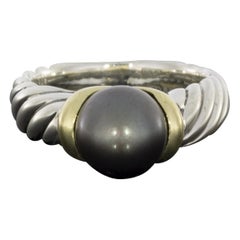

David Yurman Cable Sterling Silver Cultured Black Pearl Ring
By David Yurman
Located in Columbia, MO
Cultured Main Stone Pearl Main Stone Color Bk Estimated Retail $575.00 Brand David Yurman Collection Cable
Pearl, Black Pearl, Gold, 18k Gold, Yellow Gold, Silver, Sterling Silver...
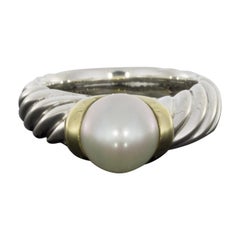

David Yurman Cable Sterling Silver Cultured Pearl Straight Ring
By David Yurman
Located in Columbia, MO
Cultured Main Stone Pearl Main Stone Color Wh Estimated Retail $575.00 Brand David Yurman Collection Cable
Pearl, Gold, 18k Gold, Yellow Gold, Silver, Sterling Silver, Mixed Metal
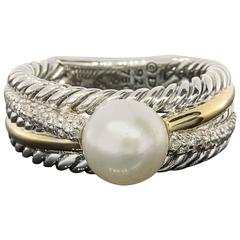

David Yurman Pearl Diamond Silver Gold Crossover Multi-Row Ring
By David Yurman
Located in Columbia, MO
design. David Yurman has reimagined the traditional pearl ring in a unique & elegant way with this ring
Cultured Pearl, Diamond, Pearl, White Diamond, 18k Gold, Gold, Sterling ...
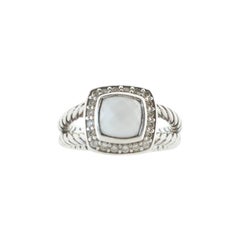
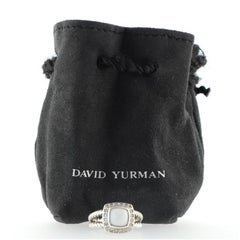
David Yurman Albion Ring Sterling Silver with Mother of Pearl and Diamonds Small
By David Yurman
Located in New York, NY
Measurements: Size: 4.25 - 48, Width: 20 mm Designer: David Yurman Model: Albion Ring Sterling Silver with
Sterling Silver
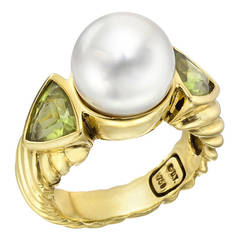
David Yurman Pearl Peridot Gold Dress Ring
By David Yurman
Located in Greenwich, CT
Pearl dress ring, with bezel-set shield-cut peridot shoulders, in a cable-finished 18k yellow gold
Cultured Pearl, Peridot, 18k Gold, Yellow Gold
$999Sale Price|50% Off
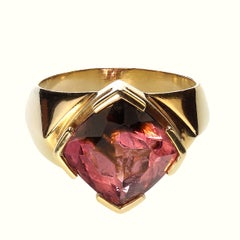
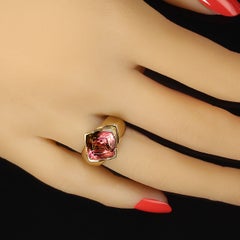
Exquisite 10mm Cushion Cut Brazilian Tourmaline Ring in 18K Gold
By Aria Jewelry Design
Located in Raleigh, NC
Exquisite Brazilian Tourmaline Ring in 18K Yellow Gold Discover the perfect gift with this stunning Brazilian Cushion Cut Tourmaline Ring, featuring a beautiful 10x10 mm pink and gre...
Tourmaline, 18k Gold, Yellow Gold
$1,200Sale Price|20% Off
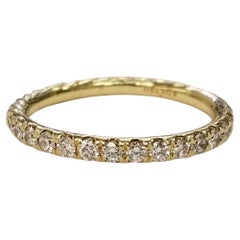
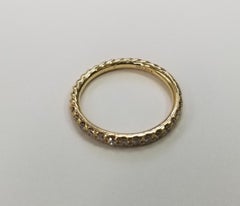
David Yurman Ladies Eden Partway 18K Yellow Gold Pave Diamond Wedding Band
By David Yurman
Located in Los Angeles, CA
Lady's DAVID YURMAN made polished 18K yellow gold, diamond contemporary-style wedding band with a half-round shank. Engraved with "750". The "David Yurman" trademark (or hallmark) ca...
Diamond, 18k Gold, Yellow Gold
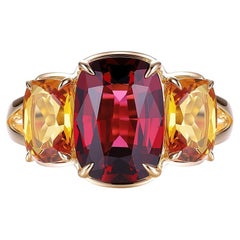
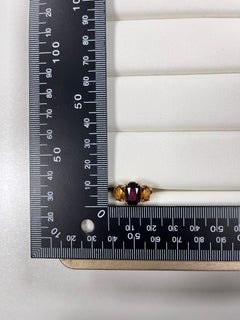
Vintage 5.63Ct Garnet Citrine Ring in 14 Karat Yellow Gold
Located in Hong Kong, HK
This radiant three-stone ring, expertly crafted in 14 karat yellow gold. At its center, a stunning 5.63-carat garnet captivates with its deep, fiery red hues, symbolizing passion and...
Garnet, Citrine, 14k Gold, Yellow Gold
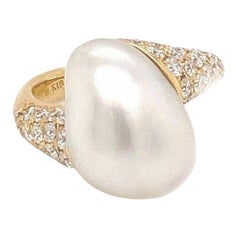
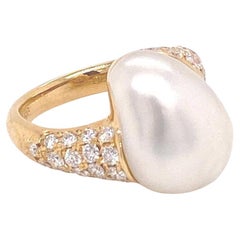
Mikimoto Diamond Akoya Pearl 18k Yellow Gold Ring - Size 4
By Mikimoto
Located in Boca Raton, FL
The Mikimoto 18k Yellow Gold Diamond Pearl Ring in size 4 is a luxurious fine jewelry piece crafted in Japan. Signed by the renowned brand, this ring features a stunning combination ...
Diamond, Pearl, 18k Gold, Yellow Gold
$4,000Sale Price|20% Off
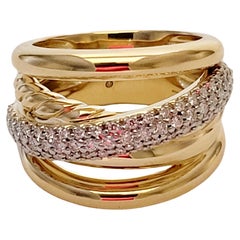
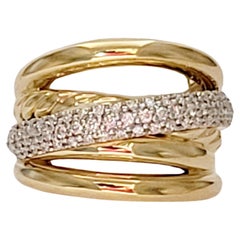
Pave Crossover Five Row Ring 18K Yellow Gold with Diamonds, 17.7mm
By David Yurman
Located in New York, NY
Brand David Yurman 18K Yellow Gold Pave-set diamonds 0.62 total carat weight Ring: 17.7mm Ring Size 9 Weight: 21.6gr Condition: New, never worn Retail Price: $5.925 Comes with David...
Diamond, 18k Gold, Yellow Gold
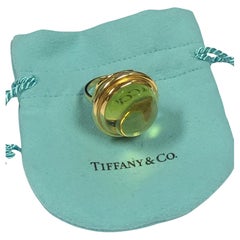
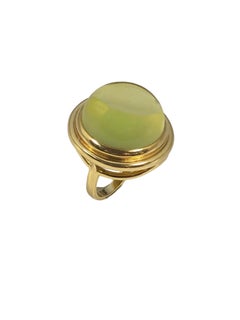
Tiffany & Company Paloma Picasso Large Impressive Citrine Cabochon Ring
By Paloma Picasso for Tiffany & Co.
Located in Chicago, IL
Circa 1990s Paloma Picasso for Tiffany & Company 18K Yellow Gold Ring, the top measures 1 inch in Diameter and is set with a Large Impressive Cabochon Domed Citrine of Approximately ...
Citrine, 18k Gold
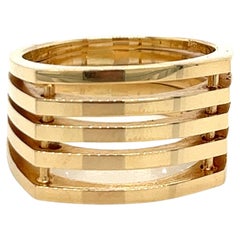
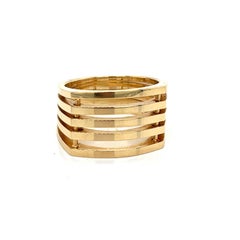
Vintage 1980's 14k Yellow Gold 5 Row Band Statement Ring
Located in Boston, MA
Vintage 1980's 14k Yellow Gold 5 Row Band Statement Ring. The width of the ring on top 12.1mm wide and tapers to 7.3mm wide o the bottom. The finger size is 6.5 and it can be sized u...
Yellow Gold, 14k Gold
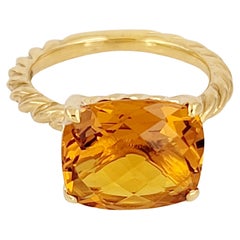
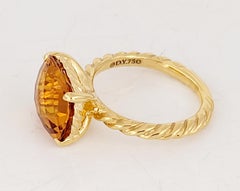
David Yurman Noblesse Collection Ring in 18K Yellow Gold 11.5mm
By David Yurman
Located in New York, NY
Brand David Yurman Noblesse Collection Ring Material 18K Yellow Gold Gemstone 3.25ct Ring Size 5.25 Ring Weight 4.7gr Condition New, never worn Retail Price:$2.650
Citrine, 18k Gold, Yellow Gold
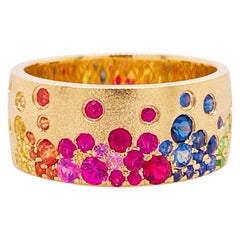
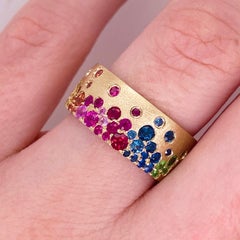
Rainbow Galaxy Confetti Cigar Band, 8.5mm 14K Yellow Gold, Genuine Gemstones
By Five Star Jewelry
Located in Austin, TX
This lovely rainbow confetti ring is dripping with 1.36 carats of sapphires, rubies, and tsavorites and makes a bold statement as a cigar band. All the genuine gemstones are like a ...
Ruby, Sapphire, Tsavorite, Gold, 14k Gold, Yellow Gold
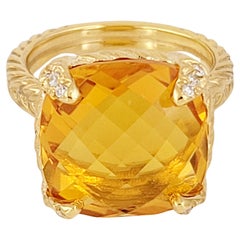
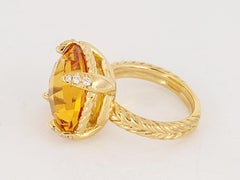
Chatelaine Ring 18K Yellow Gold with Citrine and Diamonds, 14mm
By David Yurman
Located in New York, NY
18-karat yellow gold Citrine, 9.30 total carat weight Pave-set diamonds, 0.09 total carat weight Ring, 14mm Ring Size 6 Condition Mint Comes with David Yurman Ring Box Retail Price $...
Citrine, Diamond, 18k Gold, Yellow Gold
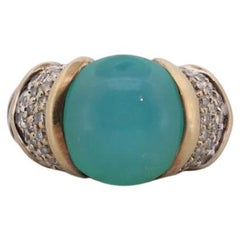
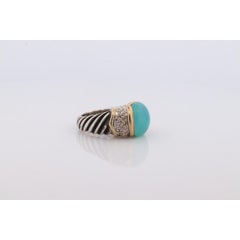
David Yurman ring. 18k Yellow Gold and 925 Sterling Silver ring. Chalcedony
Located in Port Charlotte, FL
Vintage from the 1980s Size: 7 US Materials: Silver Gemstone: Diamond Gem color: Blue Band color: Gold Iconic David Yurman Jewelry. Beautiful Cable Ring cast with Sterling Silver a...
Yellow Gold, Sterling Silver
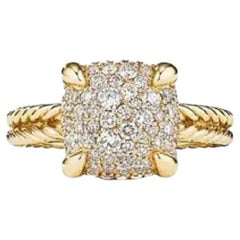
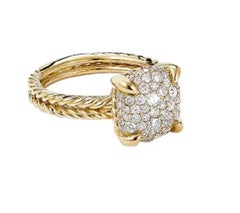
David Yurman Chatelaine Ring in 18k Yellow Gold with Full Pavé Diamonds
By David Yurman
Located in New York, NY
David Yurman Mint condition 18k Yellow gold Ring width: 11mm Ring size: 7.5 Weight 6.5gr Comes with David Yurman pouch. Retail: $3600
Diamond, 18k Gold, Yellow Gold
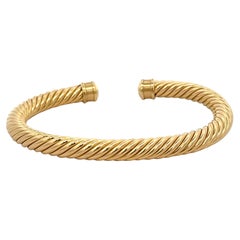
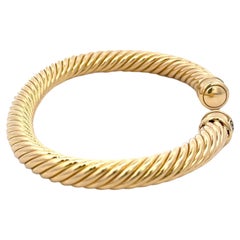
Gents David Yurman Cable Cuff Bracelet 18 Karat Yellow Gold 7 MM 23.1 Grams
By David Yurman
Located in New York, NY
From the Cable Cuff Bangle, this David Yurman is crafted in 18 karat yellow gold weighing 23.1 grams, 7 mm.
18k Gold, Yellow Gold
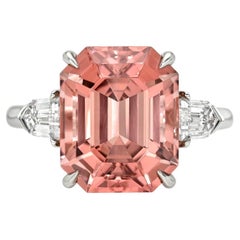
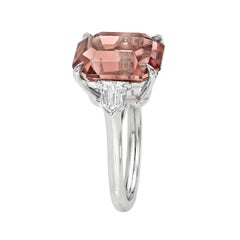
7.55 Carat Peach Tourmaline Engagement Ring – Emerald Cut with Bullet Diamonds
By Merkaba
Located in Beverly Hills, CA
7.55 Carat Peach Tourmaline and Bullet Diamonds Platinum Engagement Ring. Luxury Three-Stone Ring – Emerald Cut Tourmaline – Merkaba Jewelry Beverly Hills. A Unique Platinum Engagem...
Diamond, Tourmaline, White Diamond, Emerald, Platinum
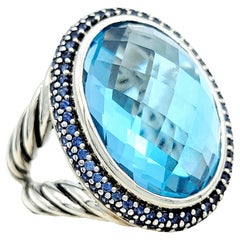
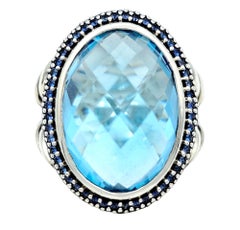
David Yurman Oval Blue Topaz and Blue Sapphire Cocktail Ring in Sterling Silver
By David Yurman
Located in Scottsdale, AZ
Ring Size: 4 Step into a world of understated glamour with this designer sterling silver cocktail ring, a tasteful masterpiece that effortlessly marries simplicity with sophisticati...
Blue Topaz, Topaz, Blue Sapphire, Sapphire, Sterling Silver
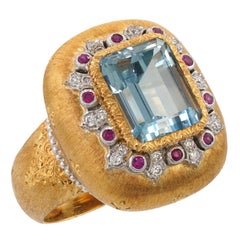
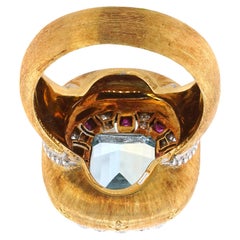
BUCCELLATI Aquamarine Diamond Ruby 18k Yellow Gold Ring
By Gianmaria Buccellati
Located in New York, NY
This exquisite vintage Gianmaria Buccellati cocktail ring is crafted in 18k brushed and textured yellow gold with white gold accents. This ring is set with a faceted oval 7.0mm x 10....
Aquamarine, Diamond, Ruby, Yellow Gold
Perhaps the ultimate artistic couple, sculptor David Yurman (b. 1942) and his wife, painter Sybil Kleinrock (b. 1942), couldn’t have imagined they’d build an internationally renowned fine jewelry empire when they met in 1969 at a sculpture studio in Manhattan’s Greenwich Village.
Eleven years later, in 1980, the duo established the David Yurman brand and it boomed almost instantly, a by-product of the pair’s love for and commitment to making art. (They’ve been known to call their business as well as their relationship “one big art project.”) In fact, Yurman’s most recognizable piece, the Cable bracelet, was inspired by his background in metalworking and direct welding, skills he learned when he was just a teenager. It is a marvelously modern accessory rooted in everything from jewelry motifs of ancient Syria to the natural formations of tree branches that would yield the Cable ring, earrings and other items.
When Long Island, New York–born Yurman was in high school, he spent a summer visiting his sister in Provincetown, Massachusetts, where he met Cuban sculptor Ernesto González, who taught him how to heat and fuse metals. After that fateful summer, Yurman experimented feverishly with bronze sculpture and, eventually, minimalist jewelry design.
Yurman studied briefly at New York University, opting to drop out after a year to hitchhike across the United States, ending up in an artist colony on California’s Big Sur coastline. The bustling artists’ scene in New York during the 1960s eventually drew him back to the East Coast. There, he trained under Cubist sculptor Jacques Lipchitz, and, by 1969, he was a foreman in sculptor Hans Van de Bovenkamp’s Greenwich Village studio. It was in the studio that he met Kleinrock.
Kleinrock and Yurman began a romantic relationship, and he designed her a sculptural welded bronze necklace to wear to an art gallery opening. The gallery owner was so enchanted by the design — Yurman called it the Dante — that she wanted to buy it on the spot. Yurman refused because he considered the gift too personal, but his partner left it with the dealer. Within hours, four necklaces were sold and a brand was born.
A year after the two married in 1979 — the ceremony included simple gold rings Yurman had soldered from gold in his workshop — they officially launched David Yurman. Three years later, one of his most popular designs, the Cable bracelet, hit the market.
Today, David Yurman engagement rings, bracelets, rings, necklaces and earrings are widely treasured, distinctive works of American jewelry design.
The pearl has been synonymous with ladylike elegance since the Tudor period — learn what to look for when shopping for vintage and antique pearl jewelry as well as how to tell the origin of a pearl with our handy primer.
Every woman at some point in her life desires a simple strand of pearls. They are elegant, timeless, versatile — just ask Coco Chanel or Jacqueline Kennedy — and valuable. In 1917, Pierre Cartier famously traded a double-strand of natural pearls for a Fifth Avenue mansion, the Cartier brand’s flagship store ever since. And if you were born in the beginning of summer, pearl is the June birthstone.
It is possible to tell where a pearl originated from its appearance. Akoyas are usually round and white — the classic pearl, if you will. South Sea pearls are normally larger and vary in color; orangey yellow ones are not uncommon. Tahitian pearls are mostly black but can also be gray or brown, and between the Akoya and the South Sea varieties in size. Freshwater pearls, or Orientals, run the gamut in terms of color and size, but in shape, they tend to resemble Rice Krispies. Another important distinction is a round pearl versus a baroque pearl. A round pearl is self-explanatory, but there are two types of baroque pearls: symmetrical and asymmetrical. In general, the symmetrical variation commands a higher valuation. Within a strand of pearls, uniformity is prized — the more the individual pearls resemble one another, the more valuable the strand.
According to the Gemological Institute of America (GIA), the earliest recorded mention of a pearl was in 2206 BC by a Chinese historian. Centuries later, Christopher Columbus made it a point to visit pearl fisheries during his 15th-century exploration of the Caribbean. Since the late-19th century, the Japanese have been at the forefront of cultivating pearls, when jeweler Kokichi Mikimoto successfully cultured the world’s first pearl in 1893.
On 1stDibs, find vintage and antique pearl necklaces, pearl earrings and other accessories.
Antique and vintage rings have long held a special place in the hearts of fine jewelry lovers all over the world.
No matter their origin or specific characteristics, rings are timeless, versatile accessories. They’ve carried deep meaning since at least the Middle Ages, when diamond rings symbolized strength and other kinds of rings were worn to signify romantic feelings or to denote an affiliation with a religious order. Rings have also forever been emblematic of eternity.
Over time, rings have frequently taken the form of serpents, which have long been associated with eternal life, health and renewal. Italian luxury jewelry house Bulgari has become famous for its widely loved Serpenti motif, for example, and its Serpenti ring, like the other accessories in the collection, began as an homage to jewelry of the Roman and Hellenistic eras. The serpent is now a popular motif in fine jewelry. Jewelry devotees have long pined for rings adorned with reptiles, thanks to antique Victorian rings — well, specifically, Queen Victoria’s illustrious engagement ring, which took the form of a gold snake set with rubies, diamonds and an emerald (her birthstone). Designs for Victorian-era engagement rings often featured repoussé work and chasing, in which patterns are hammered into the metal.
Engagement rings, which are reliably intimidating to shop for, are still widely recognized as symbols of love and commitment. On 1stDibs, a range of buying guides can be found for those in the market for antique engagement rings, vintage engagement rings or Art Deco engagement rings.
The most collectible antique engagement rings and vintage engagement rings are those from the Victorian, Edwardian and Art Deco eras. Named for the monarchies of the four King Georges, who in succession ruled England starting in 1714 (plus King William’s reign), antique Georgian rings, be they engagement rings or otherwise, are also coveted by collectors. Pearls, along with colored gemstones like garnets, rubies and sapphires, were widely used in Georgian jewelry. The late-1700s paste jewelry was a predecessor to what we now call fashion or costume jewelry.
The Art Nouveau movement (1880–1910) brought with it rings inspired by the natural world. Antique Art Nouveau rings might feature depictions of winged insects and fauna as well as women, who were simultaneously eroticized and romanticized, frequently with long flowing hair. Art Deco jewelry, on the other hand, which originated during the 1920s and ’30s, is by and large “white jewelry.” White metals, primarily platinum, were favored over yellow gold in the design of antique Art Deco rings and other accessories as well as geometric motifs, with women drawn to the era’s dazzling cocktail rings in particular.
Whether you’re hunting down a chunky classic for a Prohibition-themed cocktail party or seeking a clean contemporary design to complement your casual ensemble, find an exquisite collection of antique, new and vintage rings on 1stDibs.