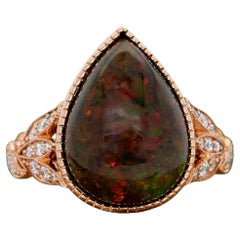
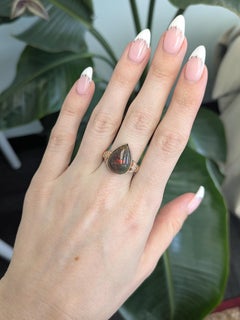
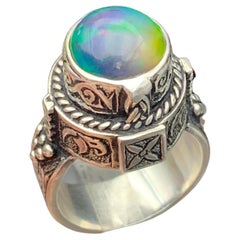
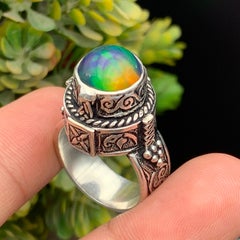
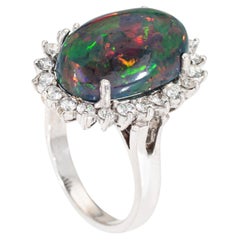
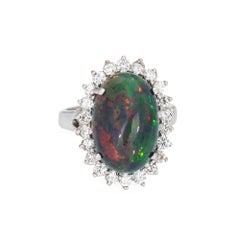
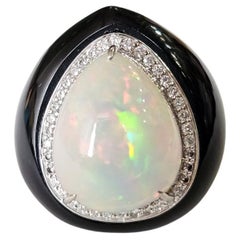
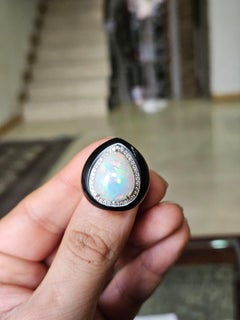
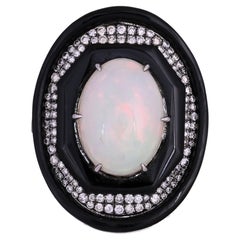
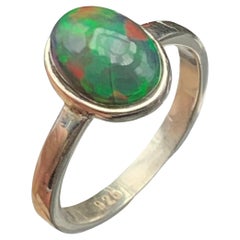
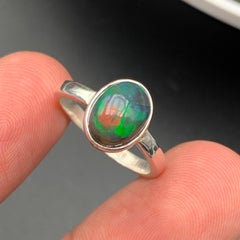
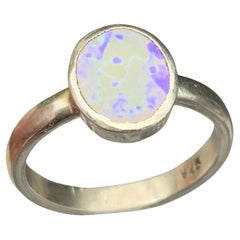
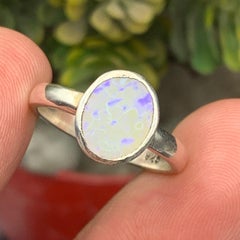
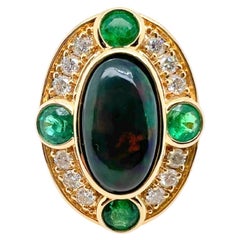
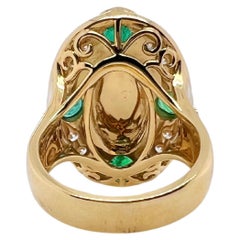
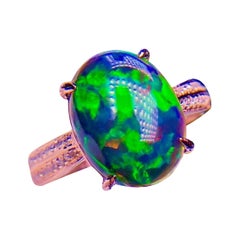
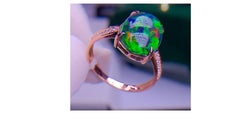
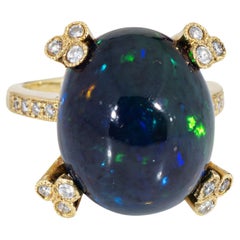
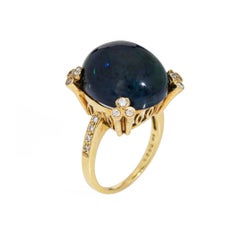
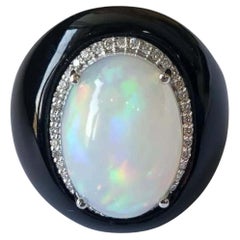
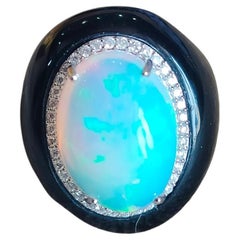
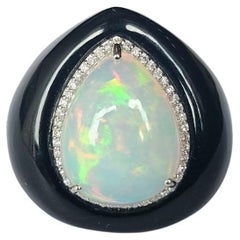
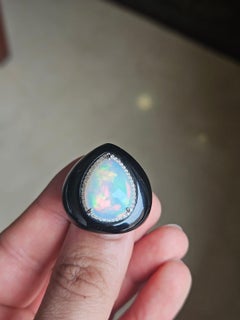
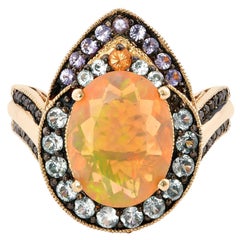
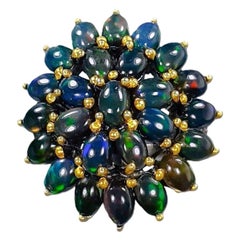
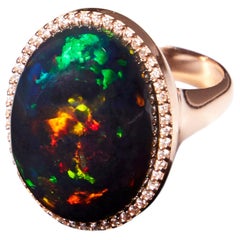
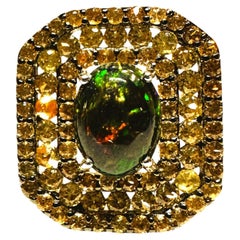
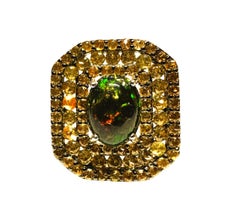
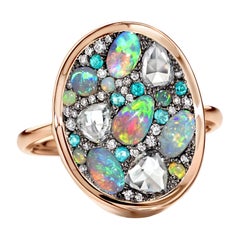
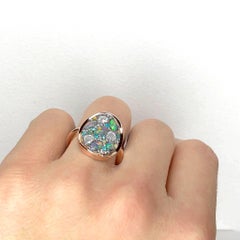
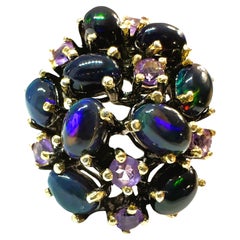
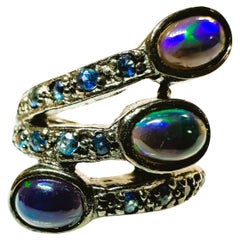
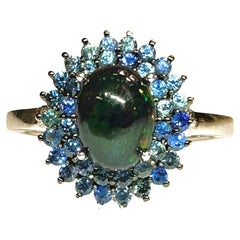
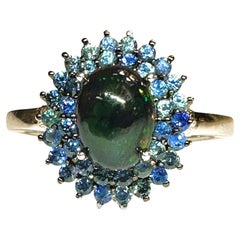
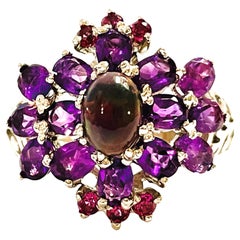
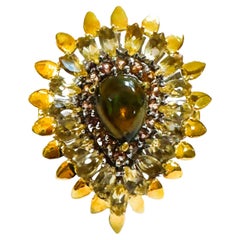
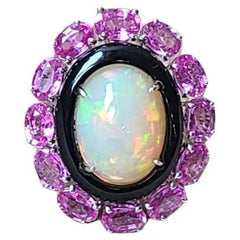
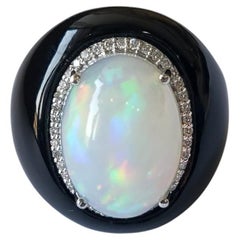
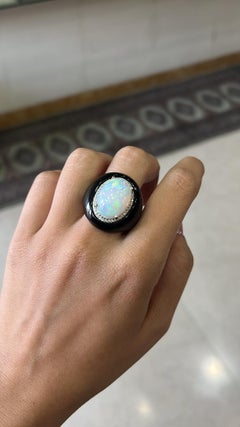
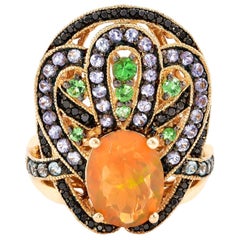
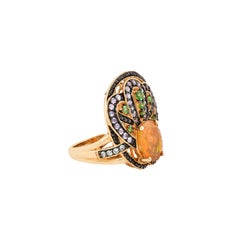
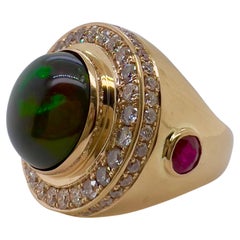
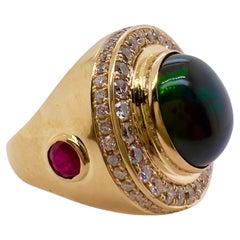
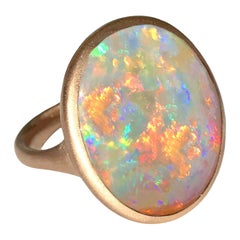
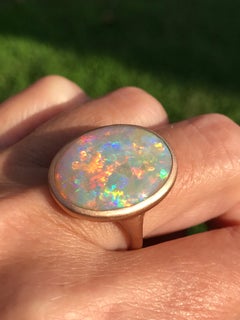
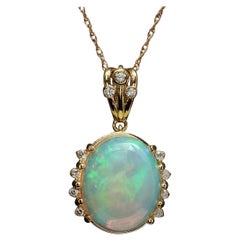
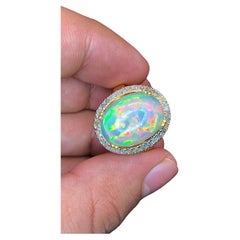
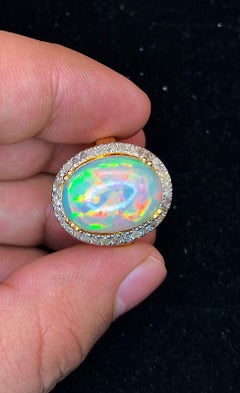
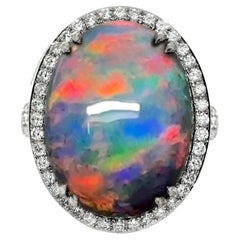
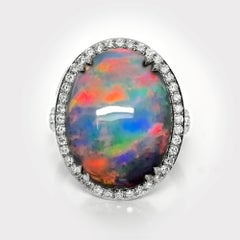
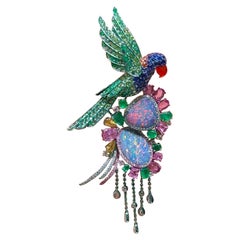
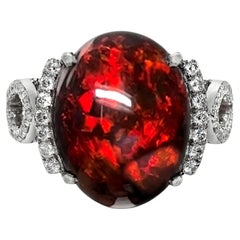
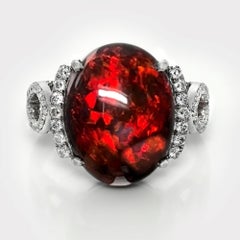
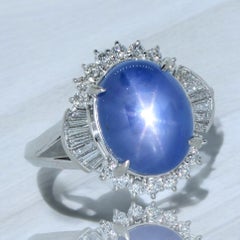
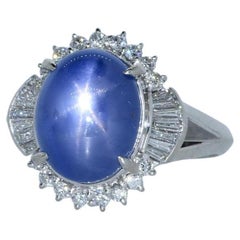
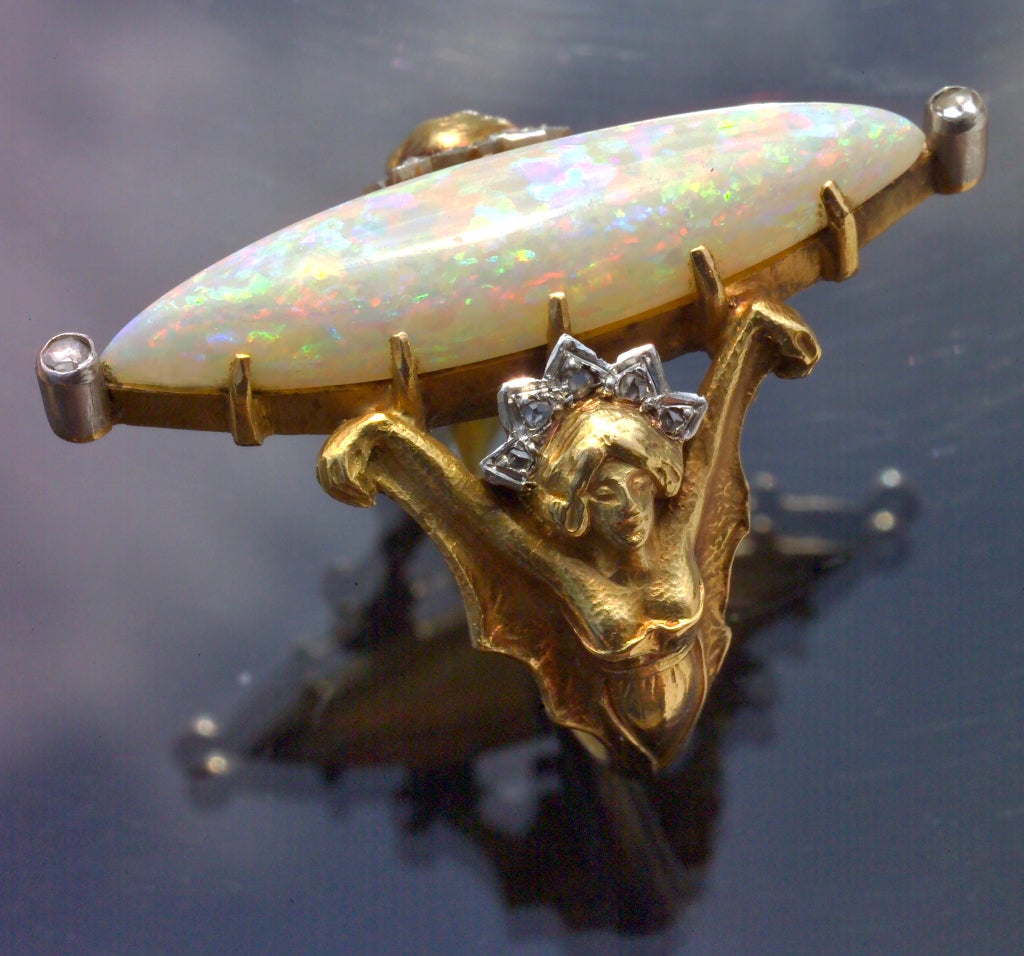
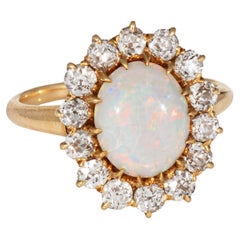
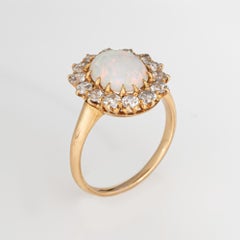
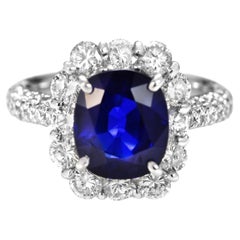
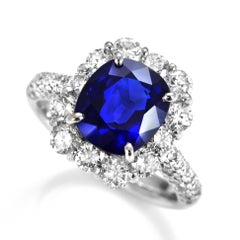
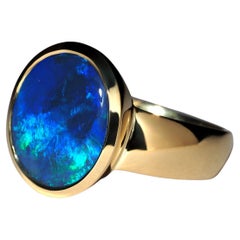
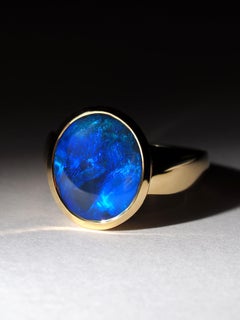
You are likely to find exactly the ethiopian black opal ring you’re looking for on 1stDibs, as there is a broad range for sale. Frequently made of
gold,
14k gold and
yellow gold, this item was constructed with great care. Creating a ethiopian black opal ring has been a part of the legacy of many jewelers, but those produced by
Mousson Atelier,
Alexey Gabilo and
Avanti are consistently popular. A
cabochon version of this piece has appeal, but there are also
oval cut and
cushion cut versions for sale. If you’re browsing our inventory for a ethiopian black opal ring, you’ll find that many are available today for
women, but there are still pieces to choose from for unisex and
men.
Prices for a ethiopian black opal ring can differ depending upon size, time period and other attributes — at 1stDibs, these accessories begin at $917 and can go as high as $28,900, while this accessory, on average, fetches $3,568.
Opals were discovered in 400 BC, and since then five types have been found throughout the world. Before you start shopping for mysteriously beautiful vintage opal rings and other opal jewelry, learn about the different varieties of the gem — and find out which historical figure was reportedly willing to trade his kingdom for a single stone.
Here is a little riddle for you: the month of October has two birthstones, but only one of them encompasses the colors of other birthstones. If you guessed opal, you’re right! (The other gemstone associated with the month of October is tourmaline.)
Opals are such unusual gemstones that there are too many old-wives tales associated with them, like if you’re a blond, wearing an opal necklace will protect your locks from losing color. Opals were also very fashionable in the early 19th century, up until the publication of Sir Walter Scott’s novel Anne of Geierstein in 1829. The title heroine wears an opal and succumbs to an untimely death. However, the British monarchy, and in particular Queen Victoria, did not let this story get in their way, and they frequently gifted opals to friends and family members. October babies should disregard the noise and proudly wear their opals!
There are five types of precious opals: boulder opal, fire opal, crystal/water opal, black opal, and white/light opal. Each variety is distinguished by its color.
So, where does the name come from? The word opal is thought to originate from the Roman opalus or from the Sanskrit úpala (“precious stone”) or from the Greek opallios (“to see a color change”). So while there have been many names for the stones, opals were first discovered in 400 BC in Ethiopia. But the early reference that comes up most often in history books is from the Roman philosopher Pliny the Elder, who wrote about it in 75 AD. In his text he refers to it as opali. The Romans were big fans of opal, Mark Antony was so enamored by it that, as the story goes, he was willing to trade a portion of his kingdom for a single opal.
There's a wide variety of antique and vintage opal jewelry on 1stDibs (and you won't have to trade your kingdom for it).
A flashy symbol of wealth during the early 20th century, antique and vintage cocktail rings have gained broader appeal in the decades since for the hefty dose of glamour they bring to any ensemble.
Cocktail rings earned their name for their frequent appearances during glitzy cocktail parties at the height of the Prohibition era. Back then, these accessories were seen not only as statement pieces but as statements in and of themselves. They openly represented a sense of freedom and independence as well as a demonstration of opulence. After all, the 1920s heralded the Harlem Renaissance and Art Deco design, and a slew of social and cultural shifts meant that women in particular were breaking from pre–World War I conventions and embracing newfound freedoms to express themselves as individuals.
Women expressly wore cocktail rings on the fingers of their right hand versus the left, which was “reserved” for an engagement ring or wedding band, accessories definitely paid for by a suitor. And for cocktail rings, the bigger the colored gem at the center — which is usually mounted in a high setting — and the more elaborate the design, the stronger the likelihood of being noticed.
Cocktail rings remained a popular piece of jewelry for women until the 1930s, when the Great Depression and the onset of war marked a change in behaviors nationwide. While the 1960s and ’70s saw a return in visibility for the accessory, it wasn’t until the 1980s that cocktail rings once again assumed their position as a beacon of luxury and glitz.
During the 20th century, the range of dazzling cocktail rings seems to have been limitless, from glimmering gold rings set with carved jade diamonds designed by David Webb to Pomellato’s pink quartz confections to striking Gucci butterfly rings with accent diamonds set in a pavé fashion.
So, how do you wear a cocktail ring? Cocktail rings “can be worn for almost anything — dinners, date nights, parties, special events, on the red carpet,” explains David Joseph of New York-based jewelry brand Bochic.
Can you wear cocktail rings with other rings? “In my opinion, cocktail rings should stand on their own since they showcase a large gem in the center,” says Joseph.
These glamorous jewels can be worn inside or outside crowded taverns, in either daytime or nighttime with casual or dressy attire. On 1stDibs, find a wide variety of antique and vintage cocktail rings, including those offered by Chanel, whose elegant cocktail rings often feature pearls and, of course, diamonds, and sometimes were styled after showy flowers like the camellia, and Van Cleef & Arpels, whose detailed and intricate designs are viewed as miniature pieces of wearable art.