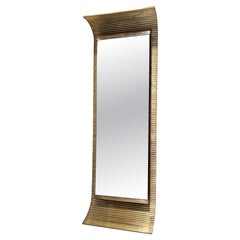
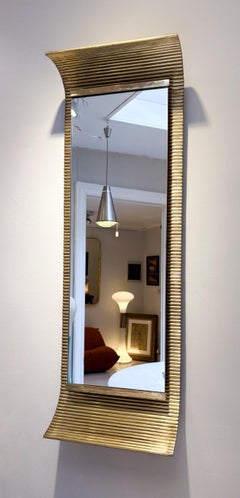
Mirror by Ettore Sottsass for Santambrogio e De Berti, 1950s
By Ettore Sottsass
Located in Brussels, BE
Mirror by Ettore Sottsass for Santambrogio e De Berti, 1950s
Category
Vintage 1950s Italian Mid-Century Modern Wall Mirrors
Materials
Brass
Mirror by Ettore Sottsass for Santambrogio e De Berti, 1950s
By Ettore Sottsass
Located in Brussels, BE
Mirror by Ettore Sottsass for Santambrogio e De Berti, 1950s
Brass
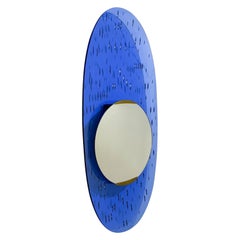
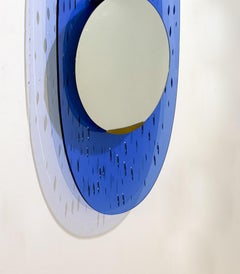
Blue Glass Mirror by Ettore Sottsass for Santambrogio & de Berti, Italy, 1950s
By Ettore Sottsass
Located in Brussels, BE
Blue Glass Mirror by Ettore Sottsass for Santambrogio & de Berti, Italy, 1950s
Metal
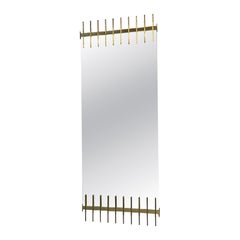
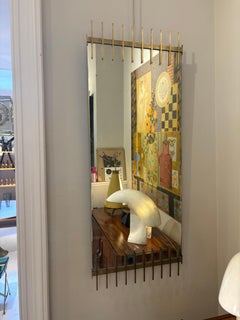
Mid-Century Wall Mirror By Ettore Sottsass, Santambrogio e De Berti, 1950s
By Ettore Sottsass
Located in Brussels, BE
Mid-Century Wall Mirror By Ettore Sottsass, Santambrogio e De Berti, 1950s
Brass
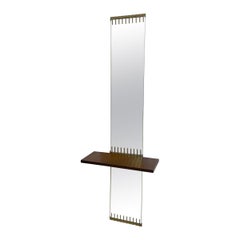
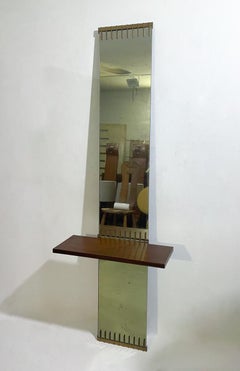
Mid-Century Modern Mirror by Ettore Sottsass for Santambrogio e De Berti, 1950s
By Ettore Sottsass
Located in Brussels, BE
Mid-Century Modern Mirror by Ettore Sottsass for Santambrogio e De Berti, 1950s
Glass, Wood
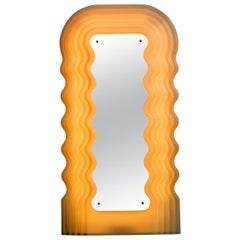
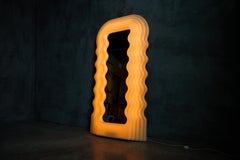
Early Ultrafragola Mirror by Ettore Sottsass for Poltronova, Italy, 1970s
By Ettore Sottsass, Poltronova
Located in Antwerp, BE
The iconic Ultrafragola mirror by Ettore Sottsass is both a functional mirror and an illuminated art piece, embodying the playful, sensual curves of the Memphis movement.
Plastic
$9,394Sale Price|20% Off
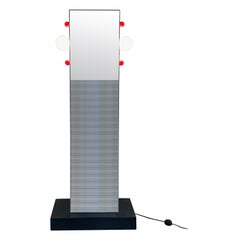
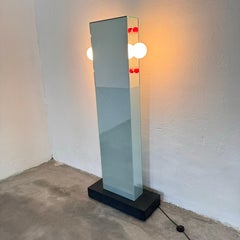
Contemporary "Shibam 2" Totem Mirror by Ettore Sottsass Jr. for Glas Italia
By Ettore Sottsass, Glas Italia
Located in Brescia, Brescia
A tribute to the iconic towers of Yemen's historic walled city of Shibam, this totem mirror by Ettore Sottsass Jr. is a captivating centerpiece for any interior.
Granite
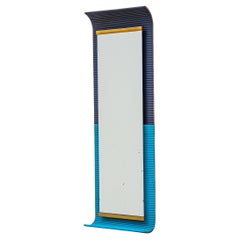
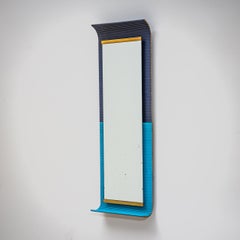
Wall Mirror by Ettore Sottsass, Italy
Located in New York, NY
Ettore Sottsass (1917–2007) was an influential Italian architect and designer celebrated for his visionary approach that bridged functionality and artistic expression.
Brass
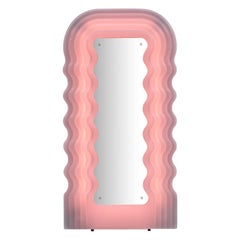
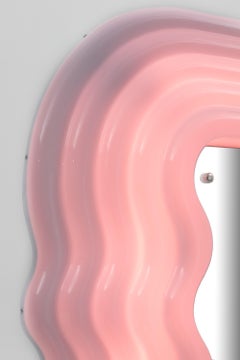
Ultrafragola mirror by Ettore Sottsass 2010s
Located in PARIS, FR
Designed in 1970 by Ettore Sottsass for Poltronova as part of his "Mobili Grigi" series — a domestic furniture line that quietly rejected the heroic modernism of his peers — the Ultr...
Glass, Fiberglass

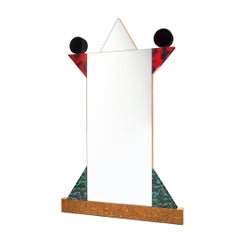
Diva Mirror, by Ettore Sottsass for Memphis Milano Collection
By Ettore Sottsass, Memphis Milano, Memphis Group
Located in La Morra, Cuneo
Diva Mirror with plastic laminate, was originally designed in 1984 by Ettore Sottsass.
Mirror, Plastic
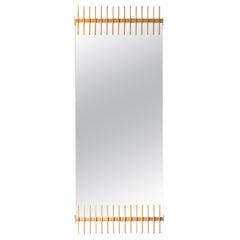
Ettore Sottsass wall mirror production Santambrogio&De Berti
By Ettore Sottsass
Located in Milano, MI
Very rare and beautiful wall mirror by Ettore Sottsass produced by Santambrogio & De Berti with brass .
Brass
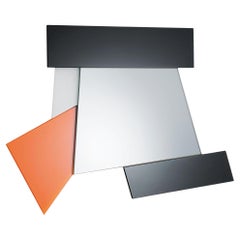
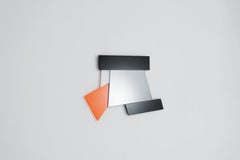
Gli Specchi Di Dioniso 4 Wall Mirror by Ettore Sottsass for Glas Italia IN STOCK
By Glas Italia, Ettore Sottsass
Located in Brooklyn, NY
Ettore Sottsass was born in Innsbruck, Austria, in 1917.
Mirror
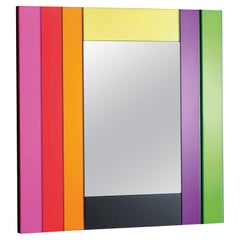
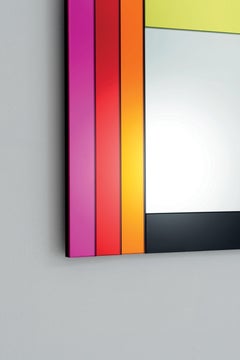
Gli Specchi Di Dioniso 3 Wall Mirror by Ettore Sottsass for Glas Italia IN STOCK
By Ettore Sottsass, Glas Italia
Located in Brooklyn, NY
Ettore Sottsass was born in Innsbruck, Austria, in 1917.
Mirror
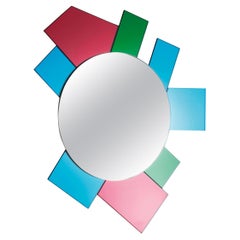
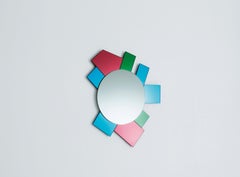
Gli Specchi Di Dioniso 6 Wall Mirror by Ettore Sottsass for Glas Italia IN STOCK
By Glas Italia, Ettore Sottsass
Located in Brooklyn, NY
Ettore Sottsass was born in Innsbruck, Austria, in 1917.
Mirror
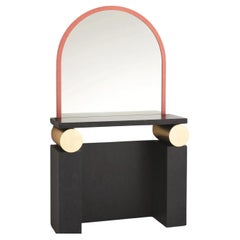
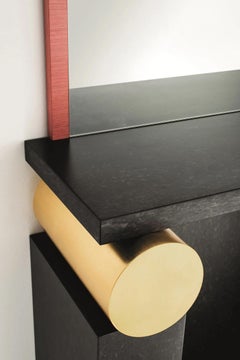
Etrusco Entry Cabinet with Mirror by Ettore Sottsass for Glas Italia
By Glas Italia, Ettore Sottsass
Located in Varedo, MB
Details: Brand: Glas Italia Designer: Ettore Sottsass Material: Alpi wood veneer, aniline-painted wood, crystal mirror, gold leaf accents Finish: Natural wood and gold leaf Construc...
Mirror, Wood
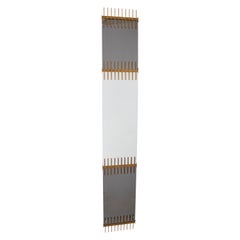
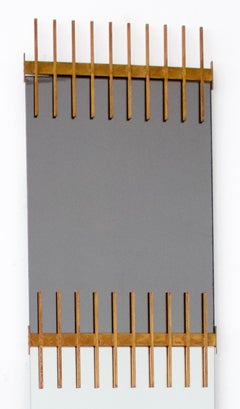
Ettore Sottsass Wall Mirror Made by Santambrogio e De Berti c 1950
By Ettore Sottsass
Located in Chicago, IL
Rare mirror by Ettore Sottsass. From a small series produced by Santambrogio and De Berti in the late 1950s.
Bronze
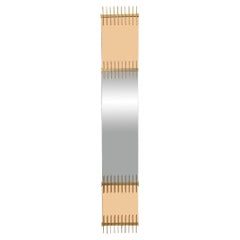
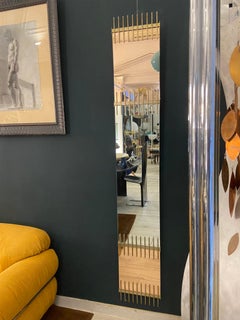
Ettore Sottsass for Santambrogio & De Berti Wall Mirror, Italy 1950s
By Ettore Sottsass, Santambrogio & De Berti
Located in Naples, IT
Very rare mirror by Ettore Sottsass, produced by Santambrogio and De Berti in the late 1950s.
Metal
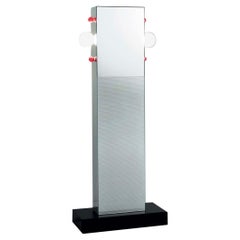
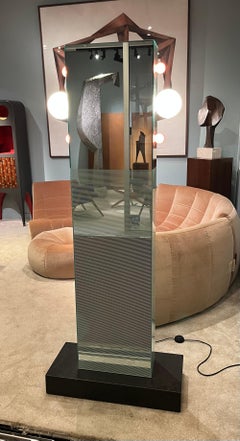
Totem mirror Shibam 2 by Ettore Sottsass
By Ettore Sottsass
Located in SAINT-OUEN-SUR-SEINE, FR
Totem mirror, Shibam 2, by Ettore Sottsass for Glas Italia, Italy circa 2000.
Granite
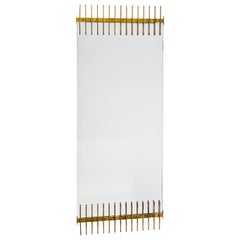
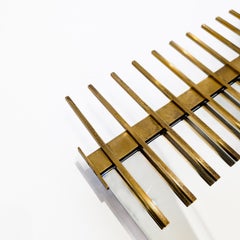
Ettore Sottsass Brass Mirror for Santambrogio & De Berti, Italy / C.1950
Located in Montréal, QC
Rare Mirror by Ettore Sottsass For Santambrogio & De Berti , 1950s Good vintage condition.
Metal, Brass
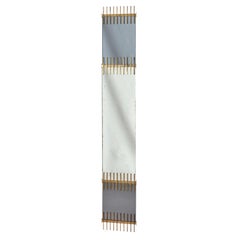
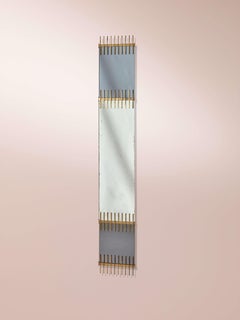
Ettore Sottsass original early edition mirror by Santambrogio & De Berti, 1958
By Ettore Sottsass, Santambrogio & De Berti
Located in Chiavari, Liguria
A rare and original early edition mirror by Ettore Sottsass. Produced by Santambrogio & De Berti, Italy, 1958 This striking mirror, an original creation by Ettore Sottsass, features...
Brass
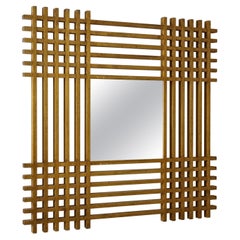
$8,471Sale Price|20% Off
Rare mirror designed by Ettore Sottsass for Santambrogio & De Berti, 1959
By Ettore Sottsass
Located in Arezzo, Italy
Rare mirror designed by Ettore Sottsass for Santambrogio & De Berti, 1962.
Mirror, Wood
$23,532Sale Price|20% Off
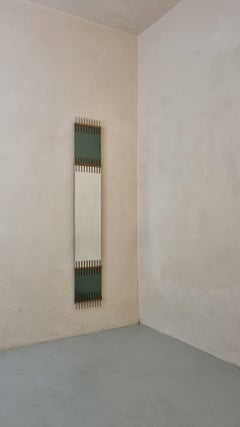
Rare mirror designed by Ettore Sottsass for Santambrogio & De Berti, 1962
By Ettore Sottsass
Located in Arezzo, Italy
Rare mirror designed by Ettore Sottsass for Santambrogio & De Berti, 1962. Painted wooden frame, central mirrored glass , smoked glass. Excellent condition, manufactory label. Sotts...
Brass
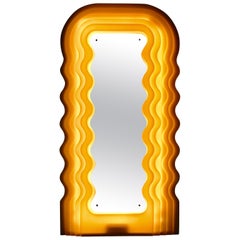
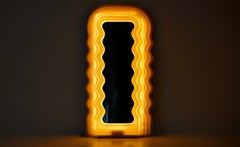
Mirror "Ultrafragola" by Ettore Sottsass for Poltronova, 1970s, 1st Edition
By Ettore Sottsass, Poltronova
Located in bruxelles, BE
First edition of the magnificent Ultrafrogola light mirror designed by Ettore Sottsass in the 70s. Wear due to time and age FOR SHIPPING, REQUEST US FOR RECEIVE THE BEST PRICE
Mirror, Plastic
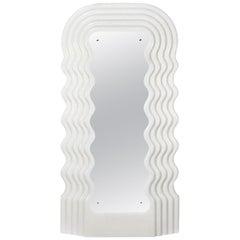
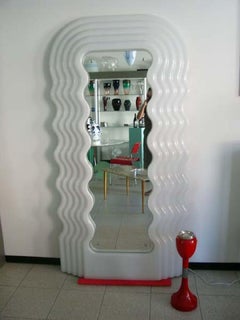
Ultrafragola Mirror/Lamp by Ettore Sottsass for Poltronova, Italy
By Poltronova, Ettore Sottsass
Located in Asti, Piemonte
This is Ultrafragola a nice mirror designed by Ettore Sottsass for Poltronova in the 1970.
Glass, Plastic
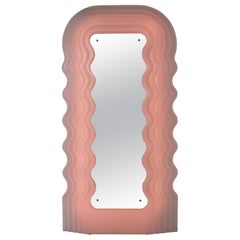
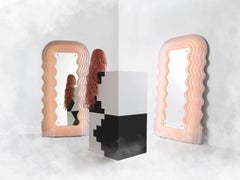
Ultrafragola Mirror/Lamp by Ettore Sottsass for Poltronova, Italy
By Ettore Sottsass, Poltronova
Located in Asti, Piemonte
The Ultrafragola mirror / lamp with its sinuous shape, evocative of a wavy female hair, belongs to the Gray Furniture series, a complete bedroom and living room, designed by Ettore S...
Glass, Plastic
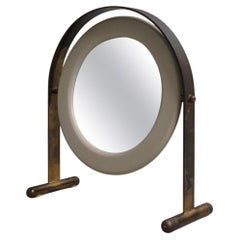
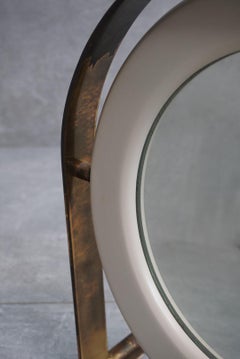
Ettore Sottsass "Orsetta" Table Mirror for Poltronova, Italy, 1966
By Ettore Sottsass, Poltronova
Located in Quarrata, IT
An exceptional and highly collectible table mirror, designed by Ettore Sottsass for Poltronova circa 1966.
Brass
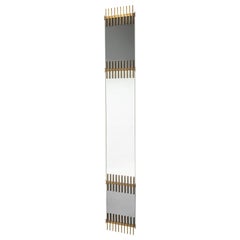
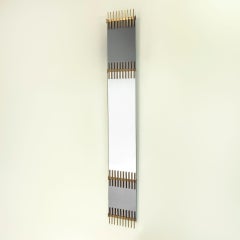
20th Century, Ettore Sottsass Brass Wall Mirror
By Ettore Sottsass, Santambrogio & De Berti
Located in Torino, Piemonte
Here we have a beautiful mirror with brass structure and two smoked glass elements and one in mirrored glass, designed by Ettore Sottsass and produced by Santambrogio & De Berti.
Brass
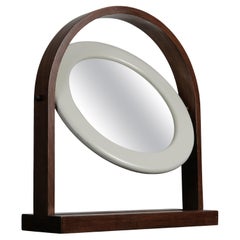
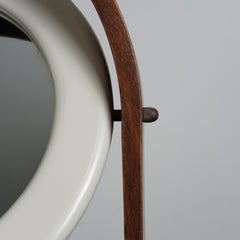
Ettore Sottsass SP63 Sandretta Table Mirror for Poltronova, White Lacquered Wood
By Ettore Sottsass, Poltronova
Located in Vicenza, IT
The SP63 “Sandretta” table mirror was designed by Ettore Sottsass for Poltronova in 1966 and represents a refined example of Italian Radical Design from the mid-1960s.
Brass
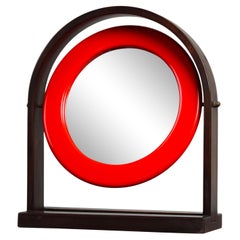
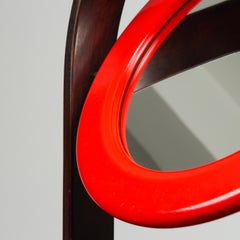
Ettore Sottsass SP63 “Sandretta” Table Mirror for Poltronova, Red Lacquered Wood
By Ettore Sottsass, Poltronova
Located in Vicenza, IT
The SP63 “Sandretta” table mirror was designed by Ettore Sottsass for Poltronova in 1966 and represents a refined example of Italian Radical Design from the mid-1960s.
Brass
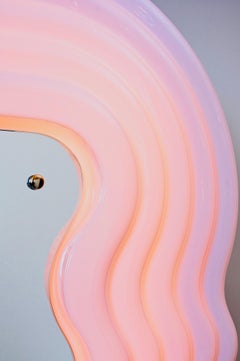
$8,440Sale Price / item|30% Off
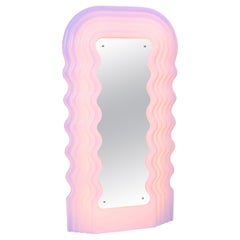
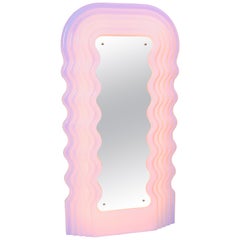
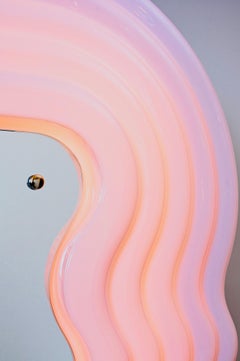
Pink ‘Ultrafragola’ Mirror Designed by Ettore Sottsass for Poltronova, Italy
By Ettore Sottsass
Located in London, GB
The curvaceous pink ‘Ultrafragola’ mirror designed by Ettore Sottsass is probably the most iconic of all his many designs.
Glass, Acrylic

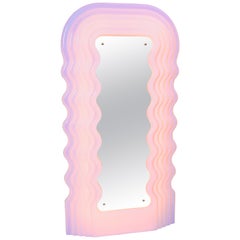
$8,437Sale Price / item|30% Off
Pink ‘Ultrafragola’ Mirror Designed by Ettore Sottsass for Poltronova, Italy
By Ettore Sottsass
Located in London, GB
The curvaceous pink ‘Ultrafragola’ mirror designed by Ettore Sottsass is probably the most iconic of all his many designs.
Glass, Acrylic
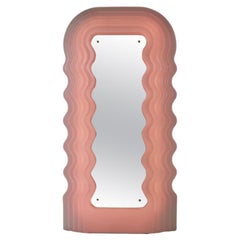
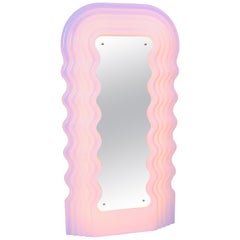
$8,440Sale Price / item|30% Off
Pink ‘Ultrafragola’ Mirror Designed by Ettore Sottsass for Poltronova, Italy
By Ettore Sottsass
Located in London, GB
The curvaceous pink ‘Ultrafragola’ mirror designed by Ettore Sottsass is probably the most iconic of all his many designs.
Glass, Acrylic
$8,437Sale Price / item|30% Off
Pink ‘Ultrafragola’ Mirror Designed by Ettore Sottsass for Poltronova, Italy
By Ettore Sottsass
Located in London, GB
The curvaceous pink ‘Ultrafragola’ mirror designed by Ettore Sottsass is probably the most iconic of all his many designs.
Glass, Acrylic
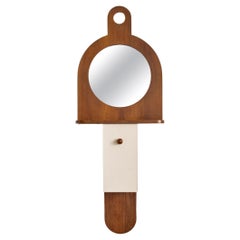
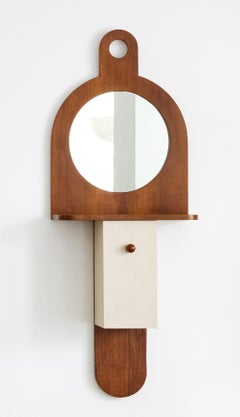
Wall furniture 'Mobile Pensile Tempus' by Ettore Sottsass, 1967
By Ettore Sottsass, Poltronova
Located in Berlin, DE
This rare and unusual piece of wall furniture was designed by the architect and designer Ettore Sottsass (1917-2007) for Poltronova. Known as the ‘Mobile Pensile Tempus’ model.
Walnut
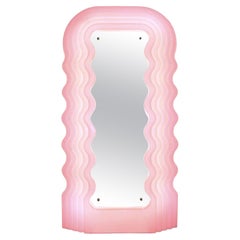
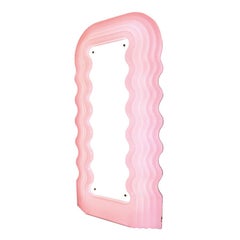
Ettore Sottsass Pink Neon Lamp "Ultrafragola" Italian Mirror, Ready to Ship
By Ettore Sottsass, Poltronova
Located in Madrid, ES
Available for immediate delivery. A colorful iconic mirror model "Ultrafragola" designed by Ettore Sottsass and edited by Poltronova.
Steel
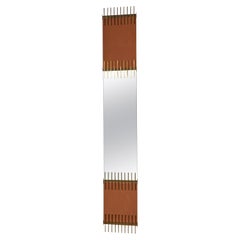
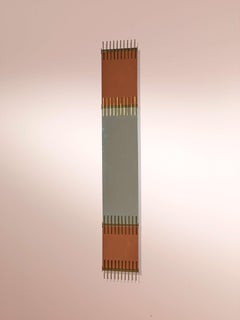
Ettore Sottsass brass and pink glasses mirror by Santambrogio & De Berti, 1960s
By Santambrogio & De Berti, Ettore Sottsass
Located in Chiavari, Liguria
An elegant wall mirror designed by Ettore Sottsass and produced by Santambrogio & De Berti in Lissone in the early 1960s.
Brass
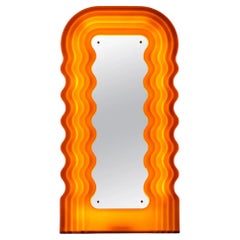
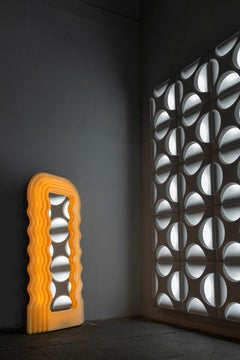
Ettore Sottsass 1st Series Ultrafragola Mirror Object 1970 for Poltronova Milano
By Poltronova, Ettore Sottsass
Located in Munster, NRW
Original 1st edition model of the Ultrafragola Mirror designed by Ettore Sottsass for Poltronova.
Plastic
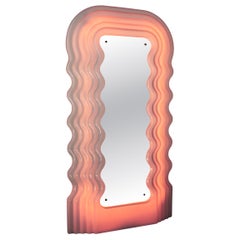
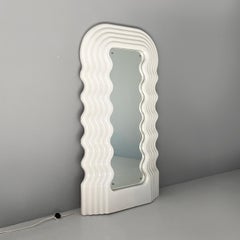
Italian modern lighted mirror Ultrafragola by Sottsass for Poltronova, 1980s
By Poltronova, Ettore Sottsass
Located in MIlano, IT
Italian modern lighted mirror Ultrafragola by Ettore Sottsass for Poltronova, 1980s Ultrafragola full-length wall mirror with sinuous opaline plastic frame, backlit by pink neon.
Mirror, Plastic

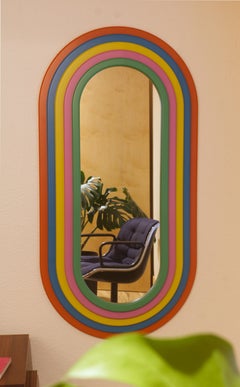
$3,791Sale Price / item|20% Off
Rainbolwa Mirror By Greg Palombo. Inspired by Ettore Sottsass Ultrafragola
Located in Hurricane, UT
The mirror is inspired by Ettore Sottsass and the Memphis Milano Movement and the belief that objects can express far more than just function.
Wood, Lacquer
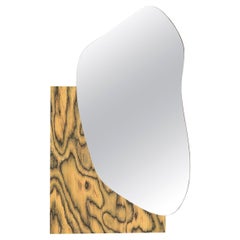
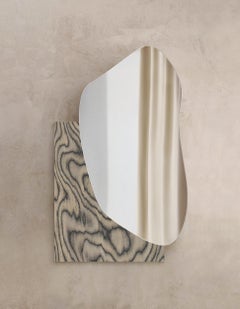
Contemporary Wall Mirror Lake 1 by Noom, Ettore Sottsass ALPI Wood
By NOOM
Located in Paris, IDF
Contemporary Wall Mirror Lake 1 Brand: NOOM Designers: Maryna Dague & Nathan Baraness. Type of Mirrors: Optiwhite, Black tint mirror, Copper tint mirror. Materials for base: Veneere...
Onyx, Travertine, Marble, Statuary Marble, Brass, Copper, Steel, Stainle...
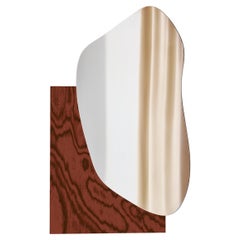
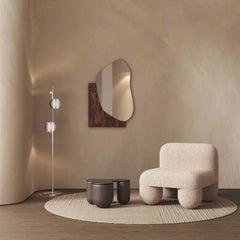
Modern Wall Mirror Lake 1 by Noom, Wood Veneer ALPI, Red, Ettore Sottsass
By NOOM
Located in Paris, FR
"Lakes" is a nature-inspired collection of sculptural mirrors designed by French designers Maryna Dague and Nathan Baraness. The collection takes its name from the shorelines of lake...
Onyx, Travertine, Marble, Statuary Marble, Brass, Copper, Steel, Stainle...
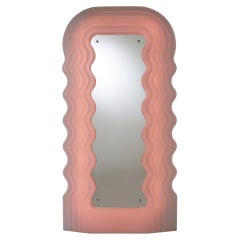
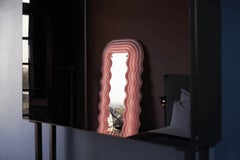
Poltronova ULTRAFRAGOLA Mirror lamp by Ettore Sottsass jr.
By Poltronova
Located in Brooklyn, NY
Could anything be more ridiculous?» [Ettore Sottsass jr., 1970] materials: Vacuum—formed opaline PETG, mirror, LED lighting DIMENSIONS: 100[W] x 13[D] x 195[H] cm
Plastic
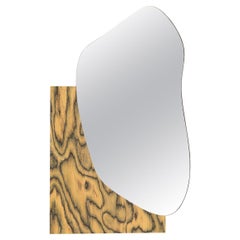

Modern Wall Mirror Lake 1 in Ettore Sottsass ALPI Orange Wood Veneer by Noom
By NOOM
Located in Paris, FR
"Lakes" is a nature-inspired collection of sculptural mirrors designed by French designers Maryna Dague and Nathan Baraness. The collection takes its name from the shorelines of lake...
Onyx, Travertine, Marble, Statuary Marble, Brass, Copper, Steel, Stainle...
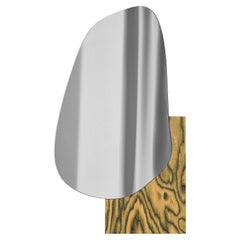
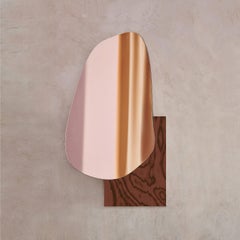
Modern Wall Mirror Lake 3 by Noom, Ettore Sottsass ALPI Wood Veneer Base, Orange
By NOOM
Located in Paris, FR
"Lakes" is a nature-inspired collection of sculptural mirrors designed by French designers Maryna Dague and Nathan Baraness. The collection takes its name from the shorelines of lake...
Onyx, Travertine, Marble, Statuary Marble, Brass, Copper, Steel, Stainle...
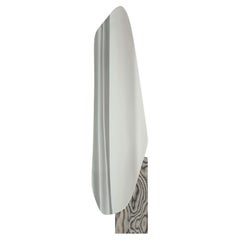
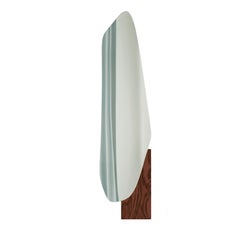
Modern Wall Mirror Lake 2 in Ettore Sottsass ALPI Grey Wood Veneer by Noom
By NOOM
Located in Paris, FR
"Lakes" is a nature-inspired collection of sculptural mirrors designed by French designers Maryna Dague and Nathan Baraness. The collection takes its name from the shorelines of lake...
Onyx, Travertine, Marble, Statuary Marble, Brass, Copper, Steel, Stainle...
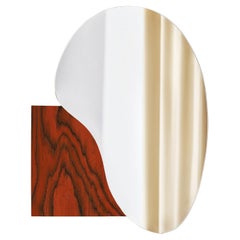
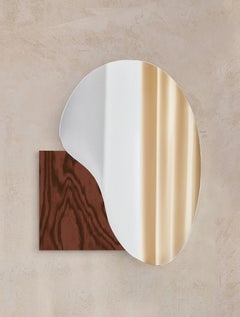
Modern Wall Mirror Lake 4 in Ettore Sottsass ALPI Red Wood Veneer by Noom
By NOOM
Located in Paris, FR
"Lakes" is a nature-inspired collection of sculptural mirrors designed by French designers Maryna Dague and Nathan Baraness. The collection takes its name from the shorelines of lake...
Onyx, Travertine, Marble, Statuary Marble, Brass, Copper, Steel, Stainle...
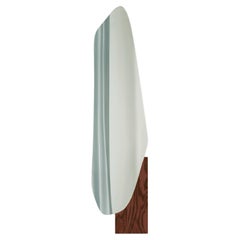
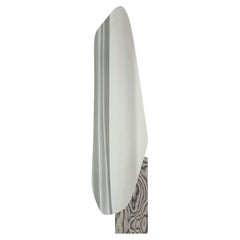
Modern Wall Mirror Lake 2 by NOOM in Ettore Sottsass ALPI Dark Brown Wood Veneer
By NOOM
Located in Paris, FR
"Lakes" is a nature-inspired collection of sculptural mirrors designed by French designers Maryna Dague and Nathan Baraness. The collection takes its name from the shorelines of lake...
Onyx, Travertine, Marble, Statuary Marble, Brass, Copper, Steel, Stainle...
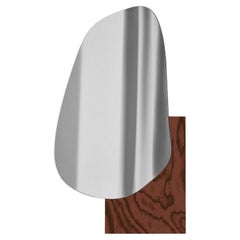
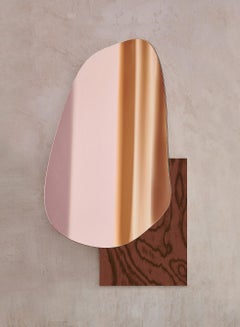
Modern Wall Mirror Lake 3 in Ettore Sottsass ALPI Dark Brown Wood Veneer by Noom
By NOOM
Located in Paris, FR
"Lakes" is a nature-inspired collection of sculptural mirrors designed by French designers Maryna Dague and Nathan Baraness. The collection takes its name from the shorelines of lake...
Onyx, Travertine, Marble, Statuary Marble, Brass, Copper, Steel, Stainle...
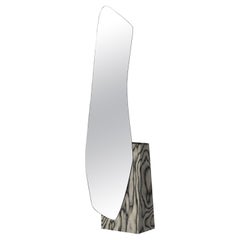
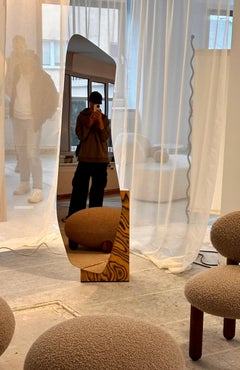
Modern Floor Mirror Lake 5 in Ettore Sottsass ALPI Grey Wood Veneer by Noom
By NOOM
Located in Paris, FR
"Lakes" is a nature-inspired collection of sculptural mirrors designed by French designers Maryna Dague and Nathan Baraness.The collection takes its name from the shorelines of lakes...
Onyx, Travertine, Marble, Statuary Marble, Brass, Copper, Steel, Stainle...
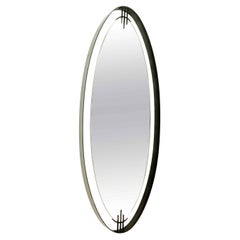
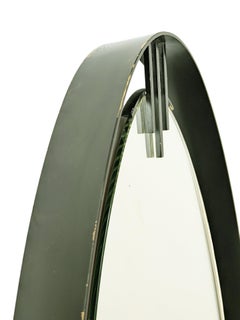
black brass & mirrored glass 60s full-lenght mirror by Santambrogio & De Berti
By Santambrogio & De Berti
Located in Varese, Lombardia
The same company also produced the rare and famous mirrors designed by Ettore Sottsass. Fairly good condition, with visible cracks and discoloration as shown in the photos.
Brass
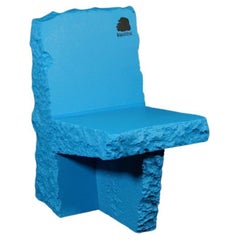
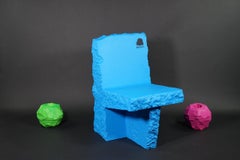
Primitive Chair by Newanderthal for Superego Editions, Italy
By Superego Editions
Located in Asti, Piemonte
They enter a room with the Ultrafragola mirror, designed by Ettore Sottsass, on the wall.
Rubber
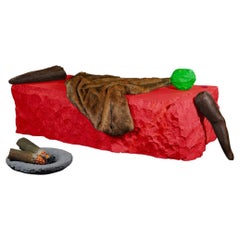
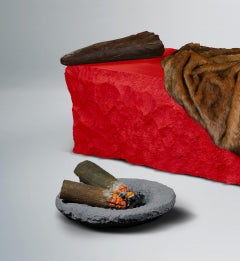
Primitive Bedroom by Newanderthal for Superego Editions, Italy
By Superego Editions
Located in Asti, Piemonte
They enter a room with the Ultrafragola mirror, designed by Ettore Sottsass, on the wall.
Rubber
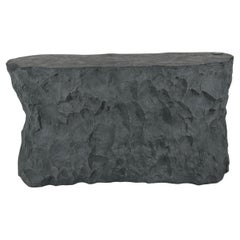
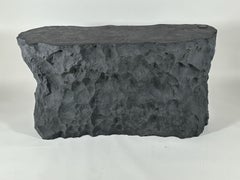
Primitive Console Table by Newanderthal for Superego Editions, Italy
By Superego Editions
Located in Asti, Piemonte
They enter a room with the Ultrafragola mirror, designed by Ettore Sottsass, on the wall.
Fiberglass
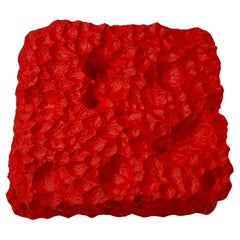
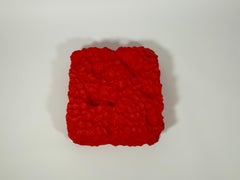
Decorative Wall Panel by Newanderthal for Superego Editions, Italy
By Superego Editions
Located in Asti, Piemonte
They enter a room with the Ultrafragola mirror, designed by Ettore Sottsass, on the wall.
Rubber
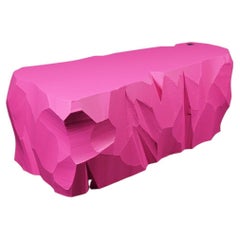
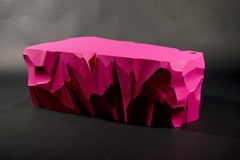
Primitive Coffee Table by Newanderthal for Superego Editions, Italy
By Superego Editions
Located in Asti, Piemonte
They enter a room with the Ultrafragola mirror, designed by Ettore Sottsass, on the wall.
Rubber
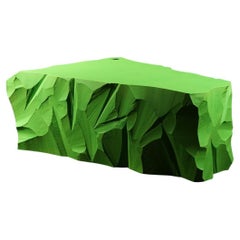

Primitive Coffee Table by Newanderthal for Superego Editions, Italy
By Superego Editions
Located in Asti, Piemonte
They enter a room with the Ultrafragola mirror, designed by Ettore Sottsass, on the wall.
Rubber
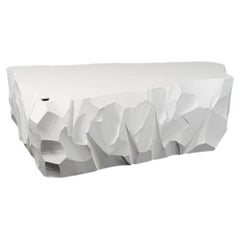
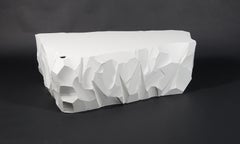
Primitive Coffee Table by Newanderthal for Superego Editions, Italy
By Superego Editions
Located in Asti, Piemonte
They enter a room with the Ultrafragola mirror, designed by Ettore Sottsass, on the wall.
Rubber
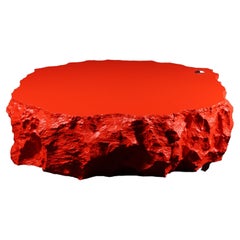
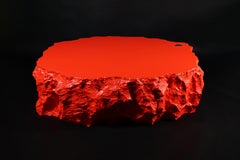
Primitive Coffee Table by Newanderthal for Superego Editions, Italy
By Superego Editions
Located in Asti, Piemonte
They enter a room with the Ultrafragola mirror, designed by Ettore Sottsass, on the wall.
Rubber
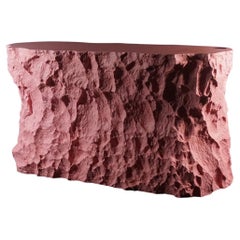
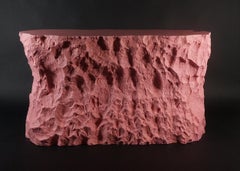
Primitive Console Table by Newanderthal for Superego Editions, Italy
By Superego Editions
Located in Asti, Piemonte
They enter a room with the Ultrafragola mirror, designed by Ettore Sottsass, on the wall.
Rubber
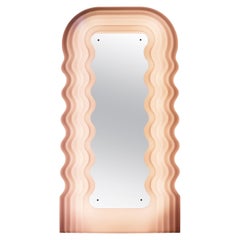
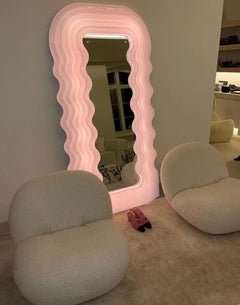
ULTRAFRAGOLA Mirror by Ettore Sottsass
By Ettore Sottsass
Located in Brooklyn, NY
Ultrafragola mirror (from Mobile Grigi series of designs.) Ettore Sottsass (Italian.)
Mirror, Acrylic
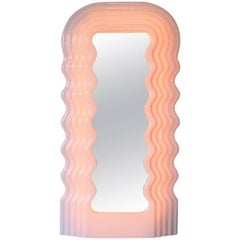
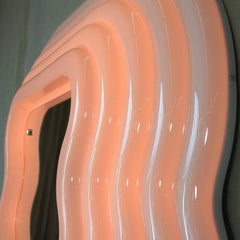
Large Illuminated Floor Mirror by Ettore Sottsass
By Ettore Sottsass
Located in Berlin, DE
Ultrafragola mirror, designed by Ettore Sottsass, Italy, 1970.
Acrylic
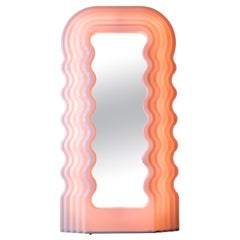
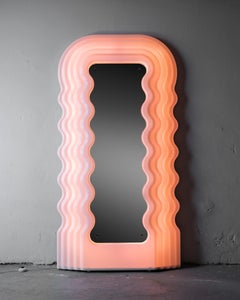
Ultrafragola Mirror by Ettore Sottsass for Poltronova
By Poltronova, Ettore Sottsass
Located in PARIS, FR
Designed in 1970 for Poltronova, the Ultrafragola is a Large illuminated mirror made of an acrylic profile resembling long wavy hair and backlit with a neon light system. The mirror ...
Mirror, Resin
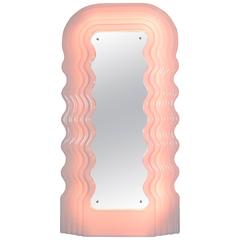
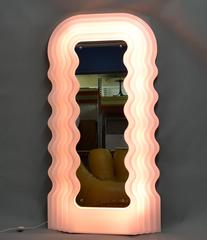
Ettore Sottsass Ultrafragola Mirror by Poltronova
By Ettore Sottsass, Poltronova
Located in Hamburg, DE
Designed by Ettore Sottsass in 1970, produced by Poltronova, Italy. Back in steel. Front in white plastic with pink neon lamps. EU- or US-Electricity.
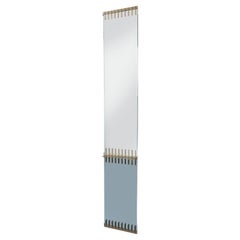
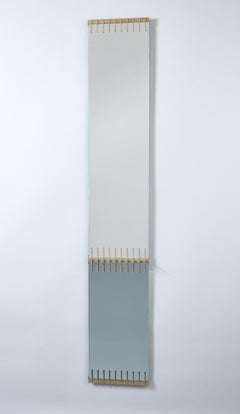
Unavailable
H 72 in W 12 in D 4 in
Ettore Sottsass: Rare Brass Mirror with Two-Colored Glass and Shelf, Italy 1958
By Ettore Sottsass
Located in New York, NY
Ettore Sottsass (1917-2007) A rare, early mirror by Memphis Milano founder Ettore Sottsass, crafted in a small limited series by Sant'Ambrogio e De Berti circa 1958.
Brass
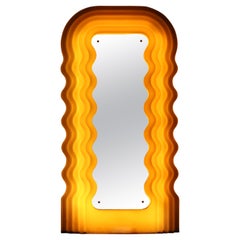
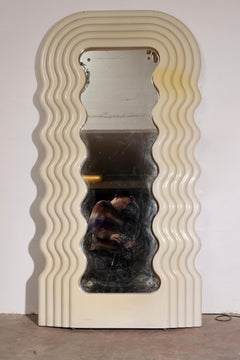
Unavailable
H 76.78 in W 39.38 in D 5.91 in
Original Ultrafragola Mirror Designed by Ettore Sottsass for Poltronova
By Poltronova, Ettore Sottsass
Located in Stockholm, SE
Original 1st edition model of the Ultrafragola Mirror designed by Ettore Sottsass for Poltronova.
Mirror, Acrylic
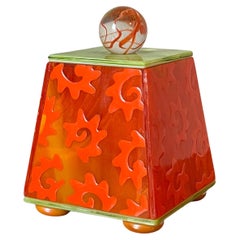
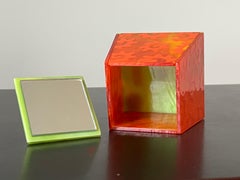
Postmodern Memphis Style Glass Box by Donald Drumm
By Ettore Sottsass, Donald Drumm
Located in Framingham, MA
Whimsical postmodern lidded glass box by artist Donald Drumm. Measures: 3" square x 4.25" tall.
Art Glass, Mirror, Bakelite
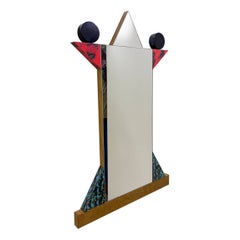
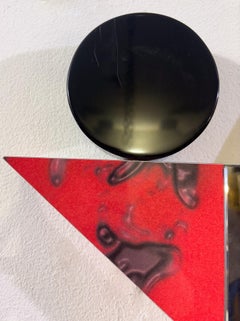
Diva Mirror by Ettore Sottsass, Memphis Milano, 1984
By Ettore Sottsass
Located in Brussels, BE
Diva Mirror by Ettore Sottsass, Memphis Milano, 1984
Glass, Wood
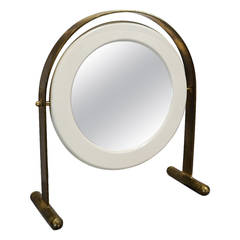
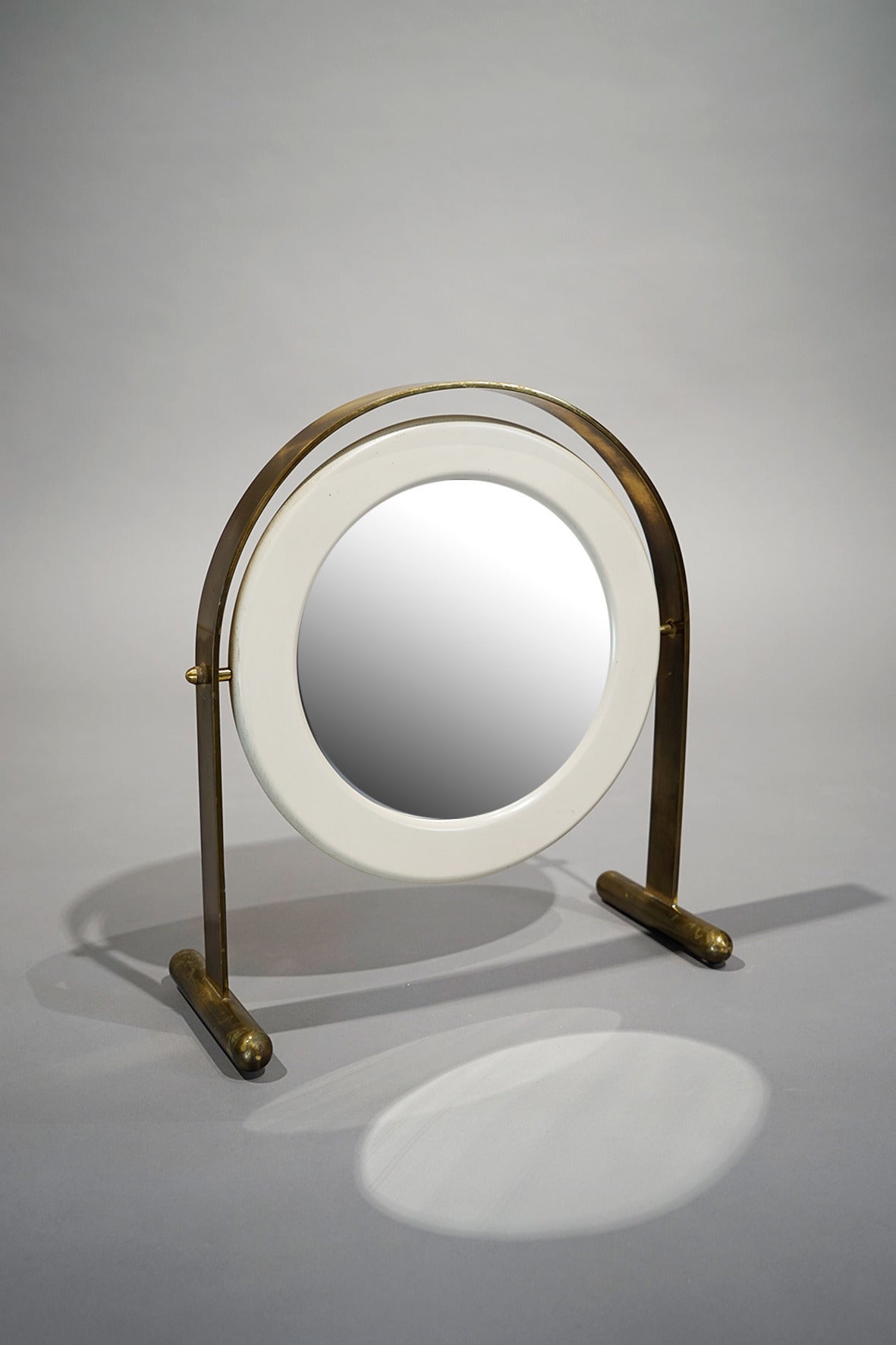
Table Mirror by Ettore Sottsass, Poltronova, Italy, circa 1960
By Ettore Sottsass, Poltronova
Located in Berlin, DE
Table mirror by Ettore Sottsass, Poltronova, Italy, circa 1960.
Brass
Sold
H 76.78 in W 39.57 in D 5.91 in
First Edition 'Ultrafragola' Mirror by Ettore Sottsass for Poltronova
By Ettore Sottsass, Poltronova
Located in Rotterdam, ZH
Stunning 'Ultrafragola' mirror by Ettore Sottsass for Poltronova, Italy 1970.
Mirror, Plastic
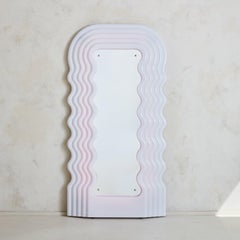
Ultrafragola Mirror by Ettore Sottsass, Italy 21st Century
By Ettore Sottsass
Located in Chicago, IL
The Ultrafragola Mirror, designed by Italian architect Ettore Sottsass in 1970, stands as a quintessential piece of postmodern design.
Mirror, Acrylic
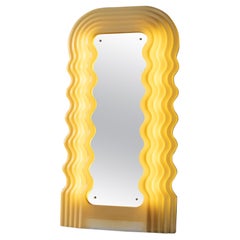

Sold
H 76.78 in W 39.38 in D 5.12 in
Ultrafragola Mirror by Ettore Sottsass for Poltronova, Italy 1970
By Poltronova, Ettore Sottsass
Located in Piacenza, Italy
Ultrafragola mirror designed by Ettore Sottsass for Poltronova in the 1970.
Acrylic
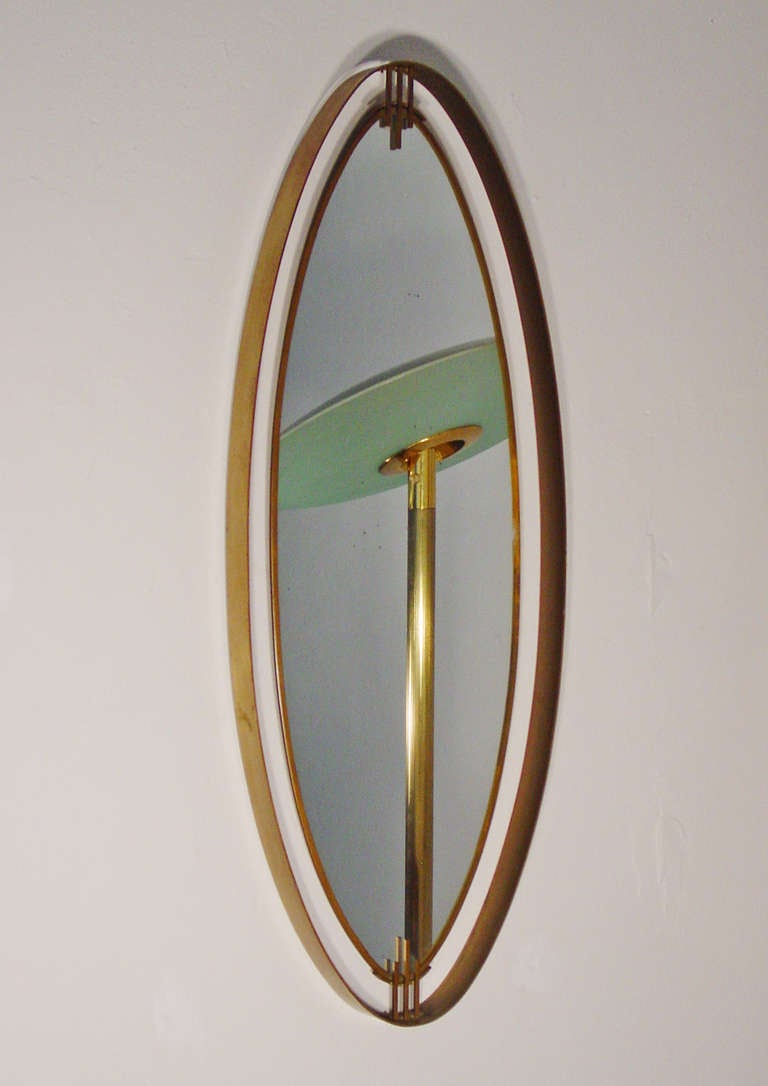
Ettore Sottsass wall mirror for Sant'Ambrogio & De Berti
By Ettore Sottsass
Located in Milan, IT
A spectacular wall mirror by Ettore Sottsass Manufactured by Sant'ambrogio & Berti
Brass
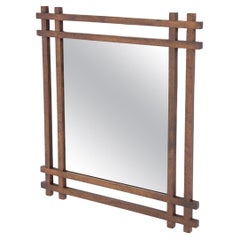

Ettore Sottsass by Wall Mirror in Geometric Wood
By Ettore Sottsass
Located in Milano, IT
Geometric wall mirror by Ettore Sottsass from the 1970s. the mirror has a beautiful geometric play built from sharp, perpendicular lines.
Wood
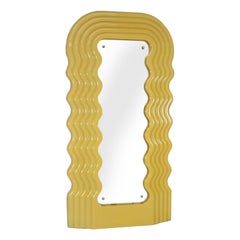

Sold
H 76.78 in W 39.38 in D 5.12 in
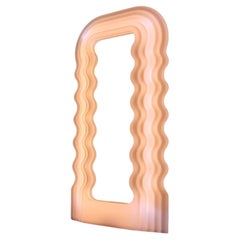
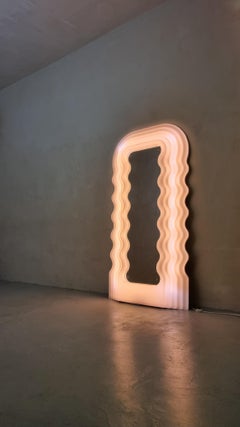
1970s Mid-Century Modern Mirror Wall Ultrafragola by Ettore Sottsass
By Ettore Sottsass
Located in Vigonza, Padua
1970s Mid-Century Modern mirror wall Ultrafragola by Ettore Sottsass Measures cm: H 195, W 100, D 13 The original piece was produced in the 1970s by Poltronova and the acrylic sh...
Acrylic
Sold
H 76.78 in W 39.38 in D 5.12 in
Ultrafragola lighted mirror designed by Ettore Sottsass for Poltronova, 80s
By Ettore Sottsass
Located in Arezzo, Italy
Iconic Ultrafragola illuminated mirror designed by Ettore Sottsass for Poltronova, 1980. Perspex frame, neon lamps, mirrored glass, painted wood. Excellent condition, first productio...
Glass, Plexiglass, Wood
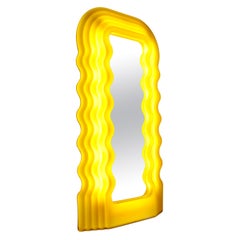
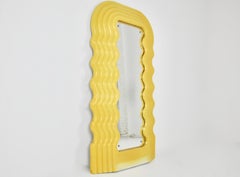
Mirror "Ultrafragola" by Ettore Sottsass for Poltronova, 1970s
By Ettore Sottsass, Poltronova
Located in bruxelles, BE
First edition of Ettore Sottsass' Yellow Luminous mirror. Age and time wear of the mirror.
Glass, Plastic
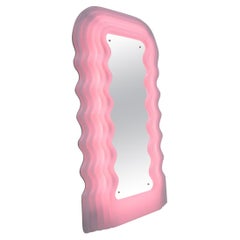

Ultrafragola Mirror / Lamp by Ettore Sottsass, Poltronova
By Ettore Sottsass
Located in Brussels, BE
Ultrafragola mirror / lamp by Ettore Sottsass, Poltronova. Sold with original box and certificate of authenticity.
Plastic
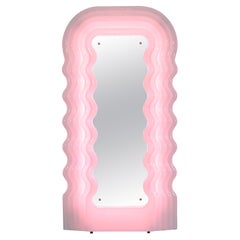
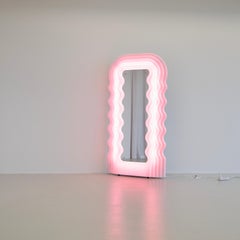
Sold
H 76.78 in W 39.38 in D 5.12 in
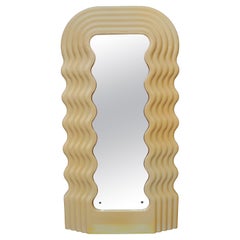
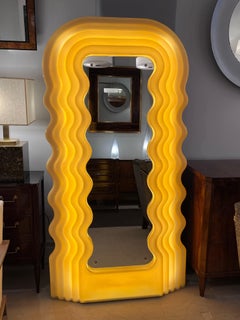
Original LED Ultrafragola Mirror Designed by Ettore Sottsass for Poltronova
By Ettore Sottsass
Located in Berlin, Berlin
Ultrafragola mirror, designed by Ettore Sottsass in the 1970s.
Mirror, Plastic
Sold
H 76.78 in W 39.38 in D 5.12 in
Ultrafragola Mirror Designed by Ettore Sottsass for Poltronova, Italy 1970s
By Ettore Sottsass
Located in New York, NY
Original 1st edition model of the Ultrafragola Mirror designed by Ettore Sottsass for Poltronova.
Mirror, Acrylic
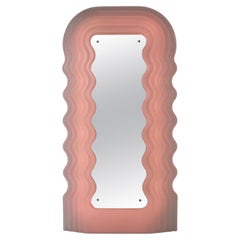
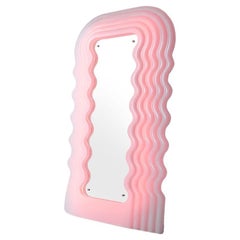
Ultrafragola Mirror Pink by Ettore Sottsass for Poltonova, Italy
By Ettore Sottsass
Located in West Hollywood, CA
Imported from Italy Ettore Sottsass Mirror with authenticity certificate and serial number "A favorite amongst A-listers and design lovers alike, the neon-lit pink mirror is deemed...
Glass, Acrylic

Sold
H 68.12 in W 25.2 in D 11.82 in
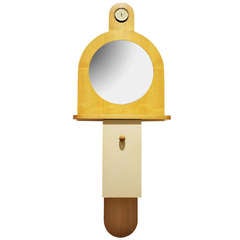
Cabinet "Mobile Pensile Tempus" by Ettore Sottsass, Poltronova, 1965
By Poltronova, Ettore Sottsass
Located in Berlin, DE
Wall Mounted Cabinet "Mobile Pensile Tempus" by Ettore Sottsass, Poltronova, 1965
Wood, Mirror
Sold
H 76.78 in W 39.38 in D 5.12 in
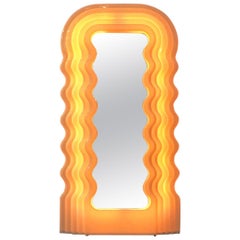
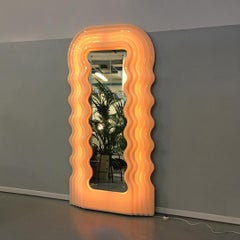
Italian Luminous Mirror Ultrafragola by Ettore Sottsass for Poltronova, 1970
By Industria Della Poltrona, Ettore Sottsass
Located in MIlano, IT
Italian luminous mirror Ultrafragola by Ettore Sottsass for Poltronova, 1970 Luminous sinuous opal plastic frame mirror Ultrafragola with neon lights, reminiscent of wavy female hair.
Metal


Sold
H 50.4 in W 26.78 in D 5.91 in
Midcentury Brass and Marbled Glass Mirror Console by Ettore Sottsass, Italy
By Ettore Sottsass, Santambrogio & De Berti
Located in Palermo, IT
Rare and beautiful mirror console by Ettore Sottsass (1917-2007) for Sant'Ambrogio & de Berti, Italy, circa 1960.
Brass
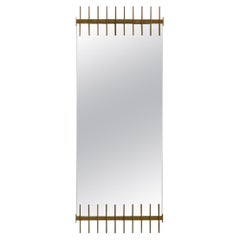
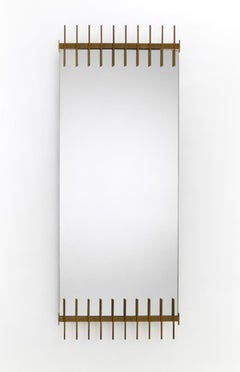
Sold
H 46.46 in W 17.72 in D 1.38 in
Ettore Sottsass Wall Mirror with Brass Frame by Santambrogio & DeBerti 1950s
By Ettore Sottsass, Santambrogio & De Berti
Located in Cascina, Pisa
Wall mirror with structure in black enameled metal, ground crystal, and enameled brass frame designed by Ettore Sottsass for Santambrogio & DeBerti, Lissone, 1958 ca.
Metal, Brass
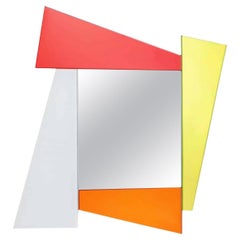
Sold
H 22.84 in W 24.41 in D 0.79 in
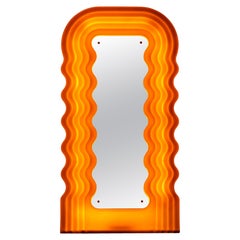
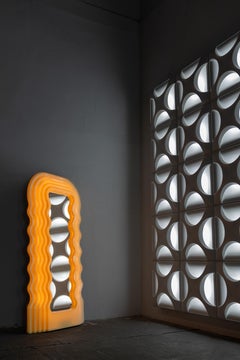
Wall Mirror "Gli Specchi di Dioniso 1" by Ettore Sottsass for Glas Italia
By Glas Italia, Ettore Sottsass
Located in Saint-Ouen, FR
Wall mirror "Gli Specchi di Dioniso 1" by Ettore Sottsass for Glas Italia Wall mirror characterized by polychrome frames composed of elements in coloured laminated mirror, coloure...
Glass
Sold
H 76.78 in W 39.38 in D 5.91 in
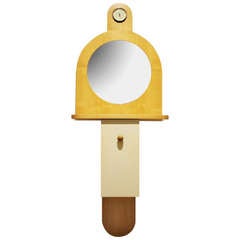
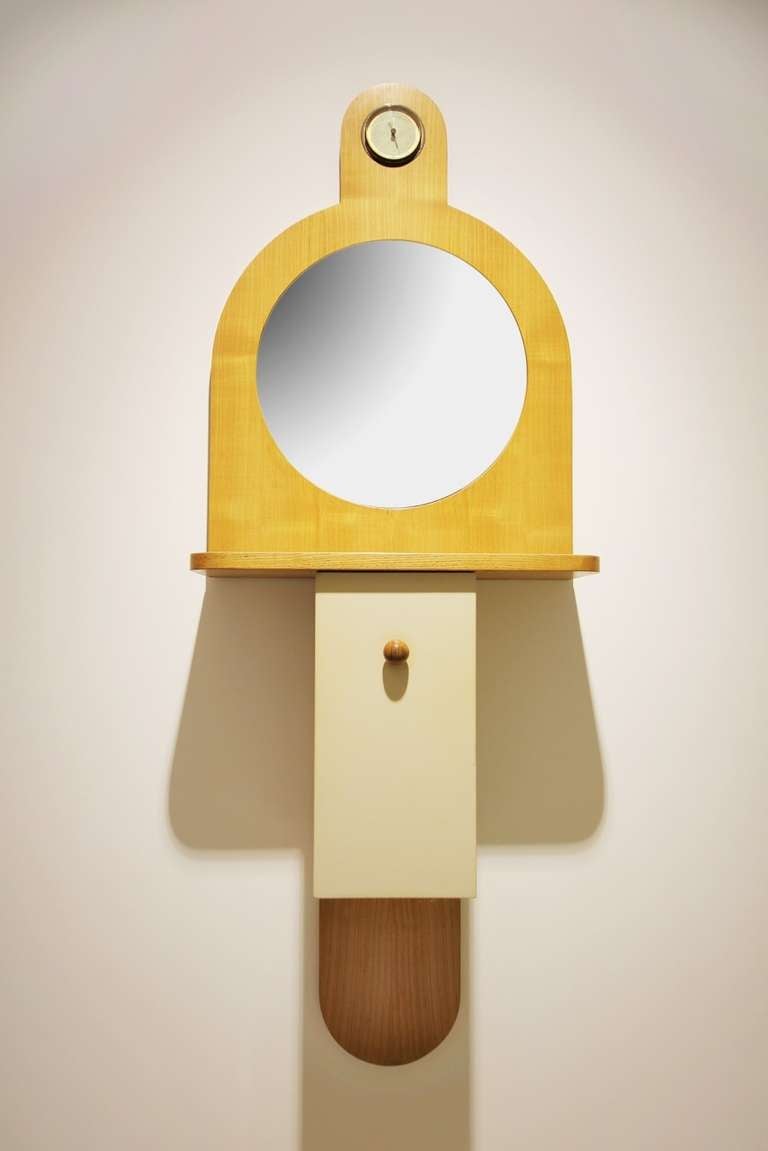
Ettore Sottsass 1st Series Ultrafragola Mirror Object 1970 for Poltronova Milano
By Ettore Sottsass, Poltronova
Located in Munster, NRW
Original 1st edition model of the Ultrafragola Mirror designed by Ettore Sottsass for Poltronova.
Plastic
Sold
H 68.12 in W 25.2 in D 10.24 in
Wall Mounted Sculpture by Ettore Sottsass, Poltronova, circa 1965
Located in Berlin, DE
Wall mounted sculpture by Ettore Sottsass, Poltronova, circa 1965.
Wood, Mirror
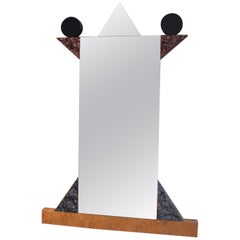

Mirror by Ettore Sottsass for Memphis
By Ettore Sottsass
Located in Dallas, TX
Vintage Diva mirror by Ettore Sottsass for Memphis Milano, 1984.
Laminate

Sold
H 45.48 in W 17.33 in D 0.79 in
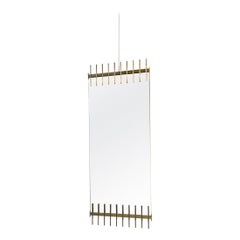
Midcentury Wall Mirror by Ettore Sottsass, Santambrogio E De Berti, 1950s
By Ettore Sottsass
Located in Brussels, BE
Midcentury wall mirror by Ettore Sottsass, Santambrogio e De Berti, 1950s.
Brass

Sold
H 45.48 in W 17.33 in D 0.79 in
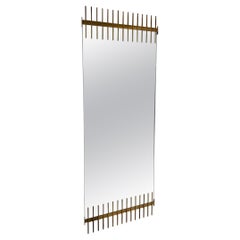
Mid-Century Wall Mirror By Ettore Sottsass, Santambrogio e De Berti, 1950s
By Ettore Sottsass
Located in Brussels, BE
Mid-Century Wall Mirror By Ettore Sottsass, Santambrogio e De Berti, 1950s
Glass

Sold
H 76.78 in W 12.01 in D 1.58 in
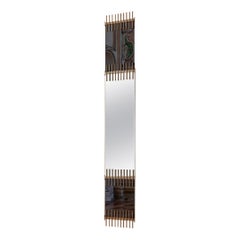
Wall Mirror by Ettore Sottsass Manufactured by Santambrogio and De Berti
By Santambrogio & De Berti, Ettore Sottsass
Located in Piacenza, Italy
Golden brass and crystal glass wall mirror by Ettore Sottsass and manufactured by Santambrogio and De Berti, Italy, circa 1958.
Brass
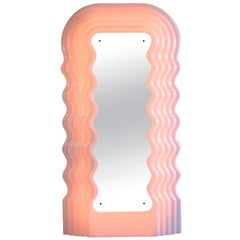

Large Illuminated Floor Mirror by Ettore Sottsass
By Ettore Sottsass
Located in Berlin, Berlin
Ultrafragola mirror, designed by Ettore Sottsass, Italy, 1970.
Plastic, Mirror
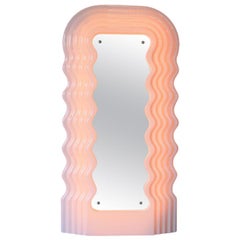
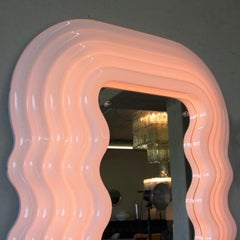
Large Illuminated Floor Mirror by Ettore Sottsass
By Ettore Sottsass
Located in Berlin, Berlin
Ultrafragola mirror, designed by Ettore Sottsass, Italy, 1970.
Mirror, Fiberglass
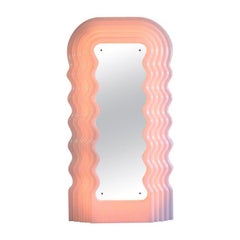

Large Illuminated Floor Mirror by Ettore Sottsass
By Ettore Sottsass
Located in Berlin, Berlin
Ultrafragola mirror, designed by Ettore Sottsass, Italy, 1970.
Plastic
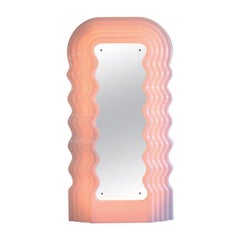

Large Illuminated Floor Mirror by Ettore Sottsass
By Ettore Sottsass
Located in Berlin, Berlin
Ultrafragola mirror, designed by Ettore Sottsass. Italy, 1970.
Plastic
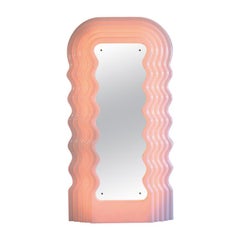

Large Illuminated Floor Mirror by Ettore SOTTSASS
By Ettore Sottsass
Located in Berlin, Berlin
ULTRAFRAGOLA mirror, designed by Ettore Sottsass. Italy, 1970.
Plastic
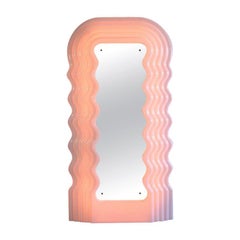

Large Illuminated Floor Mirror by Ettore Sottsass
By Ettore Sottsass
Located in Berlin, Berlin
Ultrafragola mirror, designed by Ettore Sottsass, Italy, 1970.
Plastic
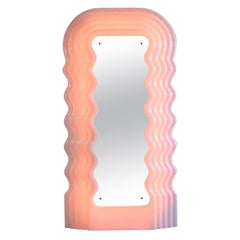

Large Illuminated Floor Mirror by Ettore Sottsass
By Ettore Sottsass
Located in Berlin, Berlin
Ultrafragola mirror, designed by Ettore Sottsass, Italy, 1970.
Plastic
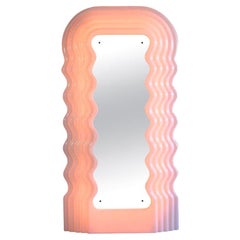

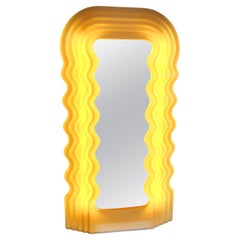
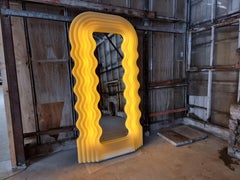
Large Illuminated Floor Mirror by Ettore Sottsass, ULTRAFRAGOLA.
By Ettore Sottsass
Located in Berlin, Berlin
Ultrafragola mirror, designed by Ettore Sottsass, Italy, 1970.
Mirror, Plastic
Sold
H 76.78 in W 39.38 in D 5.12 in
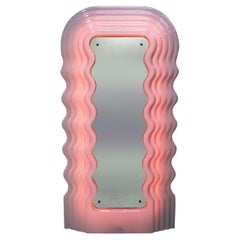
Early Edition Ultrafragola Mirror by Ettore Sottsass for Poltronova, 1970s
By Poltronova, Ettore Sottsass
Located in amstelveen, NL
Early edition Ultrafragola mirror designed by Ettore Sottsass for Poltronova, Italy 1970s.
Glass, Plastic

Sold
H 76 in W 40 in D 6 in
Ultrafragola Floor Mirror by Ettore Sottsass for Paltronova, Ready to Ship
By Ettore Sottsass
Located in Kansas City, MO
Iconic "Ultrafragola" standing floor mirror designed by Ettore Sottsass for his series Mobili Grigi in the 1970s and produced by Paltronova.
Glass, Acrylic, Wood
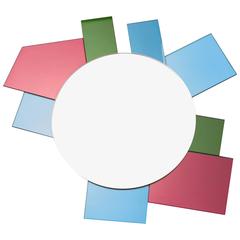
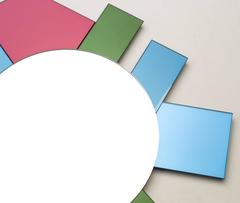
Ettore Sottsass Mirror Gli Specchi di Dioniso
By Ettore Sottsass
Located in Dronten, NL
A round clear mirror surrounded by multicolored mirror fractions, designed by Ettore Sottsass.
Mirror
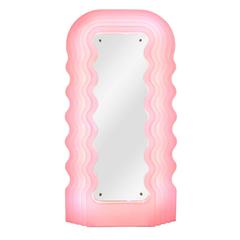
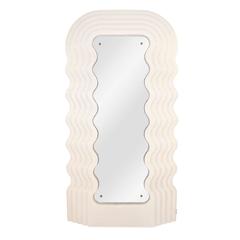
Mirror Ultrafragola Designed by Ettore Sottsass
By Ettore Sottsass, Poltronova
Located in Madrid, ES
Mirror ultrafragola designed by Ettore Sottsass and edited by Poltronova.
Steel
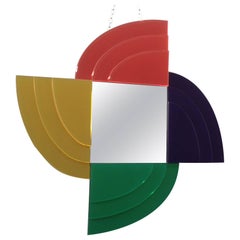

Wonderful Mirror "Gli Specchi Di Dionisio" by Ettore Sottsass
By Ettore Sottsass
Located in Piacenza, Italy
Wonderful mirror designed by Ettore Sottsass for glass.
Glass
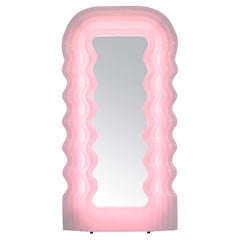

Ultrafragola Illuminated Wall Mirror Designed by Ettore Sottsass
By Ettore Sottsass
Located in Berlin, Berlin
Ultrafragola mirror, designed by Ettore Sottsass, Italy, 1970.
Mirror, Plastic
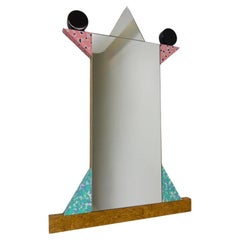
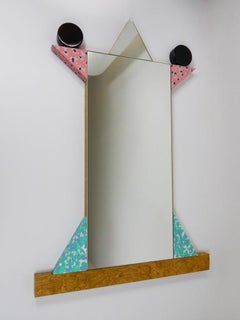
Sold
H 42.5 in W 30 in D 2 in
MEMPHIS "DIVA" Wall Mirror / Ettore Sottsass (Italy) / PostModern Laminated
By Ettore Sottsass
Located in Tinton Falls, NJ
Sculptural and sophisticated, this elegant mirror was designed by Ettore Sottsass. The open-framed rectangular mirror is adorned with plastic laminate geometric elements that mark it...
Mirror, Laminate, Wood
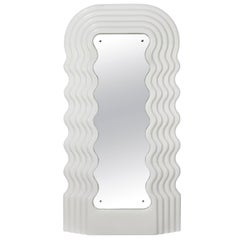

Ettore Sottsass, Ultrafragola Mirror, Poltronova, Italy
By Ettore Sottsass, Poltronova
Located in Asti, Piemonte
This is "Ultrafragola" a nice mirror designed by Ettore Sottsass for "Poltronova" in the 1970.
Glass, Plastic
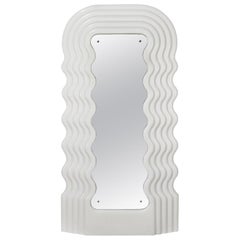

Ettore Sottsass, Ultrafragola Mirror, Poltronova, Italy
By Ettore Sottsass, Poltronova
Located in Asti, Piemonte
This is "Ultrafragola" a nice mirror designed by Ettore Sottsass for "Poltronova" in the 1970.
Glass, Plastic
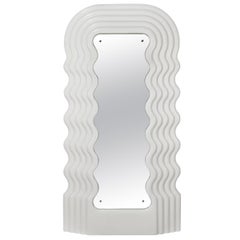

Ettore Sottsass, Ultrafragola Mirror, Poltronova, Italy
By Ettore Sottsass, Poltronova
Located in Asti, Piemonte
This is "Ultrafragola" a nice mirror designed by Ettore Sottsass for "Poltronova" in the 1970.
Glass, Plastic
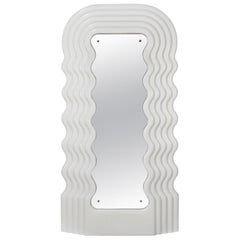

Ettore Sottsass, Ultrafragola Mirror, Poltronova, Italy
By Poltronova, Ettore Sottsass
Located in Asti, Piemonte
This is "Ultrafragola" a nice mirror designed by Ettore Sottsass for "Poltronova" in the 1970.
Glass, Plastic
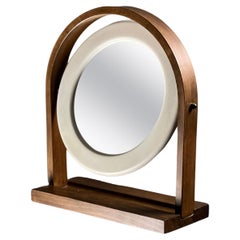
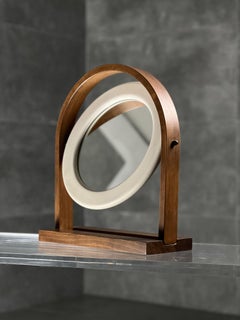
Ettore Sottsass “Sandretta” Table Mirror, Poltronova, Italy, 1960s
By Poltronova, Ettore Sottsass
Located in Quarrata, IT
Table mirror mod. “Sandretta” designed by Ettore Sottsass and manufactured by Poltronova in Italy during 1960s.
Mirror, Wood

Sold
H 76.78 in W 39.38 in D 5.12 in
Original Ultrafragola Mirror Designed by Ettore Sottsass for Poltronova
By Ettore Sottsass
Located in Berlin, Berlin
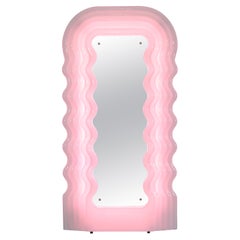
Ultrafragola mirror, designed by Ettore Sottsass, Italy, 1970.
Mirror, Plastic
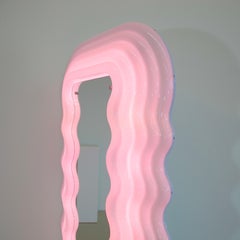
Sold
H 76.78 in W 39.38 in D 5.12 in
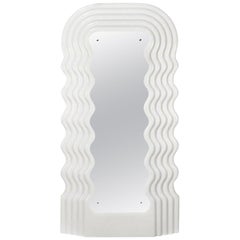
Original Ultrafragola Mirror Designed by Ettore Sottsass for Poltronova
By Ettore Sottsass
Located in Berlin, Berlin
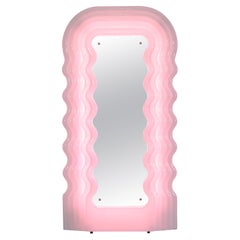
Ultrafragola mirror, designed by Ettore Sottsass, Italy, 1970.
Mirror, Plastic

Sold
H 76.78 in W 39.38 in D 5.12 in
Ultrafragola Mirror/Lamp by Ettore Sottsass for Poltronova, Italy
By Poltronova, Ettore Sottsass
Located in Asti, Piemonte
This is "Ultrafragola" a nice mirror designed by Ettore Sottsass for "Poltronova" in the 1970.
Glass, Plastic
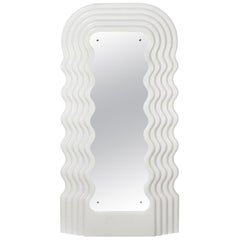
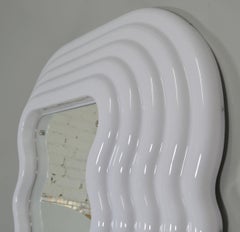
Ettore Sottsass Ultrafragola Mirror Prod, Poltronova, Italy
By Poltronova, Ettore Sottsass
Located in Asti, Piemonte
This is "Ultrafragola" a nice mirror designed by Ettore Sottsass for "Poltronova" in the 1970.
Glass, Plastic
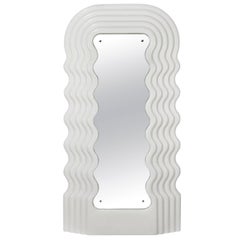

Ettore Sottsass, Ultrafragola Mirror, Prod. Poltronova, Italy
By Poltronova, Ettore Sottsass
Located in Asti, Piemonte
This is "Ultrafragola" a nice mirror designed by Ettore Sottsass for "Poltronova" in the 1970.
Glass, Plastic
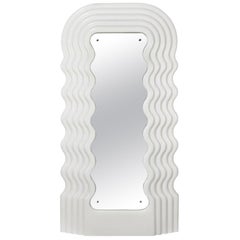

Ettore Sottsass Ultrafragola Mirror Prod. Poltronova, Italy
By Poltronova, Ettore Sottsass
Located in Asti, Piemonte
This is "Ultrafragola" a nice mirror designed by Ettore Sottsass for "Poltronova" in the 1970.
Glass, Plastic
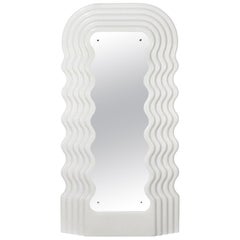

Ettore Sottsass Ultrafragola Mirror Prod, Poltronova, Italy
By Poltronova, Ettore Sottsass
Located in Asti, Piemonte
This is "Ultrafragola" a nice mirror designed by Ettore Sottsass for "Poltronova" in the 1970.
Glass, Plastic
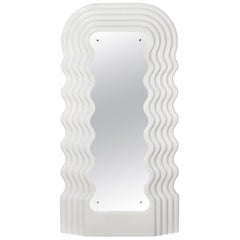
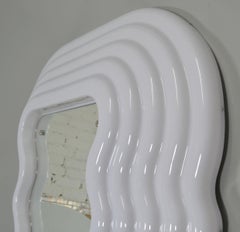
Ettore Sottsass Ultrafragola Mirror Prod, Poltronova, Italy
By Poltronova, Ettore Sottsass
Located in Asti, Piemonte
This is "Ultrafragola" a nice mirror designed by Ettore Sottsass for "Poltronova" in the 1970.
Glass, Plastic
$6,942 / set
H 24.01 in Dm 13.78 in
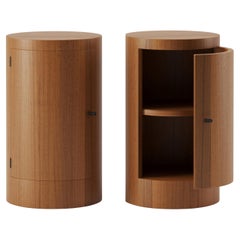
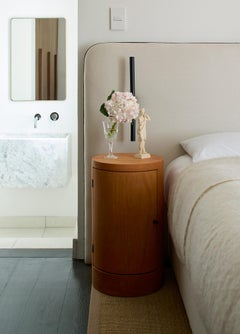
Pair of Constant Night Stands in Iroko Wood by Master Studio for Lemon
By Lemon
Located in Amsterdam, NL
Neatly proportioned with exceptional detailing, the constant nightstand is your perfect bedside partner. In our furniture making, the IDEA is to create special pieces that you can bu...
Hardwood
$1,726 / item
H 15.75 in Dm 43.31 in
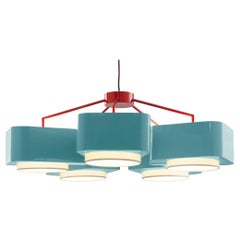
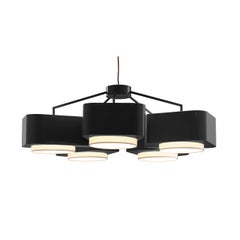
Contemporary Art Deco Mint green and Red powder coated Carousel 5 arms pendant
By Mambo Unlimited Ideas
Located in Lisbon, PT
Carousel suspension lamp has a delicate balance of form and function that produces a quiet, modern light ambiance for all to savour, with its Contemporary Art Deco lines. The struct...
Metal
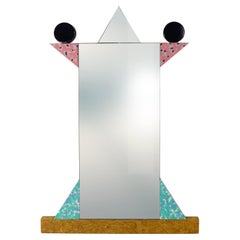
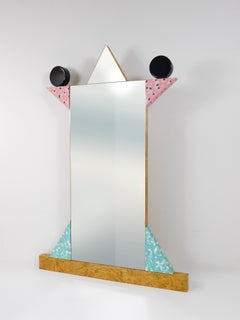
Ettore Sottsass Memphis Milano Diva Vintage Wall Mirror, Italy, 1984
By Memphis Group, Memphis Milano, Ettore Sottsass
Located in Vienna, AT
A post-modern wall-mounted mirror, Model „Diva" designed in 1984 by Ettore Sottsass for Memphis Milano, Italy. This mirror is a vintage original from the 1980s, made from wood and mi...
Glass, Mirror, Laminate, Wood
$27,500
H 46.46 in W 101.58 in D 20.28 in
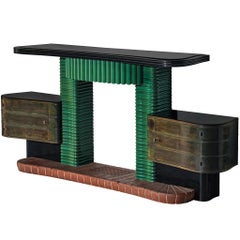
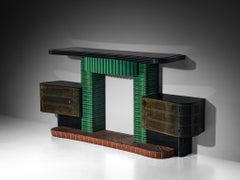
Ernesto Valabrega for Studio Vittorio Valabrega Decorative Fireplace Mantel
By Vittorio Valabrega
Located in Waalwijk, NL
Ernesto Valabrega for Studio Vittorio Valabrega, decorative fireplace mantel, lacquered wood, plaster, glass, iron, Italy, 1930s This striking decorative fireplace mantel, presumabl...
Iron
$3,882 / item
H 28.35 in W 66.54 in D 24.81 in
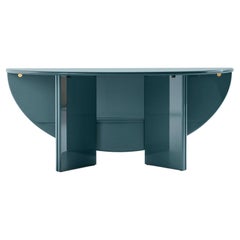
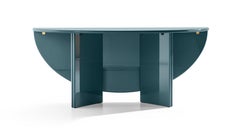
Kazuhide Takahama Antella multi-functional Table for Cassina, new
By Cassina, Kazuhide Takahama
Located in Berlin, DE
Price is dependent on the chosen material/ color. Available in matte or glossy. Japanese architect Kazuhide Takahama designed Antella as a truly multi-functional piece of furniture...
Plywood, Lacquer
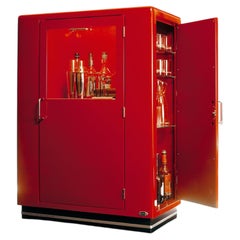
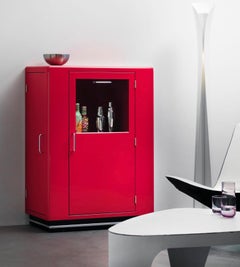
Müller Bar Cabinet in Metal
By Müller Möbelfabrikation
Located in Tilburg, NL
Müller Bar Cabinet in Metal. Germany. Design 1998, current production. Available in every RAL-color. A highlight for your office or your home: The cleverly designed bar cabinet KB 3...
Metal
$17,649
H 76.78 in W 39.38 in D 5.12 in
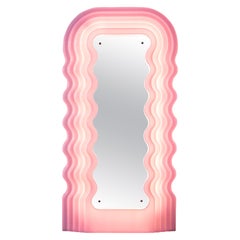
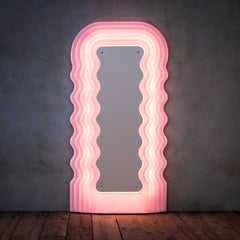
20th Century Ettore Sottsass Mirror Ultrafragola for Poltronova
By Ettore Sottsass, Poltronova
Located in Torino, Piemonte
Ettore Sottsass was a 20th-century Italian architect, noted for also designing furniture, jewellery, glass, lighting, home and office wares, as well as numerous buildings and interio...
Opal
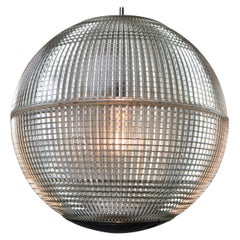
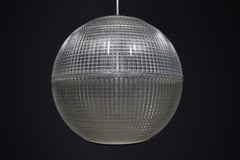
Original Holophane Globe Pendant Light, Paris, France, 1960
Located in Almelo, NL
Original Holophane Globe Pendant Light, Paris, France, 1960 This original Holophane pendant light, produced in 1960 and formerly used as a street lamp in Paris, France, has been tho...
Metal
$10,165 / item
H 106.7 in W 11.42 in D 0.4 in
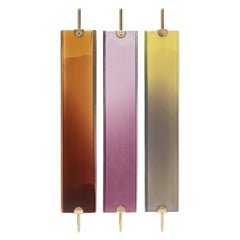
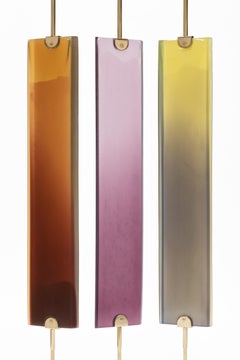
Unique Reverso Room Divider in Variable Colors by Draga & Aurel
By Draga & Aurel
Located in Geneve, CH
Unique Reverso room divider by Draga & Aurel Price for each piece. Please contact us Unique piece Dimensions: W 29 H 271 Materials: Resin, polish brass Partition screen m...
Brass

$211,789
H 113 in W 40.16 in D 20.87 in
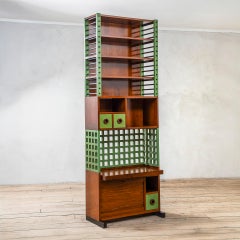
20th Century, Ettore Sottsass "Tower Furniture" Series Wall Cabinet
By Ettore Sottsass
Located in Torino, Piemonte
Ettore Sottsass grew up in Turin, and graduated in architecture from the Turin Polytechnic in 1939. In 1947, he founded his own studio in Milan. In 1956, Sottsass moved to New York w...
Metal
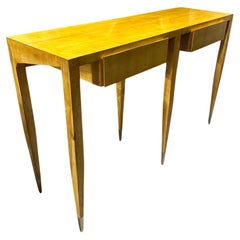
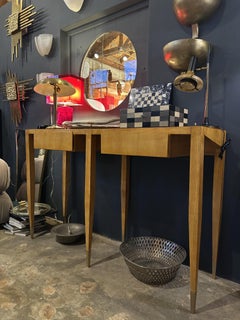
Gio Ponti Console Table
By Gio Ponti
Located in Los Angeles, CA
This rare and Gio Ponti console table showcases the masterful craftsmanship and refined elegance of Italian design. Featuring a sleek ash wood construction with a rich, polished fini...
Brass
$4,647
H 22.84 in W 64.38 in D 89.38 in
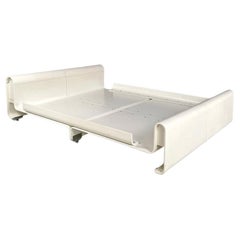
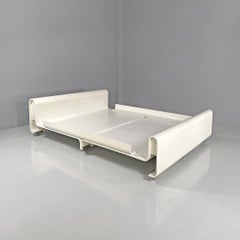
Italian modern double bed Aiace in white wood by Benatti, 1970s
Located in MIlano, IT
Italian modern double bed Aiace in white wood by Benatti, 1970s Double bed mod. Aiace rectangular In shape. The structure is entirely made of white lacquered wood with a matte finish...
Wood
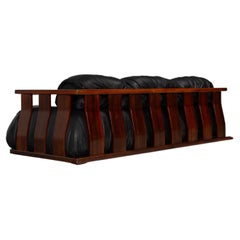
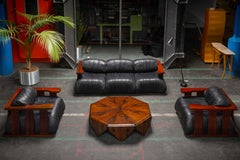
Luciano Frigerio Dragoni sofa made in Italy 1970
By Luciano Frigerio
Located in Roosendaal, Noord Brabant
Extremely rare and extraordinary lounge sofa designed by Luciano Frigerio and manufactured by his own company Frigerio di Desio in Italy in 1970. This sofa has a sturdy construction ...
Leather, Hardwood
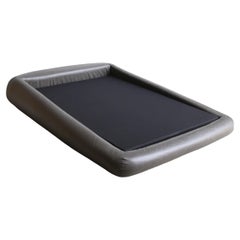
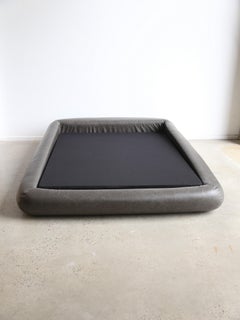
$20,200
H 18.51 in W 95.28 in D 103.15 in
Gae Aulenti Tennis Bed for Gavina, Leather & Wood, Mid Century Modern
By Gavina, Gae Aulenti
Located in Byron Bay, NSW
Large king size bed by Gae Aulenti mod. ‘Tennis’ for Gavina, Italy 1972. Unique and iconic bed from the ‘Tennis‘ series referring to the round shapes and the typical stitching patter...
Leather
An architect, industrial designer, philosopher and provocateur, Ettore Sottsass led a revolution in the aesthetics and technology of modern design in the late 20th century. He was a wild man of the Radical Design movement that swept Italy in the late 1960s and ’70s, rejecting rationalism and modernism in favor of ever-more outrageous imaginings in lighting and furniture such as mirrors, lamps, chairs and tables.
Sottsass was the oldest member of the Memphis Group — a design collective, formed in Milan in 1980, whose irreverent, spirited members included Alessandro Mendini, Michele de Lucchi, Michael Graves and Shiro Kuramata. All had grown disillusioned by the staid, black-and-brown “corporatized” modernism that had become endemic in the 1970s. Memphis (the name stemmed from the title of a Bob Dylan song) countered with bold, brash, colorful, yet quirkily minimal designs for furniture, glassware, ceramics and metalwork.
The Memphis Group mocked high-status by building furniture with inexpensive materials such as plastic laminates, decorated to resemble exotic finishes such as animal skins. Their work was both functional and — as intended — shocking.
Even as it preceded the Memphis Group's formal launch, Sottsass's iconic Ultrafragola mirror — in its conspicuously curved plastic shell and radical pops of pink neon — embodies many of the collective's postmodern ideals.
Sottsass created innovative furnishings for the likes of Artemide, Knoll, Zanotta and Poltronova, where he reigned as artistic director for nearly two decades beginning in 1958. His most-recognized designs appeared in the first Memphis collection, issued in 1981 — notably the multihued, angular Carlton room divider and Casablanca bookcase. As pieces on 1stDibs demonstrate, however, Sottsass is at his most inspired and expressive in smaller, secondary furnishings such as lamps and chandeliers, and in table pieces and glassware that have playful and sculptural qualities.
Sottsass left the Memphis Group in 1985 in order to concentrate on the growth of Sottsass Associati, a design and architecture consultancy he cofounded in 1980.
It was as an artist that Sottsass was celebrated in his life, in exhibitions at the Los Angeles County Museum of Art, in 2006, and the Philadelphia Museum of Art a year later. Even then Sottsass’s work prompted critical debate. And for a man whose greatest pleasure was in astonishing, delighting and ruffling feathers, perhaps there was no greater accolade. That the work remains so revolutionary and bold — that it breaks with convention so sharply it will never be considered mainstream — is a testament to his genius.
Find Ettore Sottsass lighting, decorative objects and furniture for sale on 1stDibs.
The road from early innovations in reflective glass to the alluring antique and vintage mirrors in trendy modern interiors has been a long one but we’re reminded of the journey everywhere we look.
In many respects, wall mirrors, floor mirrors and full-length mirrors are to interior design what jeans are to dressing. Exceedingly versatile. Universally flattering. Unobtrusively elegant. And while all mirrors are not created equal, even in their most elaborate incarnation, they're still the heavy lifters of interior design, visually enlarging and illuminating any space.
We’ve come a great distance from the polished stone that served as mirrors in Central America thousands of years ago or the copper mirrors of Mesopotamia before that. Today’s coveted glass Venetian mirrors, which should be cleaned with a solution of white vinegar and water, were likely produced in Italy beginning in the 1500s, while antique mirrors originating during the 19th century can add the rustic farmhouse feel to your mudroom that you didn’t know you needed.
By the early 20th century, experiments with various alloys allowed for mirrors to be made inexpensively. The geometric shapes and beveled edges that characterize mirrors crafted in the Art Deco style of the 1920s can bring pizzazz to your entryway, while an ornate LaBarge mirror made in the Hollywood Regency style makes a statement in any bedroom. Friedman Brothers is a particularly popular manufacturer known for decorative round and rectangular framed mirrors designed in the Rococo, Louis XVI and other styles, including dramatic wall mirrors framed in gold faux bamboo that bear the hallmarks of Asian design.
Perhaps unsurprisingly, mid-century modernism continues to influence the design of contemporary mirrors. Today’s simple yet chic mantel mirror frames, for example, often neutral in color, owe to the understated mirror designs introduced in the postwar era.
Sculptor and furniture maker Paul Evans had been making collage-style cabinets since at least the late 1950s when he designed his Patchwork mirror — part of a series that yielded expressive works of combined brass, copper and pewter — for Directional Furniture during the mid-1960s. Several books celebrating Evans’s work were published beginning in the early 2000s, as his unconventional furniture has been enjoying a moment not unlike the resurgence that the Ultrafragola mirror is seeing. Designed by the Memphis Group’s Ettore Sottsass in 1970, the Ultrafragola mirror, in all its sensuous acrylic splendor, has become somewhat of a star thanks to much-lauded appearances in shelter magazines and on social media.
On 1stDibs, we have a broad selection of vintage and antique mirrors and tips on how to style your contemporary mirror too.