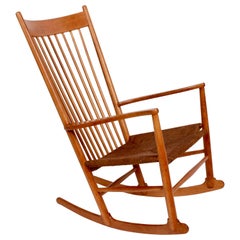
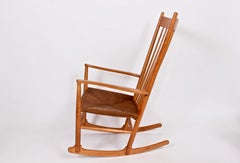
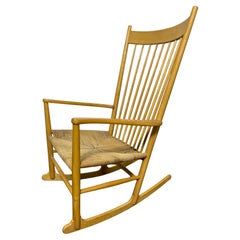
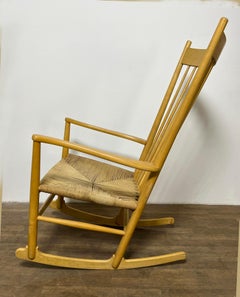
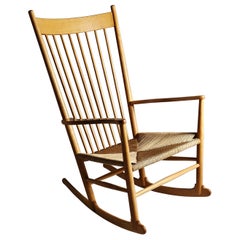
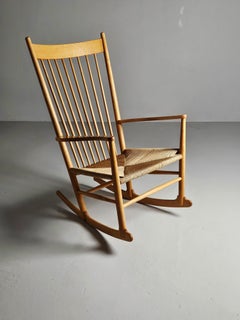
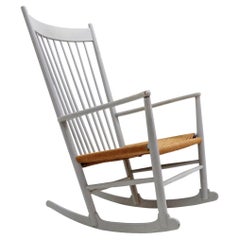
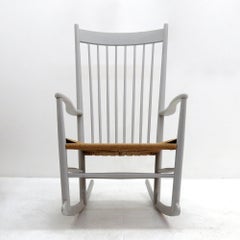
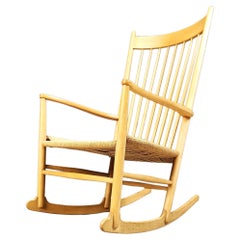
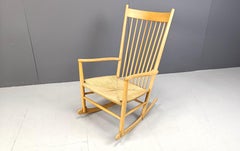
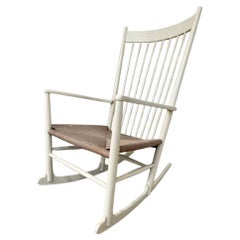
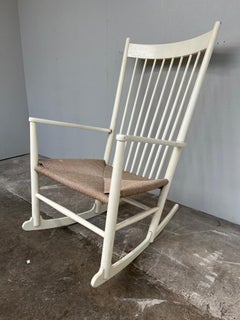
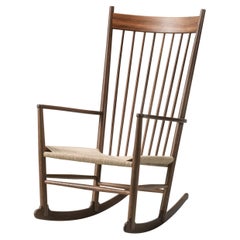
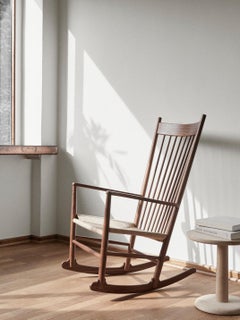
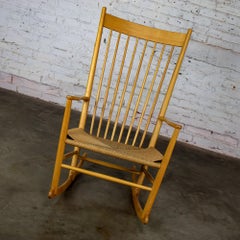
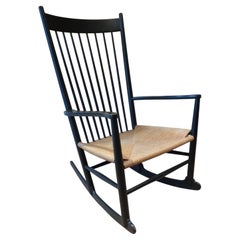
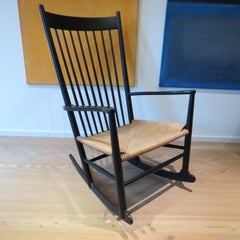
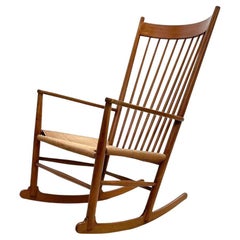
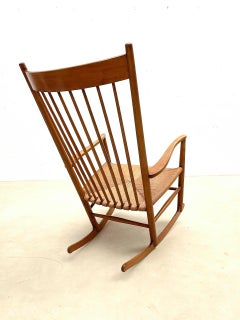
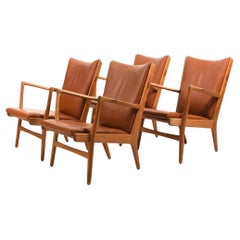
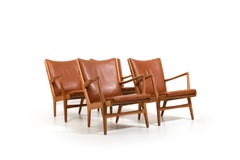
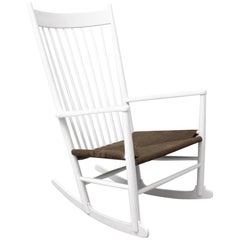
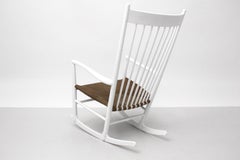
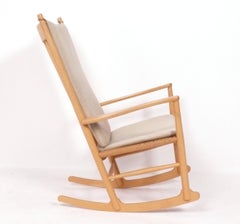
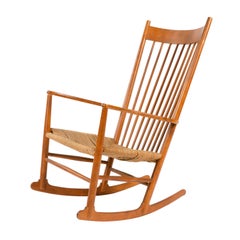
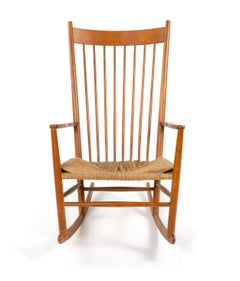
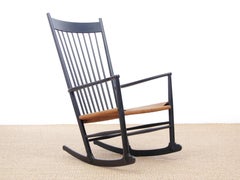
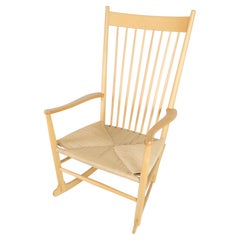
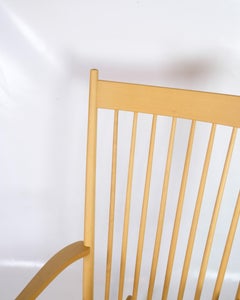
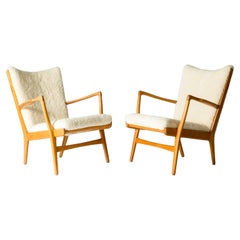
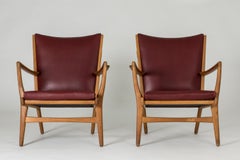
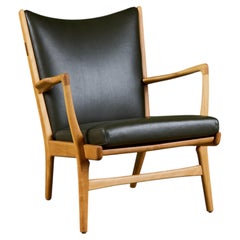
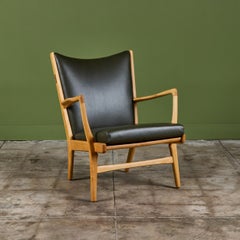
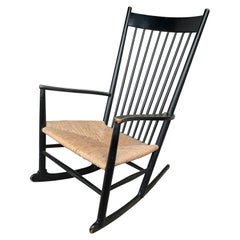
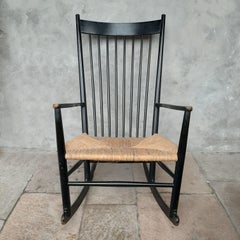
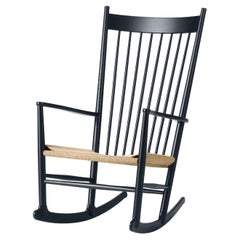
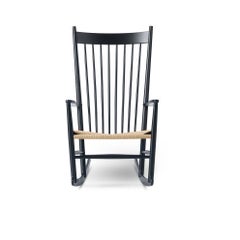
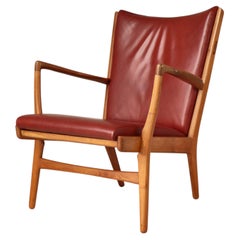
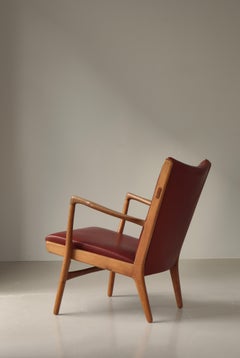
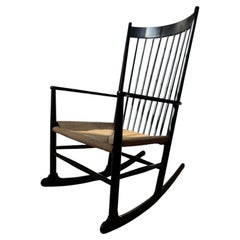
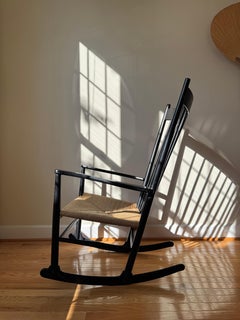
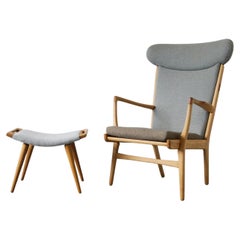
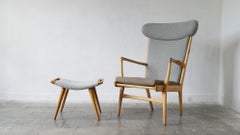
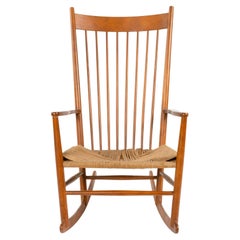
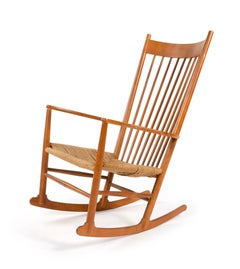
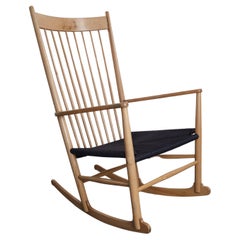
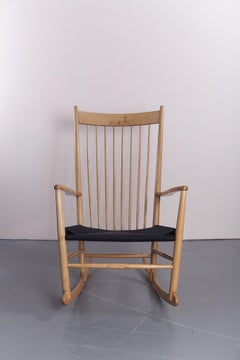
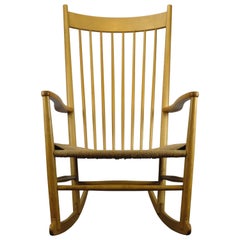
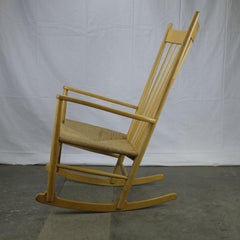
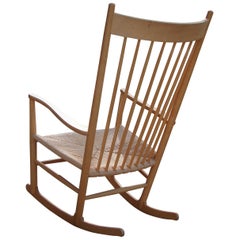
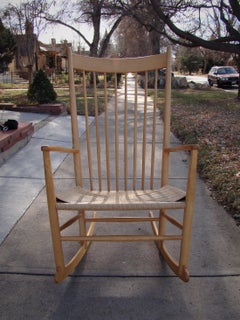
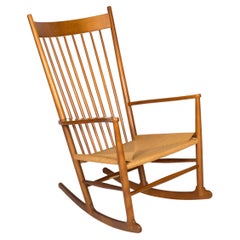
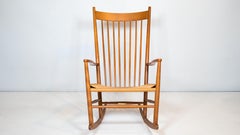
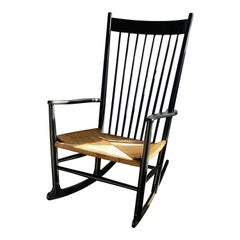
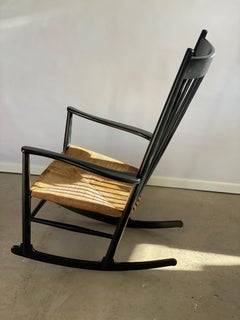
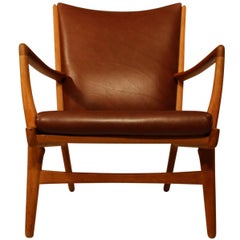
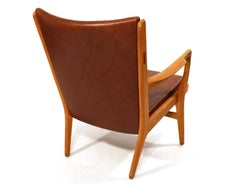
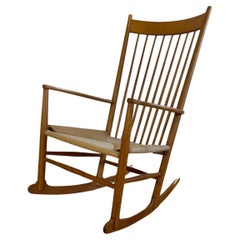
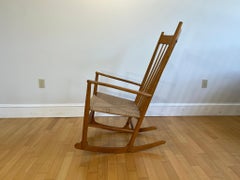
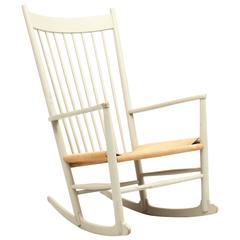
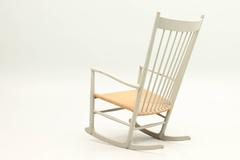
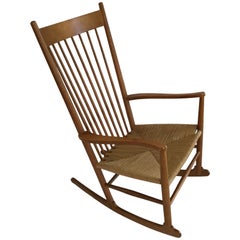
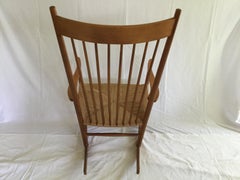
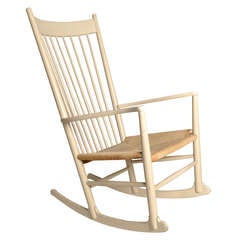
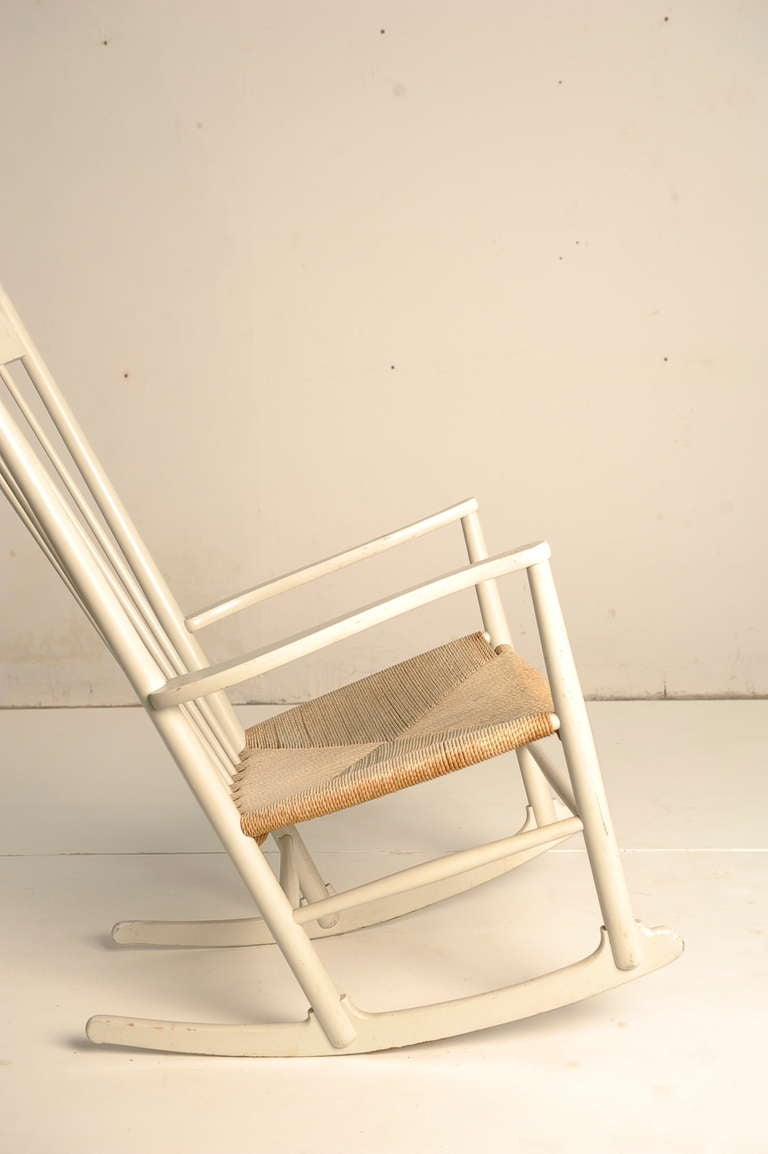
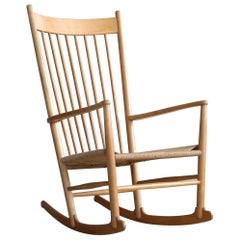
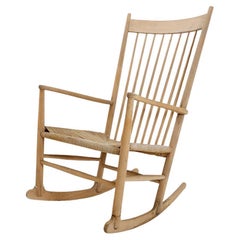
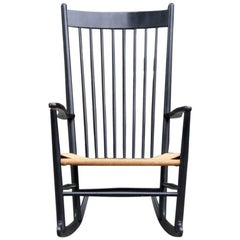
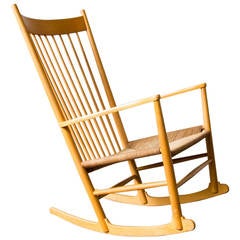
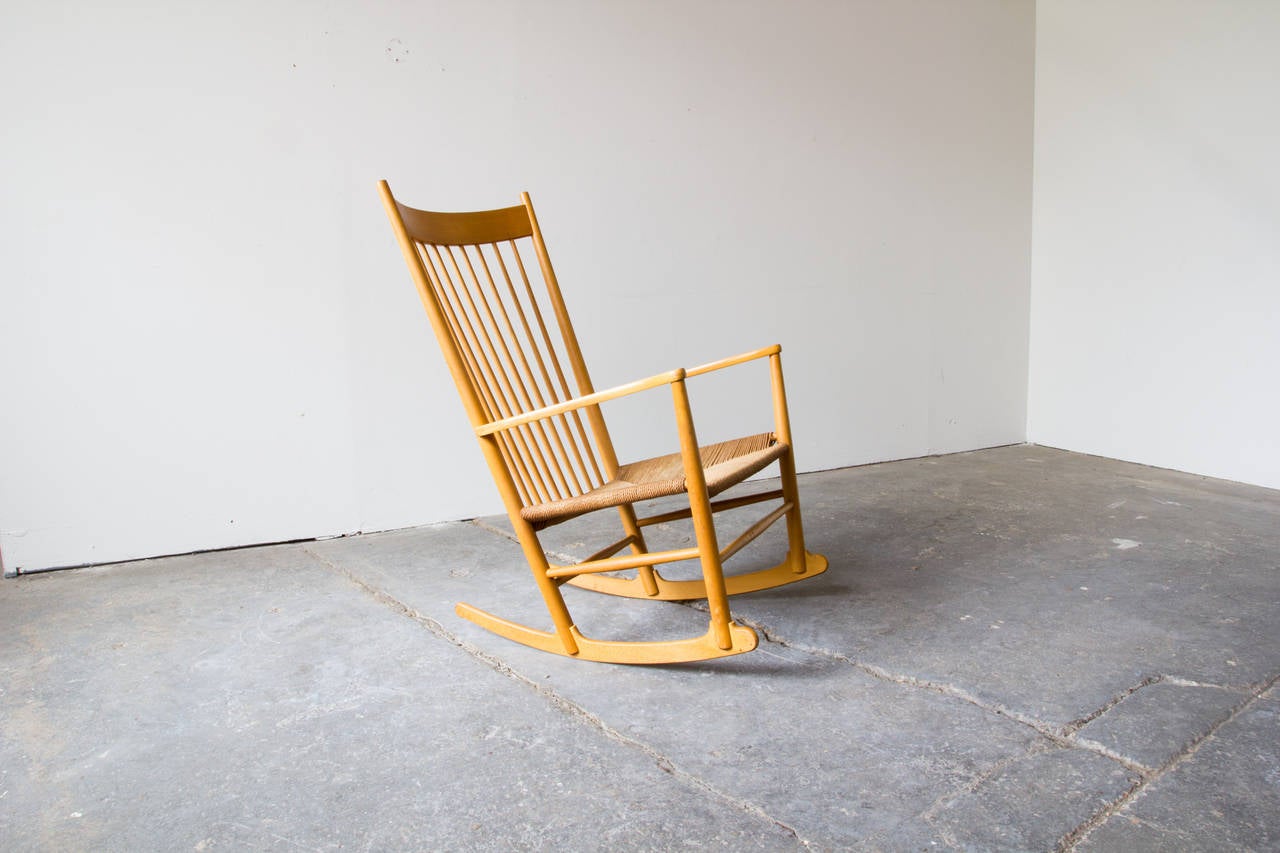
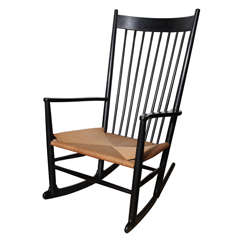
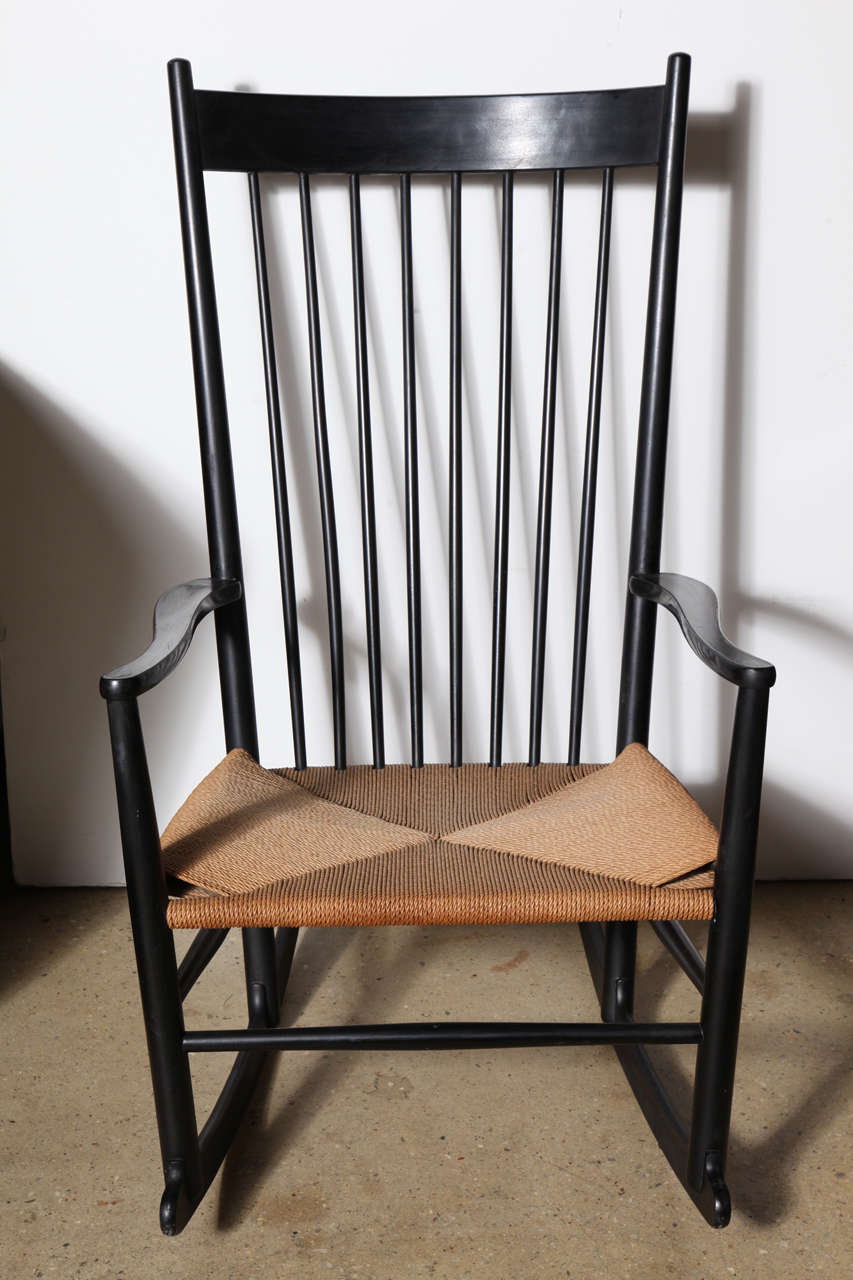
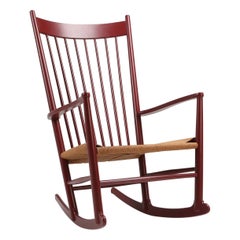
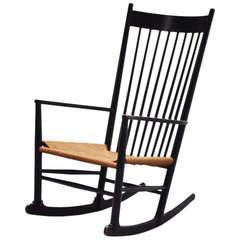
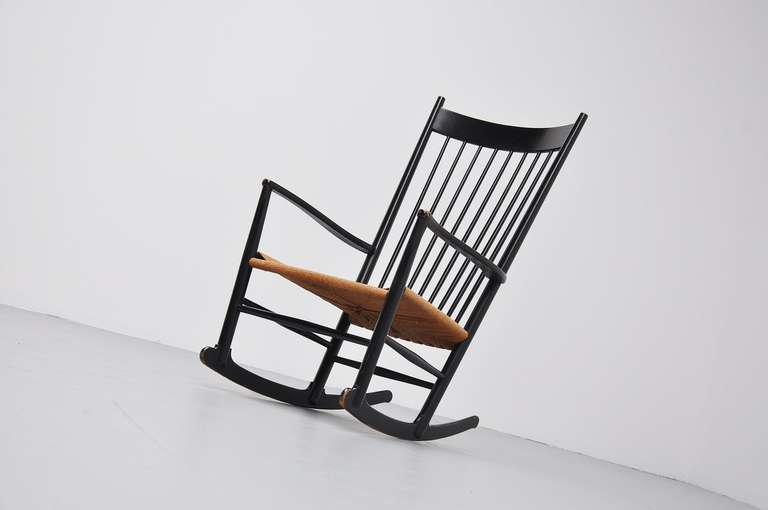
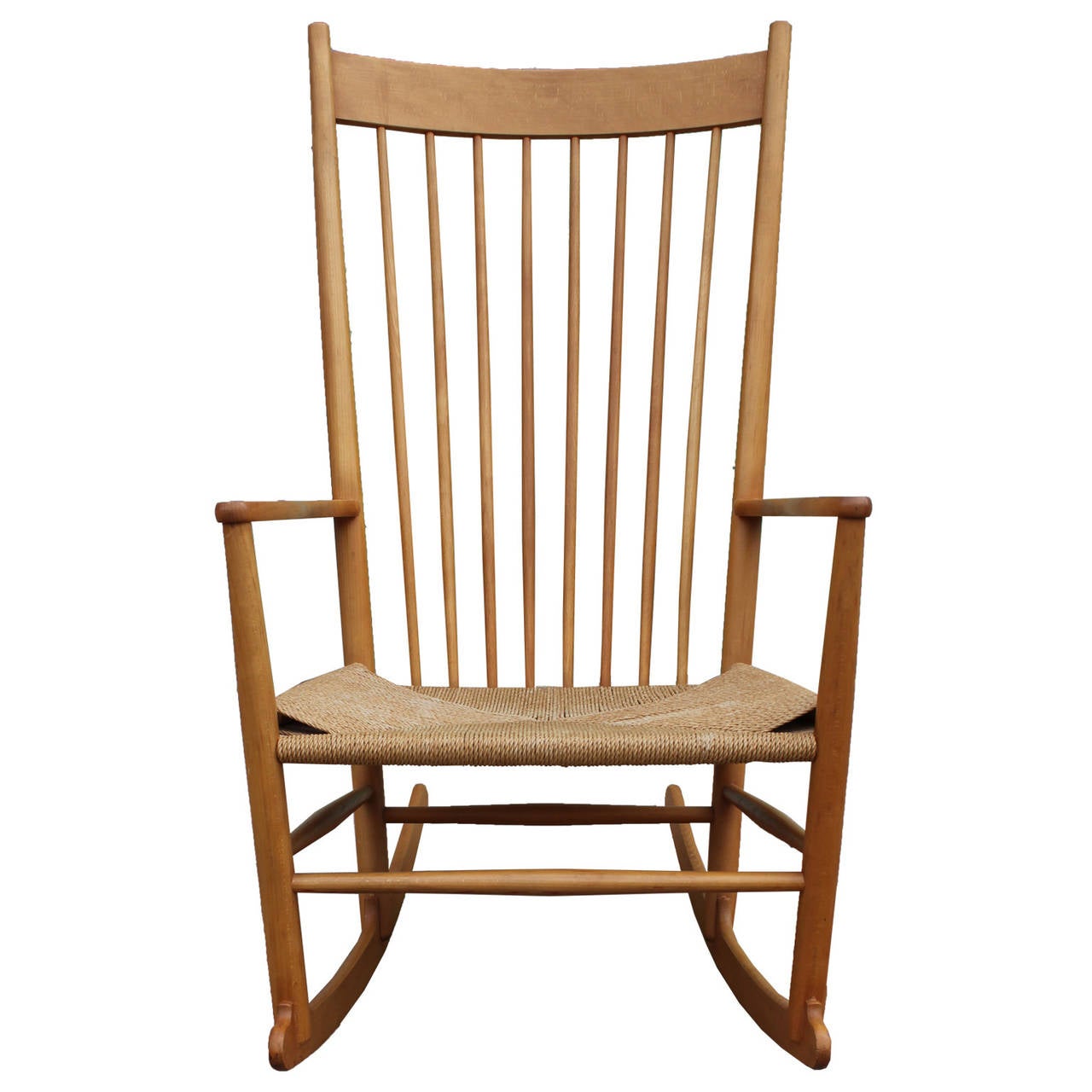
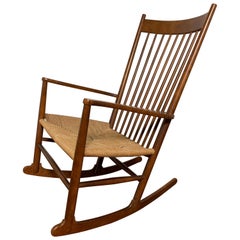
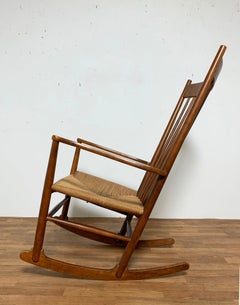
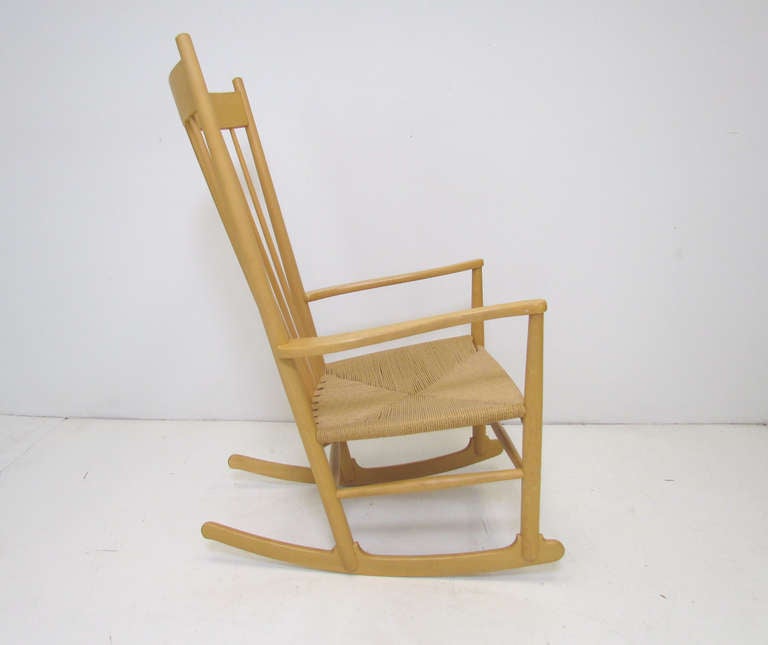
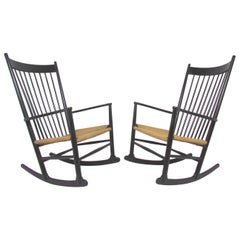
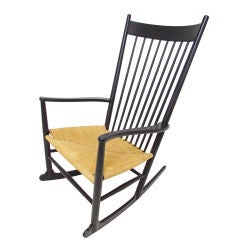
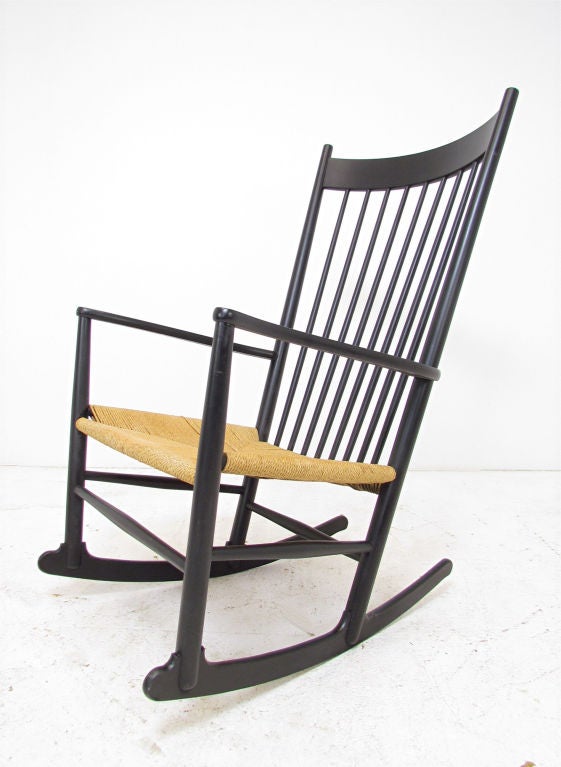
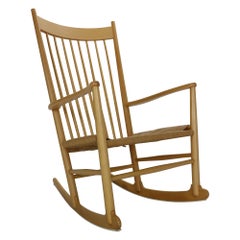
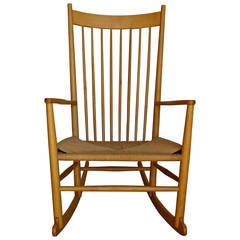
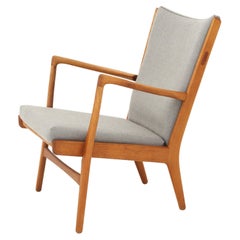
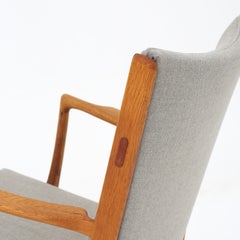
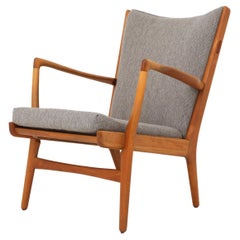
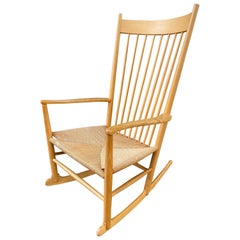
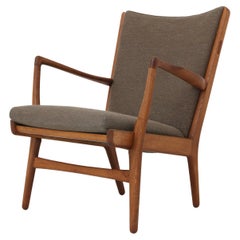
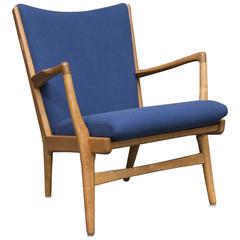
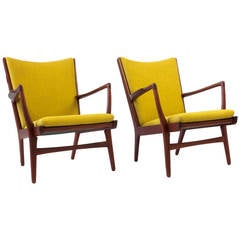
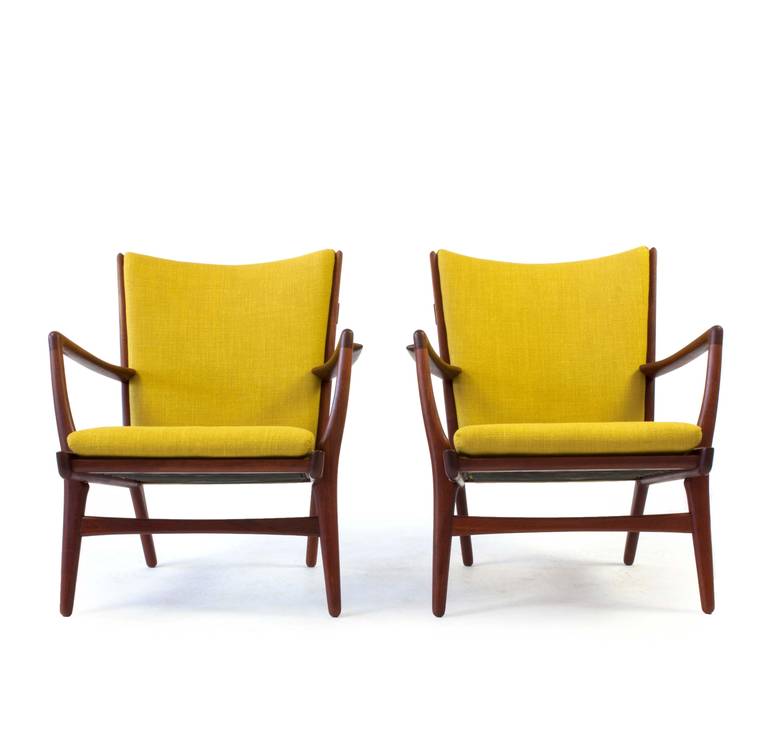
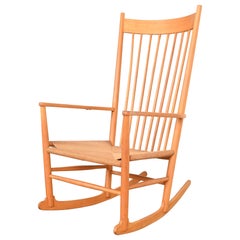
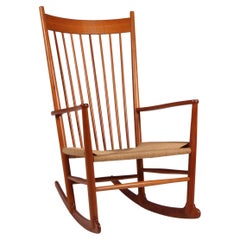
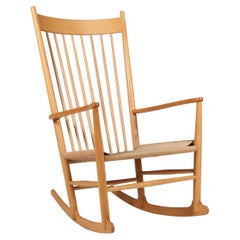
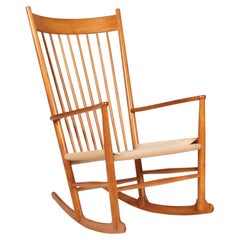
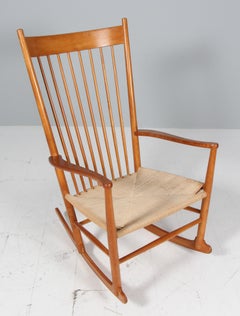
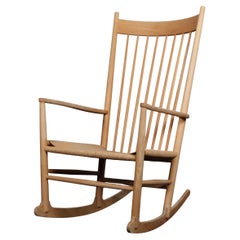
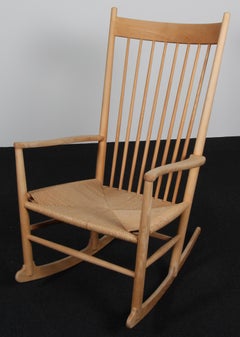
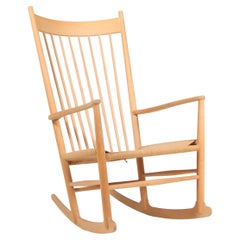
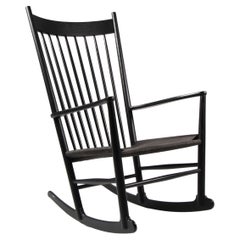
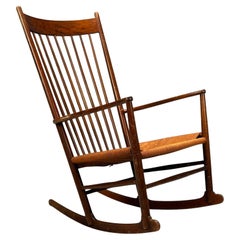
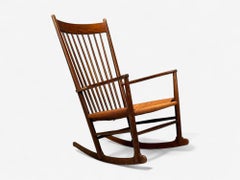
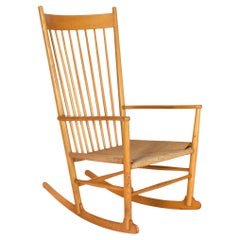
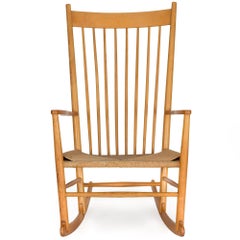
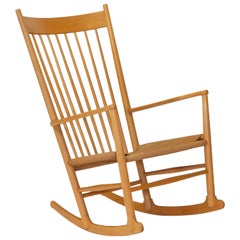
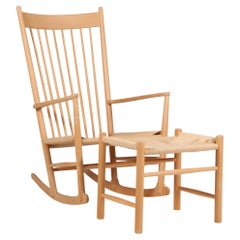
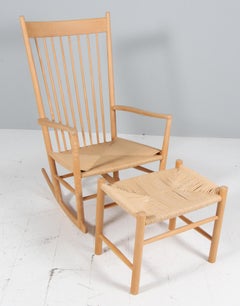
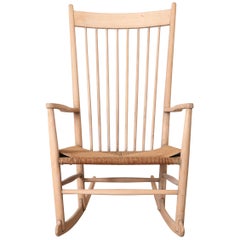
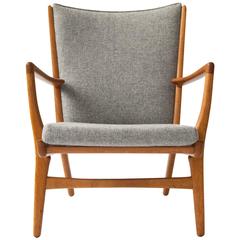
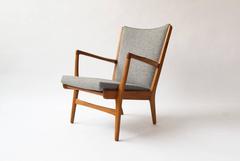
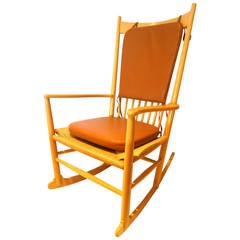
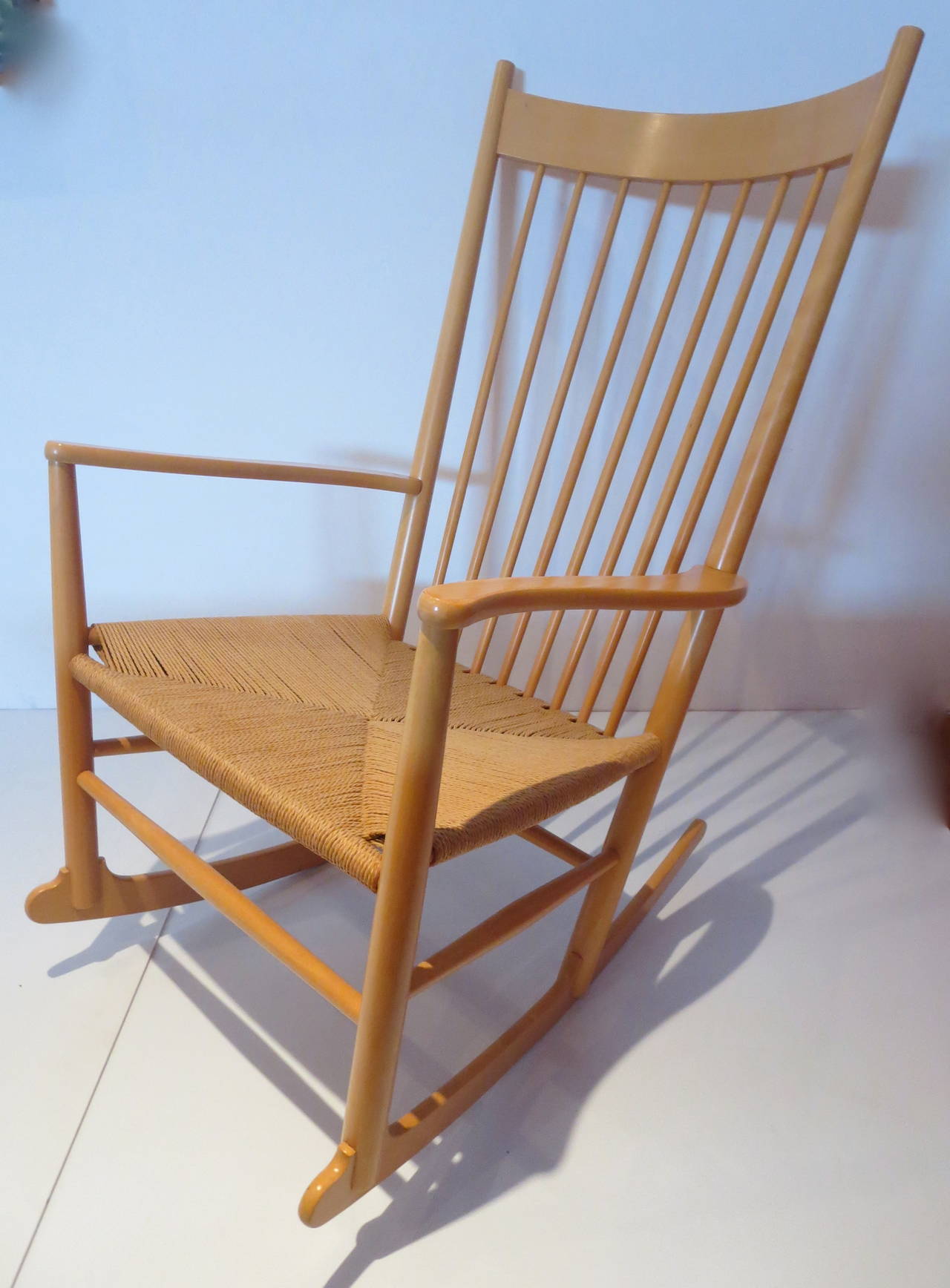
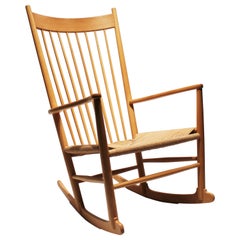
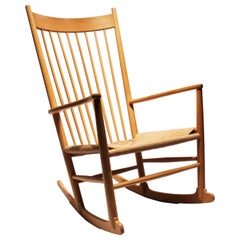
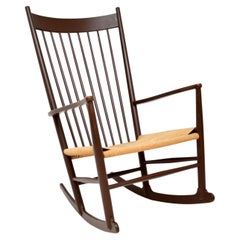
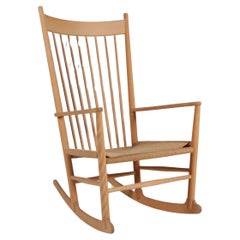
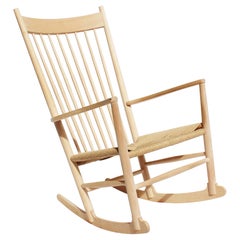
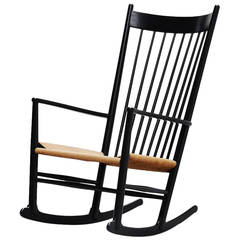
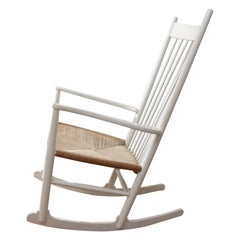
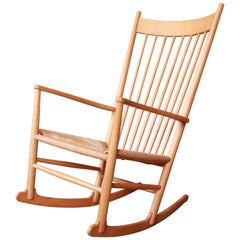
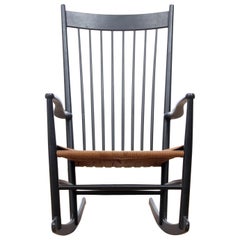
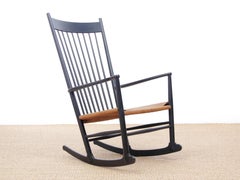
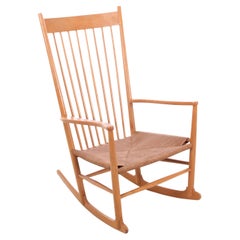
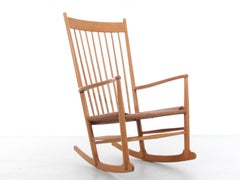
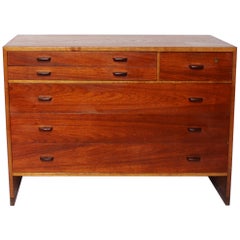
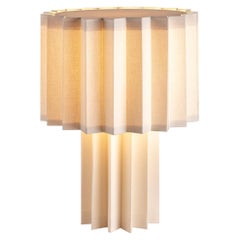
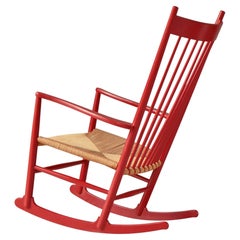
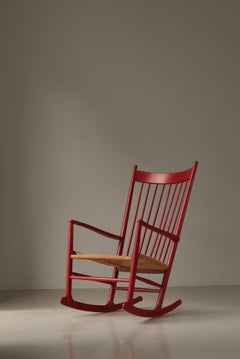
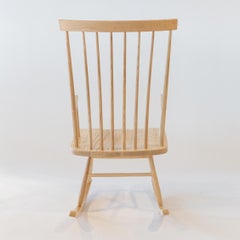
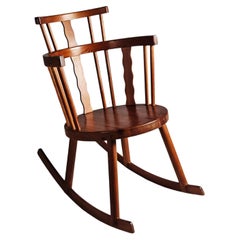
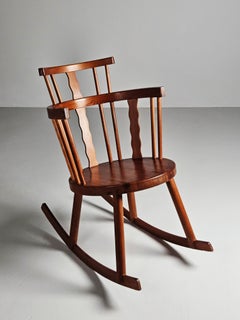
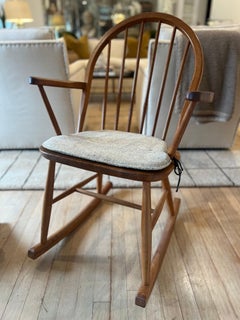
With a vast inventory of beautiful furniture at 1stDibs, we’ve got just the hans wegner j16 you’re looking for. A hans wegner j16 — often made from
wood,
natural fiber and
beech — can elevate any home. Whether you’re looking for an older or newer hans wegner j16, there are earlier versions available from the 20th Century and newer variations made as recently as the 21st Century. A hans wegner j16, designed in the
Scandinavian Modern or
Mid-Century Modern style, is generally a popular piece of furniture.
A hans wegner j16 can differ in price owing to various characteristics — the average selling price 1stDibs is $1,846, while the lowest priced sells for $885 and the highest can go for as much as $4,176.
Best known for his chairs and other seating pieces — though a master of many furniture types like sofas and tables — Hans Wegner was a prolific designer whose elegant, often ebullient, forms and devotion to the finest methods in joinery made "Danish Modern" a popular byword for stylish, well-made furniture in the mid-20th century.
Wegner considered himself a carpenter first and a furniture designer second. Like his peers Arne Jacobsen and Finn Juhl, Wegner believed that striking aesthetics in furniture were based on a foundation of practicality: a chair must be comfortable and sturdy before it is chic.
In keeping with that tenet, several of Hans Wegner’s best chair designs have their roots in traditional seating forms. The Peacock chair (designed in 1947) is a throne-like adaptation of the Windsor chair; pieces from the China chair series (begun in 1944) as well as the 1949 Wishbone chair, with its distinctive Y-shaped back splat, are derived from 17th-century Ming seating pieces, as is the upholstered Ox chair (1960). Wegner’s comfy Papa Bear chair (1951) is an almost surreally re-scaled English wingback chair.
Wegner’s most representative piece, the Round chair (1949), gained a footnote in political history when it was used on the TV stage of the first Kennedy-Nixon debate of 1960. That chair, along with Wegner’s more bravura designs — for example, the 1963 Shell chair, with its curved surfboard-shaped seat — bring a quietly sculptural presence to a room.
Wegner was a designer who revered his primary material — wood — and it shows. His wood gathers patina and character with age; every Hans Wegner piece testifies to the life it has led.
Find vintage Hans Wegner lounge chairs, armchairs, daybeds and other furniture for sale on 1stDibs.
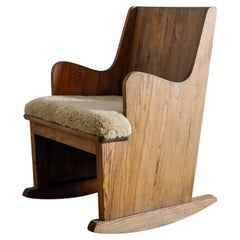
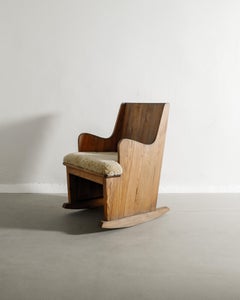
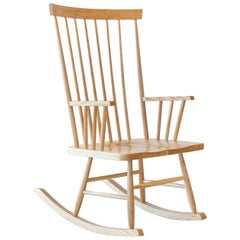
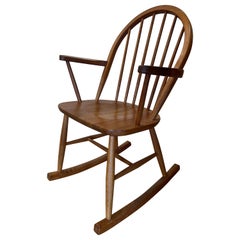
The phrase “rocking chair” didn’t find its way into the dictionary until the mid-18th century. While most of the sitting furniture that we use in our homes originated in either England or France, the iconic rocking chair is a quintessentially American piece of furniture.
A Philadelphia cabinetmaker’s bill for a proto-rocking chair issued in 1742, which identified the seat as a “Nurse Chair with rockers,” is the earliest surviving evidence of this design’s humble beginnings. The nurse chair was a low side chair intended for nursing women, so giving it a soothing rocking motion made sense. Rocking chairs, which saw a curved slat affixed to the chairs’ feet so that they could be literally rocked, quickly gained popularity across the United States, garnering a reputation as a seat that everyone could love. They offered casual comfort without the expensive fabrics and upholstery that put armchairs out of many families’ budgets.
Rocking chairs are unique in that they don’t just offer a place to rest — they offer an opportunity to reminisce. The presence of one of these classic pieces stirs up our penchant for nostalgia and has the power to transform a space. They easily introduce a simple country feel to the city or bring the peaceful rhythm of a porch swing into a sheltered sunroom. Although craftsmen took to painting and stenciling varieties of the chairs that emerged in New England during the 19th century, the most traditional rocking chairs are generally unadorned seats constructed with time-tested materials like wood and metal. As such, a minimalist vintage rocking chair can be ushered into any corner of your home without significantly disrupting your existing decor scheme or the room’s color palette.
In the decades since the first rocker, top designers have made the piece their own. Viennese chair maker Michael Thonet produced a series of rockers in the middle of the 19th century in which the different curved steam-bent wood parts were integrated into fluid, sinuous wholes. Mid-century modernists Charles and Ray Eames added wooden rockers to their famous plastic shell armchair, while Danish designer Frank Reenskaug opted for teak and polished beech, introducing pops of color with small cushions (a precursor to the bold works that would follow in the 1970s and 1980s).
No matter your personal style, let 1stDibs pair you with your perfect seat. Deck out your porch, patio or parlor — browse the vintage, new and antique rocking chairs in our vast collection today.