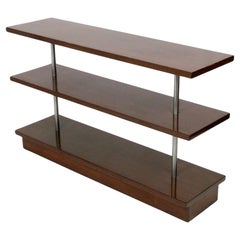
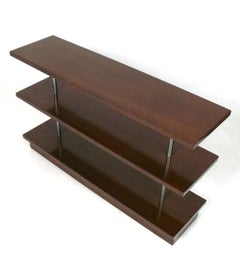
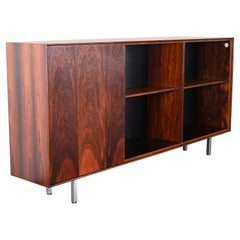
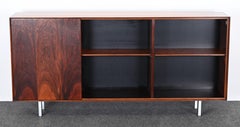
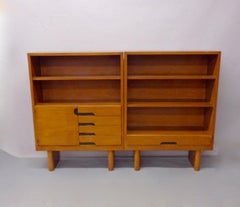
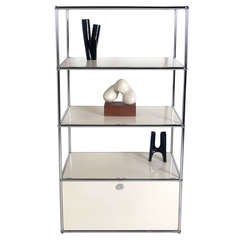
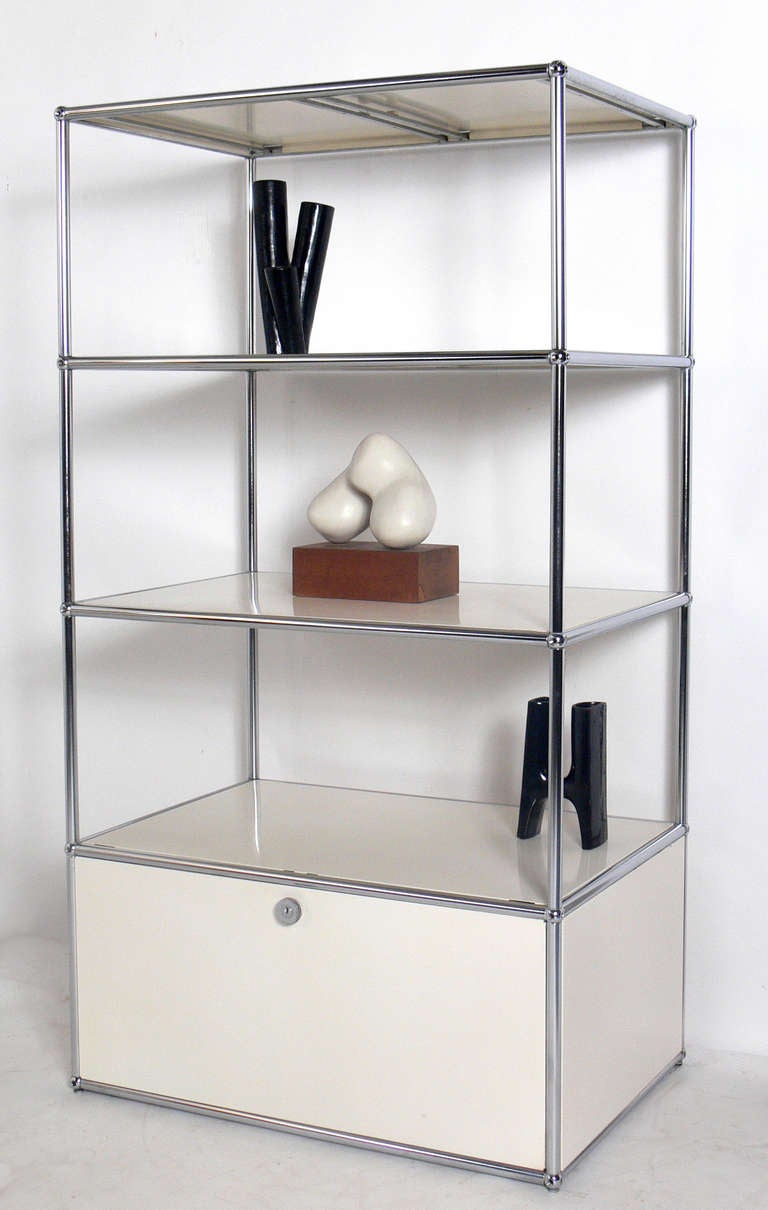
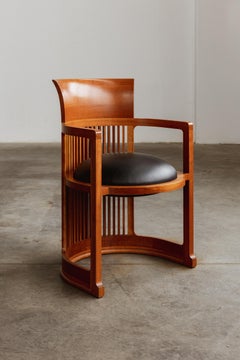
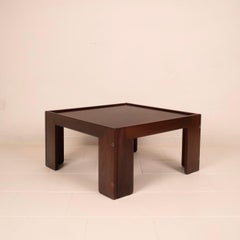
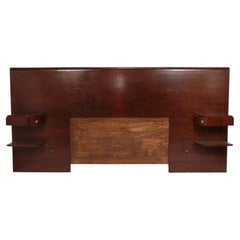
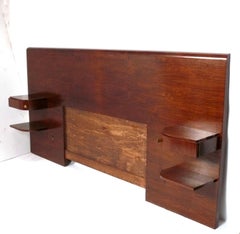
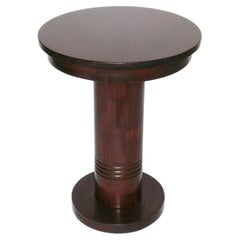
No other business of its kind did more than the Herman Miller Furniture Company to introduce modern design into American homes. Working with legendary designers such as Charles and Ray Eames, George Nelson and Alexander Girard, the Zeeland, Michigan-based firm fostered some of the boldest expressions of what we now call mid-century modern style. In doing so, Herman Miller produced some of the most beautiful, iconic and, one can even say, noblest chairs, sofas, tables and other furniture ever.
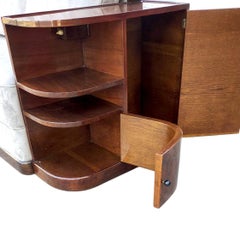
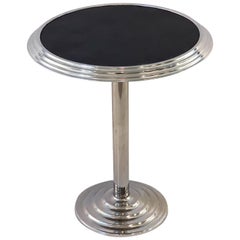
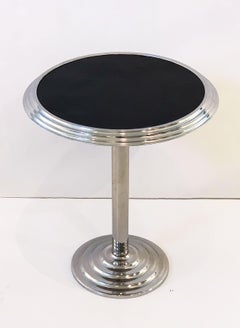
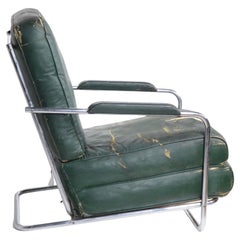
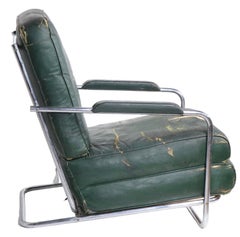
Founded in 1923, Herman Miller was originally known for grand historicist bedroom suites: heavily ornamented wood furniture that appealed to a high-minded, wealthier clientele. The company — named for its chief financial backer — began to suffer in the early 1930s as the Great Depression hit, and D.J. De Pree, the company’s CEO, feared bankruptcy. In 1932, aid came in the form of Gilbert Rohde, a self-taught furniture designer who had traveled widely in Europe, absorbing details of the Art Deco movement and other modernist influences. After persuading De Pree that the growing middle class required smaller, lighter household furnishings, Rohde set a new course for Herman Miller, creating sleek chairs, tables and cabinetry that were the essence of the Streamline Moderne style.
Rohde died suddenly in 1944. The following year, De Pree turned to George Nelson, an architect who had written widely about modern furniture design. Under Nelson’s leadership, Herman Miller would embrace new technologies and materials and audacious biomorphic forms.
Some of the pieces the company produced are now emblems of 20th century American design, including the Eames lounge chair and ottoman and Nelson’s Marshmallow sofa and Coconut chair. Such instantly recognizable furnishings have become timeless — staples of a modernist décor; striking, offbeat notes in traditional environments.
Find a range of vintage Herman Miller office chairs, desks, coffee tables and other furniture on 1stDibs.
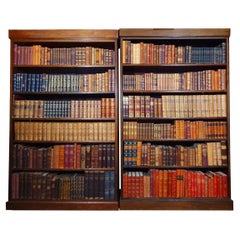
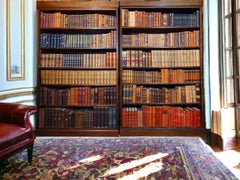
Whether you proudly shelve your books in regal mahogany or behind glass cabinet doors, an antique bookcase — or perhaps more than one — is essential to creating a cozy nook for any book lover.
As long as curious people have collected stories, we have needed a place to stow them away and preserve them. When auction houses and book dealers proliferated by the late 17th century, the bibliophile was born. And, of course, as with any treasured decorative objects or collectibles, a book lover’s volumes were suddenly worthy of a luxurious display — enter the bookcase.
Americans of means during the 19th century took to amassing art as well as rare books, and bookcases of the era — rife with hand-carved decorative accents and architectural motifs — were ideal for displaying their handsome leather-bound wares.
Although our favorite titles may change over the years, the functionality and beauty of their home within our home is timeless. Even those who don’t covet the perfect home library can benefit from an attractive display case, as bookcases can easily double as charming étagères.
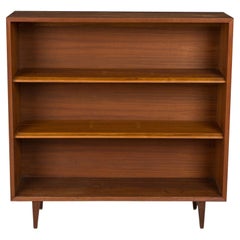
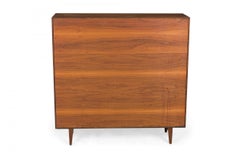
Contemporary and customizable options make it easier for you to find the perfect bookcase for your style and stacks. If you don’t wish to fill your storage piece so that your collection is snug within its confines, incorporate extra space to allow for additional displays and decorative objects. And by introducing a striking dark wood Art Deco bookcase or low-profile mid-century modern design by Paul McCobb into your living room, your signed first editions won’t be the only items making a statement.
Find barrister bookcases, Globe Wernicke bookcases, bookcases with doors and other vintage and antique bookcases on 1stDibs now.