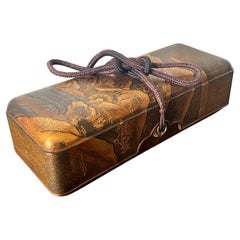
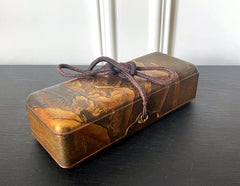
Japanese Lacquered Maki-e Fubako Edo Period
Located in Atlanta, GA
A Japanese lacquered wood fubako (a box used to store document or small scroll painting), circa
Category
Antique 19th Century Japanese Edo Lacquer
Materials
Wood, Lacquer
Japanese Lacquered Maki-e Fubako Edo Period
Located in Atlanta, GA
A Japanese lacquered wood fubako (a box used to store document or small scroll painting), circa
Wood, Lacquer
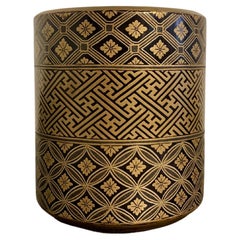
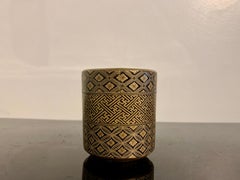
Japanese Lacquer Incense Burner, Koro, Edo period, mid 19th century, Japan
Located in Austin, TX
An elegant and refined Japanese lacquer koro, incense burner, in the form of a chaire, tea caddy
Copper
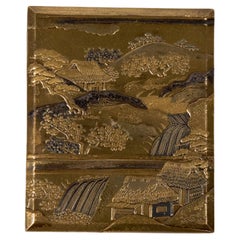
Japan lake landscape kobako box lacquer - Edo
Located in PARIS, FR
landscape. Inside and back of the box in nashi-ji lacquer. Japan – Edo period (1612-1868) Height: 0.8 in
Gold
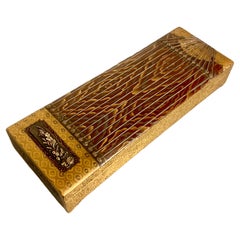
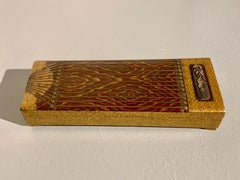
Japanese Lacquer Writing Box, Suzuribako, Edo Period, 18th Century, Japan
Located in Austin, TX
An exceptionally fine and unusual Japanese lacquer writing implements box, suzuribako, in the form
Gold, Silver, Copper
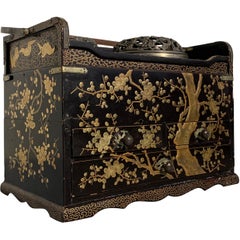
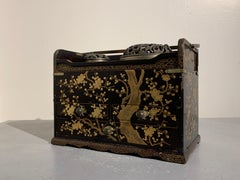
Japanese Lacquer Smoking Box, Tabako Bon, Edo Period, 19th Century
Located in Austin, TX
A very fine Japanese maki-e lacquer decorated tabako bon, or smoking box, late Edo Period, mid-19th
Lacquer
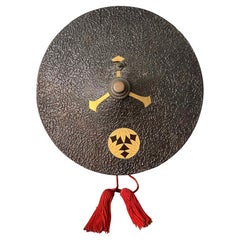
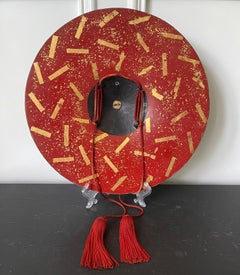
Japanese Lacquered Samurai Jingasa Hat Edo Period
Located in Atlanta, GA
A bespoken Japanese historical hat known as Jinggasa (militant hat) that was worn by samurai in Edo
Wood, Lacquer
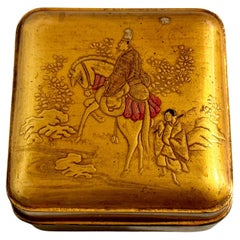
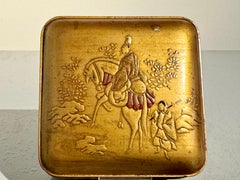
Japanese Lacquer Box, Kogo, Tale of Genji, Edo Period, early 19th century, Japan
Located in Austin, TX
A fine Japanese small lacquer box for precious incense, kogo, Edo period, mid 19th century, Japan
Pewter
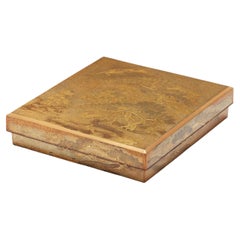
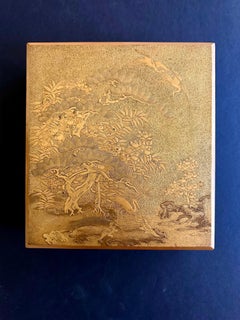
Antique Japanese Ink Stone Maki-e Lacquer Box Suzuribako Edo Provenance
Located in Atlanta, GA
A Japanese ink stone box (known as Suzuribako) with exquisite maki-e decoration from Edo period
Wood, Lacquer
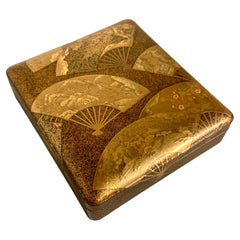
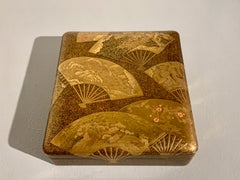
Japanese Maki-e Lacquer Document Box, Edo Period, early 19th Century, Japan
Located in Austin, TX
A spectacular Japanese maki-e lacquer lidded box, possibly a writing box, suzuribako, decorated
Coral
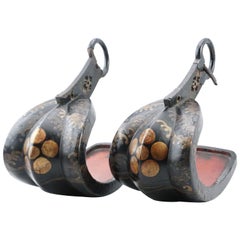
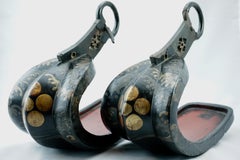
Japanese Samurai Abumi Stirrups Lacquer Edo, 18th Century
Located in Dallas, TX
Japanese Samurai Abumi Stirrups lacquer Edo late 18th century, early 19th century. Measures: 12
Iron
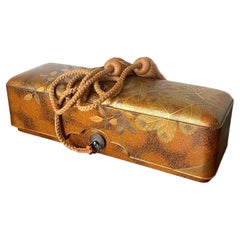
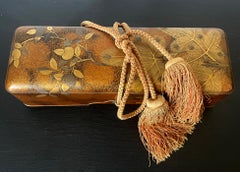
Japanese Lacquer Maki-E Scroll Box Fubako by Kansonsai Edo Period
Located in Atlanta, GA
A Japanese lacquered wood fubako (a box to store document or small scroll painting) circa late 18th
Wood, Lacquer
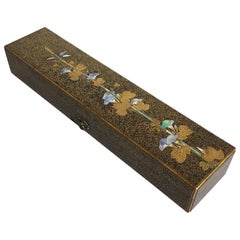
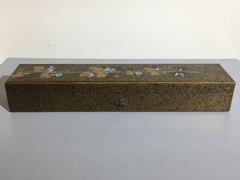
Japanese Edo Period Igarashi School Long Lacquer Box, Tanzaku-Bako
Located in Austin, TX
A stunning Japanese Edo period lacquer tanzakubako, box for poem cards, late 18th-early 19th
Mother-of-Pearl, Lacquer
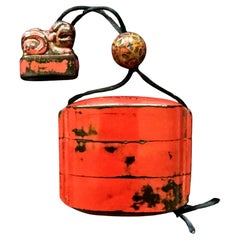
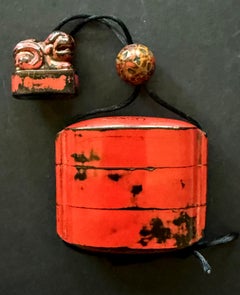
Rare Japanese Inro Netsuke and Omije with Negoro Red Lacquer Edo Period
Located in Atlanta, GA
A Japanese three-case inro with stringed carved netsuke and bead ojime from early Edo period circa
Wood, Lacquer
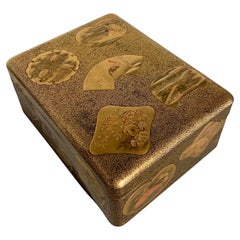
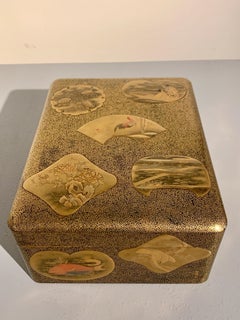
Large Japanese Lacquer Document Box, Ryoshibako, Edo/Meiji period, Japan
Located in Austin, TX
A large and magnificently decorated Japanese lacquer document box, ryoshibako, signed Umeboshi
Softwood, Lacquer
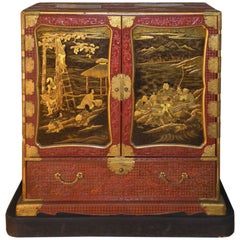
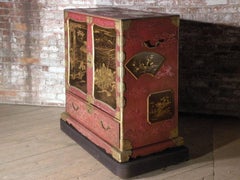
Japanese Lacquer and Cinnabar "Samurai" Cabinet, Inaba Family, Edo Period
Located in Troy, NY
Exceptionally large and rare lacquer cabinet. According to the heraldry, visible on the headgear in
Bronze
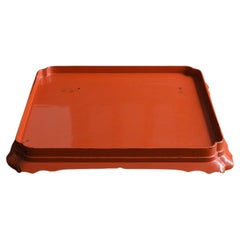
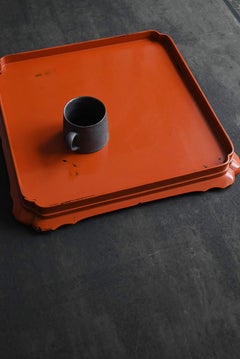
A large square tray made of Japanese antique lacquer / Late Edo period/19th
Located in Sammu-shi, Chiba
These trays were made after the late Edo period in Japan (after 1800). This particular type of tray
Lacquer
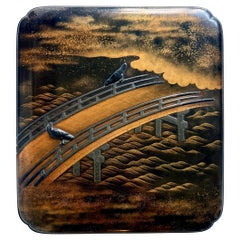
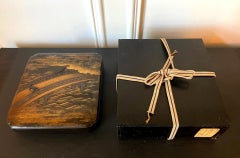
Exquisite Japanese Lacquer Maki-e Suzuribako by Koma Kyūhaku Edo Period
Located in Atlanta, GA
One of the finest Japanese Maki-e Suzuribakos (ink box) we have on offer, the roiro color box
Stone, Metal
$320Sale Price|28% Off
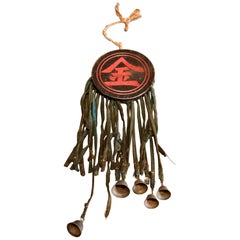
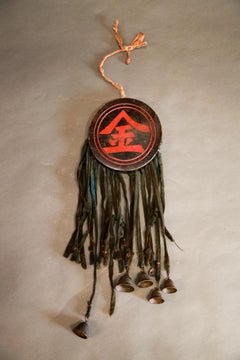
Japanese Horse Festival Black Lacquer Medallion with Tassels and Bells, Edo
Located in Point Richmond, CA
Japanese horse festival black lacquer medallion with tassels with bells, Edo period. When horses
Leather, Wood
$800Sale Price|20% Off
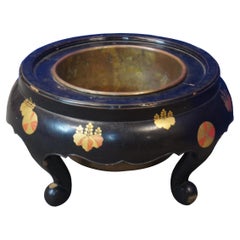
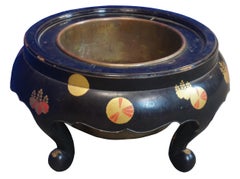
Antique Japanese Edo Makie Lacquered Stand Hibachi Brazier Tea Fire Bowl Brass
Located in Dayton, OH
Antique Japanese late Edo / Tokugawa period Hibachi used for burning coal, as a portable heater
Brass
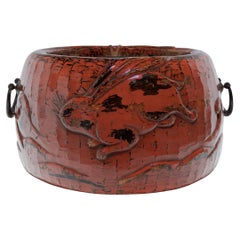
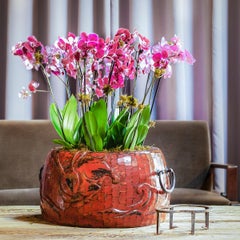
Japanese Red Lacquer Negoro Hibachi with Rabbits, Edo Period, c. 1850
Located in Chicago, IL
patina that calls to be touched. A beautiful example of Japanese lacquer (urushi), this classic hibachi
Metal, Bronze, Copper
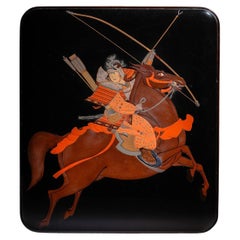
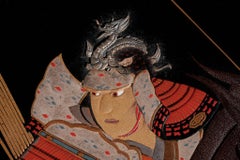
Edo Gold-Lacquer Writing Box with Samurai Warrior, Makie Suzuribako
Located in Taichung, TW
-quality Edo lacquer work. Inside, the box is finished in glowing nashiji and retains its full set of
Lacquer
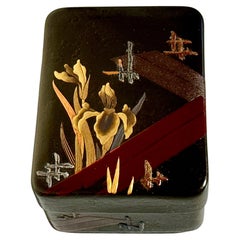
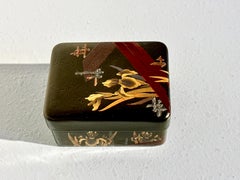
Japanese Rinpa Lacquer Box, "Irises at Yatsuhashi", by Santo Kyosui, Edo Period
Located in Austin, TX
regarded Japanese painter and maki-e lacquer artist of the later Edo period.
Copper, Pewter
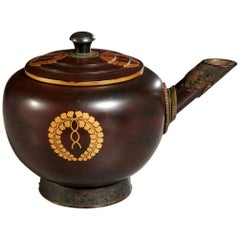
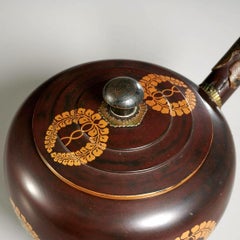
Japanese Antique Ewer Lacquer with Bronze Edo to Meiji Period
Located in Atlanta, GA
A Japanese lacquer water ewer without handle (known as hazo in Japanese) that was used to carry
Bronze
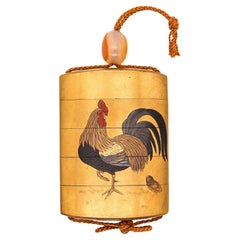
Japan 1810 Kajikawa Edo Period Five Drawer Inro Lacquered Gilt Wood With Rooster
Located in Miami, FL
Japanese Inro from the Edo period (1615-1868) created by Kajikawa. Beautiful Inro, created in
Agate, Gold
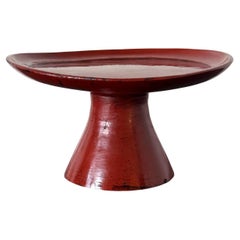
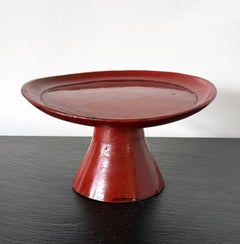
Rare Japanese Negoro Stem Dish Momoyama Edo Period
Located in Atlanta, GA
An antique red lacquer stem dish from Japan, circa 17th century (Momoyama to early Edo period
Wood, Lacquer
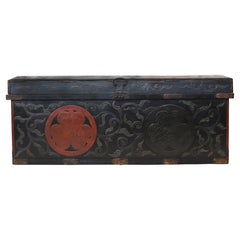
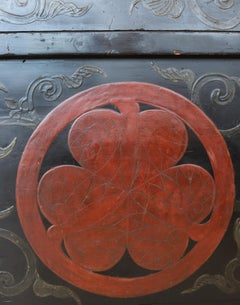
Japanese Edo Period 19th century Nagamochi - Wedding Trunk with Lacquer Crests
Located in New York, NY
A Japanese Nagamochi trunk is a traditional storage chest used for centuries to store clothing
Wood, Lacquer
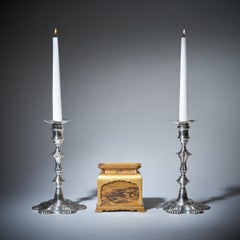
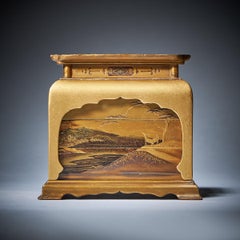
Signed Mid 19th C. Edo/Meiji Period Miniature Lacquer Stacking Cabinet, Japan
Located in Oxfordshire, United Kingdom
Japanese lacquer work from the Paris Exhibition. It is plausible that this item was purchased at the Paris
Lacquer
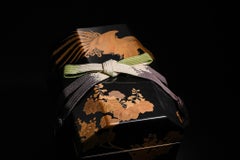
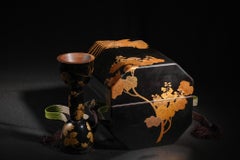
Edo Period Maki-e Lacquer Drum Box with Phoenix and Paulownia, 17th-19th Century
Located in Taichung, TW
drum) box represents the height of Japanese lacquer artistry. The exterior is finished in deep black
Lacquer
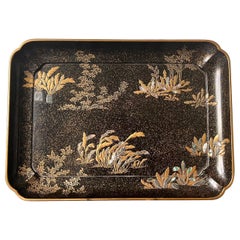
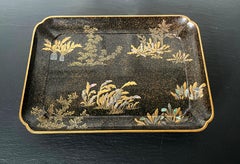
Japanese Lacquer Tray with Maki-e and Inlay Hara Yoyusai Edo Period
Located in Atlanta, GA
A lovely Japanese lacquer rectangular lacquer tray with a slightly scalloped corner and four L
Wood, Lacquer
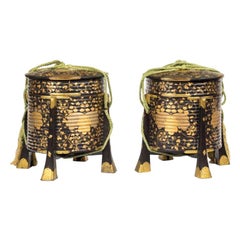
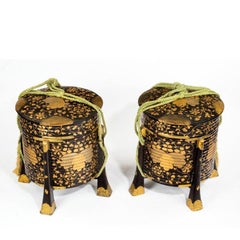
Pair of Edo Period Black and Gold Lacquer Samurai Helmet Boxes
Located in Lymington, Hampshire
A pair of Edo period black and gold lacquer Samurai helmet boxes (Hakko Bako), each of ribbed
Lacquer
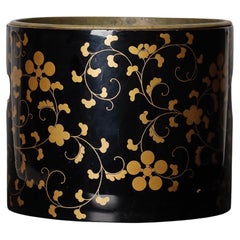
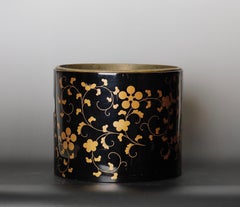
Edo Period Makie Lacquer Incense Burner with Bronze Receptor
Located in Fukuoka, JP
stunning example of Japanese craftsmanship. It is dated to the Edo-Meiji period, 19th century, and is in
Bronze
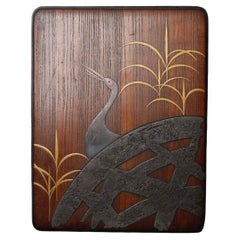
Japanese Maki-e Lacquer Suzuribako with Crane Design, Late Edo to Early Meiji
Located in Fukuoka, JP
A beautiful Japanese suzuribako (writing box) crafted in fine lacquer and decorated in maki-e
Silver
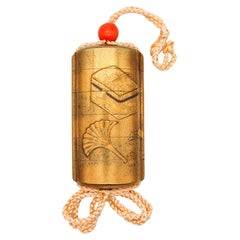
Japan 1800 Edo Period Six Drawer Inro In Lacquered Gilt Wood With Utensils
Located in Miami, FL
Japanese Inro from the Edo Period (1603-1867). Beautiful Inro, created in Japan during the Edo
Coral
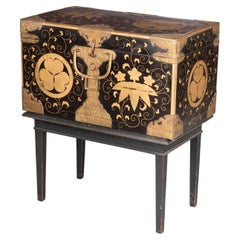
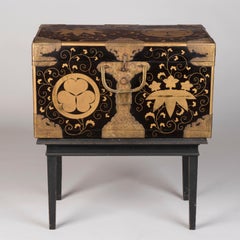
Japanese Edo Period Black & Gold 'Nagamochi' Dowry Trunk with Family Crests
Located in London, GB
A Fine Black & Gold Lacquer Japanese Nagamochi Trunk With Family Crests of the Tokugawa and
Lacquer
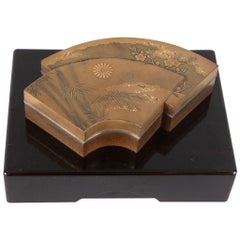
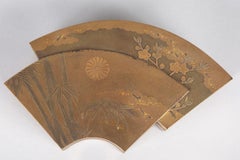
Japanese Lacquer Kogo 'Incense Box'
Located in Hudson, NY
Late Edo (1614 - 1868) period incense storage box in stacked, double fan design. Fans have bamboo
Gold
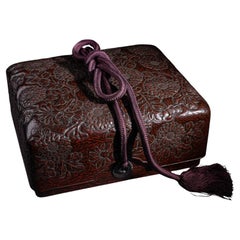
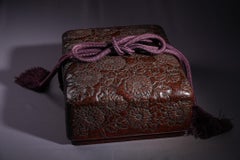
Large Edo Period Kamakura-bori Lacquer Box with Chrysanthemum by Chen Wu
Located in Taichung, TW
: This Large Chrysanthemum Carved Box is a rare Edo-period example of Kamakura-bori lacquerware, signed
Wood, Lacquer
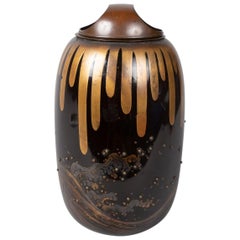
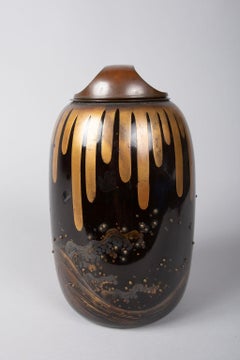
Japanese Lacquer Koro 'Incense Burner'
Located in Hudson, NY
Removable bronze top, with gold drip pattern at top. Cresting ocean waves on bottom with raised silver sea spray.
Silver, Bronze
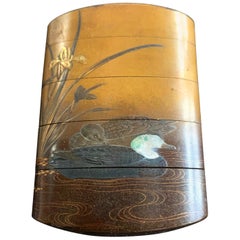
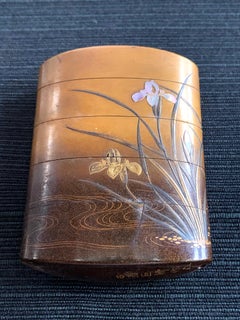
Japanese Inro by Koma Koryu Edo Period
Located in Atlanta, GA
A four-case lacquered inro by Koma Koryu circa 19th century late Edo period. The inro features a
Wood, Lacquer
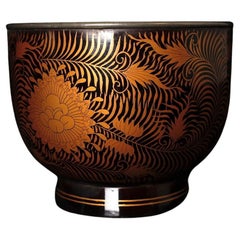
Elegant Arabesque-Design Lacquer Bowl with Metal Rim, Late Edo Period
Located in Fukuoka, JP
This elegant Japanese lacquer bowl dates to the late Edo period (19th century) and is distinguished
Metal
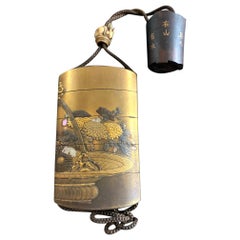
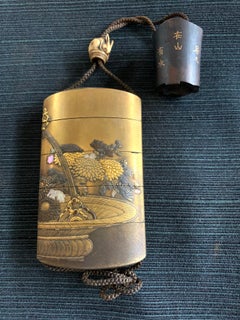
Antique Japanese Inro by Shigehide Edo Period
Located in Atlanta, GA
This exquisite four-case lacquered inro was dated to the latter part of 18th century to early 19th
Wood, Lacquer
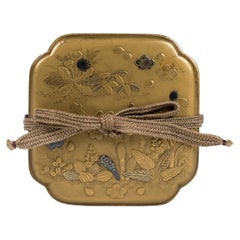
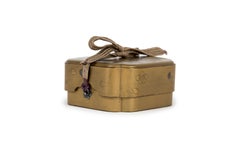
Japanese golden kobako flowers Edo period 18th century
Located in PARIS, FR
", the others partially erased. Inside, glued label with the inscription "N°47". Japan – Edo period
Gold
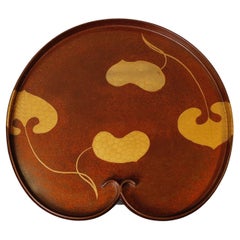
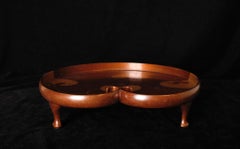
Superb Footed Lacquer Tray with Maki-e Decoration, Late Edo–Meiji Period
Located in Fukuoka, JP
This superb Japanese footed lacquer tray dates to the late Edo–Meiji period (19th century) and is
Wood, Lacquer
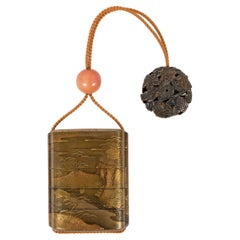
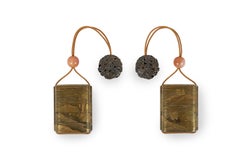
Japanese inro of the edo period adorned with a landscape houses near a lake
Located in PARIS, FR
rice fields and the lakes. Japan – Edo period (1603 - 1868) Height : 6.6 cm – Width: 5.5 cm – depth : 2
Gold
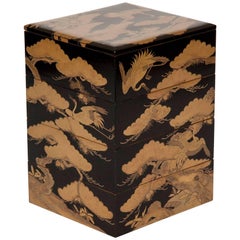
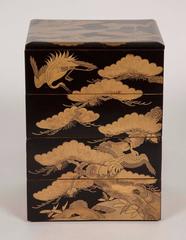
Japanese Black Lacquer Jubako Box with Stork Motif
Located in Stamford, CT
A four-tier Japanese Meiji period black lacquer Jubako box with stork and fir tree decoration. Box
Lacquer
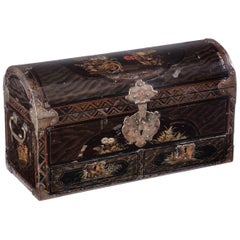
Fine Japanese Namban Lacquer Jewelry Casket, 17th Century
Located in Amsterdam, NL
Japanese Namban lacquer transition-style coffer with two drawers Kyoto/Nagasaki, circa 1650
Cypress
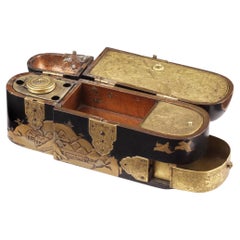
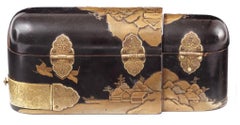
Rare 17th Century Japanese Export Lacquer Medical Instrument Box
Located in Amsterdam, NL
A rare Japanese export lacquer medical instrument box Edo-period, 1650-1700 L. 19 x W. 6 x H
Gold
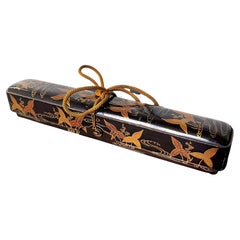
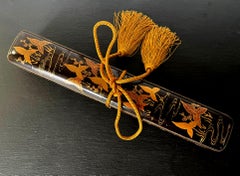
Japanese Lacquered Maki-E Fubako in Kodaiji Style
Located in Atlanta, GA
A rare Japanese lacquered wood fubako decorated in Kodaiji maki-e style circa early 17th century
Wood, Lacquer
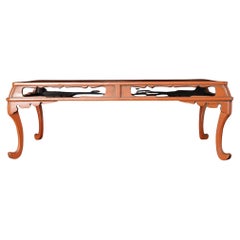
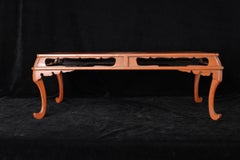
Japanese Negoro-Style Lacquered Table, 17th–18th Century
Located in Fukuoka, JP
This Japanese Negoro-style lacquered table dates to the 17th–18th century and exemplifies the
Wood, Lacquer
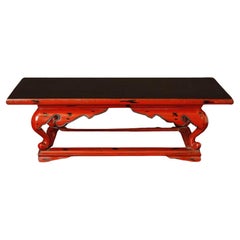
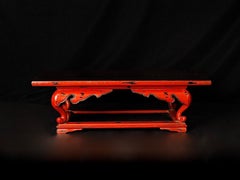
Japanese Negoro Style Lacquered Worship Stand, 17th-18th Century
Located in Fukuoka, JP
"Discover a piece of Japanese religious heritage with this exceptional Negoro lacquered stand
Wood, Lacquer
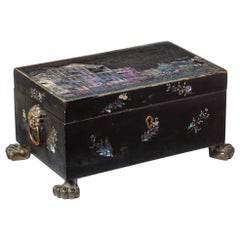
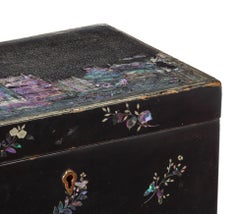
Japanese Nagasaki Export Lacquer Box with Depiction of the 'Trippenhuis'
Located in Amsterdam, NL
A Japanese Nagasaki export lacquer box with mother-of-pearl depiction of the Amsterdam ‘Trippenhuis
Mother-of-Pearl, Lacquer
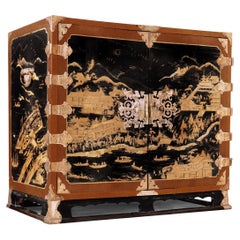
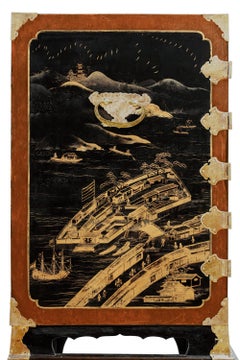
17th Century Japanese Export Lacquer Cabinet with Depiction the Dutch Tradepost
Located in Amsterdam, NL
A highly important Japanese export lacquer cabinet with depiction of the Dutch East India Company
Copper, Gold
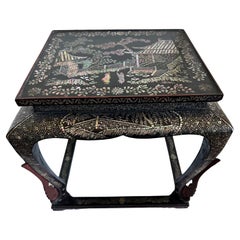
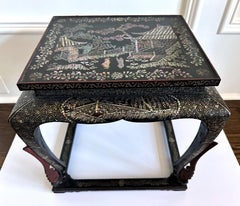
Antique Japanese Lacquer and Inlay Table from Ryukyu Islands
Located in Atlanta, GA
A small square-form table with lacquer and intricate mother-of-pearl inlay design from Ryukyu
Mother-of-Pearl, Lacquer
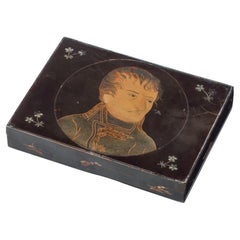
Japanese Export Nagasaki Lacquer Box with the Portrait of Napoleon Bonaparte
Located in Amsterdam, NL
A Japanese export Nagasaki lacquer tobacco box with the portrait of Napoleon Bonaparte Edo-period
Copper, Gold
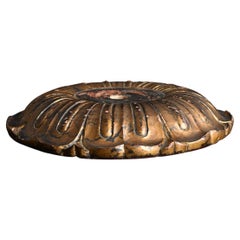
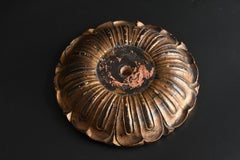
Japanese Antique Buddha Statue Stand/1800-1900/Lacquered Gold Display Stand
Located in Sammu-shi, Chiba
This is a wooden stand made from the Edo period to the Meiji period. Originally, it was a stand
Wood
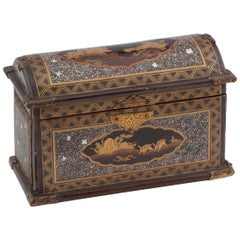
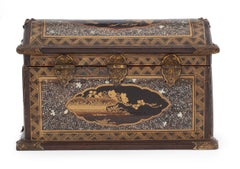
Unique 17th Century Miniature Japanese Namban Lacquer Miniature Dollhouse Chest
Located in Amsterdam, NL
A unique and exceptional Japanese miniature or dollhouse export lacquered chest Kyoto, circa
Shagreen, Cypress
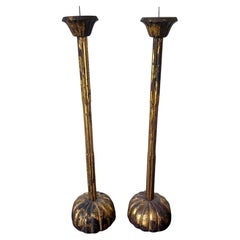
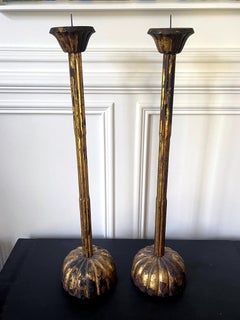
Pair of Large Japanese Carved Wood Temple Candleholders Edo Period
Located in Atlanta, GA
A tall pair of Japanese carved wood candle holders circa early 19th century (late Edo Period). The
Gold Leaf
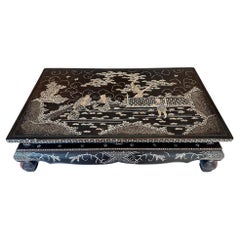
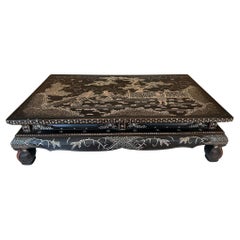
Antique Japanese Lacquer and Inlay Kang Table from Ryukyu Island
Located in Atlanta, GA
A small low table with lacquer and intricate mother-of-pearl inlay design from Ryukyu Islands
Mother-of-Pearl, Lacquer
Edo furniture was created during a flourishing time for the decorative arts owing to the stability of the Tokugawa shogunate rule in Japan. Spanning from 1603 to 1867, this era of peace and economic growth supported artistic advancements in lacquer, woodblock printing, porcelain and other artisanal trades. Because the country was largely isolated, there was little outside influence, leading to centuries of exceptional attention to the design of its furnishings and the quality of its traditional arts.
Unlike during the Meiji period that followed, with an increase in domestic and international markets, furniture during the Edo period was predominately commissioned by the ruling class, although people from across social groups benefited from the burgeoning metropolitan hubs for artisanal trades. For instance, Kyoto became a major center for lacquer art. Most furniture pieces were made from wood such as cedar or ash, including the era’s sashimono cabinets, which involved fine joinery and were rooted in the Heian period.
Sashimono cabinets, which were built by master craftsmen in a range of different wood types owing to the various trees that populate Japan, occasionally featured a stack of slender drawers as well as sliding doors. They were popular with everyone from samurai to kabuki actors. Tansu storage chests crafted from wood with metal fittings were also common in Edo-period homes. Some were designed to be easily portable while others were made to double as staircases.
Painted folding screens, called byōbu, were also fashionable, with Japanese artists inspired by nature, literature and scenes of history and daily life to create vivid works. In Buddhist temples and the palatial homes of the aristocratic class, fusuma, or large sliding panels, would sometimes be adorned with gold or silver leaf. These dividers allowed interiors to change throughout the day, closing in small spaces for personal use or reflecting candlelight to illuminate communal spaces after dark.
Find a collection of Edo tables, lighting, decorative objects, wall decorations and more furniture on 1stDibs.
From Japanese handmade earthenware pottery, originating circa 14,500 B.C. and adorned with elaborate corded patterns known as jōmon, to natural elm case pieces and storage cabinets built in Qing dynasty–era China to mid-century Thai rice-paper charcoal rubbings, antique and vintage Asian art and furniture make for wonderful additions to all kinds of contemporary interiors.
Eastern elements elevate any home’s decor. Introduce zen sensibility to your living room, dining room and bedroom with the neutral color palettes and the natural materials such as rattan, bamboo and elm that we typically associate with traditional Asian furniture. Decorative handwoven embroideries and textiles originating from India and elsewhere on the continent, which can be draped over a bed or sofa or used as a wall hanging, can be as practical as they are functional, just as you wouldn’t seek out Japanese room-divider screens — often decorated with paintings but constructed to be lightweight and mobile — merely for privacy.
With everything from blanket chests to lighting fixtures to sculptures and carvings, it’s easy to tastefully bring serenity to your living space by looking to the treasures for which the East has long been known.
For British-born furniture designer Andrianna Shamaris, the Japanese concept of beauty in imperfection isn’t limited to her Wabi Sabi collection. She embraces it in her New York City apartment as well. In the living area, for instance, she retained the fireplace’s original black marble while swathing its frame and the rest of the room in bright white.
“We left the fireplace very clean and wabi-sabi, so that it blended into the wall,” says Shamaris, who further appointed the space with a hand-carved antique daybed whose plush pillows are upholstered in antique textiles from the Indonesian island of Sumba.
In the growing antique and vintage Asian art and furniture collection on 1stDibs, find ceramics from China, antiquities from Cambodia and a vast range of tables, seating, dining chairs and other items from Japan, India and other countries.