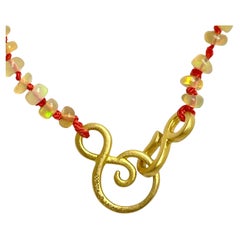
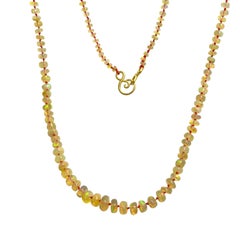
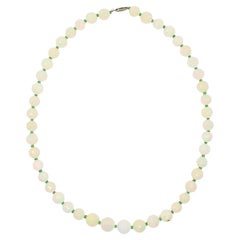
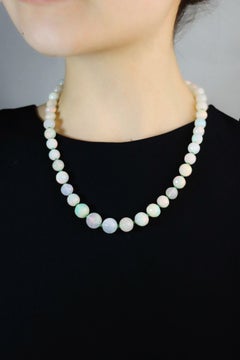
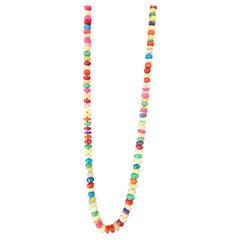
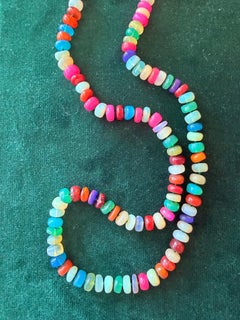
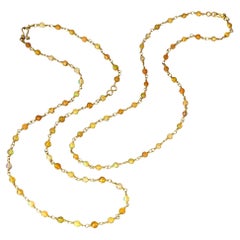
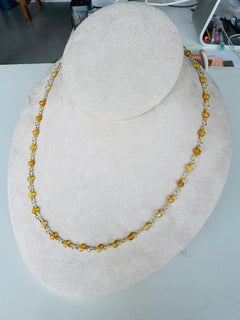
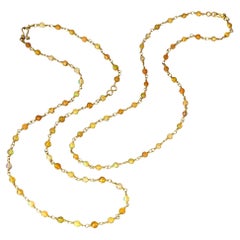
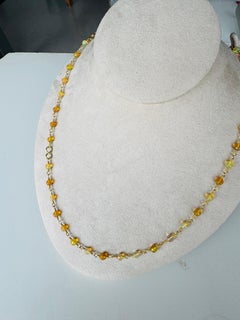
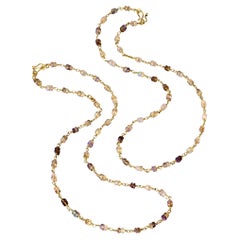
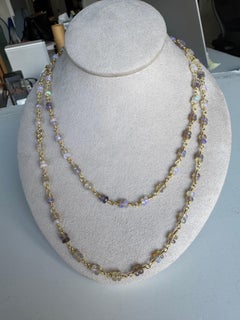
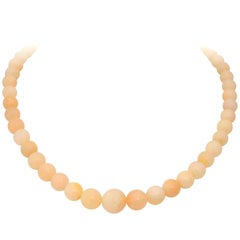
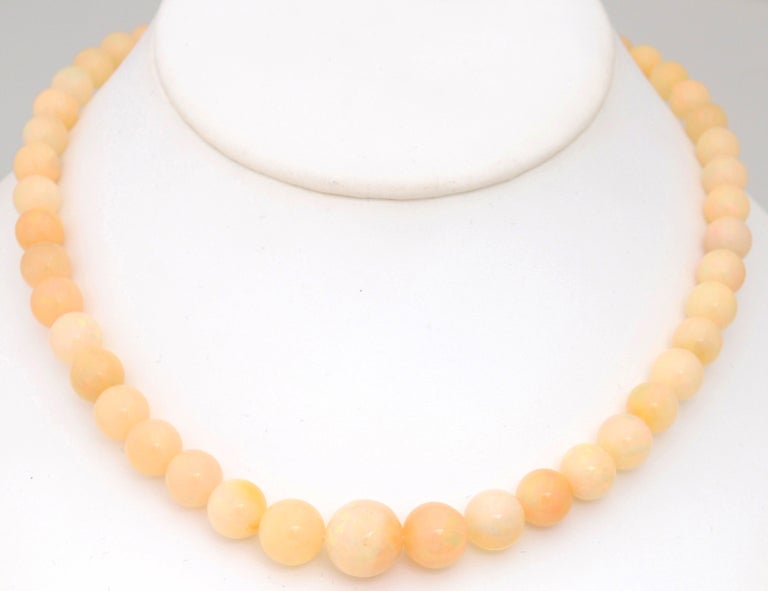
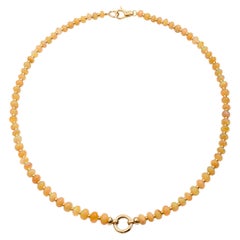
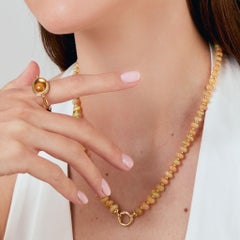
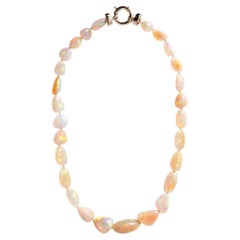
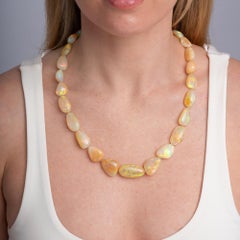
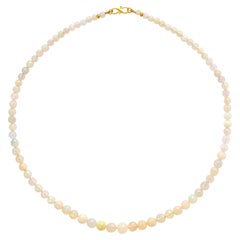
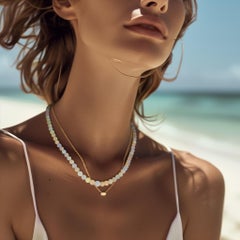
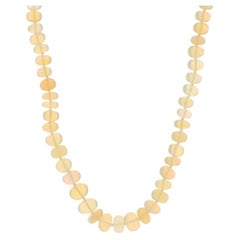
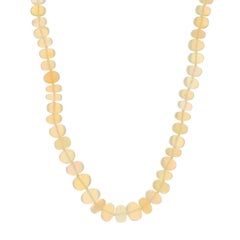
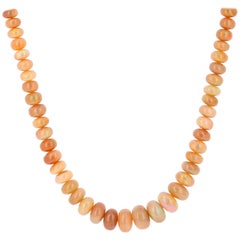
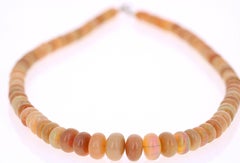
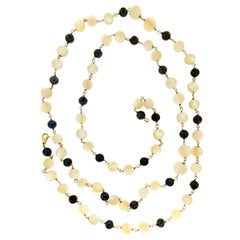
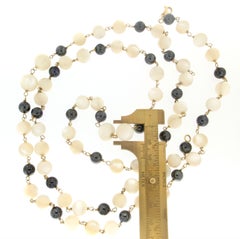
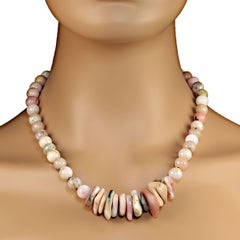
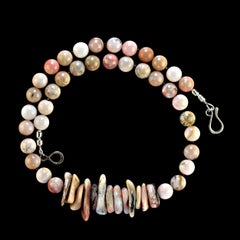
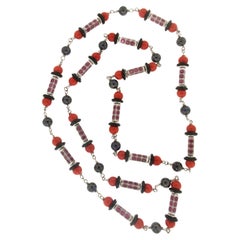
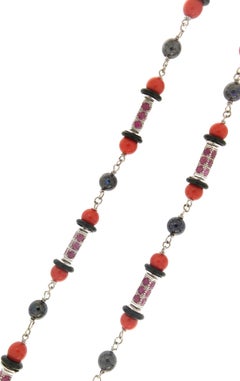
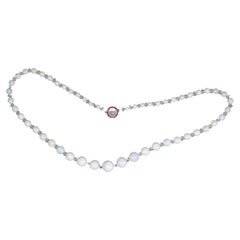
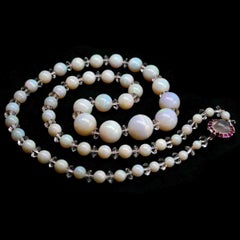
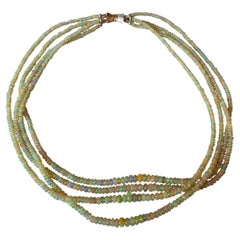
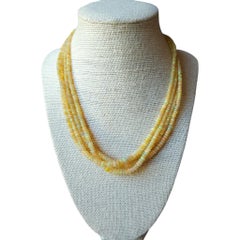
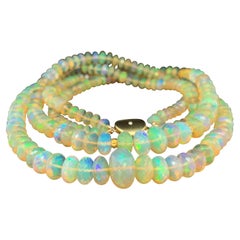
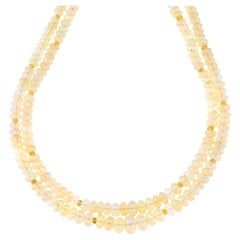
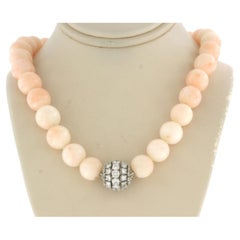
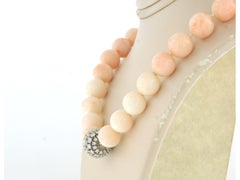
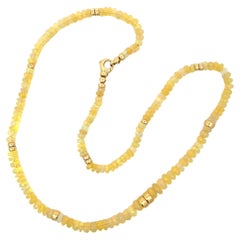
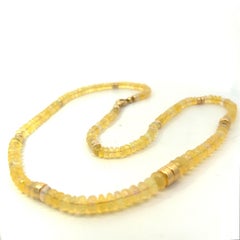
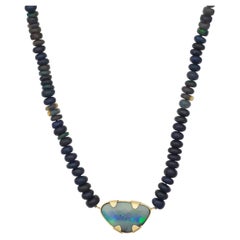
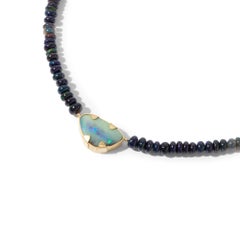
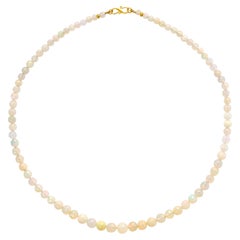
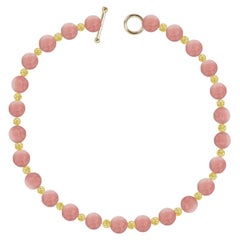
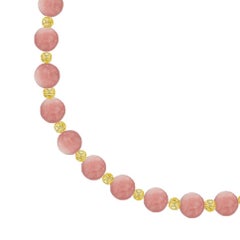
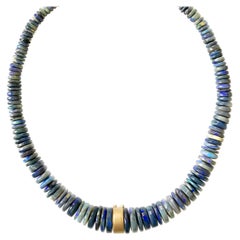
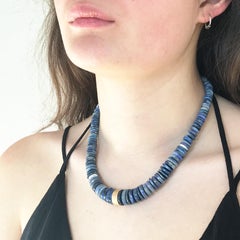
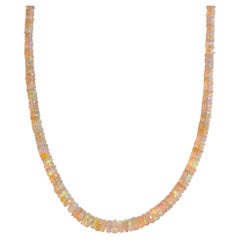
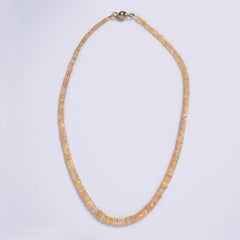
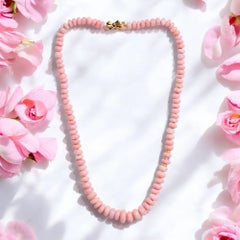
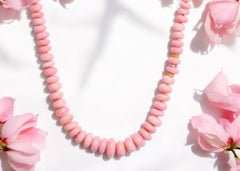
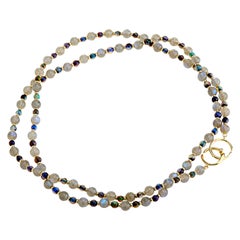
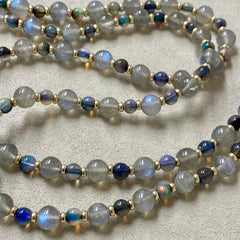
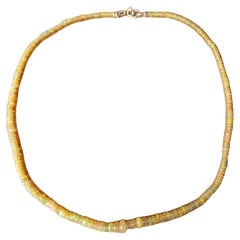
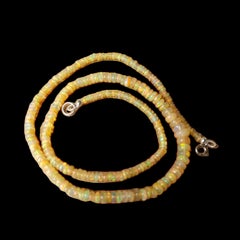
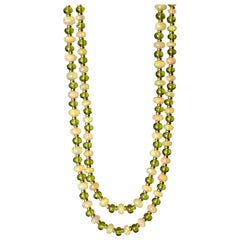
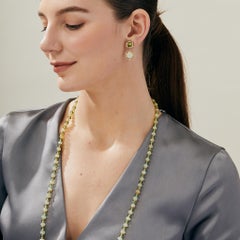
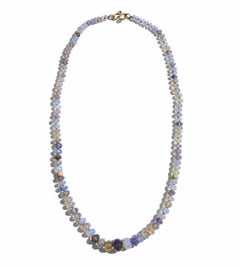
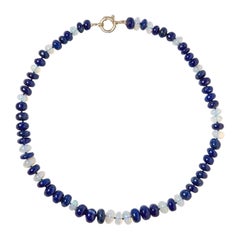
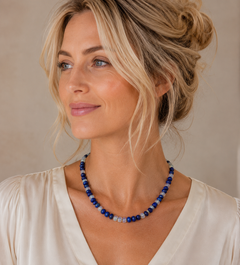
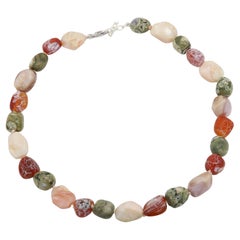
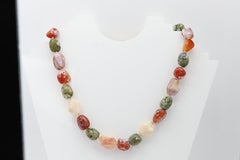
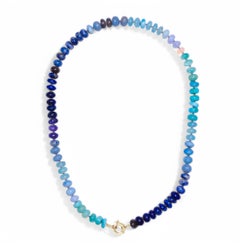
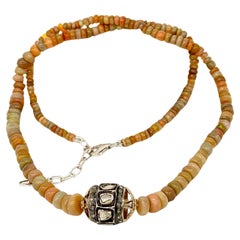
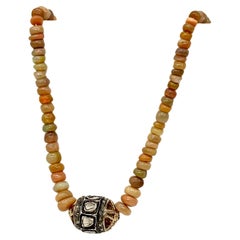
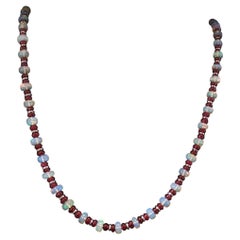
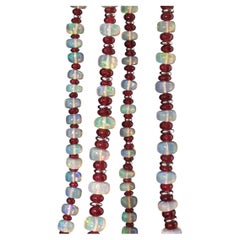
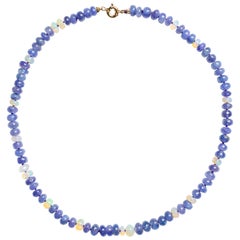
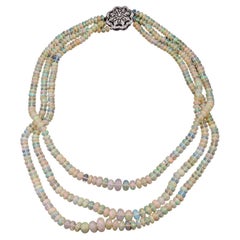
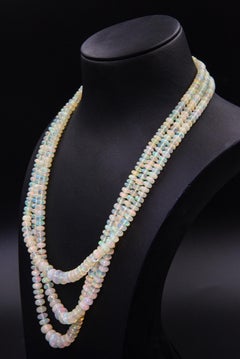
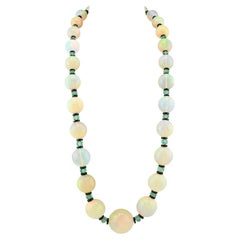
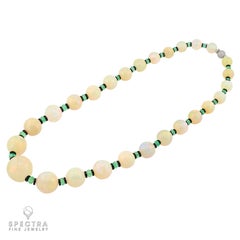
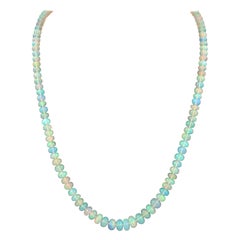
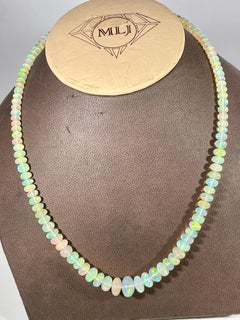
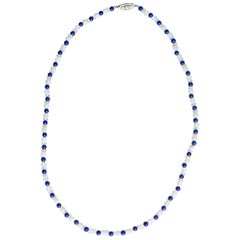
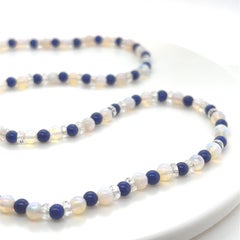
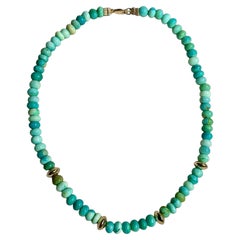
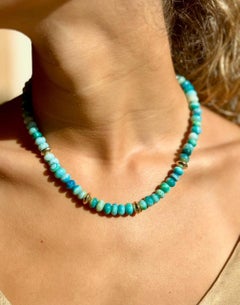
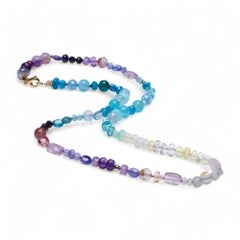
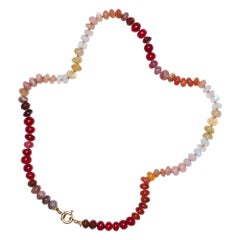
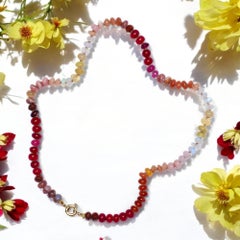
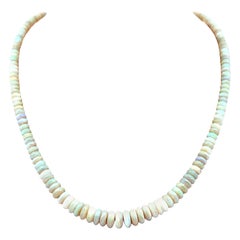
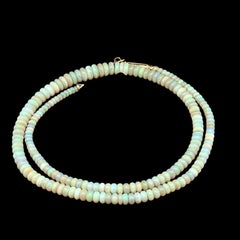
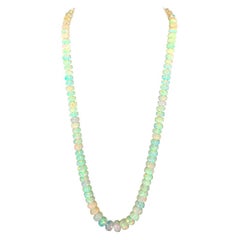
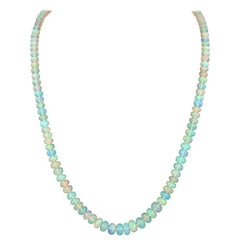
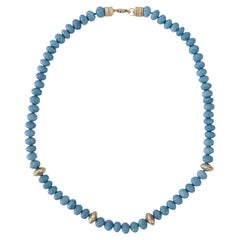
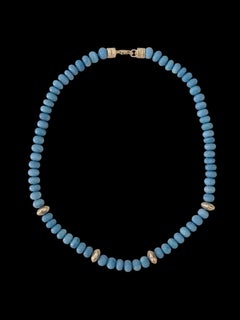
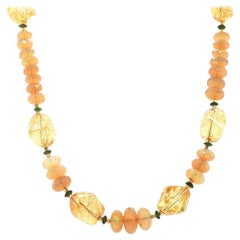
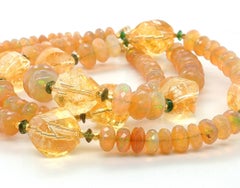
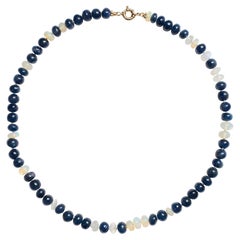
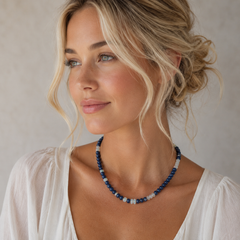
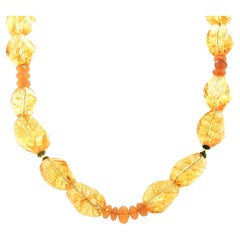
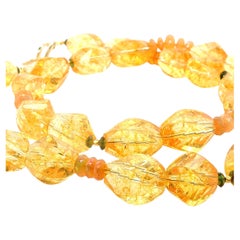
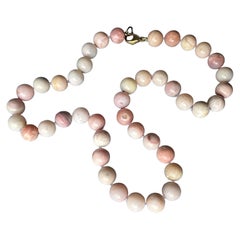
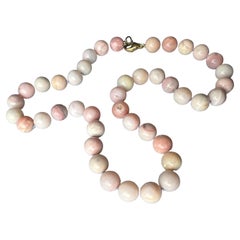
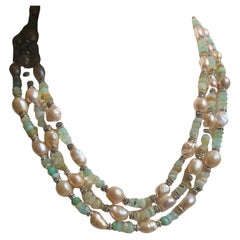
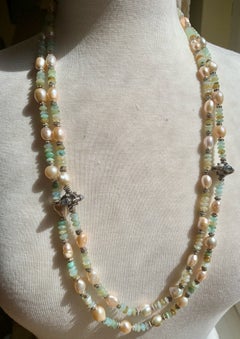
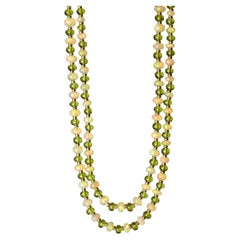
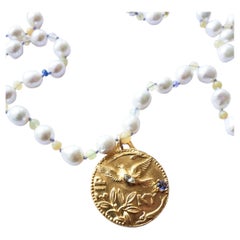
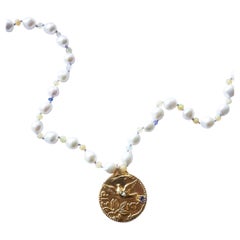
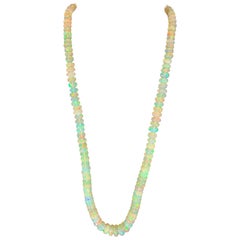
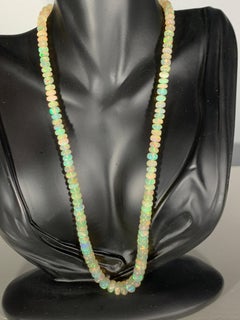
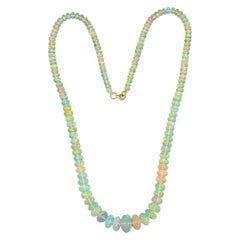
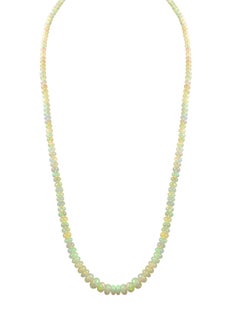
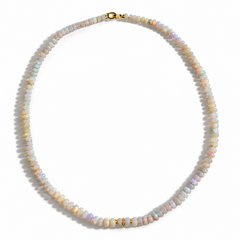
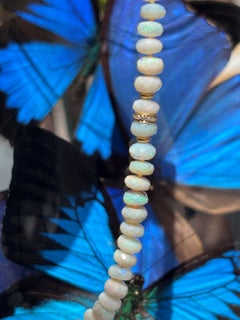
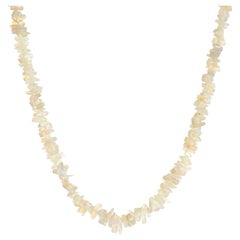
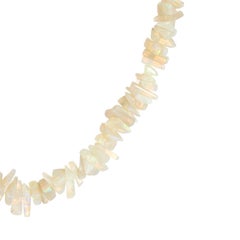
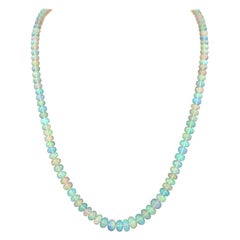
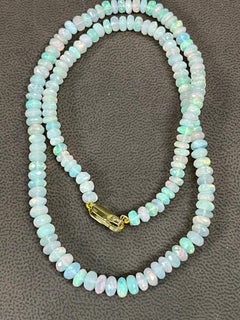
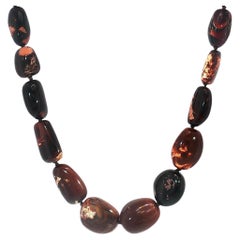
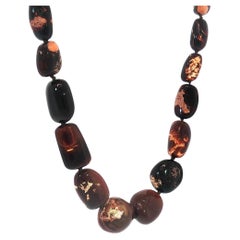
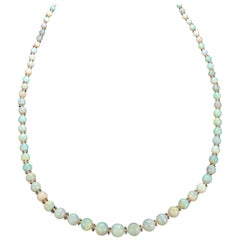
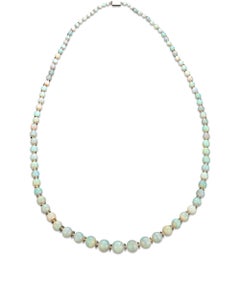
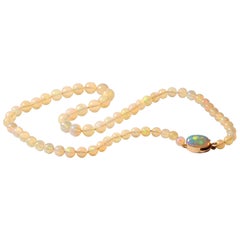
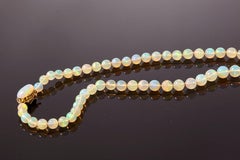
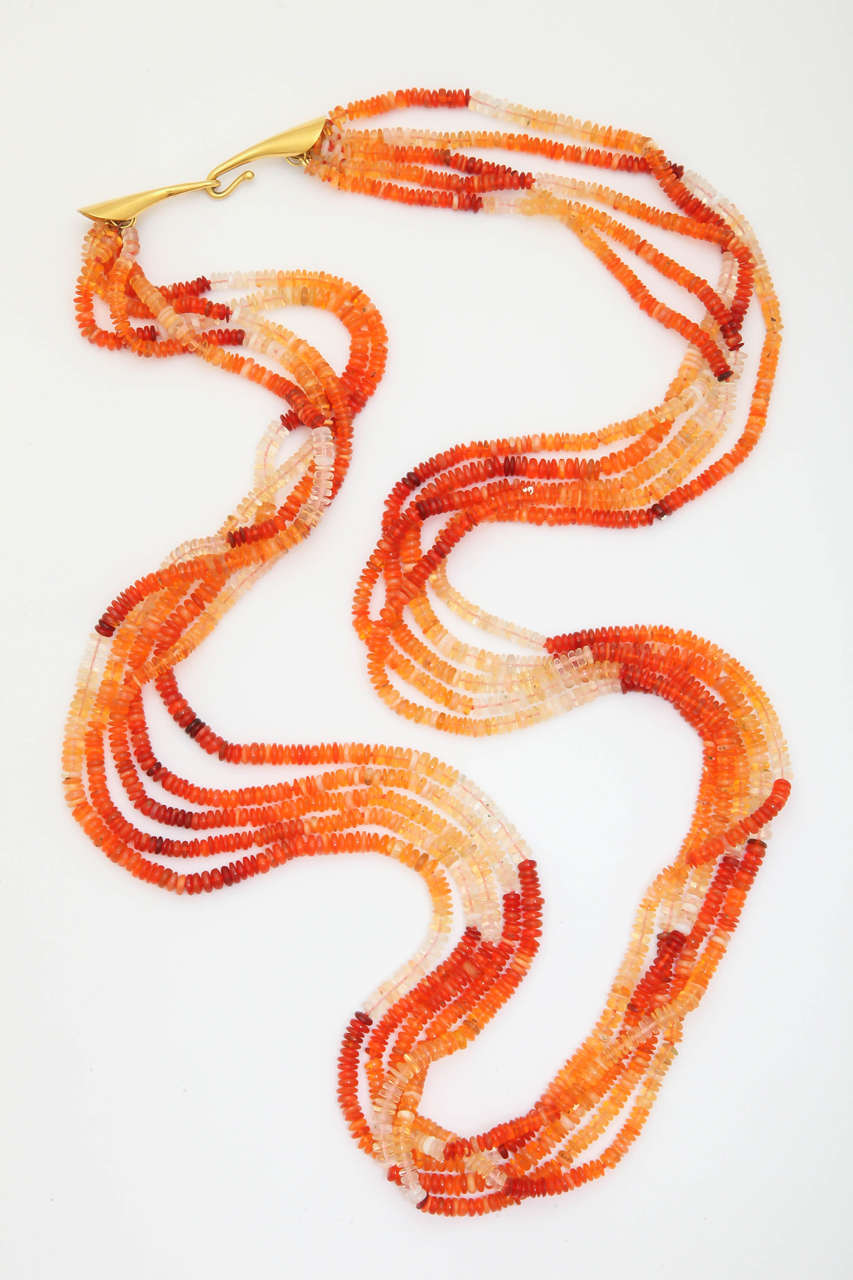
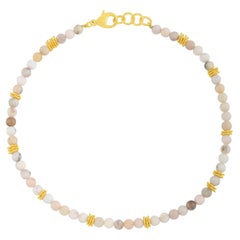
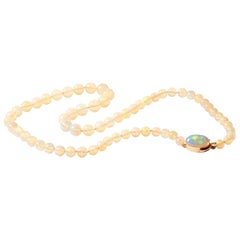
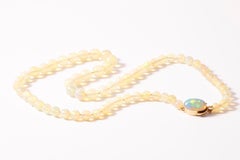
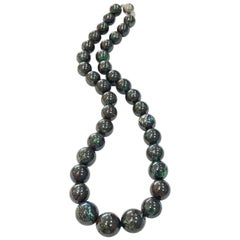
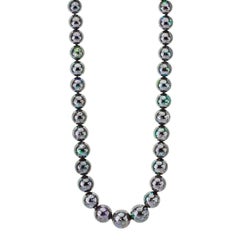
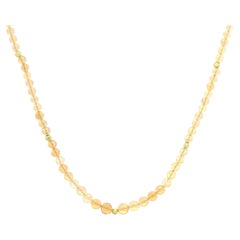
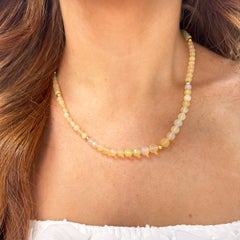
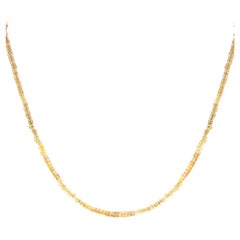
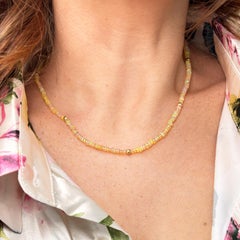
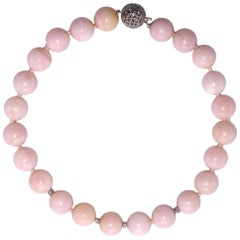
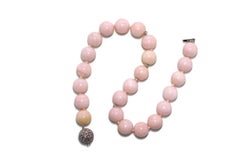
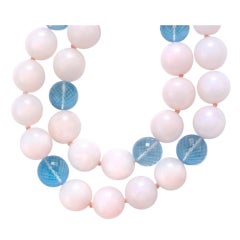
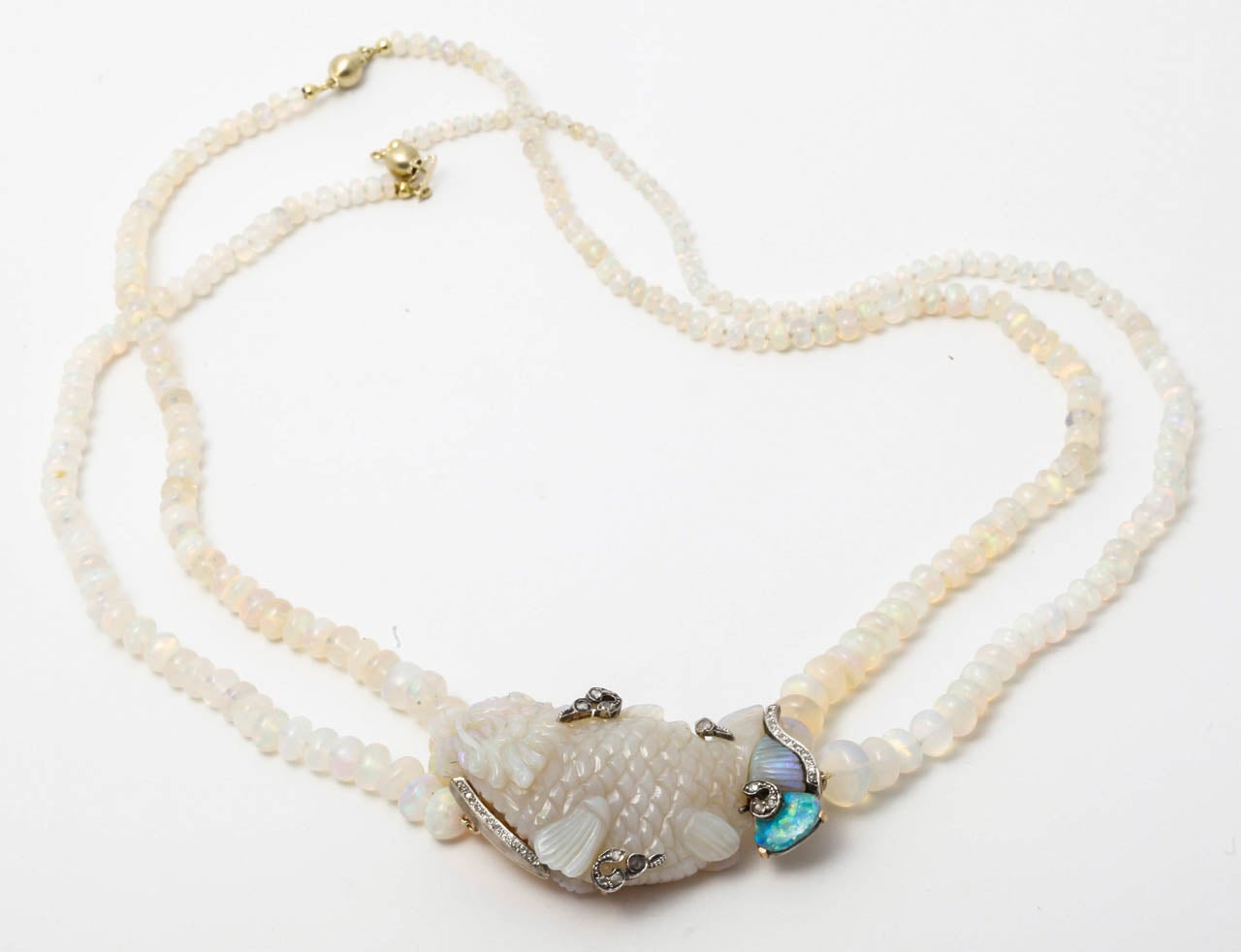
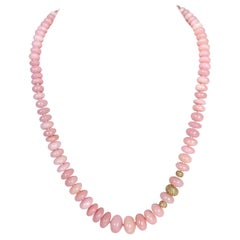
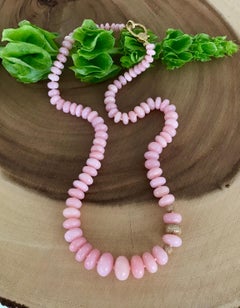
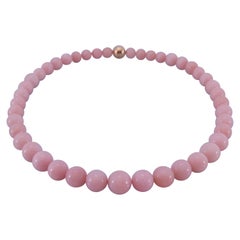
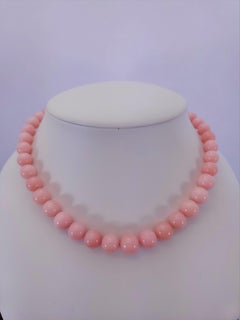
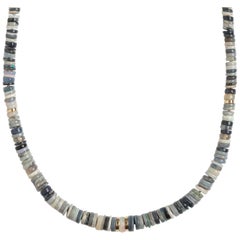
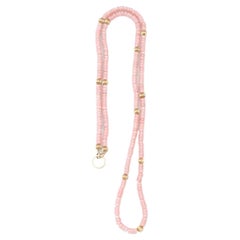
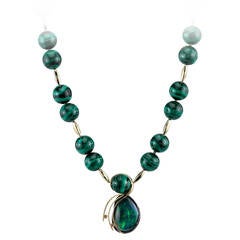
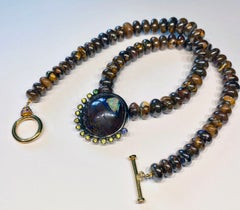
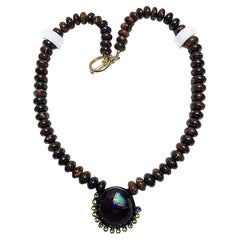
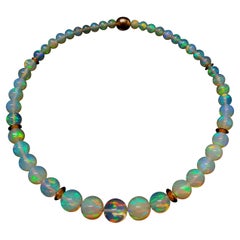
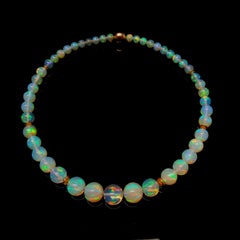
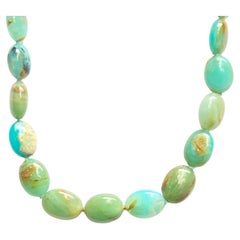
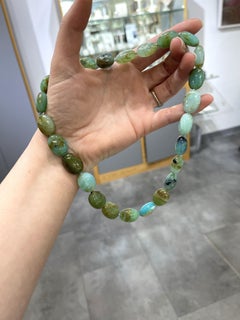
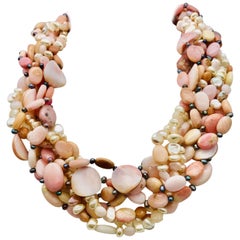
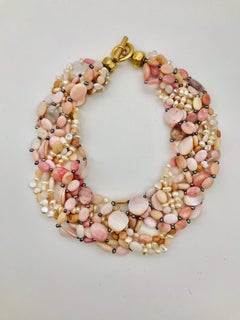
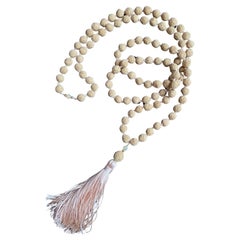
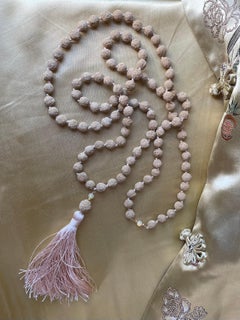
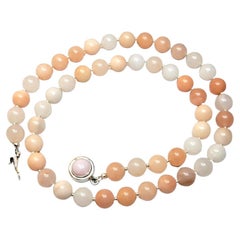
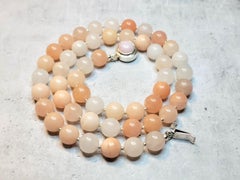
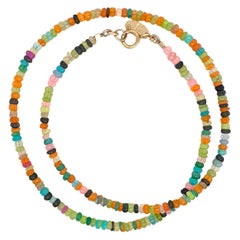
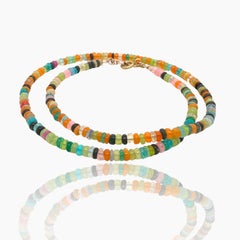
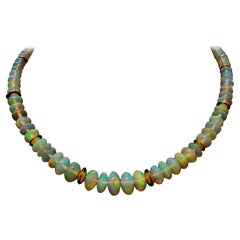
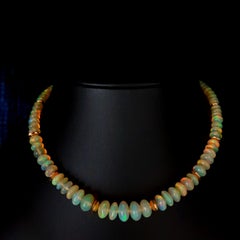
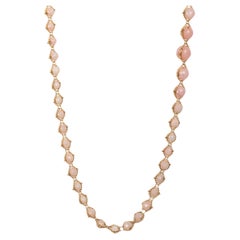
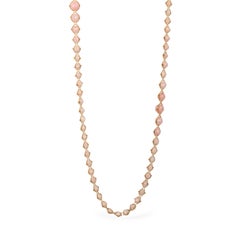
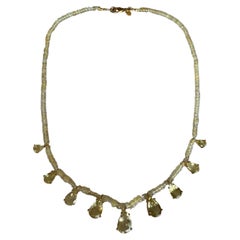
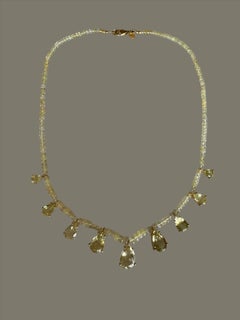
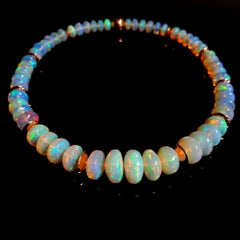
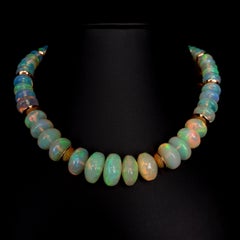
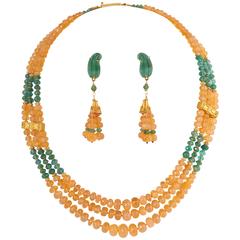
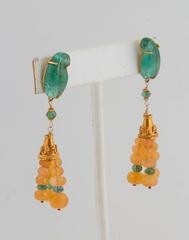
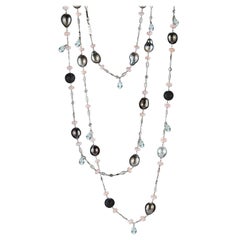
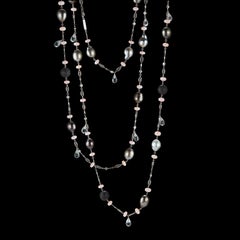
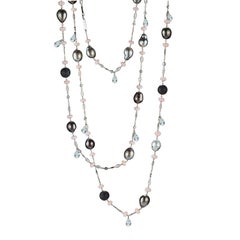
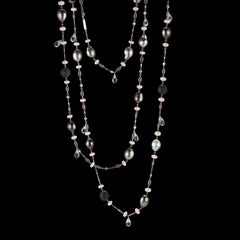
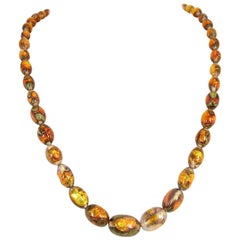
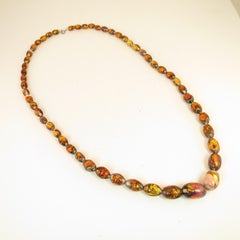
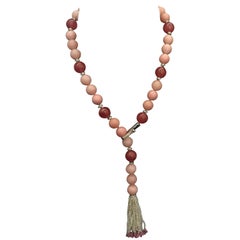
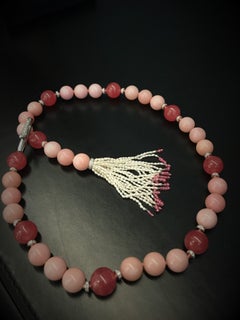
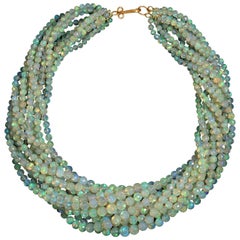
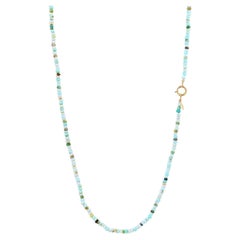
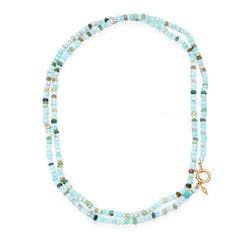
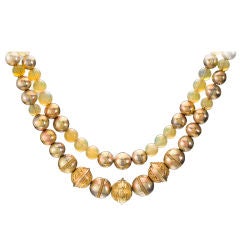
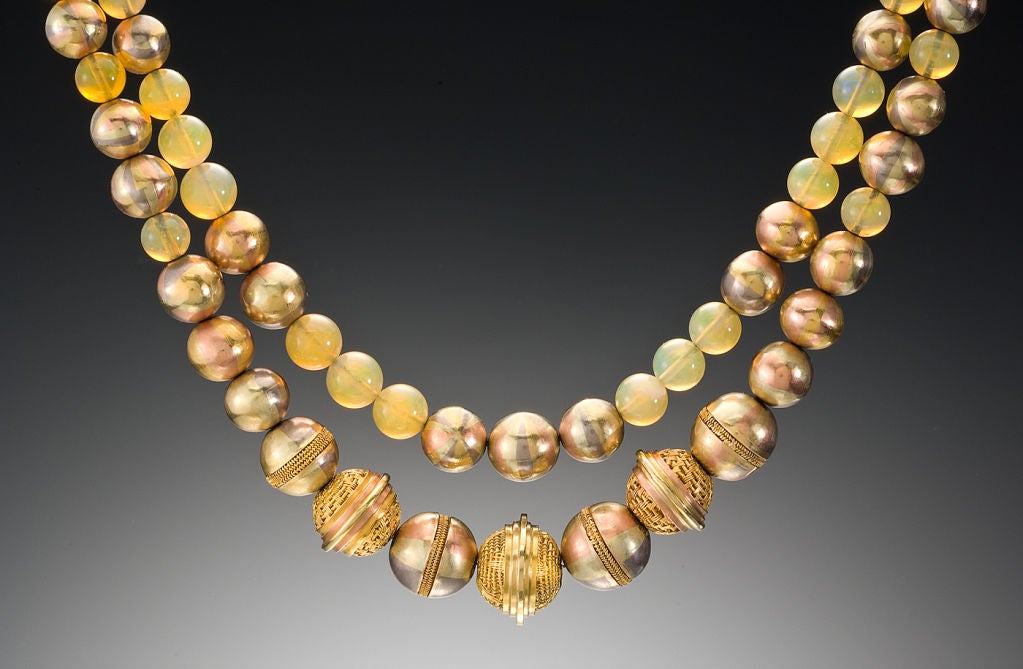
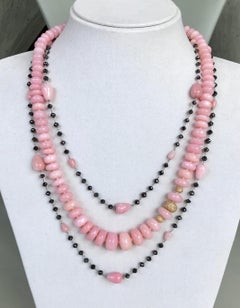
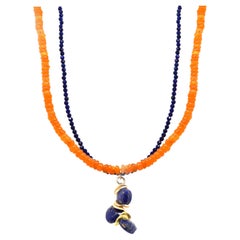
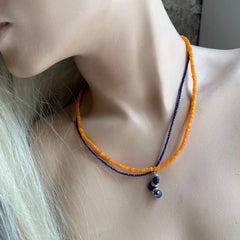
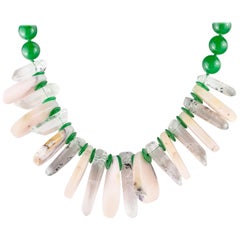
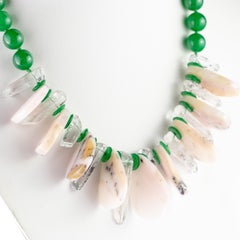
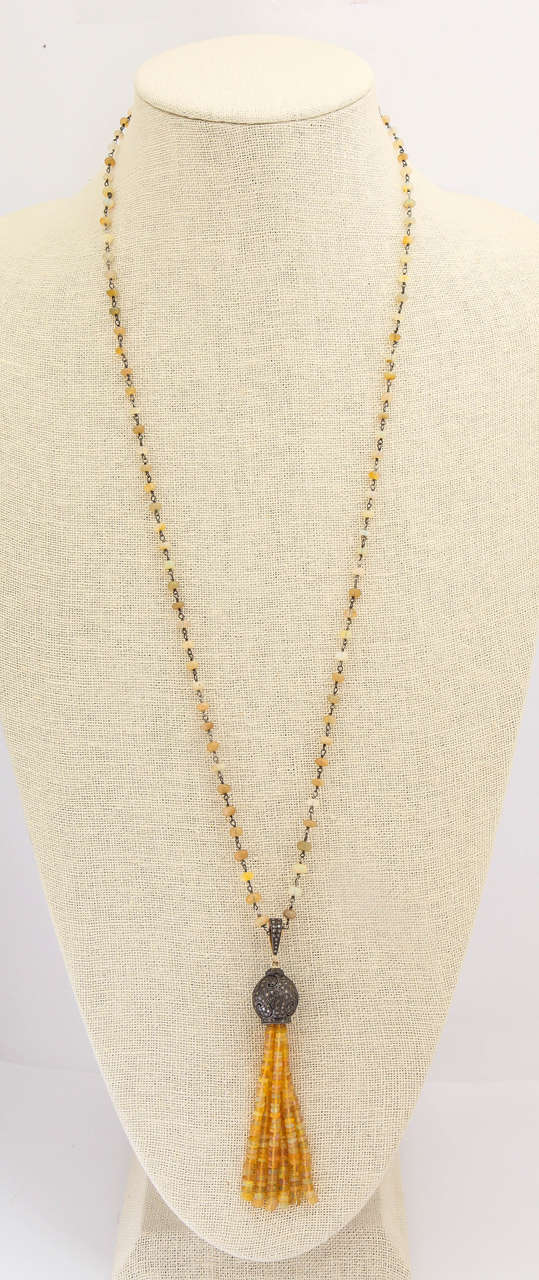
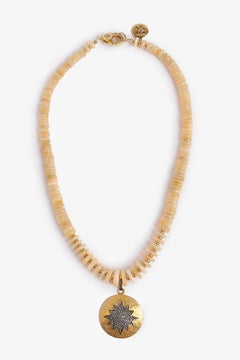
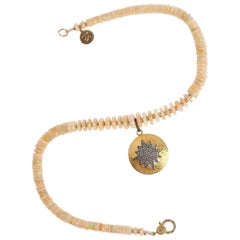
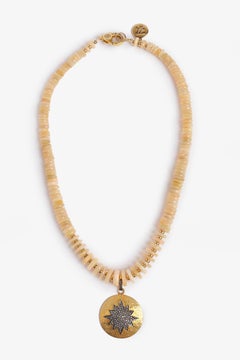
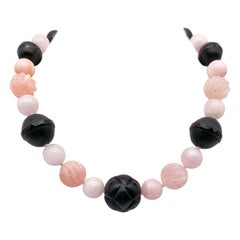
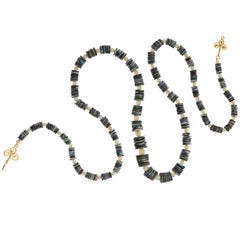
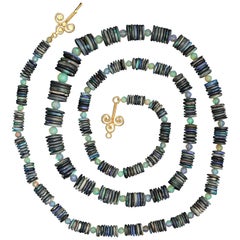
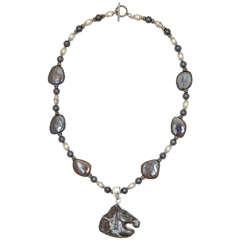
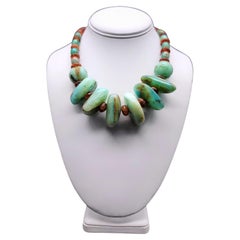
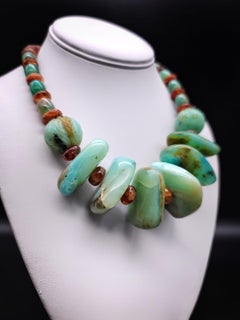
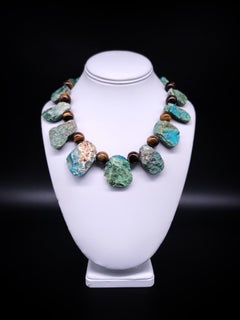
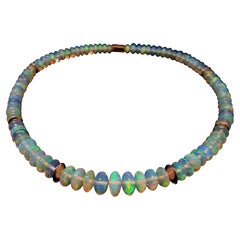
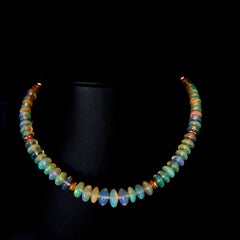
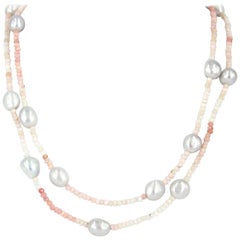
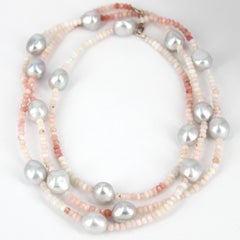
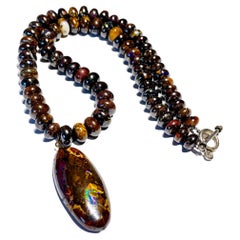
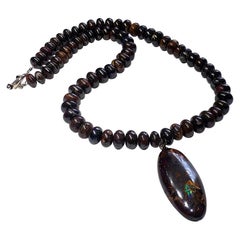
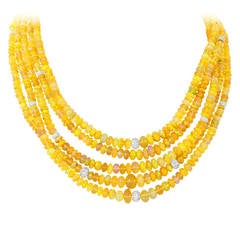
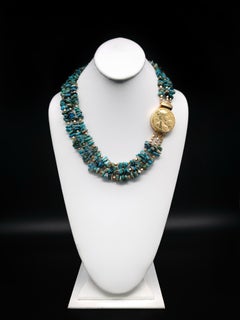
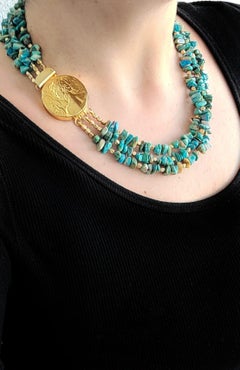
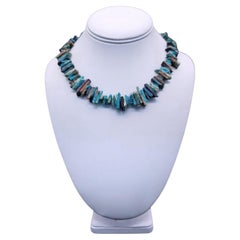
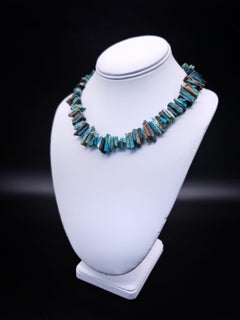
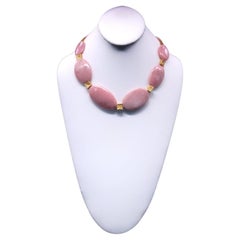
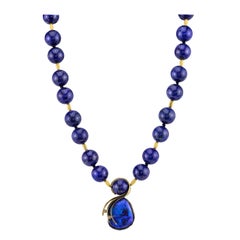
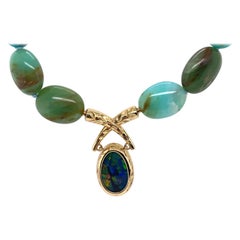
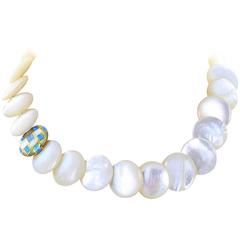
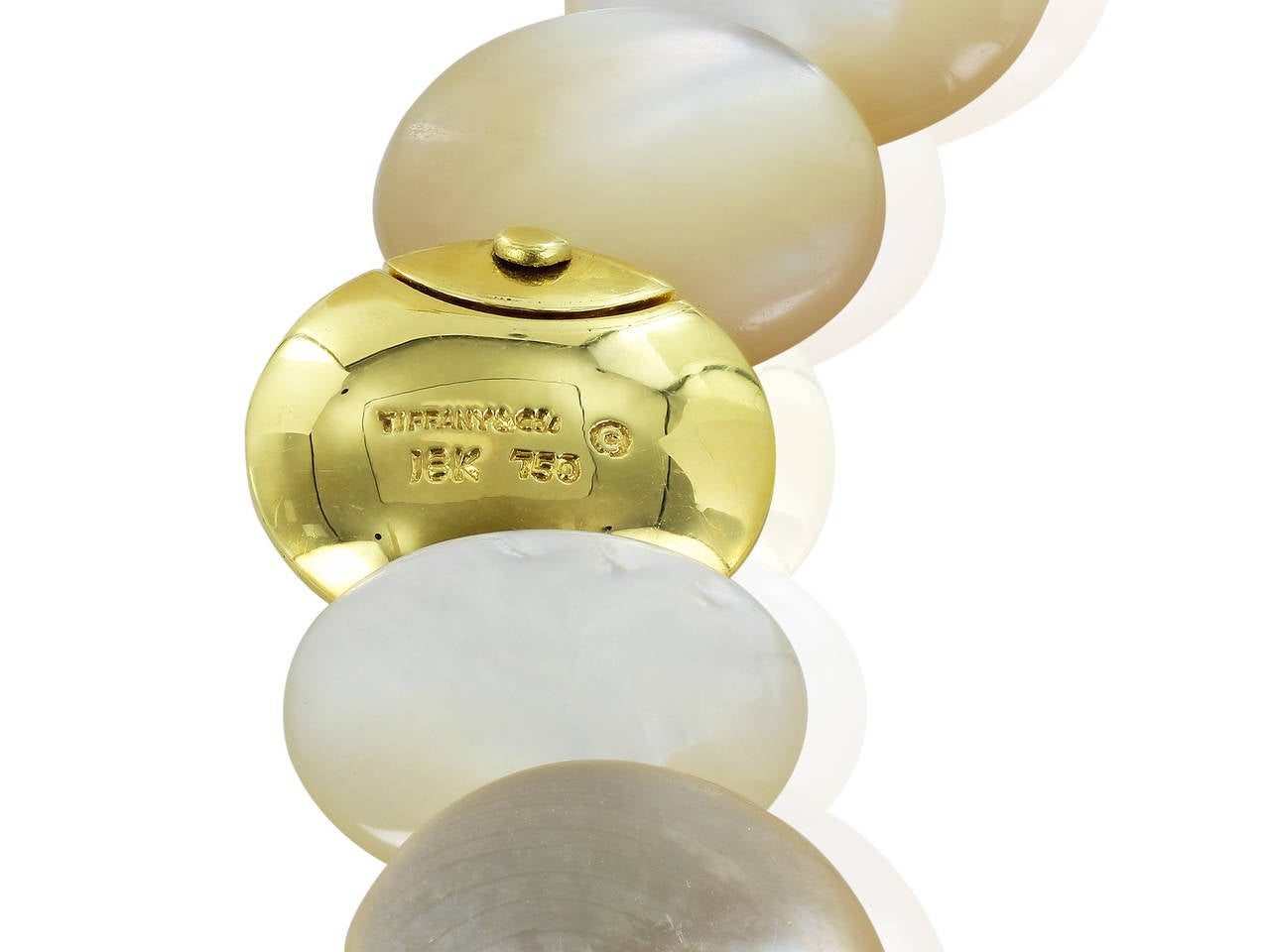
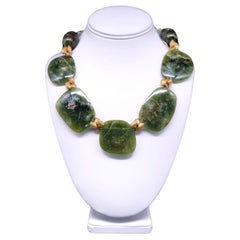
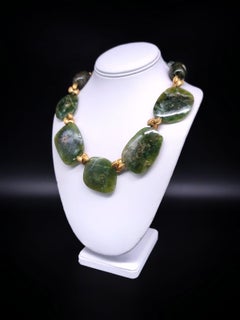
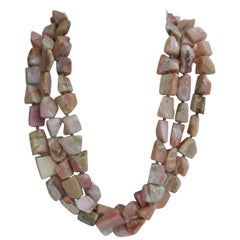
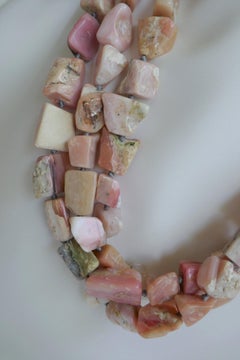
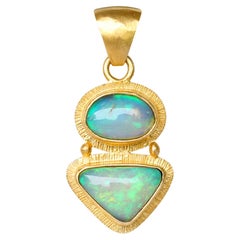
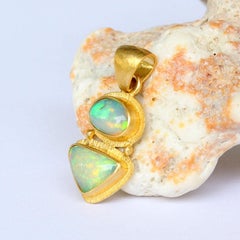
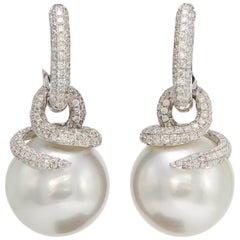
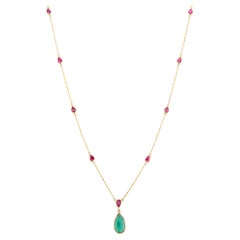
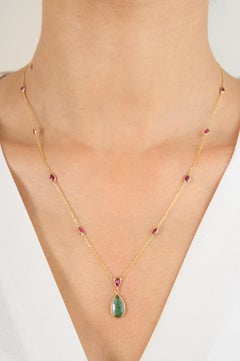
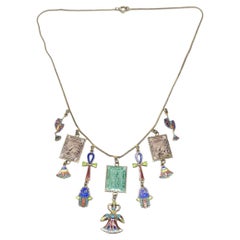
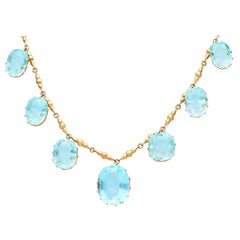
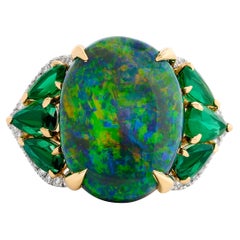
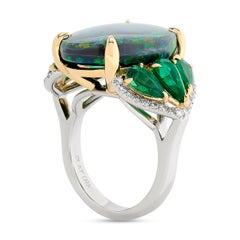
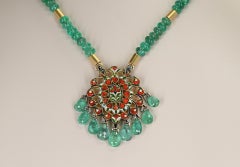
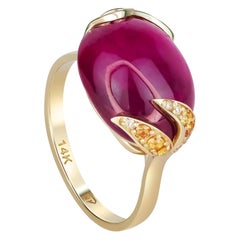
You are likely to find exactly the opal bead necklace you’re looking for on 1stDibs, as there is a broad range for sale. Every item for sale was constructed with extraordinary care, often using
gold,
silver and
18k gold. Find an antique version now, or shop for 113 vintage or 506 modern creation for a more contemporary example of these cherished accessories. Finding the perfect opal bead necklace may mean sifting through those created during different time periods — you can find an early version that dates to the 19th Century and a newer variation that were made as recently as the 21st Century. Creating an opal bead necklace has been a part of the legacy of many jewelers, but those produced by
A.Jeschel One-of-a-kind,
Aria Jewelry Design and
Clarissa Bronfman are consistently popular. A
bead version of this piece has appeal, but there are also
mixed cut and
round cut versions for sale. If you’re browsing our inventory for an opal bead necklace, you’ll find that many are available today for
women, but there are still pieces to choose from for unisex and
men.
Opals were discovered in 400 BC, and since then five types have been found throughout the world. Before you start shopping for mysteriously beautiful vintage opal rings and other opal jewelry, learn about the different varieties of the gem — and find out which historical figure was reportedly willing to trade his kingdom for a single stone.
Here is a little riddle for you: the month of October has two birthstones, but only one of them encompasses the colors of other birthstones. If you guessed opal, you’re right! (The other gemstone associated with the month of October is tourmaline.)
Opals are such unusual gemstones that there are too many old-wives tales associated with them, like if you’re a blond, wearing an opal necklace will protect your locks from losing color. Opals were also very fashionable in the early 19th century, up until the publication of Sir Walter Scott’s novel Anne of Geierstein in 1829. The title heroine wears an opal and succumbs to an untimely death. However, the British monarchy, and in particular Queen Victoria, did not let this story get in their way, and they frequently gifted opals to friends and family members. October babies should disregard the noise and proudly wear their opals!
There are five types of precious opals: boulder opal, fire opal, crystal/water opal, black opal, and white/light opal. Each variety is distinguished by its color.
So, where does the name come from? The word opal is thought to originate from the Roman opalus or from the Sanskrit úpala (“precious stone”) or from the Greek opallios (“to see a color change”). So while there have been many names for the stones, opals were first discovered in 400 BC in Ethiopia. But the early reference that comes up most often in history books is from the Roman philosopher Pliny the Elder, who wrote about it in 75 AD. In his text he refers to it as opali. The Romans were big fans of opal, Mark Antony was so enamored by it that, as the story goes, he was willing to trade a portion of his kingdom for a single opal.
There's a wide variety of antique and vintage opal jewelry on 1stDibs (and you won't have to trade your kingdom for it).
Whether they’re chunky, statement-making accessories or a single strand of the understated sort, antique and vintage beaded necklaces are versatile pieces of jewelry. Indeed, the unique beaded necklaces in your jewelry box likely go with everything, from casual summer tops and shorts to dazzling evening gowns.
From the fish-bone and seashell jewelry of the prehistoric era to the breathtaking amulets and pendants of ancient Egypt to modern sapphire beads, people have been accessorizing with beaded necklaces for eternity.
Beaded necklaces — as well as other kinds of necklaces — were common in prehistoric times. Personal adornment was important, and jewelry was made for every part of the body. Beadwork is among the best known art forms attributed to Native Americans, and just as they had for saddlery and clothing, early populations would fashion beads for necklaces with stone tools or instruments made of wood. The making of colorful glass beads for beaded necklaces likely originated in Venice, Italy, during the 14th century, particularly given the growth of the decorative glass industry on the series of Venetian islands called Murano. During the Neolithic period, humans were buried with coral beaded necklaces from the Mediterranean, even as far north as the Alps.
Whether you’re seeking the pop of color you’ll get in a double-row jade beaded necklace from the Art Deco era — which encompasses the 1920s and ’30s and ushered in a very distinct look in jewelry design — or perhaps a simple strand of pearls for a blouse that leaves your neck bare, remember that different necklines call for different pieces of jewelry.
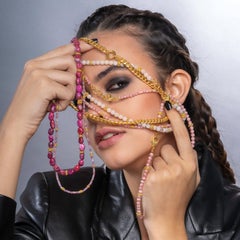
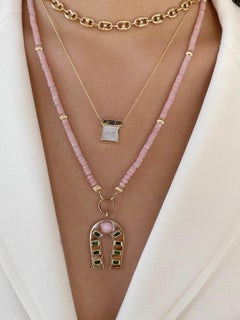
When accessorizing with a beaded necklace, a long piece with a pendant will likely pair best with your favorite vintage V-neck dress or V-neck tee, while beaded chokers and collar necklaces are a stylish fit for strapless tops. Bigger beads will hit your neckline in a different way than a more minimalist necklace might, so you’ll want to keep that in mind. Choose colors you like and pick items that will go with what is in your closet. When the occasion calls for it, don’t be afraid to stack. “More is more” for some, so pairing a delicate strand with a bolder piece might be the move for you.
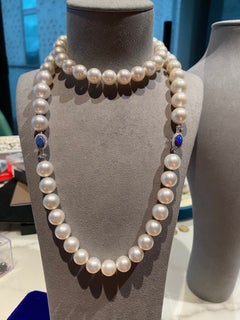
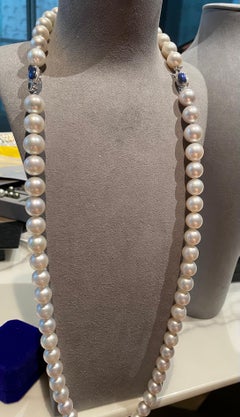
On 1stDibs, find a collection of pearl beaded necklaces, antique emerald beaded necklaces, diamond beaded necklaces and more.