Religious Antique Furniture
Early 20th Century Spanish Colonial Religious Items
Metal

Antique 19th Century Classical Roman Religious Items
Carrara Marble
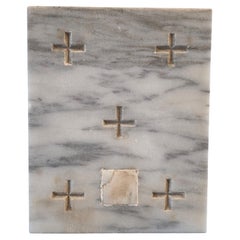
Antique 19th Century Mexican Spanish Colonial Religious Items
Glass, Art Glass, Wood, Paint
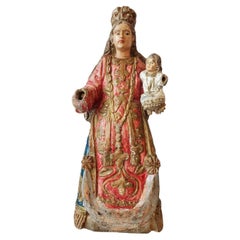
Antique Early 19th Century Italian Baroque Religious Items
Bone, Giltwood
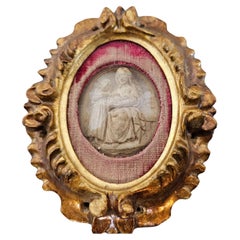
Antique Late 19th Century Belgian Baroque Religious Items
Fabric, Velvet
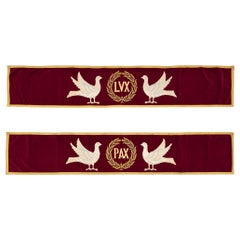
Antique 1730s French Religious Items
Paper
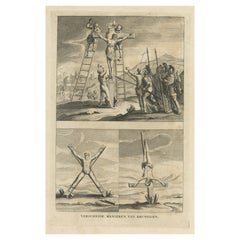
Antique Mid-19th Century Unknown Religious Items
Wood
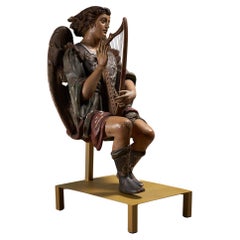
Antique Mid-19th Century Unknown Religious Items
Wood
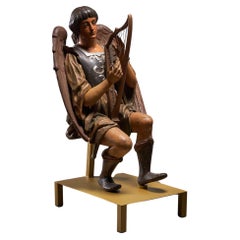
Antique Late 18th Century Spanish Colonial Religious Items
Wood, Paint
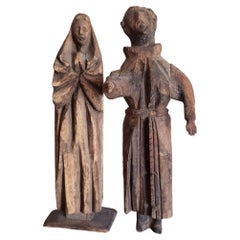
Antique 19th Century French Art Nouveau Religious Items
Belgian Black Marble, Ormolu
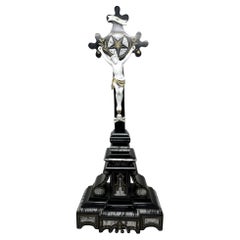
Vintage 1920s French Regency Religious Items
Bronze
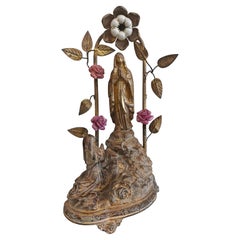
Antique 1680s Religious Items
Paper
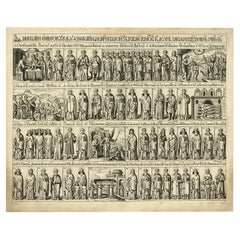

Early 20th Century German Art Nouveau Religious Items
Silver Plate, Sheet Metal
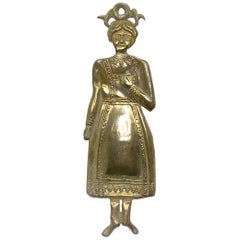
Antique 19th Century Italian Neoclassical Religious Items
Pine, Giltwood
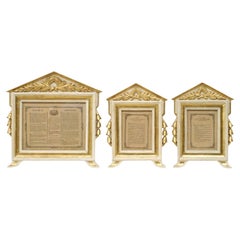
Antique Mid-19th Century French Gothic Revival Religious Items
Marble, Bronze
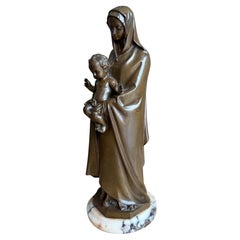
Antique 1820s Spanish Folk Art Religious Items
Pine
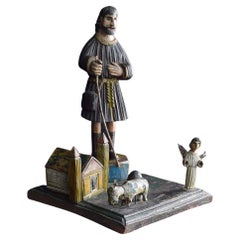
Antique 17th Century European Religious Items
Hardwood
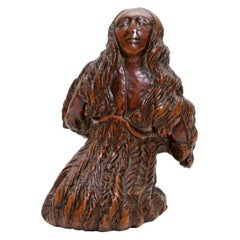
Antique 1820s Unknown Religious Items
Pine
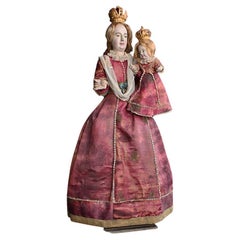
Antique 19th Century Mexican Folk Art Religious Items
Wood, Paint
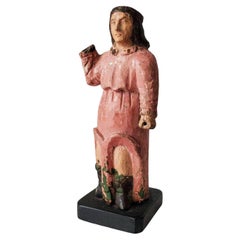
Antique 16th Century Italian Renaissance Religious Items
Wood
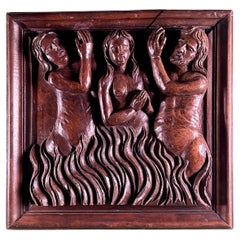
Antique 17th Century European Baroque Religious Items
Copper

Antique Late 18th Century French Medieval Religious Items
Iron
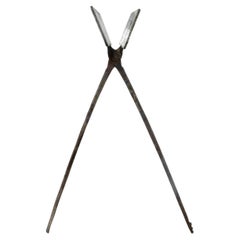
Antique 19th Century Spanish Baroque Religious Items
Silver, Brass

Antique Late 18th Century Italian Religious Items
Metal, Sheet Metal, Tin, Gold Leaf
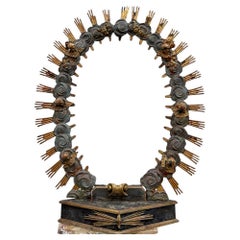
Early 20th Century Religious Items
Bronze
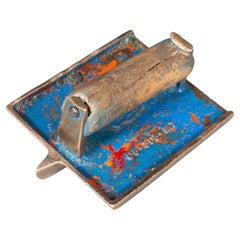
Antique Early 1800s Italian Religious Items
Silver
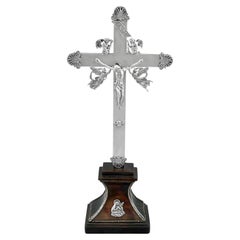
Early 20th Century German Art Nouveau Religious Items
Silver Plate, Sheet Metal
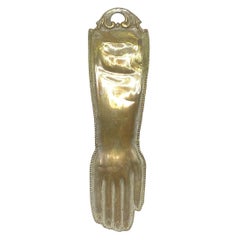
Antique Late 19th Century French Religious Items
Bronze
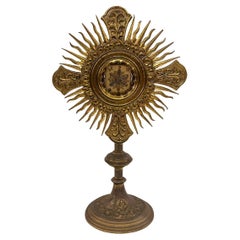
Antique Mid-19th Century English Victorian Religious Items
Clay
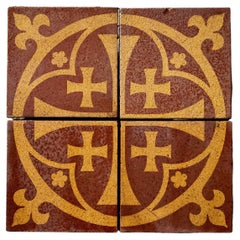
Antique 19th Century Polish Religious Items
Lead
Antique 1860s Religious Items
Fruitwood
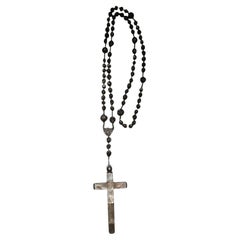
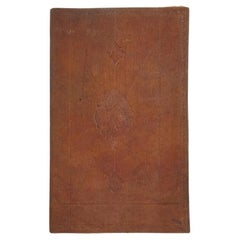
Antique Mid-19th Century Unknown Religious Items
Paper
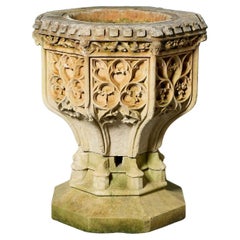
Antique Mid-19th Century English Gothic Religious Items
Stone, Limestone
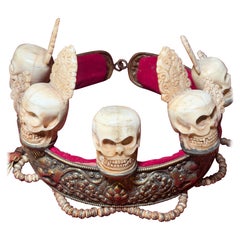
Antique 1890s Tibetan Tibetan Religious Items
Brass
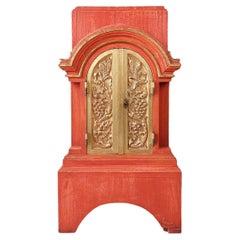
Antique Early 1900s French Religious Items
Wood
Vintage 1910s Scottish Religious Items
Sterling Silver
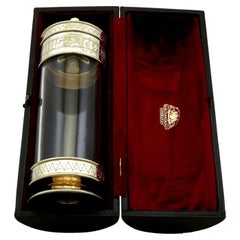
Antique 1850s French Rustic Religious Items
Wood
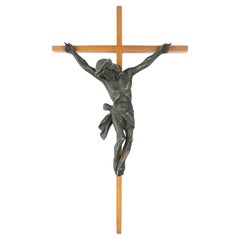
Antique Mid-19th Century French Neoclassical Religious Items
Plaster, Paint

Mid-20th Century French Renaissance Religious Items
Wrought Iron
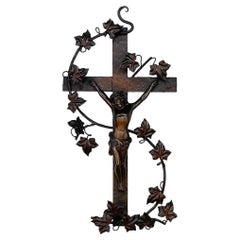
Antique 19th Century Italian Religious Items
Gold
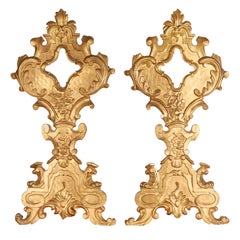
Vintage 1950s Spanish Modern Religious Items
Plaster

Early 20th Century Religious Items
Hide, Wood
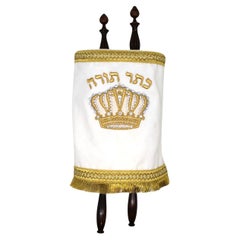
Antique Mid-19th Century Religious Items
Bronze
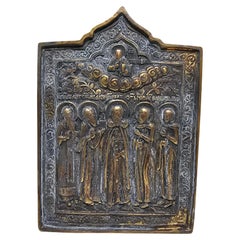
Antique Mid-19th Century Religious Items
Bronze
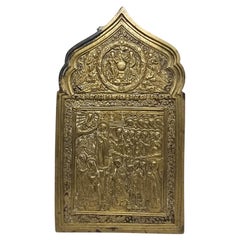
Antique Late 19th Century Religious Items
Bronze
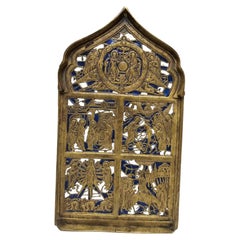
Antique Mid-19th Century Religious Items
Bronze
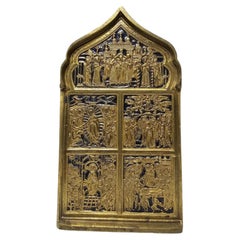
Antique Late 19th Century Unknown Religious Items
Sterling Silver
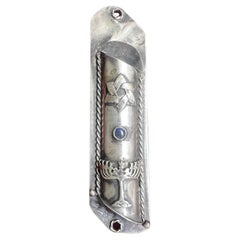
Antique Late 19th Century French Victorian Religious Items
Brass, Metal
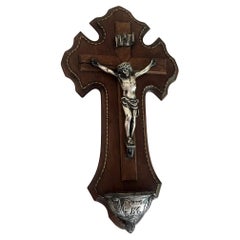
Antique 19th Century Serbian Balkan Religious Items
Wood, Paint

Antique Mid-19th Century Burmese Other Religious Items
Gold Leaf
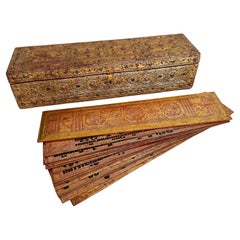
20th Century Austrian Religious Items
Sterling Silver
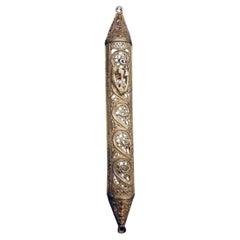
Antique Late 19th Century French Napoleon III Religious Items
Brass
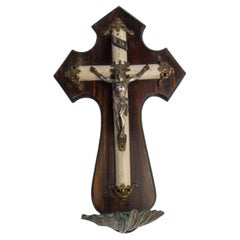
Antique Mid-19th Century French French Provincial Religious Items
Metal, Copper
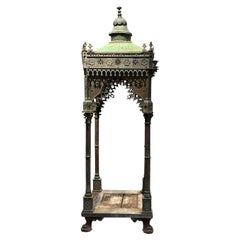
Early 20th Century Asian Religious Items
Hardwood
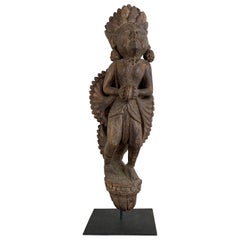
Antique 18th Century Italian Rustic Religious Items
Pine
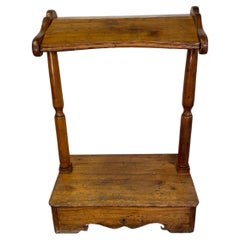
Antique 18th Century European Gothic Religious Items
Wood
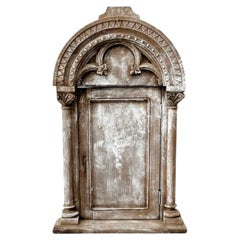
Antique Late 19th Century German Baroque Religious Items
Wood
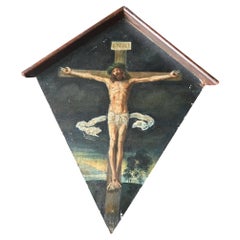
- 1
- ...
Religious Antique Furniture For Sale on 1stDibs
Finding the Right Religious-items for You
Religious art has had an enduring and significant role throughout history and continues to resonate with modern audiences. Over the years, vintage and antique religious artifacts have become popular with collectors and the devout alike, and religious art has been used to express devotion across a range of media.
Historic examples of religious art remain evocative. From the Renaissance to 1800, many Old Masters actively explored sacred themes from Christianity. In the Baroque period, painters infused religious scenes with intense emotions through the technique of chiaroscuro, which uses strong contrasts between light and dark.
From the 18th to 19th century, Gothic Revival saw designers using elements that evoked the Middle Ages. Artists found inspiration in the romantic qualities of medieval paneling, furniture and other accoutrements, such as candelabras, statues and crosses. Works created in the Gothic style add drama and a grandiose elegance to any room.
Religious art reflects the diversity of beliefs around the world. Islamic art and Judaica are just a couple of examples of the vibrant expression that has coursed through faith-based art over the centuries. Sculptures have long depicted the image of Buddha, while intricately carved reliefs have stunningly depicted deities from Hinduism, like Ganesh. Members of Nepalese religions that emphasize shamanism have made ornate drums, artistically enhanced with images of animals like birds.
In some cases, artisans have created pieces that celebrate specific religious holidays such as the Jewish festival of Hanukkah. But even everyday items are an opportunity to bring both art and religion into a space. For example, designers of furniture over the years have drawn on elements found in cathedrals and other religious settings in order to elevate their work.
On 1stDibs, find a varied collection of antique and vintage religious artifacts and other objects that can be searched by style, period, artist and material, such as wood or metal.
- 1stDibs ExpertMay 30, 2024To identify your antique furniture, look for an engraving, tag, label or other marking that indicates who produced it. You may find it on the bottom or back of your furniture or inside a drawer or cabinet. Once you have located the marking, you can snap a photo of it and use a reverse image search to try and identify the maker. Or, you can type a description of the mark into a search engine. Alternatively, you can use the services of a certified appraiser or antiques dealer to get assistance with identification. On 1stDibs, shop a large selection of antique furniture.
- What makes furniture an antique?1 Answer1stDibs ExpertAugust 15, 2019
A piece of furniture is considered an antique if it is at least 100 years old.
- Is antique furniture in style?1 Answer1stDibs ExpertApril 22, 2024Yes, antique furniture is in style. Many people appreciate the beauty and handcrafted character of antique furniture and love the idea of owning pieces with a rich history. Remember that style preferences are nothing if not fluid, meaning what's in one year may not be the next. So, in choosing the furniture you're planning to live with, you should pay less attention to interior design fads than to what speaks to you. That way, you can select pieces that will add long-term character to your home. On 1stDibs, find a large collection of antique furniture.
- 1stDibs ExpertApril 5, 2024To know if your furniture is antique, look for labels and markings that indicate the maker. From there, you can use trusted online resources to determine when they were active and examine images to try to estimate the age of your piece. Furniture produced 100 years ago or more is antique. You can also have your furniture assessed by an appraiser or antiques dealer to learn about its age. On 1stDibs, explore a large collection of antique furniture.
- 1stDibs ExpertMay 14, 2024Many antique furniture brands are popular. While trends in collecting do vary over time, some makers consistently remain highly sought after. Among them are J. & J.W. Meeks, John Henry Belter, R. J. Horner and Co., Stickley Furniture, George Hepplewhite, Josef Dannhauser, Thomas Chippendale and Thomas Sheridan. On 1stDibs, shop a variety of antique furniture.
- 1stDibs ExpertFebruary 22, 2021There are a number of factors that can indicate if your antique furniture is valuable. When determining the value of antique furniture, consider its rarity. Additionally, it is important to determine the quality and condition of vintage furniture. If unsure of the value of your vintage furniture, have it appraised.
- 1stDibs ExpertFebruary 22, 2021Antique furniture can be worth quite a lot, particularly if it is in good quality. The rarer the piece, the higher the value.
- 1stDibs ExpertFebruary 13, 2024Whether antique furniture is making a comeback is a matter of opinion. Many people would argue that antique furniture never faded from fashion, as there have always been individuals who love the idea of owning pieces that have history. Some of the most popular styles for antique furniture include Art Deco, Arts and Crafts, Renaissance Revival, Elizabethan, Gothic Revival, Victorian and Chippendale. Find a large collection of antique furniture from some of the world's top dealers on 1stDibs.
- 1stDibs ExpertFebruary 1, 2024To date antique furniture from the UK, first look for identifying markings on the piece. You can then use trusted online resources to determine when the maker was active. From there, you may be able to estimate the year of production by looking at images of other furniture the maker produced. An expert appraiser or antiques dealer can also aid you in the dating process. Find a large selection of antique furniture on 1stDibs.
- 1stDibs ExpertNovember 13, 2024How old furniture that is called antique can be is typically at least 100 years. People usually call furniture between 20 and 99 years old vintage. Contemporary is the word for furniture manufactured within the last 20 years. On 1stDibs, shop a large selection of antique, vintage and contemporary furniture from some of the world's top sellers.
- 1stDibs ExpertOctober 5, 2021The best finish for antique furniture is a matter of liking. But film finish is recommended by experts as it leaves a thick coat of film on the wood surface which protects wood from water and scratches. Shellac or varnish and water base are commonly used film finishes. Find an exquisite collection of antique, new and vintage furniture on 1stDibs
 PAGODA REDOctober 7, 2020
To determine the age of a Chinese furniture piece, look carefully at the joinery and finish. Natural expansion and contraction of the wood over time will cause a joint to protrude or retract, distorting a once-seamless fit. Antique lacquer finishes become crackled and worn over time. Areas of exposed wood, such as the underside of a table, the footrest of a chair, or the back of a cabinet should appear raw and dry compared to the finished surface. With use, the legs of tables and chairs become weathered near the bottom from precipitation and use.
- 1stDibs ExpertAugust 29, 2024To tell how old your antique furniture is, research the maker using trusted online resources. You may find that the furniture maker was active for only a short period, giving you the ability to roughly estimate its age. For manufacturers and designers with a long history of production, consider the style of your furniture and look for images of similar pieces published online. Because it may be difficult to date furniture on your own, consider consulting a certified appraiser or knowledgeable antique dealer. On 1stDibs, explore a variety of antique furniture.
- 1stDibs ExpertAugust 20, 2024To tell what your antique furniture is worth, look at sales histories on trusted online platforms and read valuation guides posted on trusted online resources. The maker, type, style, age and condition of your furniture will impact its value. Researching furniture produced by the same maker is a good starting point. A certified appraiser or knowledgeable antique dealer can also aid you in the valuation process. Find a large collection of antique furniture on 1stDibs.
- 1stDibs ExpertNovember 4, 2024To identify antique Chinese furniture, look carefully at its details. Chinese craftsmen often built furniture using mortise and tenon joinery, eliminating the need for nails and screws. If you see this type of hardware, your piece is likely not at least 100 years old, especially if the hardware still looks new and shiny. Since antique furniture was handmade, you will normally see slight imperfections, such as tool marks or slight variations in carvings. Pieces that appear completely uniform and pristine are less often genuine antiques.
When present, maker's marks can also be helpful. Research the marks to learn more about when the maker was active and producing pieces like yours. Alternatively, you can have a certified appraiser or experienced antique dealer evaluate your furniture for you.
Shop an assortment of antique Chinese furniture. - 1stDibs ExpertOctober 24, 2024To tell antique furniture from reproduction, first check for a maker's mark. By researching the maker associated with the marking using trusted online resources, you can determine when they were active. If the company was in business 100 years ago or more, your piece may be an antique, but if the company's history began more recently, your piece is likely a reproduction. If you can't locate a marking, study the details of the furniture up close. Genuine antiques will often show tool marks and slight variations in carved details because they were typically handcrafted. Most contemporary furniture is machine-made, so you won't usually see these types of characteristics. When in doubt, have a certified appraiser or knowledgeable antique dealer evaluate your furniture. On 1stDibs, find a wide variety of antique furniture.
- 1stDibs ExpertOctober 24, 2024To tell who made your antique furniture, seek out a maker's marking. Locations of these marks vary, but they are generally in an inconspicuous location. For example, a dresser may have the mark inside a drawer or on the back, while a hallmark on a table is often on a leg or under the tabletop. Once you locate a mark, you can use trusted online resources to identify the maker and learn more about them. If you can't find a marking on your piece, a certified appraiser or knowledgeable antique dealer can assist you with the identification process. Explore a large selection of antique furniture on 1stDibs.
- 1stDibs ExpertMay 14, 2024To be considered antique, furniture must usually be at least 100 years old. Contemporary is the name for furniture produced within the last 20 years. Vintage furniture is at least 20 years old. On 1stDibs, shop a diverse assortment of antique, vintage and contemporary furniture from some of the world's top sellers.
- 1stDibs ExpertAugust 26, 2024To tell the difference between antique and reproduction furniture, first look at hidden areas, such as the backs or insides of the drawers. On reproduction furniture, you may find plywood or engineered wood in these areas, while antique furniture will usually have solid hardwood on drawer interiors and backs. Also, slight irregularities and marks indicating that the furniture was built with hand tools rather than machines usually suggest that the piece is antique. Because it can be difficult to differentiate reproductions from genuine antiques without expertise and training, you may wish to consult a certified appraiser or knowledgeable antique dealer about the age of your piece. Find a diverse assortment of antique furniture on 1stDibs.
- 1stDibs ExpertJanuary 25, 2019
The difference between vintage and antique furniture is that vintage furniture is at least 20 years old, while antiques must be at least 100 years old to be considered antique.
Read More
Dickens Fan on Your List? This First Edition of ‘A Christmas Carol’ Is a Treasure
Produced in 1843, the well-preserved volume is evidence of the author's exacting specifications.
Patchwork Quilts Are the Latest Nostalgic Design Trend
New or old, the coverlets add old-time charm to any space.
Medal-Worthy Memorabilia from Epic Past Olympic Games
Get into the games! These items celebrate the events, athletes, host countries and sporting spirit.
Ahoy! You’ve Never Seen a Collection of Sailor Art and Kitsch Quite Like This
French trendsetter and serial collector Daniel Rozensztroch tells us about his obsession with objects related to seafaring men.
39 Incredible Swimming Pools
It's hard to resist the allure of a beautiful pool. So, go ahead and daydream about whiling away your summer in paradise.
Pamela Shamshiri Shares the Secrets behind Her First-Ever Book and Its Effortlessly Cool Interiors
The sought-after designer worked with the team at Hoffman Creative to produce a monograph that beautifully showcases some of Studio Shamshiri's most inspiring projects.
Moroccan Artworks and Objects Take Center Stage in an Extraordinary Villa in Tangier
Italian writer and collector Umberto Pasti opens the doors to his remarkable cave of wonders in North Africa.
Montecito Has Drawn Royalty and Celebrities, and These Homes Are Proof of Its Allure
Hollywood A-listers, ex-pat aristocrats and art collectors and style setters of all stripes appreciate the allure of the coastal California hamlet — much on our minds after recent winter floods.