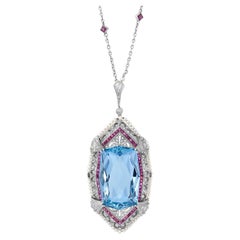
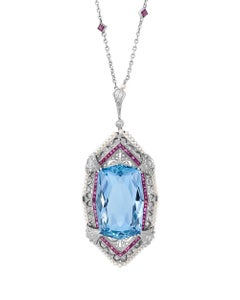
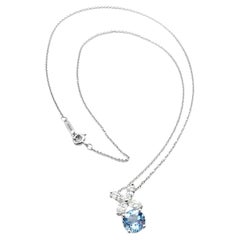
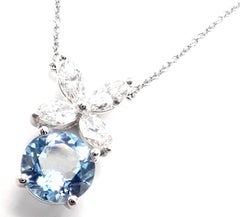
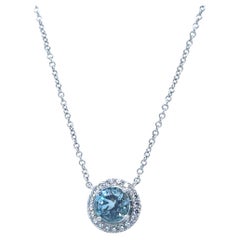
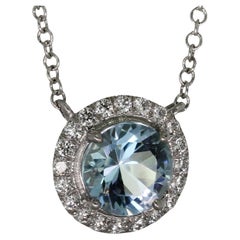
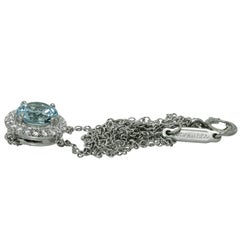
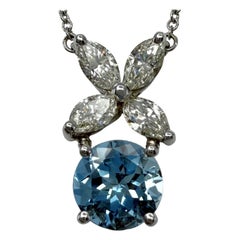
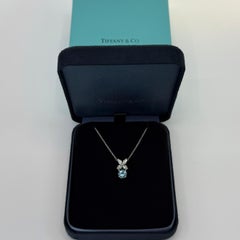
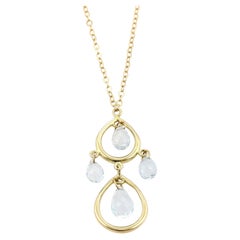
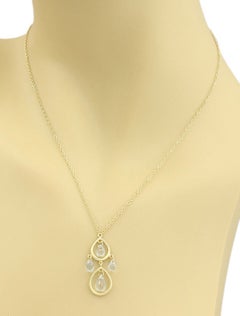
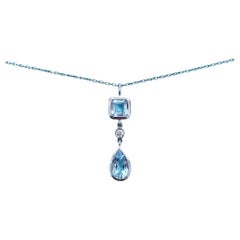
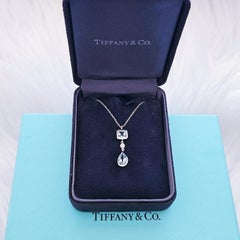
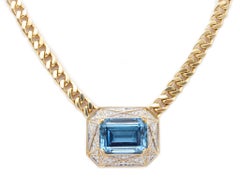
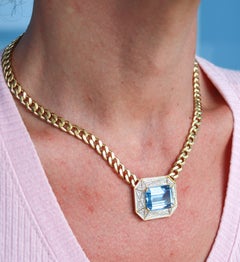
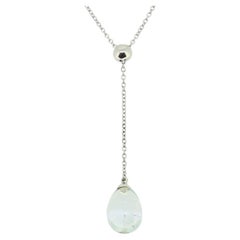
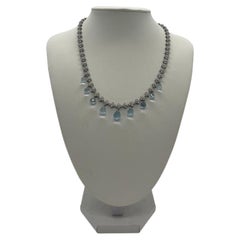
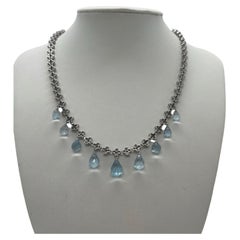
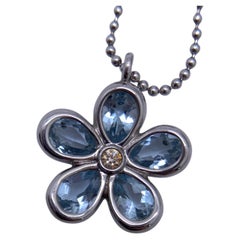
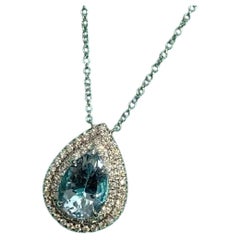
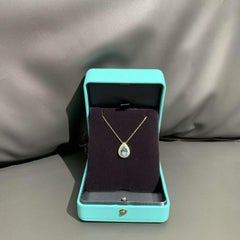
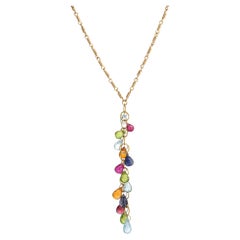
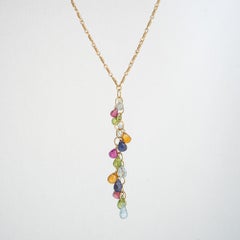
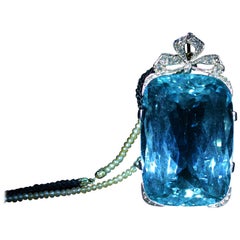
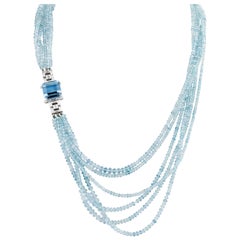
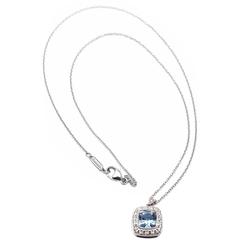
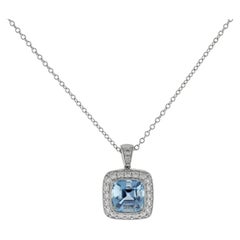
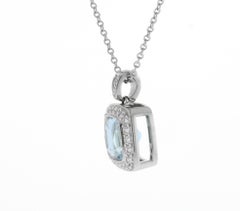
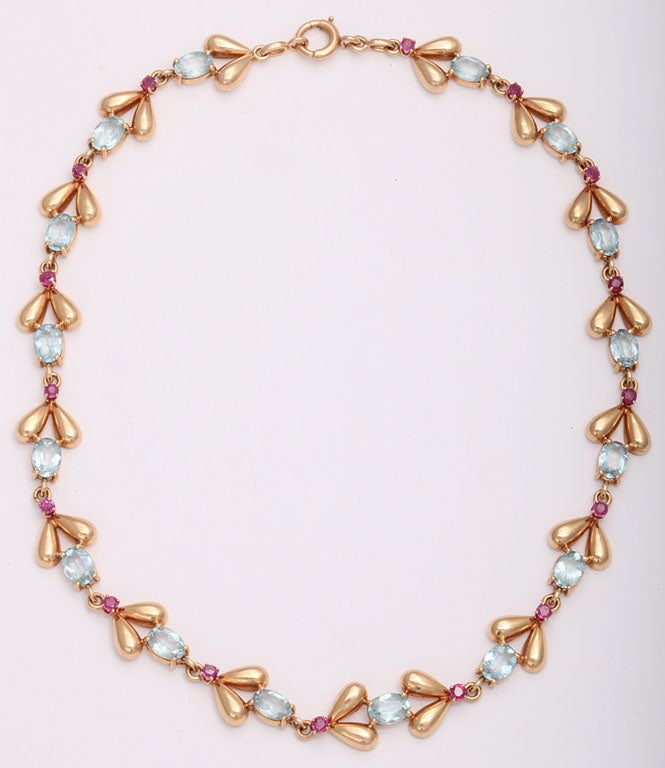
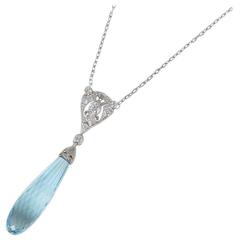
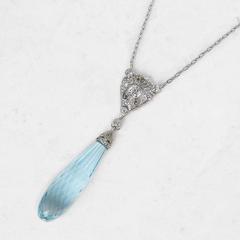
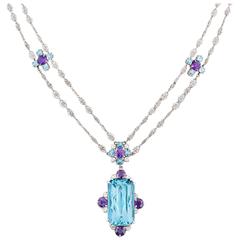
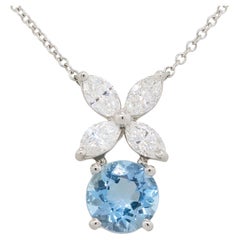
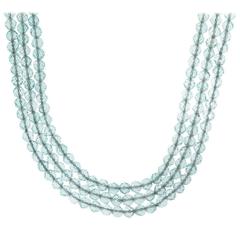
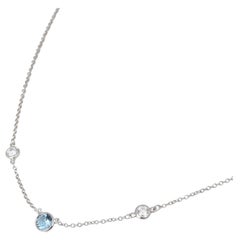
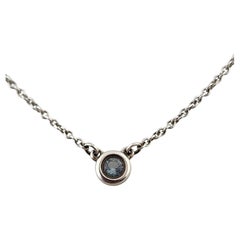
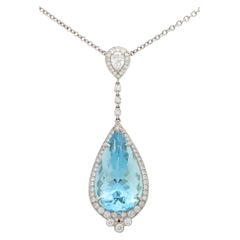
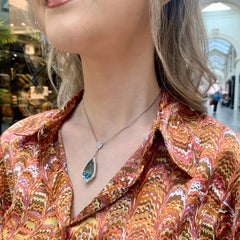
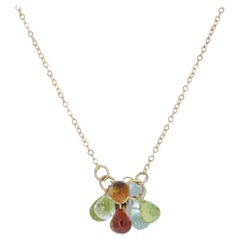
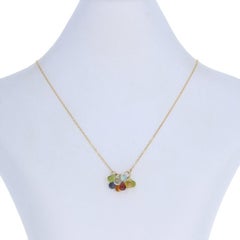
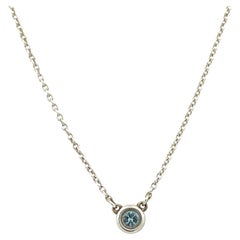
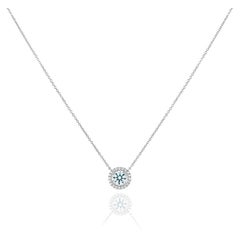
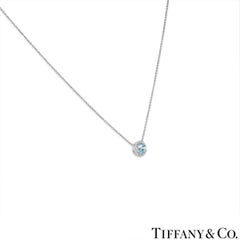
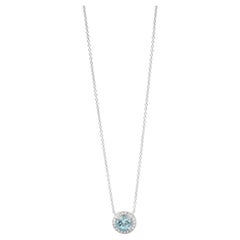
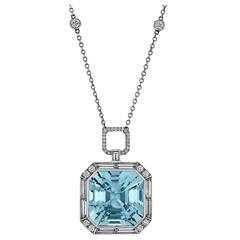
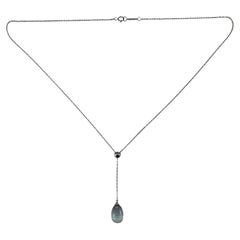
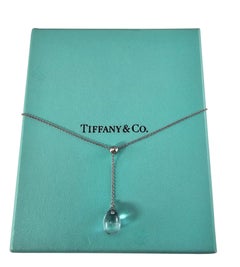
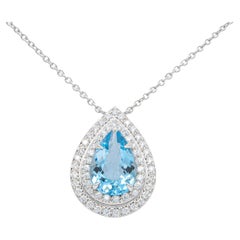
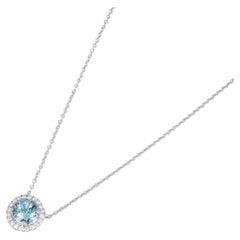
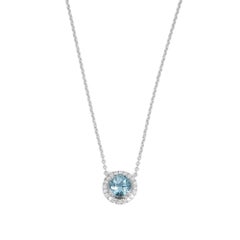
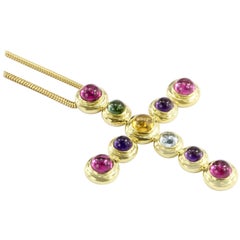
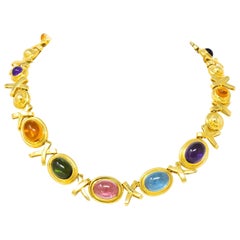
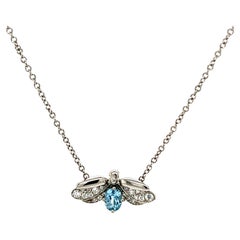
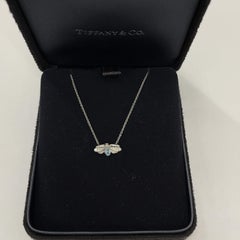
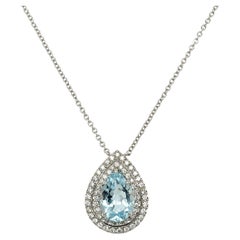
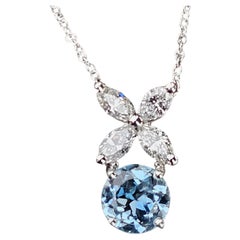
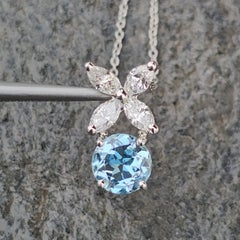
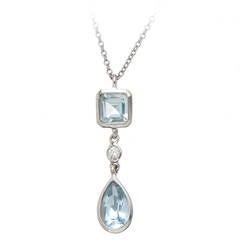
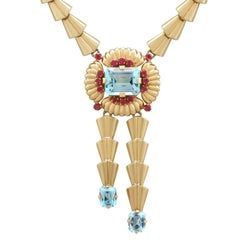
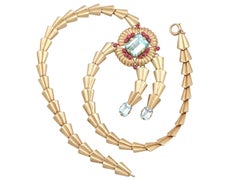
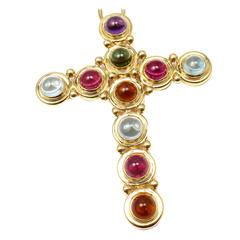
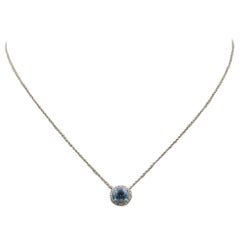
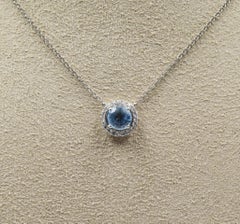
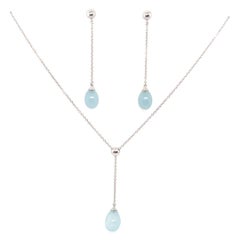
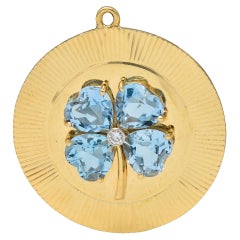
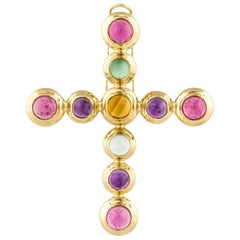
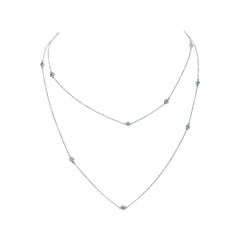
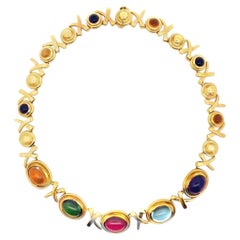
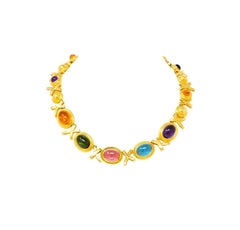
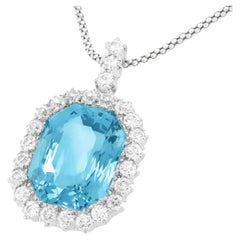
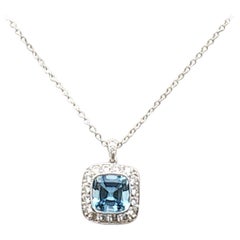
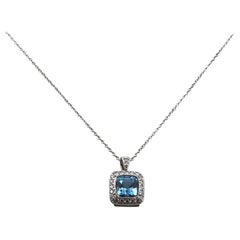
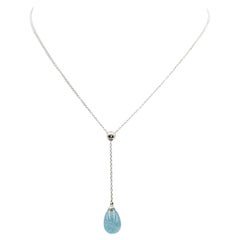
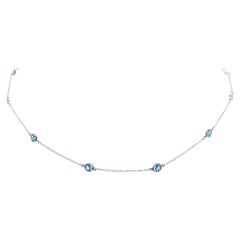
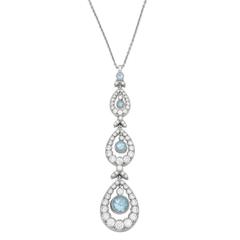
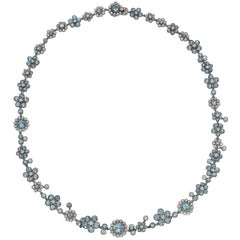
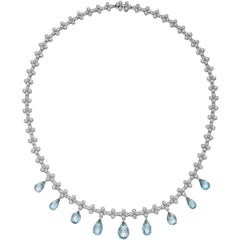
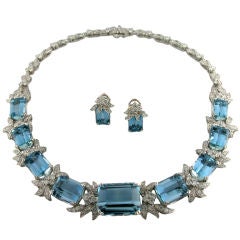
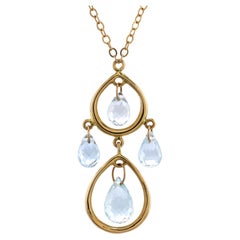
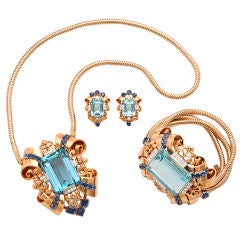
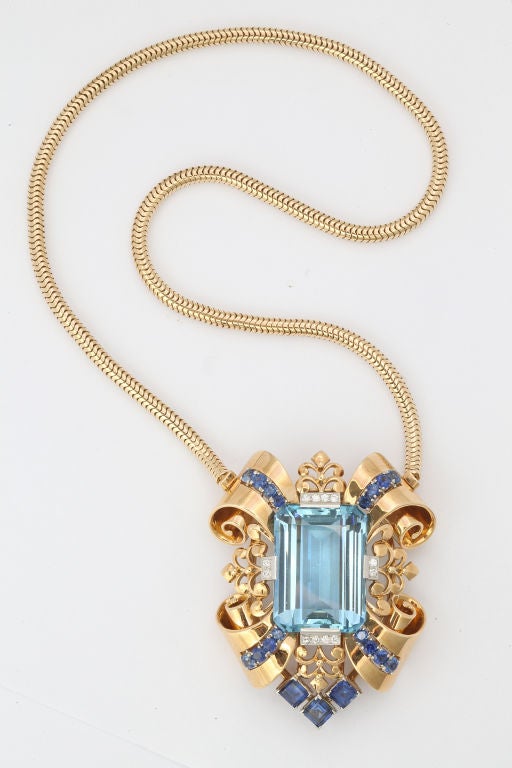
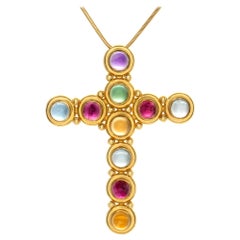
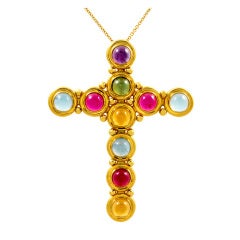
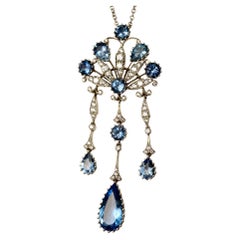
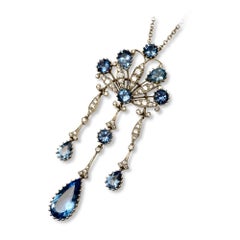
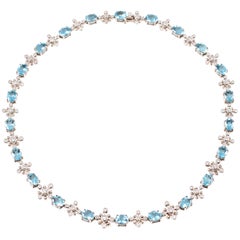
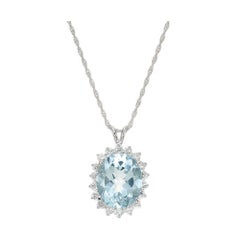
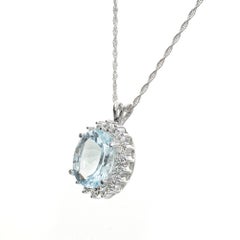
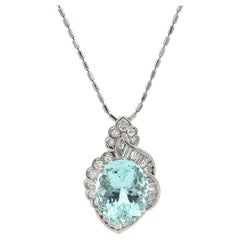
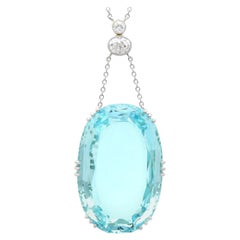
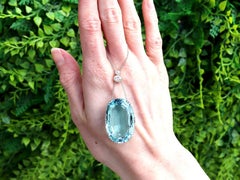
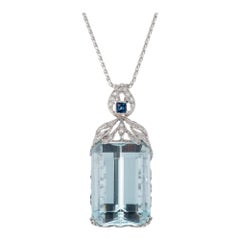
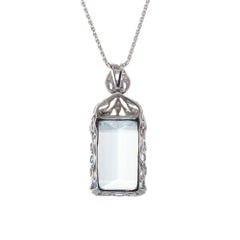
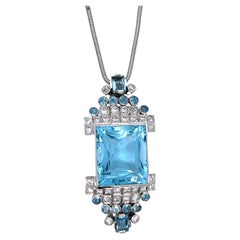
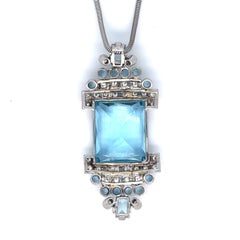
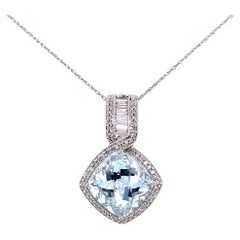
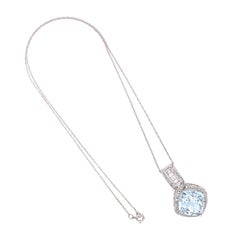
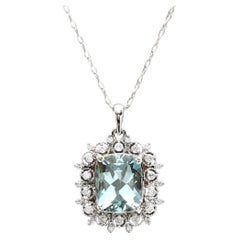
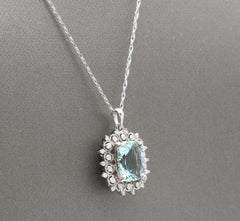
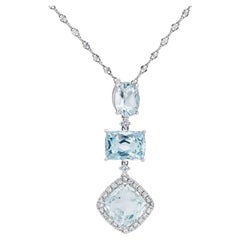
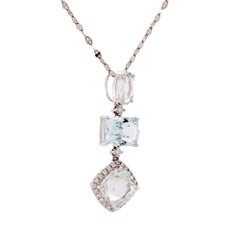
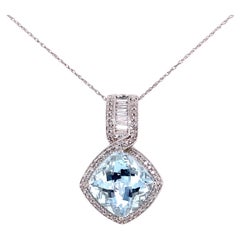
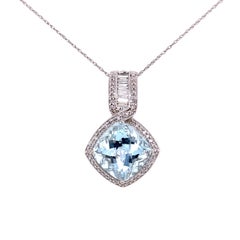
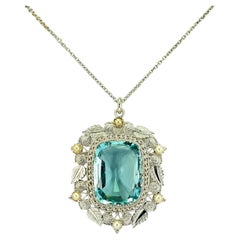
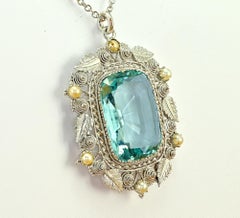
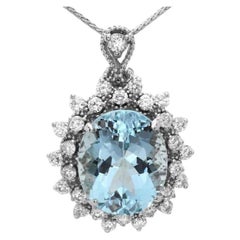
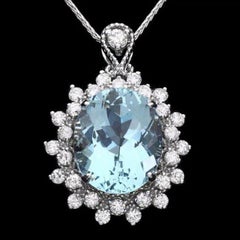
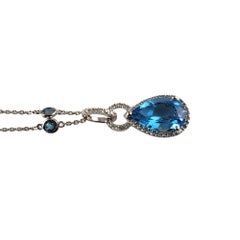
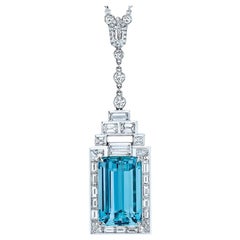
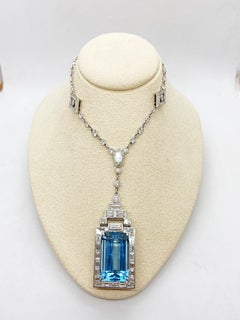
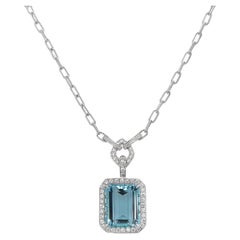
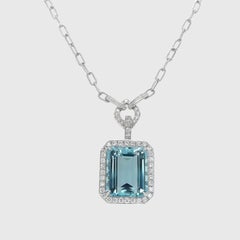
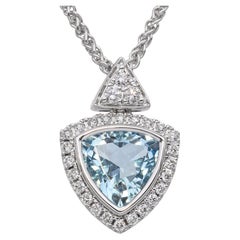
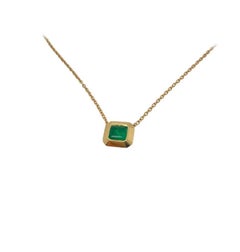
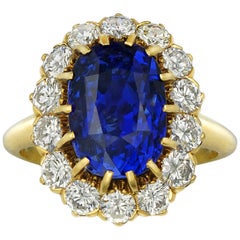
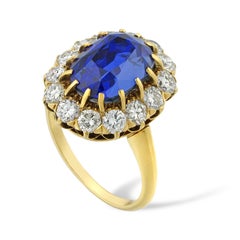
Tiffany Aquamarine Necklace For Sale on 1stDibs
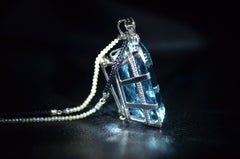
Surely you’ll find the exact tiffany aquamarine necklace you’re seeking on 1stDibs — we’ve got a vast assortment for sale. Each design created in this style — which was crafted with great care and often made from
Platinum,
Gold and
18k Gold — can elevate any look. Our collection of these items for sale includes 22 vintage editions and 14 modern creations to choose from as well. Making the right choice when shopping for a tiffany aquamarine necklace may mean carefully reviewing examples of this item dating from different eras — you can find an early iteration of this piece from the 19th Century and a newer version made as recently as the 21st Century, both of which have proven very popular over the years. For this particular accessory, there are many different carat weights to choose from, but versions are of considerable interest. Finding an appealing tiffany aquamarine necklace — no matter the origin — is easy, but
Tiffany & Co.,
Paloma Picasso for Tiffany & Co. and
Elsa Peretti for Tiffany & Co. each produced a popular version that is worth a look. See these pages for a
round cut iteration of this accessory, while there are also
emerald cut cut and
rose cut cut versions available here, too. Most of our tiffany aquamarine necklace for sale are for
women, but there are 8 pieces available to browse for
men.
How Much is a Tiffany Aquamarine Necklace?
Prices for a tiffany aquamarine necklace can differ depending upon size, time period and other attributes — at 1stDibs, these accessories begin at $895 and can go as high as $98,500, while this accessory, on average, fetches $9,500.
Tiffany & Co. for sale on 1stDibs
Tiffany & Co. is one of the most prominent purveyors of luxury goods in the United States, and has long been an important arbiter of style in the design of diamond engagement rings. A young Franklin Delano Roosevelt proposed to his future wife, Eleanor, with a Tiffany ring in 1904. Vanderbilts, Whitneys, Astors and members of the Russian imperial family all wore Tiffany & Co. jewelry. And Jacqueline Kennedy Onassis preferred Tiffany china for state dinners at the White House.
Although synonymous with luxury today, the firm started out rather modestly. Charles Lewis Tiffany and John B. Young founded it in Connecticut as a “stationery and fancy goods emporium” in 1837, at a time when European imports still dominated the nascent American luxury market. In 1853, Charles Tiffany — who in 1845 had launched the company’s famed catalog, the Blue Book, and with it, the firm’s signature robin’s-egg blue, which he chose for the cover — shifted the focus to fine jewelry.
In 1868, Tiffany & Co. gained international recognition when it became the first U.S. firm to win an award for excellence in silverware at the Exposition Universelle in Paris. From then on, it belonged to the pantheon of American luxury brands.
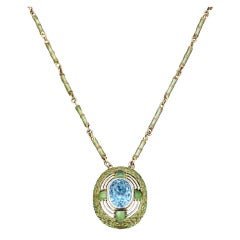
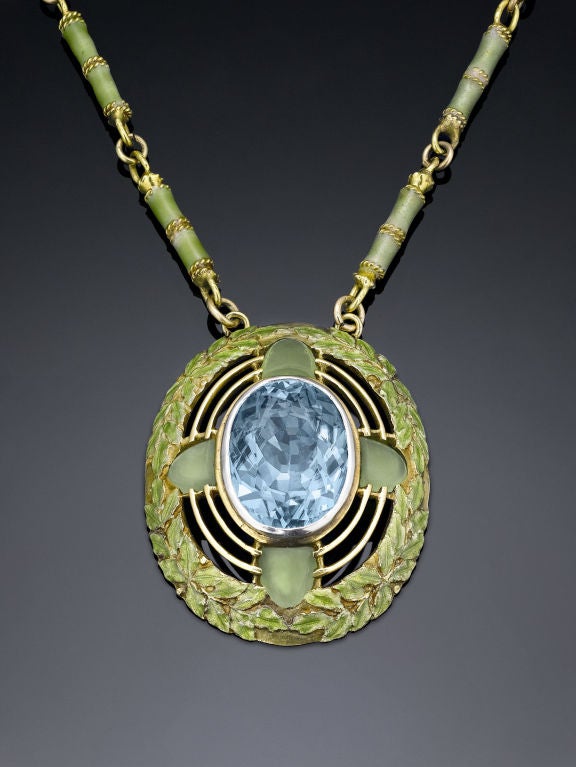
At the start of the Gilded Age, in 1870, Tiffany & Co. opened its flagship store, described as a "palace of jewels" by the New York Times, at 15 Union Square West in Manhattan. Throughout this period, its designs for silver tableware, ceremonial silver, flatware and jewelry were highly sought-after indicators of status and taste. They also won the firm numerous accolades, including the grand prize for silverware at the Paris Exposition of 1878. Among the firm’s glittering creations from this time are masterworks of Art Nouveau jewelry, such as this delicate aquamarine necklace and this lavish plique-à-jour peridot and gold necklace, both circa 1900.
When Charles Lewis Tiffany died, in 1902, his son Louis Comfort Tiffany became the firm’s design director. Under his leadership, the Tiffany silver studio was a de facto design school for apprentice silversmiths, who worked alongside head artisan Edward C. Moore. The firm produced distinctive objects inspired by Japanese art and design, North American plants and flowers, and Native American patterns and crafts, adding aesthetic diversity to Tiffany & Co.’s distinguished repertoire.
Tiffany is also closely associated with diamonds, even lending its name to one particularly rare and exceptional yellow stone. The firm bought the Tiffany diamond in its raw state from the Kimberley mines of South Africa in 1878. Cut to create a 128.54-carat gem with an unprecedented 82 facets, it is one of the most spectacular examples of a yellow diamond in the world.
In a broader sense, Tiffany & Co. helped put diamonds on the map in 1886 by introducing the American marketplace to the solitaire diamond design, which is still among the most popular engagement-ring styles. The trademark Tiffany® Setting raises the stone above the band on six prongs, allowing its facets to catch the light. A lovely recent example is this circa-2000 platinum engagement ring. Displaying a different design and aesthetic (but equally chic) is this exquisite diamond and ruby ring from the 1930s.
Find Tiffany & Co. jewelry, serveware and decorative objects for sale on 1stDibs.
The Legacy of Aquamarine in Jewelry Design
Perhaps the one gemstone that best embodies the glimmering blue of the ocean is aquamarine, not just in name but also in color. Aqua marina (Latin for water and sea), March’s birthstone, is often crystal clear and blue. Often affordable in price, vintage and antique aquamarine jewelry belongs in everyone’s jewelry box.
Aquamarine is a precious gemstone from the mineral beryl family. Its cousin is the emerald. Like other beryl varieties, aquamarines are rated 7.5 to 8 on the Mohs Hardness Scale. This means that they are soft enough for jewelers to cut to their client’s specs but also durable enough for daily wear.
On land or sea, aquamarines feature prominently in many folk tales, including one about mermaids gifting aquamarine to sailors to protect them during sea voyages. Worn around sailors’ necks as an amulet, it kept them from getting seasick and, most importantly, from shipwrecks. Considered a symbol of courage by some, aquamarine amulets were also favored by Egyptian and Hebrew warriors during battle.
Aquamarine has also made appearances on some of the grandest of great dames. The Brazilian government gifted Eleanor Roosevelt with a 1,847-carat aquamarine in 1935 and Queen Elizabeth II received a sizable aquamarine upon her 1953 coronation; this stone is now the focal point of her aquamarine tiara. And renowned Tiffany & Co. designer Jean Schlumberger made a diamond Bow setting for a 148.5-carat aquamarine, which was originally exhibited at the 1893 World’s Columbian Exhibition, now in the collection of the Field Museum of Natural History in Chicago.
On 1stDibs, find a range of vintage and antique aquamarine jewelry that includes unique aquamarine rings, necklaces and other accessories.
Finding the Right Necklaces for You
We are fortunate to know much of the world’s long and dazzling history of necklaces, as this type of jewelry was so treasured that it was frequently buried with its owners. Today, Van Cleef necklaces, Tiffany necklaces and Cartier necklaces are some of the most popularly searched designer necklaces on 1stDibs.
Lapis lazuli beads adorned necklaces unearthed from the royal graves at the ancient Iraqi civilization of Sumer, while the excavation of King Tut’s burial chamber revealed a sense of style that led to a frenzy of Art Deco designs, with artisans of the 1920s seeking to emulate the elegant work crafted by Ancient Egypt’s goldsmiths and jewelry makers.
In ancient times, pendant necklaces worn by royalty and nobles conferred wealth and prestige. Today, wearing jewelry is about personal expression: Luxury diamond necklaces exude confidence and can symbolize the celebratory nature of a deep romantic relationship, while paper-clip chain-link necklaces designed by the likes of goldsmith Faye Kim are firmly planted in the past as well as the present. Kim works exclusively with eco-friendly gold, and these fashionable, fun accessories owe to the design of 19th-century watch fobs.
For some, necklaces are thought of as being a solely feminine piece, but this widely loved accessory has been gender-neutral for eons. In fact, just as women rarely took to wearing a single necklace during the Renaissance, men of the era layered chains and valuable pendants atop their bejeweled clothing. In modern times, the free-spirited hippie and counterculture movements of the 1960s saw costume-jewelry designers celebrating self-expression through colorful multistrand necklaces and no shortage of beads, which were worn by anyone and everyone.
Even after all of these years, the necklace remains an irrefutable staple of any complete outfit. Although new trends in jewelry are constantly emerging, the glamour and beauty of the past continue to inform modern styles and designs. In a way, the cyclical history of the necklace differs little from its familiar looped form: The celebrated French jewelry house Van Cleef & Arpels found much inspiration in King Tut, and, now, their Alhambra collection is a go-to for modern royals. Vintage David Webb necklaces — whose work landed him on the cover of Vogue in 1950, two years after opening his Manhattan shop — were likely inspired by the ornamental styles of ancient Greece, Mesopotamia and Egypt.
On 1stDibs, browse top designers like Dior, Chanel and Bulgari, or shop by your favorite style, from eye-catching choker necklaces to understated links to pearl necklaces and more.