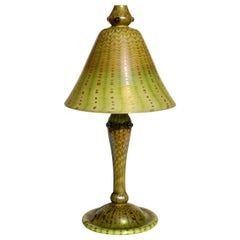
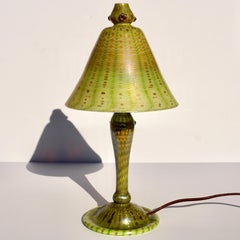
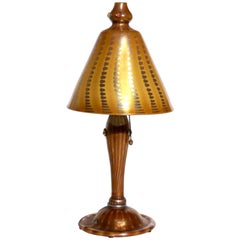
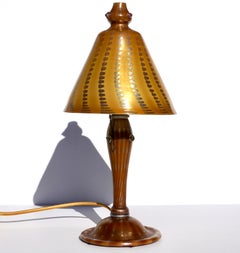
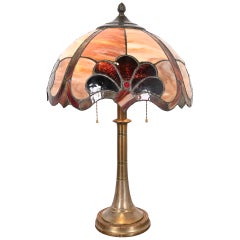
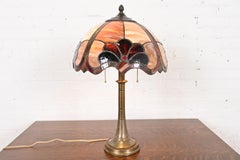
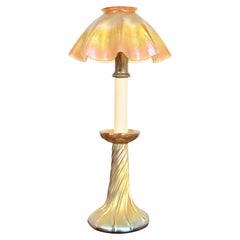
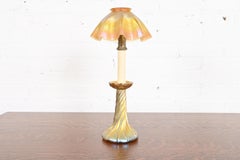
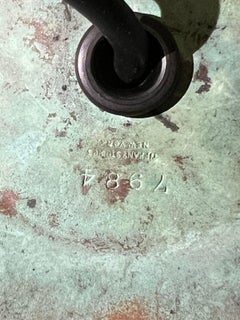
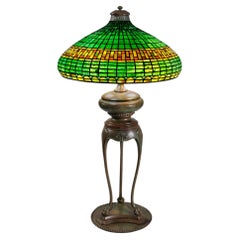
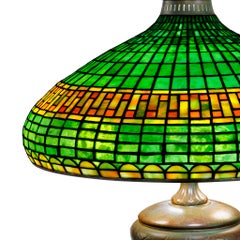
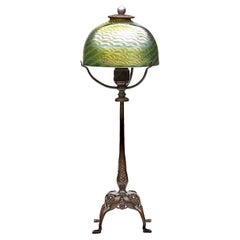
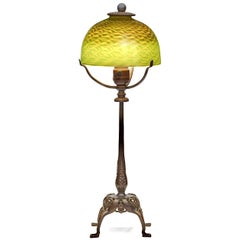
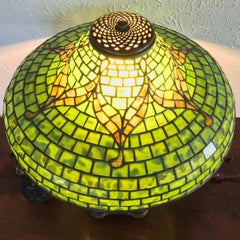
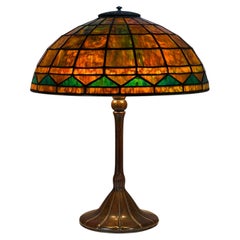
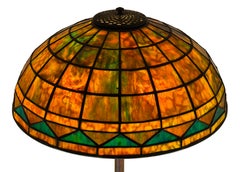
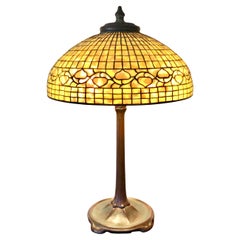
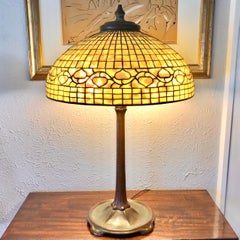
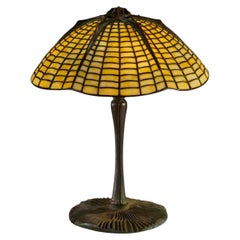
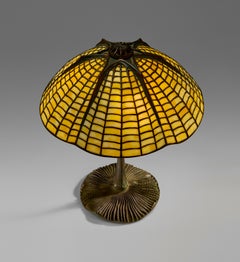
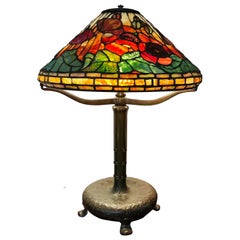
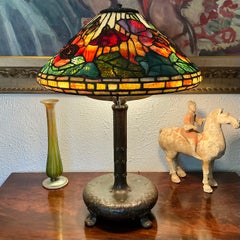
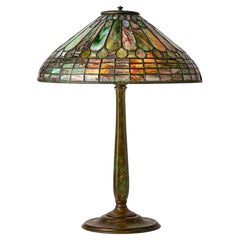
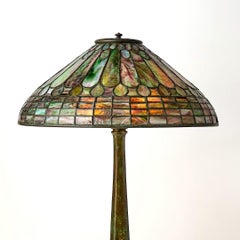
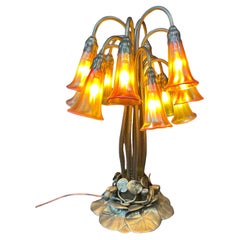
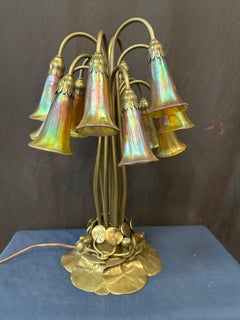
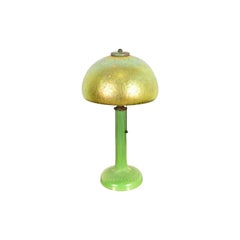
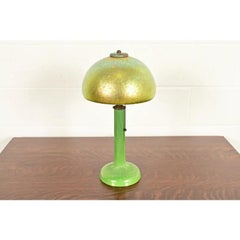
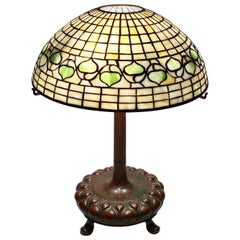
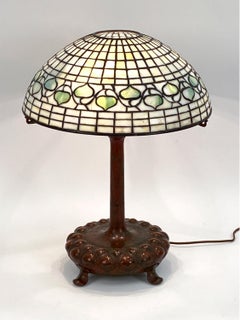
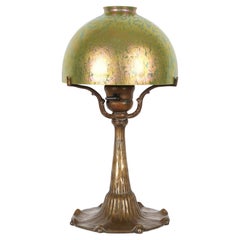
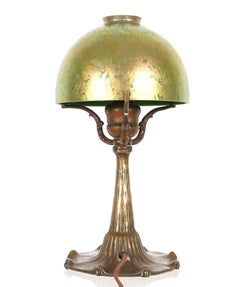
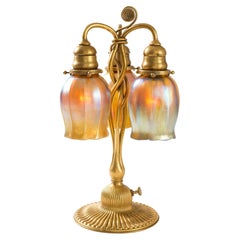
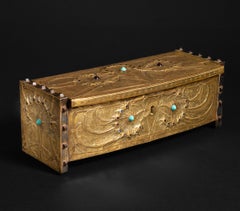
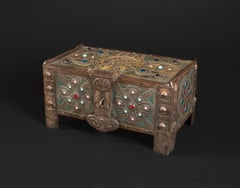
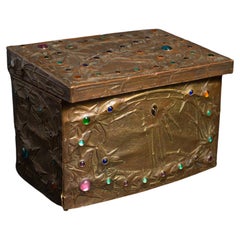
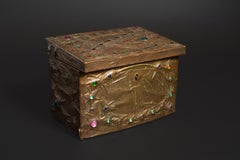
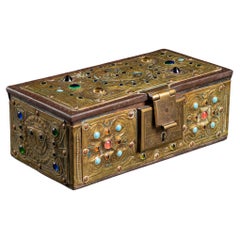
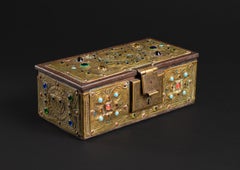
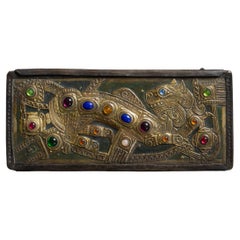
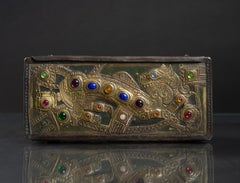
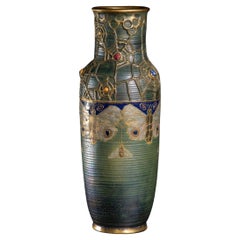
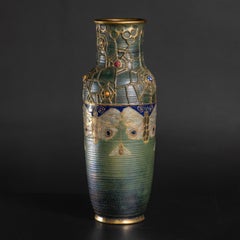
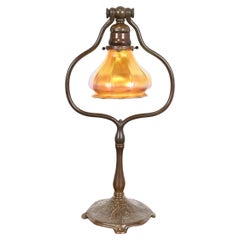
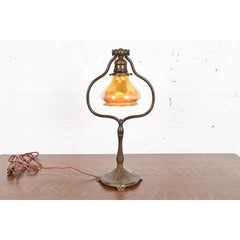
Louis Comfort Tiffany was undoubtedly the most influential and accomplished American decorative artist in the decades that spanned the late 19th and early 20th centuries. Beyond glass, he worked in mediums that ranged from furniture and enameling to ceramics and metalware, with his Tiffany Studios producing highly collectible table lamps, vases, serveware and other objects.
The name Tiffany prompts thoughts of two things: splendid gifts in robin’s-egg blue boxes and exquisite stained glass. Charles Lewis Tiffany founded the former, and his son, Louis, is responsible for exemplars of the latter.
By the time Louis Comfort Tiffany was born, the stationery and “fancy goods” emporium his father had established 11 years before had grown to become the most fashionable jewelry and luxury items store in New York. Tiffany fils declined to join the family business and pursued a career as an artist. He studied painting with several teachers, notably the scenic painter Samuel Colman, while spending long periods touring Europe and North Africa. Though he painted his entire career, visits to continental churches sparked a passionate interest in stained glass. Tiffany began experimenting with the material and in 1875 opened a glass factory-cum-laboratory in Corona, Queens — the core of what eventually became Tiffany Studios, a multimedia decorative-arts manufactory.
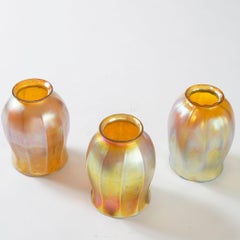
Tiffany developed a method in which colors were blended together in the molten state. Recalling the Old English word fabrile, meaning “hand-wrought,” he named the blown glass Favrile, a term that signified handmade glass of unique quality. In his glass designs, Tiffany embraced the emerging Art Nouveau movement and its sinuous, naturalistic forms and motifs. The pieces won Tiffany international fame. (Siegfried Bing, the Paris entrepreneur whose design store, L’Art Nouveau, gave the stylistic movement its name, was the leading European importer of Tiffany pieces.)
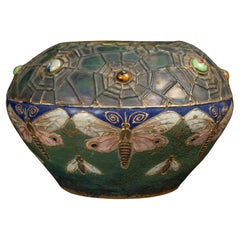
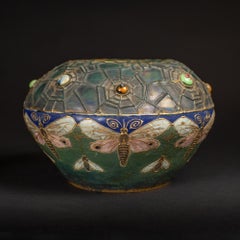
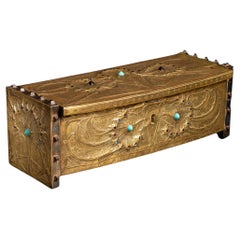
By 1902, along with glass, Tiffany was designing stained-glass lamps and chandeliers as well as enameled metal vases, boxes and bowls, and items such as desk sets and candlesticks. Today such pieces epitomize the rich aesthetics of their era.
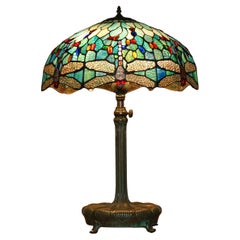
Antique Tiffany Studios table lamps are the most recognizable and the most prized. They range in price from $60,000 to upward of $2 million for intricate shade designs like the Dragonfly. Tiffany glass vases and bowls are generally priced from $1,000 to $30,000 depending on size, color, condition and form. Simpler accessories such as metal trays and small picture frames can fetch from $800 to $3,000. Tiffany design of any type is an emblem of taste and craftsmanship. As you will see on 1stDibs, Louis Comfort Tiffany ensured that each piece he and his company produced, magnificent or modest, was a work of art.
Find Louis Comfort Tiffany vases, serveware and other items on 1stDibs.
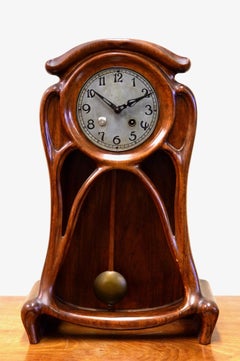
In its sinuous lines and flamboyant curves inspired by the natural world, antique Art Nouveau furniture reflects a desire for freedom from the stuffy social and artistic strictures of the Victorian era. The Art Nouveau movement developed in the decorative arts in France and Britain in the early 1880s and quickly became a dominant aesthetic style in Western Europe and the United States.
ORIGINS OF ART NOUVEAU FURNITURE DESIGN
CHARACTERISTICS OF ART NOUVEAU FURNITURE DESIGN
- Sinuous, organic and flowing lines
- Forms that mimic flowers and plant life
- Decorative inlays and ornate carvings of natural-world motifs such as insects and animals
- Use of hardwoods such as oak, mahogany and rosewood
ART NOUVEAU FURNITURE DESIGNERS TO KNOW
ANTIQUE ART NOUVEAU FURNITURE ON 1STDIBS
Art Nouveau — which spanned furniture, architecture, jewelry and graphic design — can be easily identified by its lush, flowing forms suggested by flowers and plants, as well as the lissome tendrils of sea life. Although Art Deco and Art Nouveau were both in the forefront of turn-of-the-20th-century design, they are very different styles — Art Deco is marked by bold, geometric shapes while Art Nouveau incorporates dreamlike, floral motifs. The latter’s signature motif is the "whiplash" curve — a deep, narrow, dynamic parabola that appears as an element in everything from chair arms to cabinetry and mirror frames.
The visual vocabulary of Art Nouveau was particularly influenced by the soft colors and abstract images of nature seen in Japanese art prints, which arrived in large numbers in the West after open trade was forced upon Japan in the 1860s. Impressionist artists were moved by the artistic tradition of Japanese woodblock printmaking, and Japonisme — a term used to describe the appetite for Japanese art and culture in Europe at the time — greatly informed Art Nouveau.
The Art Nouveau style quickly reached a wide audience in Europe via advertising posters, book covers, illustrations and other work by such artists as Aubrey Beardsley, Henri de Toulouse-Lautrec and Alphonse Mucha. While all Art Nouveau designs share common formal elements, different countries and regions produced their own variants.
In Scotland, the architect Charles Rennie Mackintosh developed a singular, restrained look based on scale rather than ornament; a style best known from his narrow chairs with exceedingly tall backs, designed for Glasgow tea rooms. Meanwhile in France, Hector Guimard — whose iconic 1896 entry arches for the Paris Metro are still in use — and Louis Majorelle produced chairs, desks, bed frames and cabinets with sweeping lines and rich veneers.
The Art Nouveau movement was known as Jugendstil ("Youth Style") in Germany, and in Austria the designers of the Vienna Secession group — notably Koloman Moser, Josef Hoffmann and Joseph Maria Olbrich — produced a relatively austere iteration of the Art Nouveau style, which mixed curving and geometric elements.
Art Nouveau revitalized all of the applied arts. Ceramists such as Ernest Chaplet and Edmond Lachenal created new forms covered in novel and rediscovered glazes that produced thick, foam-like finishes. Bold vases, bowls and lighting designs in acid-etched and marquetry cameo glass by Émile Gallé and the Daum Freres appeared in France, while in New York the glass workshop-cum-laboratory of Louis Comfort Tiffany — the core of what eventually became a multimedia decorative-arts manufactory called Tiffany Studios — brought out buoyant pieces in opalescent favrile glass.
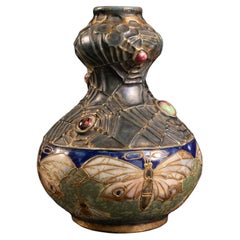
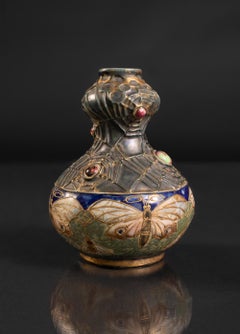
Jewelry design was revolutionized, as settings, for the first time, were emphasized as much as, or more than, gemstones. A favorite Art Nouveau jewelry motif was insects (think of Tiffany, in his famed Dragonflies glass lampshade).
Like a mayfly, Art Nouveau was short-lived. The sensuous, languorous style fell out of favor early in the 20th century, deemed perhaps too light and insubstantial for European tastes in the aftermath of World War I. But as the designs on 1stDibs demonstrate, Art Nouveau retains its power to fascinate and seduce.
There are ways to tastefully integrate a touch of Art Nouveau into even the most modern interior — browse an extraordinary collection of original antique Art Nouveau furniture on 1stDibs, which includes decorative objects, seating, tables, garden elements and more.
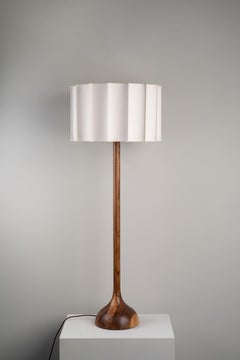
Antique table lamps became a category of their own once electricity moved light off the wall and onto furniture. The form split quickly: task-driven designs like the Anglepoise on one side, decorative ceramic and glass on the other.
Styles to Know
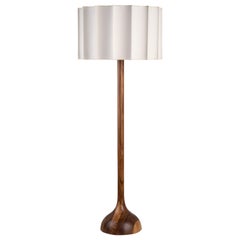
Base material shapes the light as much as the shade does: ceramic and glass diffuse a softer glow, while brass and metal read more directional. Layer the look with a mid-century modern floor lamp for ambient light, or set a pair on a mid-century modern nightstand for a bedroom.
How to Choose the Right Vintage Table Lamp
Buying individually rather than as a pair allows more flexibility when mixing eras across a room. For those shopping by name rather than by shape, the history of the Anglepoise lamp is worth a read. Each piece comes from a vetted 1stDibs seller, with era, designer and condition detailed, and the 1stDibs Promise stands behind every purchase.