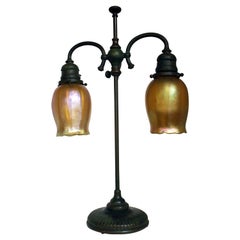
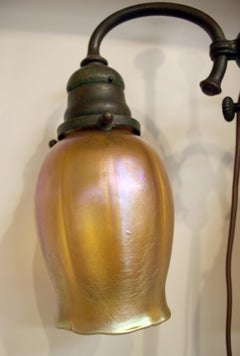
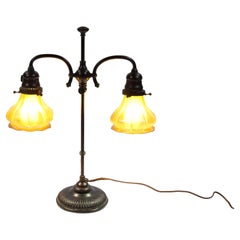
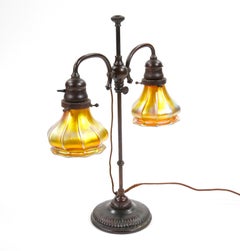
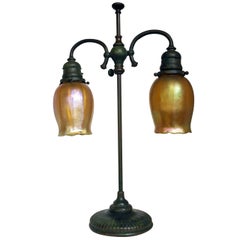
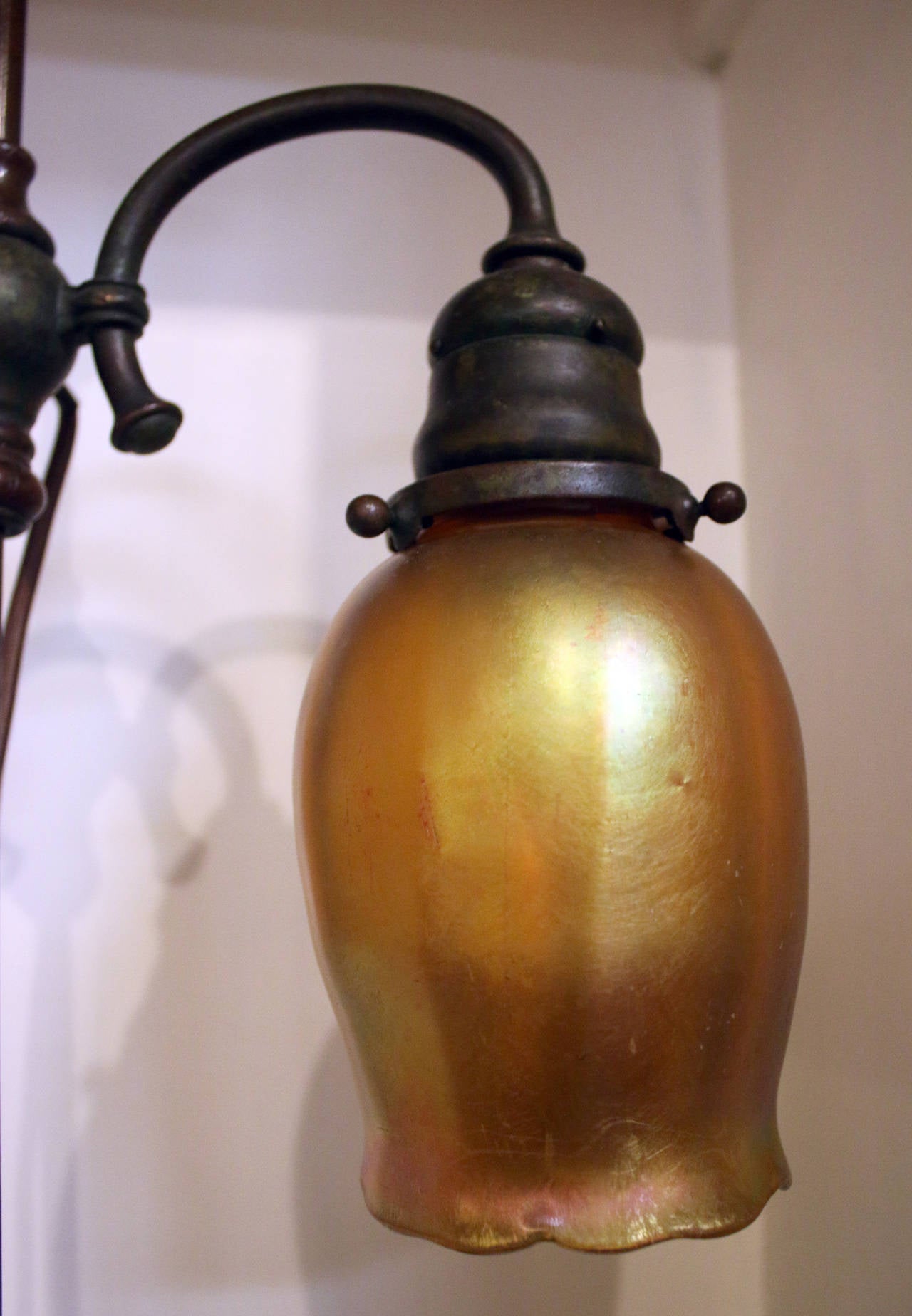
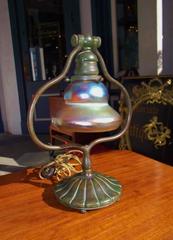
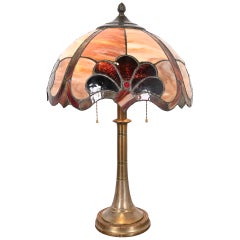
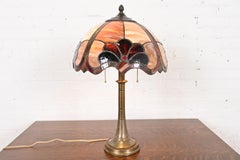
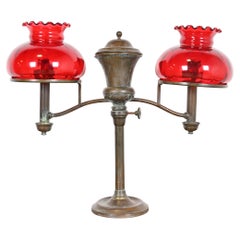
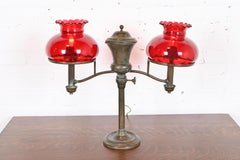
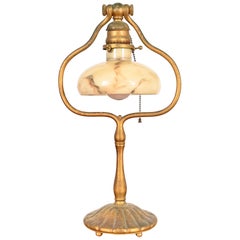
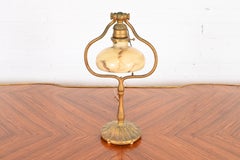
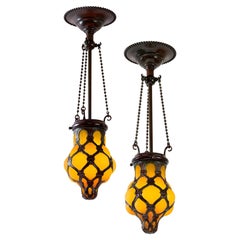
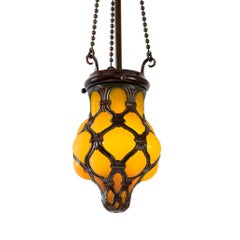
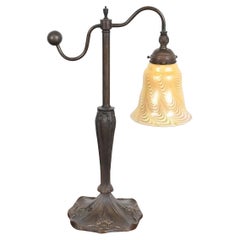
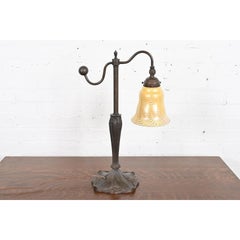
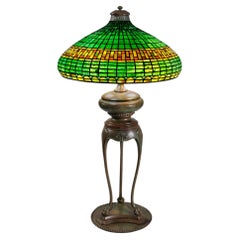
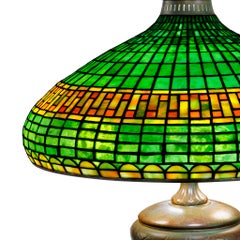
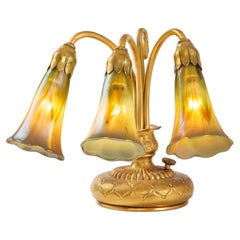
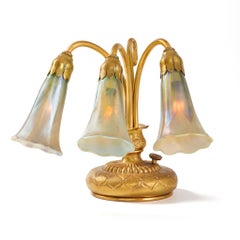
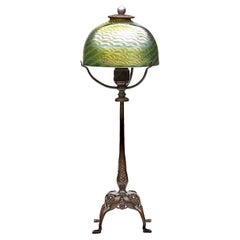
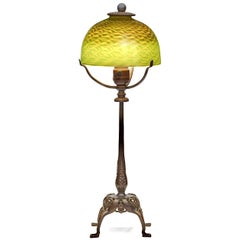
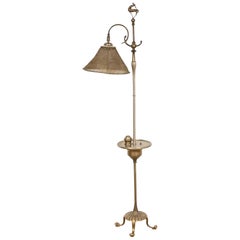
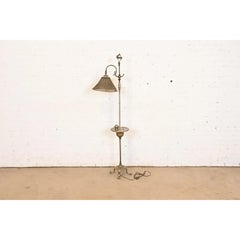
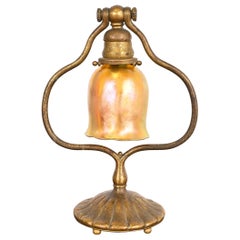
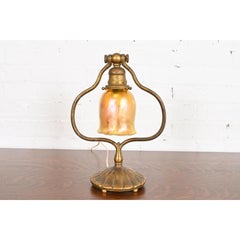
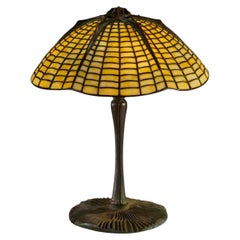
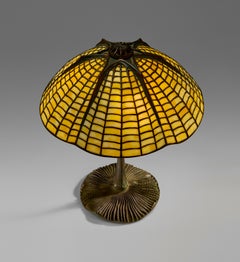
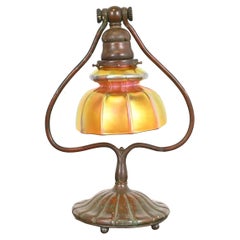
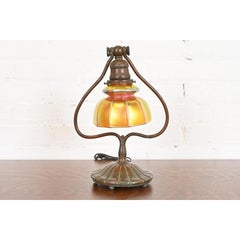
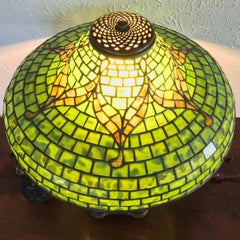
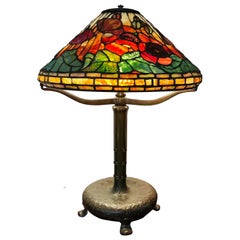
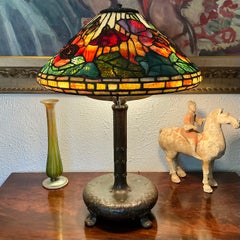
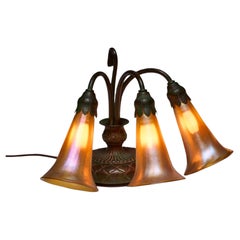
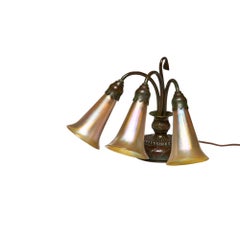
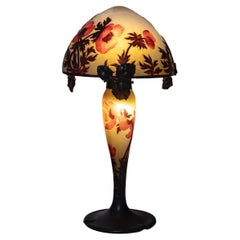
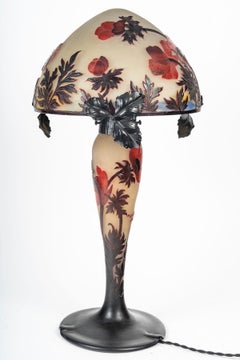
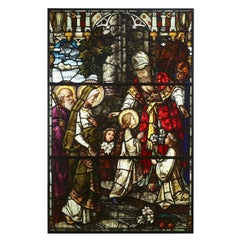
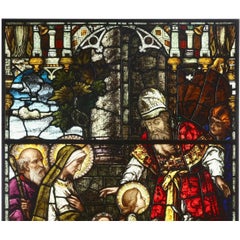
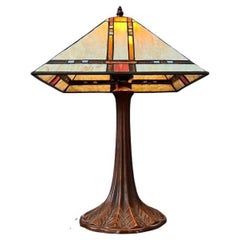
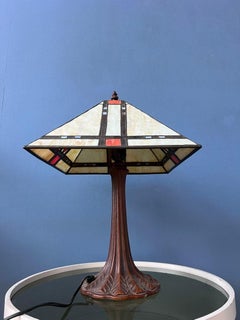
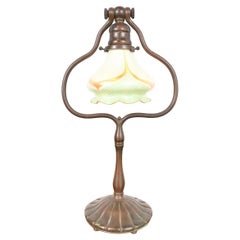
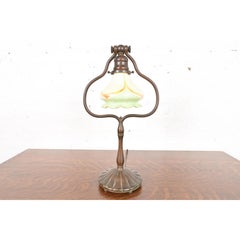
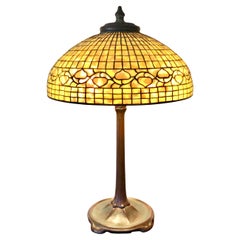
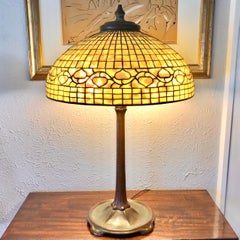
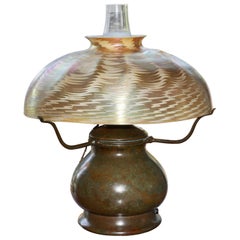
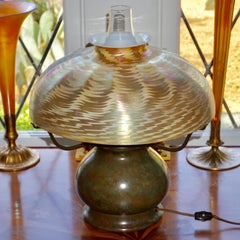
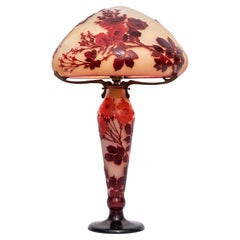
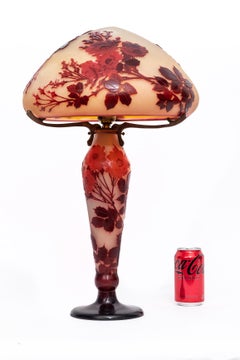
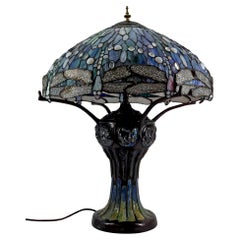
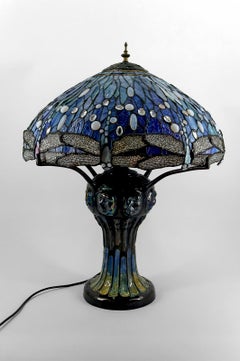
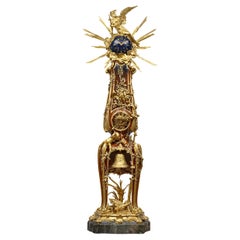
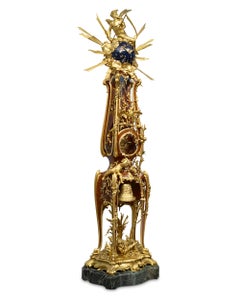
The hand-crafted kerosene and early electric lighting fixtures created at Tiffany Studios now rank among the most coveted decorative objects in the world. Tiffany designs of any kind are emblematic of taste and craftsmanship, and Tiffany glass refers to far more than stained-glass windows and decorative glass objects. The iconic multimedia manufactory’s offerings include stained-glass floor lamps, chandeliers and enameled metal vases. The most recognizable and prized of its works are antique Tiffany Studios table lamps.
The name Tiffany generally prompts thoughts of two things: splendid gifts in robin’s-egg blue boxes and exquisite stained glass. In 1837, Charles Lewis Tiffany co-founded the former — Tiffany & Co., one of America’s most prominent purveyors of luxury goods — while his son, Louis Comfort Tiffany, is responsible for exemplars of the latter.
Louis was undoubtedly the most influential and accomplished American decorative artist in the decades that spanned the late 19th and early 20th centuries. Rather than join the family business, he studied painting with several teachers, notably the scenic painter Samuel Colman, while spending long periods touring Europe and North Africa. Though he painted his entire career, visits to continental churches sparked a passionate interest in stained glass. Tiffany began experimenting with the material and in 1875 opened a glass factory-cum-laboratory in Corona, Queens — the core of what eventually became Tiffany Studios.
In his glass designs, Tiffany embraced the emerging Art Nouveau movement and its sinuous, naturalistic forms and motifs. By 1902, along with glass, Tiffany was designing stained-glass lamps and chandeliers as well as enameled metal vases, boxes and bowls, and items such as desk sets and candlesticks. Today such pieces epitomize the rich aesthetics of their era.
The lion’s share of credit for Tiffany Studios table lamps and other fixtures has gone to Louis. However, it was actually Clara Driscoll (1861–1944), an Ohio native and head of the Women’s Glass Cutting Department for 17 years, who was the genius behind the Tiffany lamps that are most avidly sought by today’s collectors. A permanent gallery of Tiffany lamps at the New-York Historical Society celebrates the anonymous women behind the desirable fixtures.
Find antique Tiffany Studios lamps, decorative glass objects and other works on 1stDibs.
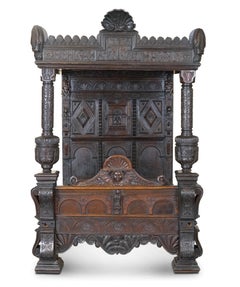
In 1880, polymath designer William Morris declared: “If you want a golden rule that will fit everybody, this is it: Have nothing in your houses that you do not know to be useful or believe to be beautiful.” His words encapsulated the Aesthetic Movement, which prized beauty above all and blurred the lines between fine art and the decorative arts, particularly through lavishly crafted furniture pieces.
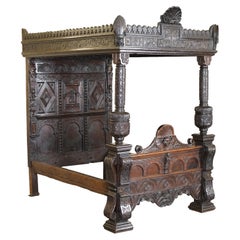
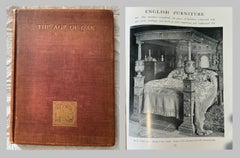
The Aesthetic Movement, whose major proponents included author Oscar Wilde, flourished from the 1860s to the 1880s and was mostly popular in England and the United States. Design expositions like the 1876 Centennial International Exhibition in Philadelphia, as well as the publishing of how-to books for interior design, helped disseminate Aesthetic Movement bedroom furniture, serveware, coffee tables and other items, especially to the middle class.
The establishment of new art museums, art clubs and a rising passion for collecting at the time contributed to a growing appreciation for art. Morris’s founding of Morris & Co. in 1862 and the commercializing of this “cult of beauty” by the Liberty store in London, starting in the late 19th century, further disseminated the idea of a domestic space that was thoughtfully and floridly designed.
Leading Aesthetic Movement furniture designers included E.W. Godwin, who drew on Japanese influences and whose work reflected a wider enthusiasm for imported East Asian art. British designer Christopher Dresser created textiles, ceramics and more that were also inspired by Japanese decorative art but were representative of additional diverse design sources that ranged from Egypt to Mexico.
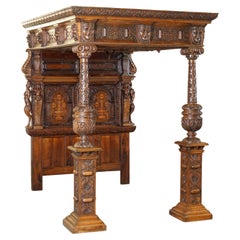
The Aesthetic Movement’s eclecticism resulted in dazzling interiors. Japanese fans were positioned on Renaissance-inspired cabinets with brass hardware, while mantels made of rich walnut or finely carved ebonized wood and adorned with painted Minton tiles mingled with cast-iron chairs against a backdrop of floral wallpaper. In 1881, in New York City, stenciled checkerboard motifs and painted floral murals could be found under an opalescent glass chandelier in a luxurious dressing room designed by German émigré cabinetmaker-decorator George Alfred Schastey. Amid the rise of the industrial age, the style’s promotion of art in everyday life would inform the Arts and Crafts Movement and Art Nouveau.
Find a collection of antique Aesthetic Movement seating, tables, decorative objects and other furniture and antiques on 1stDibs.
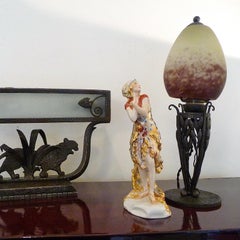
Antique table lamps became a category of their own once electricity moved light off the wall and onto furniture. The form split quickly: task-driven designs like the Anglepoise on one side, decorative ceramic and glass on the other.
Styles to Know
Base material shapes the light as much as the shade does: ceramic and glass diffuse a softer glow, while brass and metal read more directional. Layer the look with a mid-century modern floor lamp for ambient light, or set a pair on a mid-century modern nightstand for a bedroom.
How to Choose the Right Vintage Table Lamp
Buying individually rather than as a pair allows more flexibility when mixing eras across a room. For those shopping by name rather than by shape, the history of the Anglepoise lamp is worth a read. Each piece comes from a vetted 1stDibs seller, with era, designer and condition detailed, and the 1stDibs Promise stands behind every purchase.