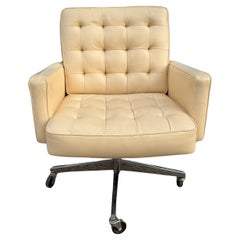
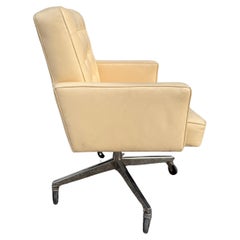
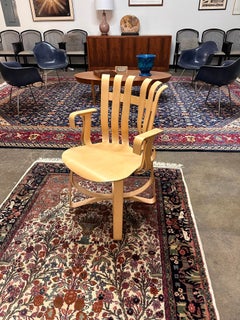
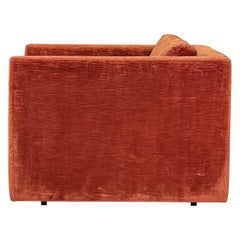
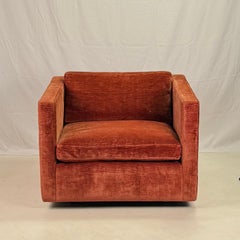
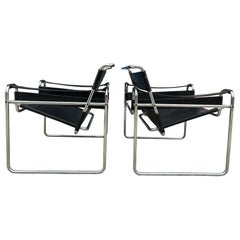
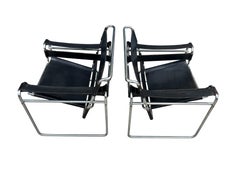
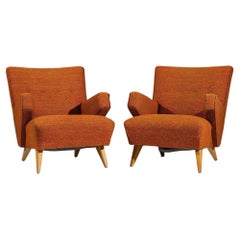
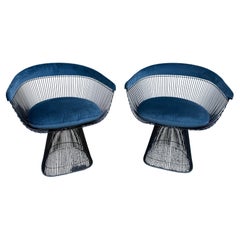
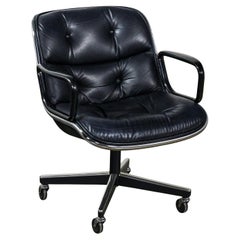
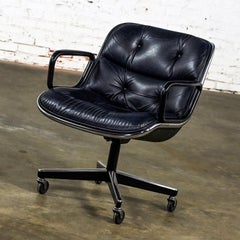
Mid-century modern design in America wouldn’t look the way it does without Knoll. The company’s acclaimed seating — lounge chairs, armchairs, office chairs and other furnishings created by a who’s who of designers and by Knoll’s pioneering cofounder, Florence Knoll (1917–2019) — helped define high-rise corporate culture and was rapidly adopted for use in living rooms, where it endures as a timeless favorite all over the world.
“Many of the designs that he had at that time were ones that I did not approve of,” Florence Knoll once recalled of her German-born husband, Hans Knoll (1914–55), the son of German modernist furniture manufacturer Walter Knoll.
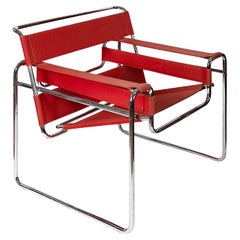
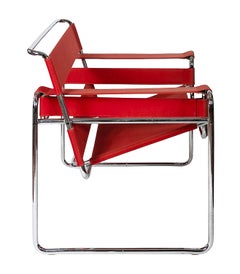
A native of Michigan, Florence already had a world-class immersion in design when she met Hans. Orphaned at age 12, she was enrolled at Kingswood School, part of the Cranbrook Academy of Art, which became the go-to school for legends of mid-century design. Florence became very close with Cranbrook head Eliel Saarinen, his wife and their son, Eero. She later studied with Ludwig Mies van der Rohe and worked for Marcel Breuer and Bauhaus school founder Walter Gropius. When Florence married Hans in 1946, he had been at work since 1938 on his own eponymous furniture line in New York City.
With Florence’s design acumen, the Knolls turned the company into a powerhouse of modernist design. The Knoll Planning Unit, created by Florence in the mid-1940s, designed office spaces for the likes of GM and CBS, helping to define the postwar corporate aesthetic.
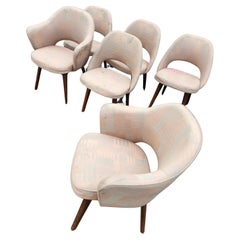
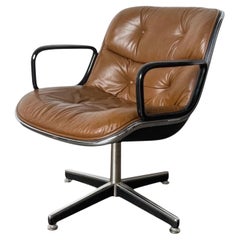
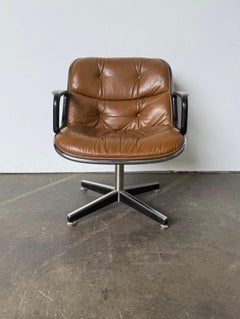
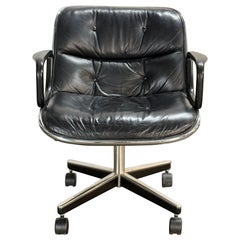
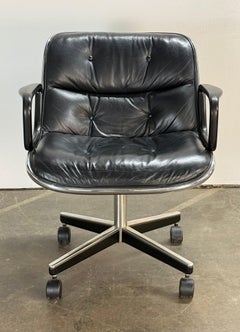
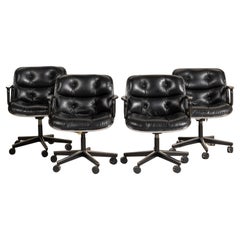
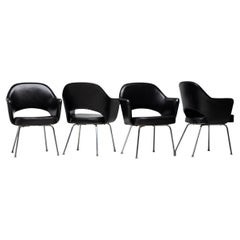
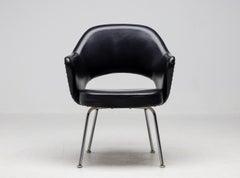
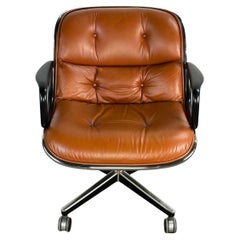
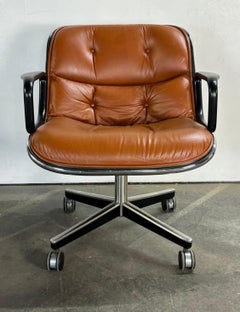
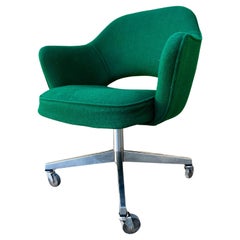
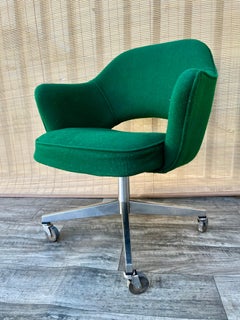
The department’s small team designed furniture with practicality, efficiency and sleekness in mind, attributes that clearly define furnishings such as Eero Saarinen’s sculptural Executive chair, which was introduced in 1948 as the Model 72 and used for the General Motors Technical Center in Warren, Michigan. (The armed version, which followed in 1950, was also specified for the campus, an architectural project of Saarinen’s.) This seating, as well as pieces designed by Florence initially for commercial clients, soon became desirable for apartments and houses.
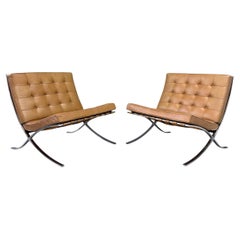
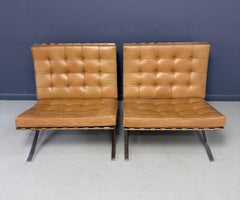
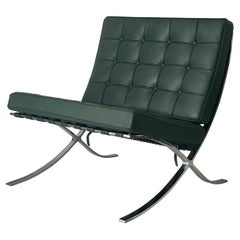
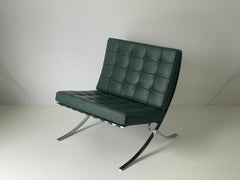
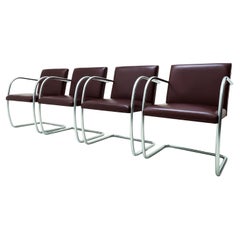
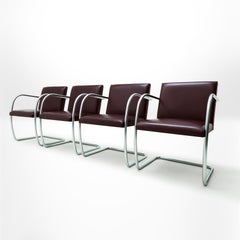
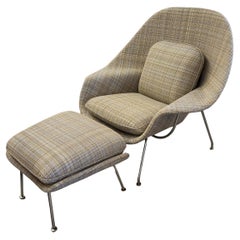
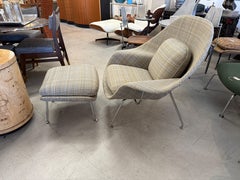
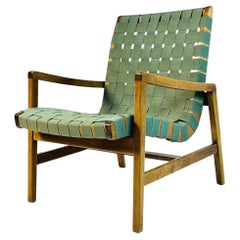
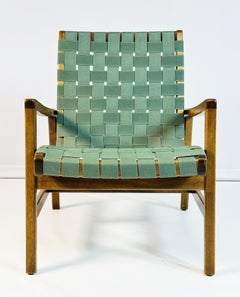
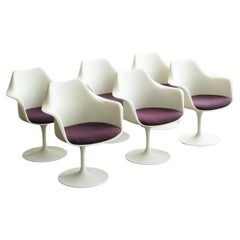
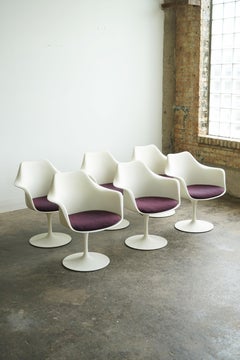
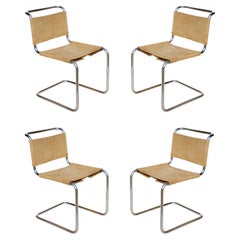
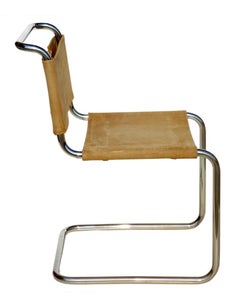
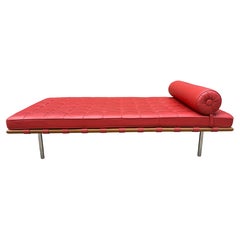
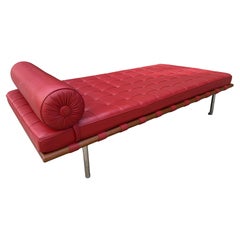
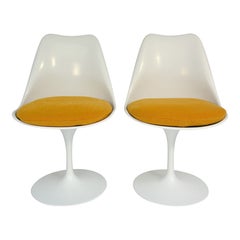
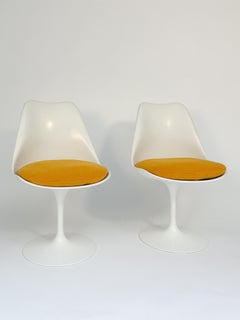
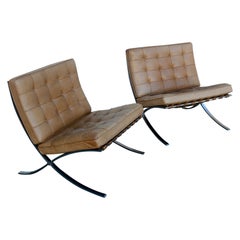
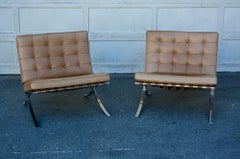
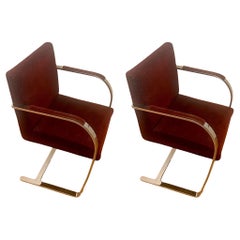
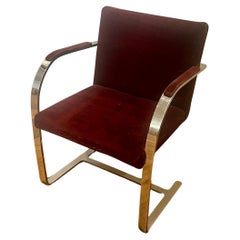
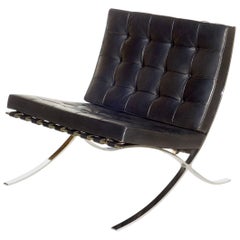
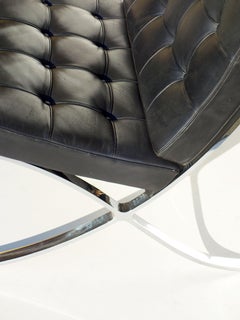
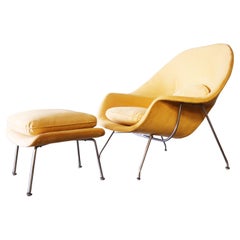
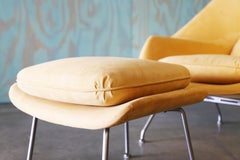
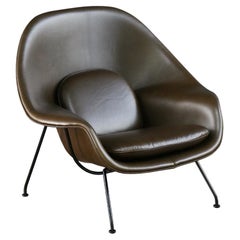
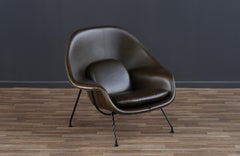
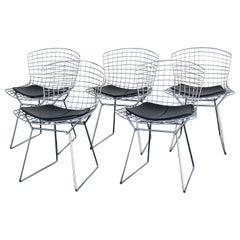
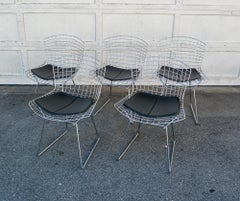
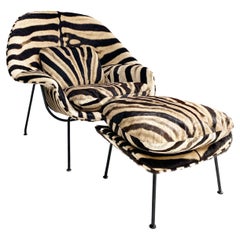
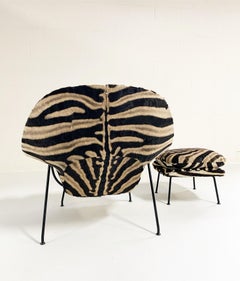
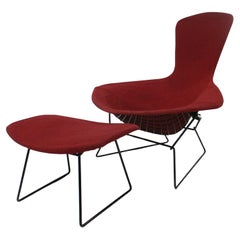
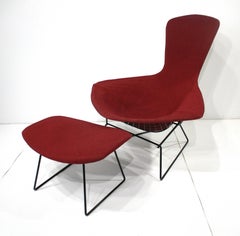
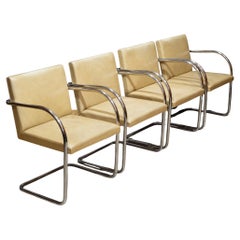
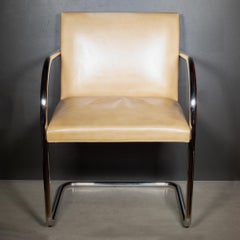
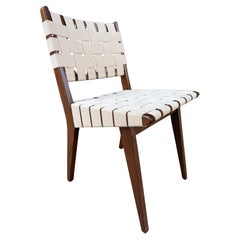
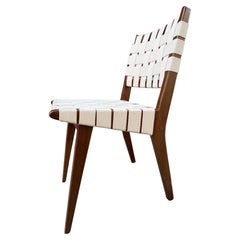
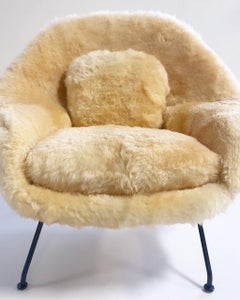
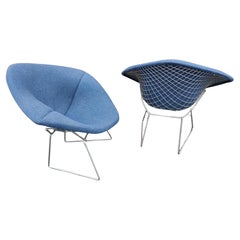
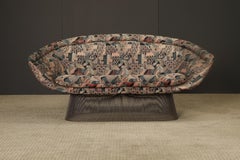
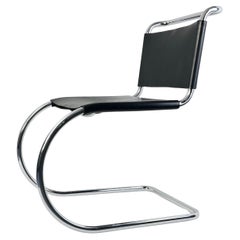
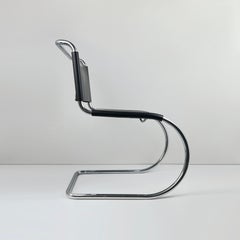
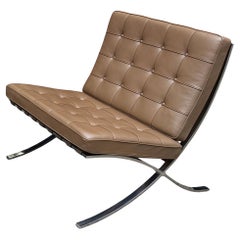
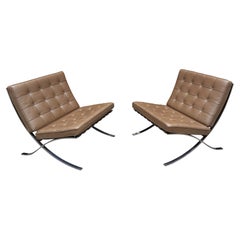
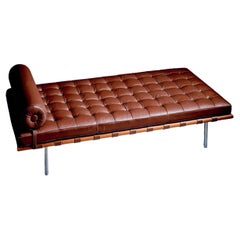
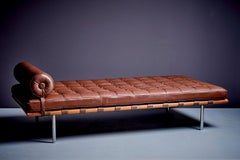
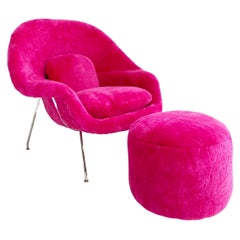
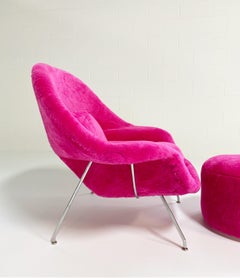
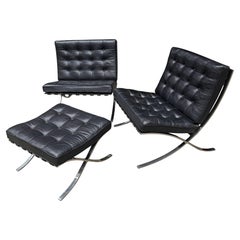
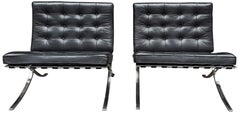
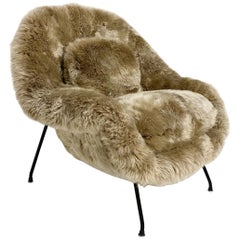
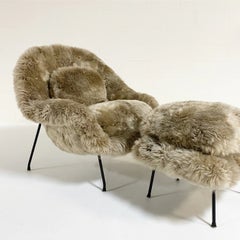
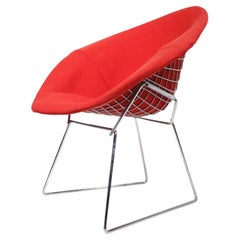
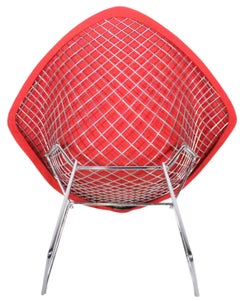
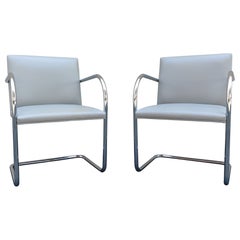
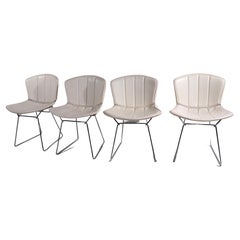
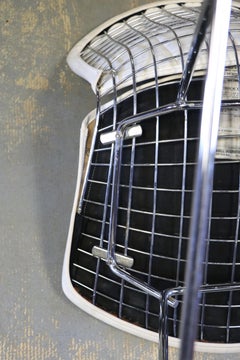
Knoll collaborated with an all-star cast of designers, including Saarinen, whose Womb chair arose from Florence’s request for “a chair that was like a basket full of pillows.” The catalogue includes some of the century’s most recognizable forms: Saarinen’s Tulip chairs, Harry Bertoia’s wire-lattice Diamond chair, the Cyclone table by artist Isamu Noguchi and pieces by Massimo and Lella Vignelli, Jens Risom, Marcel Breuer and Ludwig Mies van der Rohe, who granted Knoll exclusive permission to produce his designs. The manufacturer continues to produce the only authorized version of the elegant and oft-copied Barcelona chair, which Mies created in collaboration with designer Lilly Reich, his creative and romantic partner.
By 1950 — when production for Knoll was moved to East Greenville, Pennsylvania — more than one third of the designs in the company’s portfolio were Florence’s own. She thought of her furniture as “meat and potatoes,” mere practicality.
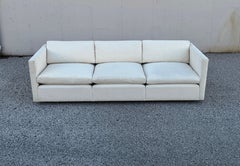
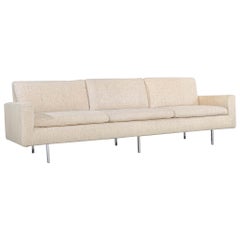
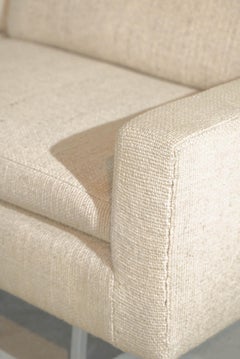
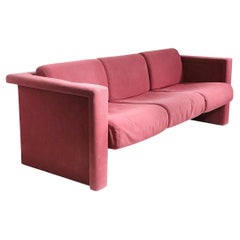
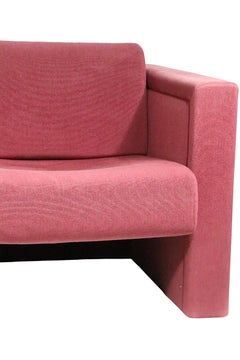
“People ask me if I am a furniture designer,” she once said. “I am not. . . . I designed the fill-in pieces that no one else was doing.” But decades later, her own designs, like the Florence Knoll sofa, with its clean architectural lines, and her Bauhaus-inspired Lounge chair, are icons in their own right.
In 2021, Knoll was acquired by Herman Miller, another legendary American furniture manufacturer that turned a number of designers into mid-century household names. The combined company operates under the name MillerKnoll.
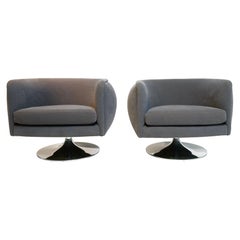
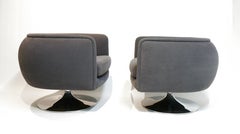
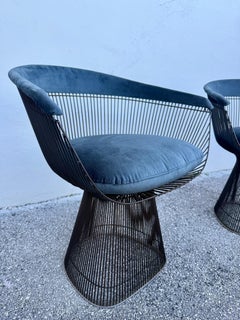
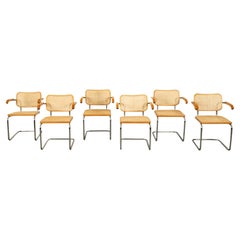
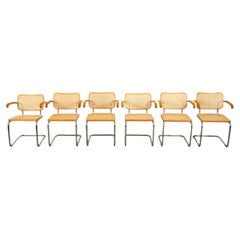
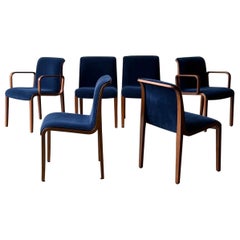
Find a collection of vintage Knoll dining chairs, sofas and other seating on 1stDibs.