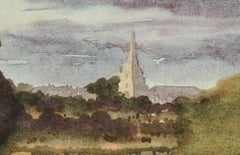
Academic Art

ACADEMIC STYLE

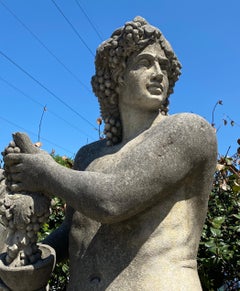
During the Renaissance, the first European fine art academies were established in Italy and would guide the style and standards of visual culture in the following centuries. Academic art became dominant across the continent in the 17th century, with artists coming together to offer instruction in this style of painting and sculpture

The academic art period represented a significant change from the previous era when painters, sculptors and other artists were part of guilds and seen more as artisans than purveyors of culture. While patronage from the elite and the church remained pivotal, young artists were able to support themselves for the first time through academic exhibitions and an independent marketplace. The leading academies included the French Académie Royale de Peinture et de Sculpture founded in Paris in 1648 (which became the Académie des Beaux-Arts after the French Revolution) and the London Royal Academy of Arts formed in 1768 under the inaugural leadership of painter Joshua Reynolds

Academy students sketched drawings based on prints, sculptures and, finally, live models. Movements including neoclassicism and romanticism were particularly popular in these art schools and institutions where the influence of Raphael and Nicolas Poussin was prominent. Beaux Arts architecture and furniture design drew on these movements, too, and, as they also originated at the Académie des Beaux-Arts, the disciplines share common ground with academic painting and sculpture.

Although academic art was a major shift for artistic status when it began, by the middle of the 19th century it was viewed as stodgy and resistant to new ideas, with the subject matter of artists such as William-Adolphe Bouguereau and Jean-Léon Gérôme generally limited to allegorical or mythological themes. Impressionism, realism and the other movements that engaged with contemporary issues that followed were direct reactions to the academic tradition, although it continued to inform the avant-garde as artists like Gustav Klimt and Pablo Picasso started their practices as academic realists.  

Find a collection of academic paintings, sculptures, prints and more art on 1stDibs. 

to
384
498
311
233
139
203
Overall Width
to
Overall Height
to
45
510
527
301
39
50
51
48
24
19
18
26
14
28
30
120,236
64,379
56,902
28,890
14,512
9,672
6,740
6,148
4,207
3,186
2,560
2,366
2,155
579
623
615
37
882
429
288
265
196
160
140
140
128
100
96
76
70
65
56
54
49
45
45
45
843
660
392
386
192
62
36
30
15
15
653
128
727
643
Style: Academic
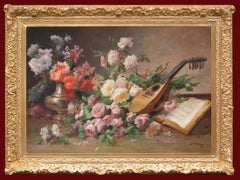
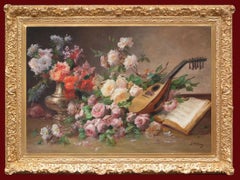
Composition of Roses With Lute and score

Composition of Roses With Lute and score

Located in Saint-Ouen, FR

GODCHAUX Emile (1860) Big Composition of roses with Oil on canvas signed low right Frame gilded with gold leaves Dim canvas : 90 X 129 cm Dim frame : 118 x 159 cm GODCHAUX Emile (1860 - nc) French School - 19th century - Born in 1860 Painter of genre scenes, landscapes, waterscapes, marines, flowers, still lives. He sold his paintings on the public place, and sometimes in Lotteries. He is related to Alfred Godchaux...

Category

Late 19th Century Academic Art

Materials

Oil

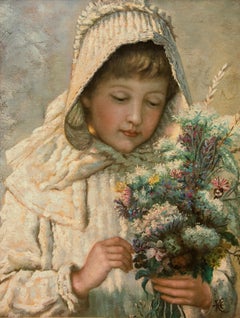
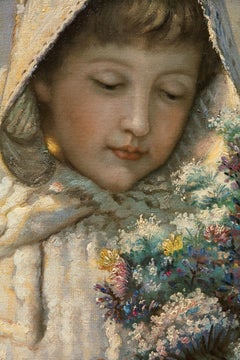
Girl with Bouquet
Girl with Bouquet

Girl with Bouquet

Located in Mc Lean, VA

Monogrammed lower right

Category

Mid-19th Century Academic Art

Materials

Canvas, Oil

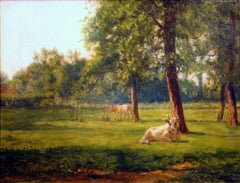
Pasture with Cows
Pasture with Cows

Pasture with Cows

By Rémy Cogghe

Located in Atlanta, GA

Born in Mouscron in the Belgian province of Hainaut, Cogghe attended the Academy of Roubaix where he studied under Constantin Mils. In 1876, Cogghe was admitted to the École Nationa...

Category

Early 1900s Academic Art

Materials

Canvas, Oil

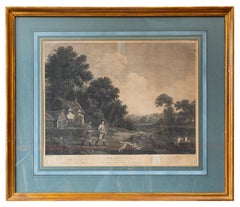
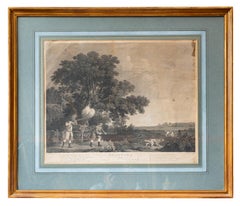
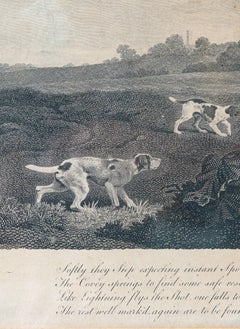
Shooting Engraving After George Stubbs, Late 18th Century Style

Shooting Engraving After George Stubbs, Late 18th Century Style

Located in GB

William Woollett (1735–1785) William Woollett was one of the most accomplished British engravers of the 18th century, renowned for his precision and his ability to capture the paint...

Category

Late 18th Century Academic Art

Materials

Engraving

Shooting Engraving After George Stubbs, Late 18th Century Style

Shooting Engraving After George Stubbs, Late 18th Century Style

Located in GB

William Woollett (1735–1785) William Woollett was one of the most accomplished British engravers of the 18th century, renowned for his technical precision and his ability to translate the subtleties of painting into the language of print. Born in Maidstone, Kent, Woollett trained under John Tinney in London and quickly established himself as a master of landscape and historical engraving. He became particularly celebrated for his engravings after works by artists such as Richard Wilson, Claude Lorrain, and Benjamin West — notably The Death of General Wolfe (after West), which became one of the most famous British prints of its age. Woollett’s exceptional skill in combining line engraving with etching allowed him to reproduce painterly effects of light, texture, and atmosphere with remarkable delicacy. Elected an Associate Engraver of the Royal Academy in 1775, Woollett elevated the status of printmaking to that of a fine art. His works, characterized by technical brilliance and tonal richness, remain benchmarks of 18th-century British engraving. George Stubbs (1724–1806) George Stubbs is regarded as one of Britain’s greatest animal painters, celebrated for his scientific observation, anatomical accuracy, and artistic sensitivity. Born in Liverpool, he studied anatomy independently, dissecting horses to understand their musculature and structure — research that culminated in his celebrated publication The Anatomy of the Horse (1766). Stubbs’s paintings...

Category

Late 18th Century Academic Art

Materials

Engraving

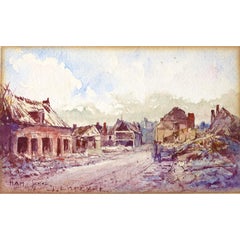
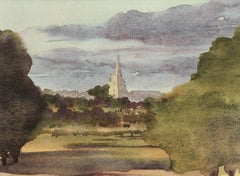
Wartime postcard painting - WWI painted postcard - Ham, Somme (France) 1917

Wartime postcard painting - WWI painted postcard - Ham, Somme (France) 1917

Located in Colfax, CA

WWI painted postcard of Ham, Somme (Northern France), dated 1917. Watercolor on a paper postcard. Measures 3.5 x 5.5 x .1 inches overall.   Good condition overall with some dark mat ...

Category

1910s Academic Art

Materials

Paper, Watercolor

“Hayingen, Germany”
“Hayingen, Germany”

“Hayingen, Germany”

Located in Southampton, NY

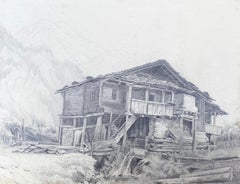
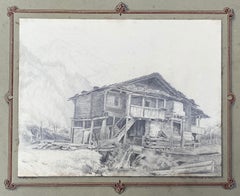
Very fine graphite on archival paper drawing of a typical mountain side house in the town of Hayingen, Germany by the prominent artist, Johannes Kleinschmidt. Signed in ink lower le...

Category

1890s Academic Art

Materials

Archival Paper, Graphite

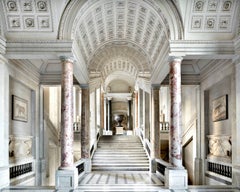
Musei Vaticani XIV, Scala Simonetti

Musei Vaticani XIV, Scala Simonetti

By Massimo Listri

Located in New York, NY

Musei Vaticani XIV, Scala Simonetti 2011 Massimo Listri is based in Florence, and is fascinated how his architectural subject matter allows him to control the composition of his ima...

Category

1990s Academic Art

Materials

C Print

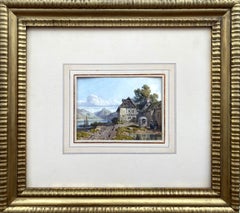
“House by the Lake”
“House by the Lake”

“House by the Lake”

Located in Southampton, NY

Finely executed watercolor and gouache landscape with figures by the Swiss artist, Louise Clauseau (Swiss). Signed under the mat by the artist and dated June, 1852. The watercolor ...

Category

1850s Academic Art

Materials

Watercolor, Gouache, Archival Paper

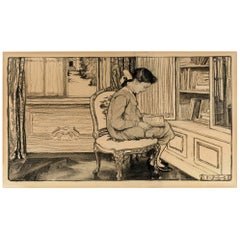
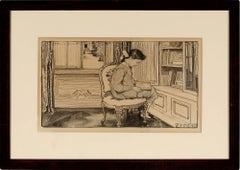
Studious Girl Reading a Book  - Women's Education  - Female Illustrator

Studious Girl Reading a Book - Women's Education - Female Illustrator

By Elizabeth Shippen Green

Located in Miami, FL

The work represents a carefully rendered and meticulously observed environmental portrait of a young girl absorbed in study in front of a book case. It celebrates the intelligence of womanhood from a woman's perspective. Initialed in cartouche lower right literature: "The Silver Pencil", Hardy, Harper's Monthly, June 1912, pg. 22 Elizabeth Shippen Green (September 1, 1871 – May 29, 1954) was an American illustrator. She illustrated children's books and worked for publications such as The Ladies' Home Journal, The Saturday Evening Post and Harper's Magazine. Education Green enrolled at the Pennsylvania Academy of the Fine Arts in 1887 and studied with the painters Thomas Pollock Anshutz, Thomas Eakins, and Robert Vonnoh.[2] She then began study with Howard Pyle at Drexel Institute where she met Violet Oakley and Jessie Willcox Smith. New Woman As educational opportunities were made more available in the 19th century, women artists became part of professional enterprises, including founding their own art associations. Artwork made by women was considered to be inferior, and to help overcome that stereotype women became “increasingly vocal and confident” in promoting women's work, and thus became part of the emerging image of the educated, modern and freer “New Woman”.[4] Artists "played crucial roles in representing the New Woman...

Category

1910s Academic Art

Materials

Paper, Chalk, Charcoal

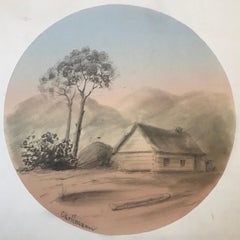
“Cottage”
“Cottage”

“Cottage”

Located in Southampton, NY

Graphite and watercolor on paper stock drawing by the Russian Federation artist, Carl Ivanovitch Kollmann. Circa 1830. Condition: Good. Actual drawing diameter is 6.5 inches. Impr...

Category

1830s Academic Art

Materials

Paper, Watercolor, Graphite

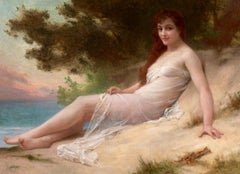
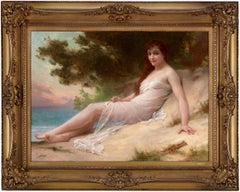
Solitude
Solitude

Solitude

By Guillaume Seignac

Located in New Orleans, LA

Signed “G-Seignac” (lower right) Oil on canvas French Academic painter Guillaume Seignac was renowned for his masterful treatment of the idealized nude. His languishing female subje...

Category

19th Century Academic Art

Materials

Oil, Canvas

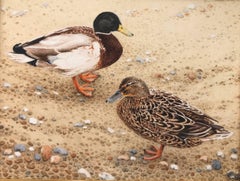
“Mallards 2”
“Mallards 2”

“Mallards 2”

By Alan Farrell

Located in Southampton, NY

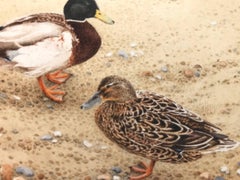
Miniature watercolor painting on arches paper of a pair of mallards done by the very well known miniature artist, Allan Farrell. Exhibited at the Royal Miniature Society exhibition i...

Category

21st Century and Contemporary Academic Art

Materials

Watercolor, Archival Paper

Jupiter and Mercury received by Philemon and Baucis

Jupiter and Mercury received by Philemon and Baucis

Located in New York, NY

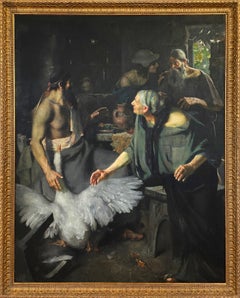
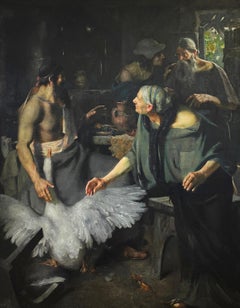
Canvas size: 57 3/4 x 45 1/2 inches A striking and impressive French Academic painting in a high quality Italian style gold leaf frame. Gorguet was an Academic French artist who was trained by Boulanger, Gerome, Bonnat and Morot. His academic training was so strong that he was asked by the Opera House to illustrate many of their posters and he made his living illustrating many books of the time. In the market today this is most of what circulates and comes to light by the artist. He was ultimately made a professor of Drawings at L’Institut. However, Gorguet was also a Symbolist artist and did works aligned with the Art Nouveau movement. Many of these works are quite impressive but rarely have surfaced in the art market. Jupiter and Mercury Received by Philemon and Baucis is more of an Allegorical work and Gorguet switched gears to do a painting which would garner International attention at the important Concourse du Prix de Rome competition. 1891 was a year where the competition would be stiff and he knew he had to do an impressive painting with a compelling historical or allegorical content. In this painting, Gorguet is depicting their Jupiter and Mercury’s arrival at their home and the indication that Philemon and Baucis will share what they have with them despite their poverty-stricken means. The technical execution of this work is exceptional as the figurative work is done masterfully and any small detail within the canvas demonstrates tremendous attention of subtlety of tone and modeling. An example is the strand of cloth that crosses Jupiters chest and the delicate shades of pink and gray and how it is modeled. More than ever, the academic artists of this period are to be appreciated for the quality and creativeness of their work. And the timelessness of these classical allegories are still applicable to our lives today. So we predict a turn back toward work like this as qualitatively we know it will never be done again. Story of Jupiter and Mercury Visiting Philemon and Baucis (one interpretation) According to ancient Roman mythology and Ovid's Metamorphoses (8.631, 8.720.), Philemon and Baucis had lived out their long lives nobly, but in poverty. Jupiter, the Roman king of the gods, had heard of the virtuous couple, but based on all his previous experiences with humans, he had serious doubts as to their goodness. Jupiter was about to destroy mankind but was willing to give it one final chance before starting over again. So, in the company of his son Mercury, the wing-footed messenger god, Jupiter went about, disguised as a worn and weary traveler, from house to house among the neighbors of Philemon and Baucis. As Jupiter feared and expected, the neighbors turned him and Mercury away rudely. Then the two gods went to the last house...

Category

1890s Academic Art

Materials

Canvas, Oil

Walhalla - Ratisbona 2003

Walhalla - Ratisbona 2003

By Massimo Listri

Located in New York, NY

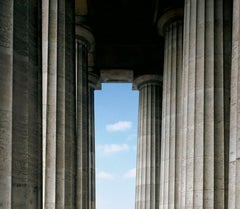
Walhalla - Ratisbona 2003 C-print Signed, titled, dated and numbered edition of 5 on artist's label on verso. 39.5 x 47.5 inches edition of 5 47.5 x 59 inches edition of 5 71 x ...

Category

21st Century and Contemporary Academic Art

Materials

C Print

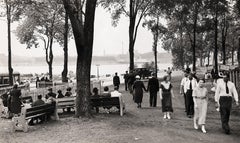
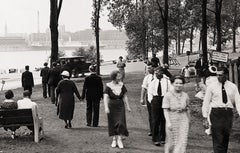
Relaxing - people walking , Panoramic Archival fine art print, Black white photo

Relaxing - people walking , Panoramic Archival fine art print, Black white photo

Located in Sant Cugat del Vallès, Barcelona

An archival pigment print on Hahnemühle Photo Rag® Baryta 315 g/m² paper of a photograph by Harry Sutcliffe (1878- 1942) entitled ' Relaxing ' Scene of a riverside stroll near a po...

Category

1930s Academic Art

Materials

Black and White, Giclée, Pigment, Archival Pigment, Digital Pigment

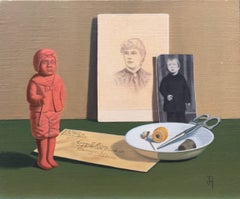
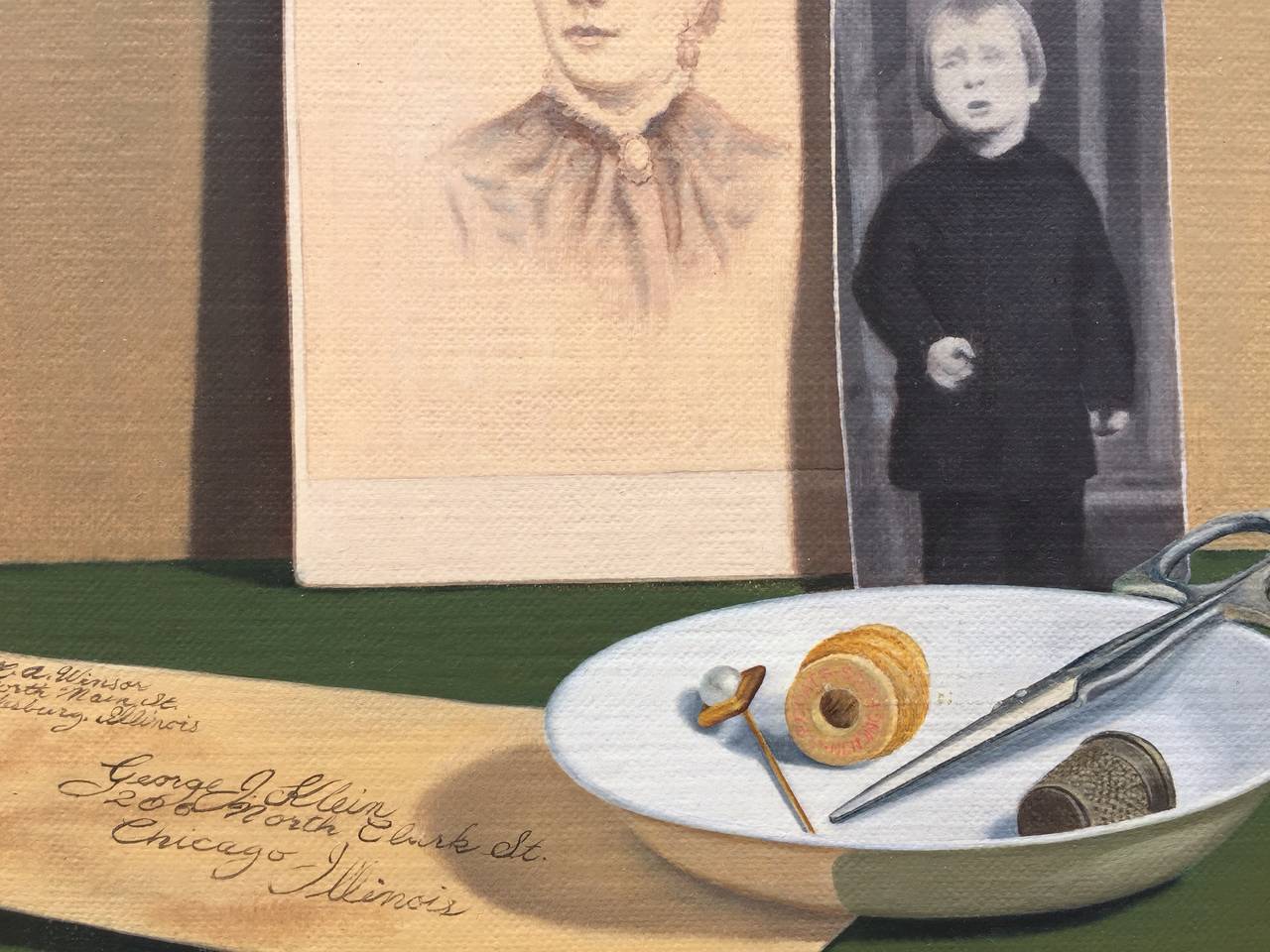
"Still Life with Figure"

"Still Life with Figure"

By John T. Axton

Located in Southampton, NY

This painting is an oil on canvas mounted to a wood panel. It is signed with his monogram signature JTA lower right. The work is unframed. Axton was born in Fort Leavenworth, Kan...

Category

1980s Academic Art

Materials

Oil, Canvas

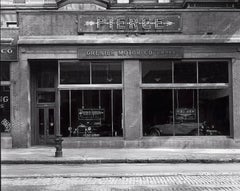
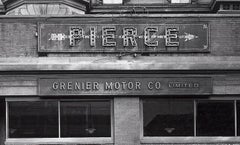
Pierce Arrow - Archival fine art print, Black white, Car dealer's shop window

Pierce Arrow - Archival fine art print, Black white, Car dealer's shop window

Located in Sant Cugat del Vallès, Barcelona

An archival pigment print on Hahnemühle Photo Rag® Baryta 315 g/m² paper of a photograph of a former car dealer's shop window of the brand Pierce Arrow cerca 1925 entitled ' Pierce A...

Category

1920s Academic Art

Materials

Black and White, Giclée, Pigment, Archival Pigment, Digital Pigment

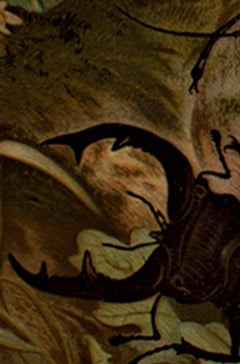
19th century color lithograph beetles nature forest tree leaves animal signed

19th century color lithograph beetles nature forest tree leaves animal signed

By Louis Prang

Located in Milwaukee, WI

"Stag Beetle & Longicorn Beetle" is an original color lithograph by Louis Prang. It depicts two forest-dwelling beetles. The artist signed the piece in the stone lower left. It was published by Selmar Hess in New York. 8" x 5" art 19 3/8" x 16" framed Louis Prang (March 12, 1824 – September 14, 1909) was an American printer, lithographer, publisher, and Georgist. He is sometimes known as the "father of the American Christmas card". Prang's early activities in the US publishing architectural books and making leather goods were not very successful, and he began to make wood engravings for illustrations in books. In 1851 he worked for Frank Leslie, art director for Gleason's Pictorial Drawing-Room Companion, and later with John Andrew. In 1851, he married Rosa Gerber, a Swiss woman he had met in Paris in 1846. In 1856, Prang and a partner created a firm, Prang and Mayer, to produce lithographs. The company specialized in prints of buildings...

Category

1880s Academic Art

Materials

Lithograph

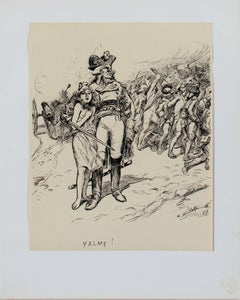
"VALMY! (L'Estampe Moderne), " Lithograph after Drawing by Adolphe Willette

"VALMY! (L'Estampe Moderne), " Lithograph after Drawing by Adolphe Willette

By Adolphe Willette

Located in Milwaukee, WI

"VALMY! (L'Estampe Moderne)" is a print watermarked PL BAS after a drawing by Adolphe Willette. It depicts a general with his army and a young girl. 15 3/4" x 12" art 23" x 19 1/4" frame Adolphe Léon Willette (30 July 1857 – 4 February 1926) was a French painter, illustrator, caricaturist, and lithographer, as well as an architect of the famous Moulin Rouge cabaret. Willette ran as an "anti-semitic" candidate in the 9th arrondisement of Paris for the September 1889 legislative elections. Biography Willette was born in Châlons-sur-Marne. He studied for four years at the École des Beaux-Arts under Cabanel, training which gave him a unique position among the graphic humorists of France. Whether comedy or tragedy, dainty triviality or political satire, his work is instinct with the profound sincerity of the artist. He set Pierrot upon a lofty pedestal among the imaginary heroes of France, and established Mimi Pinson, frail, lovable, and essentially good-hearted, in the affections of the nation. Willette is at once the modern Watteau of the pencil, and the exponent of sentiments that move the more emotional section of the public. Always a poet, and usually gay, fresh, and delicate, in his presentation of idylls exquisitely dainty and characteristically Gallic, illustrating the more "charming" side of love, often pure and sometimes extremely materialistic. Willette frequently reveals himself bitter and fierce, even ferocious, in his hatreds, being a violent though at the same time a generous partisan of political ideas, furiously compassionate with love and pity for the people whether they be ground down under the heel of political oppression, or are merely the victims ot unrequited love, suffering all the pangs of graceful anguish that are born of scornful treatment. There is charm even in his thrilling apotheosis of the guillotine, and in the introduction into his caricatures of the figure of Death itself. The artist was a prolific contributor to the French illustrated press under the pseudonyms "Cemoi", "Pierrot", "Louison", "Bebe", and "Nox", but more often under his own name. He illustrated Melandri's Les Pierrots and Les Giboulles d'avril, Le Courrier français, and published his own Pauvre Pierrot and other works, in which he tells his stories in scenes in the manner of Busch. He decorated several "brasseries artistiques" with wall-paintings, stained glass, &c., notably Le Chat noir and La Palette d'or, and he painted the highly imaginative ceiling for La Cigale...

Category

1890s Academic Art
Materials

Black and White

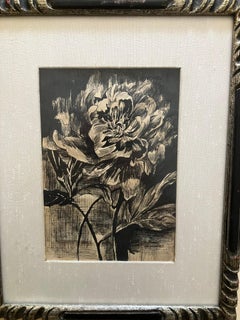
Mystery Signed Pen and Ink Floral

Mystery Signed Pen and Ink Floral

Located in San Francisco, CA

Up for sale another mystery piece. This wonderfully executed pen and ink is signed lower right but I cannot decipher it. Obviously drawn by a very well trained artist. This floral pi...

Category

Mid-20th Century Academic Art

Materials

Ink

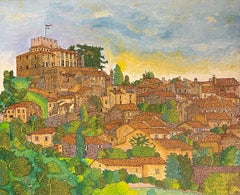
French Contemporary Art by Pascal Plazanet - Ansouis en Luberon

French Contemporary Art by Pascal Plazanet - Ansouis en Luberon

By Pascal Plazanet

Located in Paris, IDF

Rapidography & oil onto canvas Pascal Plazanet is a French artist born in 1963 who lives and works in Paris, France. For more 30 years, he constantly uses rapidograph pens in his artworks on paper or onto canvas. The rapidograph is a special pen with a capillary tubular tip in which flows a black pigment, an ancient drawing tool...

Category

Early 2000s Academic Art

Materials

Canvas, Oil

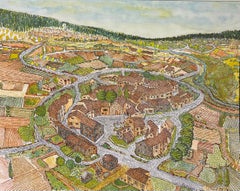
French Contemporary Art by Pascal Plazanet - Provencale No. 6

French Contemporary Art by Pascal Plazanet - Provencale No. 6

By Pascal Plazanet

Located in Paris, IDF

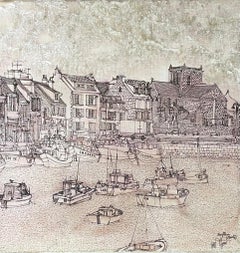
Rapidography & acrylic on paper + white frame Pascal Plazanet is a French artist born in 1963 who lives and works in Paris, France. For more 30 years, he constantly uses rapidograph pens in his artworks on paper or onto canvas. The rapidograph is a special pen with a capillary tubular tip in which flows a black pigment, an ancient drawing tool...

Category

1990s Academic Art
Materials

Paper, Acrylic

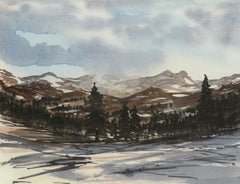
"The ribbons bent"
"The ribbons bent"

"The ribbons bent"

By Oleksandr Khrapachov

Located in Edinburgh, GB

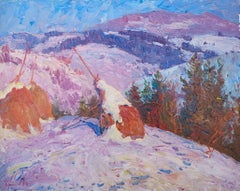
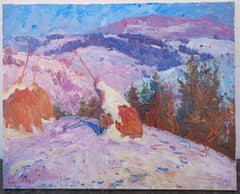
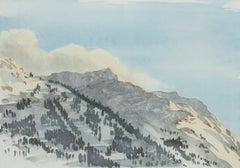
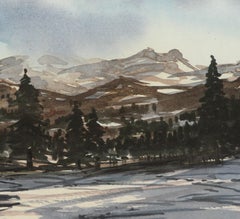
The picture "Stozhki nakhilis" transports the viewer to the winter fairy tale of Transcarpathia, where a sunny day envelops the snow-covered slopes of the mountains with warm rays. O...

Category

21st Century and Contemporary Academic Art

Materials

Canvas, Oil

GRISAILLE 19th Century - Cherubs asleep

GRISAILLE 19th Century - Cherubs asleep

Located in Saint-Ouen, FR

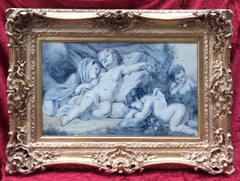
GRISAILLE 19th Century (anonymous) Cherubs asleep Part of "Rococo Style" made famous by François Boucher (1703 - 1770) Oil on canvas Circa 1850 Old frame re-gilded Dim canvas : 33 X ...

Category

Mid-19th Century Academic Art

Materials

Oil

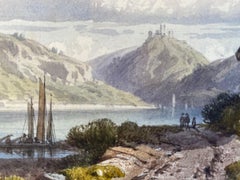
Istambul View with characters

Istambul View with characters

Located in Saint-Ouen, FR

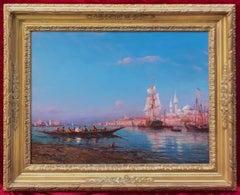
Alfredo CALDINI (1917 - NC) View of Istambul with Characters Oil on canvas signed low left Old frame regilded with gold leaves Size canvas : 46 X 65 cm...

Category

1950s Academic Art
Materials

Oil

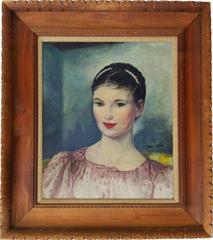
Portrait of Theresa Rogers

Portrait of Theresa Rogers

By Leon Kroll

Located in Miami, FL

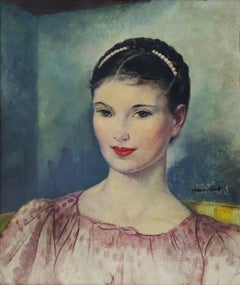
Portrait of Theresa Rogers Housed in a period hand carved wood frame. Some scatter minor paint loss and stretcher marks otherwise presents very well Signature: Signed lower right T...

Category

1930s Academic Art
Materials

Oil

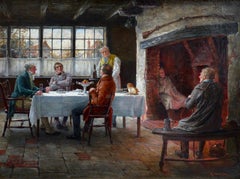
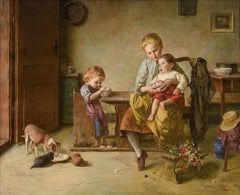
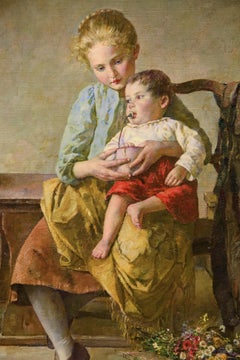
Feeding the Young
Feeding the Young

Feeding the Young

By Edmund Adler

Located in Mc Lean, VA

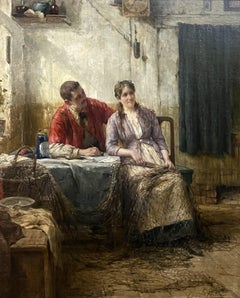
A rural interior scene by Austrian artist Edmund Adler. The scene is typical of Adler's paintings of Austrian culture and rural life. It is full of gemütlichkeit.

Category

1930s Academic Art
Materials

Canvas, Oil

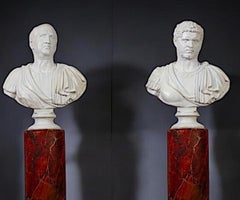
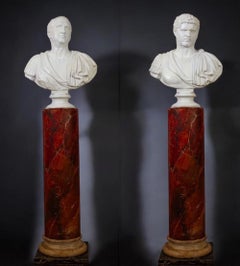
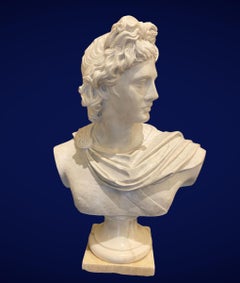
Pair of  Neoclassical  Terracotta  Bust of Emperor Caracalla and Cicero

Pair of Neoclassical Terracotta Bust of Emperor Caracalla and Cicero

Located in Rome, IT

Pair of 19' century Italian Marble imitation painted Terracotta . Bust of Emperor Caracalla and Cicero . Measurements : cm 71 H x 60 Available also a pair marble imitation colum...

Category

1870s Academic Art
Materials

Terracotta

"Wife of Lot"
"Wife of Lot"

"Wife of Lot"

By Robert Bodem

Located in Sag Harbor, NY

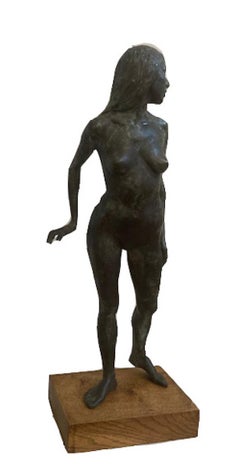
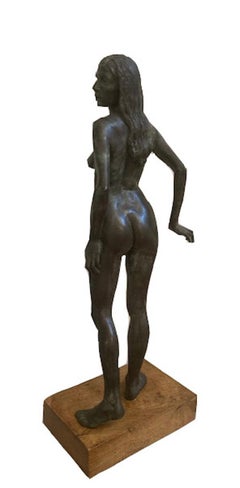
Robert Christian Bodem is a sculptor of figurative work, primarily showing in bronze. He received both his Bachelors and Masters in Fine Arts in Sculpture at Boston University. Durin...

Category

21st Century and Contemporary Academic Art
Materials

Bronze

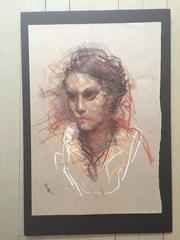
Female Portrait Sketch #2

Female Portrait Sketch #2

By Ben Fenske

Located in Sag Harbor, NY

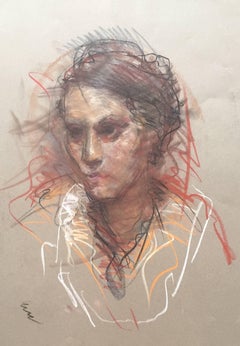
A colorful sketch of a female bust, in the style of contemporary academic realism. Artist Bio Ben Fenske (b. 1978) although a native of Minnesota, a...

Category

21st Century and Contemporary Academic Art
Materials

Paper, Conté, Crayon

Academic art for sale on 1stDibs.
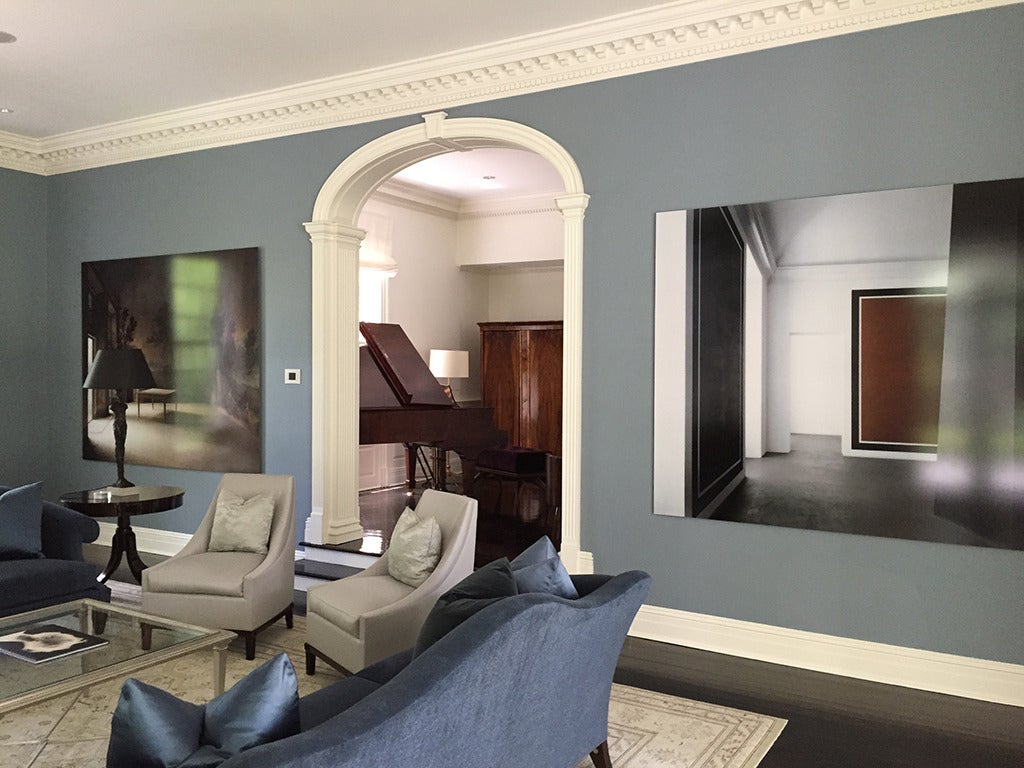
Find a wide variety of authentic Academic art available for sale on 1stDibs. Works in this style were very popular during the 21st Century and Contemporary, but contemporary artists have continued to produce works inspired by this movement. If you’re looking to add art created in this style to introduce contrast in an otherwise neutral space in your home, the works available on 1stDibs include elements of purple, blue, orange, pink and other colors. Many Pop art paintings were created by popular artists on 1stDibs, including Karen Darbinyan, Owen Jones, Paul Jones b.1921, and Mark Beard. Frequently made by artists working with Paint, and Oil Paint and other materials, all of these pieces for sale are unique and have attracted attention over the years. Not every interior allows for large Academic art, so small editions measuring 1.5 inches across are also available. Prices for art made by famous or emerging artists can differ depending on medium, time period and other attributes. On 1stDibs, the price for these items starts at $11 and tops out at $700,000, while the average work sells for $1,444.