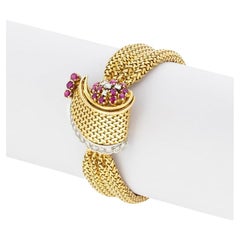
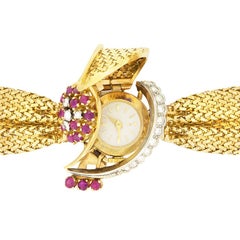
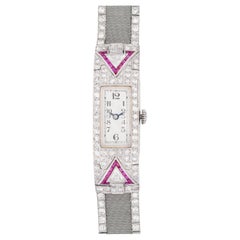
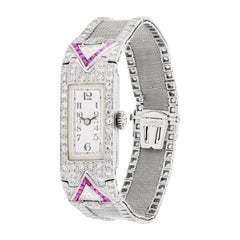
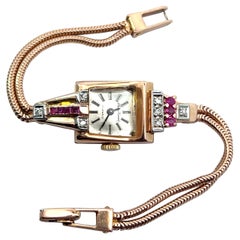
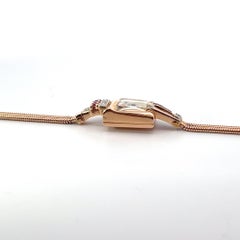
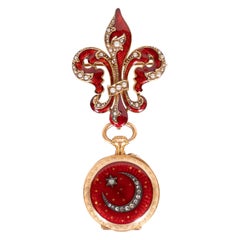
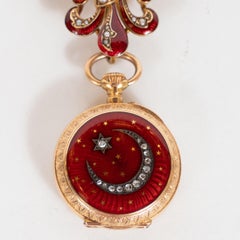
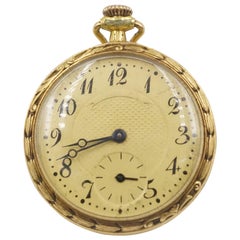
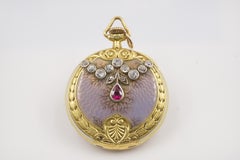
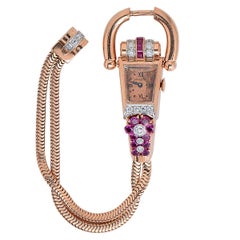
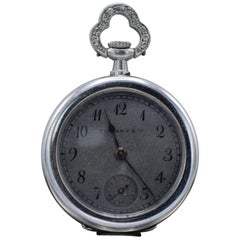
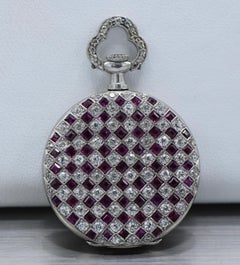
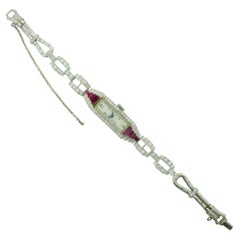
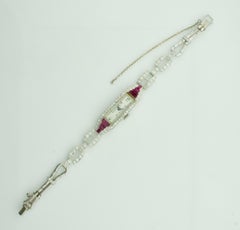
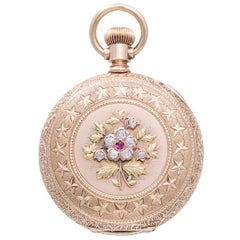
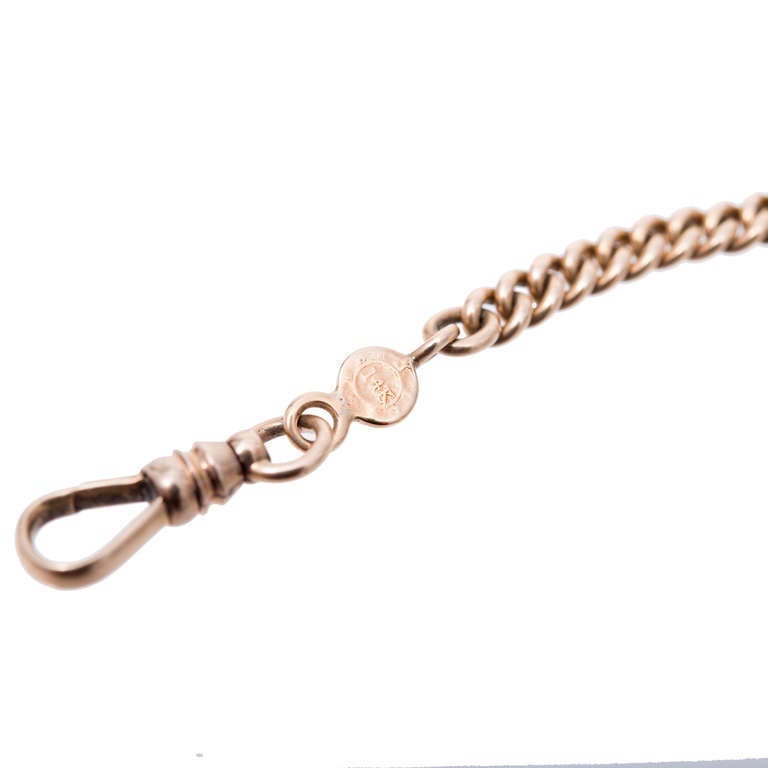
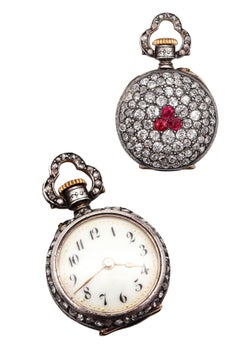
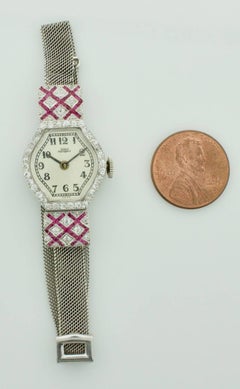
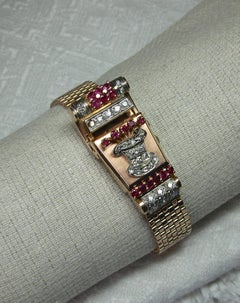
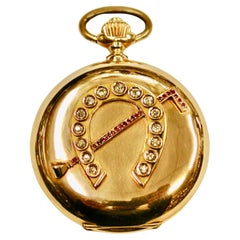
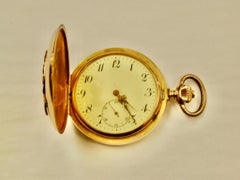
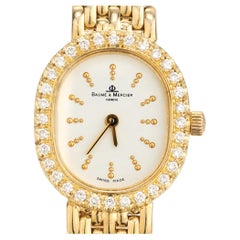
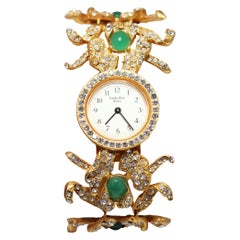
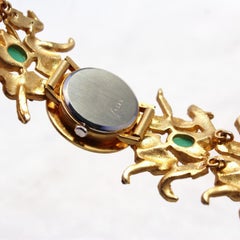
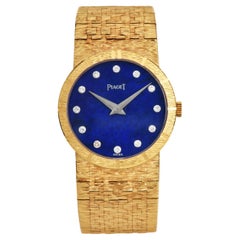
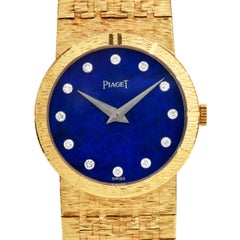
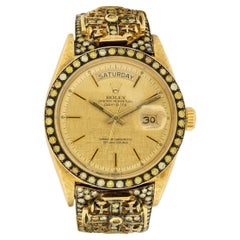
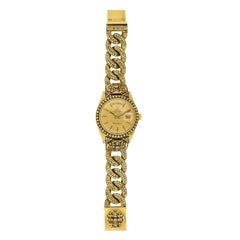
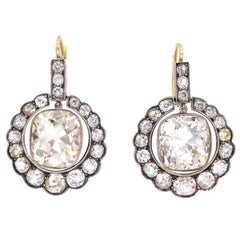
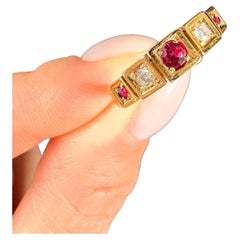
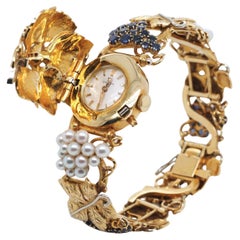
On 1stDibs, you can find the most appropriate antique diamond and ruby watch for your needs in our varied inventory. Frequently made of
Gold,
14k Gold and
Platinum, this item was constructed with great care. Find an antique version now, or shop for 44 vintage or 2 modern creation for a more contemporary example of these cherished accessories. Finding the perfect antique diamond and ruby watch may mean sifting through those created during different time periods — you can find an early version that dates to the 19th Century and a newer variation that were made as recently as the 21st Century. A
rose cut version of this piece has appeal, but there are also
old mine cut and
antique cushion cut versions for sale. Finding an antique diamond and ruby watch for sale for
women should be easy, but there are 24 pieces available to browse for unisex as well as
men, too.
Prices for an antique diamond and ruby watch can differ depending upon size, time period and other attributes — at 1stDibs, these accessories begin at $100 and can go as high as $19,500, while this accessory, on average, fetches $2,867.
Antique diamond rings, diamond tiaras and dazzling vintage diamond earrings are on the wish lists of every lover of fine jewelry. And diamonds and diamond jewelry are primarily associated with storybook engagements and red-carpet grand entrances — indeed, this ultra-cherished gemstone has a dramatic history on its hands.
From “A Diamond Is Forever” to “Diamonds Are a Girl’s Best Friend,” pop culture has ingrained in our minds that diamonds are the most desired, the most lasting and the most valuable gemstone. But what makes the diamond so special? Each stone — whether it’s rubies, sapphires or another stone — is unique and important in its own right. April babies might claim diamonds for themselves, but just about everyone wants this kind of sparkle in their lives!
There are several factors that set diamonds apart from other stones, and these points are important to our gem education.
Diamonds are minerals. They are made up of almost entirely of carbon (carbon comprises 99.95 percent; the remainder consists of various trace elements). Diamonds are the hardest gemstones, ranking number 10 on the Mohs Hardness Scale. Even its name, diamond, is rooted in the Greek adamas, or unconquerable. The only object that can scratch a diamond is another diamond. Diamonds are formed deep within the earth at very high temperatures (1,652–2,372 degrees Fahrenheit at depths between 90 and 120 miles beneath the earth’s surface) and are carried up by volcanic activity. Diamonds are quite rare, according to the Gemological Institute of America, and only 30 percent of all the diamonds mined in the world are gem quality.
In the 1950s, the Gemological Institute of America developed the 4Cs grading system to classify diamonds: clarity, color, cut and carat weight. Not all diamonds are created equal (there are diamonds, and then there are diamonds). The value of the diamond depends on the clarity (flawless diamonds are very rare but a diamond's value decreases if there are many blemishes or inclusions), color (the less color the higher the grade), cut (how the diamond’s facets catch the light, certain cuts of diamonds show off the stone better than others) and carat weight (the bigger, the better).
When you start shopping for a diamond engagement ring, always prioritize the cut, which plays the largest role in the diamond's beauty (taking the time to clean your diamond ring at least every six months or so plays a role in maintaining said beauty). And on 1stDibs, a range of buying guides can be found for those in the market for antique engagement rings, vintage engagement rings or Art Deco engagement rings.
Shop antique and vintage diamond rings, diamond necklaces and other extraordinary diamond jewelry on 1stDibs.
Records show that, in Europe, by the 16th century, it was high time for portable clock devices. Right now, perhaps you’re shopping for your own. If so, find a vast range of fashionable and functional antique, vintage and luxury watches on 1stDibs.
While wall-mounted time tellers and grandfather clocks were much more convenient than the sundials of ancient history, watches were becoming crucial for an increasingly connected society whose members learned that the latest advancements in technology meant they could carry devices that kept time to within a minute a day. Tragically, the first pocket watches — albeit an improvement on the accessories that preceded them, which dangled from a chain worn around the neck — didn’t help much as far as accuracy or portability. Focused on style over substance, the upper class frequently carried lavish pieces that ran hours behind.
Eventually, watches migrated from owners’ pockets to their wrists. In the early days of watchmaking, watches were fragile enough that they necessitated protection from the elements. Now, wristwatches made of gold and steel can withstand the harshest climates — even 100 meters underwater, in the case of Rolex’s Submariner. Designer Gérald Genta, whose range of clients included Rolex, created for Audemars Piguet the first luxury sports timepiece to be made from stainless steel. First introduced in 1972, the Royal Oak was a perfect choice for blending the form and function that are now synonymous with sports watches.
Indeed, although exceedingly practical, the watches of today are far from bland. Bulgari’s iconic Serpenti watch was on everyone’s list after the collection’s bold bracelet, which technically debuted after the timepiece, graced the wrist of actress Elizabeth Taylor. If anything, elaborately crafted timepieces — the unmistakably boxy silhouette of Cartier Tank watches, the elegant and minimal Calatrava designed by legendary Swiss house Patek Philippe — are even more effective than the shape we associate with traditional watches. You’ll always know what time it is because you won’t be able to tear your eyes away from your new accessory.
Form watches — the all-encompassing moniker bestowed upon non-round watches — are making headlines and completing contemporary fashionable ensembles the world over. At the same time, both casual fans and careful collectors are drawn to the unbeatable charm of vintage styles, such as the icons designed by Omega that even James Bond can’t resist.
When shopping for a watch, it’s good to keep your needs as well as your specific personal style in mind: A smaller, subtle timepiece is a good fit for small wrists. When will you be wearing your new accessory? There’s a versatile model out there for everyday wear, while a rugged, feature-heavy watch is a safe bet if you’re prone to embarking on all-weather activities in the great outdoors.
Find exactly what you’re looking for in an unparalleled collection of antique, vintage and luxury watches on 1stDibs that includes Cartier watches, Rolex watches, Patek Philippe watches and more — we promise it will be worth your time.