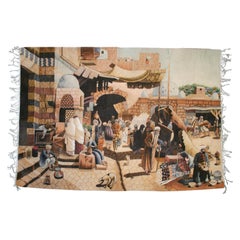
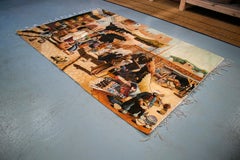
1950s Spanish Hand Woven Wool Tapestry with Arab Market Scene
Located in Marbella, ES
1950s Spanish hand woven wool tapestry with Arab market scene.
Category
Mid-20th Century Spanish Tapestries
Materials
Wool
1950s Spanish Hand Woven Wool Tapestry with Arab Market Scene
Located in Marbella, ES
1950s Spanish hand woven wool tapestry with Arab market scene.
Wool
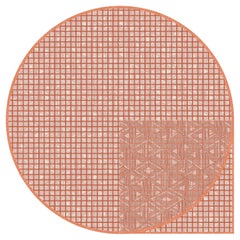
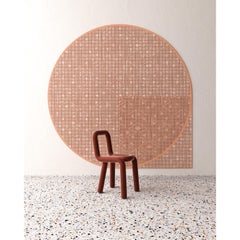
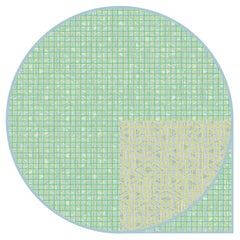
Almadra Wall Tapestry by Antilla Di Lauro
Located in Geneve, CH
Almadra Wall Tapestry by Antilla Di Lauro Dimensions: D 240 H 240 cm. Materials: Semi-worsted wool
Other
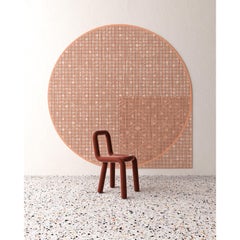
Almadra Wall Tapestry by Antilla Di Lauro
Located in Geneve, CH
Almadra Wall Tapestry by Antilla Di Lauro Dimensions: D 240 H 240 cm. Materials: Semi-worsted wool
Other
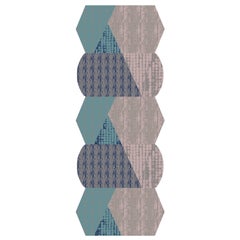
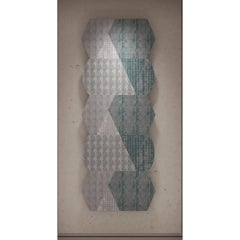
Mesanpar Rose Wall Tapestry by Antilla Di Lauro
Located in Geneve, CH
Mesanpar Rose Wall Tapestry by Antilla Di Lauro Dimensions: L 120 x H 310 cm. Materials: Recycled
Plastic
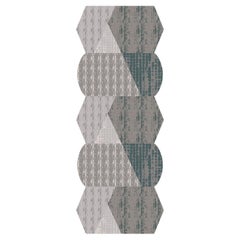
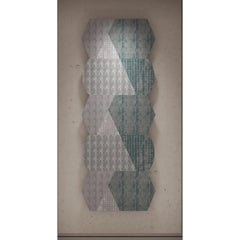
Mesanpar Peacock Wall Tapestry by Antilla Di Lauro
Located in Geneve, CH
Mesanpar Peacock Wall Tapestry by Antilla Di Lauro Dimensions: L 120 x H 310 cm. Materials
Plastic
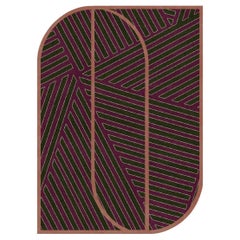
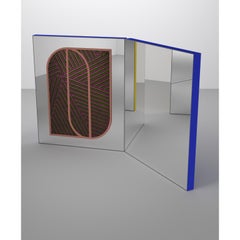
Lola Pine Wall Tapestry by Antilla Di Lauro
Located in Geneve, CH
Lola Pine Wall Tapestry by Antilla Di Lauro Dimensions: D 280 x H 205 cm. Materials: Semi-worsted
Other
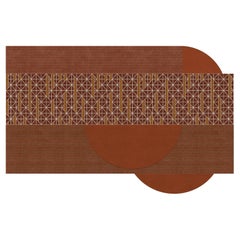
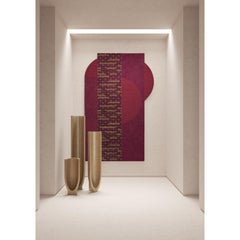
Casablanca Cinnamon Wall Tapestry by Antilla Di Lauro
Located in Geneve, CH
Casablanca Cinnamon Wall Tapestry by Antilla Di Lauro Dimensions: L 250 x H 160 cm. Materials: Semi
Other
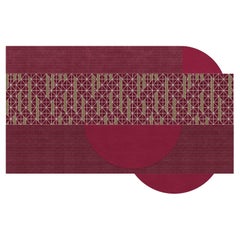
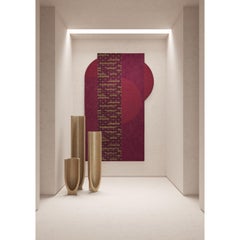
Casablanca Burgundy Wall Tapestry by Antilla Di Lauro
Located in Geneve, CH
Casablanca Burgundy Wall Tapestry by Antilla Di Lauro Dimensions: L 250 x H 160 cm. Materials: Semi
Other

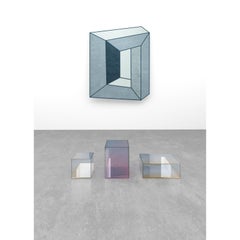
Zahir Cornflour Wall Tapestry by Antilla Di Lauro
Located in Geneve, CH
Zahir Cornflour Wall Tapestry by Antilla Di Lauro Dimensions: D 240 x H 300 cm. Materials: Semi
Wool, Plastic, Silk
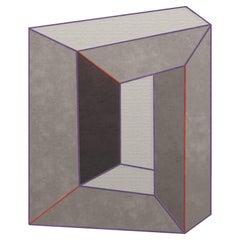
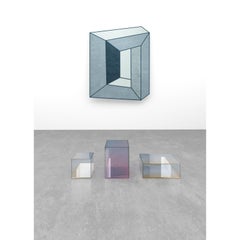
Zahir Moka Wall Tapestry by Antilla Di Lauro
Located in Geneve, CH
Zahir Moka Wall Tapestry by Antilla Di Lauro Dimensions: D 240 x H 300 cm. Materials: Semi-worsted
Wool, Silk, Plastic
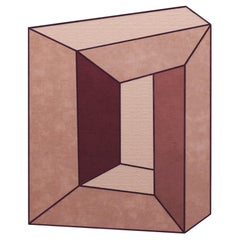
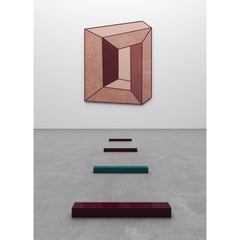
Zahir Tamarind Wall Tapestry by Antilla Di Lauro
Located in Geneve, CH
Zahir Tamarind Wall Tapestry by Antilla Di Lauro Dimensions: D 240 x H 300 cm. Materials: Semi
Wool, Silk, Plastic
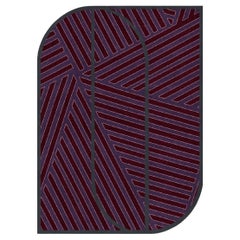
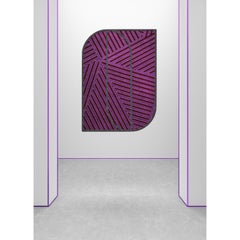
Lola Tyrian Purple Wall Tapestry by Antilla Di Lauro
Located in Geneve, CH
Lola Tyrian Purple Wall Tapestry by Antilla Di Lauro Dimensions: D 280 x H 205 cm. Materials: Semi
Other
Sold
H 14 in W 17.5 in D 0.05 in
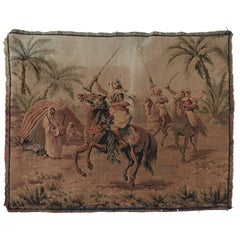
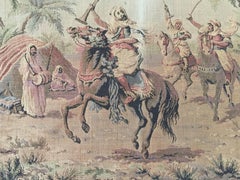
Orientalist Tapestry with Arabs on Horse Hunting Scene in Aubusson Style
By Aubusson Manufacture
Located in Moreno Valley, CA
Wool tapestry with orientalist Arab on horse hunting scene, brown antique look colors. Textile
Wool
Postmodern design was a short-lived movement that manifested itself chiefly in Italy and the United States in the early 1980s. The characteristics of vintage postmodern furniture and other postmodern objects and decor for the home included loud-patterned, usually plastic surfaces; strange proportions, vibrant colors and weird angles; and a vague-at-best relationship between form and function.
ORIGINS OF POSTMODERN FURNITURE DESIGN
CHARACTERISTICS OF POSTMODERN FURNITURE DESIGN
POSTMODERN FURNITURE DESIGNERS TO KNOW
VINTAGE POSTMODERN FURNITURE ON 1STDIBS
Critics derided postmodern design as a grandstanding bid for attention and nothing of consequence. Decades later, the fact that postmodernism still has the power to provoke thoughts, along with other reactions, proves they were not entirely correct.
Postmodern design began as an architectural critique. Starting in the 1960s, a small cadre of mainly American architects began to argue that modernism, once high-minded and even noble in its goals, had become stale, stagnant and blandly corporate. Later, in Milan, a cohort of creators led by Ettore Sottsass and Alessandro Mendini — a onetime mentor to Sottsass and a key figure in the Italian Radical movement — brought the discussion to bear on design.
Sottsass, an industrial designer, philosopher and provocateur, gathered a core group of young designers into a collective in 1980 they called Memphis. Members of the Memphis Group, which would come to include Martine Bedin, Michael Graves, Marco Zanini, Shiro Kuramata, Michele de Lucchi and Matteo Thun, saw design as a means of communication, and they wanted it to shout. That it did: The first Memphis collection appeared in 1981 in Milan and broke all the modernist taboos, embracing irony, kitsch, wild ornamentation and bad taste.
Memphis works remain icons of postmodernism: the Sottsass Casablanca bookcase, with its leopard-print plastic veneer; de Lucchi’s First chair, which has been described as having the look of an electronics component; Martine Bedin’s Super lamp: a pull-toy puppy on a power-cord leash. Even though it preceded the Memphis Group’s formal launch, Sottsass’s iconic Ultrafragola mirror — in its conspicuously curved plastic shell with radical pops of pink neon — proves striking in any space and embodies many of the collective’s postmodern ideals.
After the initial Memphis show caused an uproar, the postmodern movement within furniture and interior design quickly took off in America. (Memphis fell out of fashion when the Reagan era gave way to cool 1990’s minimalism.) The architect Robert Venturi had by then already begun a series of plywood chairs for Knoll Inc., with beefy, exaggerated silhouettes of traditional styles such as Queen Anne and Chippendale. In 1982, the new firm Swid Powell enlisted a group of top American architects, including Frank Gehry, Richard Meier, Stanley Tigerman and Venturi to create postmodern tableware in silver, ceramic and glass.
On 1stDibs, the vintage postmodern furniture collection includes chairs, coffee tables, sofas, decorative objects, table lamps and more.
Whether you hang them behind your bed as a dazzling alternative to a headboard or over the sofa as a large-scale focal point in the living room, vintage tapestries can introduce an array of textures and colors to any space in your home.
Woven wall hangings haven’t consistently enjoyed the popularity or earned the highbrow status that other types of wall decorations have over the years, at least not since the 1970s, which was somewhat of a heyday for tapestries. Today, however, these tactile works of art are seeing a renaissance, as modern weavers are forging new paths in the medium while the demand for antique and vintage tapestries continues to grow.
“We are drawn to texture in environments, and we see tapestries as a subtle layer of soft ornament,” says Lauren Larson of the New York design duo Material Lust. Indeed, and a lot of opportunity comes along when decorating with this distinctive brand of soft ornament.
Think of wall hangings as paintings created by hand with fabric instead of oil or watercolors. If you’re not simply securing your treasure to a wall with nails, pushpins or Velcro, tapestries can be stretched over a frame, used to create a canopy in a cozy living-room corner, hung from a rod or placed inside a shadowbox. And because this kind of textile art is hundreds of years old, options abound with respect to subjects and designs.
For richly detailed depictions of landscapes and garden scenes, look to antique Chinese tapestries and Japanese tapestries. Aubusson tapestries are ornate wall hangings manufactured in central France that are also characterized by romantic portrayals of nature. For weavers of mid-century modern tapestries, as well as those working in textile arts today, the styles and subject matter are too numerous to mention, with artists exploring experimental shapes, bold colors and provocative abstract designs.
Antique, new and vintage tapestries can make a room feel warm and welcoming — find yours on 1stDibs now.