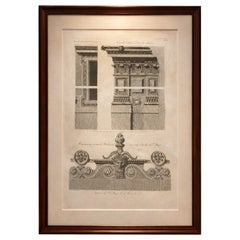
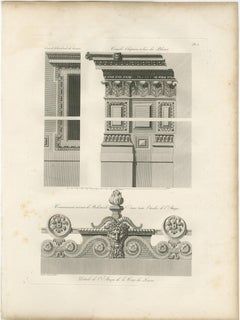
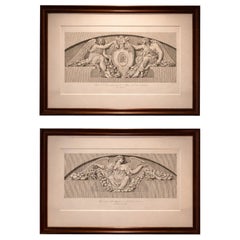
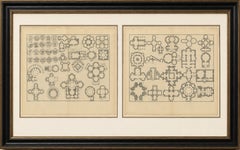
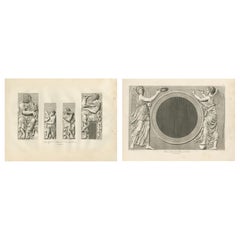
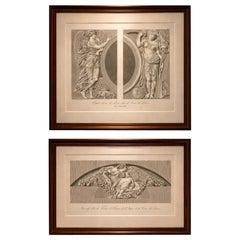
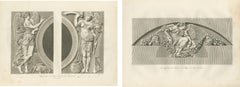
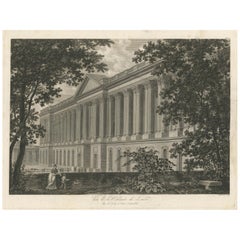
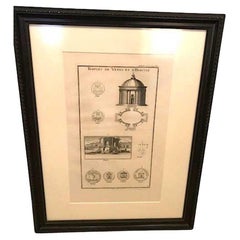
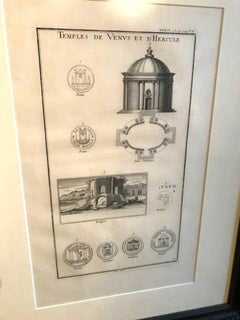
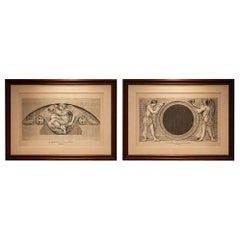
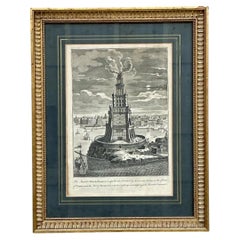
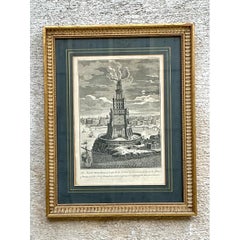
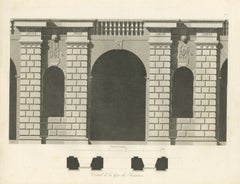
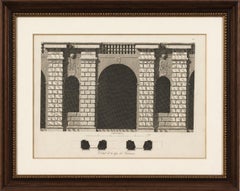
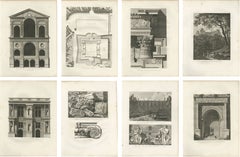
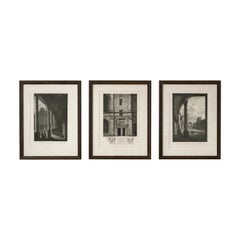
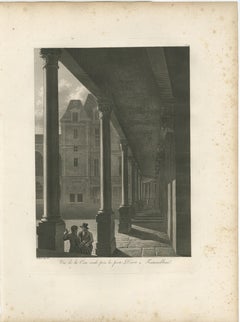
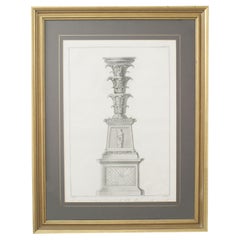
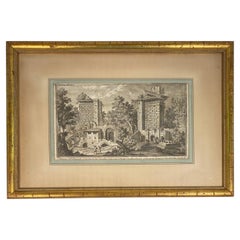
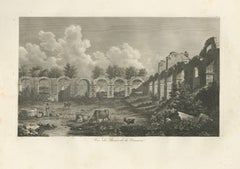
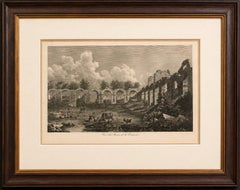
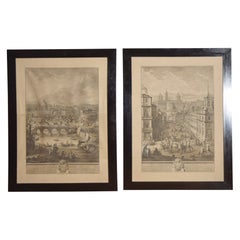
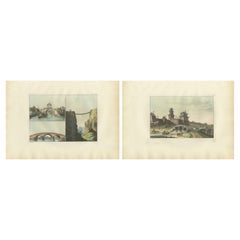
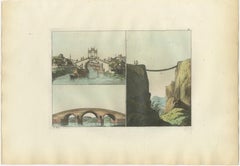
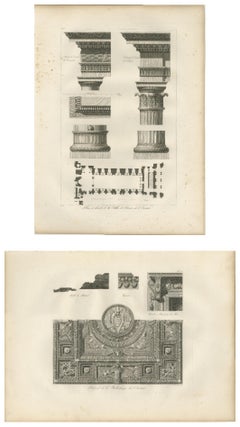
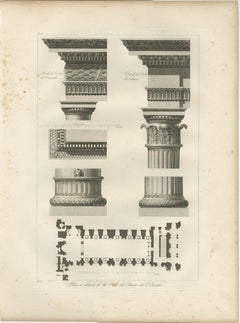
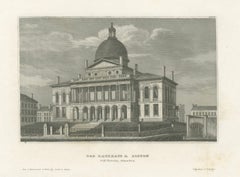
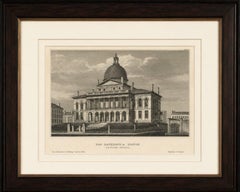
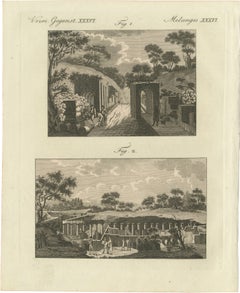
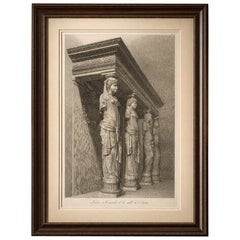
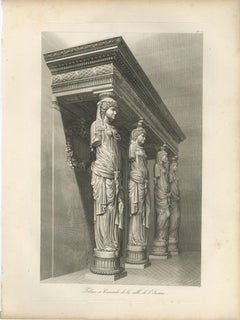
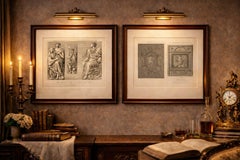
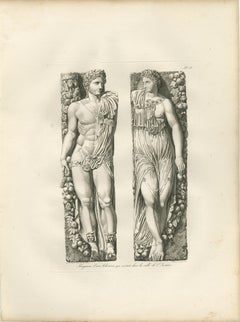
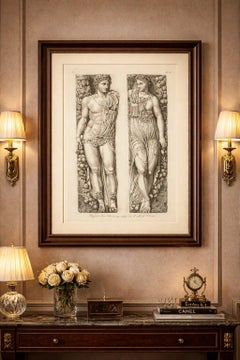
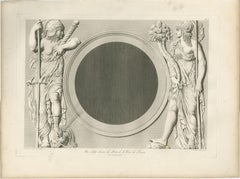
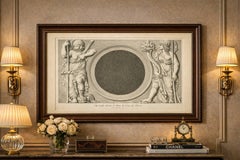
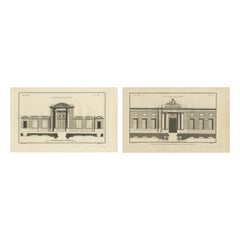
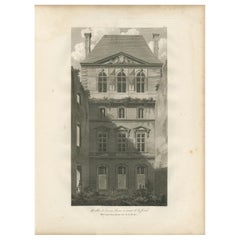
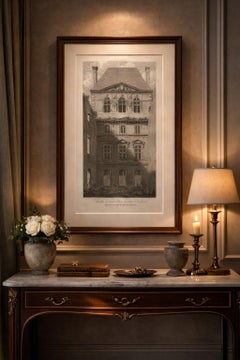
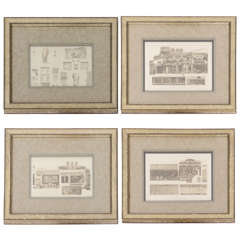
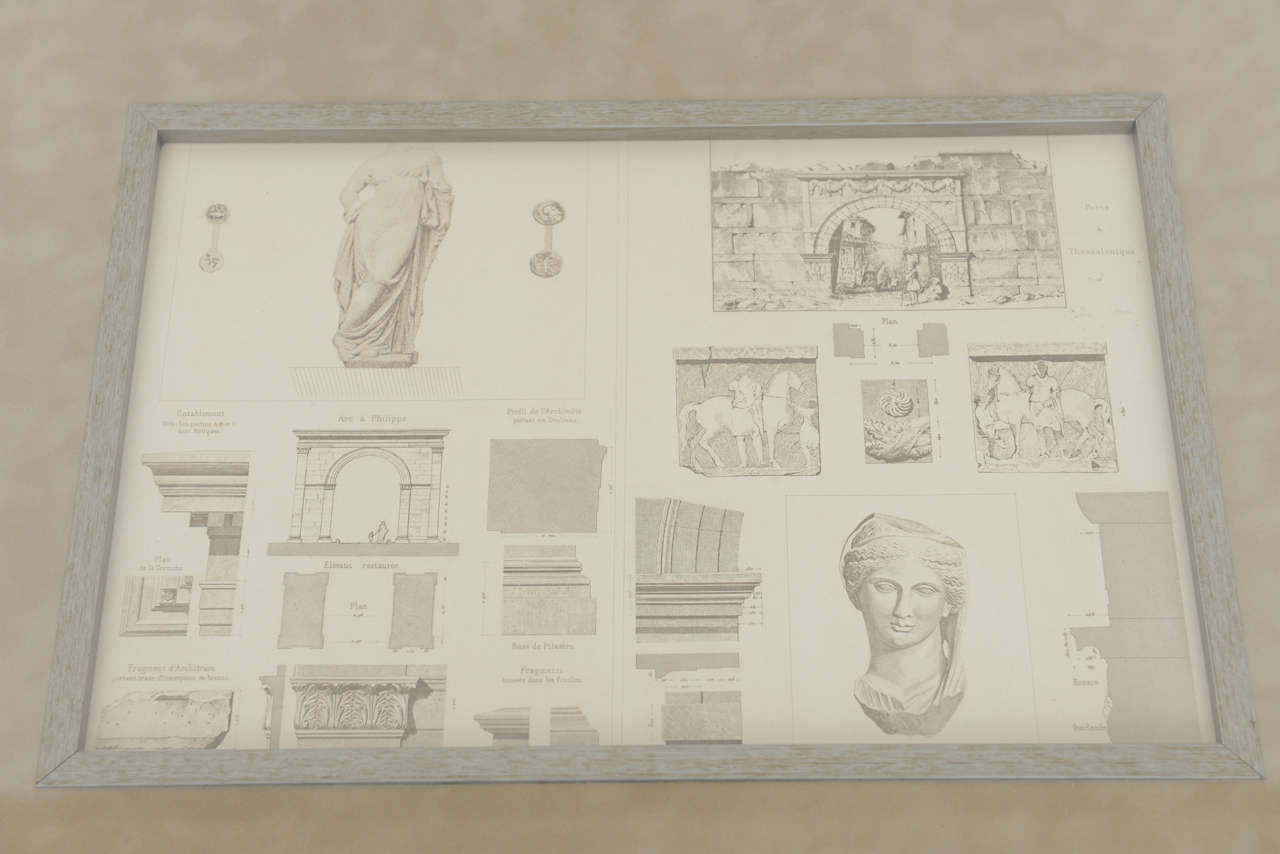
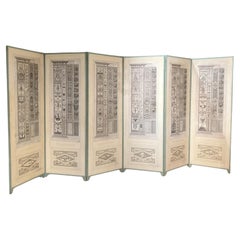
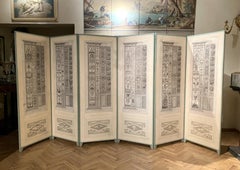
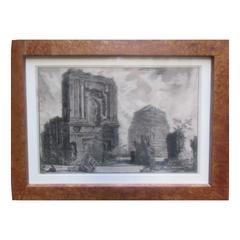
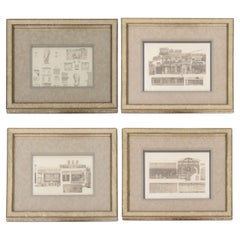
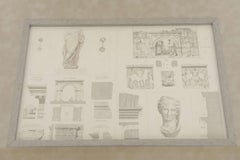
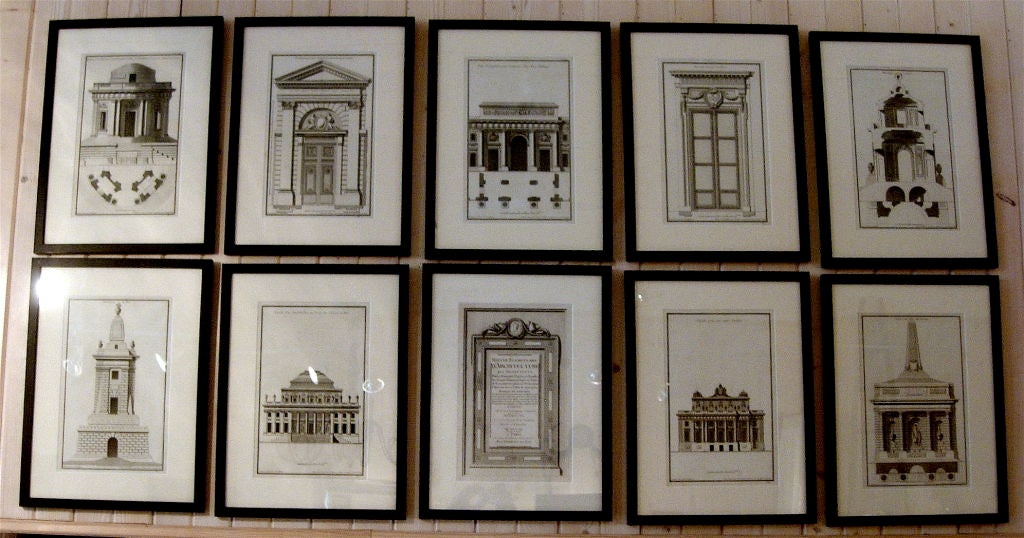
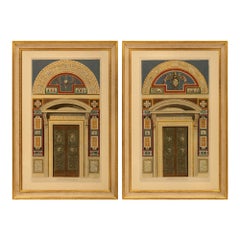
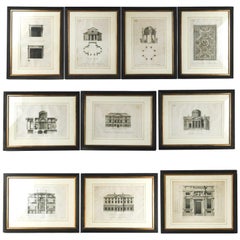
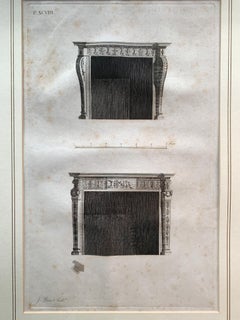
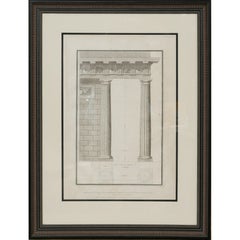
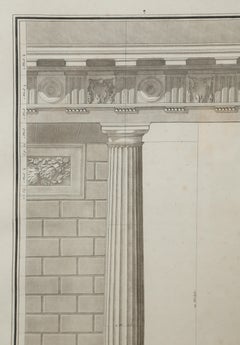
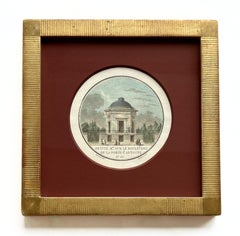
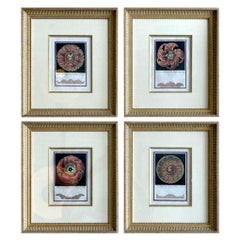
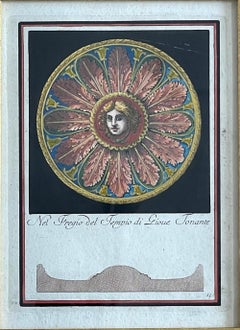
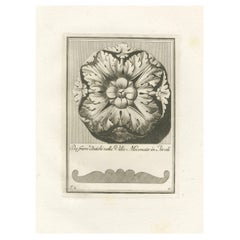
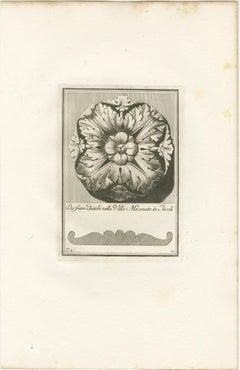
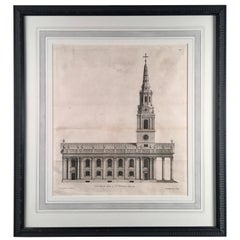
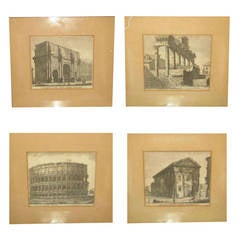
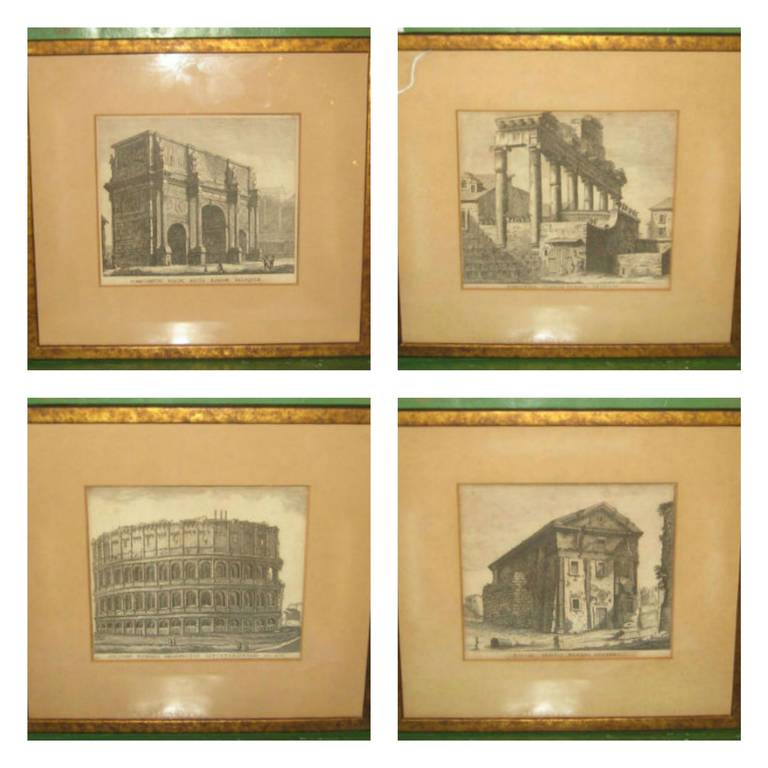
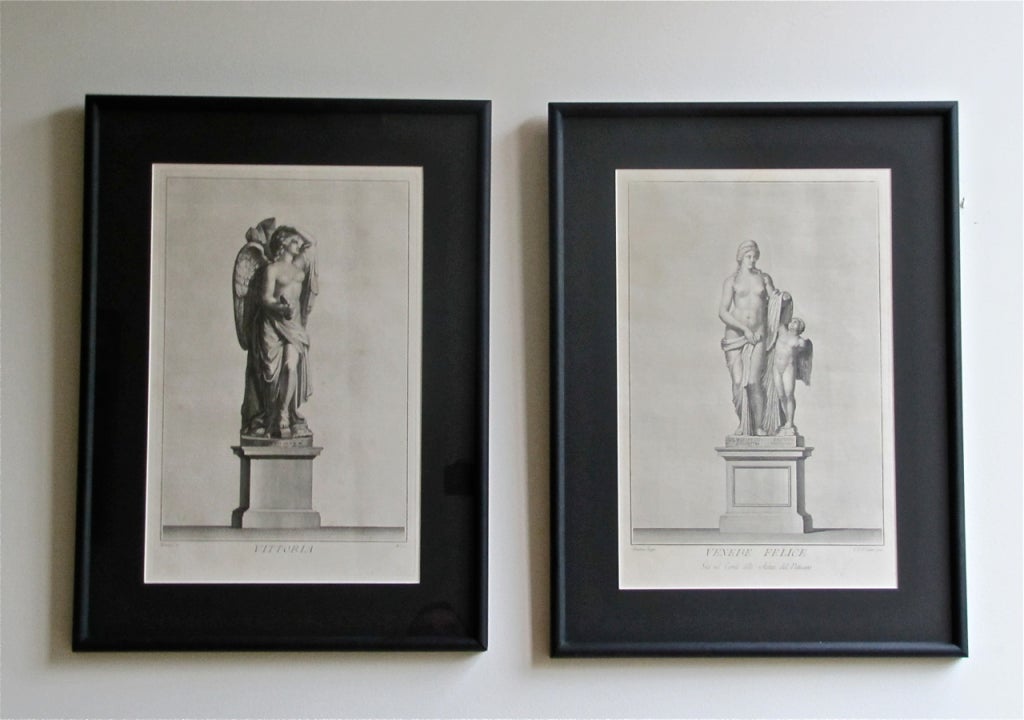
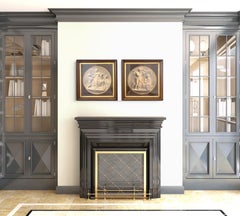
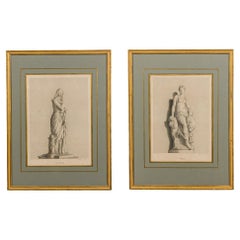
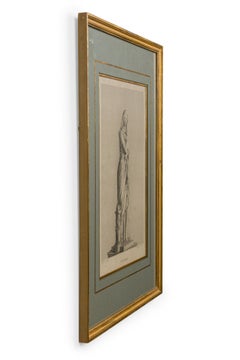
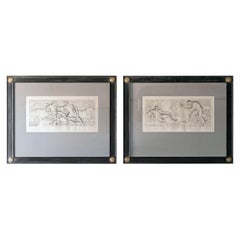
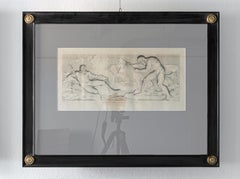
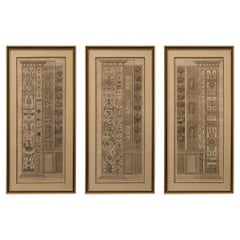
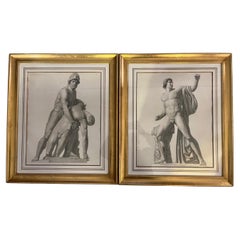
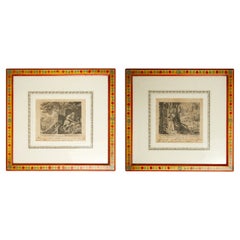
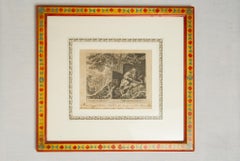
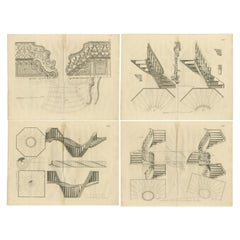
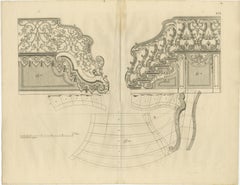
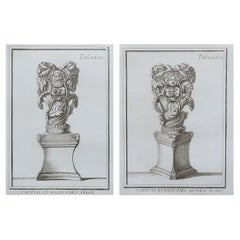
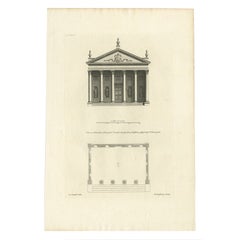
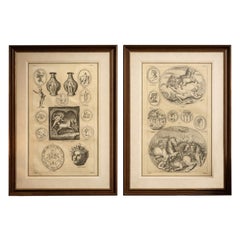
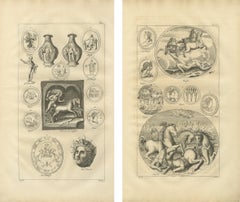
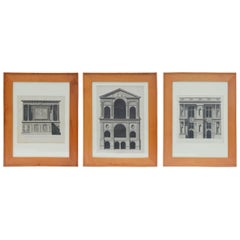
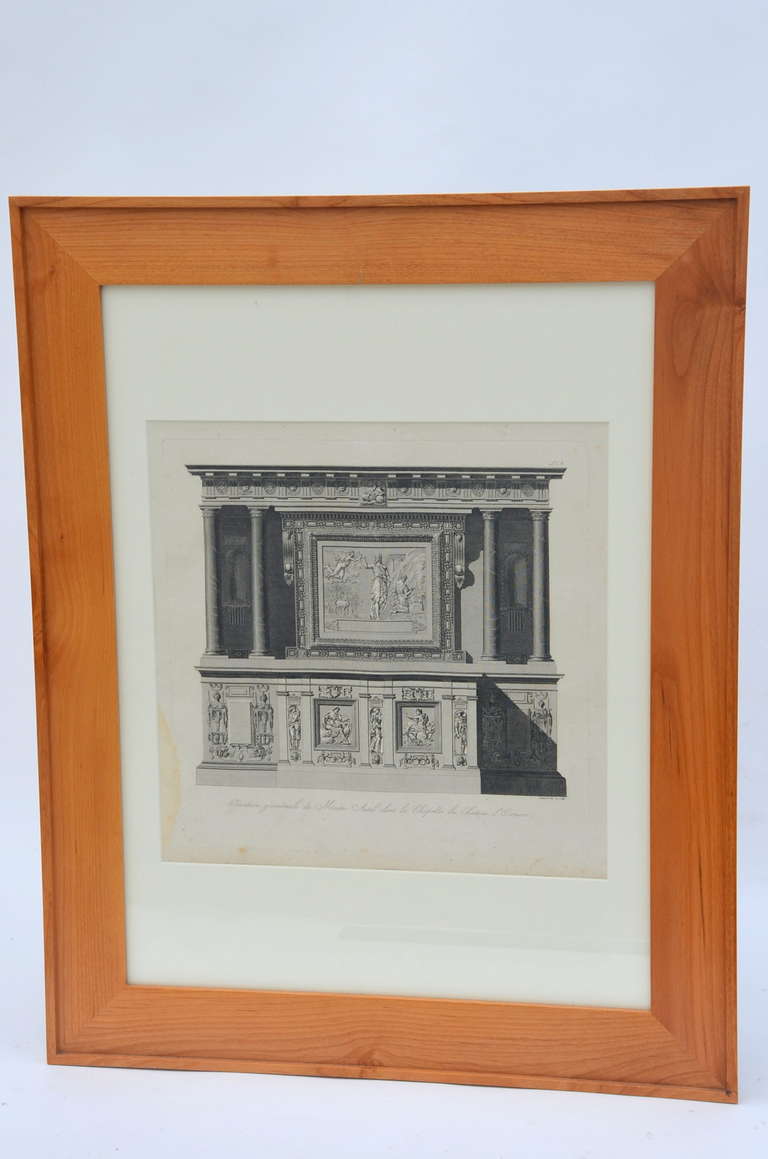
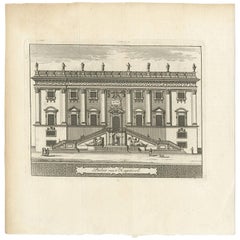
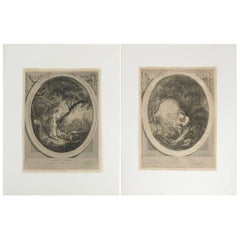
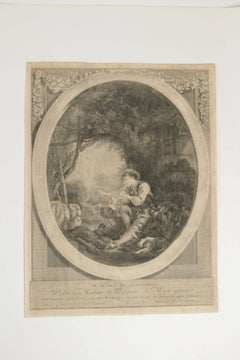
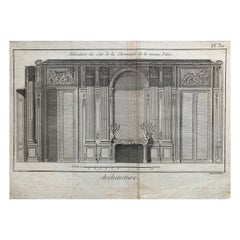
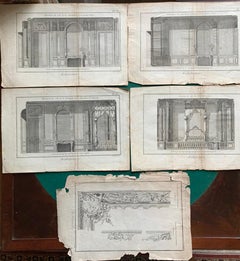
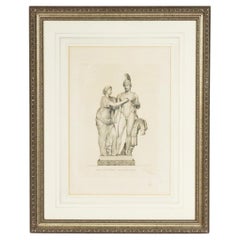
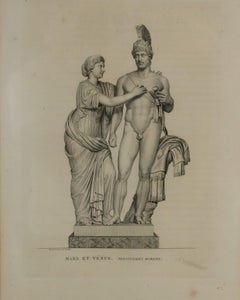
You are likely to find exactly the architectural engravings neoclassical you’re looking for on 1stDibs, as there is a broad range for sale. In our selection of items, you can find
Old Masters examples as well as a
modern version. You’re likely to find the perfect architectural engravings neoclassical among the distinctive items we have available, which includes versions made as long ago as the 18th Century as well as those made as recently as the 21st Century. When looking for the right architectural engravings neoclassical for your space, you can search on 1stDibs by color — popular works were created in bold and neutral palettes with elements of
beige,
white,
gray and
brown. There have been many interesting architectural engravings neoclassical examples over the years, but those made by
Vincenzo Campana,
Carlo Nolli,
Giovanni Elia Morghen,
Francesco Cepparoli and
Francesco Cepparuli are often thought to be among the most thought-provoking. Frequently made by artists working in
etching,
engraving and
paper, these artworks are unique and have attracted attention over the years.
The average selling price for an architectural engravings neoclassical we offer is $222, while they’re typically $55 on the low end and $293,702 for the highest priced.
Prints are works of art produced in multiple editions. Though several copies of a specific artwork can exist, collectors consider antique and vintage prints originals when they have been manually created by the artist or are “impressions” that are part of the artist’s intent for the work.
Modern artists use a range of printmaking techniques to produce different types of prints such as relief, intaglio and planographic. Relief prints are created by cutting away a printing surface to leave only a design. Ink or paint is applied to the raised parts of the surface, and it is used to stamp or press the design onto paper or another surface. Relief prints include woodcuts, linocuts and engravings.
Intaglio prints are the opposite of relief prints in that they are incised into the printing surface. The artist cuts the design into a block, plate or other material and then coats it with ink before wiping off the surface and transferring the design to paper through tremendous pressure. Intaglio prints have plate marks showing the impression of the original block or plate as it was pressed onto the paper.
Artists create planographic prints by drawing a design on a stone or metal plate using a grease crayon. The plate is washed with water, then ink is spread over the plate and it adheres to the grease markings. The image is then stamped on paper to make prints.
All of these printmaking methods have an intricate process, although each can usually transfer only one color of ink. Artists use separate plates or blocks for multiple colors, and together these create one finished work of art.
Find prints ranging from the 18th- and 19th-century bird illustrations by J.C. Sepp to mid-century modern prints, as well as numerous other antique and vintage prints at 1stDibs. Browse the collection today and read about how to arrange wall art in your space.