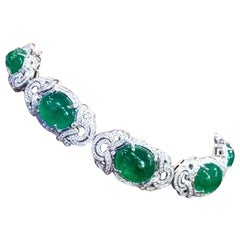
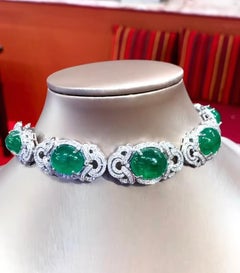
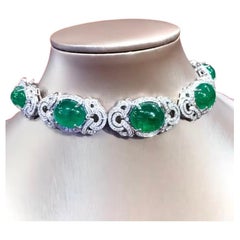
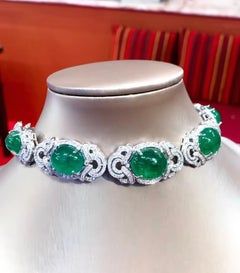
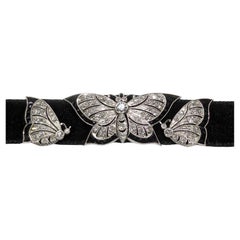
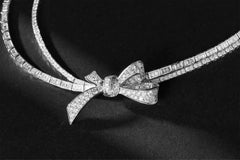
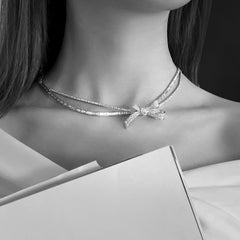
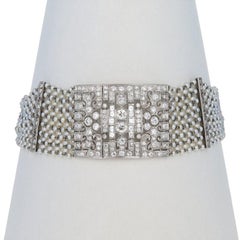
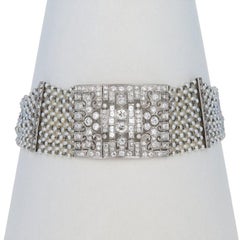
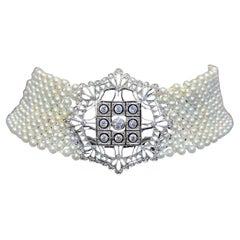
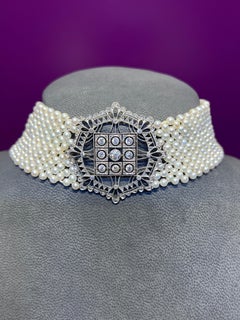
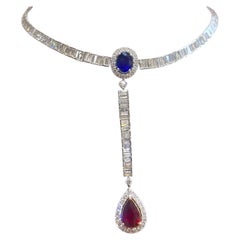
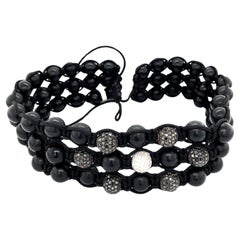
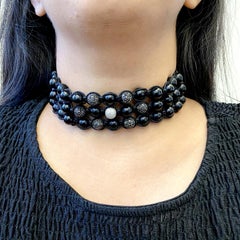
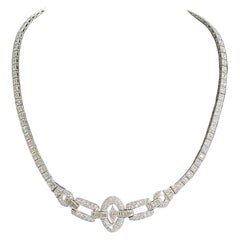
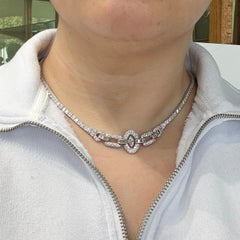
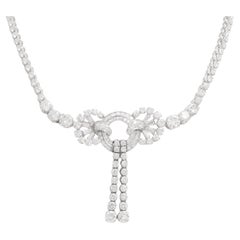
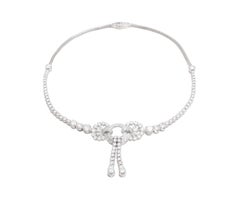
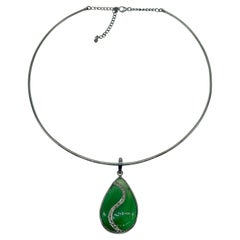
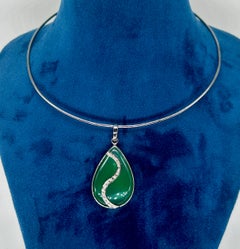
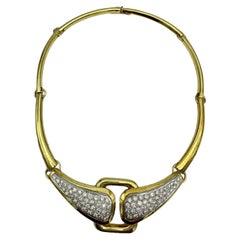
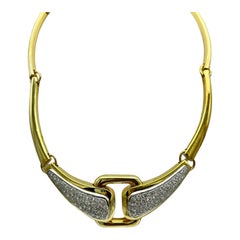
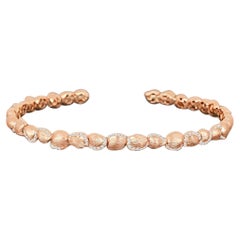
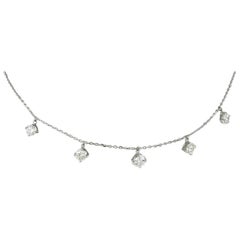
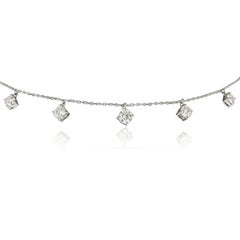
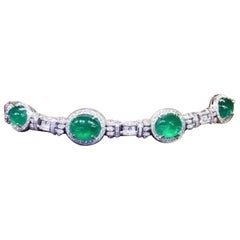
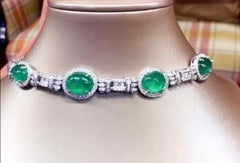
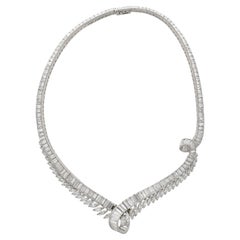
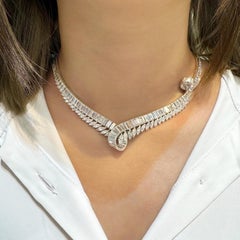
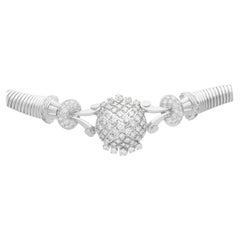
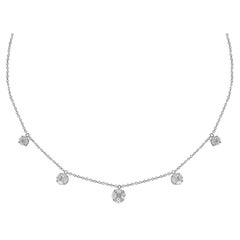
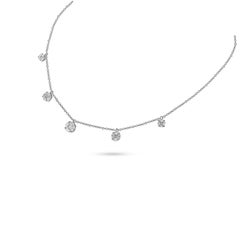
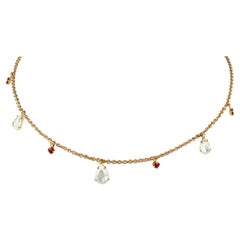
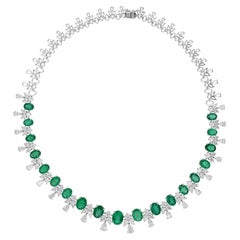
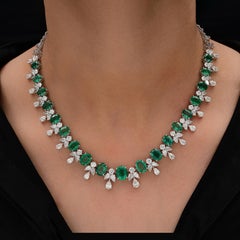
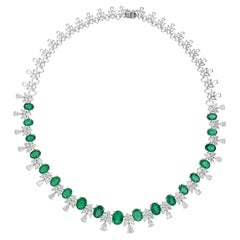
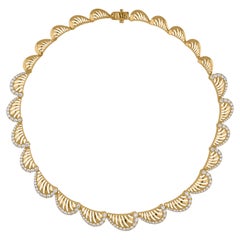
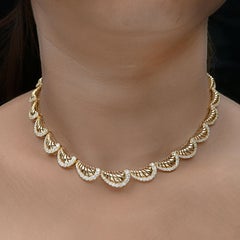
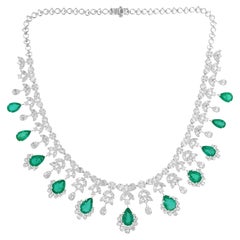
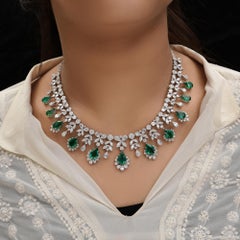
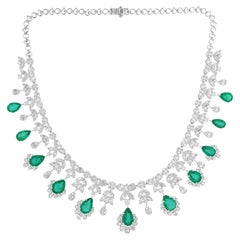
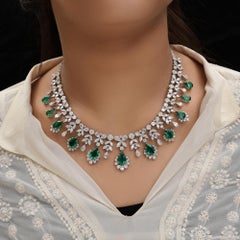
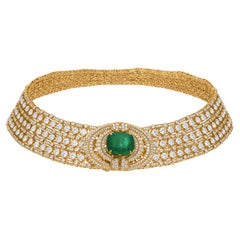
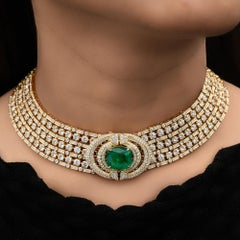
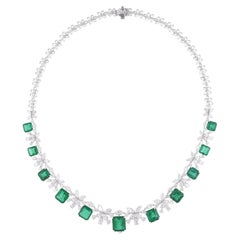
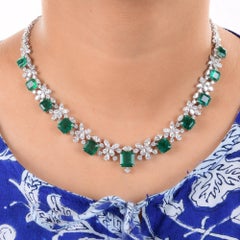
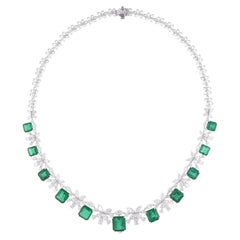
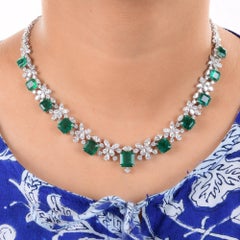
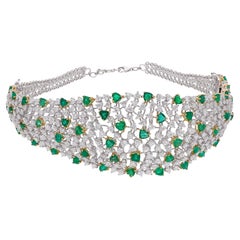
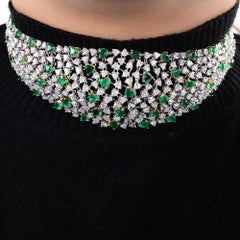
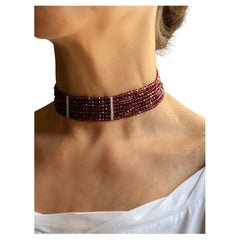
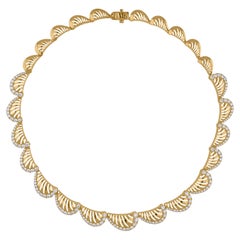
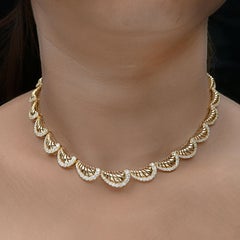
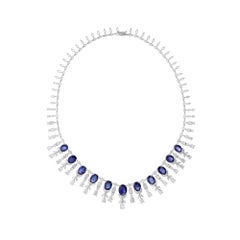
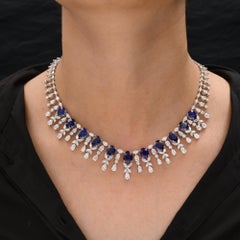
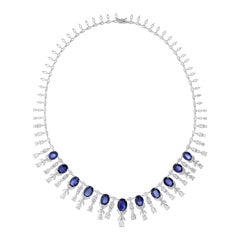
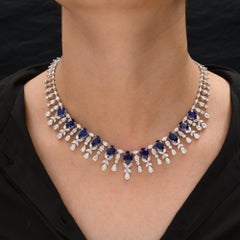
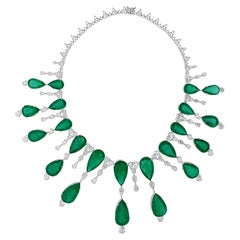
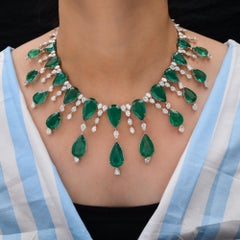
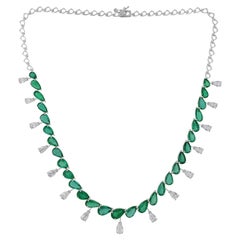
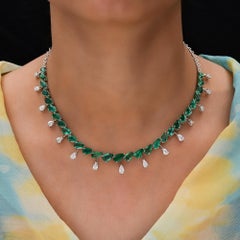
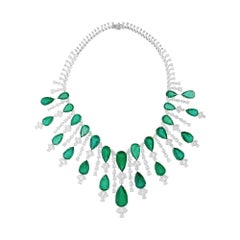
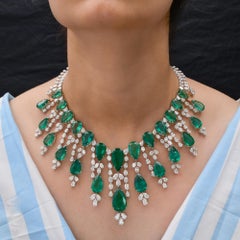
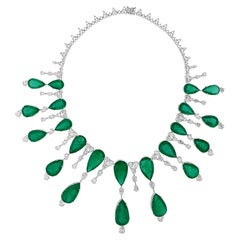
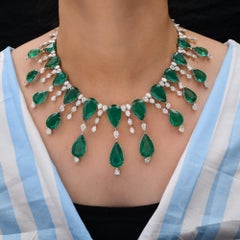
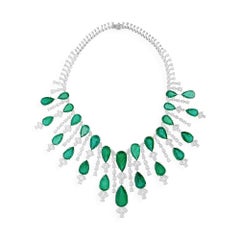
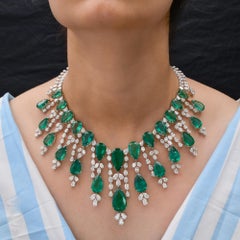
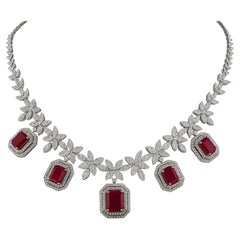
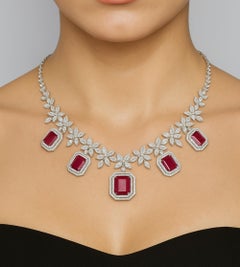
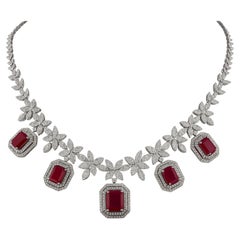
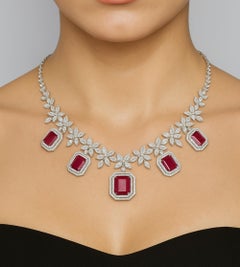
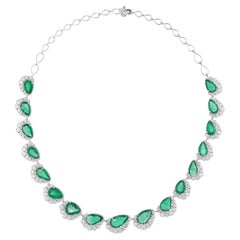
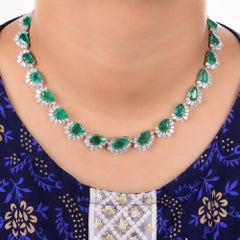
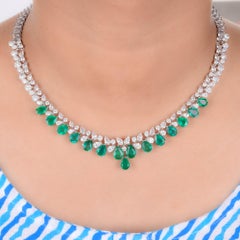
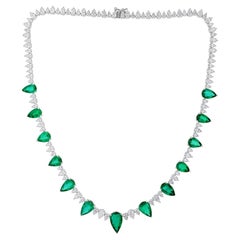
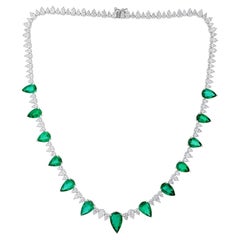
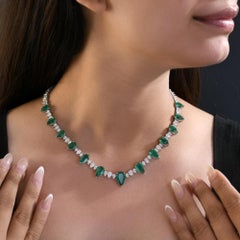
Art Deco Diamond Chokers For Sale on 1stDibs
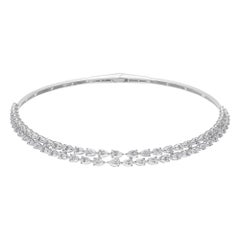
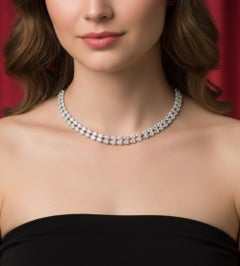
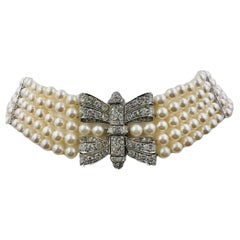
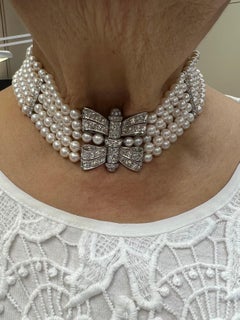
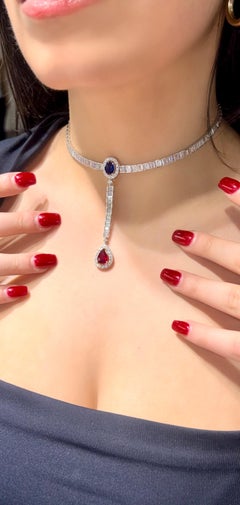
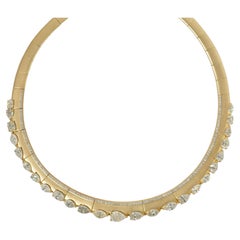
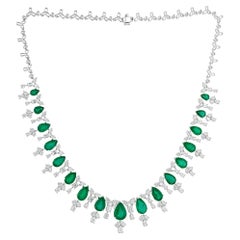
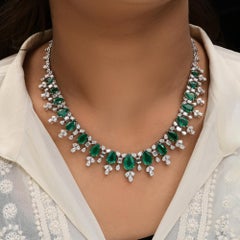
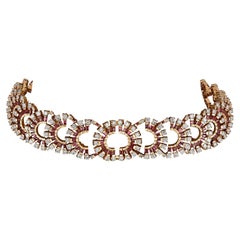
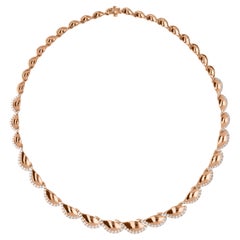
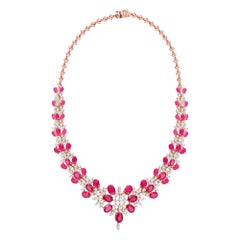
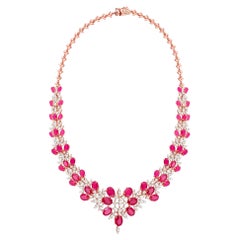
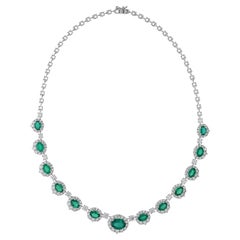
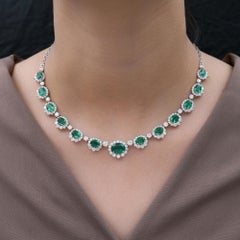
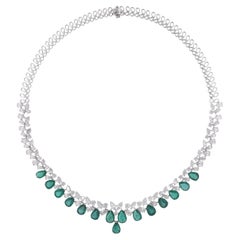
There is a broad range of art deco diamond chokers for sale on 1stDibs. All of the items for sale were constructed with extraordinary care, often using
gold,
18k gold and
white gold. Our selection of items includes 178 vintage examples as well as 183 contemporary versions. Our collection is diverse and broad-ranging, and pieces in stock date back to the 18th Century while others were produced as recently as the 21st Century. The designs in our inventory of art deco diamond chokers bearing
Art Deco or
contemporary hallmarks are very popular. There have been many well-made iterations of these items over the years, but those made by
Spectrum Jewels,
VR Jewels and
Amwaj Jewellery are often thought to be among the most beautiful. There are many
round cut,
oval cut and
brilliant cut art deco diamond chokers for sale. If you’re browsing the variety of art deco diamond chokers for sale, you’ll find that many are available today for
women, but there are still pieces to choose from for
men.
How Much are Art Deco Diamond Chokers?
Prices for art deco diamond chokers can differ depending upon size, time period and other attributes — at 1stDibs, these accessories begin at $230 and can go as high as $2,340,000, while art deco diamond chokers, on average, fetch $11,945.
A Close Look at Art Deco Jewelry
Fascination with the Jazz Age is endless, and even today jewelry designers continue to be inspired by authentic Art Deco jewelry and watches.
The Art Deco period, encompassing the 1920s and ’30s, ushered in a very distinct look in the design of jewelry. There were many influences on the jewelry of the era that actually began to take shape prior to the 1920s. In 1909, Serge Diaghilev brought the Ballet Russes to Paris, and women went wild for the company’s exotic and vibrant costumes It’s no wonder, then, that jade, lapis lazuli, coral, turquoise and other bright gemstones became all the rage. There already existed a fascination with the East, particularly China and Japan, and motifs consisting of fans and masks started to show up in Art Deco jewelry.
However, the event that had the greatest influence on Deco was the excavation of the tomb of King Tut in 1922. When the world saw what was hidden in Tut’s burial chamber, it sent just about everyone into a frenzy. Pierre Cartier wrote in 1923 that “the discovery of the tomb will bring some sweeping changes in fashion jewelry.” And he couldn’t have been more right. “Egyptomania” left an indelible mark on all of the major jewelry houses, from Cartier to Van Cleef & Arpels, Boucheron and Georges Fouquet. (Cartier created some of the most iconic jewelry designs that defined this era.)
While a lot of Art Deco jewelry was black and white — the black coming from the use of onyx or black enamel and the white from rock crystal and diamonds — there is plenty of color in jewelry of the era. A perfect accent to diamonds in platinum settings were blue sapphires, emeralds and rubies, and these stones were also used in combination with each other.
Many designers employed coral, jade and lapis lazuli, too. In fact, some of the most important avant-garde jewelers of the period, like Jean Després and Jean Fouquet (son of Georges), would combine white gold with ebony and malachite for a jolt of color.
A lot of the jewelry produced during this time nodded to current fashion trends, and women often accessorized their accessories. The cloche hat was often accented with geometric diamond brooches or double-clip brooches. Backless evening dresses looked fabulous with sautoir necklaces, and long pearl necklaces that ended with tassels, popular during the Edwardian period, were favored by women everywhere, including Coco Chanel.
Find unique Art Deco necklaces, earrings, bracelets and other jewelry on 1stDibs.
The Legacy of Diamond in Jewelry Design
Antique diamond rings, diamond tiaras and dazzling vintage diamond earrings are on the wish lists of every lover of fine jewelry. And diamonds and diamond jewelry are primarily associated with storybook engagements and red-carpet grand entrances — indeed, this ultra-cherished gemstone has a dramatic history on its hands.
From “A Diamond Is Forever” to “Diamonds Are a Girl’s Best Friend,” pop culture has ingrained in our minds that diamonds are the most desired, the most lasting and the most valuable gemstone. But what makes the diamond so special? Each stone — whether it’s rubies, sapphires or another stone — is unique and important in its own right. April babies might claim diamonds for themselves, but just about everyone wants this kind of sparkle in their lives!
There are several factors that set diamonds apart from other stones, and these points are important to our gem education.
Diamonds are minerals. They are made up of almost entirely of carbon (carbon comprises 99.95 percent; the remainder consists of various trace elements). Diamonds are the hardest gemstones, ranking number 10 on the Mohs Hardness Scale. Even its name, diamond, is rooted in the Greek adamas, or unconquerable. The only object that can scratch a diamond is another diamond. Diamonds are formed deep within the earth at very high temperatures (1,652–2,372 degrees Fahrenheit at depths between 90 and 120 miles beneath the earth’s surface) and are carried up by volcanic activity. Diamonds are quite rare, according to the Gemological Institute of America, and only 30 percent of all the diamonds mined in the world are gem quality.
In the 1950s, the Gemological Institute of America developed the 4Cs grading system to classify diamonds: clarity, color, cut and carat weight. Not all diamonds are created equal (there are diamonds, and then there are diamonds). The value of the diamond depends on the clarity (flawless diamonds are very rare but a diamond's value decreases if there are many blemishes or inclusions), color (the less color the higher the grade), cut (how the diamond’s facets catch the light, certain cuts of diamonds show off the stone better than others) and carat weight (the bigger, the better).
When you start shopping for a diamond engagement ring, always prioritize the cut, which plays the largest role in the diamond's beauty (taking the time to clean your diamond ring at least every six months or so plays a role in maintaining said beauty). And on 1stDibs, a range of buying guides can be found for those in the market for antique engagement rings, vintage engagement rings or Art Deco engagement rings.
Shop antique and vintage diamond rings, diamond necklaces and other extraordinary diamond jewelry on 1stDibs.
Finding the Right Choker-necklaces for You
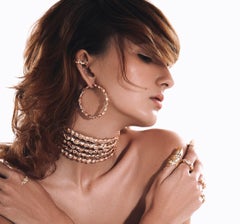
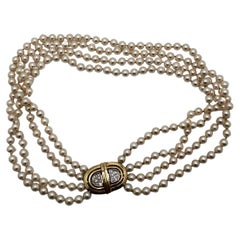
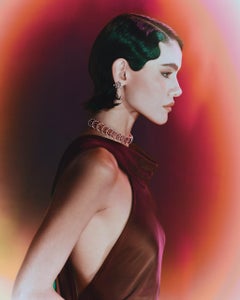
Vintage choker necklaces are elegant, alluring and stylish. Cameos, pearls, diamonds and other stones can decorate these necklaces, which come in single or multiple strands. Whether it is a statement piece or a delicate chain, these short necklaces always stand out and turn heads.
The history of the choker can be traced back thousands of years, with Sumerian examples discovered from 2600–2500 B.C. They endured as a popular form of adornment through the centuries, and during the French Revolution they took on a symbolic significance. Women wore ribbons around their throats to mark the passing of those killed by the guillotine. Soon, the plain ribbons were adorned with small cameos and other ornamentation.
European choker necklaces gained a salacious reputation in the 19th century when prostitutes were associated with black ribbons tied around the neck, such as the model in Édouard Manet’s Olympia (1863). Queen Alexandra, Princess of Wales, reversed the trend in the late 19th century by wearing a large pearl and diamond choker, reputedly to hide a scar.
Fashioned from gold, pearls and other precious stones and metals, chokers continued to be worn into the 20th century, alternately statements of wealth and rebellion. They experienced periods of revival in the 1920s, ’40s, ’70s and ’90s for both men and women.
Vintage chokers make a statement with an unmistakable air of femininity. On 1stDibs, find an alluring collection of vintage chokers today, including gold, sapphire and emerald chokers.