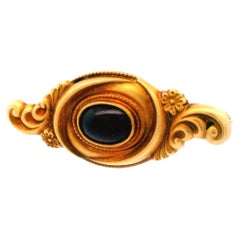
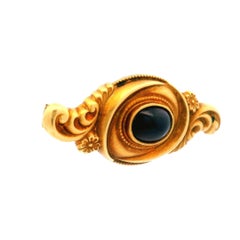
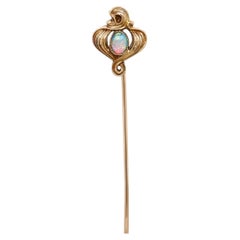
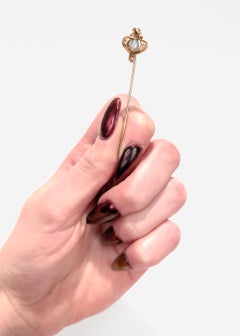
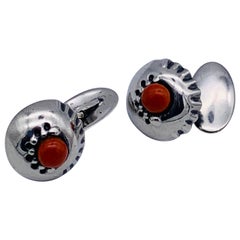
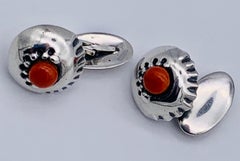
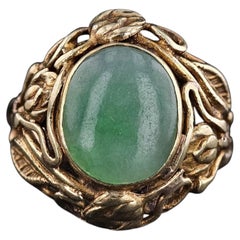
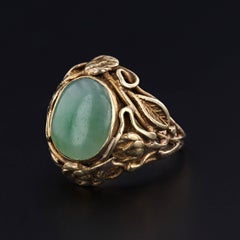
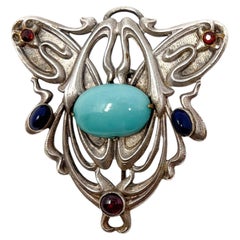
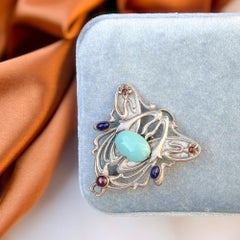
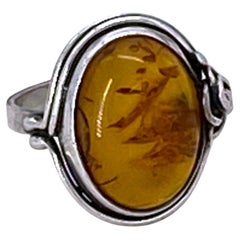
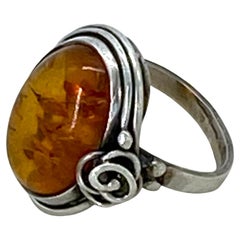
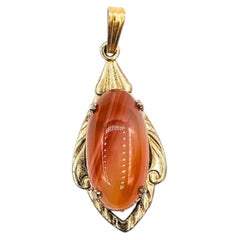
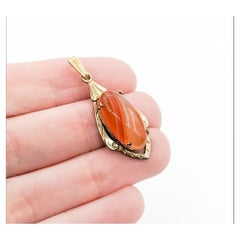
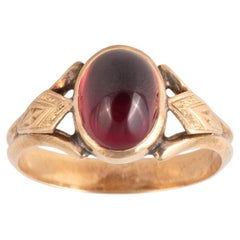
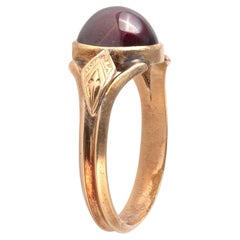
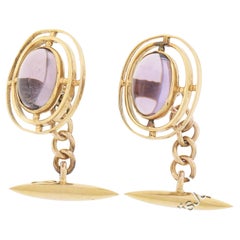
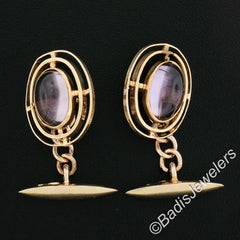
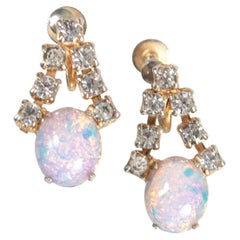
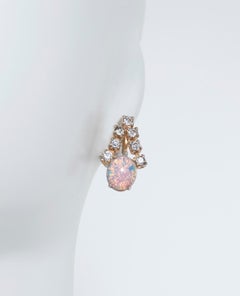
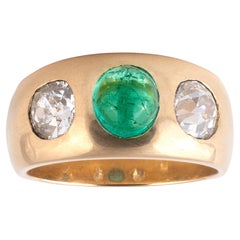
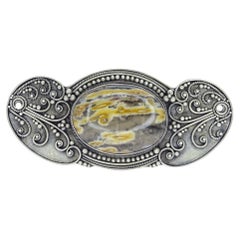
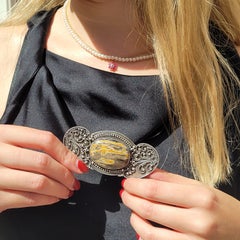
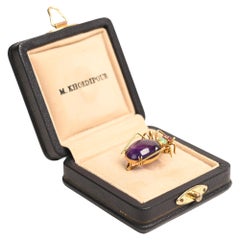
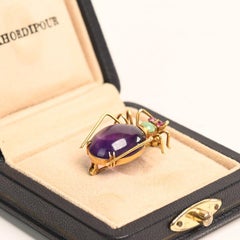
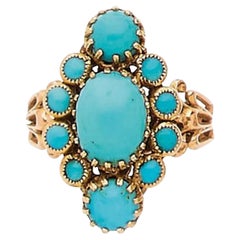
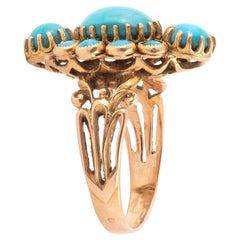
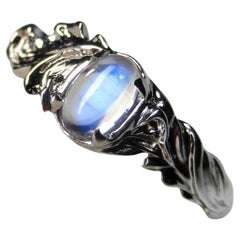
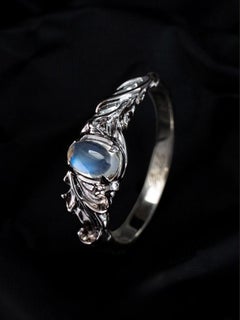
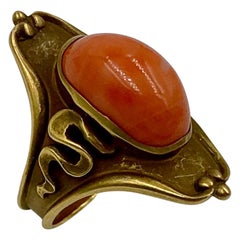
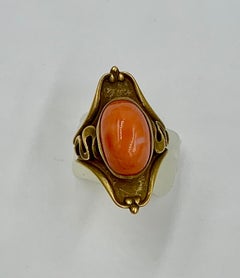
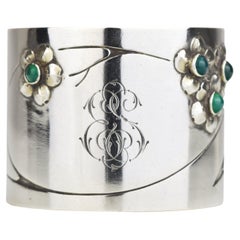
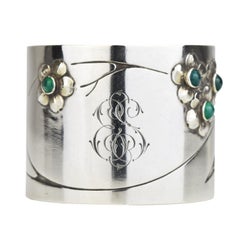
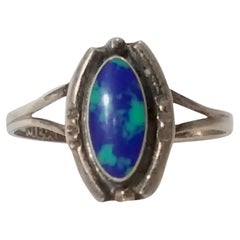
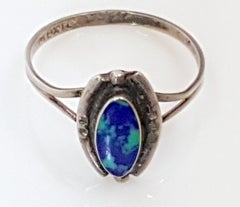
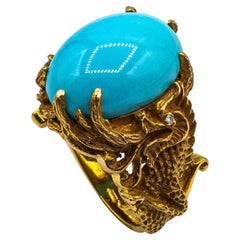
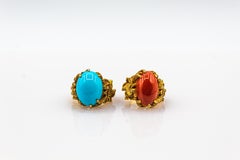
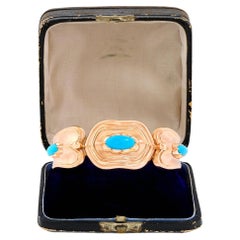
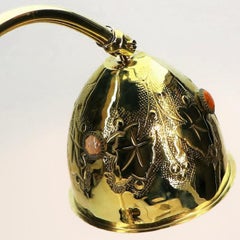
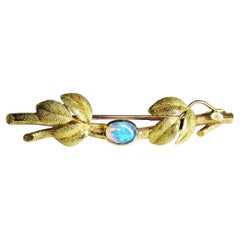
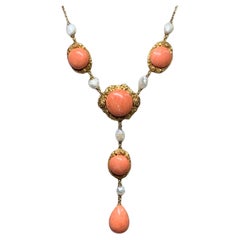
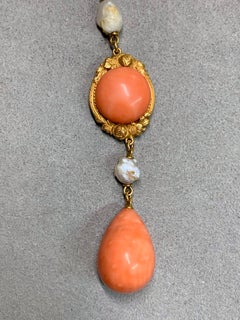
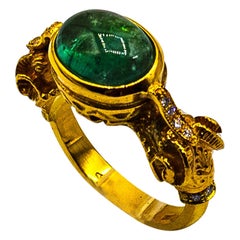
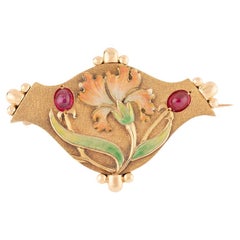
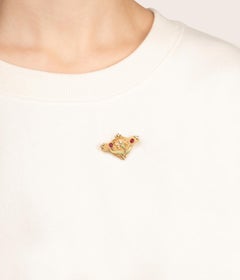
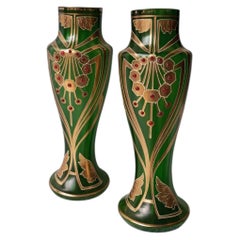
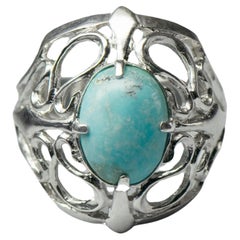
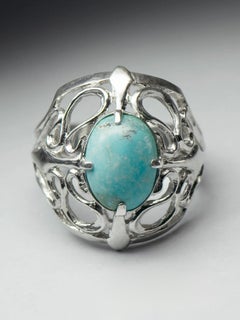
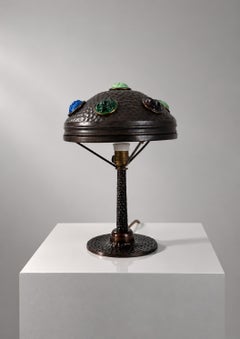
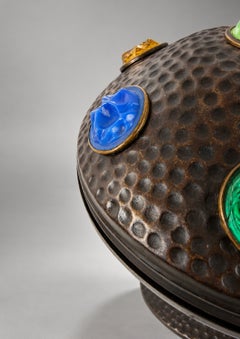
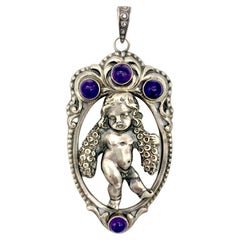
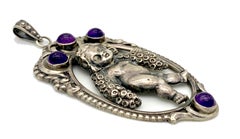
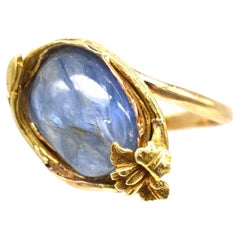
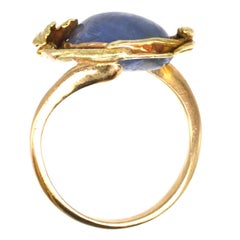
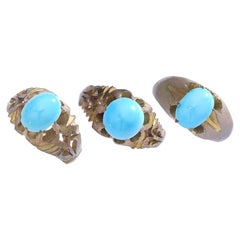
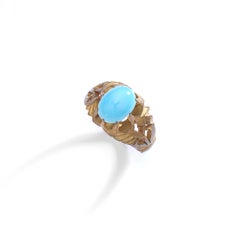
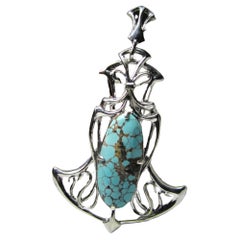
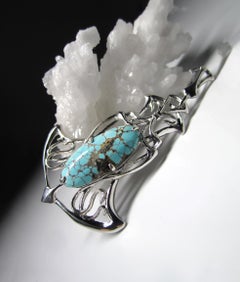
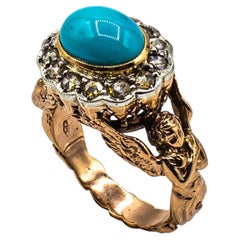
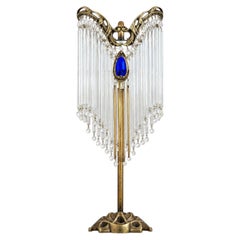
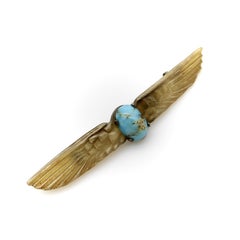
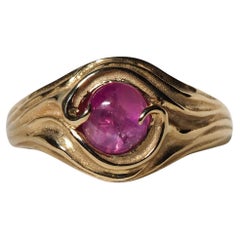
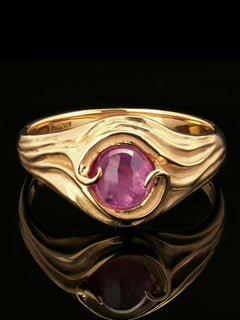
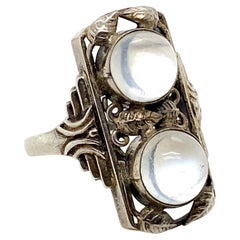
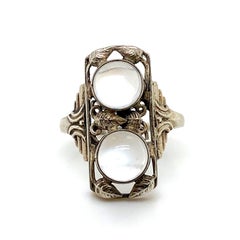
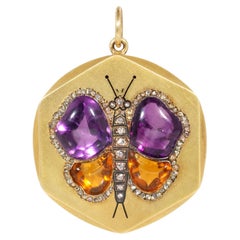
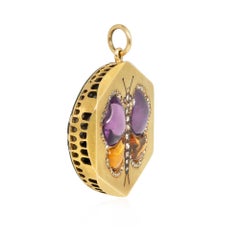
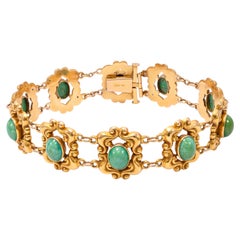
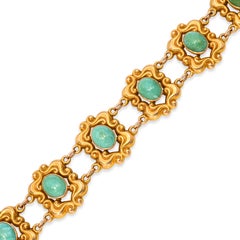
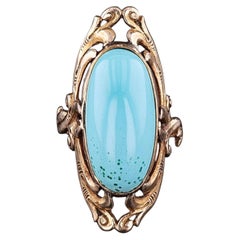
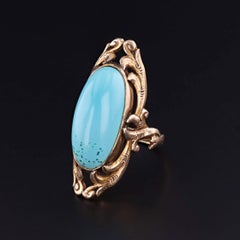
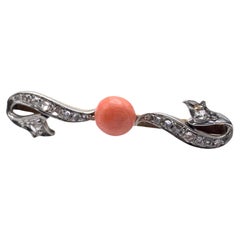
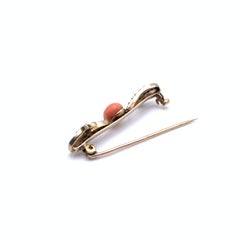
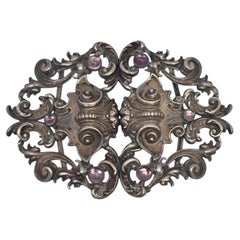
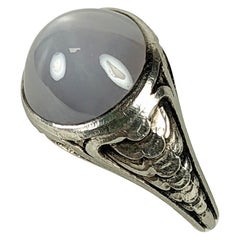
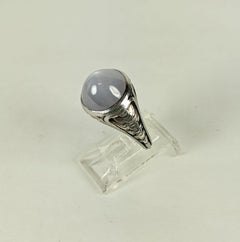
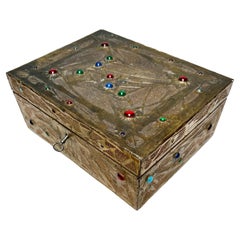
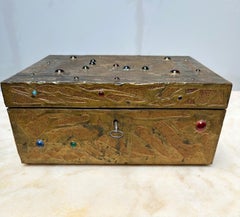
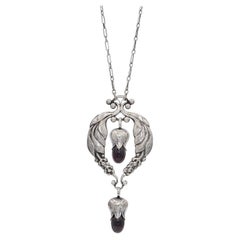
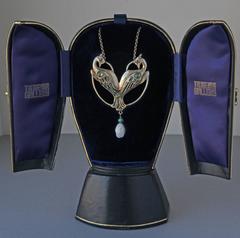
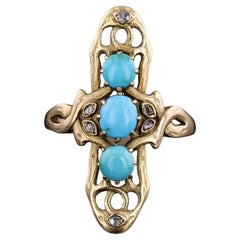
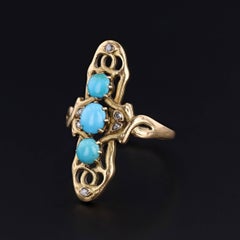
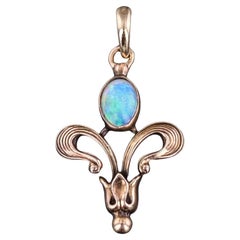
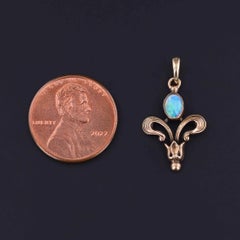
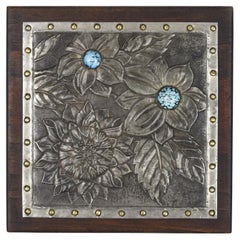
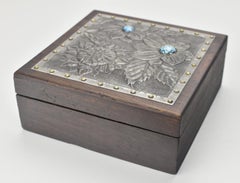
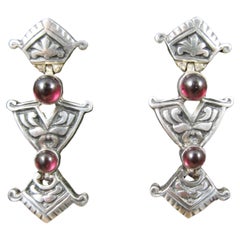
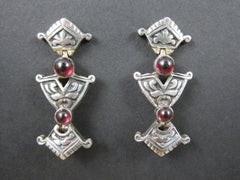
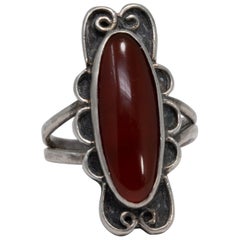
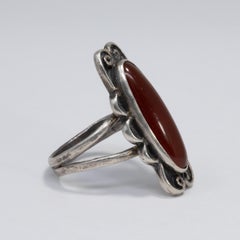
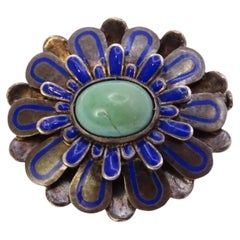
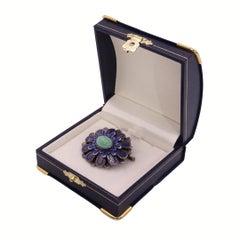
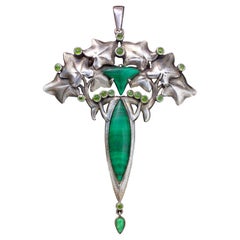
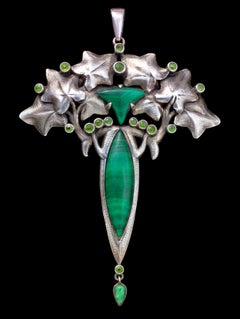
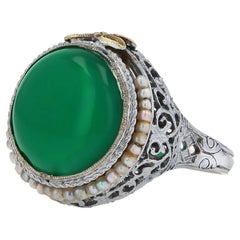
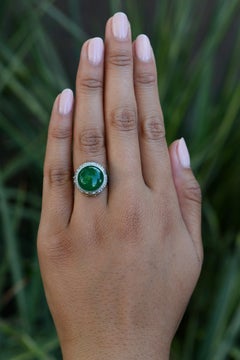
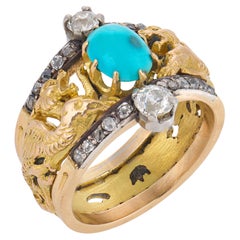
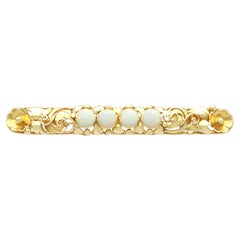
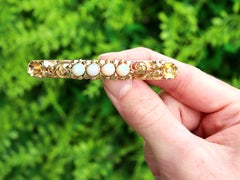
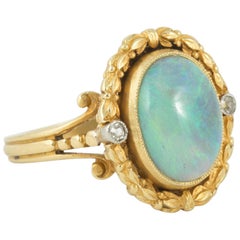
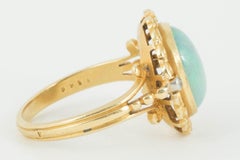
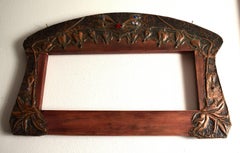
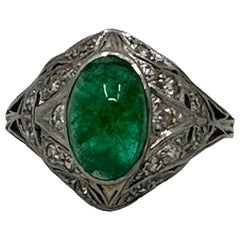
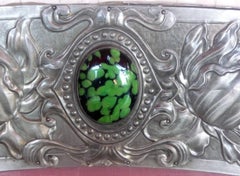
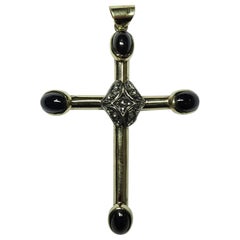
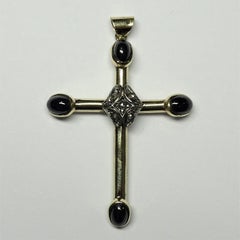
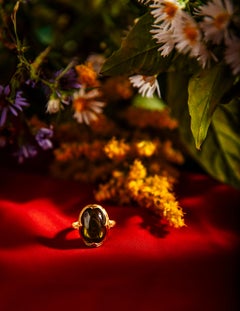
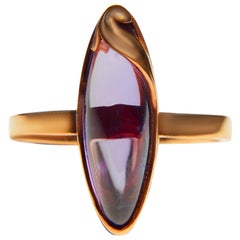
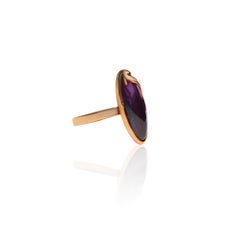
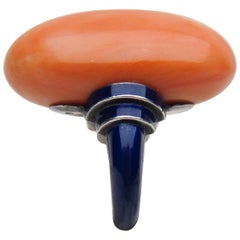
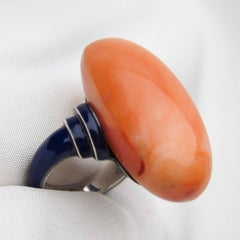
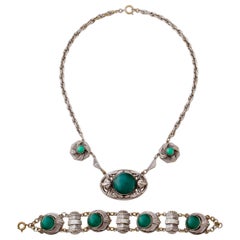
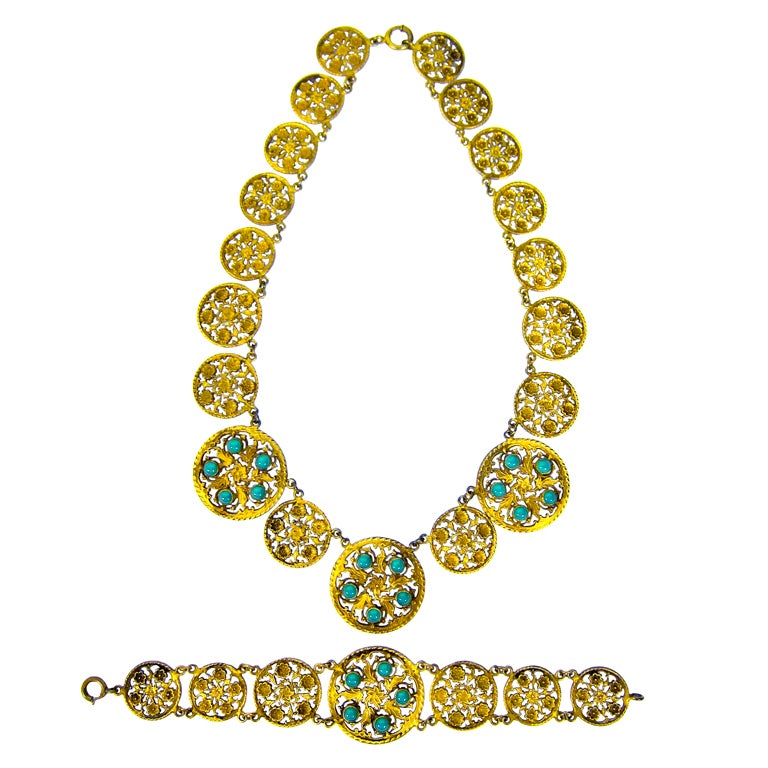
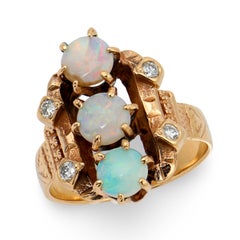
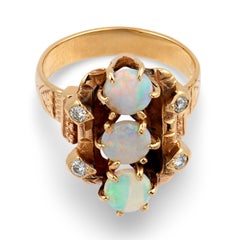
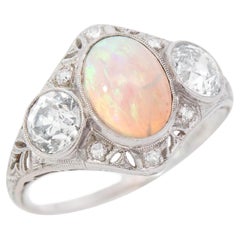
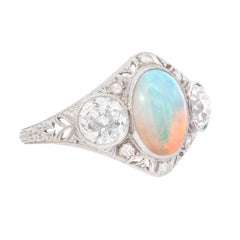
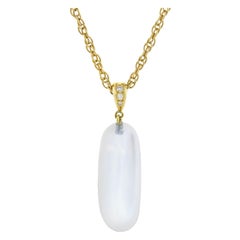
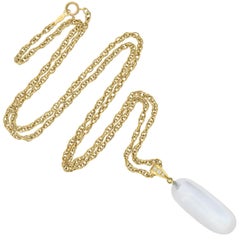
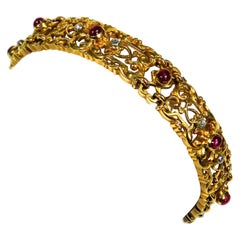
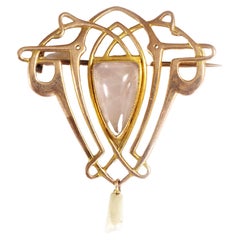
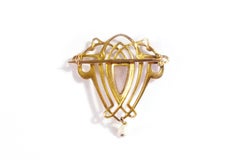
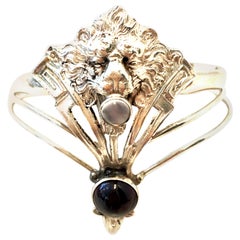
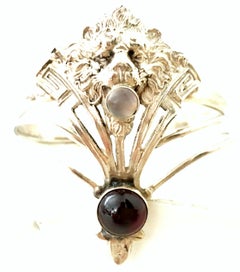
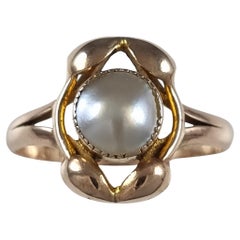
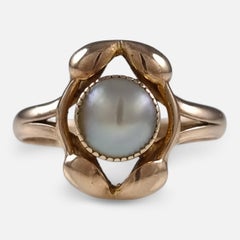
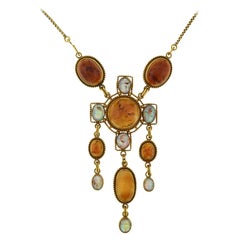
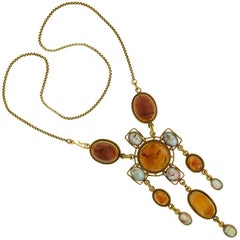
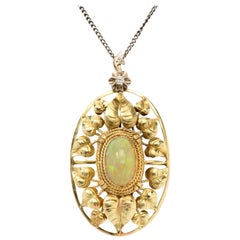
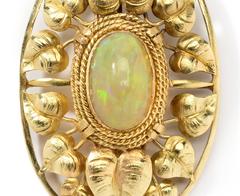
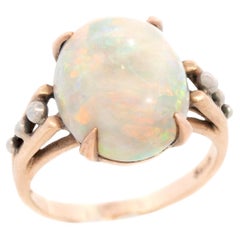
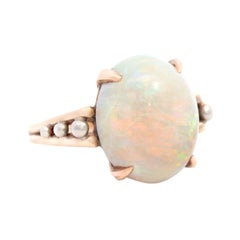
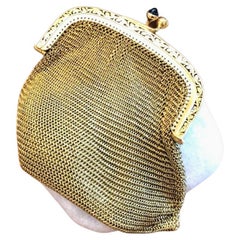
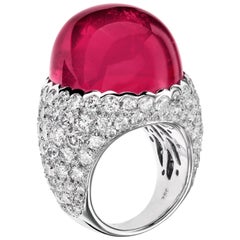
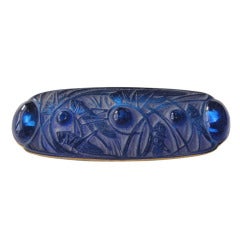
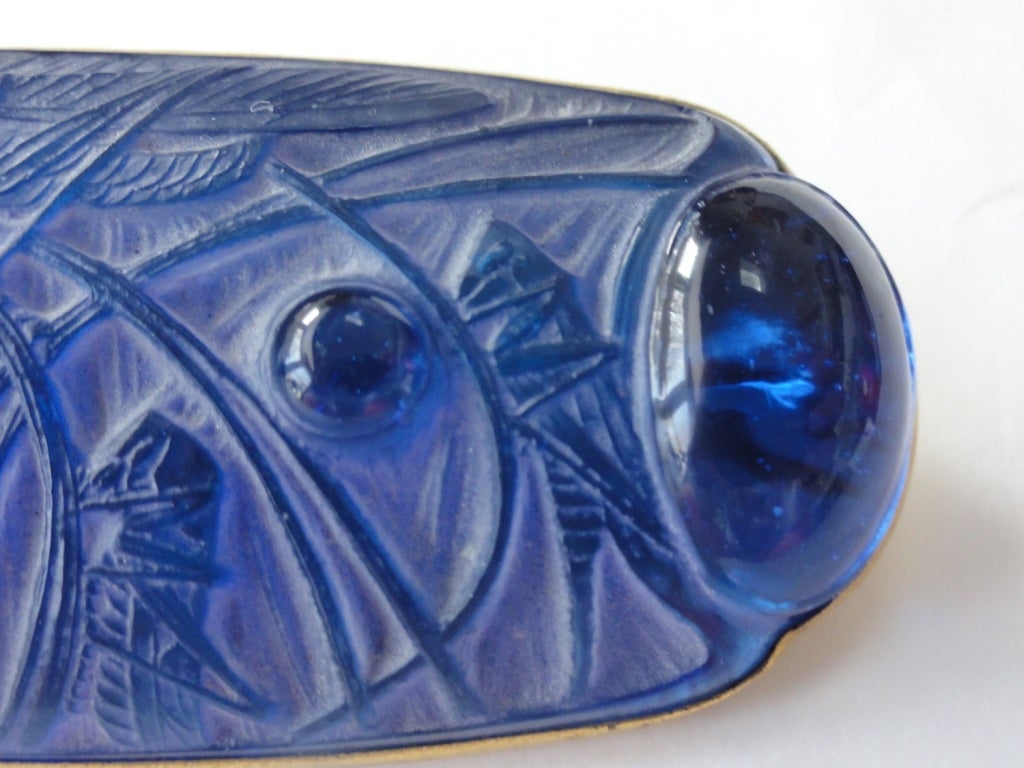
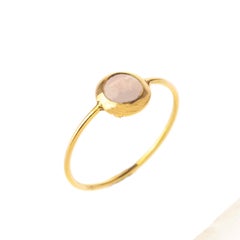
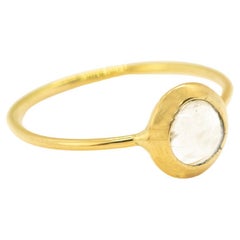
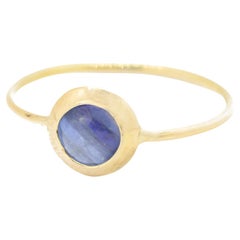
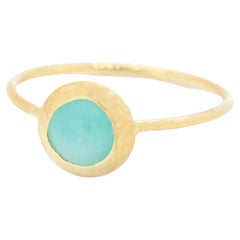
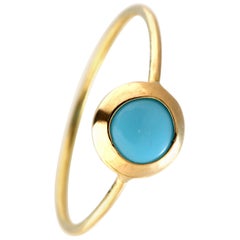
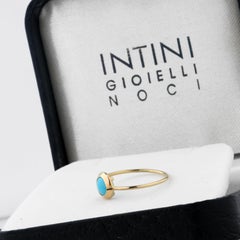
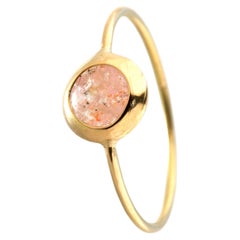
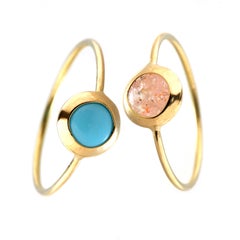
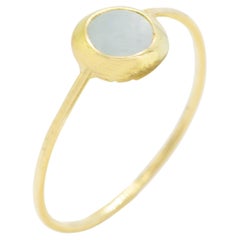
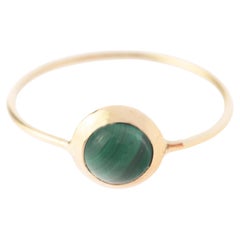
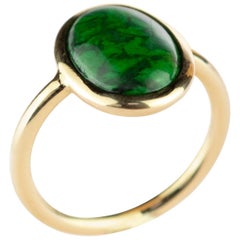
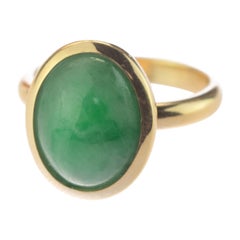
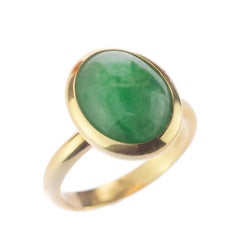
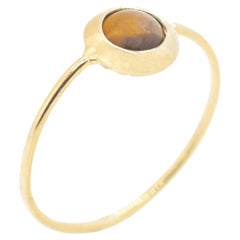
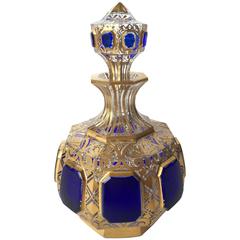
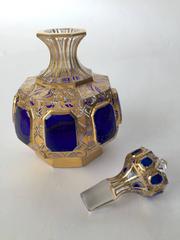
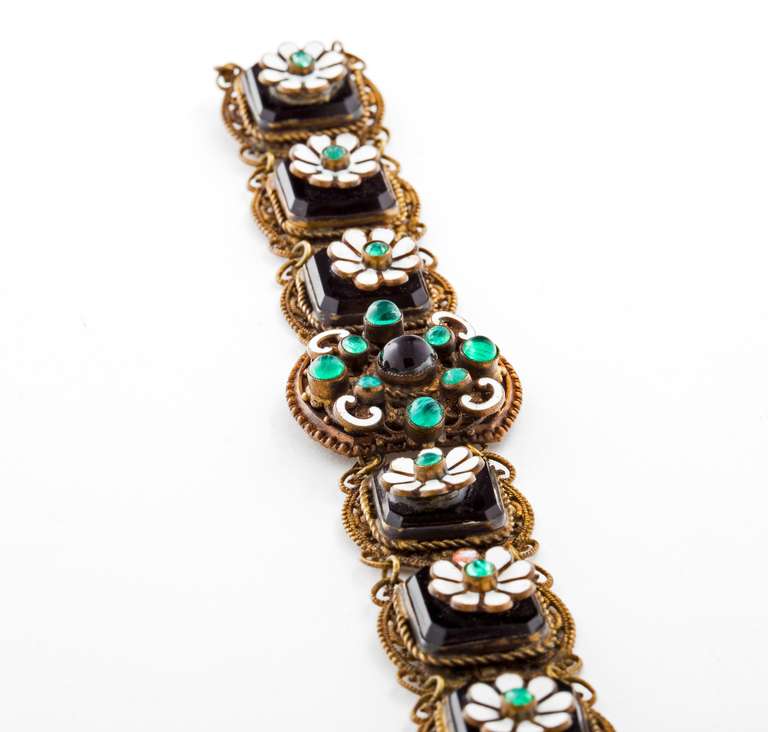
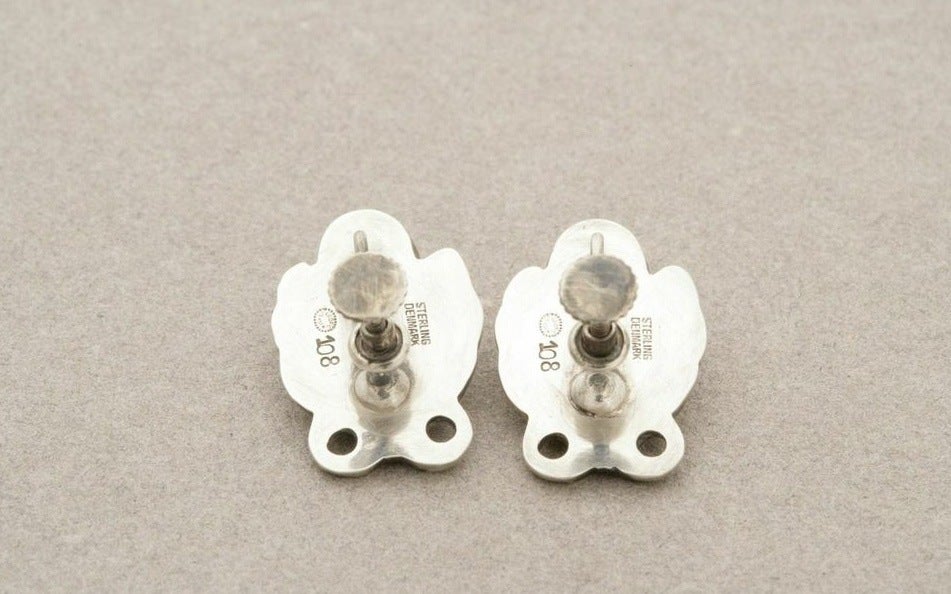
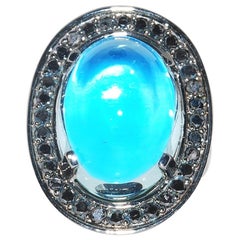
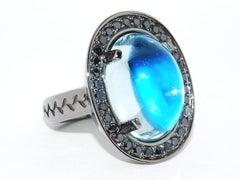
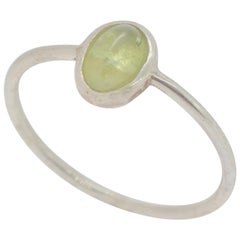
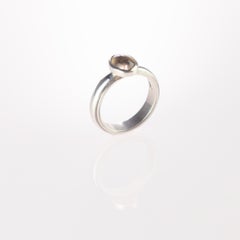
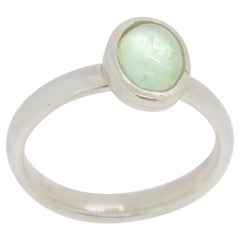
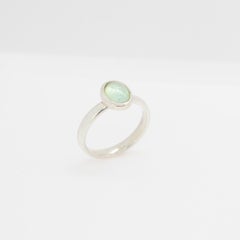
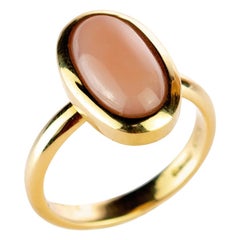
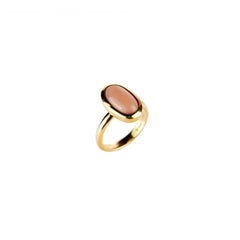
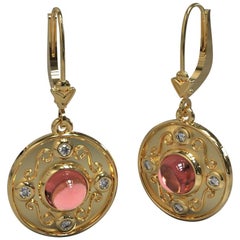
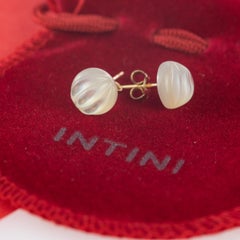
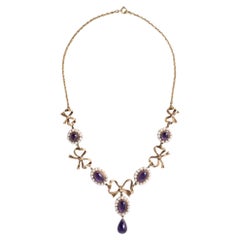
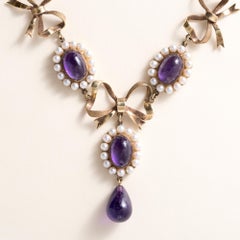
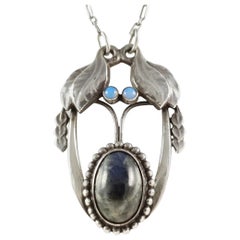
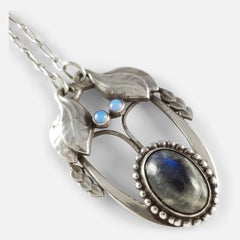
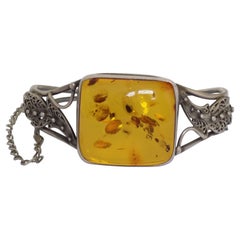
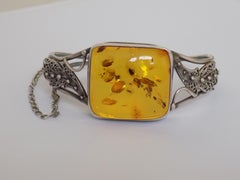
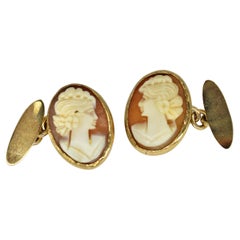
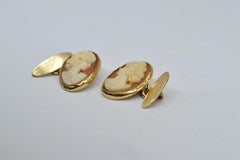
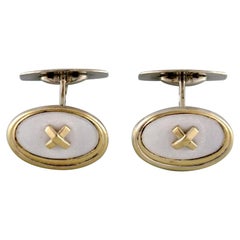
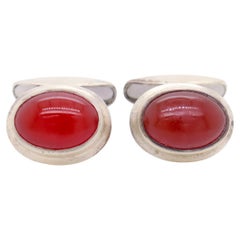
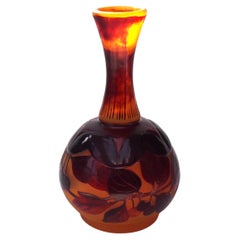
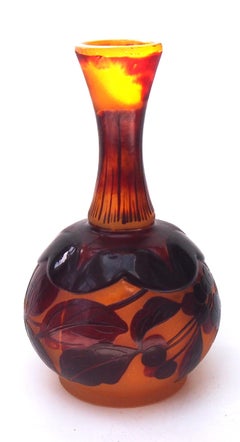
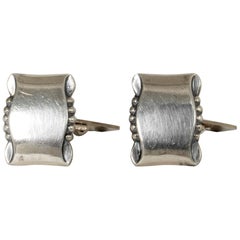
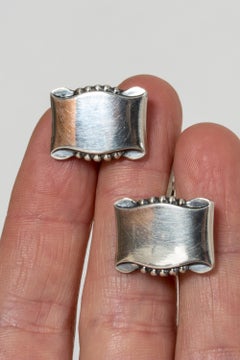
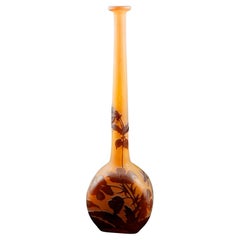
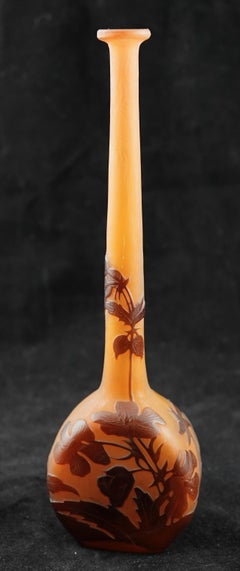
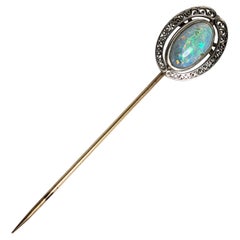
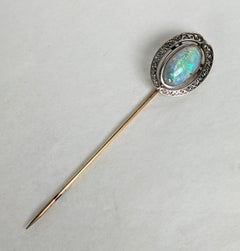
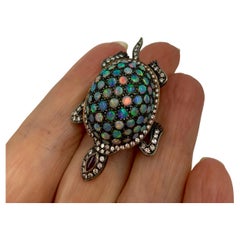
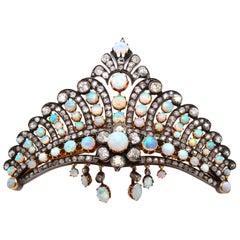
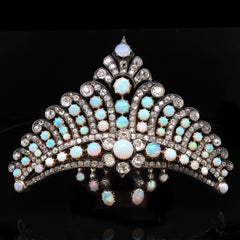
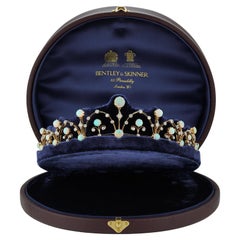
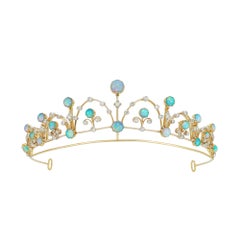
You are likely to find exactly the art nouveau cabochon you’re looking for on 1stDibs, as there is a broad range for sale. Every item for sale was constructed with extraordinary care, often using
Gold,
Yellow Gold and
14k Gold. In our selection of items, you can find a vintage example as well as a contemporary version. You’re likely to find the perfect art nouveau cabochon among the distinctive items we have available, which includes versions made as long ago as the 19th Century as well as those produced as recently as the 21st Century. There have been many well-made iterations of the classic art nouveau cabochon over the years, but those made by
Alexey Gabilo,
Intini Jewels and
Luigi Ferrara are often thought to be among the most beautiful. An art nouveau cabochon can make for a versatile accessory, but a selection from our variety of 68
Diamond versions can add an especially stylish touch. See these pages for a
cabochon iteration of this accessory, while there are also
oval cut cut and
round cut cut versions available here, too. If you’re browsing our inventory for an art nouveau cabochon, you’ll find that many are available today for
women, but there are still pieces to choose from for unisex and
men.
Prices for an art nouveau cabochon can differ depending upon size, time period and other attributes — at 1stDibs, these accessories begin at $65 and can go as high as $62,484, while this accessory, on average, fetches $3,507.
Art Nouveau — generally considered to have begun in the late 1800s and ended with the start of World War I — was a movement in the decorative arts that drew inspiration from natural forms, such as trees, flowers and, of course, the human figure. The three main themes present in Art Nouveau jewelry and watches were flora, fauna and women.
Art Nouveau, which reached its pinnacle in the year 1900, spawned from artists who rejected the historicism of their predecessors to create an entirely new visual vocabulary. As compared to Art Deco jewelry’s geometric patterns and sharp lines, the extravagant style of antique Art Nouveau jewelry is characterized by curvilinear forms and whiplash lines, vibrant materials and dramatic imagery.
The first art and design movement of the 20th century, Art Nouveau was also a reaction against the Industrial Revolution, and took its inspiration from the theories of the Symbolists, the art of the Pre-Raphaelites, the ideas of John Ruskin and his follower William Morris and, most importantly Japanese crafts. (The country was a fertile ground for inspiration after it was opened to the West in 1854.) The Art Nouveau style touched all manners of the arts, including the most exultant jewelry.
Nature was a favorite muse for artists going back to the 18th and 19th centuries, but in the hands of 20th-century artists, it was depicted in new ways. For example, a withering flower was considered just as beautiful as one in full bloom. Winged creatures, such as insects and birds, were also a popular subject. Dragonflies and butterflies were particular favorites because they morphed so dramatically in different life stages.
This was also a reference to women, whose role in society was evolving. It was not uncommon to see a piece of jewelry that would at once reference a woman as a winged creature (think René Lalique’s famous Dragonfly brooch, circa 1897–98, at the Gulbenkian Collection in Lisbon). However, just as women’s roles were ambiguous, so was their image, as the femmes nouvelle were simultaneously eroticized and romanticized.
In addition to Lalique, vital figures in Art Nouveau jewelry included Louis Comfort Tiffany in the United States, Vladimir Soloviev, who designed jewelry for Peter Carl Fabergé in Russia, Fuset Grau of Spain, Karl Rothmuller of Germany and Philippe Wolfers of Belgium.
Art Nouveau jewelers used every “canvas” imaginable, looking beyond brooches and necklaces to belt buckles, fans, tiaras, dog collars (a type of choker necklace), pocket watches, corsages and hair combs. Multicolored gems and enamel could complete this vision better than diamonds. Jewelers also favored pearls, particularly baroque pearls, for their large size and irregular shape. However, opal was the most popular stone — its iridescence harmonized perfectly with the enamel, and it could be carved into any shape. Art Nouveau jewelry was primarily set in yellow gold.
Find a range of antique Art Nouveau jewelry today on 1stDibs.