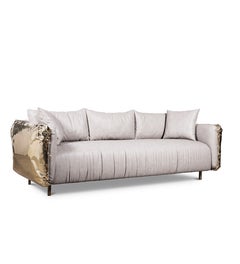
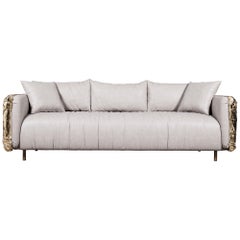
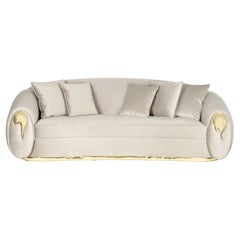
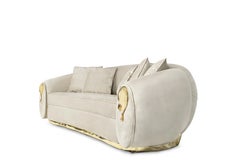
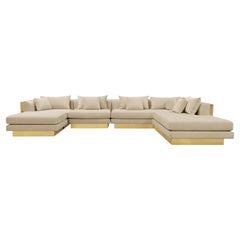
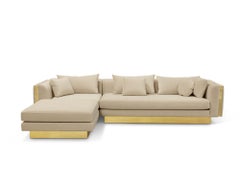
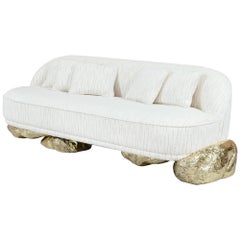
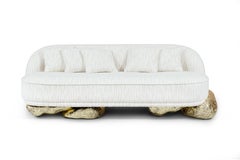
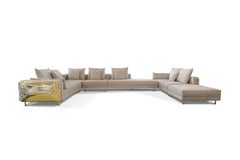
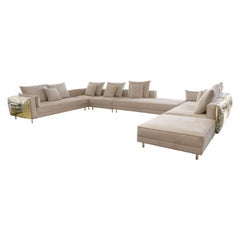
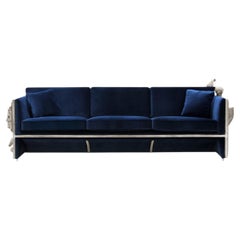
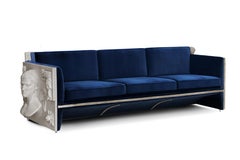
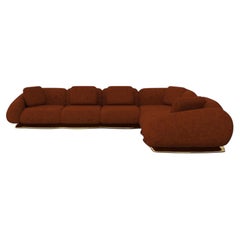
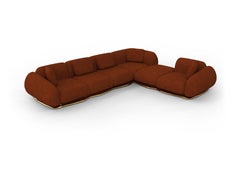
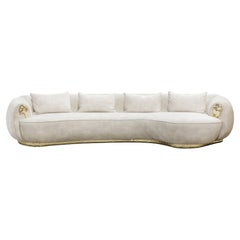
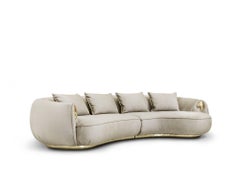
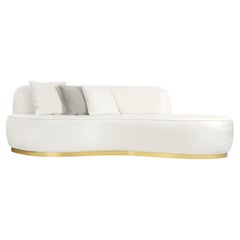
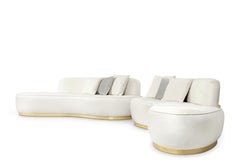
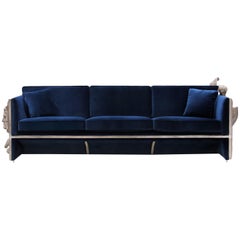
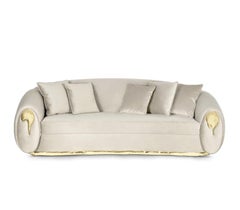
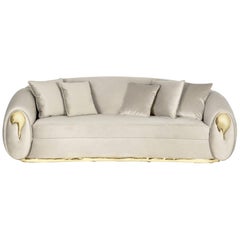
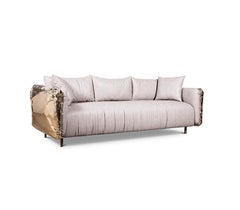
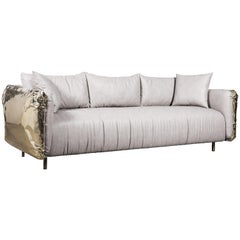
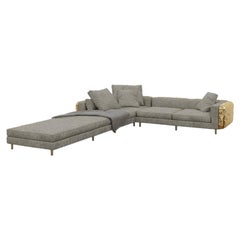
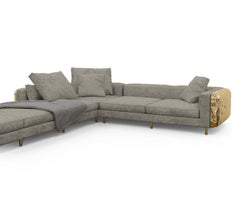
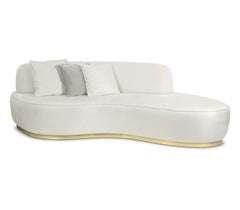
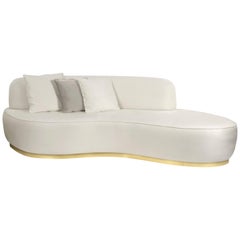
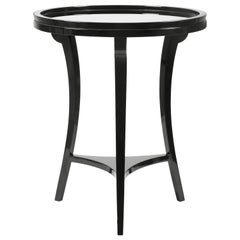
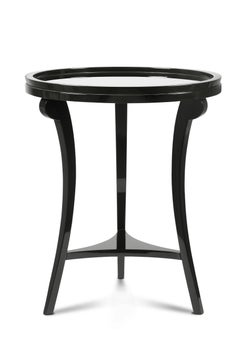
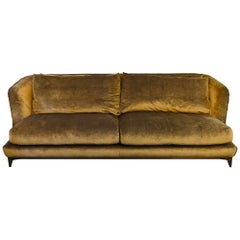
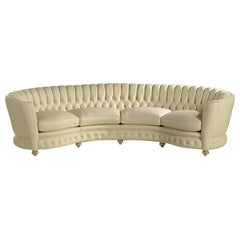
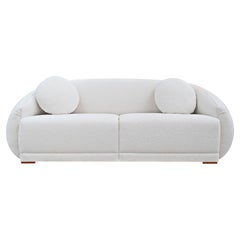
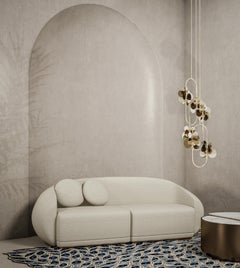
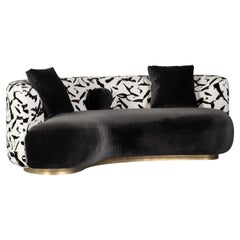
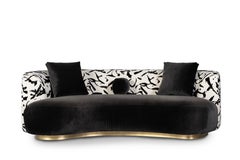
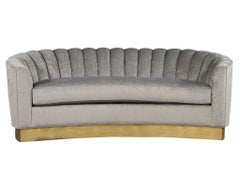
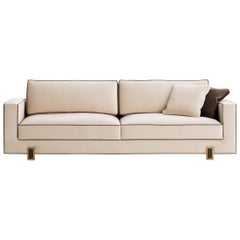
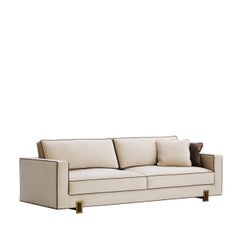
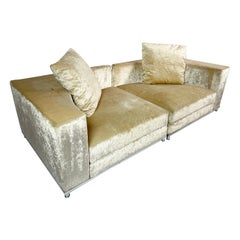
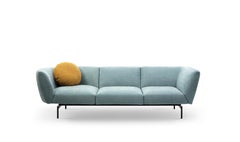
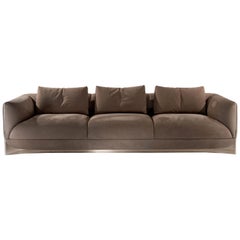
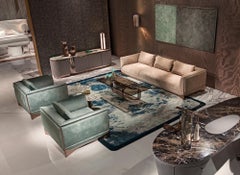
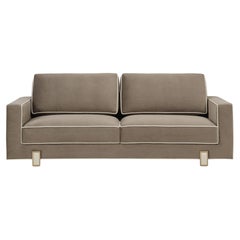
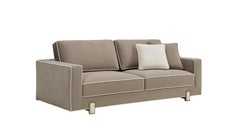
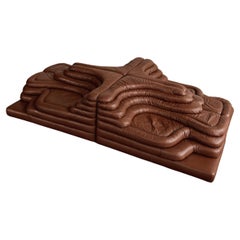
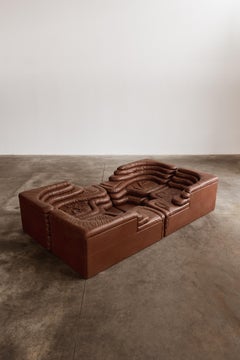
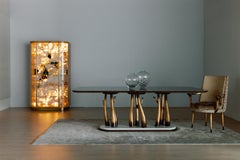
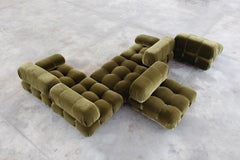
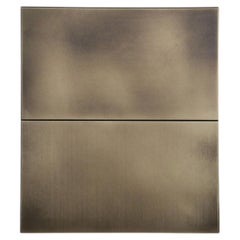
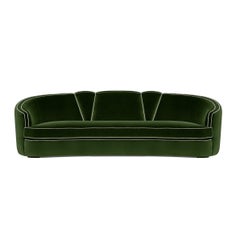
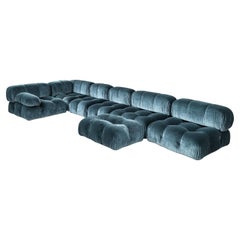
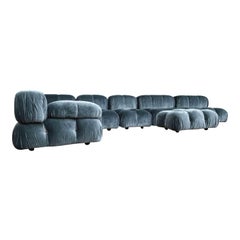
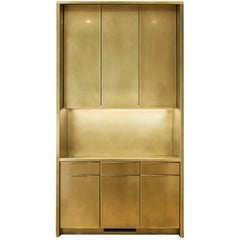
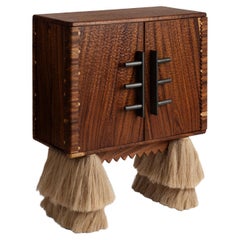
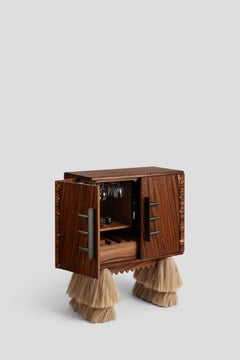
A passion for breaking boundaries and challenging the status quo is what sets Portuguese furniture brand Boca do Lobo apart from its contemporaries. Founded in 2005, the company’s artisans draw on traditional craftsmanship as well as contemporary furniture-making techniques to produce edgy, eye-catching dining tables, case pieces, sofas and more.
Boca do Lobo launched with a bang. The manufacturer’s first collection, Soho, is irreverent and playful, featuring multicolored sideboards as well as consoles and low-profile coffee tables made with a range of materials such as rosewood, brass, fabric and more. Each piece boasts a variety of ornamental flourishes. The Soho sideboard, for example, remains one of the series’ most popular and iconic pieces and features decorative brass drawer pulls, drawer fronts finished with gold leaf or black glass with etched detailing and other stylish touches.
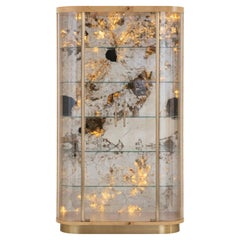
The Pixel collection, which is named for the multitude of picture elements that comprise a digital image, is also hard to ignore, with striking cabinets made of more than 1,000 textured wooden triangles in varying woods and finishes such as African walnut veneer, gold leaf and black lacquer mounted on an elegant polished brass base. As part of the Pixel collection, Boca do Lobo collaborated with renowned porcelain manufacturer Vista Alegre to create a delicate, limited-edition hand-painted cabinet named “Once Upon a Time.”
With one foot in past movements such as mid-century modernism and the other firmly in the present, Boca do Lobo combines sleek, streamlined forms with Baroque-inspired ornament and exuberant colors and materials. This flair for the unexpected makes their furnishings popular in high-end residential projects as well as luxury hospitality and retail spaces like Harrods in London, the Fairmont Hotel chain in the United States and elsewhere. Boca do Lobo’s contemporary classics are putting Portuguese craftsmanship on the global stage.
Find a collection of Boca do Lobo furniture on 1stDibs.
The late 19th and early 20th centuries saw sweeping social change and major scientific advances — both of which contributed to a new aesthetic: modernism. Rejecting the rigidity of Victorian artistic conventions, modernists sought a new means of expression. References to the natural world and ornate classical embellishments gave way to the sleek simplicity of the Machine Age. Architect Philip Johnson characterized the hallmarks of modernism as “machine-like simplicity, smoothness or surface [and] avoidance of ornament.”
Early practitioners of modernist design include the De Stijl (“The Style”) group, founded in the Netherlands in 1917, and the Bauhaus School, founded two years later in Germany.
Followers of both groups produced sleek, spare designs — many of which became icons of daily life in the 20th century. The modernists rejected both natural and historical references and relied primarily on industrial materials such as metal, glass, plywood, and, later, plastics. While Bauhaus principals Marcel Breuer and Ludwig Mies van der Rohe created furniture from mass-produced, chrome-plated steel, American visionaries like Charles and Ray Eames worked in materials as novel as molded plywood and fiberglass. Today, Breuer’s Wassily chair, Mies van der Rohe’s Barcelona chair — crafted with his romantic partner, designer Lilly Reich — and the Eames lounge chair are emblems of progressive design and vintage originals are prized cornerstones of collections.
It’s difficult to overstate the influence that modernism continues to wield over designers and architects — and equally difficult to overstate how revolutionary it was when it first appeared a century ago. But because modernist furniture designs are so simple, they can blend in seamlessly with just about any type of décor. Don’t overlook them.
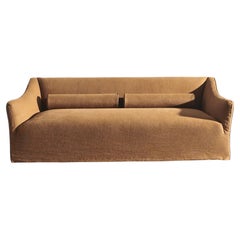
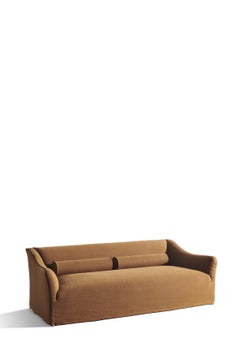
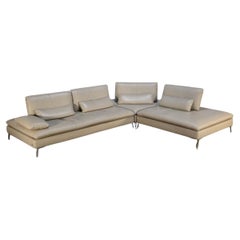
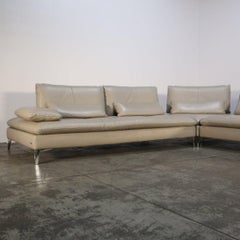
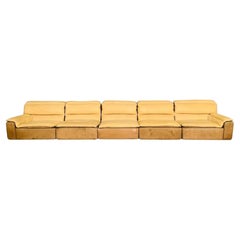
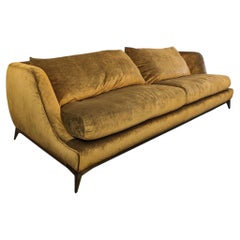
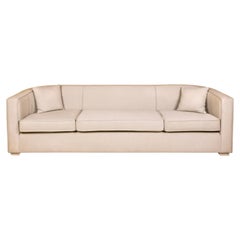
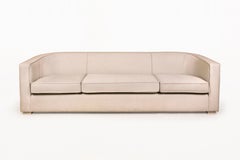
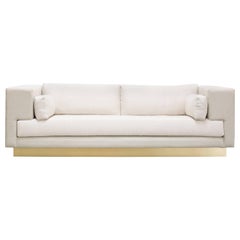
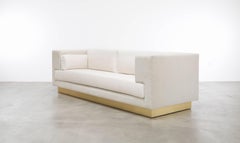
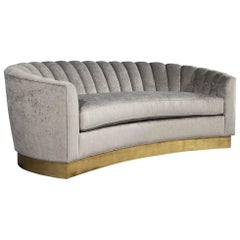
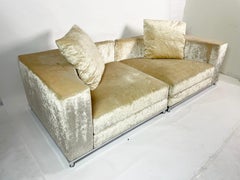
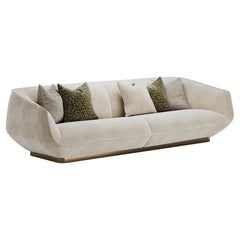
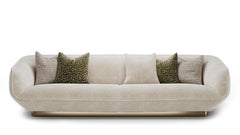
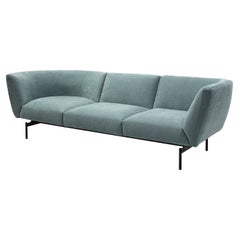
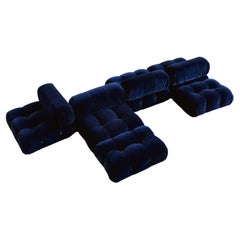
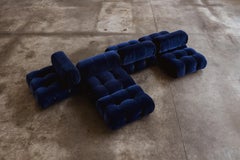
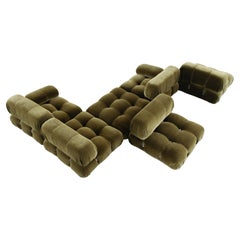
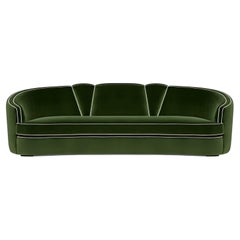
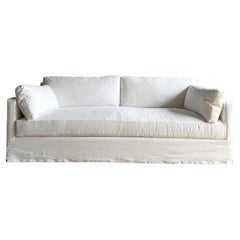
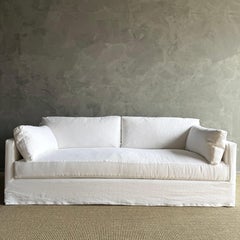
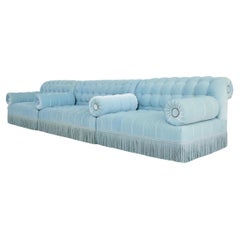
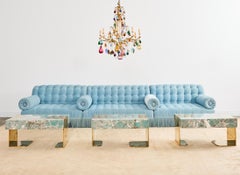
Vintage couches and antique sofas have anchored living rooms for generations. The pieces most sought after today carry the deep-buttoned tufting of a Chesterfield or the low, sculptural ease of mid-century modern and Hollywood Regency design.
Styles to Know
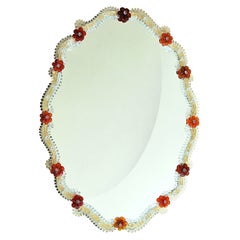
Rolled arms and tufted backs point to Mid-Century Modern or Hollywood Regency pieces, while tight backs and turned legs skew more traditional. Velvet is enjoying a renewed moment across most of these silhouettes; see our velvet chesterfield sofa trend report for examples. A mid-century modern coffee table within reach and a vintage mirror nearby round out the seating area.
How to Choose the Right Vintage Sofa
A sofa's frame and upholstery history can be difficult to judge from photographs alone. Ask a seller for more information when a listing doesn't show the fabric or joinery clearly, and confirm whether the upholstery is original or has been redone. Each piece comes from a vetted 1stDibs seller, with era, designer and condition detailed, and the 1stDibs Promise stands behind every purchase.