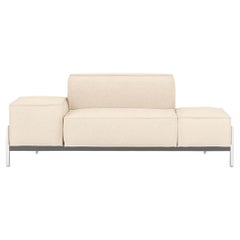
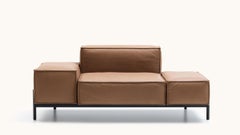
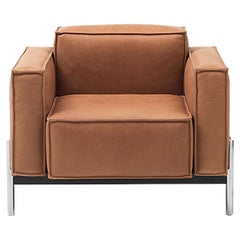
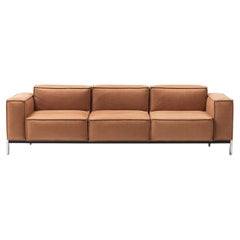
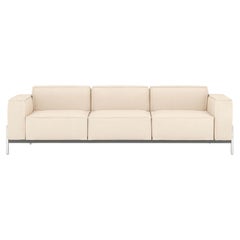
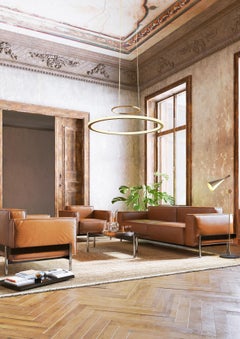
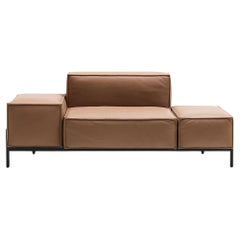
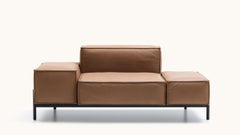
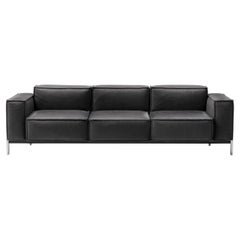
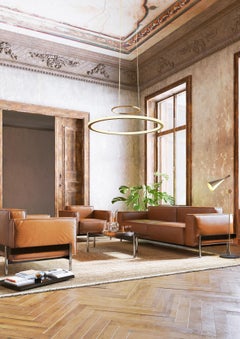
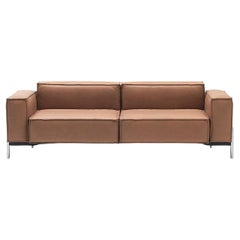
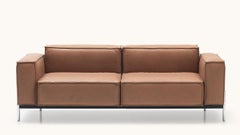
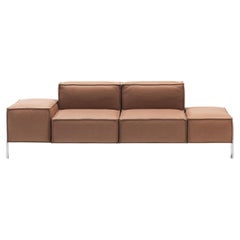
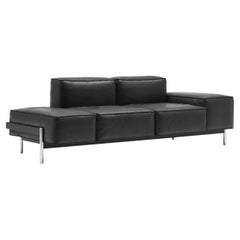
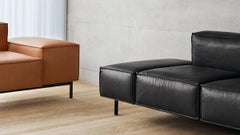
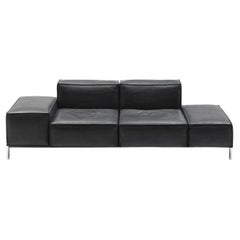
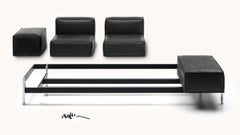
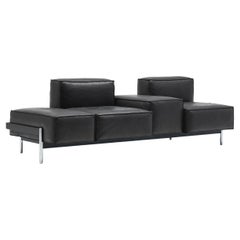
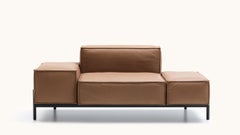
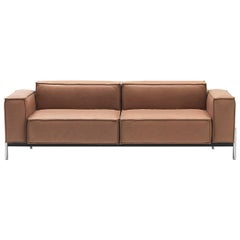
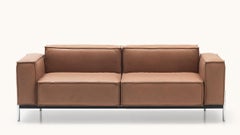
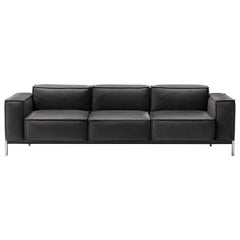
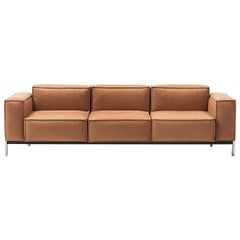
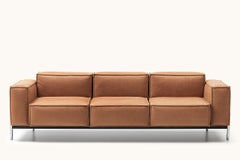
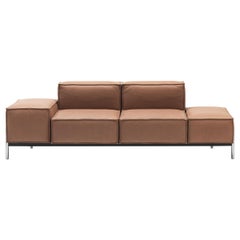
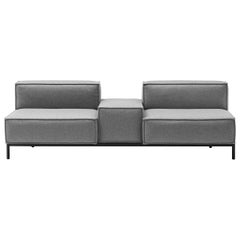
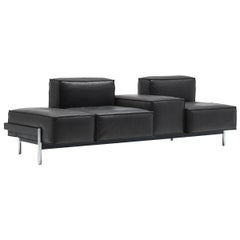
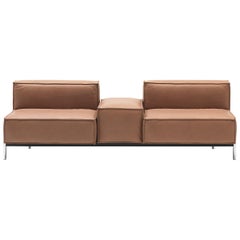
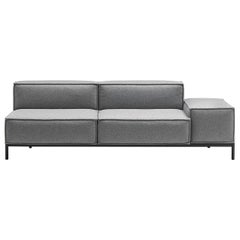
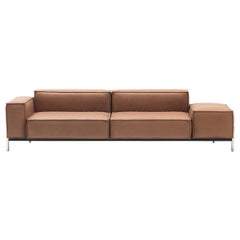
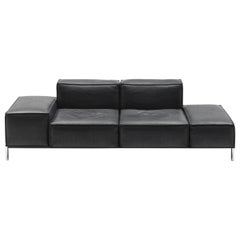
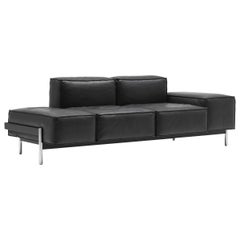
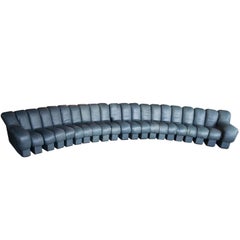
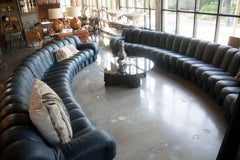
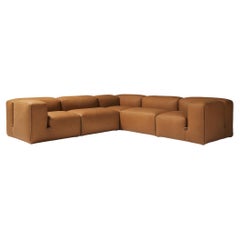
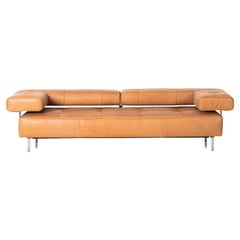
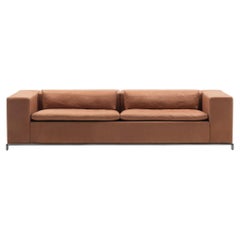
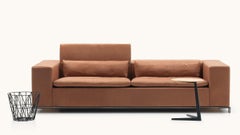
De Sede Ds21 For Sale on 1stDibs
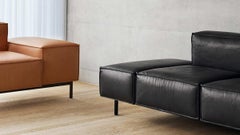
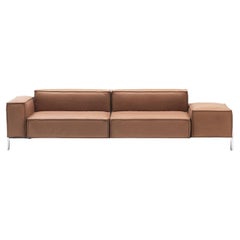
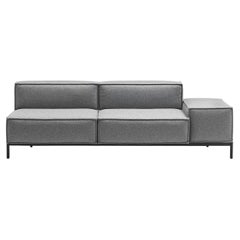
Choose from an assortment of styles, material and more with respect to the de sede ds21 you’re looking for at 1stDibs. Frequently made of
animal skin,
leather and
fabric, every de sede ds21 was constructed with great care. There are 3 variations of the antique or vintage de sede ds21 you’re looking for, while we also have 13 modern editions of this piece to choose from as well. Whether you’re looking for an older or newer de sede ds21, there are earlier versions available from the 20th Century and newer variations made as recently as the 21st Century. A de sede ds21 is a generally popular piece of furniture, but those created in
Modern,
Mid-Century Modern and
Scandinavian Modern styles are sought with frequency.
How Much is a De Sede Ds21?
Prices for a de sede ds21 start at $6,855 and top out at $21,800 with the average selling for $11,740.
De Sede for sale on 1stDibs
A de Sede piece lends a strong personality to the room it occupies. One of the world’s most respected furniture design houses, de Sede’s quality Swiss craftsmanship has its foundation in a long history of making expertly designed saddles. Founded in 1965 to build on a successful family-run saddler’s workshop in Klingnau, Switzerland, de Sede now is a leading manufacturer of leather goods and furniture, including sofas, chairs and beds.
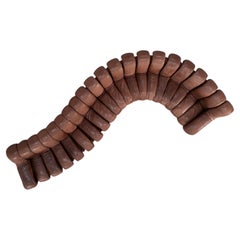
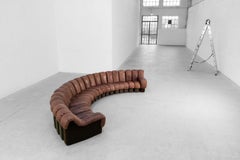
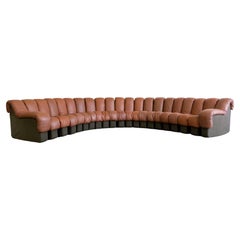
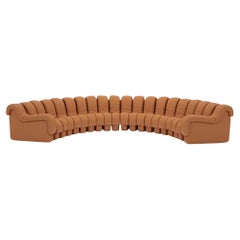
At the core of de Sede’s philosophy is a reverence for the complexity and beauty of handcrafted furniture in an age when mass-produced objects are the norm. Over the years, the atelier has built a name for itself in its modular furniture pieces, which are made using the highest quality leather upholstery. The sleek, elegant pieces incorporate functionality with beauty. Amongst their best-selling designs is the DS-600 introduced in 1972. Also known as the Non Stop sofa, it is a sensually curved, snaking modular sofa whose individual pieces can be zipped together to create multiple variations and arcs.
De Sede has collaborated with some of the world's finest design minds, enhancing the prestige and individuality of their products. Designers like Santiago Calatrava, Antonella Scarpitta, Stephan Hürlemann, Gordon Guillaumier and Philippe Malouin have all created pieces with the atelier. Ubald Klug’s 1974 DS-1025, also known as the Terrazza sofa, is an enduring favorite with its cascading levels of leather. In 2017, de Sede expanded its product line to include high-quality leather handbags, which are as thoughtfully designed and beautifully crafted as its furniture. De Sede AG is now part of the Volare Group AG and continues to handcraft its fine furniture and other goods from its factory in Klingnau.
Find authentic de Sede seating, tables and decorative objects today on 1stDibs.
A Close Look at Modern Furniture
The late 19th and early 20th centuries saw sweeping social change and major scientific advances — both of which contributed to a new aesthetic: modernism. Rejecting the rigidity of Victorian artistic conventions, modernists sought a new means of expression. References to the natural world and ornate classical embellishments gave way to the sleek simplicity of the Machine Age. Architect Philip Johnson characterized the hallmarks of modernism as “machine-like simplicity, smoothness or surface [and] avoidance of ornament.”
Early practitioners of modernist design include the De Stijl (“The Style”) group, founded in the Netherlands in 1917, and the Bauhaus School, founded two years later in Germany.
Followers of both groups produced sleek, spare designs — many of which became icons of daily life in the 20th century. The modernists rejected both natural and historical references and relied primarily on industrial materials such as metal, glass, plywood, and, later, plastics. While Bauhaus principals Marcel Breuer and Ludwig Mies van der Rohe created furniture from mass-produced, chrome-plated steel, American visionaries like Charles and Ray Eames worked in materials as novel as molded plywood and fiberglass. Today, Breuer’s Wassily chair, Mies van der Rohe’s Barcelona chair — crafted with his romantic partner, designer Lilly Reich — and the Eames lounge chair are emblems of progressive design and vintage originals are prized cornerstones of collections.
It’s difficult to overstate the influence that modernism continues to wield over designers and architects — and equally difficult to overstate how revolutionary it was when it first appeared a century ago. But because modernist furniture designs are so simple, they can blend in seamlessly with just about any type of décor. Don’t overlook them.
Finding the Right Sofas for You
Black leather, silk velvet cushions, breathable bouclé fabric — when shopping for antique or vintage sofas, today’s couch connoisseurs have much to choose from in terms of style and shape. But it wasn’t always thus.
The sofa is typically defined as a long upholstered seat that features a back and arms and is intended for two or more people. While the term “couch” comes from the Old French couche, meaning to lie down, and sofa has Eastern origins, both are forms of divan, a Turkish word that means an elongated cushioned seat. Bench-like seating in Ancient Greece, which was padded with soft blankets, was called klinai. No matter how you spell it, sofa just means comfort, at least it does today.
In the early days of sofa design, upholstery consisted of horsehair or dried moss. Sofas that originated in countries such as France during the 17th century were more integral to decor than they were to comfort. Like most Baroque furnishings from the region, they frequently comprised heavy, gilded mahogany frames and were upholstered in floral Beauvais tapestry. Today, options abound when it comes to style and material, with authentic leather offerings and classy steel settees. Plush, velvet chesterfields represent the platonic ideal of coziness.
Vladimir Kagan’s iconic sofa designs, such as the Crescent and the Serpentine — which, like the sectional sofas of the 1960s created by furniture makers such as Harvey Probber, are quite popular among mid-century modern furniture enthusiasts — showcase the spectrum of style available to modern consumers. Those looking to make a statement can turn to Studio 65’s lip-shaped Bocca sofa, which was inspired by the work of Salvador Dalí. Elsewhere, the furniture of the 1970s evokes an era when experimentation ruled, or at least provided a reason to break the rules. Just about every area of society felt a sudden urge to be wayward, to push boundaries — and buttons. Vintage leather sofas of that decade are characterized by a rare blending of the showy and organic.
With so many options, it’s important to explore and find the perfect furniture for your space. Paying attention to the lines of the cushions as well as the flow from the backrest into the arms is crucial to identifying a cohesive new piece for your home or office.
Fortunately, with styles from every era — and even round sofas — there’s a luxurious piece for every space. Deck out your living room with an Art Deco lounge or go retro with a nostalgic '80s design. No matter your sitting vision, the right piece is waiting for you in the expansive collection of unique sofas on 1stDibs.