When Christian Dior launched his couture house, in 1946, he wanted nothing less than to make “an elegant woman more beautiful and a beautiful woman more elegant.” He succeeded, and in doing so the visionary designer altered the landscape of 20th century fashion. Vintage Dior bags, shoes, evening dresses, shirts and other garments and accessories are known today for their feminine and sophisticated sensibility.
Dior was born in Granville, on the Normandy coast, in 1905. His prosperous haute bourgeois parents wanted him to become a diplomat despite his interest in art and architecture. However, they agreed to bankroll an art gallery, which Dior opened in 1928 in Paris with a friend.
This was the start of Dior’s rise in the city’s creative milieu, where he befriended Pablo Picasso and Jean Cocteau. After seven years as an art dealer, Dior retrained as a fashion illustrator, eventually landing a job as a fashion designer for Robert Piguet, and in 1941, following a year of military service, he joined the house of Lucien Lelong. Just five years later, with the backing of industrialist Marcel Boussac, the ascendant Dior established his own fashion house, at 30 avenue Montaigne in Paris.
Just two years after the end of World War II, the fashion crowd and the moribund haute couture industry were yearning, comme tout Paris, for security and prosperity, desperate to discard the drab, sexless, utilitarian garb imposed by wartime deprivation. They needed to dream anew.
And Dior delivered: He designed a collection for a bright, optimistic future. “It’s quite a revolution, dear Christian!” exclaimed Carmel Snow, the prescient American editor-in-chief of Harper’s Bazaar, famously proclaiming, “Your dresses have such a new look.” The press ran with the description, christening Dior’s debut Spring/Summer haute couture collection the New Look. “God help those who bought before they saw Dior,” said Snow. “This changes everything.”
Dior’s collection definitively declared that opulence, luxury and femininity were in. His skirts could have 40-meter-circumference hems, and outfits could weigh up to 60 pounds. They were cut and shaped like architecture, on strong foundations that molded women and “freed them from nature,” Dior said. Rather than rationing, his ladies wanted reams of fabric and 19-inch waists enforced by wire corsets, and the fashion world concurred. The debut got a standing ovation.
In the subsequent decade, Paris ruled as the undisputed fashion capital of the world, and Christian Dior reigned as its king. With the luxuriously full skirts of his New Look, suits and his drop-dead gorgeous couture dresses and ball gowns worthy of any princess, Dior gave women the gift of glamour they’d lost in the miserable years of war.
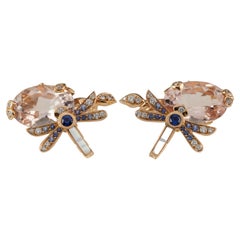
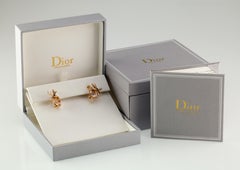
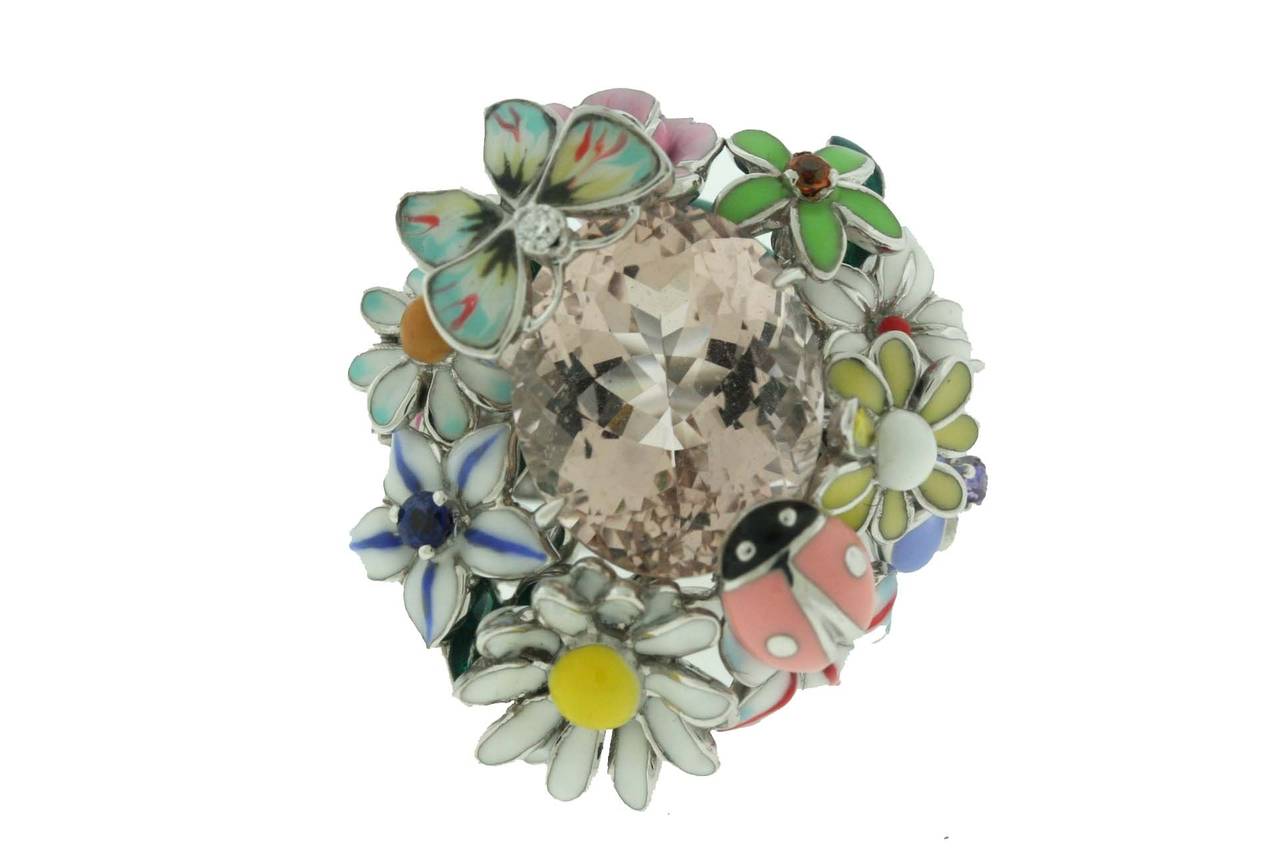
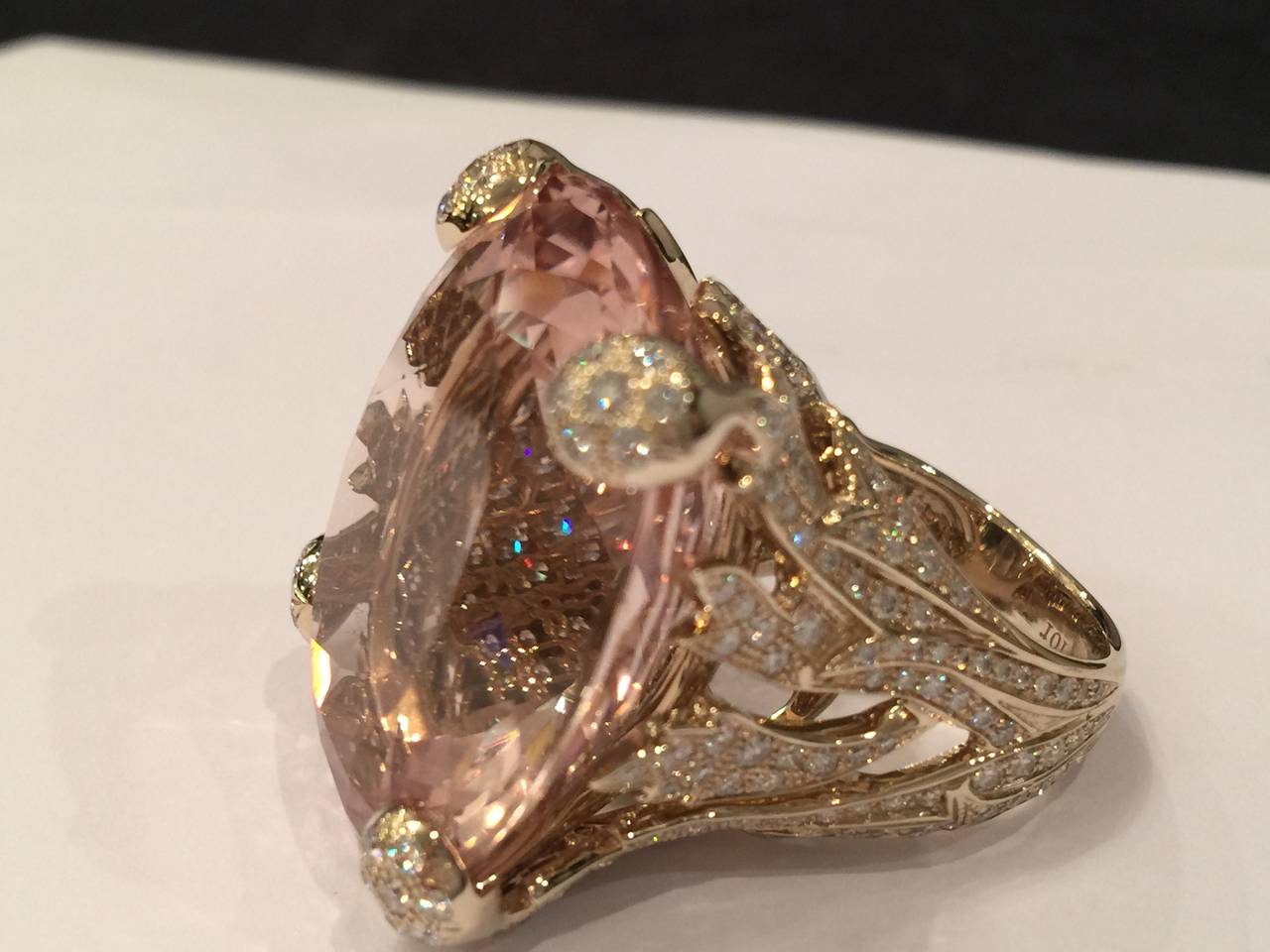
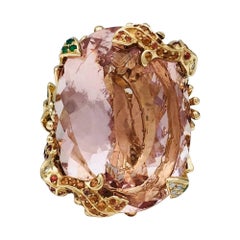
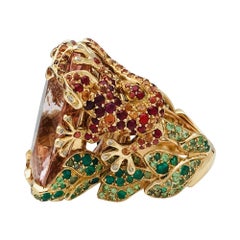
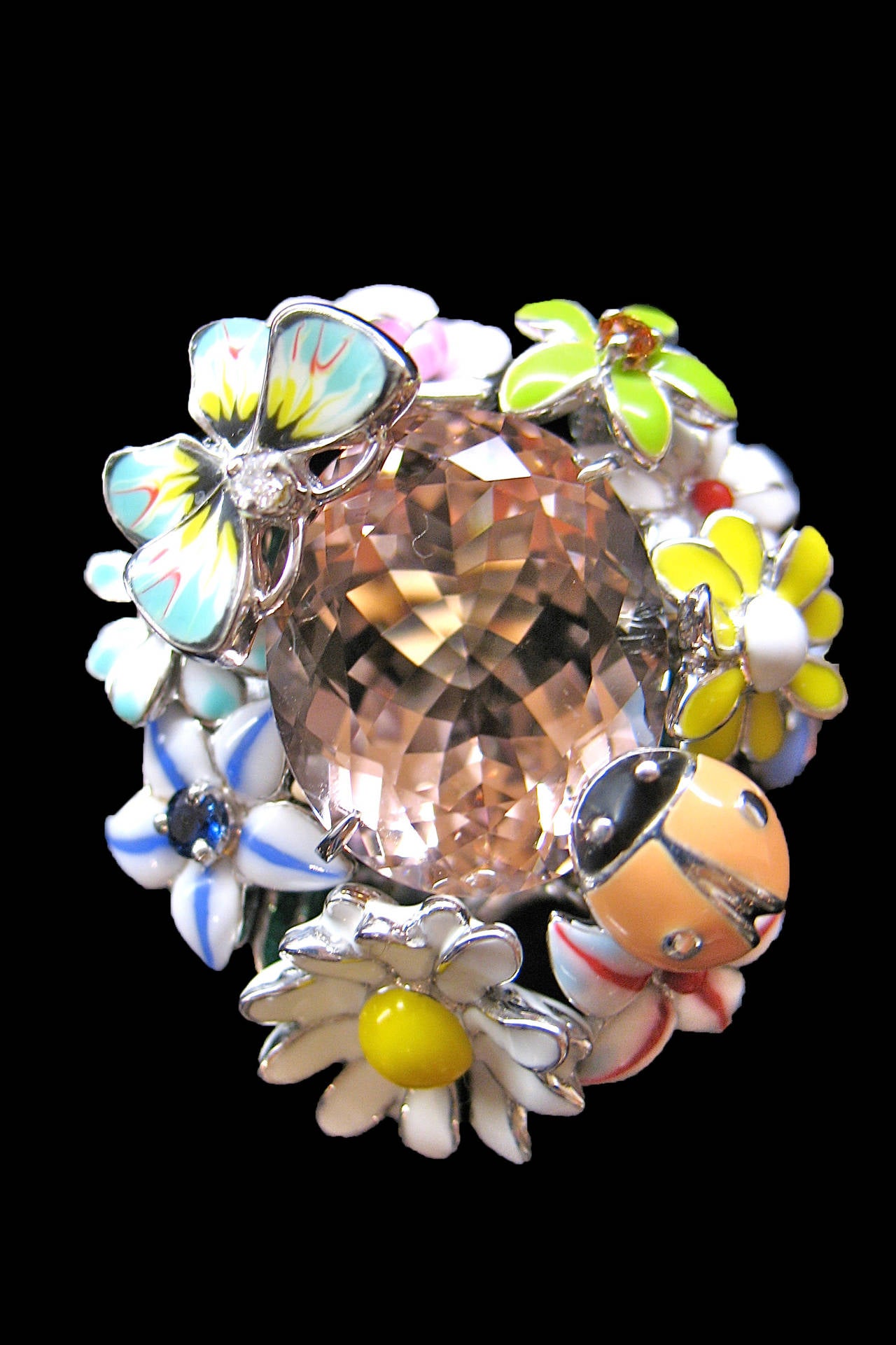
On 1stDibs, find an exquisite range of vintage Christian Dior clothing, jewelry, handbags and other items.
Antique diamond rings, diamond tiaras and dazzling vintage diamond earrings are on the wish lists of every lover of fine jewelry. And diamonds and diamond jewelry are primarily associated with storybook engagements and red-carpet grand entrances — indeed, this ultra-cherished gemstone has a dramatic history on its hands.
From “A Diamond Is Forever” to “Diamonds Are a Girl’s Best Friend,” pop culture has ingrained in our minds that diamonds are the most desired, the most lasting and the most valuable gemstone. But what makes the diamond so special? Each stone — whether it’s rubies, sapphires or another stone — is unique and important in its own right. April babies might claim diamonds for themselves, but just about everyone wants this kind of sparkle in their lives!
There are several factors that set diamonds apart from other stones, and these points are important to our gem education.
Diamonds are minerals. They are made up of almost entirely of carbon (carbon comprises 99.95 percent; the remainder consists of various trace elements). Diamonds are the hardest gemstones, ranking number 10 on the Mohs Hardness Scale. Even its name, diamond, is rooted in the Greek adamas, or unconquerable. The only object that can scratch a diamond is another diamond. Diamonds are formed deep within the earth at very high temperatures (1,652–2,372 degrees Fahrenheit at depths between 90 and 120 miles beneath the earth’s surface) and are carried up by volcanic activity. Diamonds are quite rare, according to the Gemological Institute of America, and only 30 percent of all the diamonds mined in the world are gem quality.
In the 1950s, the Gemological Institute of America developed the 4Cs grading system to classify diamonds: clarity, color, cut and carat weight. Not all diamonds are created equal (there are diamonds, and then there are diamonds). The value of the diamond depends on the clarity (flawless diamonds are very rare but a diamond's value decreases if there are many blemishes or inclusions), color (the less color the higher the grade), cut (how the diamond’s facets catch the light, certain cuts of diamonds show off the stone better than others) and carat weight (the bigger, the better).
When you start shopping for a diamond engagement ring, always prioritize the cut, which plays the largest role in the diamond's beauty (taking the time to clean your diamond ring at least every six months or so plays a role in maintaining said beauty). And on 1stDibs, a range of buying guides can be found for those in the market for antique engagement rings, vintage engagement rings or Art Deco engagement rings.
Shop antique and vintage diamond rings, diamond necklaces and other extraordinary diamond jewelry on 1stDibs.
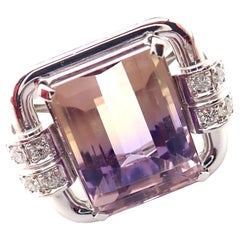
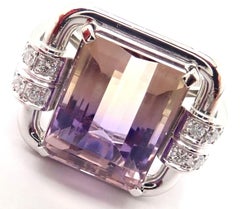
A flashy symbol of wealth during the early 20th century, antique and vintage cocktail rings have gained broader appeal in the decades since for the hefty dose of glamour they bring to any ensemble.
Cocktail rings earned their name for their frequent appearances during glitzy cocktail parties at the height of the Prohibition era. Back then, these accessories were seen not only as statement pieces but as statements in and of themselves. They openly represented a sense of freedom and independence as well as a demonstration of opulence. After all, the 1920s heralded the Harlem Renaissance and Art Deco design, and a slew of social and cultural shifts meant that women in particular were breaking from pre–World War I conventions and embracing newfound freedoms to express themselves as individuals.
Women expressly wore cocktail rings on the fingers of their right hand versus the left, which was “reserved” for an engagement ring or wedding band, accessories definitely paid for by a suitor. And for cocktail rings, the bigger the colored gem at the center — which is usually mounted in a high setting — and the more elaborate the design, the stronger the likelihood of being noticed.
Cocktail rings remained a popular piece of jewelry for women until the 1930s, when the Great Depression and the onset of war marked a change in behaviors nationwide. While the 1960s and ’70s saw a return in visibility for the accessory, it wasn’t until the 1980s that cocktail rings once again assumed their position as a beacon of luxury and glitz.
During the 20th century, the range of dazzling cocktail rings seems to have been limitless, from glimmering gold rings set with carved jade diamonds designed by David Webb to Pomellato’s pink quartz confections to striking Gucci butterfly rings with accent diamonds set in a pavé fashion.
So, how do you wear a cocktail ring? Cocktail rings “can be worn for almost anything — dinners, date nights, parties, special events, on the red carpet,” explains David Joseph of New York-based jewelry brand Bochic.
Can you wear cocktail rings with other rings? “In my opinion, cocktail rings should stand on their own since they showcase a large gem in the center,” says Joseph.
These glamorous jewels can be worn inside or outside crowded taverns, in either daytime or nighttime with casual or dressy attire. On 1stDibs, find a wide variety of antique and vintage cocktail rings, including those offered by Chanel, whose elegant cocktail rings often feature pearls and, of course, diamonds, and sometimes were styled after showy flowers like the camellia, and Van Cleef & Arpels, whose detailed and intricate designs are viewed as miniature pieces of wearable art.