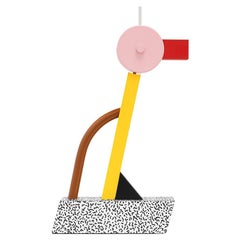
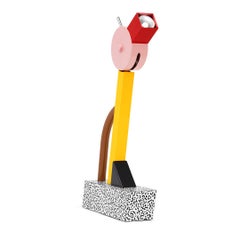
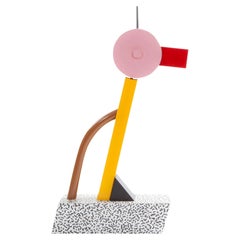
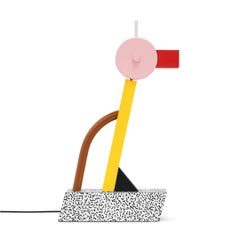
Ettore Sottsass Tartar

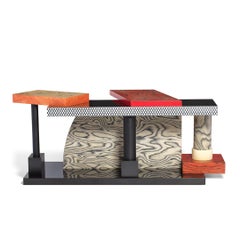
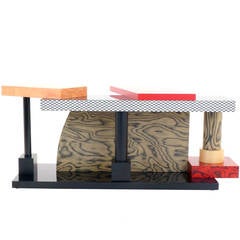
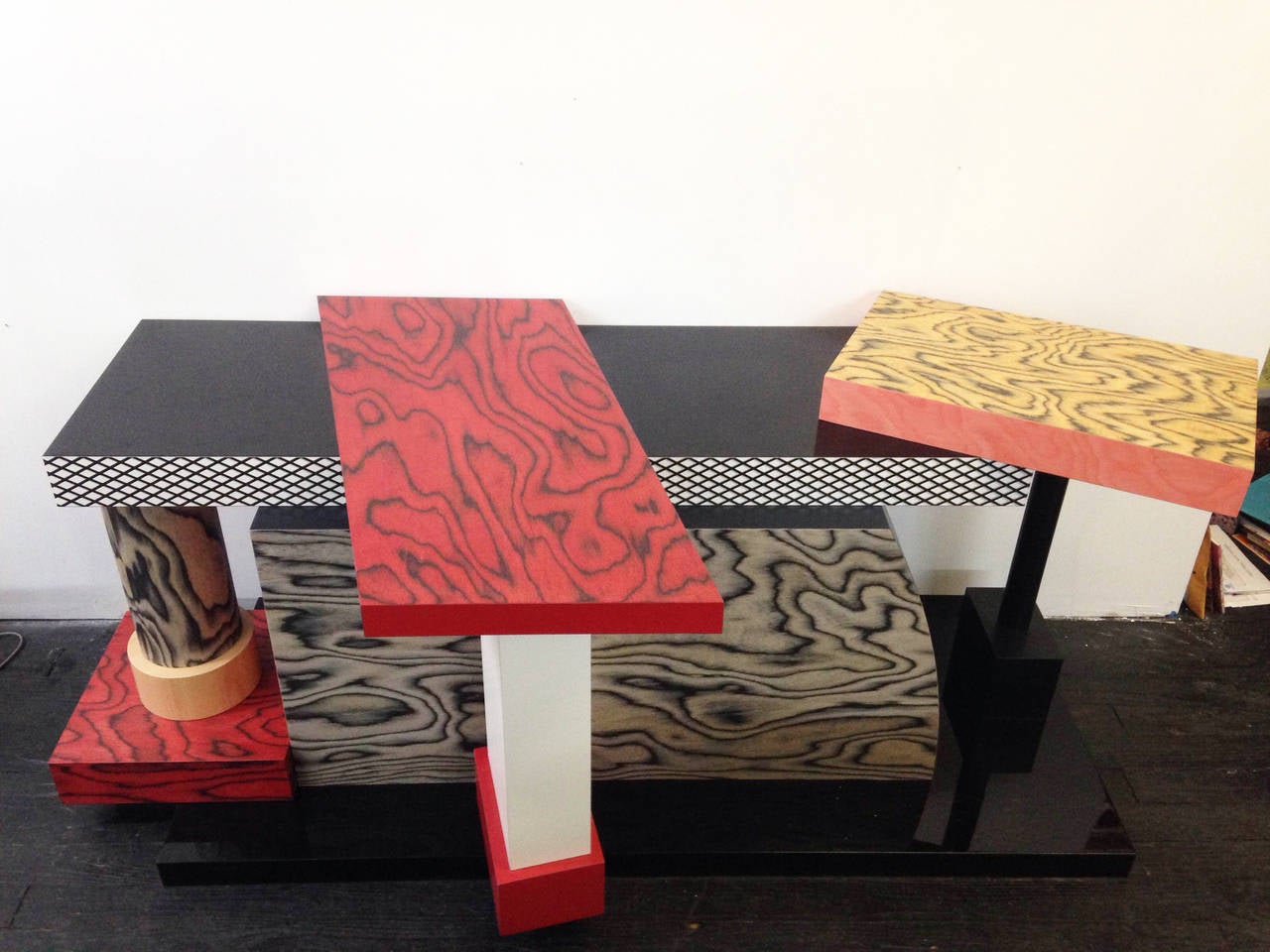
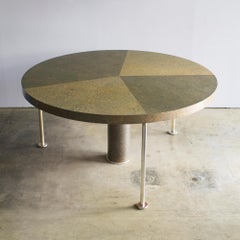
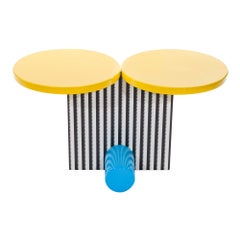
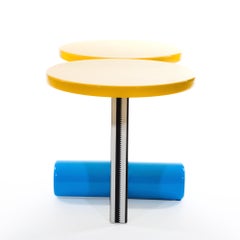
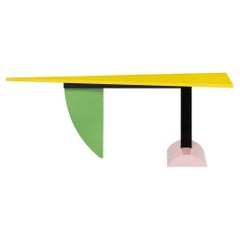
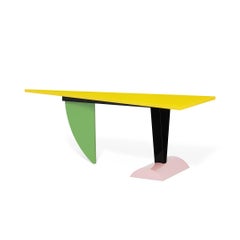
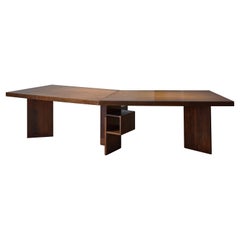
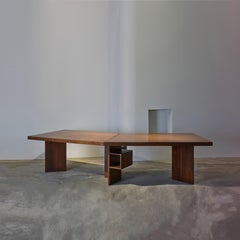
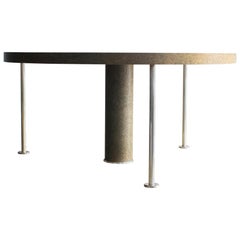
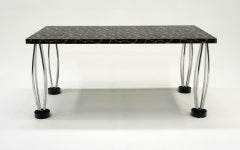
Tartar Table, by Ettore Sottsass for Memphis Milano Collection

Tartar Table, by Ettore Sottsass for Memphis Milano Collection

$33,000 / item

H 30.71 in W 76.78 in D 33.47 in

Tartar Table, by Ettore Sottsass for Memphis Milano Collection

By Memphis Group, Ettore Sottsass, Memphis Milano

Located in La Morra, Cuneo

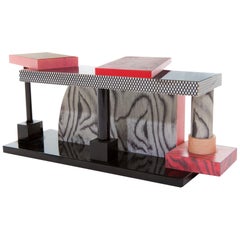
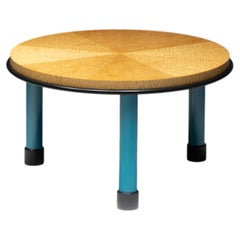
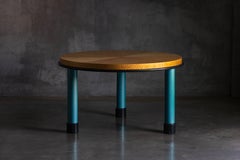
Tartar Table in laminated wood was originally designed in 1985, by Ettore Sottsass for Memphis Milano.

Category

21st Century and Contemporary Italian Modern Tables

Materials

Wood

Recent Sales

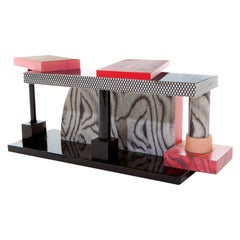
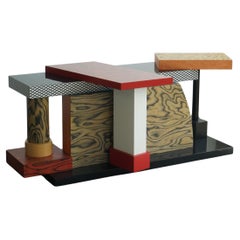
TARTAR Sideboard by Ettore Sottsass for Memphis Milano

TARTAR Sideboard by Ettore Sottsass for Memphis Milano

Unavailable

H 31 in W 76.75 in D 33.5 in

TARTAR Sideboard by Ettore Sottsass for Memphis Milano

By Ettore Sottsass

Located in Brooklyn, NY

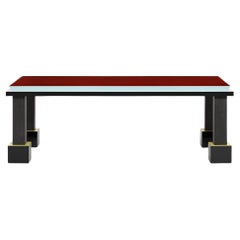
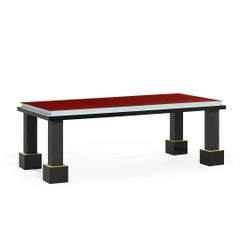
The Tartar sideboard by Ettore Sottsass for Memphis (1985) is remarkable in several ways.

Category

Vintage 1980s Italian Post-Modern Sideboards

Materials

Laminate, Wood, Hardwood

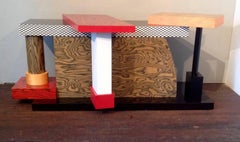
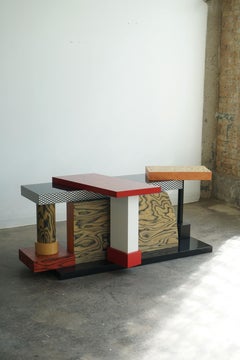
Ettore Sottsass for Memphis Tartar Console Table

Ettore Sottsass for Memphis Tartar Console Table

By Ettore Sottsass, Memphis Group

Located in Kansas City, MO

Designed in 1985, this example is brand new from Memphis Milano. Signed with the metal Memphis label. The finishes on this piece are exquisite.

Category

Vintage 1980s Italian Post-Modern Console Tables

Materials

Plywood, Wood

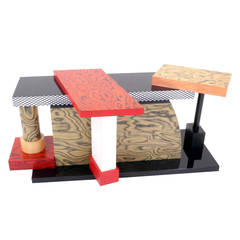
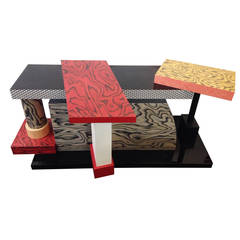
Ettore Sottsass Tartar console table for Memphis Milano Collection

Ettore Sottsass Tartar console table for Memphis Milano Collection

By Ettore Sottsass

Located in Chicago, IL

Tartar table designed by Ettore Sottsass, 1985. Memphis Milano label.

Category

Vintage 1980s Post-Modern Console Tables

Materials

Laminate

Ettore Sottsass Tartar Table, Memphis Milano, 1985

Ettore Sottsass Tartar Table, Memphis Milano, 1985

Sold

H 30.71 in W 76.78 in D 33.47 in

Ettore Sottsass Tartar Table, Memphis Milano, 1985

By Ettore Sottsass

Located in Brooklyn, NY

Tartar console designed by Ettore Sottsass for Memphis Milano in 1985.

Category

Late 20th Century Italian Post-Modern Console Tables

Materials

Wood

Tartar Sideboard
Tartar Sideboard

Tartar Sideboard

Sold

H 31 in W 76.75 in D 33.5 in

Tartar Sideboard

By Ettore Sottsass

Located in Brooklyn, NY

The Tartar sideboard by Ettore Sottsass for MEMPHIS (1985) is remarkable in several ways.

Category

21st Century and Contemporary Italian Post-Modern Sideboards

Materials

Wood, Hardwood

People Also Browsed

Squash Light Blue Ashtray, by Maria Sanchez from Memphis Milano

Squash Light Blue Ashtray, by Maria Sanchez from Memphis Milano

By Maria Sanchez, Memphis Group, Memphis Milano

Located in La Morra, Cuneo

The Squash Light Blue Ashtray in ceramic was originally designed in 1985 by Maria Sanchez for Memphis Milano. The Squash ashtray is one of the smallest objects in the Memphis Milano ...

Category

21st Century and Contemporary Italian Modern Ashtrays

Materials

Ceramic

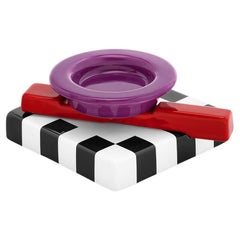
Squash Purple Ashtray, by Maria Sanchez from Memphis Milano

Squash Purple Ashtray, by Maria Sanchez from Memphis Milano

$550 / item

H 2.76 in W 5.91 in D 5.91 in

Squash Purple Ashtray, by Maria Sanchez from Memphis Milano

By Memphis Milano, Maria Sanchez, Memphis Group

Located in La Morra, Cuneo

The Squash Purple Ashtray in ceramic was originally designed in 1985 by Maria Sanchez for Memphis Milano. The Squash ashtray is one of the smallest objects in the Memphis Milano coll...

Category

21st Century and Contemporary Italian Modern Ashtrays

Materials

Ceramic

Santa Fe Porcelain Ceiling Lamp USA 110Volts, by Matteo Thun from Memphis Milano

Santa Fe Porcelain Ceiling Lamp USA 110Volts, by Matteo Thun from Memphis Milano

By Memphis Milano, Memphis Group, Matteo Thun

Located in La Morra, Cuneo

Here you are shown the Santa Fe Porcelain Ceiling Lamp with US wiring accessibility, designed in 1985 by Matteo Thun. The Lamp is made in porcelain, glazed in white and red. Lamp bul...

Category

21st Century and Contemporary Italian Modern Chandeliers and Pendants

Materials

Porcelain

D'Antibes Wooden Storage Cabinet, by George Sowden for Memphis Milano Collection

D'Antibes Wooden Storage Cabinet, by George Sowden for Memphis Milano Collection

By Memphis Group, Memphis Milano, George Sowden

Located in La Morra, Cuneo

Designed in 1981 by George Sowden, The "D'Antibes" is a piece of storage furniture with long legs. Cabinet in lacquered wood silkscreened on the two sides. George Sowden was born in...

Category

21st Century and Contemporary Italian Modern Cabinets

Materials

Wood

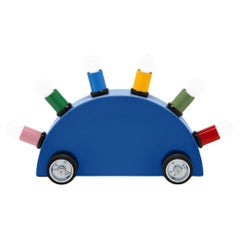
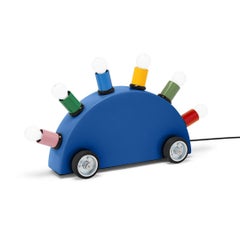
Super Blue Table Light 'EU' 220 Volts, by Martine Bedin from Memphis Milano

Super Blue Table Light 'EU' 220 Volts, by Martine Bedin from Memphis Milano

By Memphis Group, Martine Bedin, Memphis Milano

Located in La Morra, Cuneo

Here you are shown the EU wired, super blue table or floor lamp in fiberglass, designed in 1981, by Martine Bedin. Color options also include: Yellow, White with Colored Sockets, and...

Category

21st Century and Contemporary Italian Modern Table Lamps

Materials

Glass, Fiberglass

Ettore Sottsass Chandelier, 1970

Ettore Sottsass Chandelier, 1970

$30,438

H 39.77 in W 32.68 in D 10.63 in

Ettore Sottsass Chandelier, 1970

By Ettore Sottsass, Poltronova

Located in Vienna, AT

Rare ‚Bruco‘ chandelier designed by Ettore Sottsass for Design Centre / Poltronova in 1970. Minimalist chrome structure with a large methacrylate diffuser. Very nice original conditi...

Category

Vintage 1970s Italian Space Age Chandeliers and Pendants

Materials

Aluminum, Chrome

Mizar Glass Vase, by Ettore Sottsass for Memphis Milano Collection

Mizar Glass Vase, by Ettore Sottsass for Memphis Milano Collection

By Memphis Milano, Ettore Sottsass, Memphis Group

Located in La Morra, Cuneo

The Mizar vase was originally designed by Ettore Sottsass in 1982. The piece features clear and blue glass with multicolored handles. Ettore Sottsass was born in Innsbruck in 1917. ...

Category

21st Century and Contemporary Italian Modern Vases

Materials

Glass

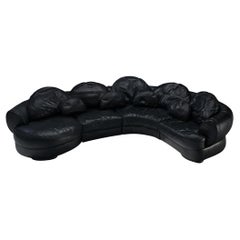
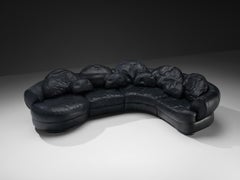
Organically Shaped Post-Modern Sectional Sofa in Black Leather

Organically Shaped Post-Modern Sectional Sofa in Black Leather

Located in Waalwijk, NL

Modular sofa, leather, Europe, 1980s This sofa is fully executed in a black leather that contributes to a unified look. The construction consists of four elements. The sofa embraces...

Category

Vintage 1980s European Post-Modern Sectional Sofas

Materials

Leather

Alioth Glass Vase, by Ettore Sottsass for Memphis Milano Collection

Alioth Glass Vase, by Ettore Sottsass for Memphis Milano Collection

By Memphis Milano, Ettore Sottsass, Memphis Group

Located in La Morra, Cuneo

The Alioth Glass Vase was designed by Ettore Sottsass for Memphis in 1983. The Venetian glass vase features blue fusions and black threads. Signed on the base. Ettore Sottsass was b...

Category

21st Century and Contemporary Italian Modern Vases

Materials

Glass

Anchorage Silver Plated Brass Teapot, by Peter Shire from Memphis Milano

Anchorage Silver Plated Brass Teapot, by Peter Shire from Memphis Milano

By Memphis Milano, Peter Shire

Located in La Morra, Cuneo

The anchorage teapot, was originally designed by Peter Shire in 1982. The Teapot is in brass with plated silver, and is also available in solid 925 silver. Prices may vary for the st...

Category

21st Century and Contemporary Italian Modern Tea Sets

Materials

Brass, Silver

Postmodern Italian Sectional Sofa in Blue and Off-White Dots Upholstery

Postmodern Italian Sectional Sofa in Blue and Off-White Dots Upholstery

Located in Waalwijk, NL

Modular sofa, fabric, brushed metal, Italy, 1970s A postmodern design of Italian origin with an ingenious construction comprised of three seating elements and five/six loose backres...

Category

Vintage 1970s Italian Post-Modern Sectional Sofas

Materials

Metal

1980s "Miss, Don't You like Caviar?" pair of armchairs by Ettore Sottsass

1980s "Miss, Don't You like Caviar?" pair of armchairs by Ettore Sottsass

By Ettore Sottsass

Located in Paris, FR

Price for a pair, 3 pairs available. Executed by Renzo Brugola Distributed by Blum Helman Gallery Collection Centre Georges Pompidou The Metropolitan Museum of Art collection In 1...

Category

Vintage 1980s Italian Post-Modern Armchairs

Materials

Steel

11 Erinna Glass Vase, by Ettore Sottsass from Memphis Milano

11 Erinna Glass Vase, by Ettore Sottsass from Memphis Milano

By Memphis Milano, Ettore Sottsass

Located in La Morra, Cuneo

The Erina vase is blown glass, originally designed by Ettore Sottsass in 1986. The vase is part of the “Vetri Glass” collection. Made in Murano, its hand blown with techniques from m...

Category

21st Century and Contemporary Italian Modern Vases

Materials

Blown Glass

Deneb Glass Vase, by Ettore Sottsass for Memphis Milano Collection

Deneb Glass Vase, by Ettore Sottsass for Memphis Milano Collection

By Memphis Group, Memphis Milano, Ettore Sottsass

Located in La Morra, Cuneo

The Deneb vase in multicolored glass was originally designed by Ettore Sottsass in 1982 for Memphis. Signed “E.Sottsass per Memphis Milano”. Ettore Sottsass was born in Innsbruck in...

Category

21st Century and Contemporary Italian Modern Vases

Materials

Glass

Tulipano Chest of 21 Drawers by George J. Sowden by Post Design Collect./Memphis

Tulipano Chest of 21 Drawers by George J. Sowden by Post Design Collect./Memphis

By George Sowden

Located in La Morra, Cuneo

Tulipano chest of 21 drawers in wood by George J. Sowden by Post Design collection/Memphis The product is purchased with authenticity certificate and guarantee stamp. Additiona...

Category

21st Century and Contemporary Commodes and Chests of Drawers

Materials

Wood

Narciso Cabinet by George J. Sowden by Post Design Collection/Memphis

Narciso Cabinet by George J. Sowden by Post Design Collection/Memphis

By George Sowden

Located in La Morra, Cuneo

Narciso cabinet in wood by George J. Sowden by Post Design/Memphis The product is purchased with authenticity certificate and guarantee stamp. Additional Information: Cabinet ...

Category

21st Century and Contemporary Cabinets

Materials

Wood

Get Updated with New Arrivals
Save "Ettore Sottsass Tartar", and we’ll notify you when there are new listings in this category.

Ettore Sottsass for sale on 1stDibs

An architect, industrial designer, philosopher and provocateur, Ettore Sottsass led a revolution in the aesthetics and technology of modern design in the late 20th century. He was a wild man of the Radical Design movement that swept Italy in the late 1960s and ’70s, rejecting rationalism and modernism in favor of ever-more outrageous imaginings in lighting and furniture such as mirrors, lamps, chairs and tables.

Sottsass was the oldest member of the Memphis Group — a design collective, formed in Milan in 1980, whose irreverent, spirited members included Alessandro Mendini, Michele de Lucchi, Michael Graves and Shiro Kuramata. All had grown disillusioned by the staid, black-and-brown “corporatized” modernism that had become endemic in the 1970s. Memphis (the name stemmed from the title of a Bob Dylan song) countered with bold, brash, colorful, yet quirkily minimal designs for furniture, glassware, ceramics and metalwork. 

The Memphis Group mocked high-status by building furniture with inexpensive materials such as plastic laminates, decorated to resemble exotic finishes such as animal skins. Their work was both functional and — as intended — shocking.

Even as it preceded the Memphis Group's formal launch, Sottsass's iconic Ultrafragola mirror — in its conspicuously curved plastic shell and radical pops of pink neon — embodies many of the collective's postmodern ideals. 

Sottsass created innovative furnishings for the likes of Artemide, Knoll, Zanotta and Poltronova, where he reigned as artistic director for nearly two decades beginning in 1958. His most-recognized designs appeared in the first Memphis collection, issued in 1981 — notably the multihued, angular Carlton room divider and Casablanca bookcase. As pieces on 1stDibs demonstrate, however, Sottsass is at his most inspired and expressive in smaller, secondary furnishings such as lamps and chandeliers, and in table pieces and glassware that have playful and sculptural qualities.

Sottsass left the Memphis Group in 1985 in order to concentrate on the growth of Sottsass Associati, a design and architecture consultancy he cofounded in 1980. 

It was as an artist that Sottsass was celebrated in his life, in exhibitions at the Los Angeles County Museum of Art, in 2006, and the Philadelphia Museum of Art a year later. Even then Sottsass’s work prompted critical debate. And for a man whose greatest pleasure was in astonishing, delighting and ruffling feathers, perhaps there was no greater accolade. That the work remains so revolutionary and bold — that it breaks with convention so sharply it will never be considered mainstream — is a testament to his genius.

Find Ettore Sottsass lighting, decorative objects and furniture for sale on 1stDibs.

A Close Look at Post-modern Furniture

Postmodern design was a short-lived movement that manifested itself chiefly in Italy and the United States in the early 1980s. The characteristics of vintage postmodern furniture and other postmodern objects and decor for the home included loud-patterned, usually plastic surfaces; strange proportions, vibrant colors and weird angles; and a vague-at-best relationship between form and function.

ORIGINS OF POSTMODERN FURNITURE DESIGN

  • Emerges during the 1960s; popularity explodes during the ’80s
  • A reaction to prevailing conventions of modernism by mainly American architects
  • Architect Robert Venturi critiques modern architecture in his Complexity and Contradiction in Architecture (1966)
  • Theorist Charles Jencks, who championed architecture filled with allusions and cultural references, writes The Language of Post-Modern Architecture (1977)
  • Italian design collective the Memphis Group, also known as Memphis Milano, meets for the first time (1980) 
  • Memphis collective debuts more than 50 objects and furnishings at Salone del Milano (1981)
  • Interest in style declines, minimalism gains steam

CHARACTERISTICS OF POSTMODERN FURNITURE DESIGN

  • Dizzying graphic patterns and an emphasis on loud, off-the-wall colors
  • Use of plastic and laminates, glass, metal and marble; lacquered and painted wood 
  • Unconventional proportions and abundant ornamentation
  • Playful nods to Art Deco and Pop art

POSTMODERN FURNITURE DESIGNERS TO KNOW

VINTAGE POSTMODERN FURNITURE ON 1STDIBS

Critics derided postmodern design as a grandstanding bid for attention and nothing of consequence. Decades later, the fact that postmodernism still has the power to provoke thoughts, along with other reactions, proves they were not entirely correct.

Postmodern design began as an architectural critique. Starting in the 1960s, a small cadre of mainly American architects began to argue that modernism, once high-minded and even noble in its goals, had become stale, stagnant and blandly corporate. Later, in Milan, a cohort of creators led by Ettore Sottsass and Alessandro Mendinia onetime mentor to Sottsass and a key figure in the Italian Radical movement — brought the discussion to bear on design.

Sottsass, an industrial designer, philosopher and provocateur, gathered a core group of young designers into a collective in 1980 they called Memphis. Members of the Memphis Group,  which would come to include Martine Bedin, Michael Graves, Marco Zanini, Shiro Kuramata, Michele de Lucchi and Matteo Thun, saw design as a means of communication, and they wanted it to shout. That it did: The first Memphis collection appeared in 1981 in Milan and broke all the modernist taboos, embracing irony, kitsch, wild ornamentation and bad taste.

Memphis works remain icons of postmodernism: the Sottsass Casablanca bookcase, with its leopard-print plastic veneer; de Lucchi’s First chair, which has been described as having the look of an electronics component; Martine Bedin’s Super lamp: a pull-toy puppy on a power-cord leash. Even though it preceded the Memphis Group’s formal launch, Sottsass’s iconic Ultrafragola mirror — in its conspicuously curved plastic shell with radical pops of pink neon — proves striking in any space and embodies many of the collective’s postmodern ideals. 

After the initial Memphis show caused an uproar, the postmodern movement within furniture and interior design quickly took off in America. (Memphis fell out of fashion when the Reagan era gave way to cool 1990’s minimalism.) The architect Robert Venturi had by then already begun a series of plywood chairs for Knoll Inc., with beefy, exaggerated silhouettes of traditional styles such as Queen Anne and Chippendale. In 1982, the new firm Swid Powell enlisted a group of top American architects, including Frank Gehry, Richard Meier, Stanley Tigerman and Venturi to create postmodern tableware in silver, ceramic and glass.

On 1stDibs, the vintage postmodern furniture collection includes chairs, coffee tables, sofas, decorative objects, table lamps and more.
Finding the Right Console-tables for You

Few pieces of furniture are celebrated for their functionality as much as their decorative attributes in the way that console tables are. While these furnishings are not as common in today’s interiors as their coffee-table and side-table counterparts, console tables are stylish home accents and have become more prevalent over the years.

The popularity of wood console tables took shape during the 17th and 18th centuries in French and Italian culture, and were exclusively featured in the palatial homes of the upper class. The era’s outwardly sculptural examples of these small structures were paired with mirrors or matching stools and had tabletops of marble. They were most often half-moon-shaped and stood on two scrolled giltwood legs, and because they weren’t wholly supported on their two legs rather than the traditional four, their flat-backed supports were intended to hug the wall behind them and were commonly joined by an ornate stretcher. The legs were affixed or bolted to the wall with architectural brackets called console brackets — hence, the name we know them by today — which gave the impression that they were freestanding furnishings. While console tables introduced a dose of drama in the foyer of any given aristocrat — an embodiment of Rococo-style furniture — the table actually occupied minimal floor space (an attractive feature in home furniture). As demand grew and console tables made their way to other countries, they gained recognition as versatile additions to any home.
Contemporary console tables comprise many different materials and are characterized today by varying shapes and design styles. It is typical to find them made of marble, walnut or oak and metal. While modern console tables commonly feature four legs, you can still find the two-legged variety, which is ideal for nestling behind the sofa. A narrow console table is a practical option if you need to save space — having outgrown their origins as purely ornamental, today’s console tables are home to treasured decorative objects, help fill empty foyers and, outfitted with drawers or a shelf, can provide a modest amount of storage as needed.

The rich collection of antique, new and vintage console tables on 1stDibs includes everything from 19th-century gems designed in the Empire style to unique rattan pieces and more.