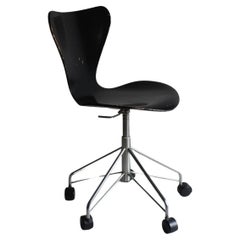
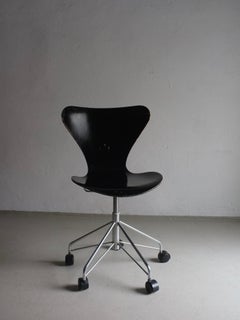
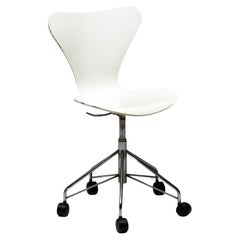
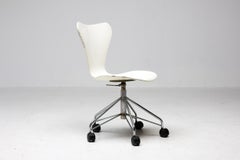
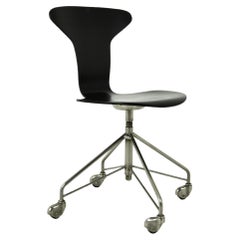
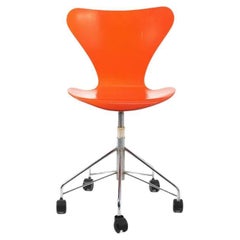
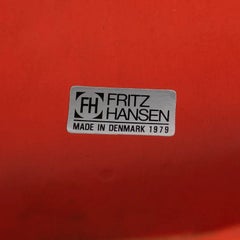
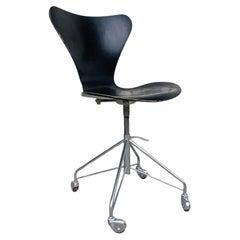
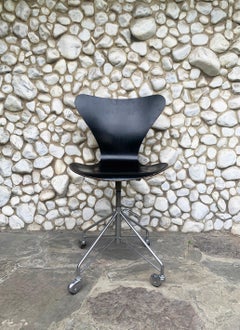
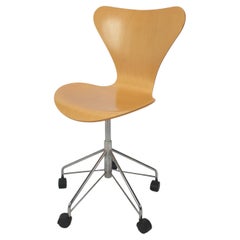
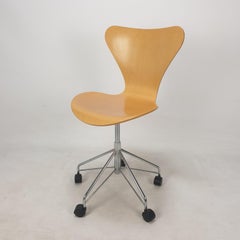
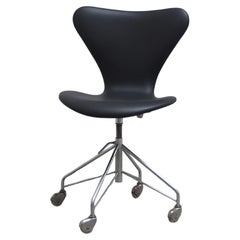
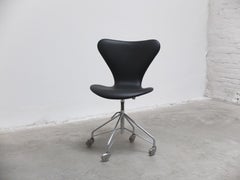
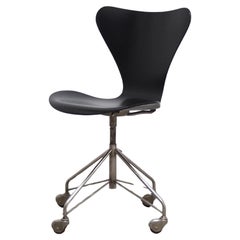
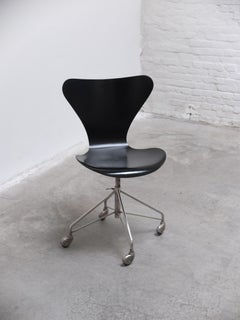
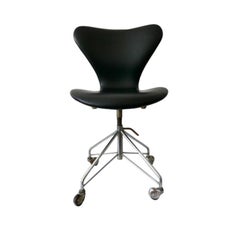
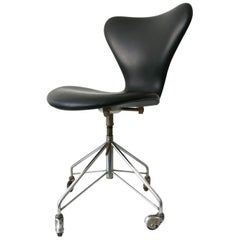
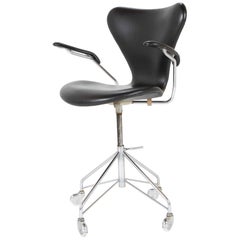
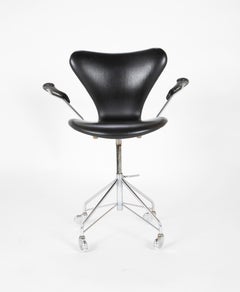
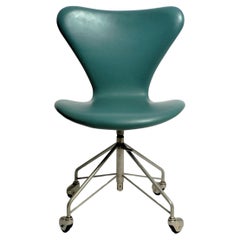
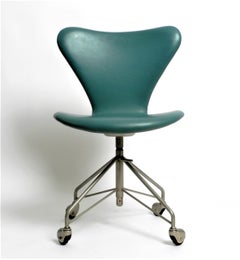
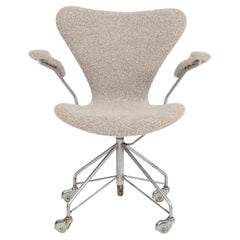
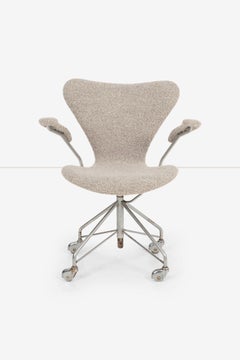
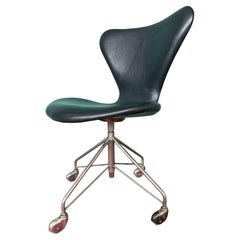
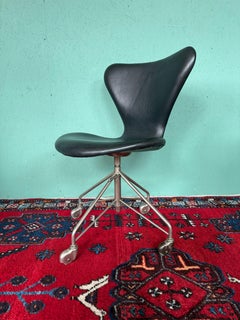
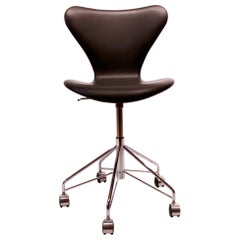
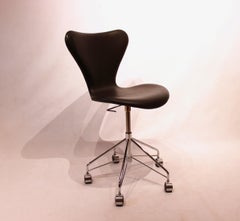
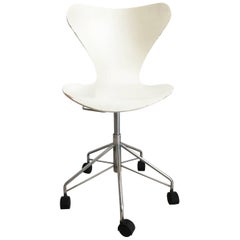
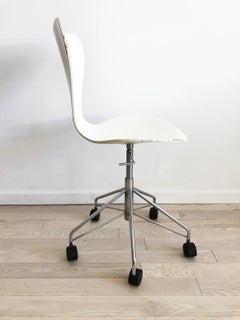
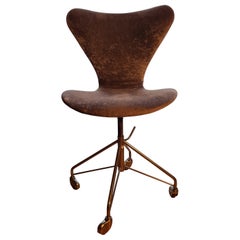
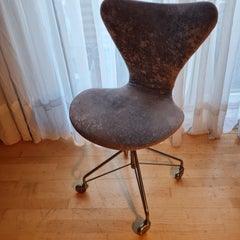
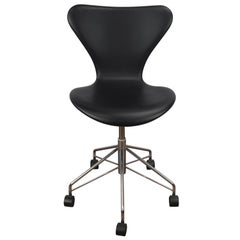
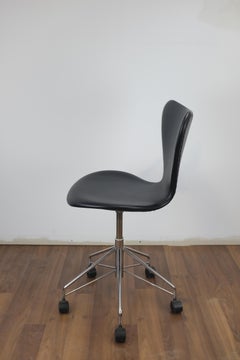
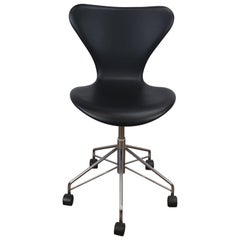
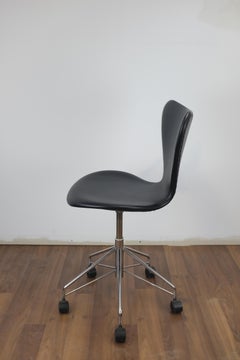
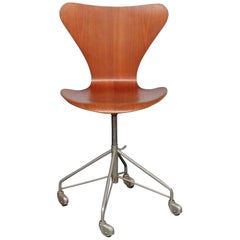
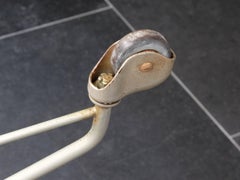
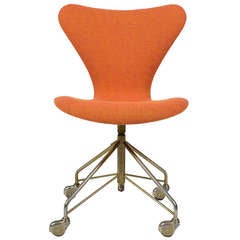
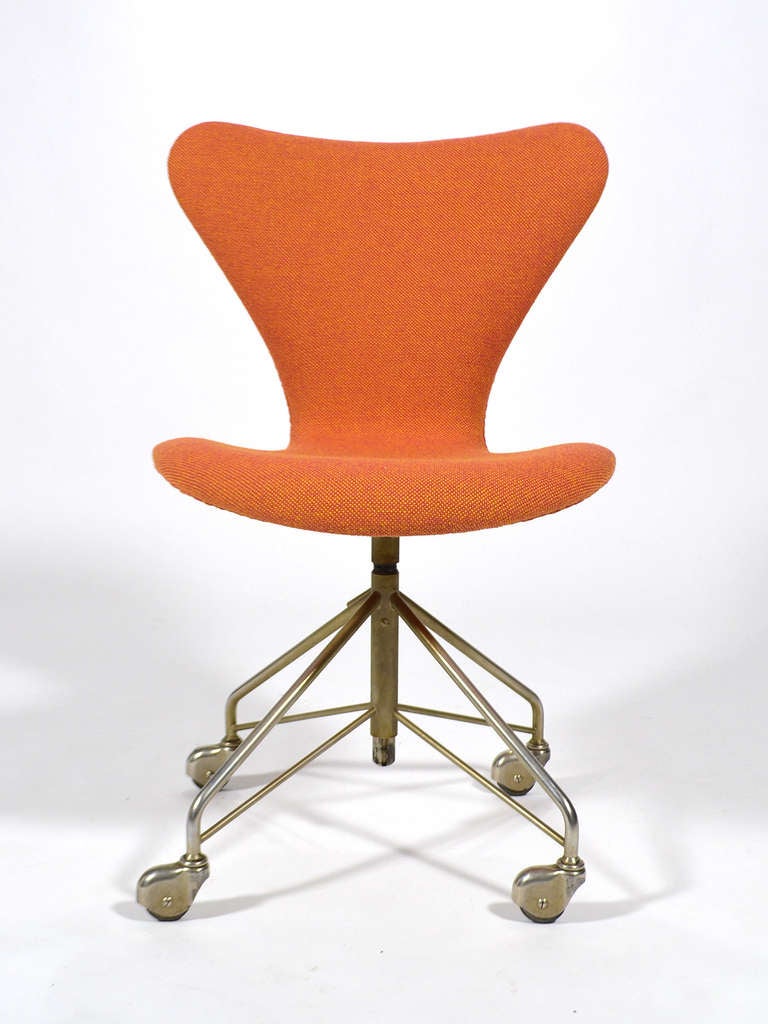
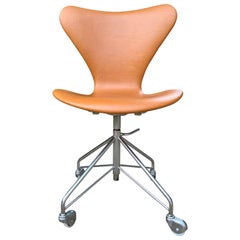
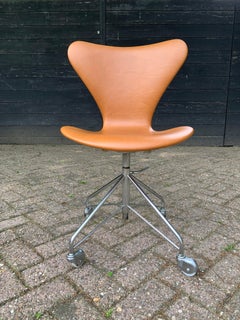
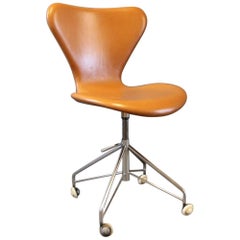
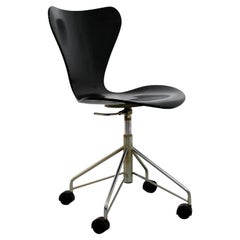
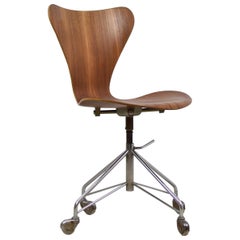
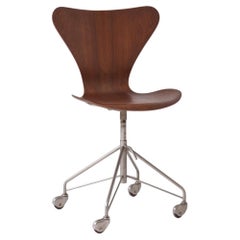
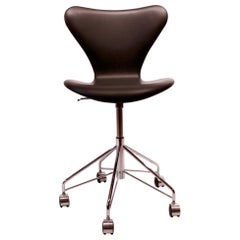
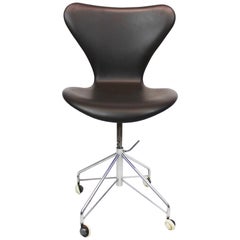
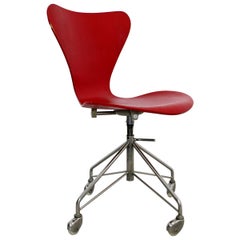
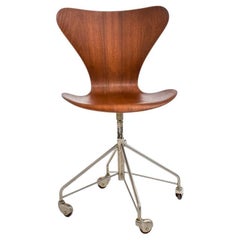
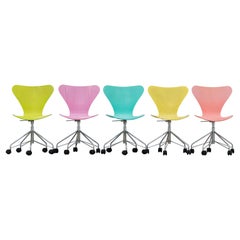
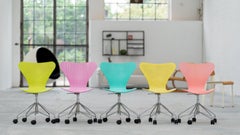
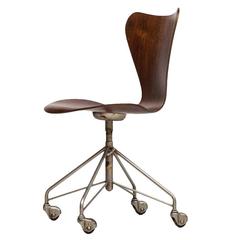
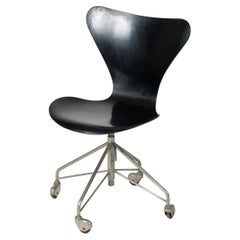
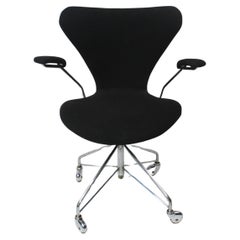
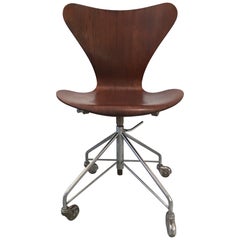
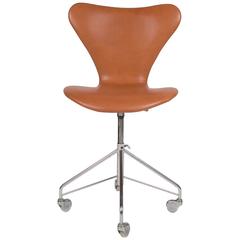
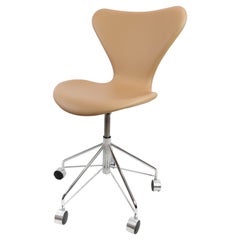
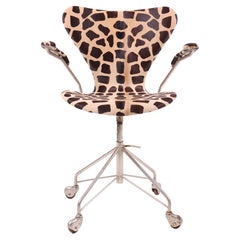
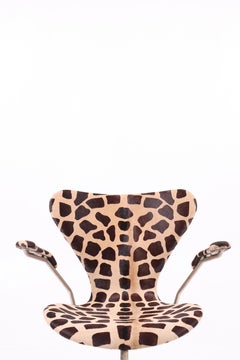
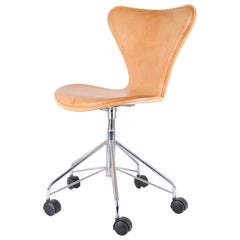
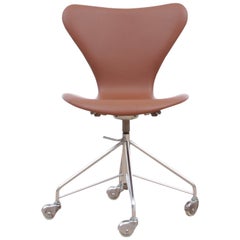
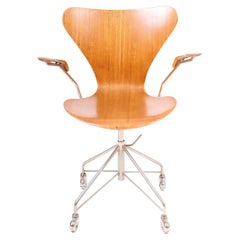
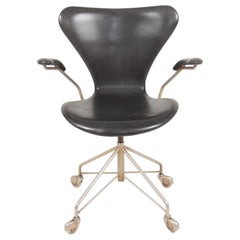
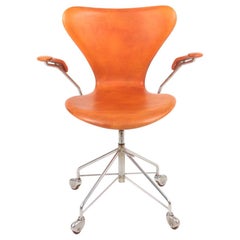
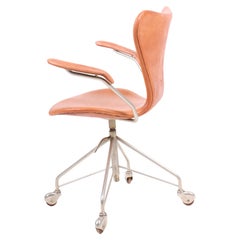
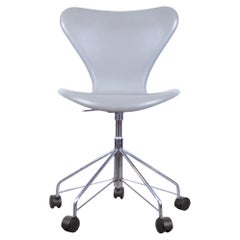
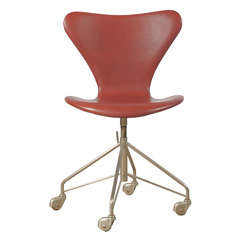
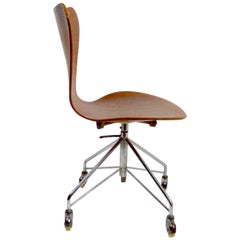
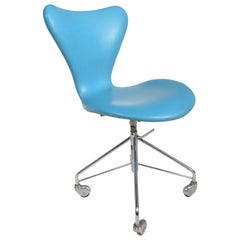
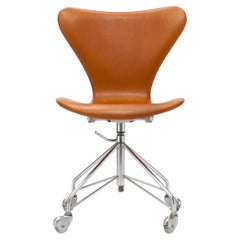
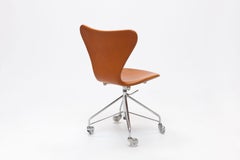
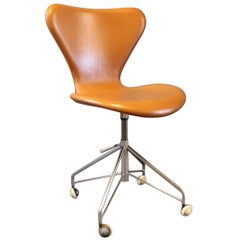
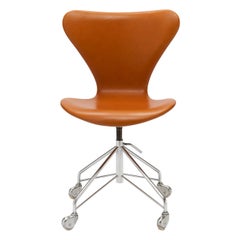
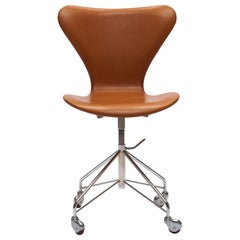
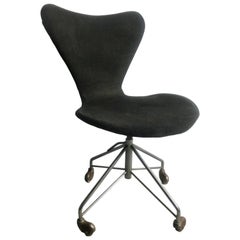
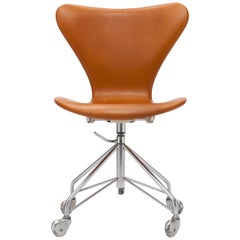
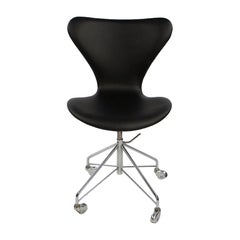
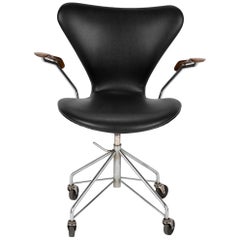
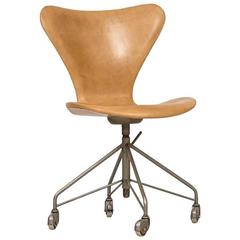
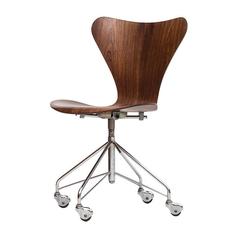
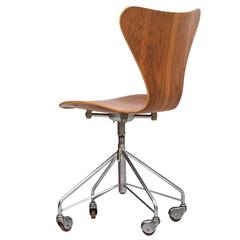
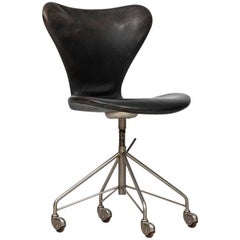
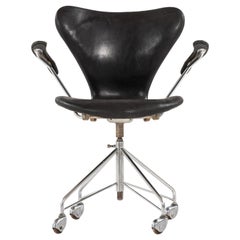
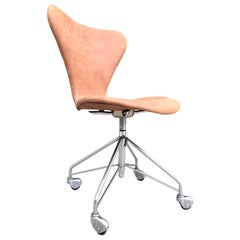
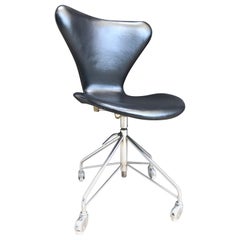
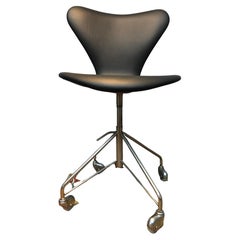
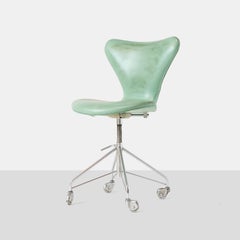
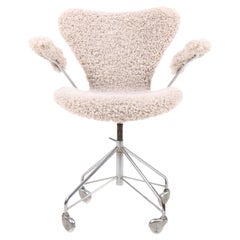
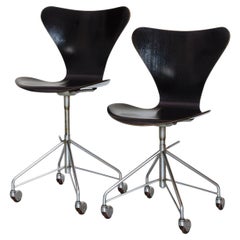
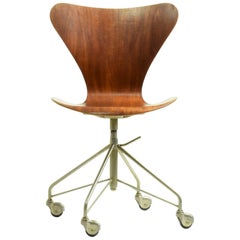
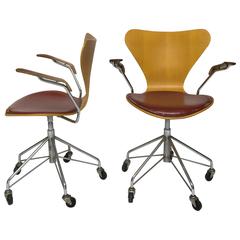
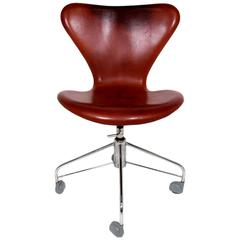
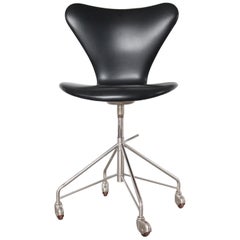
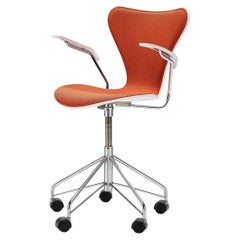
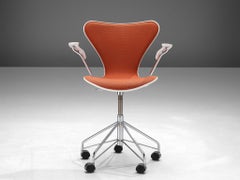
Choose from an assortment of styles, material and more with respect to the fritz hansen 3117 you’re looking for at 1stDibs. Frequently made of
metal,
wood and
steel, every fritz hansen 3117 was constructed with great care. There are 11 variations of the antique or vintage fritz hansen 3117 you’re looking for, while we also have 5 modern editions of this piece to choose from as well. Your living room may not be complete without a fritz hansen 3117 — find older editions for sale from the 20th Century and newer versions made as recently as the 21st Century. A fritz hansen 3117 is a generally popular piece of furniture, but those created in
mid-century modern,
Scandinavian Modern and
modern styles are sought with frequency.
A fritz hansen 3117 can differ in price owing to various characteristics — the average selling price 1stDibs is $1,787, while the lowest priced sells for $1,050 and the highest can go for as much as $5,800.
The eye-catching work of the Danish architect and designer Arne Jacobsen often introduces new collectors to mid-20th century furniture. With their fluid lines and sculptural presence, Jacobsen’s signature pieces — the elegant Swan chair and the cozy-yet-cutting edge Egg chair, both first presented in 1958 — are iconic representations of both the striking aesthetic of the designers of the era and their concomitant attention to practicality and comfort. Jacobsen designed furniture that had both gravitas and groove.
Though Jacobsen is a paragon of Danish modernism, his approach to design was the least “Danish” of those who are counted as his peers. The designs of Hans Wegner, Finn Juhl, Børge Mogensen and others grew out of their studies as cabinetmakers. They prized skilled craftsmanship and their primary material was carved, turned and joined wood. Jacobsen was first and foremost an architect, and while he shared his colleagues’ devotion to quality of construction, he was far more open to other materials such as metal and fiberglass.
Many of Jacobsen’s best-known pieces had their origin in architectural commissions. His molded-plywood, three-legged Ant chair (1952) was first designed for the cafeteria of a pharmaceutical company headquarters. The tall-backed Oxford chair was made for the use of dons at St. Catherine’s College, Oxford, whose Jacobsen-designed campus opened in 1962 (while still under construction). The Swan, Egg and Drop chairs and the AJ desk lamp were all created as part of Jacobsen’s plan for the SAS Royal Copenhagen Hotel, which opened in 1960. (The hotel has since been redecorated, but one guest room has been preserved with all-Jacobsen accoutrements.)
To Jacobsen’s mind, the chief merit of any design was practicality. He designed the first stainless-steel cutlery set made by the Danish silver company Georg Jensen; Jacobsen’s best-selling chair — the plywood Series 7 — was created to provide lightweight, stackable seating for modern eat-in kitchens. But as you will see from the objects on 1stDibs, style never took a backseat to function in Arne Jacobsen’s work. His work merits a place in any modern design collection.
Find authentic Arne Jacobsen chairs, tables, sofas and other furniture on 1stDibs.
An essential part of every office or home workstation, office chairs and desk chairs are critically important to your comfort and getting the job done.
Desk chairs have evolved over time. While writing the Declaration of Independence, Thomas Jefferson pined for a wider range of motion and introduced some improvements to his English-style Windsor chair, inventing the swivel chair along the way. So the next time you roll, recline or swivel at your vintage desk, remember: The third president of the United States had a lot to do with that functionality.
Changes in the availability of resources have also led to innovations in desk chair design. After World War II, for example, optimistic American designers made use of wartime materials in their efforts to create practical domestic goods.
Mid-century modernism is the name given to the broad postwar time period that prioritized thoughtful design. Journalist Cara Greenberg, who coined the term “mid-century modernism,” cites “ergonomic wisdom” as part of the reason for the longevity of the era’s furnishings, and when it comes to sitting in a desk chair for hours at a time, what could be more important than ergonomic support?
As mid-century modernism was marked by resourcefulness and boundless creativity — and produced designers who, in most cases, prioritized comfort and support — it follows that all mid-century chairs are not the same. Nowhere is this perhaps more evident than at Herman Miller. The legendary Michigan furniture manufacturer got its start in the office, with design director George Nelson enlisting the likes of Charles and Ray Eames to produce desk chairs and lounge chairs that are still celebrated today. Elsewhere at the time, the numerous pieces Florence Knoll created for Knoll’s office furniture line were envisioned as design solutions for the changing needs of residential and office spaces.
If you’re working remotely and streamlined seating isn’t your thing, don’t be afraid of making a statement with your office chair. Introduce a touch of drama to your video calls by way of 19th-century desk accessories and the alluring forms we typically associate with antique desk chairs designed in the Empire and Regency styles. For a minimalist touch, a spare, utilitarian Industrial-style office chair can work in any space but will fit in particularly well amid the exposed brick and steel architecture that characterizes a loft apartment.
An inspiring home office cleverly mixes materials and styles to create a welcoming place of productivity and comfort, and if you’re gathering with colleagues at your company HQ, an array of wood, leather and metal office chairs can help integrate disparate textures in a conference room or any other collaborative space. On 1stDibs, explore a diverse collection of office and desk chairs today.