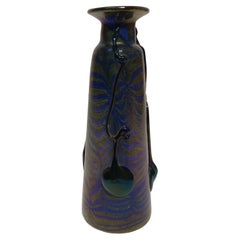
Loetz Chine

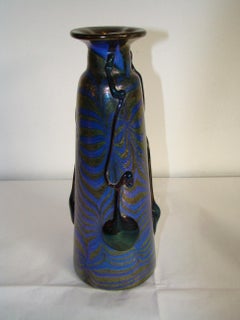
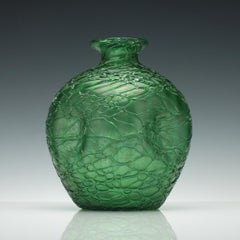
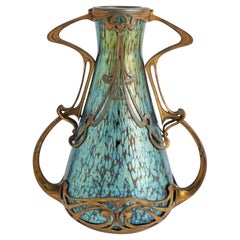
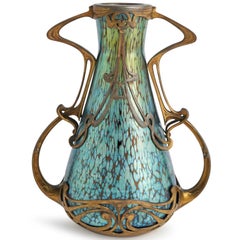
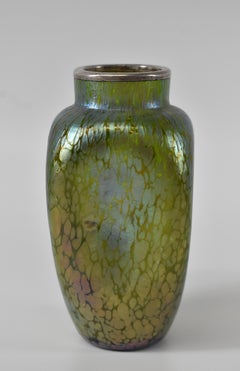
Vase Loetz , Style : Art Nouveau , Bohemia, circa 1900

Vase Loetz , Style : Art Nouveau , Bohemia, circa 1900

By Loetz Glass

Located in Ciudad Autónoma Buenos Aires, C

be confused with the type of glass that was produced by Kralik. Loetz "Chiné" came in clear, opal

Category

Antique Early 1900s Austrian Art Nouveau Glass

Materials

Art Glass

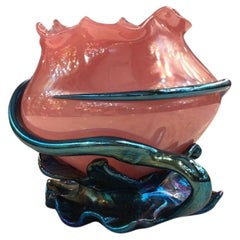
Vase Loetz sign: Czecho Slovakia , Style : Art Nouveau , Bohemia, circa 1920

Vase Loetz sign: Czecho Slovakia , Style : Art Nouveau , Bohemia, circa 1920

By Loetz Glass

Located in Ciudad Autónoma Buenos Aires, C

Sign: Czecho Slovakia Loetz The glass factory, originally founded in 1836 by Johann Baptist Eisner

Category

Vintage 1920s Austrian Art Nouveau Glass

Materials

Art Glass

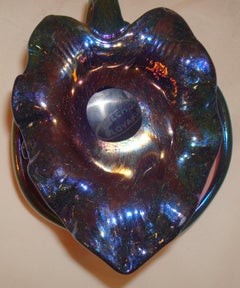
Vase Loetz sign: Czecho Slovakia , Style : Art Nouveau , Bohemia, circa 1920

Vase Loetz sign: Czecho Slovakia , Style : Art Nouveau , Bohemia, circa 1920

By Loetz Glass

Located in Ciudad Autónoma Buenos Aires, C

Sign: Czecho Slovakia Loetz The glass factory, originally founded in 1836 by Johann Baptist Eisner

Category

Vintage 1920s Austrian Art Nouveau Glass

Materials

Art Glass

Recent Sales

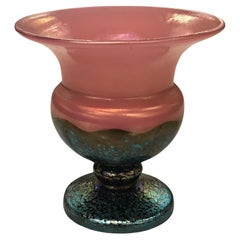
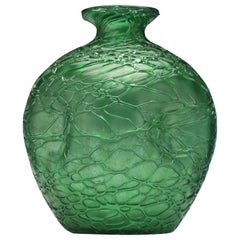
Loetz Iridescent Crete Chine Glass Vase, circa 1900

Loetz Iridescent Crete Chine Glass Vase, circa 1900

By Loetz Glass

Located in Whitburn, GB

457 grams Technical description A Loetz chine glass vase. An ovular body is covered entirely

Category

Antique Early 1900s Czech Art Nouveau Glass

Materials

Blown Glass

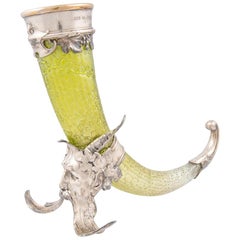
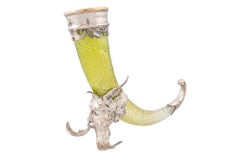
Loetz Cornucopia Creta Chiné Bohemia circa 1897 Silver Plated Pewter with Faun

Loetz Cornucopia Creta Chiné Bohemia circa 1897 Silver Plated Pewter with Faun

By Loetz Glass

Located in Vienna, AT

An early commissioned work by Loetz in form of a in a silvered pewter mount depicting a fawn with

Category

Antique 1890s Austrian Art Nouveau Vases

Materials

Tin

People Also Browsed

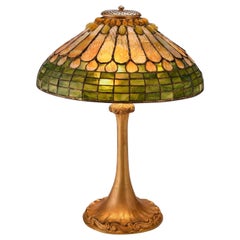
Tiffany Studios Jeweled Feather Table Lamp.

Tiffany Studios Jeweled Feather Table Lamp.

By Tiffany Studios

Located in Dallas, TX

Tiffany Studios Jeweled Feather Table Lamp. New York, Circa 1910 Base signed TIFFANY STUDIOS NEW YORK 584, Height 22 Inches Shade signed TIFFANY STUDIOS NEW YORK 1439, Diameter 16....

Category

Vintage 1910s American Art Nouveau Table Lamps

Materials

Bronze

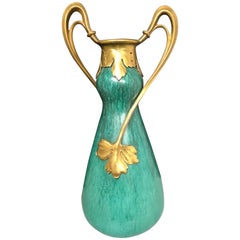
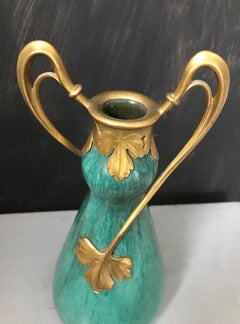
Striking Art Nouveau Ceramic and Bronze-Mounted Vase in Victor Horta Style

Striking Art Nouveau Ceramic and Bronze-Mounted Vase in Victor Horta Style

By Victor Horta

Located in Lisse, NL

Top condition and pure elegance Art Nouveau vase. For the collectors of museum quality and condition Art Nouveau ceramics. This stunning Art Nouveau vase is decorated with the mos...

Category

Early 20th Century European Art Nouveau Vases

Materials

Bronze

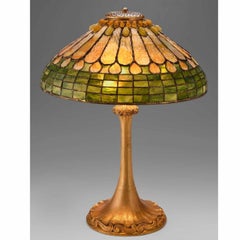
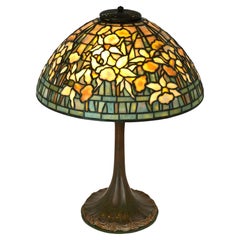
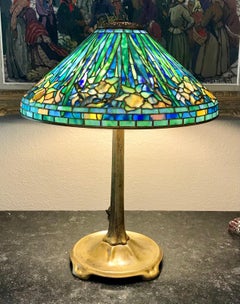
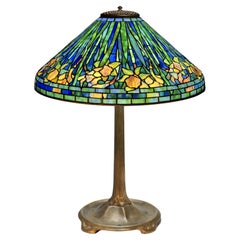
'Daffodil' Table Lamp by Tiffany Studios

'Daffodil' Table Lamp by Tiffany Studios

$129,221

H 22.05 in Dm 15.75 in

'Daffodil' Table Lamp by Tiffany Studios

By Tiffany Studios

Located in London, GB

‘Daffodil’ table lamp by Tiffany Studios American, c. 1910 Height 56cm, diameter 40cm Designed and hand-made by the artisans from the renowned Tiffany Studios (1902-1932), this ‘Daf...

Category

Early 20th Century American Art Nouveau Table Lamps

Materials

Bronze, Lead

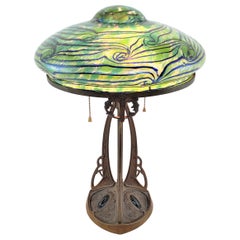
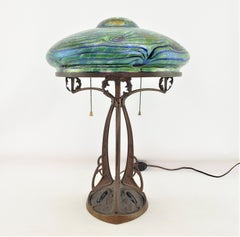
Art Nouveau Austrian Bronze Table Lamp with Loetz Styled Art Glass Shade

Art Nouveau Austrian Bronze Table Lamp with Loetz Styled Art Glass Shade

Located in Hamilton, Ontario

This antique table lamp is unsigned, but presumed to have originated from Austria and date to approximately 1900 and done in the period Art Nouveau style. The lamp base is composed o...

Category

Early 20th Century Austrian Art Nouveau Table Lamps

Materials

Bronze

Loetz For Boudon And Klur Ruby Papillon Glass And Gilt Metal Mounted Vase

Loetz For Boudon And Klur Ruby Papillon Glass And Gilt Metal Mounted Vase

By Loetz Glass

Located in Dallas, TX

Loetz For Boudon And Klur Gilt Metal Monted Glass Vase. A highly sought after vase culminating the zenith of Loetz and the Art Nouveau design. Czech Republic Circa 1900 Rubin Ruby P...

Category

Antique Early 1900s Czech Art Nouveau Vases

Materials

Metal

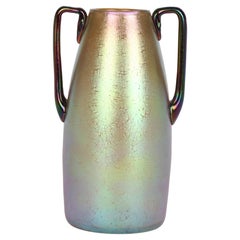
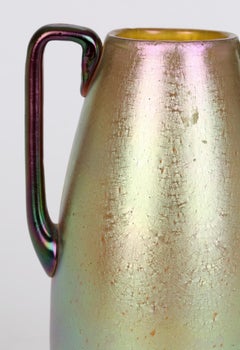
Loetz Silberiris Candia Iridescent Twin Handled Glass Vase

Loetz Silberiris Candia Iridescent Twin Handled Glass Vase

By Loetz Glass

Located in Bishop's Stortford, Hertfordshire

Stylish Bohemian Silberiris Candia iridescent glass vase with brown handles by Johann Loetz Witwe and dating from around 1900. The simply shaped vase ref PN 85/5151 in the Loetz cata...

Category

Antique Early 1900s Austrian Art Nouveau Vases

Materials

Blown Glass

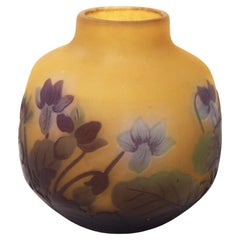
French Art Nouveau Signed Botanical Emile Gallé Cameo Glass Vase circa, 1920

French Art Nouveau Signed Botanical Emile Gallé Cameo Glass Vase circa, 1920

By Émile Gallé

Located in Worcester Park, GB

French Art Nouveau Emile Gallé small cameo vase depicting blossoming flowers in purple and blue over orange/yellow, with fine internal polishing to highlight the blue in the flowers ...

Category

Vintage 1920s French Art Nouveau Glass

Materials

Art Glass

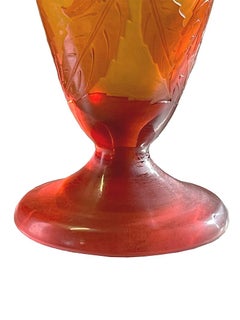
Émile Gallé small Cameo vase, Art Nouveau, ca 1900

Émile Gallé small Cameo vase, Art Nouveau, ca 1900

By Émile Gallé

Located in Delft, NL

Émile Gallé small Cameo vase, Art Nouveau, ca 1900 Émile Gallé (Nancy, 1846 –1904) was a French glassmaker and furniture designer Émile Gallé 20 cm high footed Cameo vase made in...

Category

Early 20th Century French Art Nouveau Vases

Materials

Glass

Vase Loetz Widow Klostermuehle Bohemia Art Nouveau Lemon Yellow Cytisus

Vase Loetz Widow Klostermuehle Bohemia Art Nouveau Lemon Yellow Cytisus

By Loetz Glass

Located in Vienna, AT

Vase Loetz (Lötz) Widow Klostermuehle Bohemia Art Nouveau Made by Loetz, Klostermuehle (Bohemia), circa 1902 Decor: Lemon Yellow Cytisus It is a very interesting Loetz Art N...

Category

Antique Early 1900s Austrian Art Nouveau Glass

Materials

Glass

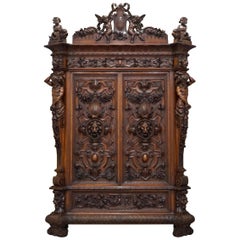
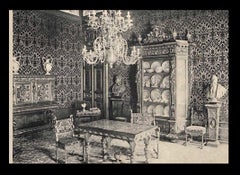
Rare Moses Michelangelo Guggenheim & Pauly Cie Et Venice Antique Carved Armoire

Rare Moses Michelangelo Guggenheim & Pauly Cie Et Venice Antique Carved Armoire

By Guggenheim Museum, Pauly et Cie

Located in West Sussex, Pulborough

We are delighted to offer for sale this very rare one of a kind Pauly CIE Et stamped hand carved walnut armoire made by the genius that was Moses Michelangelo Guggenheim 1837-1910 W...

Category

Antique 19th Century Italian Victorian Wardrobes and Armoires

Materials

Walnut

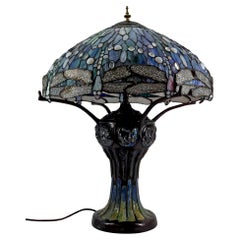
Art Nouveau Lamp, Patinated Bronze and Stained Glass, Tiffany style, 1980's

Art Nouveau Lamp, Patinated Bronze and Stained Glass, Tiffany style, 1980's

By Tiffany Studios, Louis Comfort Tiffany

Located in VÉZELAY, FR

We are delighted to offer this stunning Art Nouveau style salon lamp, a faithful reinterpretation of the "Hanging Head Dragonfly Shade and Mosaic and Turtleback Base" model created b...

Category

Vintage 1980s Unknown Art Nouveau Table Lamps

Materials

Metal, Brass, Bronze

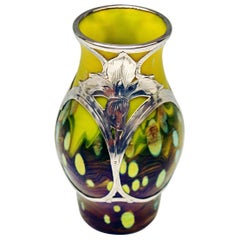
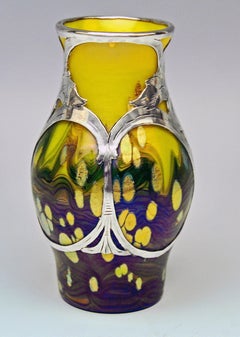
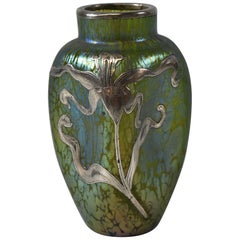
Austrian Loetz Iridescent Art Nouveau Glass Vase Sterling Overlay

Austrian Loetz Iridescent Art Nouveau Glass Vase Sterling Overlay

By Loetz Glass

Located in Toledo, OH

Austrian Loetz iridescent art glass vase in papillon finish with sterling silver applied overlay. Art Nouveau style in a dimpled form shades of green blue and purple. Very nice condi...

Category

Early 20th Century European Art Nouveau Vases

Materials

Glass

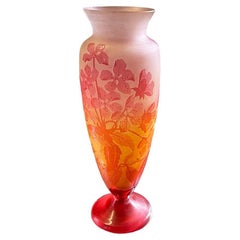
Emile Gallé French Art Nouveau Cameo Glass Vase

Emile Gallé French Art Nouveau Cameo Glass Vase

$2,131

H 5.52 in W 2.76 in D 1.58 in

Emile Gallé French Art Nouveau Cameo Glass Vase

By Émile Gallé

Located in Antwerp, BE

Emille Galle (1846-1904). Émile Gallé was a French glass maker and furniture designer, who had his home in his native Nancy. His favourite topic, which he frequently used in his wor...

Category

Antique Early 1900s French Art Nouveau Glass

Materials

Glass

Rare Tiffany Studios “Jade Ring” Table Lamp

Rare Tiffany Studios “Jade Ring” Table Lamp

By Tiffany Studios

Located in Dallas, TX

Rare Tiffany Studios Leaded Glass and Patinated Bronze Geometric Table Lamp, circa 1910. This is a rare one of a kind early Tiffany Studios large table lamp that is illustrated in Al...

Category

Antique Early 1900s American Art Nouveau Table Lamps

Materials

Bronze

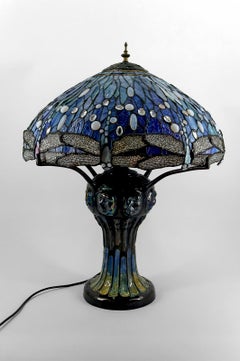
Tiffany Studios Daffodil Table Lamp

Tiffany Studios Daffodil Table Lamp

$131,000

H 26 in Dm 20 in

Tiffany Studios Daffodil Table Lamp

By Tiffany Studios

Located in Dallas, TX

Tiffany Studios Daffodil Table Lamp All I can say is these are the yummiest and most desirable blues in the Tiffany Studios candy store. Circa 1915. New York, NY. USA Leaded glass, g...

Category

Vintage 1910s American Art Nouveau Table Lamps

Materials

Bronze

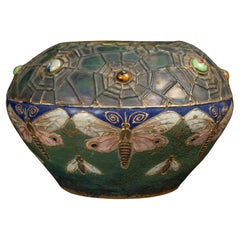
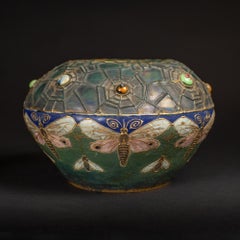
Art Nouveau Gres Bijou Butterfly & Spiderweb Bowl-Shaped Vase by RStK Amphora

Art Nouveau Gres Bijou Butterfly & Spiderweb Bowl-Shaped Vase by RStK Amphora

By Reissner Stellmacher & Kessel

Located in Palm Beach, FL

Note: We highly recommend shipping through 1stDibs for its cost effectiveness, full insurance coverage, and reliable handling. While standard parcel services are an option, the defau...

Category

Antique Early 1900s Austrian Art Nouveau Vases

Materials

Earthenware, Glass

Get Updated with New Arrivals
Save "Loetz Chine", and we’ll notify you when there are new listings in this category.

Loetz Glass for sale on 1stDibs

Best known to collectors for their magnificent Marmoriertes and Phänomen glass creations, the Loetz Glass company was a leading Art Nouveau producer of fine glass vases, bowls and other decorative objects through the mid-19th and early 20th centuries.

Shortly before his death in 1855, attorney Frank Gerstner transferred sole ownership of his glassworks company to his wife Susanne. The company, which was founded in what is now the Czech Republic in 1836 by Johann Eisner, was renamed Johann Loetz Witwe by Susanne Gerstner as a tribute to her late husband who preceded Gerstner, a glassmaker named Johann Loetz (Loetz was also known as Johann Lötz). 

For 20 years, Gerstner led the company, expanding its manufacturing and distribution capacity. It proved profitable, but the glassworks' popularity didn't start gaining significant momentum until after Gerstner transferred sole ownership to her grandson Maximilian von Spaun in 1879. 

Von Spaun and designer Eduard Prochaska developed innovative techniques and solutions for reproducing historical styles of decorative glass objects, such as the very popular marbled Marmoriertes glass — a technique that lends glass an appearance that is similar to semi-precious stones such as onyx or malachite. Under von Spaun’s leadership, the firm’s works garnered them success in Brussels, Vienna and Munich, and Johann Loetz Witwe won awards at the Paris World Exposition in 1889. In 1897 von Spaun first saw Favrile glass in Bohemia and Vienna. 

The work in Favrile glass, a type of iridescent art glass that had recently been developed and patented by Louis Comfort Tiffany, founder of iconic American multimedia decorative-arts manufactory Tiffany Studios, inspired von Spaun to explore the era’s burgeoning Art Nouveau style — or, as the firm was established in a German-speaking region, the Jugendstil style.

The company partnered with designers Hans Bolek, Franz Hofstötter and Marie Kirschner and thrived until von Spaun passed it down to his son, Maximilian Robert. 

With the Art Deco style taking shape around the world, the company was unable or unwilling to adapt to change. Loetz Glass collaborated with influential names in architecture and design, including the likes of Josef Hoffmann, a central figure in the evolution of modern design and a founder of the Vienna Secession. Unfortunately, the glassworks’ partnerships did them little good, and the company’s mounting financial problems proved difficult to navigate. Two World Wars and several major fires at the glassworks took their toll on the firm, and in 1947 the Loetz Glass Company closed its doors for good. 

Today the exquisite glass produced by Loetz Glass Company remains prized by collectors and enthusiasts alike.

On 1stDibs, find antique Loetz Glass Company glassware, decorative objects and lighting.

A Close Look at Art-nouveau Furniture

In its sinuous lines and flamboyant curves inspired by the natural world, antique Art Nouveau furniture reflects a desire for freedom from the stuffy social and artistic strictures of the Victorian era. The Art Nouveau movement developed in the decorative arts in France and Britain in the early 1880s and quickly became a dominant aesthetic style in Western Europe and the United States.

ORIGINS OF ART NOUVEAU FURNITURE DESIGN

CHARACTERISTICS OF ART NOUVEAU FURNITURE DESIGN

  • Sinuous, organic and flowing lines
  • Forms that mimic flowers and plant life
  • Decorative inlays and ornate carvings of natural-world motifs such as insects and animals 
  • Use of hardwoods such as oak, mahogany and rosewood

ART NOUVEAU FURNITURE DESIGNERS TO KNOW

ANTIQUE ART NOUVEAU FURNITURE ON 1STDIBS

Art Nouveau — which spanned furniture, architecture, jewelry and graphic design — can be easily identified by its lush, flowing forms suggested by flowers and plants, as well as the lissome tendrils of sea life. Although Art Deco and Art Nouveau were both in the forefront of turn-of-the-20th-century design, they are very different styles — Art Deco is marked by bold, geometric shapes while Art Nouveau incorporates dreamlike, floral motifs. The latter’s signature motif is the "whiplash" curve — a deep, narrow, dynamic parabola that appears as an element in everything from chair arms to cabinetry and mirror frames.

The visual vocabulary of Art Nouveau was particularly influenced by the soft colors and abstract images of nature seen in Japanese art prints, which arrived in large numbers in the West after open trade was forced upon Japan in the 1860s. Impressionist artists were moved by the artistic tradition of Japanese woodblock printmaking, and Japonisme — a term used to describe the appetite for Japanese art and culture in Europe at the time — greatly informed Art Nouveau. 

The Art Nouveau style quickly reached a wide audience in Europe via advertising posters, book covers, illustrations and other work by such artists as Aubrey Beardsley, Henri de Toulouse-Lautrec and Alphonse Mucha. While all Art Nouveau designs share common formal elements, different countries and regions produced their own variants.

In Scotland, the architect Charles Rennie Mackintosh developed a singular, restrained look based on scale rather than ornament; a style best known from his narrow chairs with exceedingly tall backs, designed for Glasgow tea rooms. Meanwhile in France, Hector Guimard — whose iconic 1896 entry arches for the Paris Metro are still in use — and Louis Majorelle produced chairs, desks, bed frames and cabinets with sweeping lines and rich veneers. 

The Art Nouveau movement was known as Jugendstil ("Youth Style") in Germany, and in Austria the designers of the Vienna Secession group — notably Koloman Moser, Josef Hoffmann and Joseph Maria Olbrich — produced a relatively austere iteration of the Art Nouveau style, which mixed curving and geometric elements.

Art Nouveau revitalized all of the applied arts. Ceramists such as Ernest Chaplet and Edmond Lachenal created new forms covered in novel and rediscovered glazes that produced thick, foam-like finishes. Bold vases, bowls and lighting designs in acid-etched and marquetry cameo glass by Émile Gallé and the Daum Freres appeared in France, while in New York the glass workshop-cum-laboratory of Louis Comfort Tiffany — the core of what eventually became a multimedia decorative-arts manufactory called Tiffany Studios — brought out buoyant pieces in opalescent favrile glass. 

Jewelry design was revolutionized, as settings, for the first time, were emphasized as much as, or more than, gemstones. A favorite Art Nouveau jewelry motif was insects (think of Tiffany, in his famed Dragonflies glass lampshade).

Like a mayfly, Art Nouveau was short-lived. The sensuous, languorous style fell out of favor early in the 20th century, deemed perhaps too light and insubstantial for European tastes in the aftermath of World War I. But as the designs on 1stDibs demonstrate, Art Nouveau retains its power to fascinate and seduce.

There are ways to tastefully integrate a touch of Art Nouveau into even the most modern interior — browse an extraordinary collection of original antique Art Nouveau furniture on 1stDibs, which includes decorative objects, seating, tables, garden elements and more.

Finding the Right Glass for You

Whether you’re seeking glass dinner plates, centerpieces, platters and serveware or other items to elevate the dining experience or brighten the corners of your living room, bedroom or other spaces by displaying decorative pieces, find an extraordinary range of antique, new and vintage glass on 1stDibs.
Glassmaking is more than 4,000 years old. It is believed to have originated in Northern Mesopotamia, where carved glass objects were the result of a series of experiments led by potters or metalworkers. From there, the production of glass vases, bottles and other objects proliferated in Egypt under the reign of Thutmose III. Later, new glassmaking techniques took shape during the Hellenistic era, and glassblowing was invented in contemporary Israel. Then, on the island of Murano in Venice, Italy, modern art glass as we know it came to be.
Over the years, collectors of glass decorative objects or serveware have sought out distinctive antique and vintage pieces of the mid-century modern, Art Deco and Art Nouveau eras, with artisans such as Archimede Seguso, René Lalique and Émile Gallé of particular interest for the pioneering contributions they made to the respective styles in which they worked. Today, long-standing glassworks such as Barovier&Toso carry on the Venetian glasswork tradition, while modern furniture designers and sculptors such as Christophe Côme and Jeff Zimmerman elsewhere test the limits of the radical art form that is glassmaking.

From chandeliers to Luminarc stemware, find a collection of antique, new and vintage glass on 1stDibs.