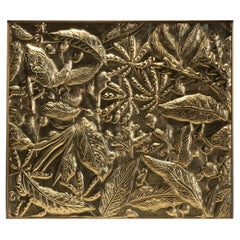
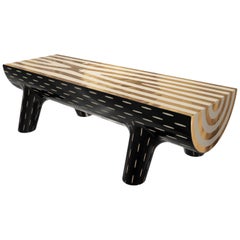
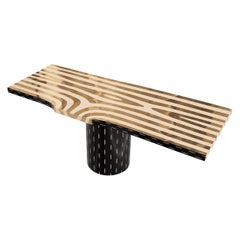
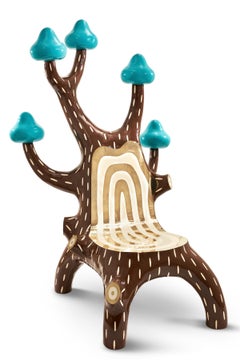
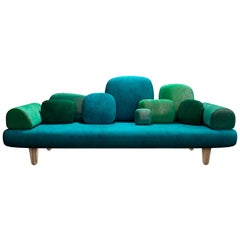
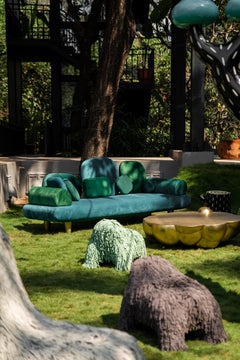
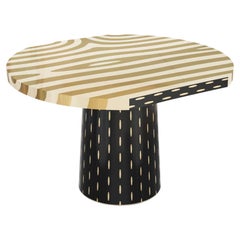
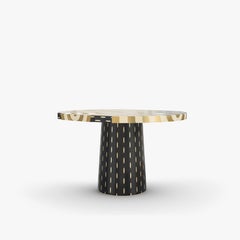
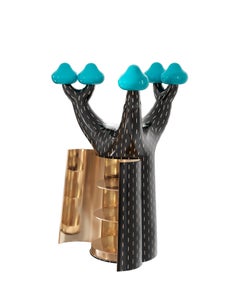
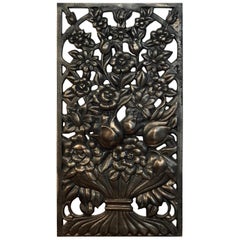
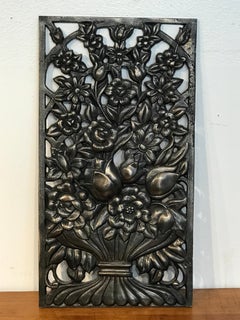
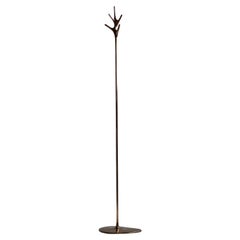
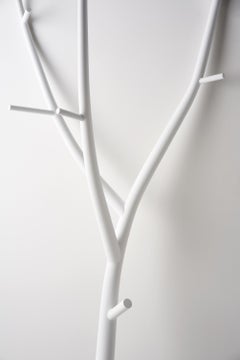
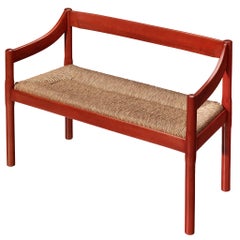
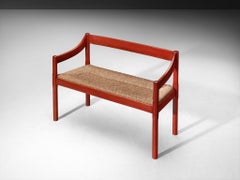
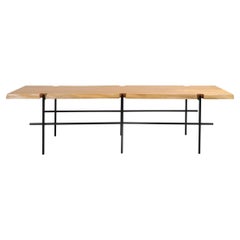
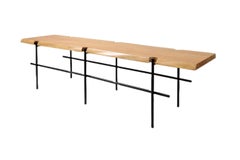
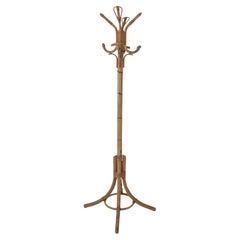
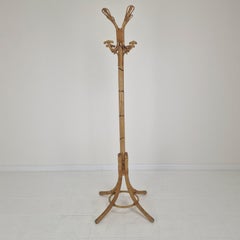
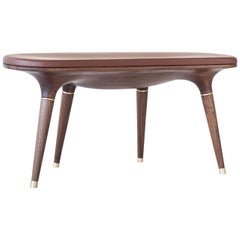
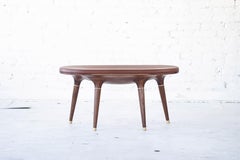
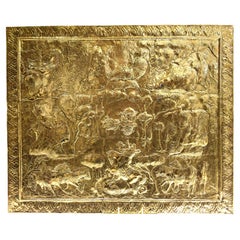
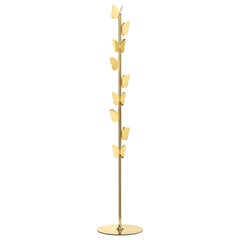
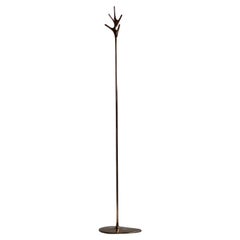
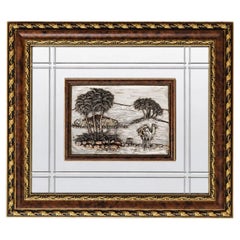
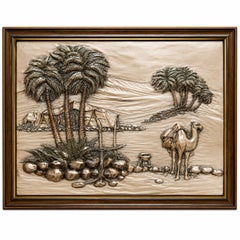
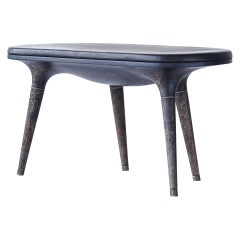
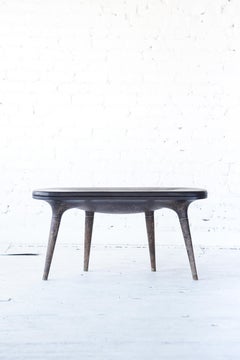
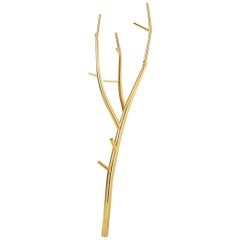
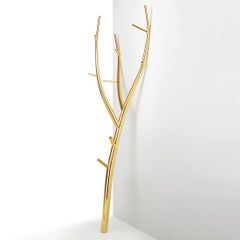
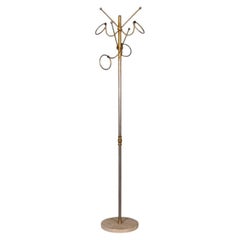
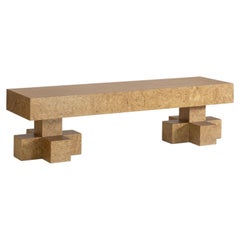
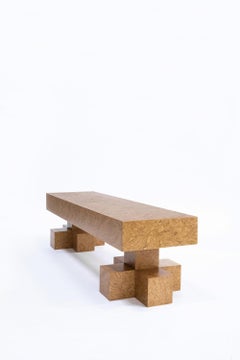
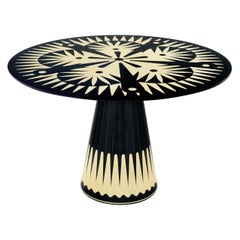
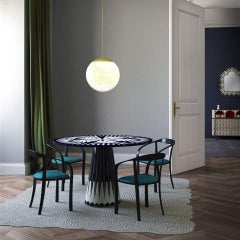
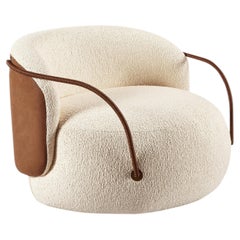
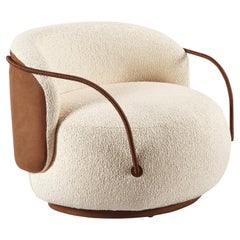
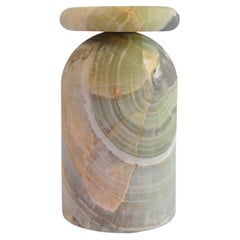
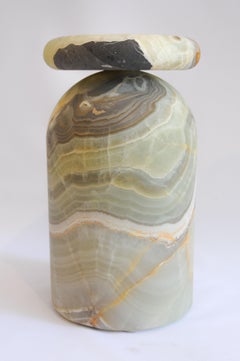
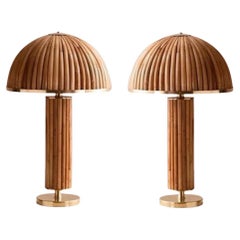
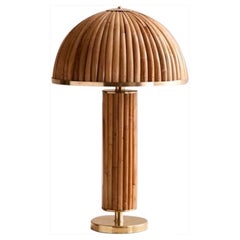
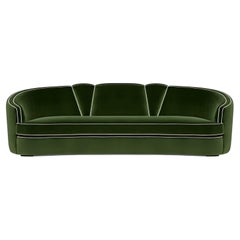
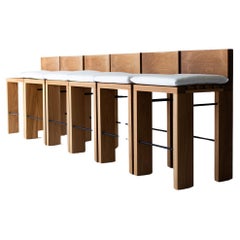
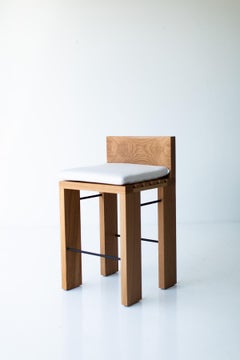
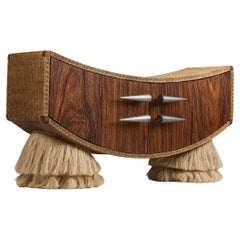
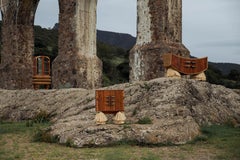
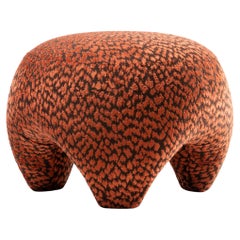
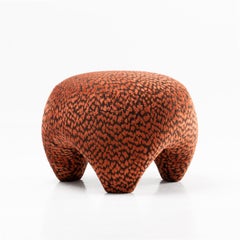
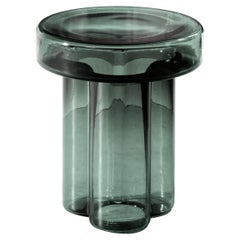
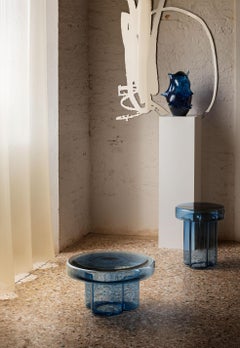
At 1stDibs, there are many versions of the ideal marcantonio forest for your home. Each marcantonio forest for sale was constructed with extraordinary care, often using
metal,
brass and
organic material. A marcantonio forest is a generally popular piece of furniture, but those created in
Modern styles are sought with frequency.
Prices for a marcantonio forest can differ depending upon size, time period and other attributes — at 1stDibs, they begin at $2,243 and can go as high as $21,837, while the average can fetch as much as $8,016.
From his Puppy Pouffe lounge chair resembling a shaggy Puli dog to a 13-foot tall handmade giraffe sculpture in fiberglass holding a classic Marie-Thérèse-style chandelier, the whimsical chairs, table lamps and decorative objects created by MARCANTONIO mix originality, humor, mystery and functionality, with a dash of irony for good measure.
Born Marcantonio Raimondi Malerba in 1976 in Massa Lombarda, the artist and designer studied at the Severini Art Institute and Academy of Fine Arts in Ravenna. While there, he explored the relationship between irony and nature — two recurring themes in his works — and developed a fascination with artists such as René Magritte and Marcel Duchamp.
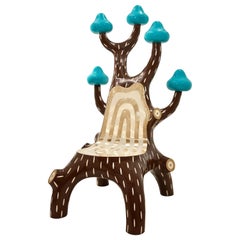
Following graduation, MARCANTONIO collaborated with architects and worked in theater production before delving into art and furniture design. In 2010, he exhibited his series of Sprout chairs at the Salone del Mobile, which garnered critical acclaim and gained the attention of other ultra-modernist designers such as Mogg, Qeeboo, Natuzzi and Altreforme. MARCANTONIO has also engaged in several fruitful partnerships, notably with Italian design brand Seletti — for which he created his iconic anatomically correct heart-shaped vase — and Scarlet Splendour, manufacturer of his caricatural Forest chair, which is part of his Vegetal Animal series.
Although MARCANTONIO’s designs border on Surrealist and dreamlike, his pieces suggest a sense of “elegant irony.” His coffee tables, floor lamps, cabinets and other objects and furnishings, which feature intricate inlays and chic colors, are made with materials such as suede, brass and fine wool, and strike a balance between luxurious and amusing.
MARCANTONIO’s works have been exhibited at art galleries and shows throughout Europe. His pieces have also been featured in several major international publications such as Architectural Digest, GQ, Marie Claire, ELLE and Vanity Fair.
On 1stDibs, discover a range of MARCANTONIO seating, tables and lighting.
The late 19th and early 20th centuries saw sweeping social change and major scientific advances — both of which contributed to a new aesthetic: modernism. Rejecting the rigidity of Victorian artistic conventions, modernists sought a new means of expression. References to the natural world and ornate classical embellishments gave way to the sleek simplicity of the Machine Age. Architect Philip Johnson characterized the hallmarks of modernism as “machine-like simplicity, smoothness or surface [and] avoidance of ornament.”
Early practitioners of modernist design include the De Stijl (“The Style”) group, founded in the Netherlands in 1917, and the Bauhaus School, founded two years later in Germany.
Followers of both groups produced sleek, spare designs — many of which became icons of daily life in the 20th century. The modernists rejected both natural and historical references and relied primarily on industrial materials such as metal, glass, plywood, and, later, plastics. While Bauhaus principals Marcel Breuer and Ludwig Mies van der Rohe created furniture from mass-produced, chrome-plated steel, American visionaries like Charles and Ray Eames worked in materials as novel as molded plywood and fiberglass. Today, Breuer’s Wassily chair, Mies van der Rohe’s Barcelona chair — crafted with his romantic partner, designer Lilly Reich — and the Eames lounge chair are emblems of progressive design and vintage originals are prized cornerstones of collections.
It’s difficult to overstate the influence that modernism continues to wield over designers and architects — and equally difficult to overstate how revolutionary it was when it first appeared a century ago. But because modernist furniture designs are so simple, they can blend in seamlessly with just about any type of décor. Don’t overlook them.