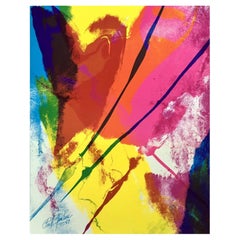
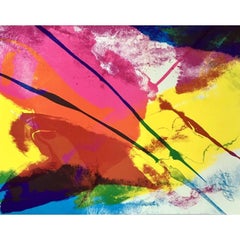
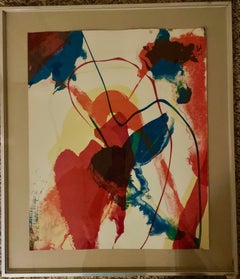
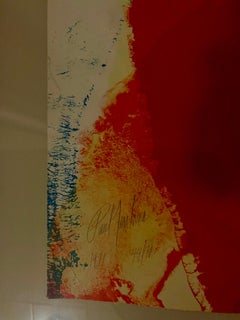
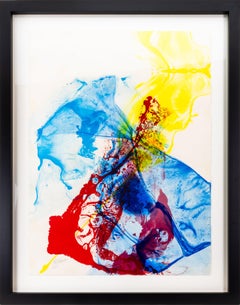
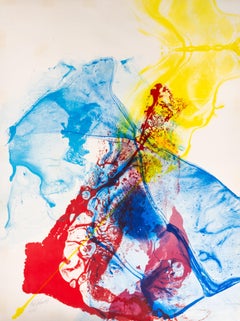
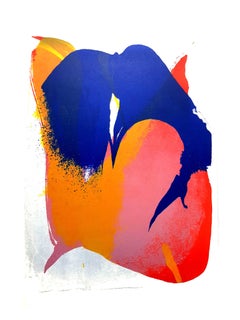
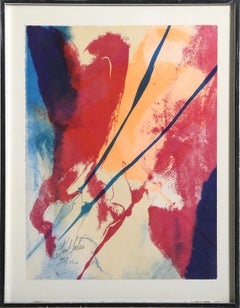
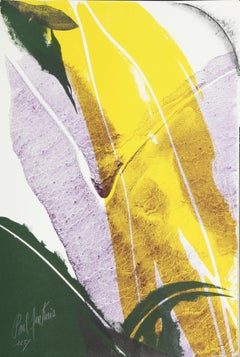
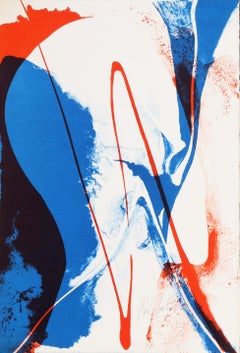
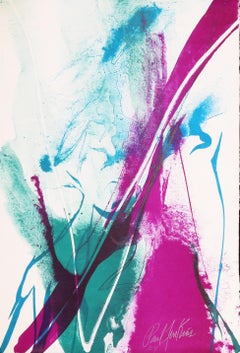
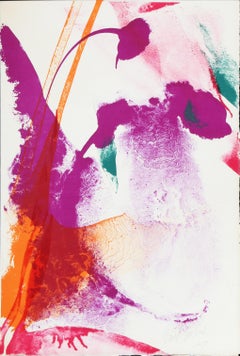
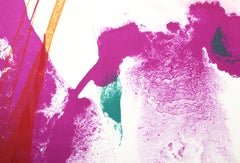
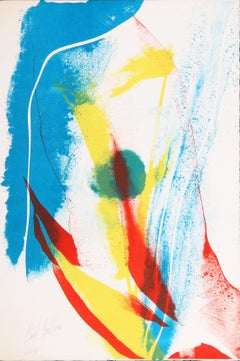
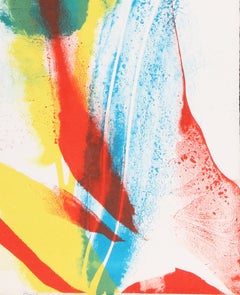
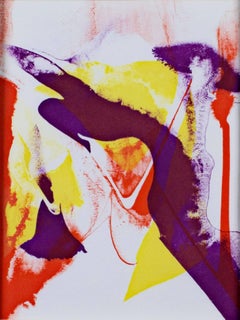
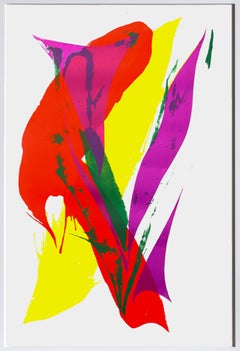
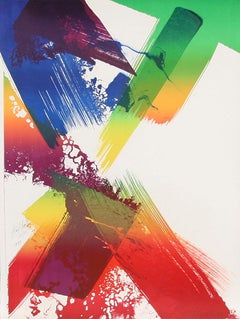
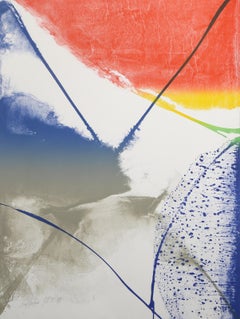
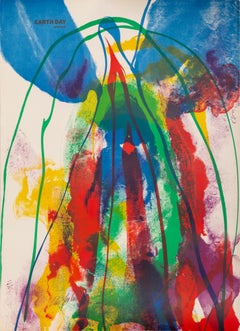
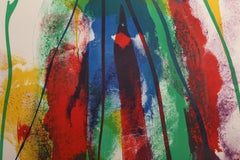
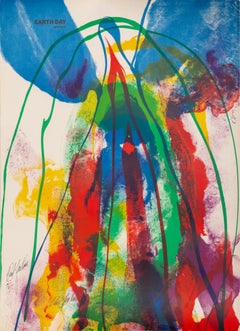
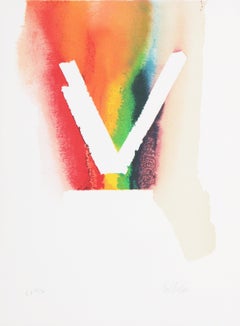
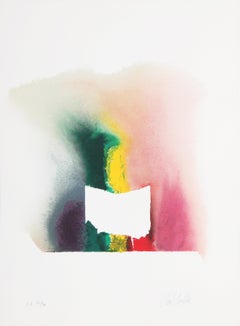
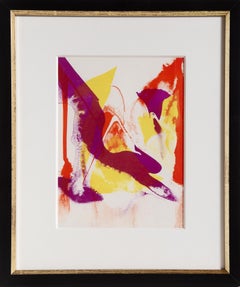
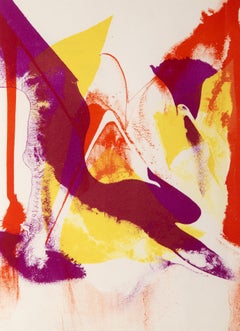
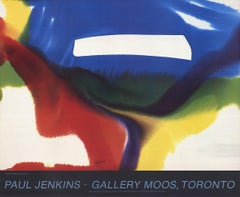
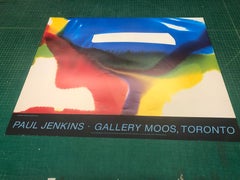
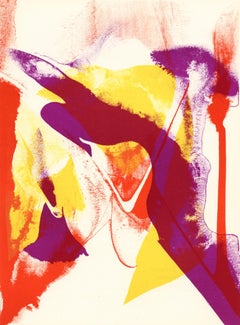
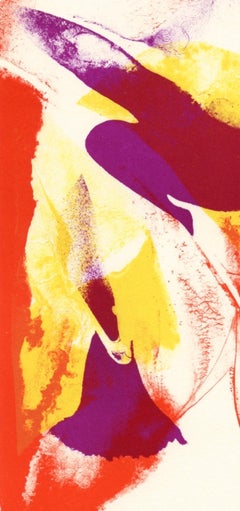
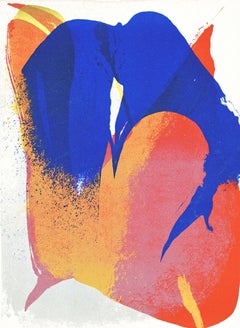
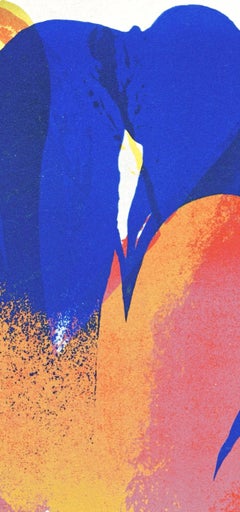
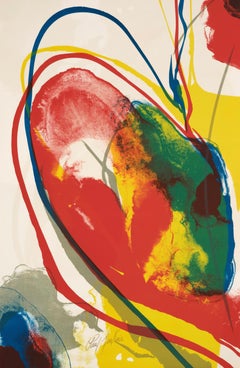
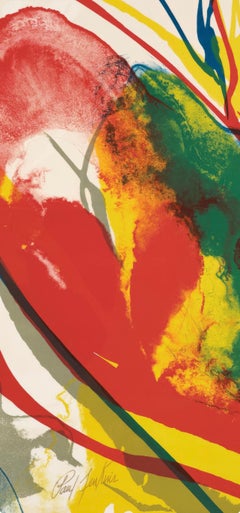
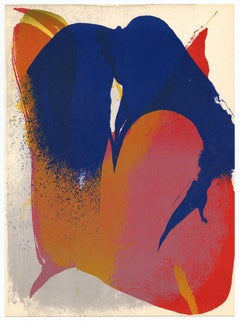
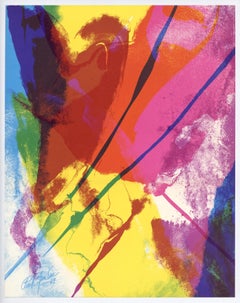
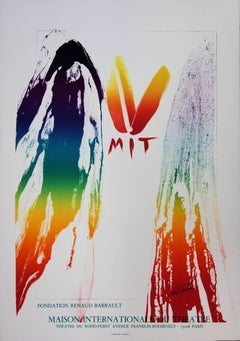
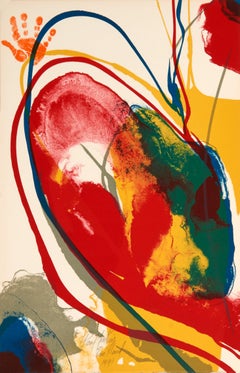
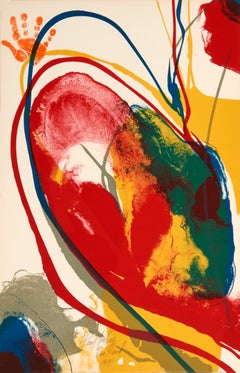
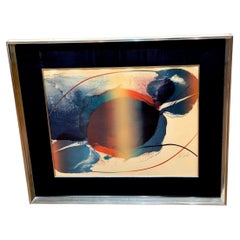
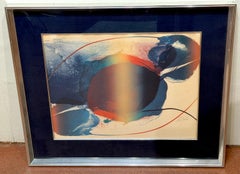
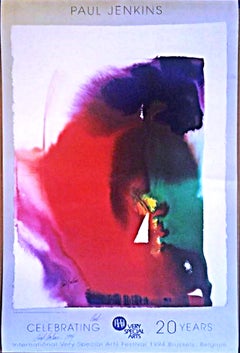
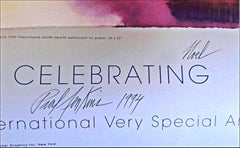
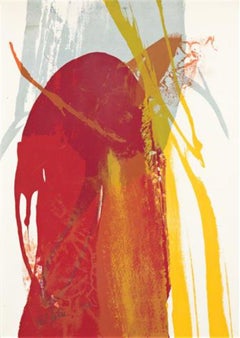
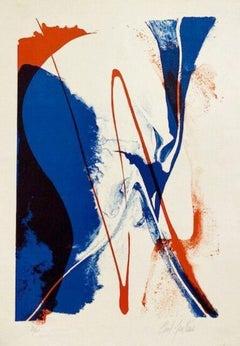
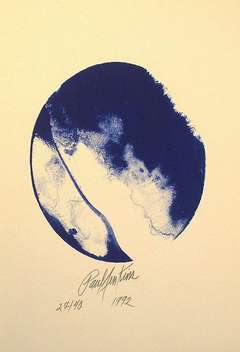
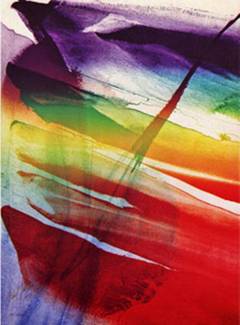
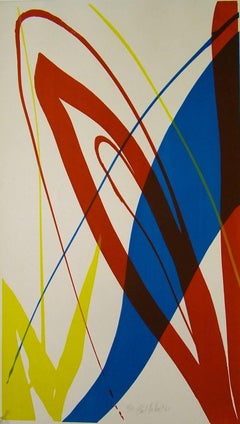
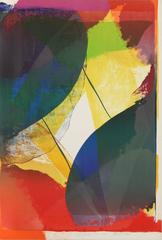
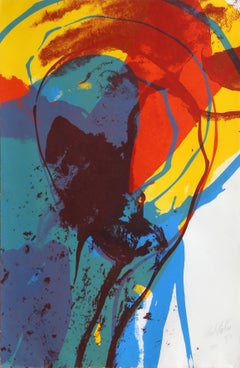
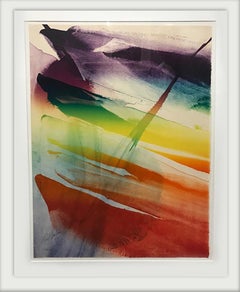
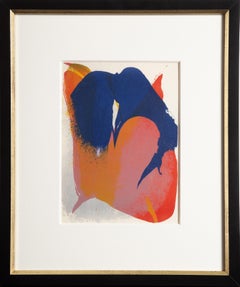
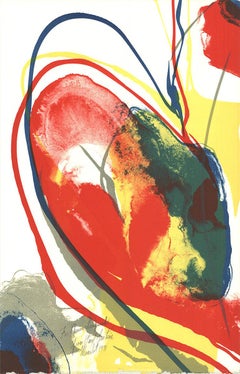
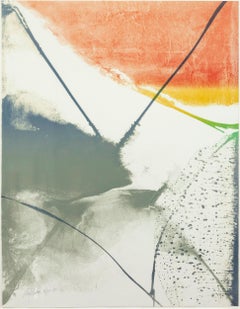
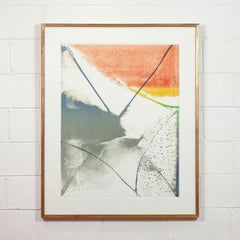
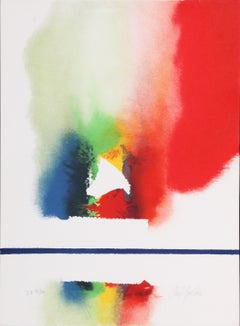
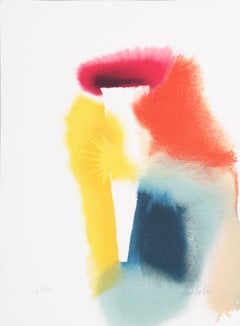
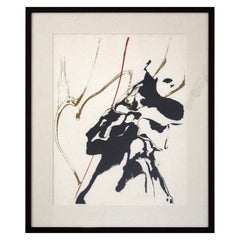
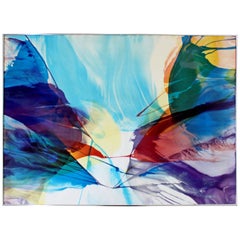
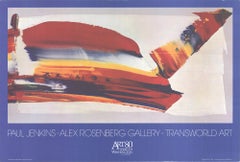
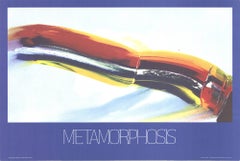
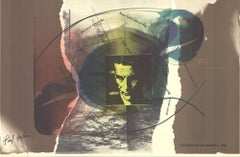
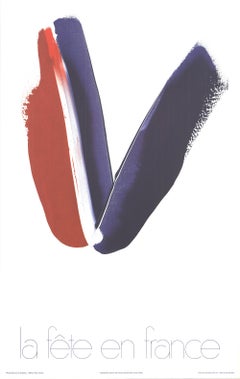
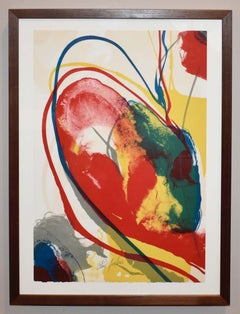
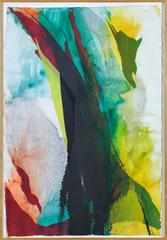
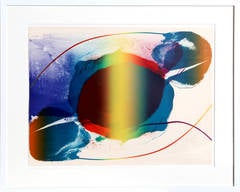
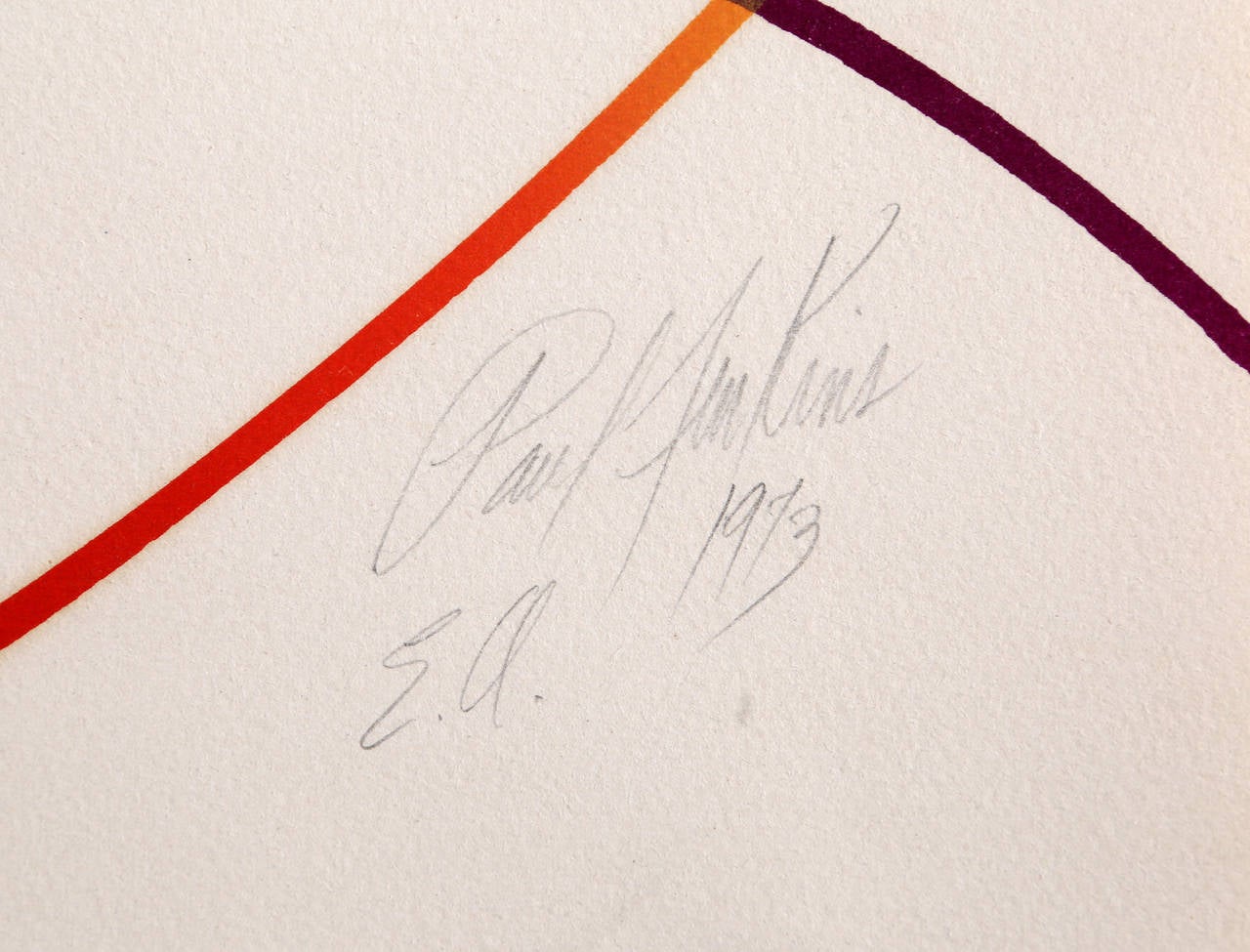
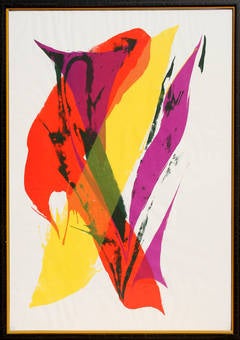
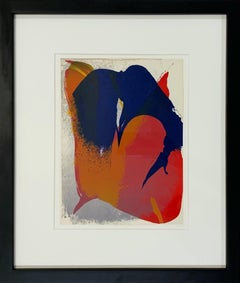
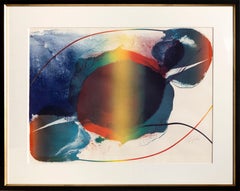
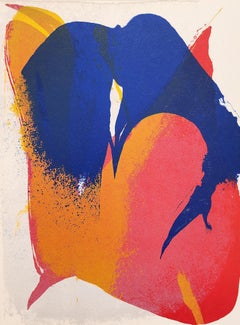
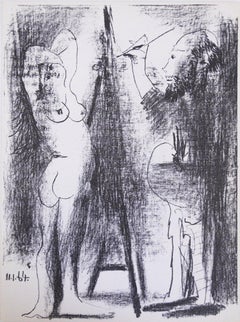
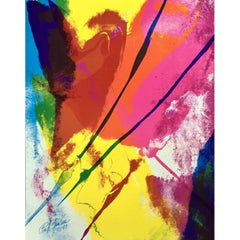
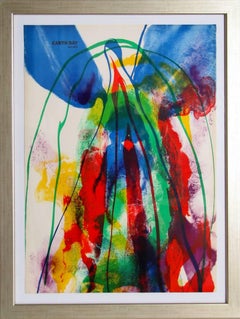
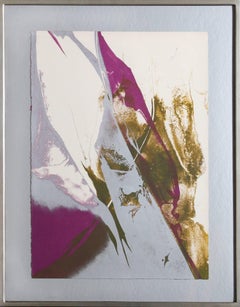
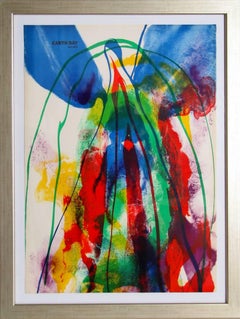
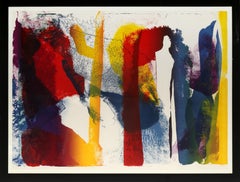
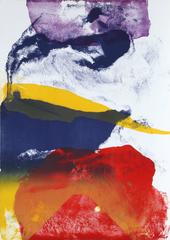
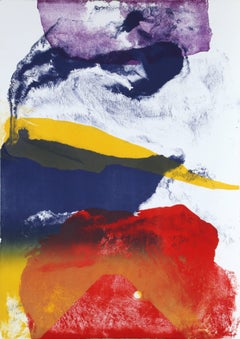
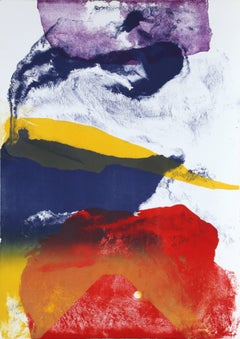
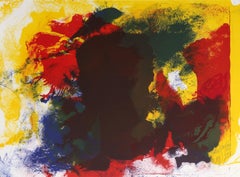
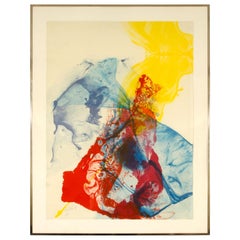
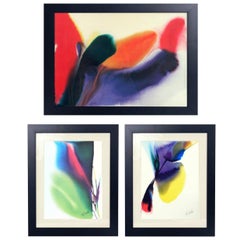
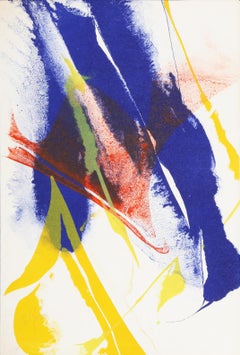
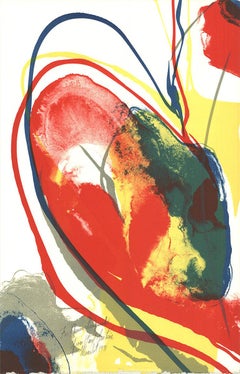
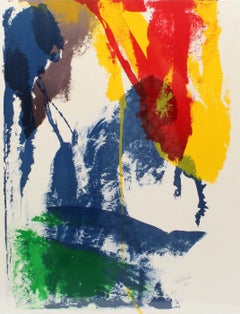
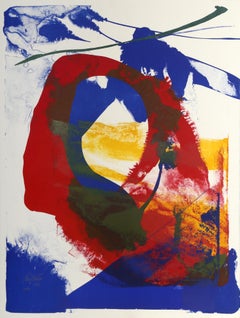
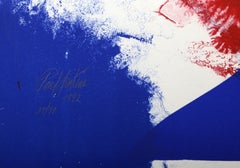
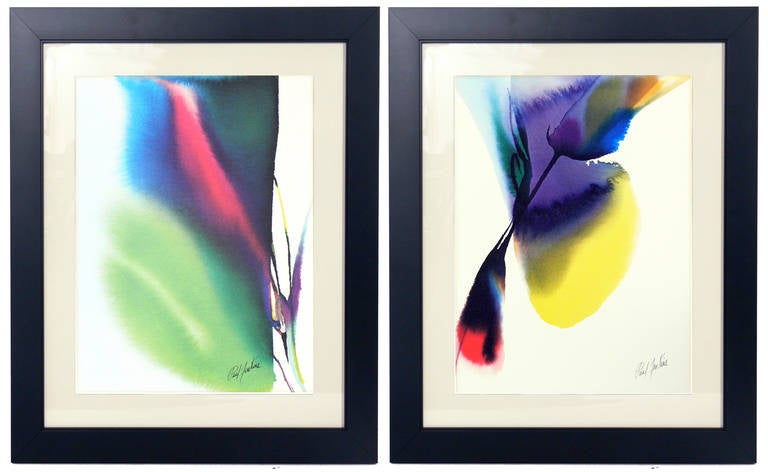
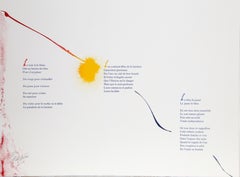
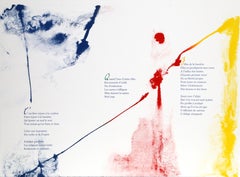
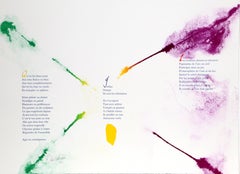
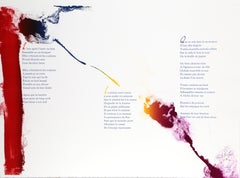
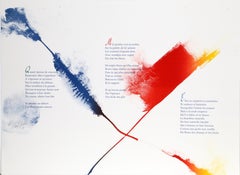
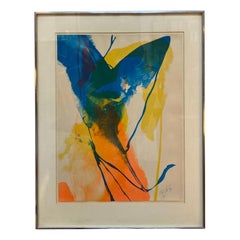
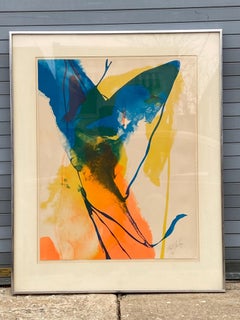
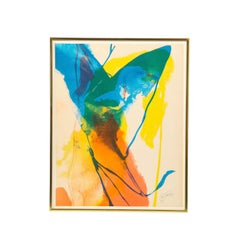
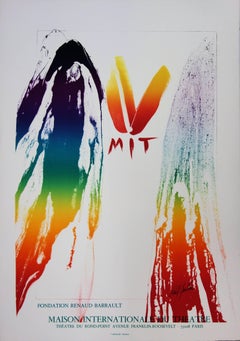
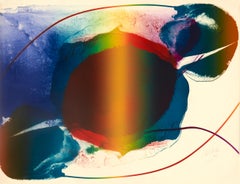
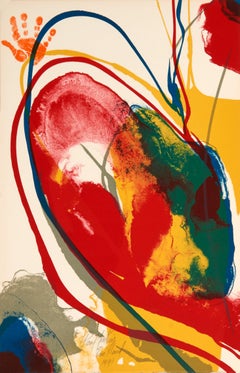
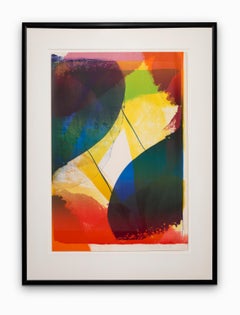
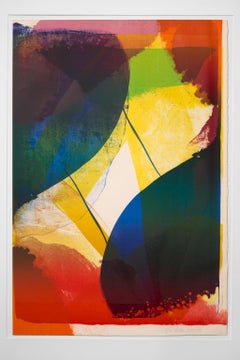
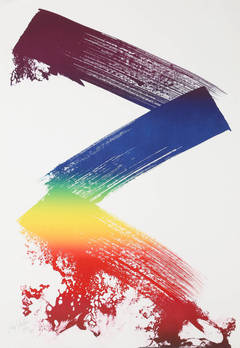
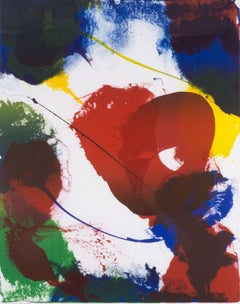
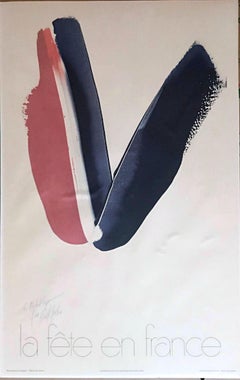
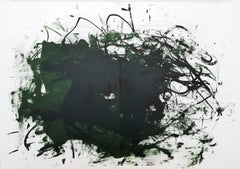
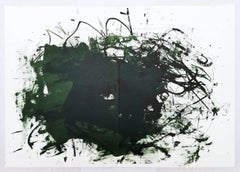
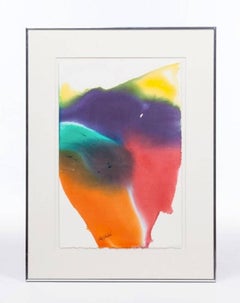
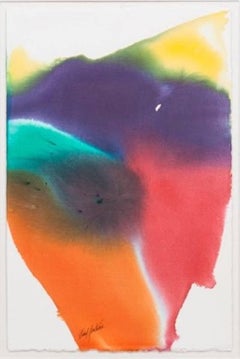
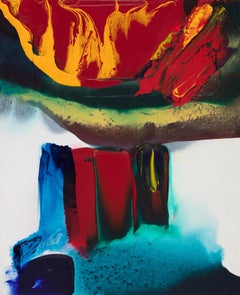
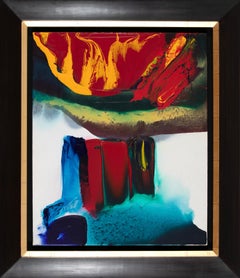
Surely you’ll find the exact paul jenkins lithograph you’re seeking on 1stDibs — we’ve got a vast assortment for sale. In our selection of items, you can find
Abstract examples as well as a
Post-War version. You’re likely to find the perfect paul jenkins lithograph among the distinctive items we have available, which includes versions made as long ago as the 20th Century as well as those made as recently as the 20th Century. On 1stDibs, the right paul jenkins lithograph is waiting for you and the choices span a range of colors that includes
beige,
gray,
brown and
black. A paul jenkins lithograph from
Paul Jenkins — each of whom created distinctive versions of this kind of work — is worth considering. Artworks like these — often created in
lithograph,
offset print and
paper — can elevate any room of your home.
Born in Kansas City, the multimedia artist, poet and playwright Paul Jenkins began his studies at Kansas City Art Institute and the Art Students League in New York City. After his discharge from military service at the end of February 1946, he briefly studied playwriting with dramatist George McCalmon at the Carnegie Institute of Technology in Pittsburgh. Thereafter, Jenkins spent four years studying with Japanese-American artist Yasuo Kuniyoshi in New York City. His first solo exhibitions were held at Studio Paul Facchetti in Paris in 1954 and the Martha Graham Gallery in New York City in 1956. Over the past 30 years, numerous retrospectives have been curated across the globe and Jenkins’s work can be found in national collections from Europe and the United States to Israel, Australia and Japan.
The diversity of Jenkins’s work springs from a wealth of eclectic influences. Some of his earliest works included what he called "interior landscapes” influenced by ancient natural forms. Frequent student visits to the Frick Collection in New York fostered a love of the great masters, while trips to the renowned Eastern collection of the Nelson-Atkins Museum of Art in Kansas City evoked powerful responses to a monumental Chinese fresco of Buddha, polychrome sculptures of the enlightened Bodhisattva, the Buddhist goddess of mercy Kuan-Yin, Indian bronzes of Hindu god Shiva and statues of meditative Buddhist lohans. Serving in the US Naval Air Corps during the Second World War, Jenkins painted watercolours of Japanese Kabuki dancers and read the ancient Chinese poetic teachings of the I Ching and Lao Tse Tung’s Tao Te Ching, described by him as "masterpieces in simplicity.” Jenkins’s discovery of psychoanalyst Carl Jung’s book Psychology and Alchemy was as illuminating for his practice as were formative meetings with dancer Martha Graham, architect Frank Lloyd Wright and Abstract Expressionist painters Mark Rothko, Jackson Pollock and Barnett Newman.
Concerned with colour and texture, nearness and distance as well as reality and mysticism, Jenkins’s work — considered to be part of the second wave of Abstract Expressionism — is a spiritual meditation on the nature of chance, balance, synchronicity, change and transformation. His ejection from an early art class in Kansas City for eating the still life appears instructive: "For me the pear is to be eaten and experienced, not painted.” Jenkins sought to reject the traditional Neo-Platonic approach to art as well as life in favour of a Taoist concern for the “present moment.” In this sense his paintings become spiritual reflections on the transitory present, life merely a rippled dance upon the water’s surface. Jenkins’s death in 2012 and the subsequent release of important works onto the market by his estate increased global interest in his work and they have grown in value and popularity. Jenkins’s works can be found in public and private collections worldwide.
(Biography provided by Stern Pissarro Gallery)
Decorating with fine art prints — whether they’re figurative prints, abstract prints or another variety — has always been a practical way of bringing a space to life as well as bringing works by an artist you love into your home.
Pursued in the 1960s and ’70s, largely by Pop artists drawn to its associations with mass production, advertising, packaging and seriality, as well as those challenging the primacy of the Abstract Expressionist brushstroke, printmaking was embraced in the 1980s by painters and conceptual artists ranging from David Salle and Elizabeth Murray to Adrian Piper and Sherrie Levine.
Printmaking is the transfer of an image from one surface to another. An artist takes a material like stone, metal, wood or wax, carves, incises, draws or otherwise marks it with an image, inks or paints it and then transfers the image to a piece of paper or other material.
Fine art prints are frequently confused with their more commercial counterparts. After all, our closest connection to the printed image is through mass-produced newspapers, magazines and books, and many people don’t realize that even though prints are editions, they start with an original image created by an artist with the intent of reproducing it in a small batch. Fine art prints are created in strictly limited editions — 20 or 30 or maybe 50 — and are always based on an image created specifically to be made into an edition.
Many people think of revered Dutch artist Rembrandt as a painter but may not know that he was a printmaker as well. His prints have been preserved in time along with the work of other celebrated printmakers such as Pablo Picasso, Salvador Dalí and Andy Warhol. These fine art prints are still highly sought after by collectors.
“It’s another tool in the artist’s toolbox, just like painting or sculpture or anything else that an artist uses in the service of mark making or expressing him- or herself,” says International Fine Print Dealers Association (IFPDA) vice president Betsy Senior, of New York’s Betsy Senior Fine Art, Inc.
Because artist’s editions tend to be more affordable and available than his or her unique works, they’re more accessible and can be a great opportunity to bring a variety of colors, textures and shapes into a space.
For tight corners, select small fine art prints as opposed to the oversized bold piece you’ll hang as a focal point in the dining area. But be careful not to choose something that is too big for your space. And feel free to lean into it if need be — not every work needs picture-hanging hooks. Leaning a larger fine art print against the wall behind a bookcase can add a stylish installation-type dynamic to your living room. (Read more about how to arrange wall art here.)
Find fine art prints for sale on 1stDibs today.