Raku Chawan

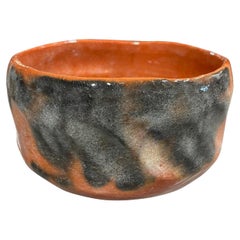
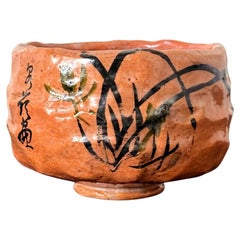
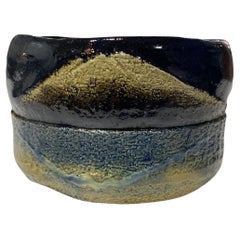
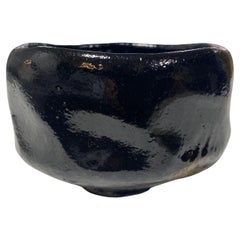
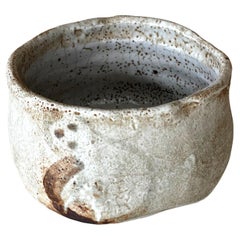
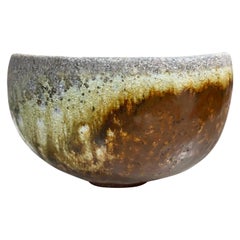
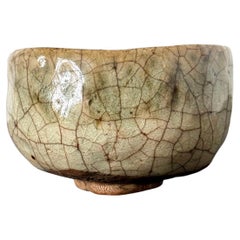
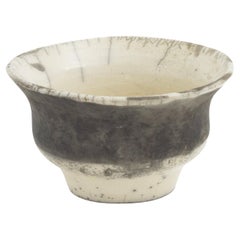
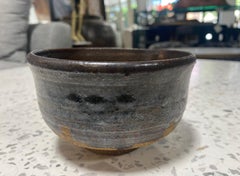
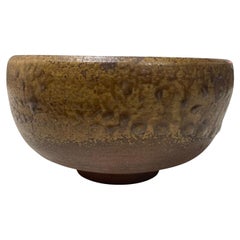
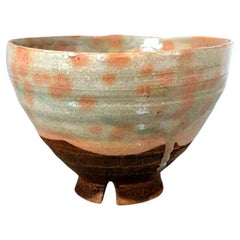
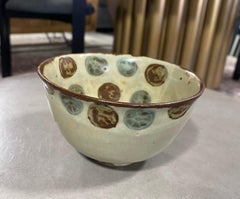
Japanese Chawan Tea Bowl by Tannyu 10th Raku Edo Period

Japanese Chawan Tea Bowl by Tannyu 10th Raku Edo Period

Located in Atlanta, GA

An Aka-Raku Chawan (red-glazed tea bowl) by Raku Tannyu (1795-1854), the tenth-generation head of

Category

Antique Mid-19th Century Edo Ceramics

Materials

Ceramic

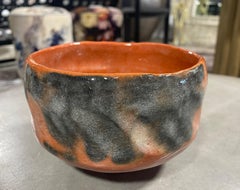
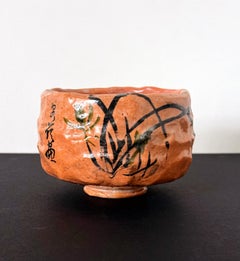
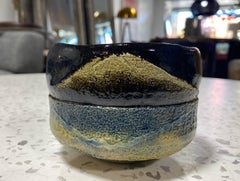
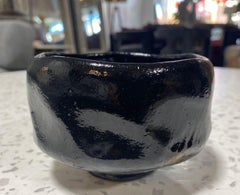
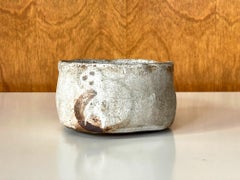
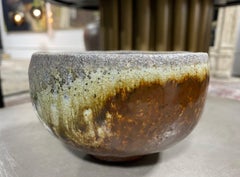
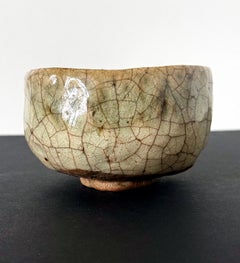
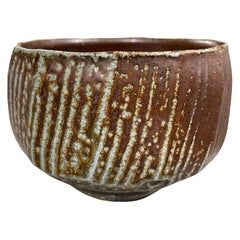
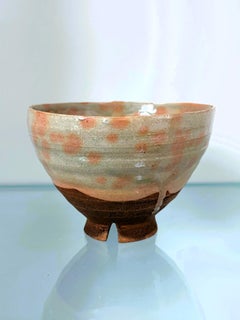
Japanese Painted Chawan Tea Bowl by Tannyu 10th Raku Edo Period

Japanese Painted Chawan Tea Bowl by Tannyu 10th Raku Edo Period

Located in Atlanta, GA

An Aka-Raku Chawan (Red-Raku tea bowl) by Raku Tannyu (1795-1854), the tenth-generation head of the

Category

Antique Mid-19th Century Edo Ceramics

Materials

Ceramic

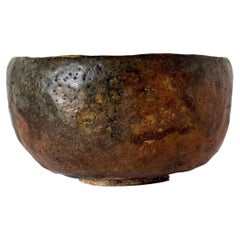
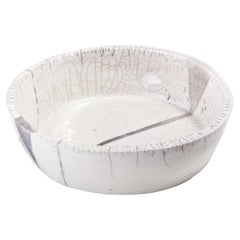
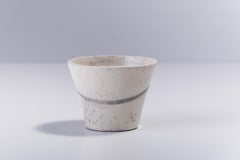
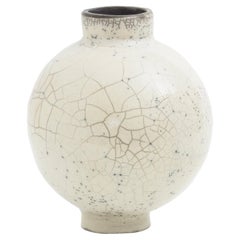
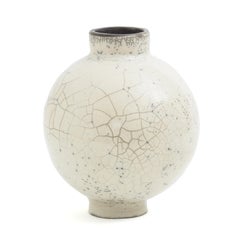
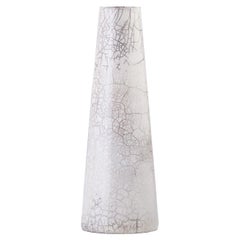
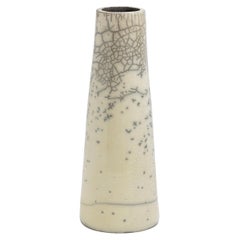
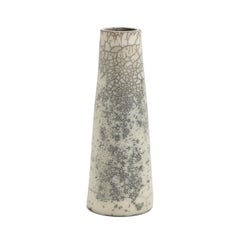
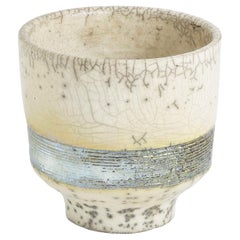
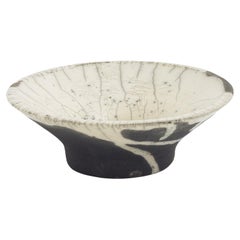
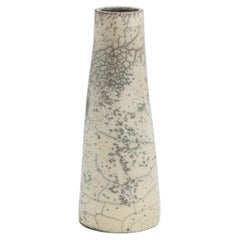
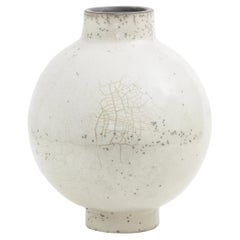
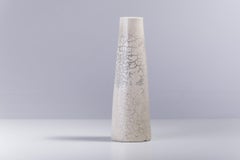
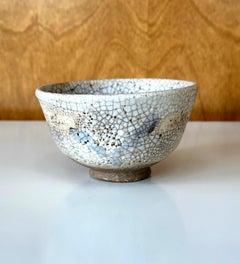
Contemporary LAAB Fringe Chawan Vase Raku Ceramic White Crakle

Contemporary LAAB Fringe Chawan Vase Raku Ceramic White Crakle

By LAAB Milano

Located in monza, Monza and Brianza

Fringe Chawan wide vase Stunningly made and decorated by hand, this chawan bowl will make a

Category

21st Century and Contemporary Italian Modern Vases

Materials

Ceramic

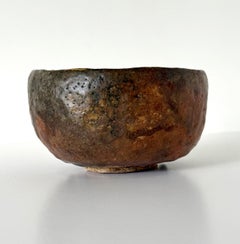
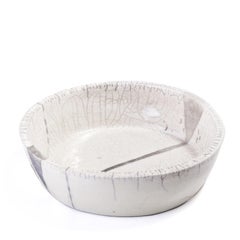
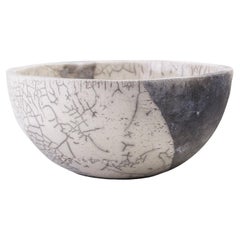
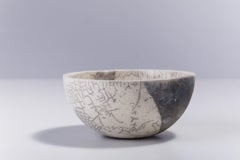
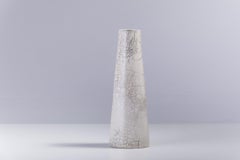
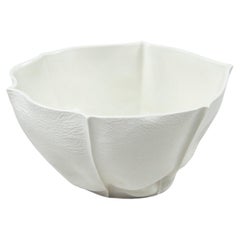
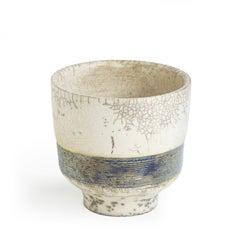
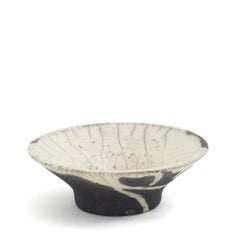
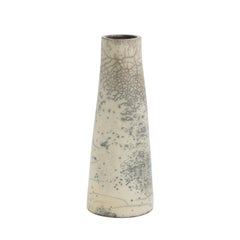
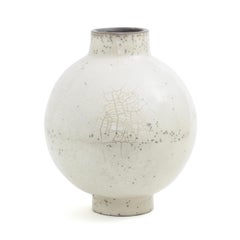
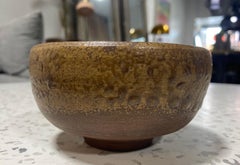
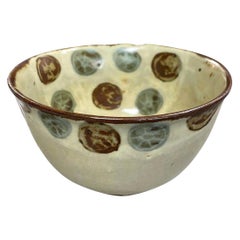
Japanese Minimalistic LAAB Fringe Chawan Bowl Raku Ceramics Crackle White

Japanese Minimalistic LAAB Fringe Chawan Bowl Raku Ceramics Crackle White

By LAAB Milano

Located in monza, Monza and Brianza

Fringe chawan bowl Irregular, dramatic gray cracks of bold visual impact embellish the polished

Category

21st Century and Contemporary Italian Decorative Bowls

Materials

Ceramic

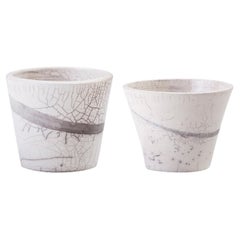
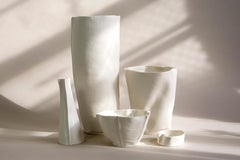
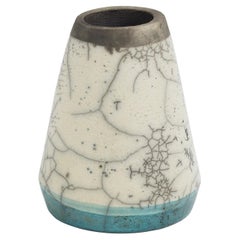
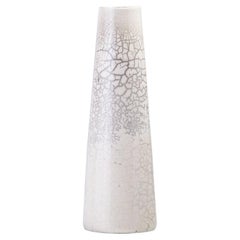
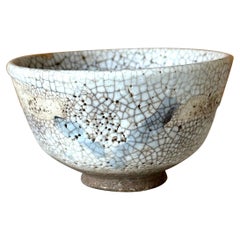
Japanese Minimalistic LAAB 2 Fringe Chawan Bowls Raku Ceramics Crackle White

Japanese Minimalistic LAAB 2 Fringe Chawan Bowls Raku Ceramics Crackle White

By LAAB Milano

Located in monza, Monza and Brianza

Fringe chawan s set of 2 bowls Handcrafted following the Raku tradition, an ancient Japanese

Category

21st Century and Contemporary Italian Decorative Bowls

Materials

Ceramic

Recent Sales

People Also Browsed

Shoji Hamada Mingei Kakiyu Kaki Glaze Japanese Studio Pottery Yunomi Teacup

Shoji Hamada Mingei Kakiyu Kaki Glaze Japanese Studio Pottery Yunomi Teacup

By Shoji Hamada

Located in Studio City, CA

An exquisite, beautifully crafted, and wonderfully designed Yunomi teacup by master Japanese potter Shoji Hamada featuring his wax-resistant technique and highly coveted rich Kaki gl...

Category

Mid-20th Century Japanese Showa Ceramics

Materials

Stoneware

Japanese Shino Chawan Tea Bowl Edo Period

Japanese Shino Chawan Tea Bowl Edo Period

Located in Atlanta, GA

A Japanese ceramic Chawan (tea bowl) of e-Shino (painted Shino) ware style circa mid-late 18th century Edo period. The classically shaped bowl features an abstract blue paint of blue...

Category

Antique Late 18th Century Edo Ceramics

Materials

Ceramic

Japanese Ao-Oribe Glazed Stoneware Dish, Early Edo Period, 17th Century, Japan

Japanese Ao-Oribe Glazed Stoneware Dish, Early Edo Period, 17th Century, Japan

Located in Austin, TX

A fine and rare Japanese ao-oribe glazed minoyaki stoneware dish, late Momoyama or early Edo period, 17th century, Japan. The circular dish of wheel thrown stoneware, glazed in the ...

Category

Antique 17th Century Japanese Edo Ceramics

Materials

Stoneware

Japanese Asian Signed Studio Pottery Wabi-Sabi Ceramic Glazed Chawan Tea Bowl

Japanese Asian Signed Studio Pottery Wabi-Sabi Ceramic Glazed Chawan Tea Bowl

Located in Studio City, CA

A gorgeous Japanese studio pottery chawan tea bowl that features a wonderful reddish-orange glaze with various shifts in colour and texture. This particular piece encompasses the...

Category

20th Century Japanese Showa Ceramics

Materials

Earthenware

Antique Korean Mishma Tea Bowl Chawan Joseon Dynasty

Antique Korean Mishma Tea Bowl Chawan Joseon Dynasty

Located in Atlanta, GA

A Korean Hori-Mishima Chawan (tea bowl) circa 16th-17th century (Joseon Dynasty). The tea bowl is of an upright conical form supported by a high foot ring. It was decorated with inci...

Category

Antique 17th Century Korean Other Ceramics

Materials

Ceramic

Shiko Shikou Munakata Rare Signed Japanese Pottery Chawan Tea Bowl & Signed Box

Shiko Shikou Munakata Rare Signed Japanese Pottery Chawan Tea Bowl & Signed Box

By Shiko Munakata

Located in Studio City, CA

An exceptionally rare, wonderfully designed Chawan tea bowl by famed Japanese master woodblock printmaker/ artist Shiko Munakata (1903-1975) who is widely considered to be the most i...

Category

Mid-20th Century Japanese Showa Ceramics

Materials

Ceramic

Ogata Kenzan Signed Japanese Asian Edo Period Pottery Tea Bowl Chawan

Ogata Kenzan Signed Japanese Asian Edo Period Pottery Tea Bowl Chawan

Located in Studio City, CA

A spectacularly designed and beautifully made Chawan tea bowl dating back to the Edo period. This work is attributed to Ogata Kenzan (1663-1743) who is widely considered to be Japan'...

Category

Antique 18th Century Japanese Edo Ceramics

Materials

Pottery

Tatsuzo Shimaoka Signed Japanese Mingei Henko Rope Inlay Pottery Vase with Box

Tatsuzo Shimaoka Signed Japanese Mingei Henko Rope Inlay Pottery Vase with Box

By Tatsuzo Shimaoka 2

Located in Studio City, CA

A wonderfully designed, gorgeously glazed, and highly coveted press-molded square Mingei Henko vase by Japanese National Treasure and Mashiko pottery master Tatsuzo Shimaoka. This w...

Category

Mid-20th Century Japanese Showa Ceramics

Materials

Earthenware

Get Updated with New Arrivals
Save "Raku Chawan", and we’ll notify you when there are new listings in this category.

Raku Chawan For Sale on 1stDibs

With a vast inventory of beautiful furniture at 1stDibs, we’ve got just the raku chawan you’re looking for. A raku chawan — often made from ceramic and pottery — can elevate any home. There are 4 variations of the antique or vintage raku chawan you’re looking for, while we also have 6 modern editions of this piece to choose from as well. Whether you’re looking for an older or newer raku chawan, there are earlier versions available from the 20th Century and newer variations made as recently as the 21st Century. A raku chawan is a generally popular piece of furniture, but those created in modern styles are sought with frequency. A well-made raku chawan has long been a part of the offerings for many furniture designers and manufacturers, but those produced by LAAB Milano and Kyusetsu Miwa X are consistently popular.
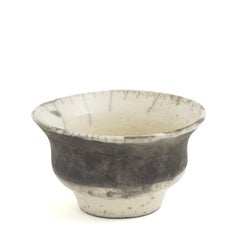
How Much is a Raku Chawan?

The average selling price for a raku chawan at 1stDibs is $281, while they’re typically $180 on the low end and $5,500 for the highest priced.

Finding the Right Ceramics for You

With their rich and diverse history, antique, new and vintage Asian ceramics offer colorful and sophisticated ways to add flair to any space.
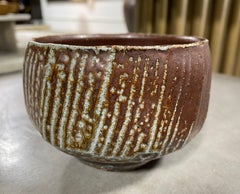
Japanese pottery dates back at least 13,000 years to the Jōmon period. Pieces from the Late Jōmon era display a rope-cord pattern encircling a pot or jug. During the Muromachi period, potters created simple bowls and utensils frequently used in tea ceremonies and were made as both functional and aesthetic objects.
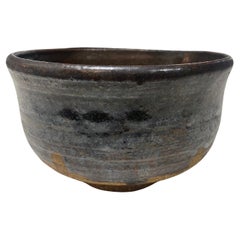
Ceramics made during Japan’s Meiji period, from 1868 to 1912, reflected an explosion of artistic expression propelled by new access to international trade. Details became more intricate and refined, and colors were enhanced with new glazing practices.

Chinese porcelain, meanwhile, is often identified by its shape. Each reign and dynasty had specific shapes and styles that were encouraged by the imperial ruler. During the Song dynasty, for instance, there were four dominant types of ceramic vase shapes: plum-shaped, pear-shaped, cong-shaped (tall and square) and double-gourd.

Chinese ceramics that were made during the Qing dynasty were demonstrative of an expanded artistic expression, with more delicate shapes and a focus on intricate detailing. The shapes of ceramics from this era are thinner, taller and have subtle features like a gentle flare, such as on the mallet-shaped vase.

Later, the 17th- and 18th-century interior design trend of chinoiserie brought Asian paintings and screens, textiles and other art and furniture from the continent into many European homes.

Explore an extensive range of antique, new and vintage Asian ceramics on 1stDibs to find the perfect piece for your home.