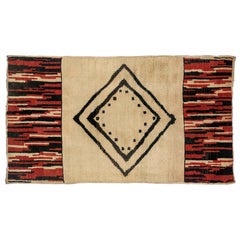
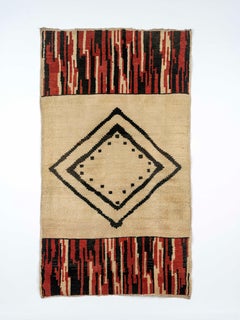
Ruhlmann Rectangular Wool Rug
By Émile-Jacques Ruhlmann
Located in Berlin, DE
Wool rectangular rug with a red and black geometric design on a beige background.
Category
Vintage 1920s French Art Deco Western European Rugs
Materials
Wool
Ruhlmann Rectangular Wool Rug
By Émile-Jacques Ruhlmann
Located in Berlin, DE
Wool rectangular rug with a red and black geometric design on a beige background.
Wool
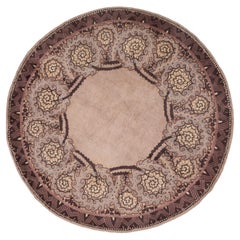
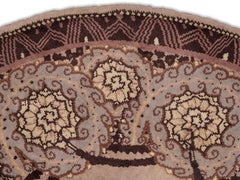
Ruhlmann Circular Knotted Wool Carpet
By Émile-Jacques Ruhlmann
Located in Berlin, DE
Provenance: C. John, The Finest Rugs, Carpets and Tapestry, London, August 2021 Crosta Smith Gallery, London Émile-Jacques Ruhlmann (1879-1933) was a French furniture designer and i...
Wool
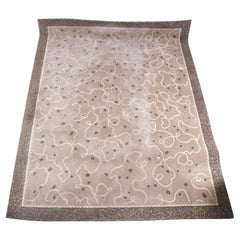
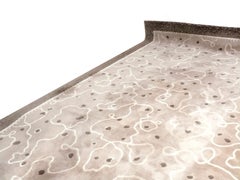
Emile Jacques Ruhlmann Design Art Deco Carpet by Edward Fields Rug 144" x 109"
By Edward Fields, Émile-Jacques Ruhlmann
Located in Atlanta, GA
Elegant Art Deco Gray Carpet, after a 1920s design by Emile Jacques Ruhlmann, this was produced in the 1990s by Edward Fields. It measures an impressive 144" x 109". It is believed t...
Fabric, Wool
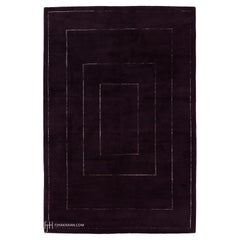
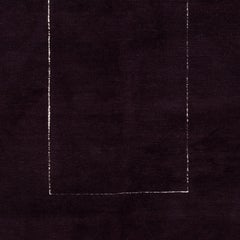
Contemporary "Ruhlmann 1930" Eggplant-Purple Deco Rug, Handwoven Wool & Silk
Located in New York, NY
Contemporary "Ruhlmann 1930" Eggplant-Purple Deco Rug Handwoven Wool & Silk, Two level Pile (Tibetan Wool) & Loop (Bleached silk) Nepal, circa 2014 A deep, rich eggplant field defin...
Wool, Silk
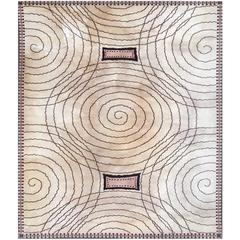
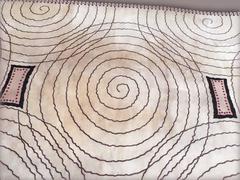
Rug, 20th Century, Art Deco Period by Jacques-Emile Ruhlmann
By Émile-Jacques Ruhlmann
Located in Saint-Ouen, FR
Jacques-Émile Ruhlmann, born on August 26, 1879 in Paris, and died in the same city on November 15, 1933, is a French decorator. He will be nicknamed "the Riesener of Art Deco&...
Wool
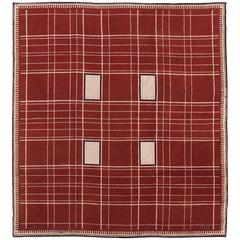
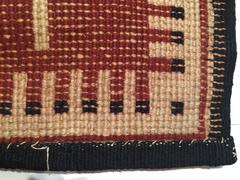
Jacques-Émile Ruhlmann Art Deco Carpet
By Émile-Jacques Ruhlmann
Located in Paris, FR
Jacques-Émile Ruhlmann (1879-1933) Pile-Knotted carpet Art Deco carpet, circa 1925.
Wool
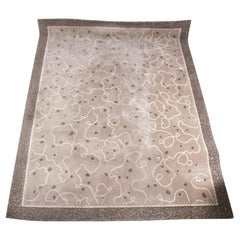
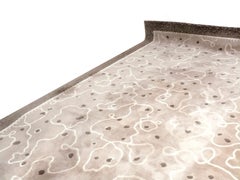
Emile Jacques Ruhlmann Design Art Deco Carpet by Edward Fields Rug 144" x 109"
By Edward Fields, Émile-Jacques Ruhlmann
Located in Atlanta, GA
Elegant Art Deco Gray Carpet, after a 1920s design by Emile Jacques Ruhlmann, this was produced in the 1990s by Edward Fields. It measures an impressive 144" x 109". It is believed t...
Fabric, Wool
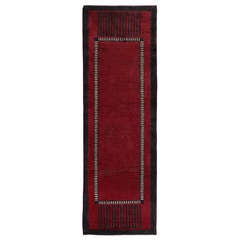
Art Deco Runner by Emiles Jaques Ruhlmann
Located in New York, NY
Runner by Émile-Jacques Ruhlmann, a renowned French designer of furniture and interiors, epitomising for many the glamour of the French Art Deco style of the 1920s.
Wool
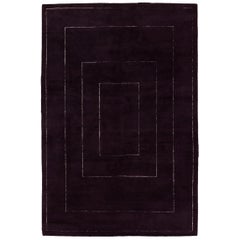

Contemporary "Ruhlmann 1930" Rug
Located in New York, NY
Contemporary "Ruhlmann 1930" rug Two levels, pile and loop. Field: Eggplant color wool Design: Bleached silk
Wool, Silk
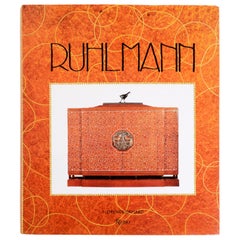

Ruhlmann by Florence Camard, 1st Ed
Located in valatie, NY
In addition to his interiors, Ruhlmann also designed lamps, rugs, wall coverings, cigar boxes, and unusually shaped beds and divans.
Paper
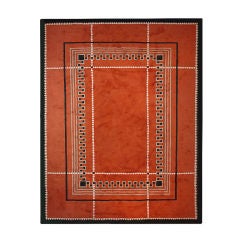
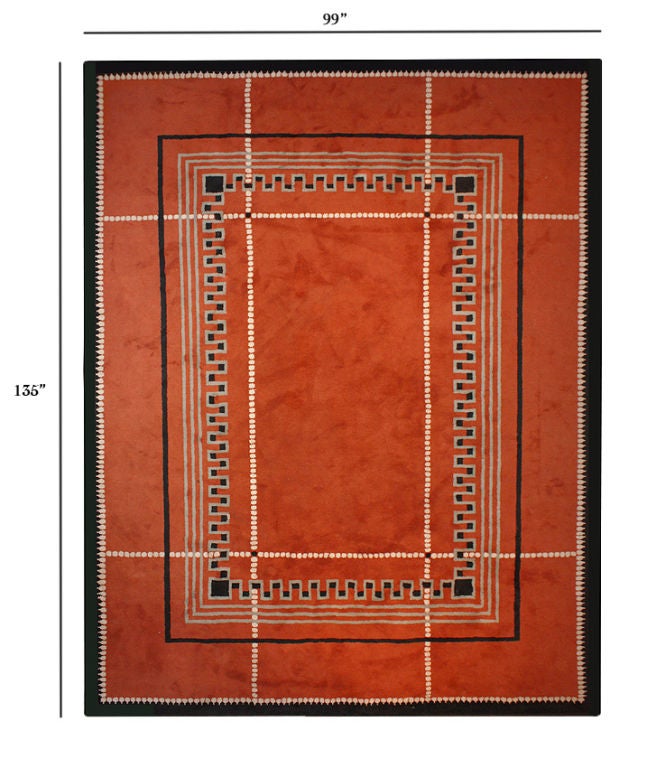
Wool Art Deco Rug, model of E.J RUHLMANN
Located in Encino, CA
Wool Art Deco rug, model of E.J RUHLMANN Beautiful carpet with a motif of geometrical figures on a light red-orange background.
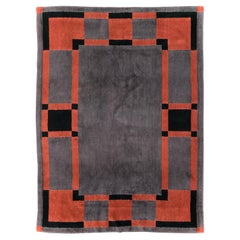
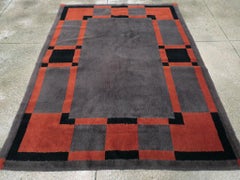
Galerie Shabab Collection Mid-20th Century Handmade French Art Deco Accent Rug
Located in New York, NY
A vintage French Art Deco accent rug handmade during the mid-20th century. Measures: 5' 8" x 7' 7"
Wool
$2,468Sale Price|25% Off
W 122 in L 166 in
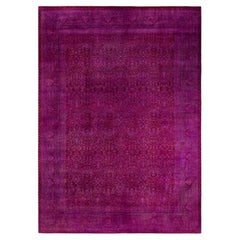
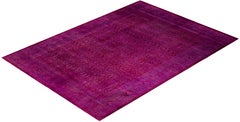
Overdyed Hand-Knotted Wool Modern-Contemporary Purple Area Rug 10' 2" x 13' 10"
Located in Norwalk, CT
Over-dyed area rugs are created by taking vintage or traditional rugs and applying a vibrant, monochromatic dye over the existing patterns. This technique results in a bold, modern a...
Wool
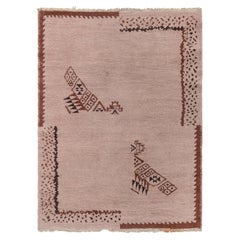
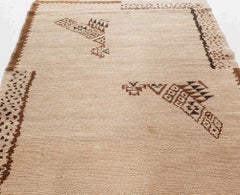
Vintage French Art Deco Rug by Doris Leslie Blau, Hand-Knotted, 1950
Located in New York, NY
Vintage French Art Deco Rug Size: 4'10" × 6'6" (147 × 198 cm) This rare and elegant French Art Deco rug from the 1950s is a compelling example of mid-century design that masterfully ...
Wool
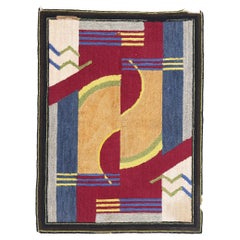
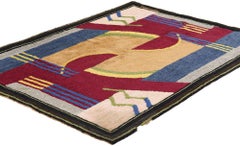
1920's Art Deco Bauhaus American Hooked Carpet
Located in Dallas, TX
79114 Antique Art Deco Bauhaus American Hooked Rug, 02'08 x 03'07. This semi-antique American hooked rug is a striking representation of the dynamic design movements that defined the...
Wool
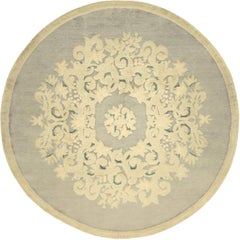
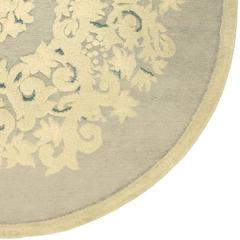
Circular Savonnerie Carpet
By Paule Leleu
Located in New York, NY
Circular Savonnerie by Paule Leleu. France, circa 1930.
Wool
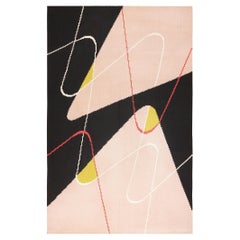
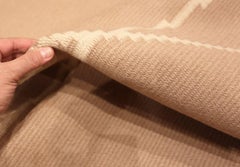
Vintage French Art Deco Rug. Size: 8 ft 4 in x 13 ft
Located in New York, NY
A beautifully artistic black and cream colored flat-woven vintage French Art Deco rug, country of origin / rug type: French rugs, circa date: vintage mid-20th century. Size: 8 ft 4 i...
Wool
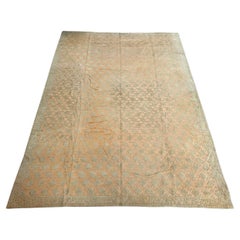
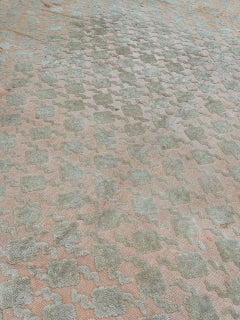
Large mid century French Cogolin rug
Located in Saint Ouen, FR
Beautiful mid century French Cogolin rug with a nice decorative and simple design, with a white pile of design on the orange foundation, hand made by wool on wool foundation Damage...
Wool
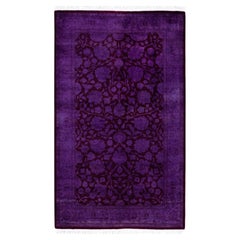
$291Sale Price|25% Off
W 38 in L 63 in
Overdyed Hand-Knotted Wool Modern-Contemporary Purple Area Rug 3' 2" x 5' 3"
Located in Norwalk, CT
Over-dyed area rugs are created by taking vintage or traditional rugs and applying a vibrant, monochromatic dye over the existing patterns. This technique results in a bold, modern a...
Wool
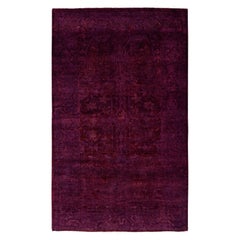

$275Sale Price|25% Off
W 37 in L 61 in
Overdyed Hand-Knotted Wool Modern-Contemporary Purple Area Rug 3' 1" x 5' 1"
Located in Norwalk, CT
Over-dyed area rugs are created by taking vintage or traditional rugs and applying a vibrant, monochromatic dye over the existing patterns. This technique results in a bold, modern a...
Wool
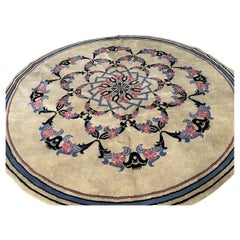
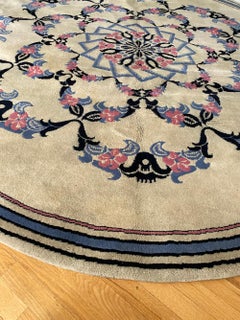
French Art Deco Carpet by Leleu
Located in Bridgewater, CT
Good quality French carpet from the 40's or 50's
Wool
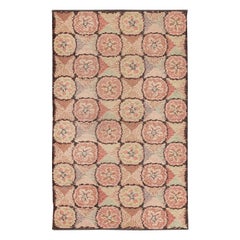
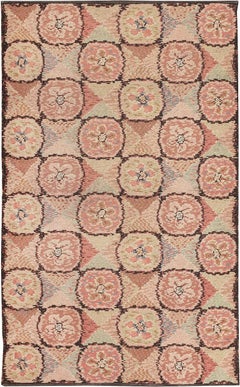
Beautiful Small Size Vintage European Art Deco Rug 3'4" x 3'11"
Located in New York, NY
Beautiful Small Size Vintage European Art Deco Rug, Country of Origin: Europe, Circa: First Quarter of the 20th century (around 1920)
Wool
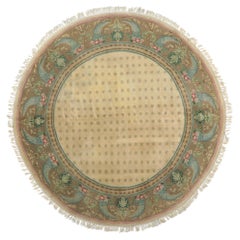
Vintage Round Indian Rug with Traditional Style
Located in Dallas, TX
74754 Vintage Round Indian rug with Traditional Style 08'02 x 08'02. This hand-knotted wool vintage round Indian rug features a traditional style composed of a repeating geometric pa...
Wool
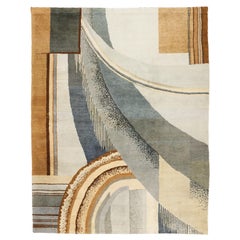
$75,526
W 88.59 in L 113 in
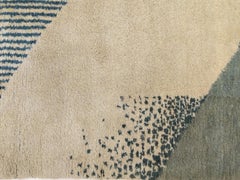
French Art Deco Rug Designed by Jean Burkhalter for Pierre Chareau Circa 1925
By Jean Burkhalter
Located in Milan, IT
An extremely rare Art Deco rug designed in 1925 by Jean Burkhalter and commissioned by Pierre Chareau for a seaside mansion on the island of Corsica. This example, which is in mint c...
Wool
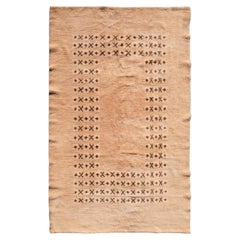
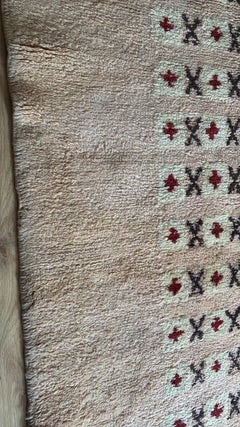
Early Jules Leleu Art Deco rug circa 1930 6ft5x9ft6 not signed
Located in Harrington Park, NJ
Very rare early art deco rug by Jules Leleu, unsigned In good vintage condition Minimal fading gives it a great patina Savonnerie wool 1935
Wool
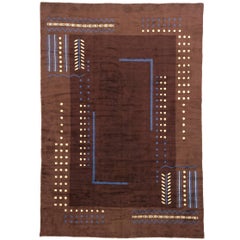
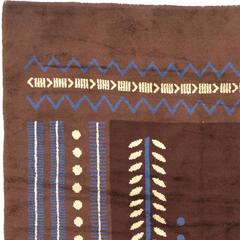
Mid-20th Century Art Deco Savonnerie Carpet
Located in New York, NY
Mid-20th century Art Deco Savonnerie carpet. Publications: "Le XXe Siecle au Tapis. Aspects du Tapis en France de l'Art Nouveau a l' Art Contemporain."
Wool
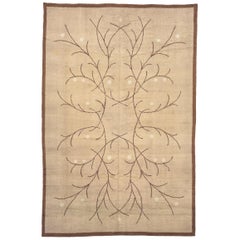
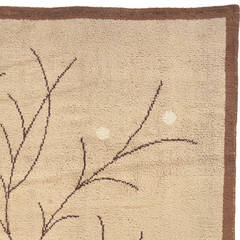
Mid 20th Century Beige French Savonnerie Style Art Deco Carpet
By Edouard Benedictus
Located in New York, NY
Mid 20th Century Beige French Savonnerie Style Art Deco Carpet Attributed to Edouard Benedictus France, circa 1930 The border is a simple, solid band of warm medium-brown that clean...
Wool
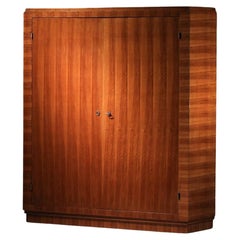
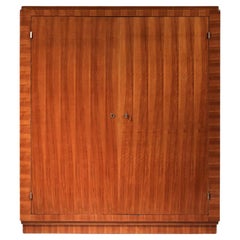
Modernist wardrobe 40's 50's solid wood
Located in Ternay, Auvergne-Rhône-Alpes
French armoire from the 40's/50's. Structure in solid wood and veneered. The two large hinged doors open onto a series of shelves with a central drawer. Can also be used as a closet....
Wood
$7,500
H 30 in W 65.75 in D 34.5 in L 30 in
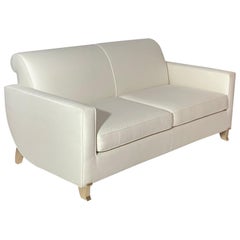
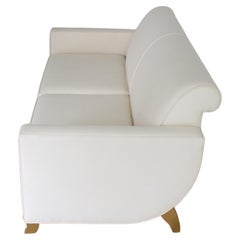
Émile-Jacques Ruhlmann 1925 Hydravion Sofa in off White & Gilt Legs 1980s Copy
By Richard Himmel, Interior Crafts, Émile-Jacques Ruhlmann
Located in St. Louis, MO
After Émile-Jacques Ruhlmann 1925 "HYDRAVION" Sofa, the H-42488 love seat sofa re-introduced by Interior Crafts and interior designer RICHARD HIMMEL of Chicago in 1982. This sofa wit...
Upholstery, Giltwood
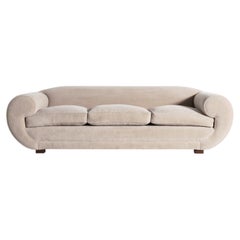
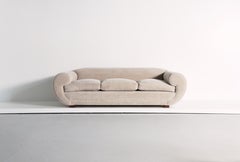
Elegant Sofa Upholstered in Pure Alpaca
By Émile-Jacques Ruhlmann, Jules Leleu, Pierre Chareau, Paul Dupré-Lafon
Located in Lewes, East Sussex
A superb Art Deco style sofa, upholstered in pure Alpaca. High quality hand-made beech frames and newly upholstered in a soft, ivory, premium 100% alpaca fabric. Fast shipping worldw...
Alpaca, Beech
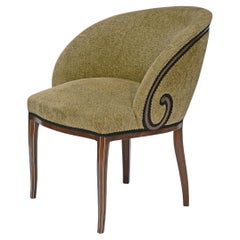
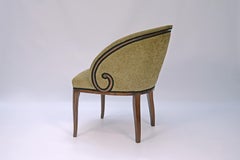
$5,200Sale Price / item|20% Off
H 32.68 in W 27.56 in D 27.56 in
Art Deco Chairs by Jules Leleu, Walnut & Chenille, 1920s
By Jules Leleu
Located in Ciudad Autónoma Buenos Aires, C
Set of 8 chairs designed by Jules Leleu (1883-1961). Walnut wood with inlay and chenille upholstery. Francoise Sirex (2008) "The House of Leleu: Classic French Style for a Modern Wo...
Chenille, Walnut
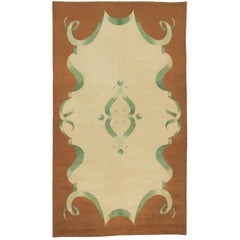
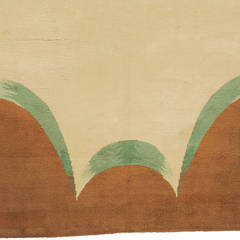
Mid-20th Century French Beige, Brown & Green Savonnerie Art Deco Carpet
By André Arbus
Located in New York, NY
Mid-20th Century French Beige, Brown & Green Savonnerie Art Deco Carpet France, circa 1937 Attributed to Andre Arubs A soft ivory field framed by a warm brown ground, with a bol...
Wool
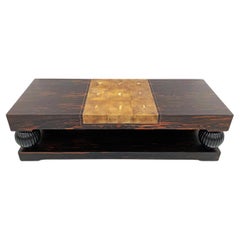
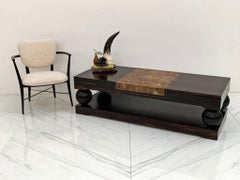
$16,800Sale Price|30% Off
H 18.5 in W 65 in D 25 in
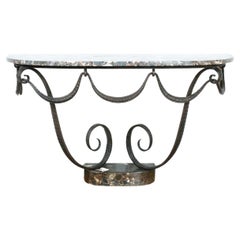
Cabanel Basse-Boule Coffee Table Macassar Shagreen After Émile-Jacques Ruhlmann
By Émile-Jacques Ruhlmann
Located in Culver City, CA
Looking for a coffee table with a story? Hold my latte-- This handsome fella came from a sprawling estate nestled in the rolling vineyards of Ojai, California—a dreamy French-inspire...
Shagreen, Macassar, Shagreen Stingray
$18,500
H 36 in W 21.5 in D 59 in L 36 in
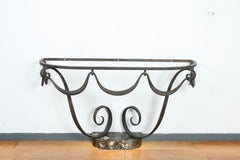
Art Deco Console Table by Raymond Subes, Marble & Steel, France, 1940
By Raymond Subes
Located in North Hollywood, CA
Raymond Subes French Art Deco console table with marble top and bottom base. No damages or cracks on marble and base. Beautifully designed with brass accent detail. Demi lune console...
Marble, Steel
$389,250
H 29.53 in W 136.62 in D 53.94 in
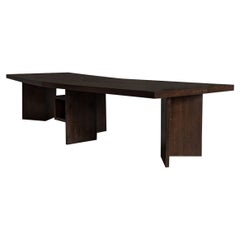
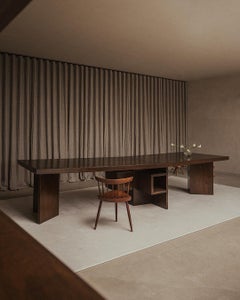
Le Corbusier - Authentic LC-TAT-07-A - the Minister’s Desk Circa 1955
By Le Corbusier
Located in Hasselt, VLI
It's not just a desk. It's the LC-TAT-07-A. A very rare and unique modernist piece, the Minister’s Desk, also known as the LC-TAT-07-A from Chandigarh, was designed by Le Corbusier ...
Teak, Plywood
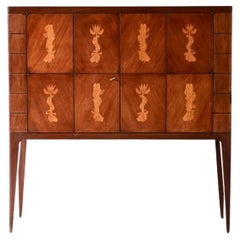
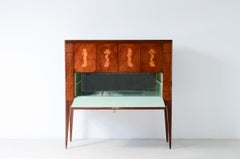
Paolo Buffa, walnut bar cabinet with maple inlaid front
By Paolo Buffa
Located in Milano, IT
COD-2534 Paolo Buffa (1903-1970) Rare walnut bar cabinet with maple inlaid front and lacquered metal interior. Two maple drawers with glass fronts, mirrors and hidden light. Drawing...
Maple
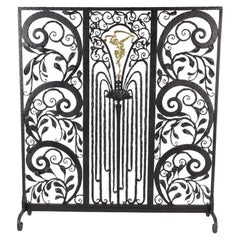
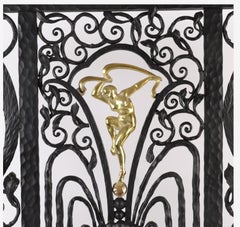
WROUGHT IRON FIRE SCREEN after Edgar BRANDT
By Edgar Brandt
Located in Bridgewater, CT
VERY NICE WROUGHT IRON FIRE SCREEN after Edgar BRANDT (1880-1960) In hammered wrought iron decorated with stylized scrolls, foliage and a dancing woman in its upper center. Dim: H: 8...
Iron
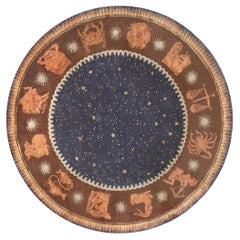
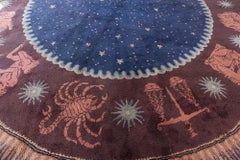
Doris Leslie Blau Unique Circular French Art Deco Rug by Paul Follot
By Paul Follot
Located in New York, NY
Unique Circular French Art Deco Rug by Paul Follot – A Celestial Masterpiece of Decorative Arts Size: 12'7" × 12'7" (383 × 383 cm) Crafted in 1925 by the renowned French designer Pau...
Wool
$24,000 / item
H 38.5 in W 43.5 in D 14 in
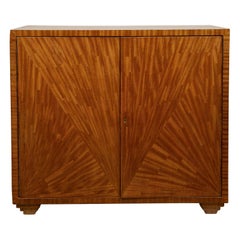
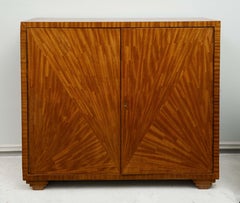
Hand-Crafted Parquetry Cabinet inspired by Jean-Michel Frank
By Jean-Michel Frank
Located in New York, NY
Jean-Michel Frank Inspired Exquisitely Hand-Crafted Parquetry Cabinet. This cabinet can be made to order. Please inquire.
Wood, Mahogany
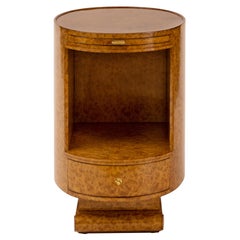
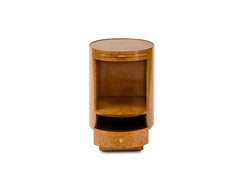
Ruhlmann Elliptical Amboyna Bedside Table
By Émile-Jacques Ruhlmann
Located in Berlin, DE
An exceptional and rare elliptical bedside table made from bird’s-eye Amboyna veneer. The nightstand features a brush slide and a drawer box, each with elegant hardware, as well as a...
Amboyna
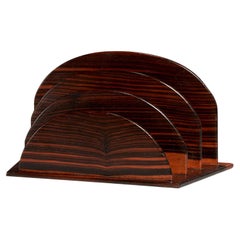
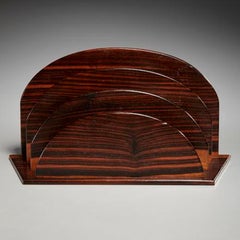
Macassar Wood Letter Rack by Emile-Jacques Ruhlmann
By Émile-Jacques Ruhlmann
Located in Montreal, QC
Maccassar Letter rack by Emile-Jacques Ruhlmann graduated semi-circle slats on l base, Iron stamped: "Ruhlmann
Macassar
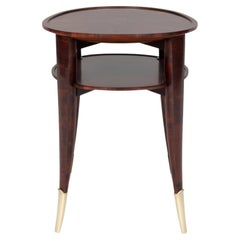
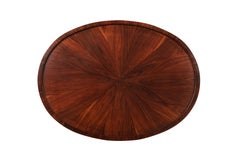
Ruhlmann Kindwood and Gilt Bronze Side Table
By Émile-Jacques Ruhlmann
Located in Berlin, DE
Kingwood side table with two platforms and four elegantly curved legs with gilt bronze sabots. Stamped ‘Ruhlmann’ and with the Atelier ‘A’ mark. Reference number 1001NR in the Ruhl...
Bronze
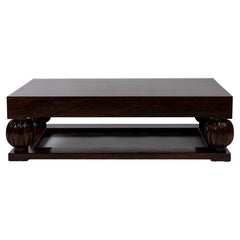
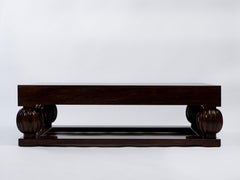
Ruhlmann 'Cabanel Basse-Boule' Indian Rosewood Table
By Émile-Jacques Ruhlmann
Located in Berlin, DE
“Cabanel Basse-Boule” table in Indian rosewood and rosewood veneer on a Hungarian oak frame. The thick top rests on four large fluted spheres set on circular plinths with open rectan...
Oak, Rosewood
Good antique rugs and vintage rugs have made their way into homes across the globe, becoming fixtures used for comfort, prayer and self-expression, so choosing the right area rug is officially a universal endeavor.
In modern usage, “carpet” typically denotes a wall-to-wall floor cushioning that is fixed to the floor. Rugs, on the other hand, are designed to cover a specific area and can easily be moved to new locations. However, the terms are interchangeable in many parts of the world, and, in the end, it won’t matter what you decide to call it.
It’s well known that a timeless Persian rug or vintage Turkish rug can warm any interior, but there are lots of other styles of antique rugs to choose from when you're endeavoring to introduce fresh colors and textures to a bedroom or living room.
Moroccan Berber rugs are not all about pattern. In fact, some of the most striking examples are nearly monochrome. But what these rugs lack in complexity, they make up for in brilliant color and subtle variation. Moroccan-style interiors can be mesmerizing — a sitting room of this type might feature a Moroccan rug, carved wooden screens and a tapestry hung behind the sofa.
Handwoven kilim rugs, known for their wealth of rich colors and unique weaving tradition, are pileless: Whereas the Beni Ourain rugs of Morocco can be described as dense with a thick surface or pile, an authentic kilim rug is thin and flat. (The term “kilim” is Turkish in origin, but this type of textile artistry is practiced all across the Balkans, throughout the Arab world and elsewhere.)
When it comes to eye-catching floor coverings, the distinctive “medallion” pattern of Oushak rugs has two types of rounded shapes alternating against a rich red or blue background created with natural dyes, while the elaborate “star” pattern involves large eight-pointed shapes in diagonal rows alternating with diamonds.
If you’re looking for something unexpected, find a runner rug that pops in your hallway or on your stairs. Dig for dazzling geometric patterns in our inventory of mid-century modern rugs and carpets, which includes works designed by the likes of Swedish textile masters Märta Måås-Fjetterström, Marianne Richter and other artisans.
Carpets and rugs have been around for thousands of years. Prehistoric humans turned to animal skin, wool and fur to craft simple fabrics to soften hard terrain. A 2016 study suggests that "cave lions" were hunted for exactly this purpose, and that decorating your cave with their pelts may have conferred strength and prestige. Although many of these early textiles are still in existence, tracing their precise origins is difficult. Carpets quickly became such a valuable trade commodity that the weavings could easily travel far from their places of origin.
The oldest known carpet was found in southern Siberia. (It may have traveled there from Persepolis in Iran.) For the flat-weave floor rugs crafted by Native Americans, cotton was the primary material before sheep’s wool was introduced in the 16th century. In Europe, carpet-making was fundamental to folk art, and Asian carpets imported to European countries were at one time considered a precious luxury and not intended to remain permanently on the floor.
With the variety of area rugs and carpets rolled out for you on 1stDibs — a collection that includes traditional, modern, minimalist rugs and other coverings of all kinds — things will be looking up whenever you’re looking down.
In the late 1890s, the firm of Alexander Morton & Co. set out to introduce a new category of crafts to the British Isles: hand-knotted rugs.
Embroidered with snakes, turtles, birds and vines, it celebrates a dazzling natural world before the arrival of Adam and Eve.
The colorful design captures the natural splendor of a backyard garden.
The rising fashion star is having his first solo show of furniture designs, at Southern Guild in Cape Town, and his far-out, snaking forms are like nothing you've ever seen.
Top carpet companies are expanding the arena of artful floor coverings, seeking out creatives from other media and marrying their talents to textiles.
The New York–based rug designers employ earthy colors and time-honored artistry in their creations.
The New York interior designer found inspiration in disco culture and astrology for her debut home collection.
Persian garden carpets, with their timeless beauty and unmatched craftsmanship, have an enduring appeal.