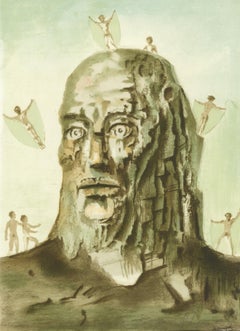
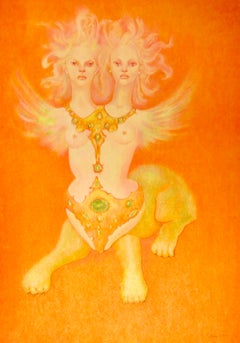
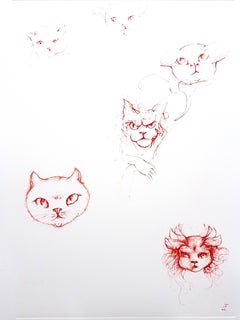
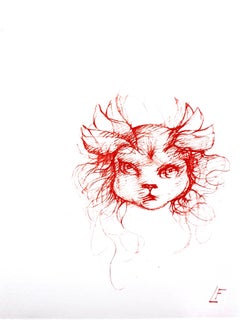
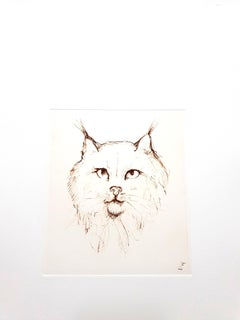
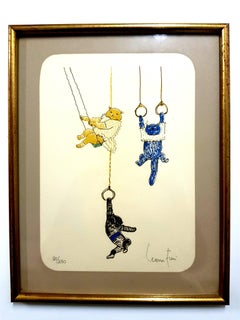
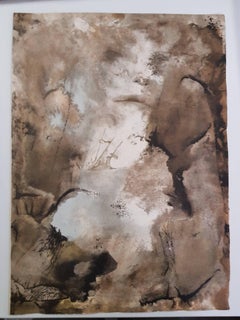
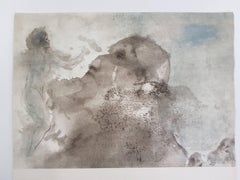
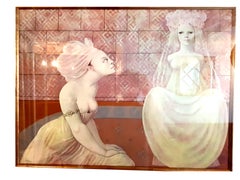
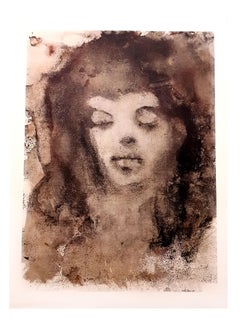
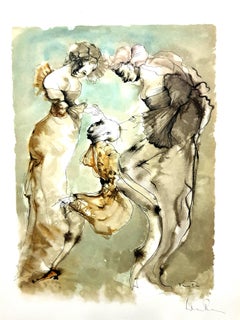
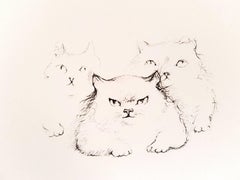
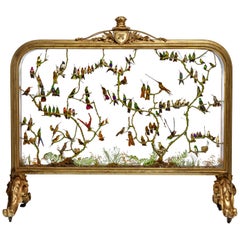
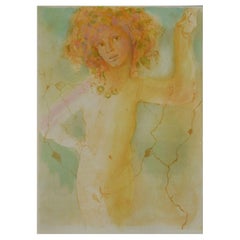
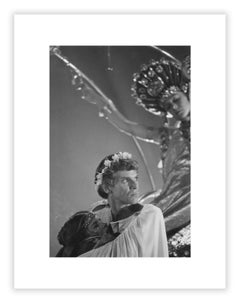
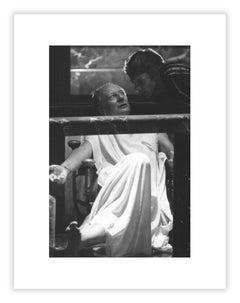
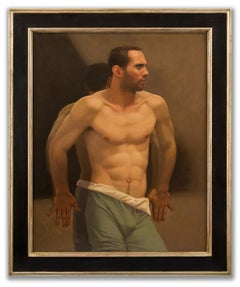
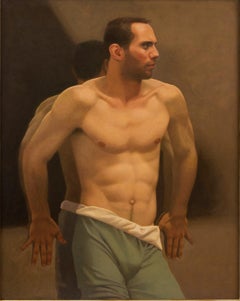
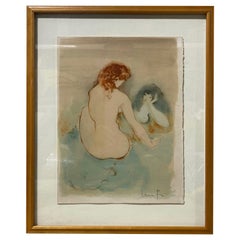
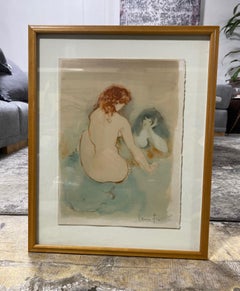
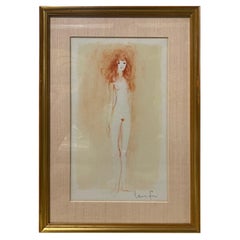
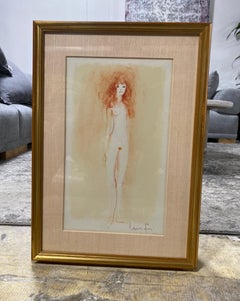
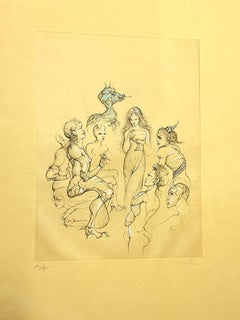
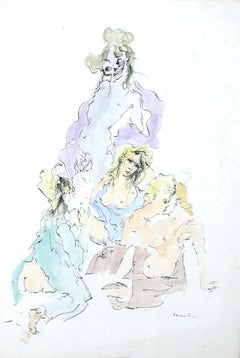
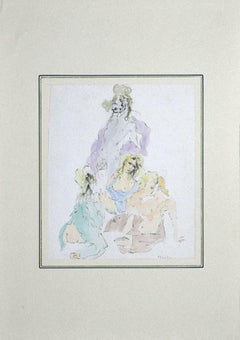
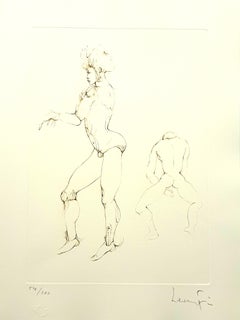
Stanislao Lepri For Sale on 1stDibs
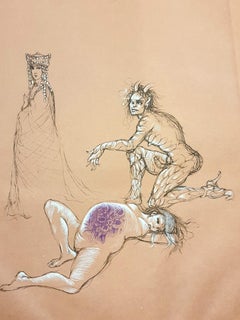
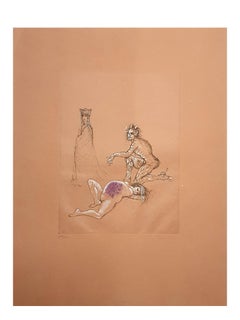
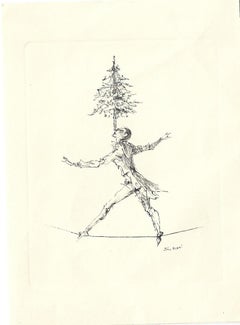
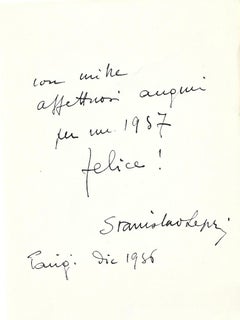
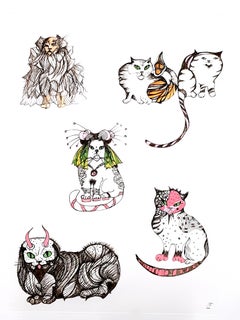
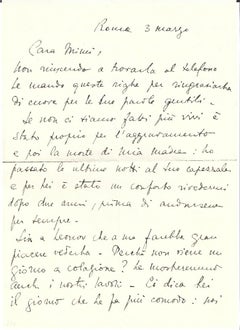
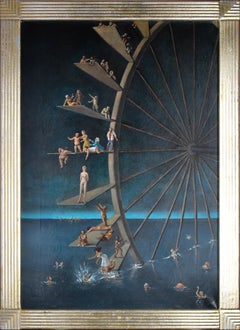
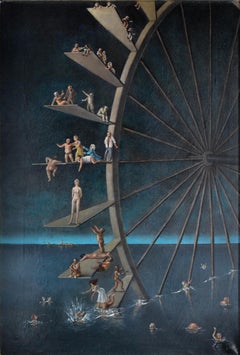
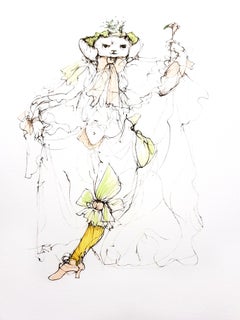
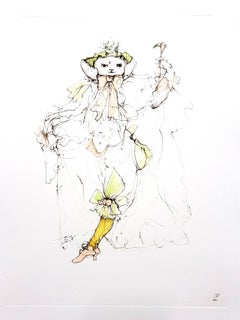
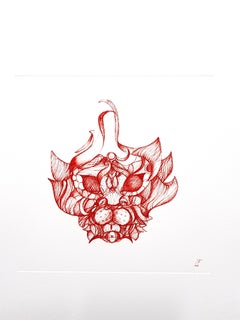
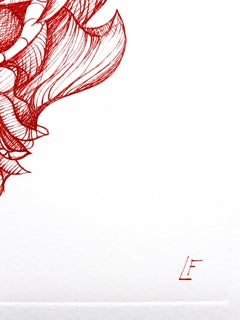
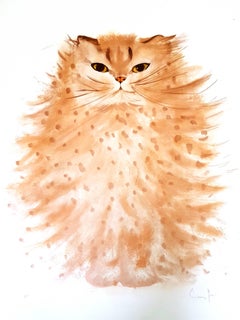
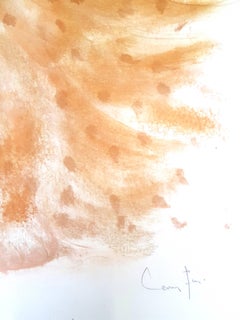
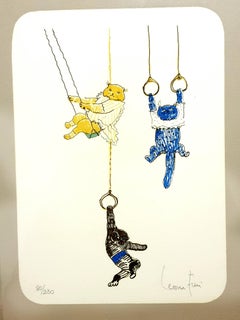
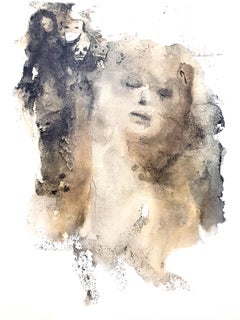
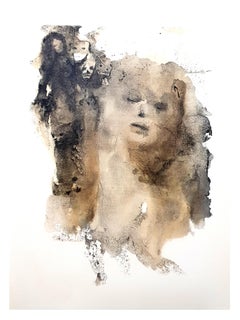
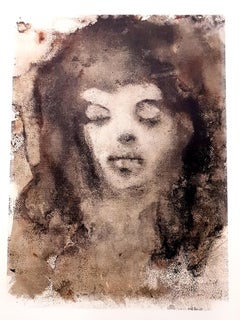
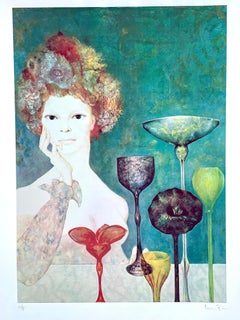
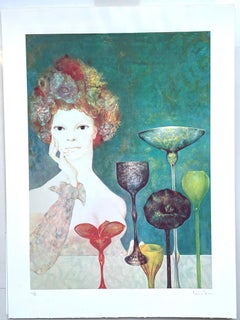
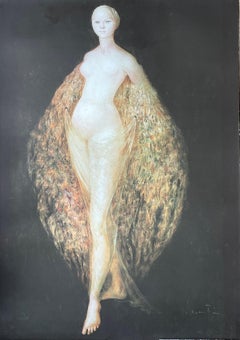
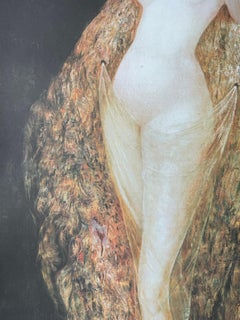
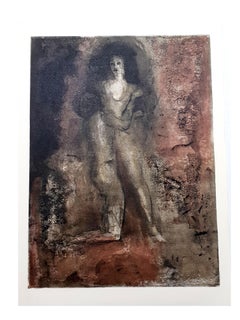
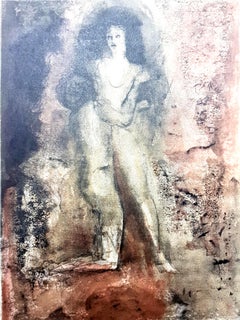
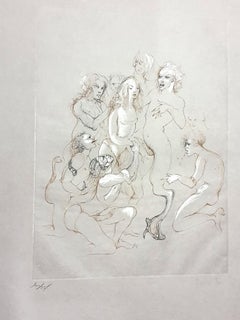
Surely you’ll find the exact stanislao lepri you’re seeking on 1stDibs — we’ve got a vast assortment for sale. There are many
modern and
Surrealist versions of these works for sale. Adding a stanislao lepri to a room that is mostly decorated in warm neutral tones can yield a welcome change — find a piece on 1stDibs that incorporates elements of
gray,
white,
beige,
brown and more. A stanislao lepri from
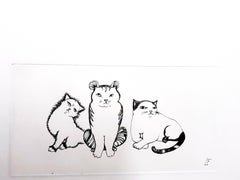
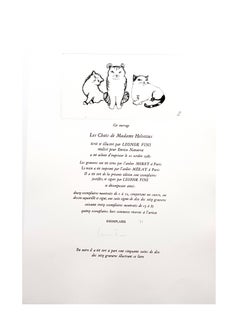
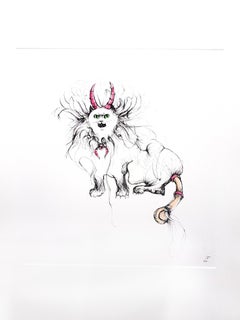
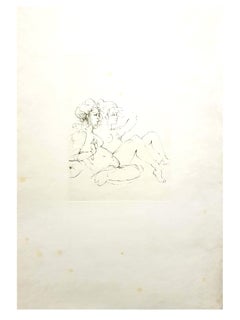
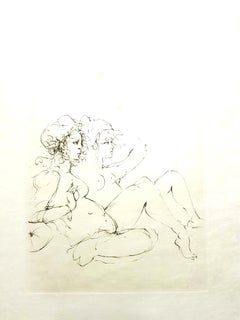
Leonor Fini and
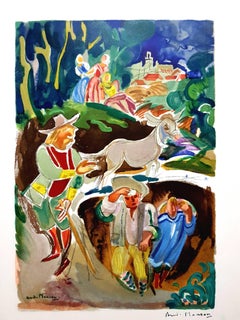
Andre Planson — each of whom created distinctive versions of this kind of work — is worth considering. Frequently made by artists working in
etching,
lithograph and
paper, these artworks are unique and have attracted attention over the years. A large stanislao lepri can be an attractive addition to some spaces, while smaller examples are available — approximately spanning 7.49 high and 5.52 wide — and may be better suited to a more modest living area.
How Much is a Stanislao Lepri?
The average selling price for a stanislao lepri we offer is $967, while they’re typically $330 on the low end and $1,593 for the highest priced.
Leonor Fini for sale on 1stDibs
Leonor Fini was the life of the party during the French Surrealist movement. A socialite with connections to some of the movement's biggest names, Fini was also an astoundingly gifted artist in her own right. In fact, many consider her to be the most fiercely independent female artist of the 20th century. A theatrical personality, Fini created prints, paintings and drawings that are widely revered for their sensuous qualities and raw energy.
Fini's life started off in a dramatic fashion, which was perhaps a portent of things to come. She was born in Buenos Aires, Argentina in 1907, but her parents separated soon after and her mother took her away to Trieste, Italy. Due to her father's attempts to kidnap her, Fini was often dressed as a boy throughout her childhood.
Fini was surrounded by artistic women in Trieste, and she naturally developed a love for art as well. By the time she was 17, she had become familiar with Renaissance art and Mannerist painting and was exhibiting her own portraits. In 1931, at just 24 years of age, Fini moved to Paris and became acquainted with influential artists Giorgio de Chirico and Carlos Carrà. She also met and started a romantic relationship with Surrealist pioneer Max Ernst, who introduced her to others in the movement.
Though she had no formal art education, Fini proved herself to be both technically masterful and creatively exceptional. Her work and her flamboyant personality attracted the attention of many of the 20th century's most celebrated artists and thinkers, including Salvador Dalí, Jean Cocteau, Albert Camus and Jean Genet, just to name a very few. She exhibited her work in many Parisian art galleries, including the gallery of Christian Dior before the fashion icon became a designer.
In the 1950s, Fini continued painting while immersing herself in other artistic and dramatic endeavors, including theater costume and mask design. She also designed posters for the Paris Opera and wardrobes for movies.
Fini continued living and painting in Paris for the rest of her life. She died in 1996.
On 1stDibs, find original Leonor Fini prints, paintings and drawings.
A Close Look at Modern Art
The first decades of the 20th century were a period of artistic upheaval, with modern art movements including Cubism, Surrealism, Futurism and Dadaism questioning centuries of traditional views of what art should be. Using abstraction, experimental forms and interdisciplinary techniques, painters, sculptors, photographers, printmakers and performance artists all pushed the boundaries of creative expression.
Major exhibitions, like the 1913 Armory Show in New York City — also known as the “International Exhibition of Modern Art,” in which works like the radically angular Nude Descending a Staircase by Marcel Duchamp caused a sensation — challenged the perspective of viewers and critics and heralded the arrival of modern art in the United States. But the movement’s revolutionary spirit took shape in the 19th century.
The Industrial Revolution, which ushered in new technology and cultural conditions across the world, transformed art from something mostly commissioned by the wealthy or the church to work that responded to personal experiences. The Impressionist style emerged in 1860s France with artists like Claude Monet, Paul Cézanne and Edgar Degas quickly painting works that captured moments of light and urban life. Around the same time in England, the Pre-Raphaelites, like Edward Burne-Jones and Dante Gabriel Rossetti, borrowed from late medieval and early Renaissance art to imbue their art with symbolism and modern ideas of beauty.
Emerging from this disruption of the artistic status quo, modern art went further in rejecting conventions and embracing innovation. The bold legacy of leading modern artists Georges Braque, Pablo Picasso, Frida Kahlo, Salvador Dalí, Henri Matisse, Joan Miró, Marc Chagall, Piet Mondrian and many others continues to inform visual culture today.
Find a collection of modern paintings, sculptures, prints and other fine art on 1stDibs.
Finding the Right Figurative-prints-works-on-paper for You
Bring energy and an array of welcome colors and textures into your space by decorating with figurative fine-art prints and works on paper.
Figurative art stands in contrast to abstract art, which is more expressive than representational. The oldest-known work of figurative art is a figurative painting — specifically, a rock painting of an animal made over 40,000 years ago in Borneo. This remnant of a remote past has long faded, but its depiction of a cattle-like creature in elegant ocher markings endures.
Since then, figurative art has evolved significantly as it continues to represent the world, including a breadth of works on paper, including printmaking. This includes woodcuts, which are a type of relief print with perennial popularity among collectors. The artist carves into a block and applies ink to the raised surface, which is then pressed onto paper. There are also planographic prints, which use metal plates, stones or other flat surfaces as their base. The artist will often draw on the surface with grease crayon and then apply ink to those markings. Lithographs are a common version of planographic prints.
Figurative art printmaking was especially popular during the height of the Pop art movement, and this kind of work can be seen in artist Andy Warhol’s extensive use of photographic silkscreen printing. Everyday objects, logos and scenes were given a unique twist, whether in the style of a comic strip or in the use of neon colors.
Explore an impressive collection of figurative art prints for sale on 1stDibs and read about how to arrange your wall art.