The late 19th and early 20th centuries saw sweeping social change and major scientific advances — both of which contributed to a new aesthetic: modernism. Rejecting the rigidity of Victorian artistic conventions, modernists sought a new means of expression. References to the natural world and ornate classical embellishments gave way to the sleek simplicity of the Machine Age. Architect Philip Johnson characterized the hallmarks of modernism as “machine-like simplicity, smoothness or surface [and] avoidance of ornament.”
Early practitioners of modernist design include the De Stijl (“The Style”) group, founded in the Netherlands in 1917, and the Bauhaus School, founded two years later in Germany.
Followers of both groups produced sleek, spare designs — many of which became icons of daily life in the 20th century. The modernists rejected both natural and historical references and relied primarily on industrial materials such as metal, glass, plywood, and, later, plastics. While Bauhaus principals Marcel Breuer and Ludwig Mies van der Rohe created furniture from mass-produced, chrome-plated steel, American visionaries like Charles and Ray Eames worked in materials as novel as molded plywood and fiberglass. Today, Breuer’s Wassily chair, Mies van der Rohe’s Barcelona chair — crafted with his romantic partner, designer Lilly Reich — and the Eames lounge chair are emblems of progressive design and vintage originals are prized cornerstones of collections.
It’s difficult to overstate the influence that modernism continues to wield over designers and architects — and equally difficult to overstate how revolutionary it was when it first appeared a century ago. But because modernist furniture designs are so simple, they can blend in seamlessly with just about any type of décor. Don’t overlook them.
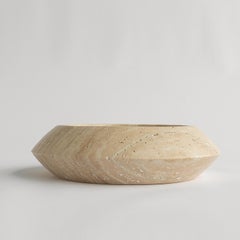
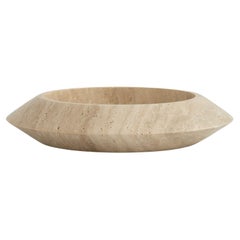
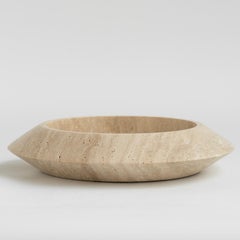
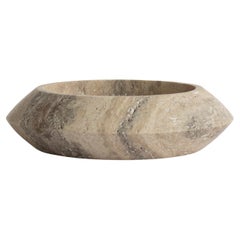
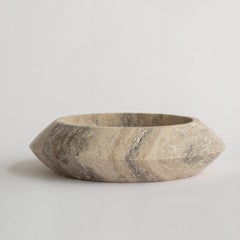
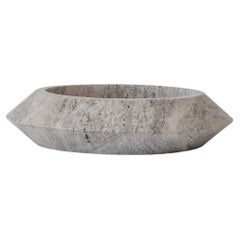
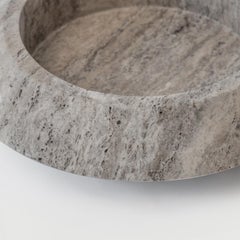
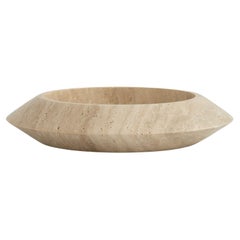
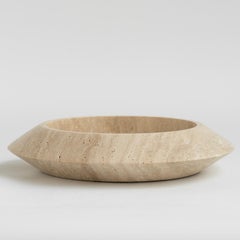
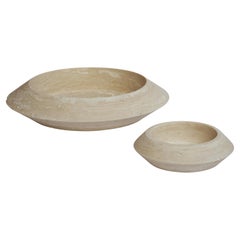
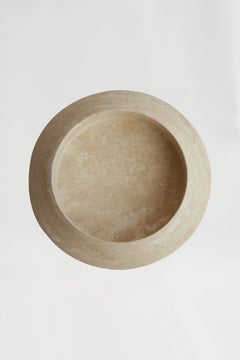
Vintage, new and antique decorative bowls have been an important part of the home for centuries, although their uses have changed over the years. While functional examples of bowls date back thousands of years, ornamental design on bowls as well as baskets likewise has a rich heritage, from the carved bowls of the Maya to the plaited river-cane baskets of Indigenous people in the Southeast United States.
Decorative objects continue to bring character and art into a space. An outdoor gathering can become a sophisticated garden party with the addition of a few natural-fiber baskets to hold blankets or fruit on a table, as demonstrated in the interior design work by firms such as Alexander Design.
Elsewhere, Richard Haining’s reclaimed wood vases and bowls can express eco-consciousness. Sculptural handmade cast concrete bowls like those made by the Oakland, California–based UMÉ Studio introduce compelling textures to your dining room table.
Minimalist ceramic decorative bowls of varying colors can evoke a feeling of human connectedness through their association with handmade craftsmanship, such as in the rooms envisioned by South African interior designer Kelly Hoppen. And you can elevate any space with ceramic bowls that match the color scheme.
Browse the 1stDibs collection of decorative bowls and explore the endless options available.