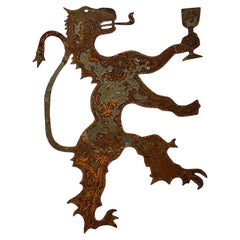
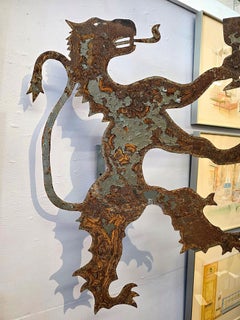
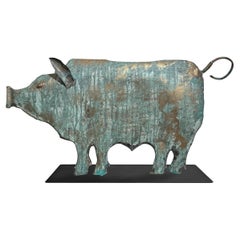
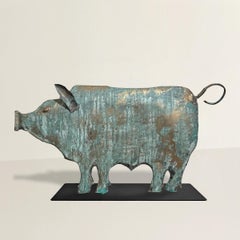
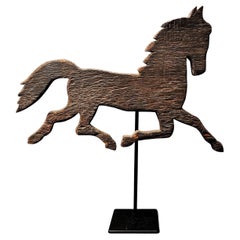
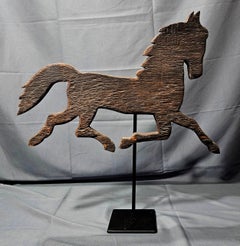
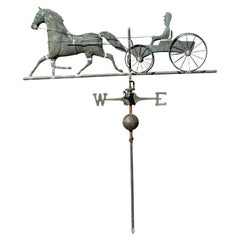
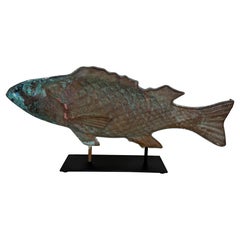
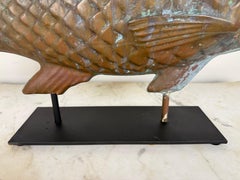
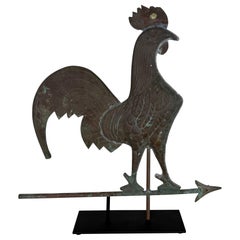
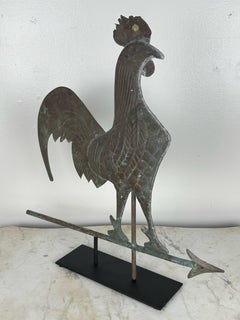
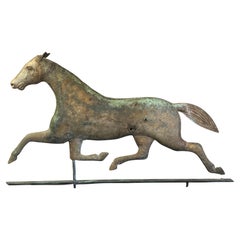
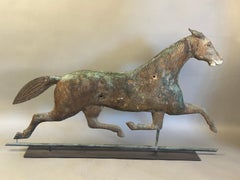
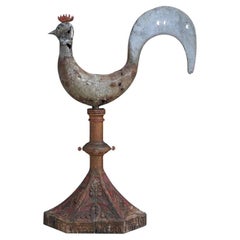
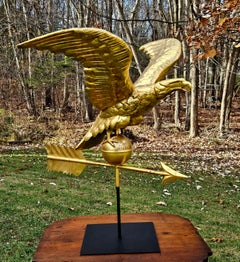
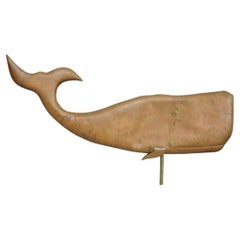
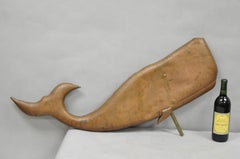
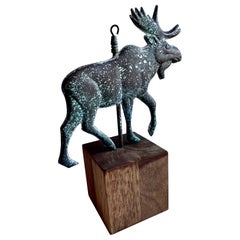
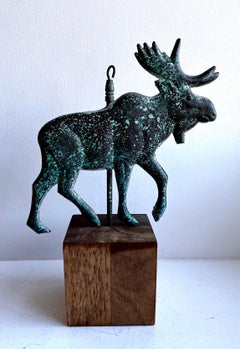
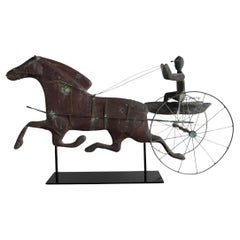
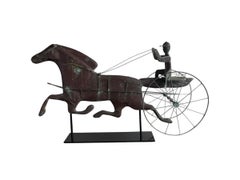
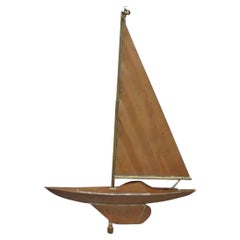
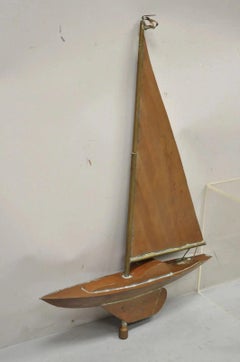
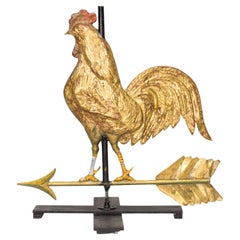
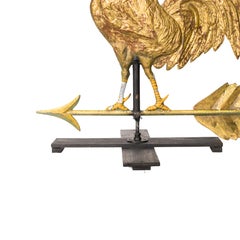
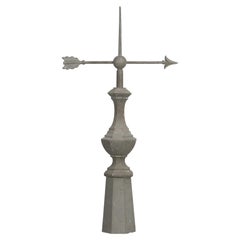
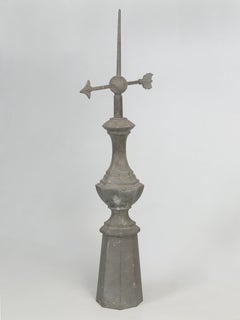
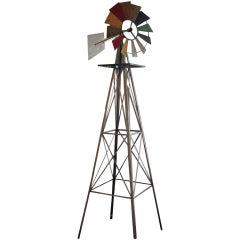
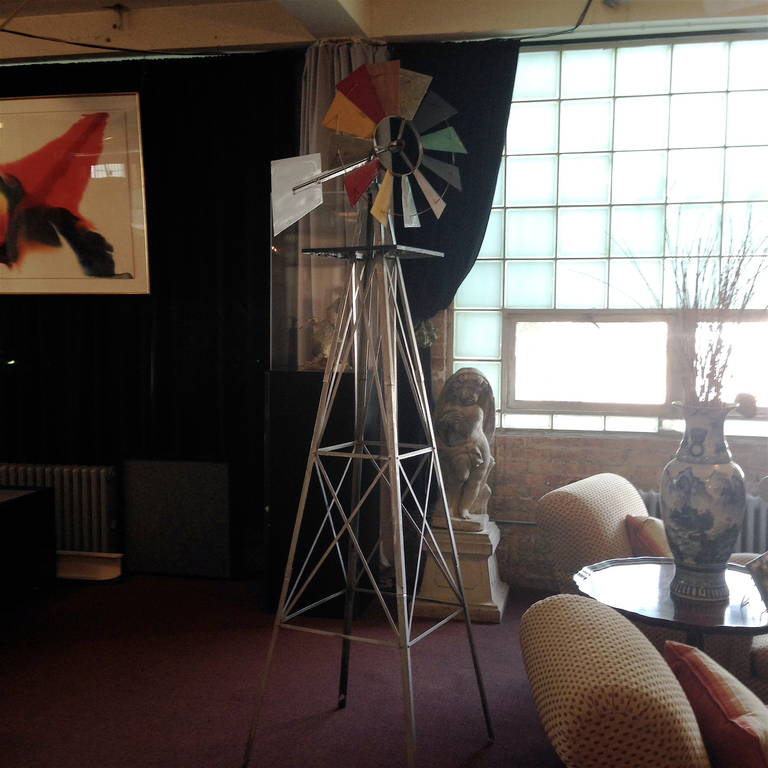
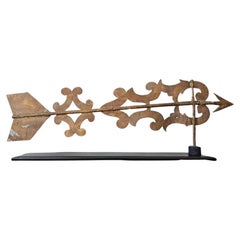
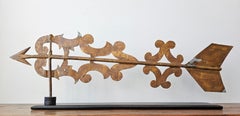
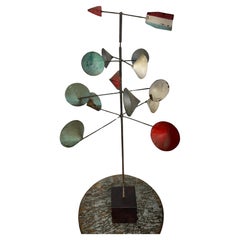
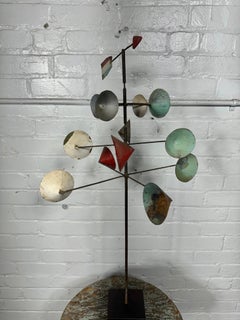
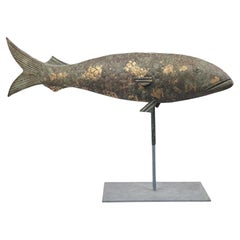
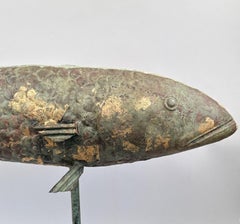
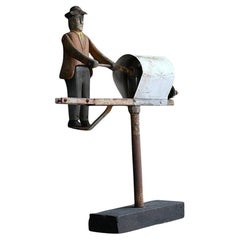
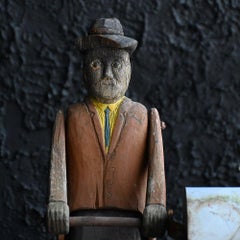
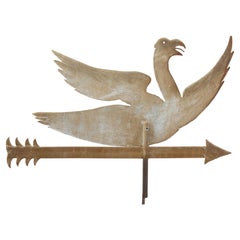
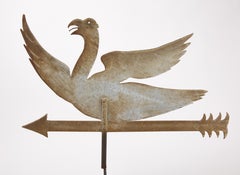
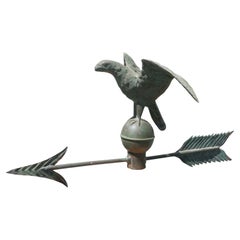
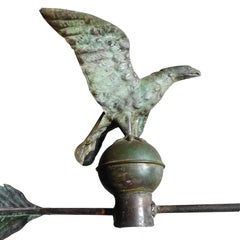
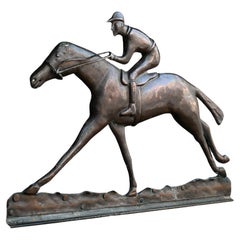
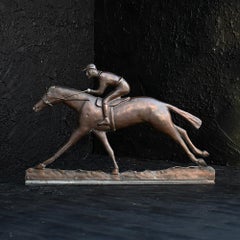
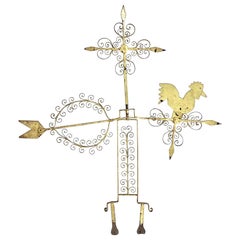
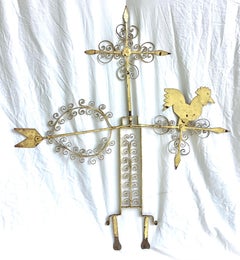
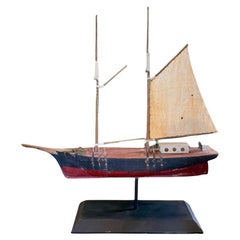
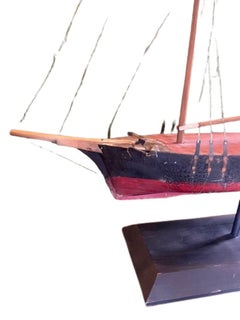
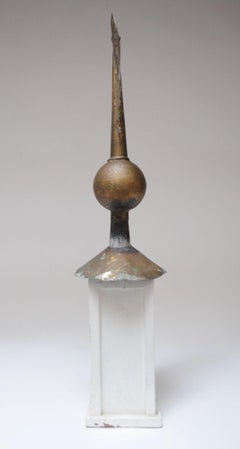
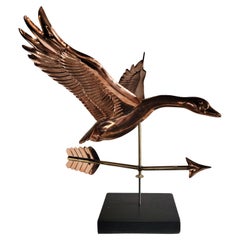
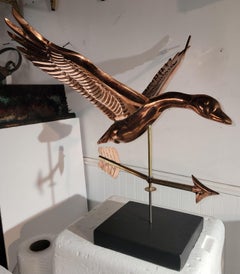
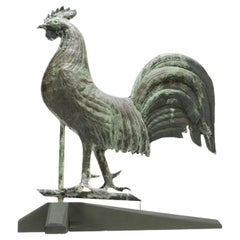
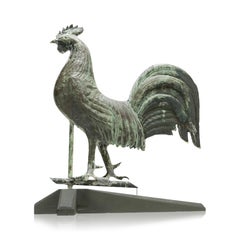
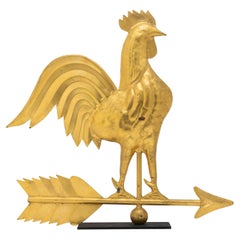
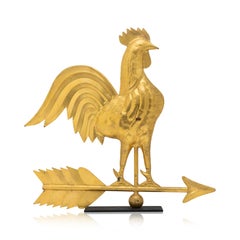
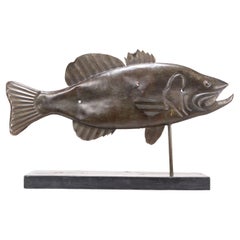
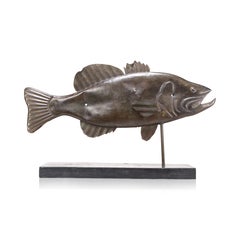
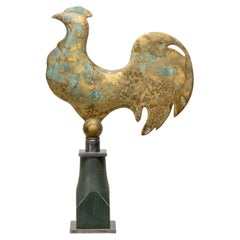
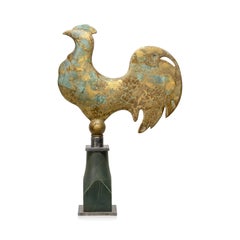
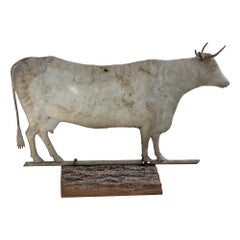
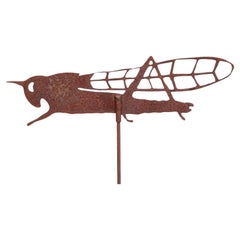
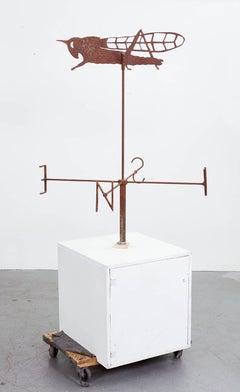
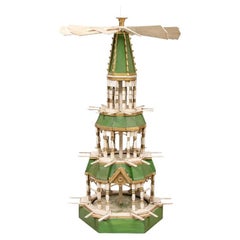
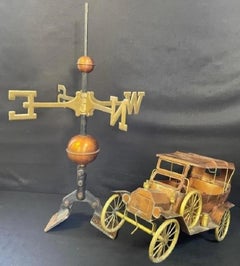
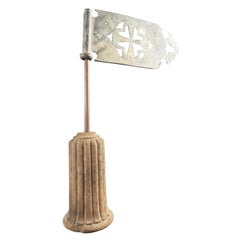
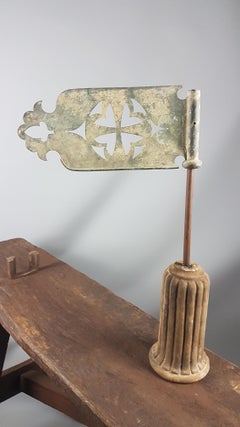
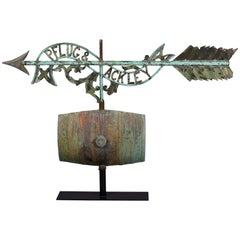
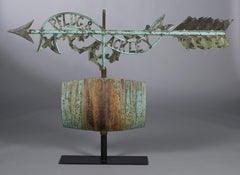
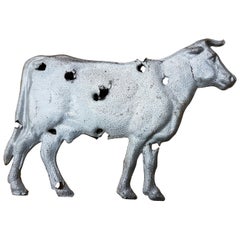
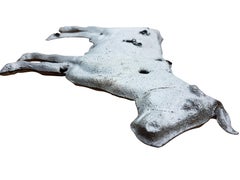
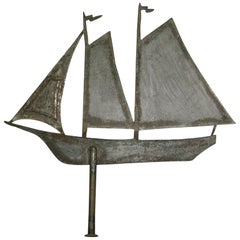
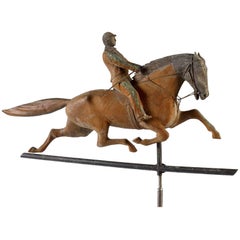
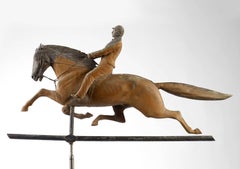
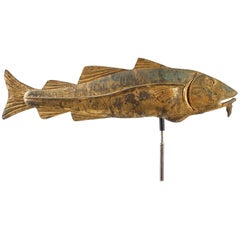
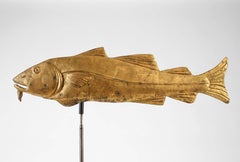
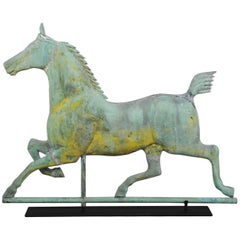
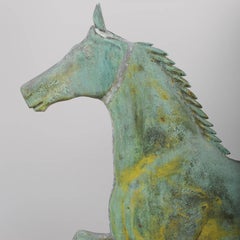
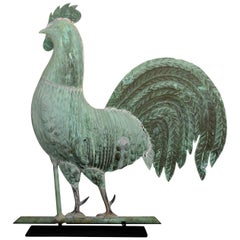
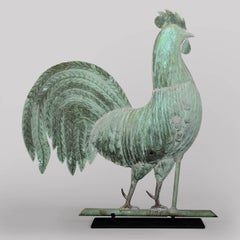
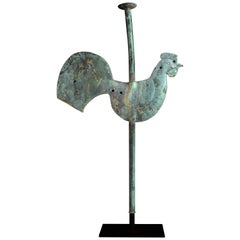
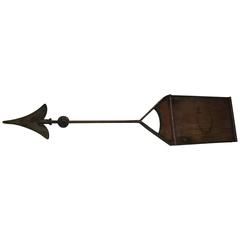
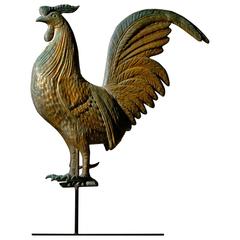
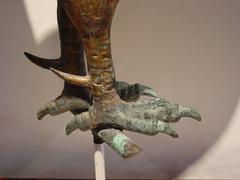
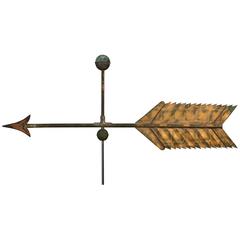
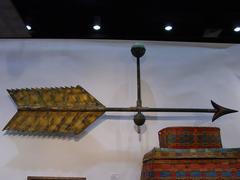
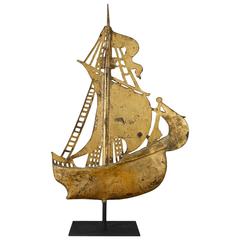
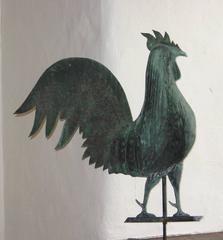
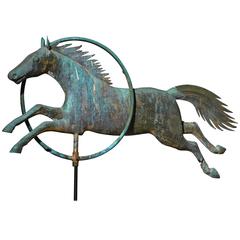
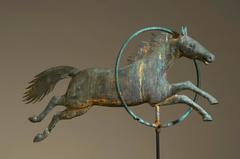
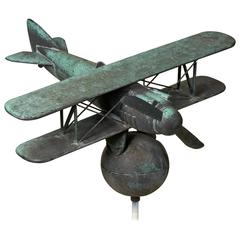
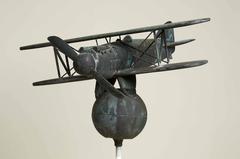
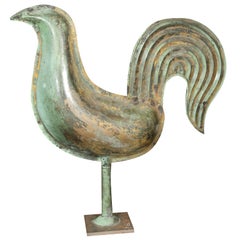
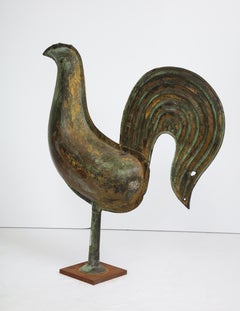
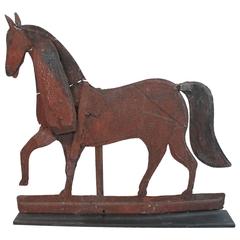
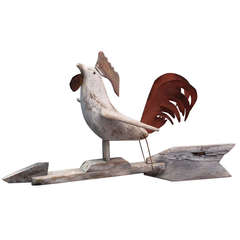
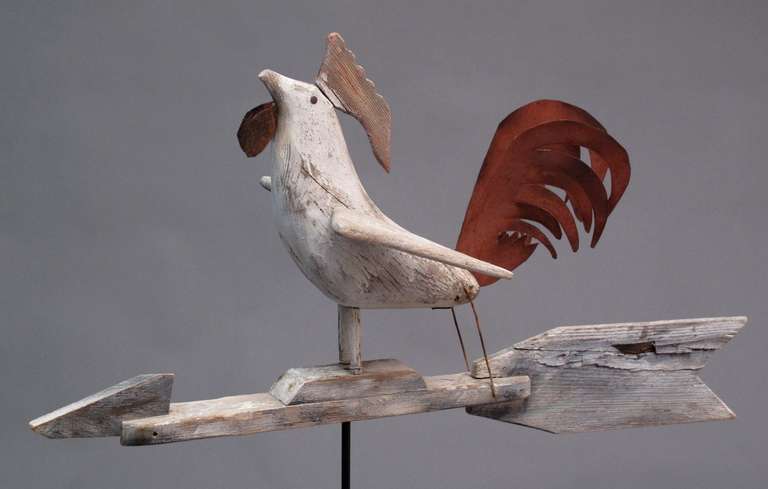
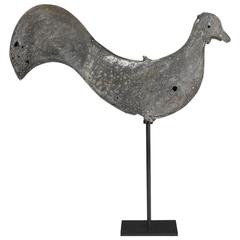
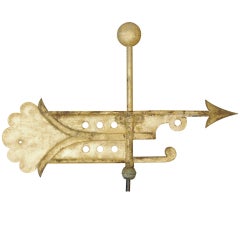
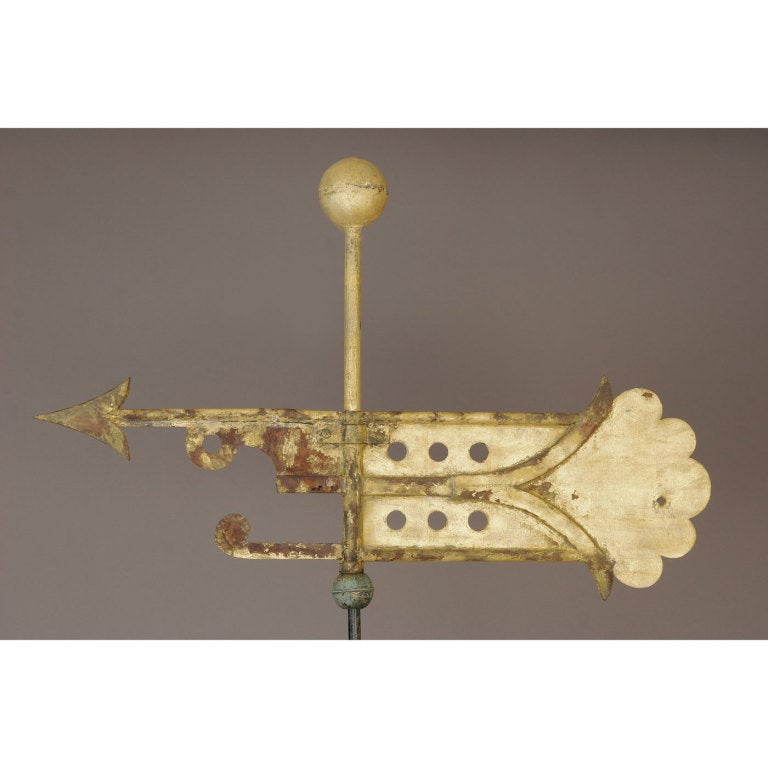
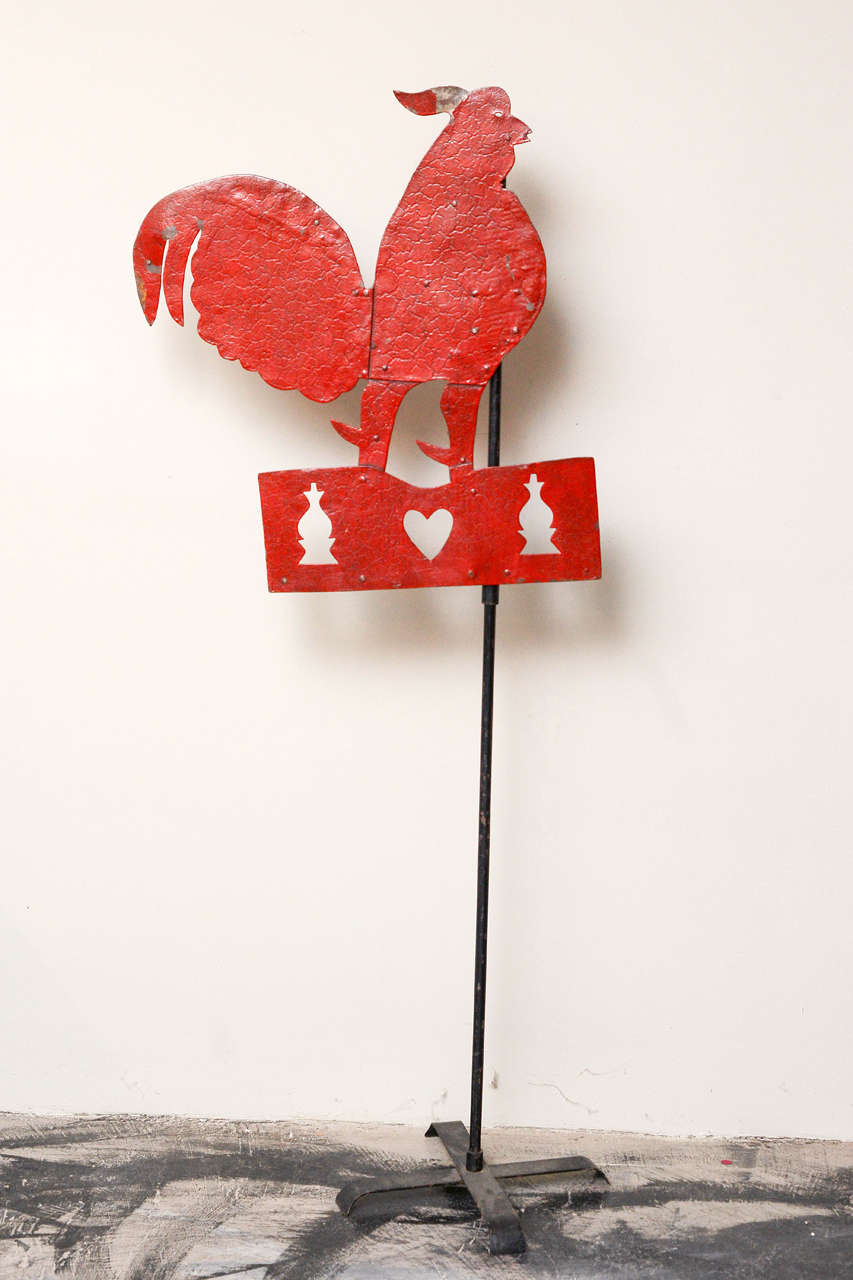
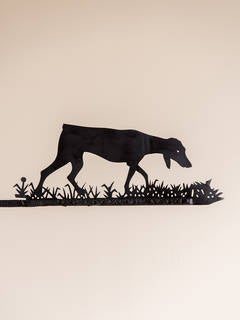
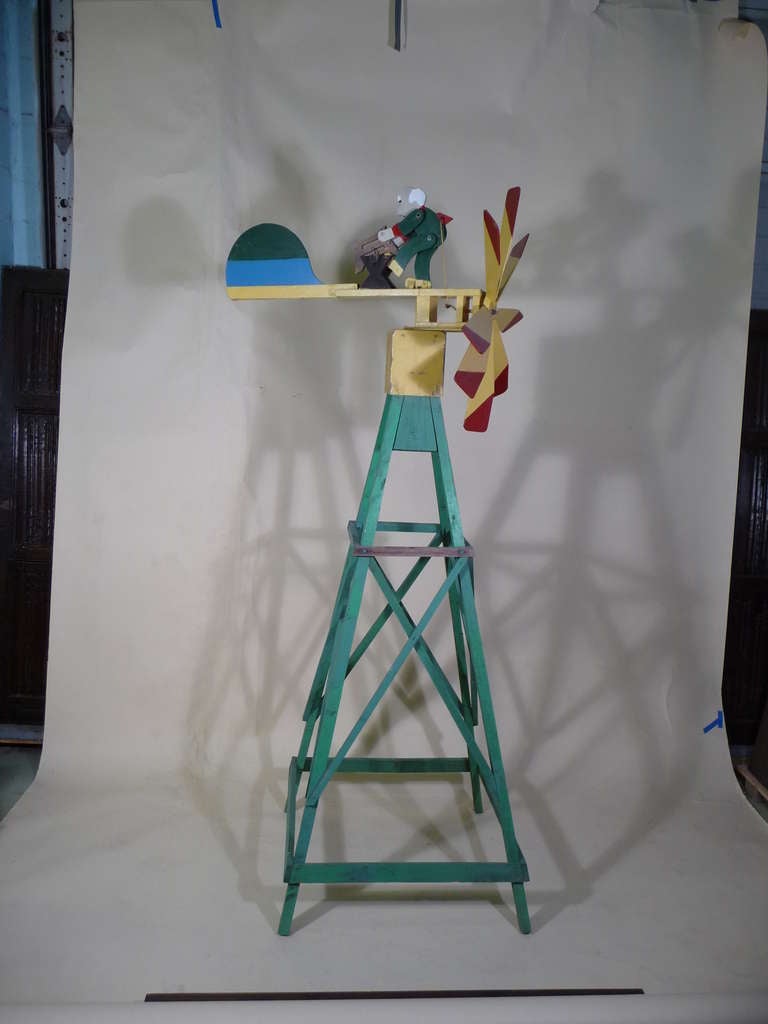
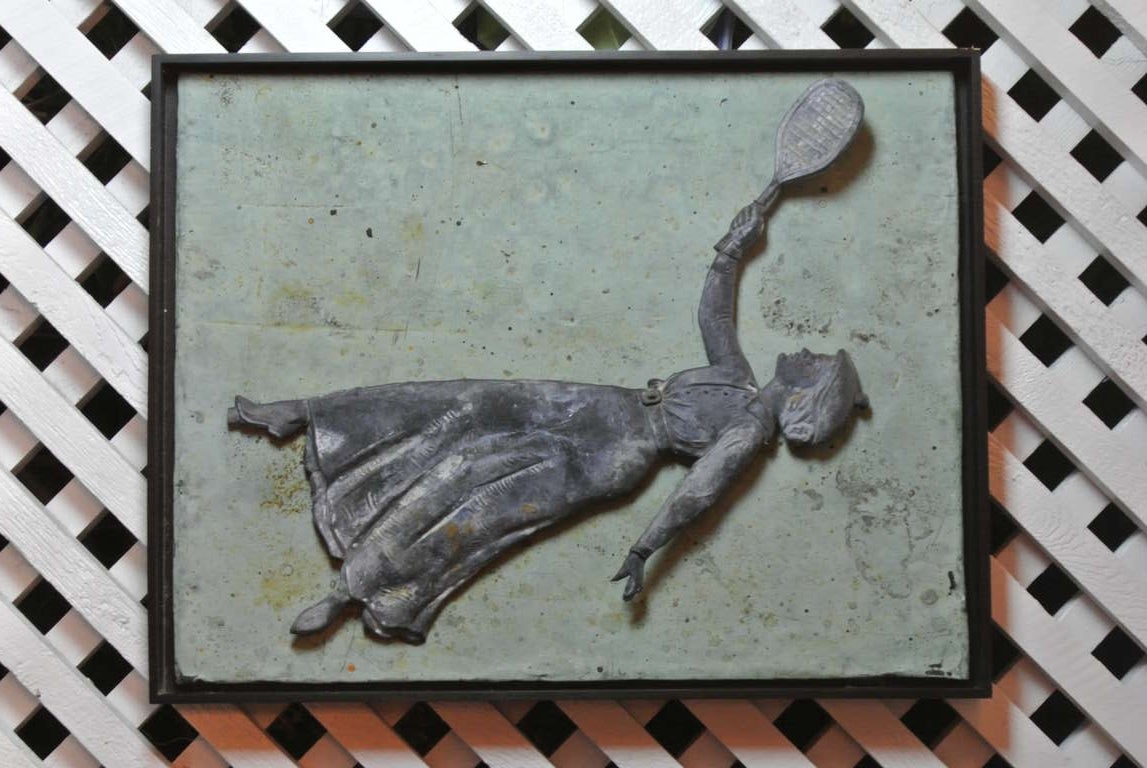
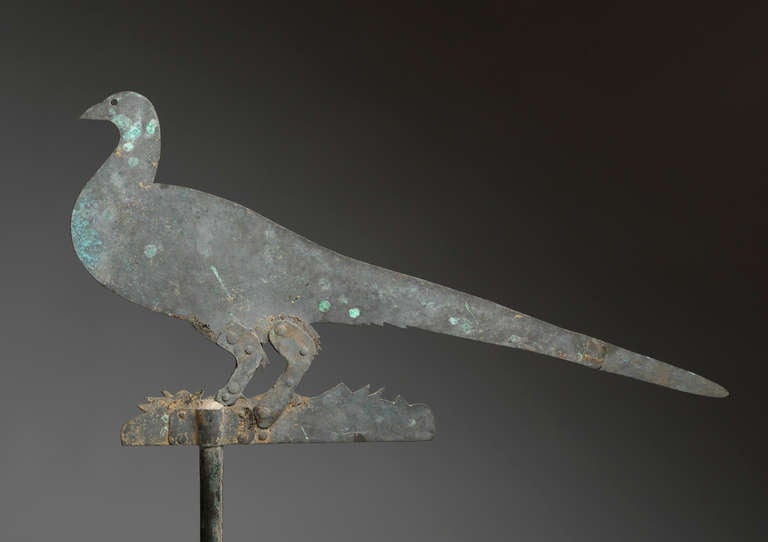
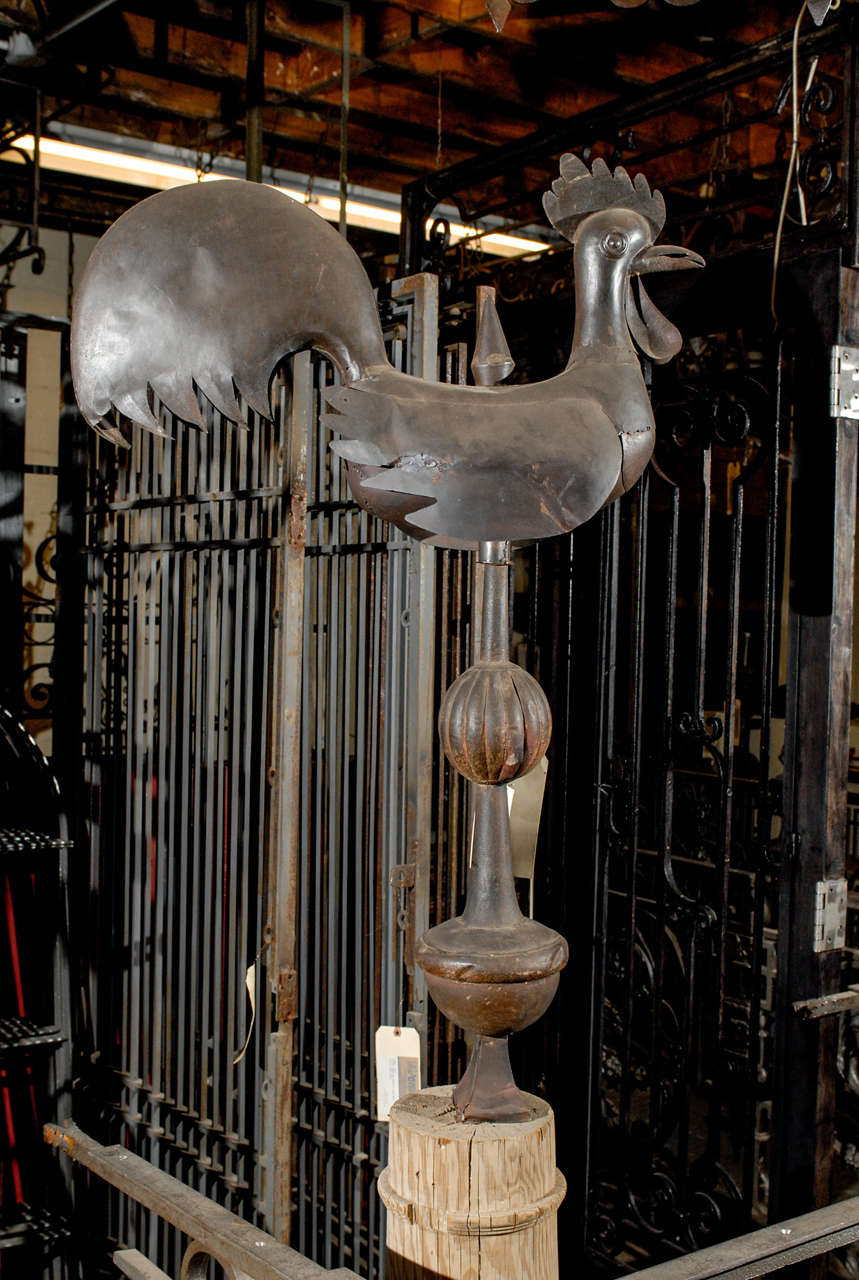
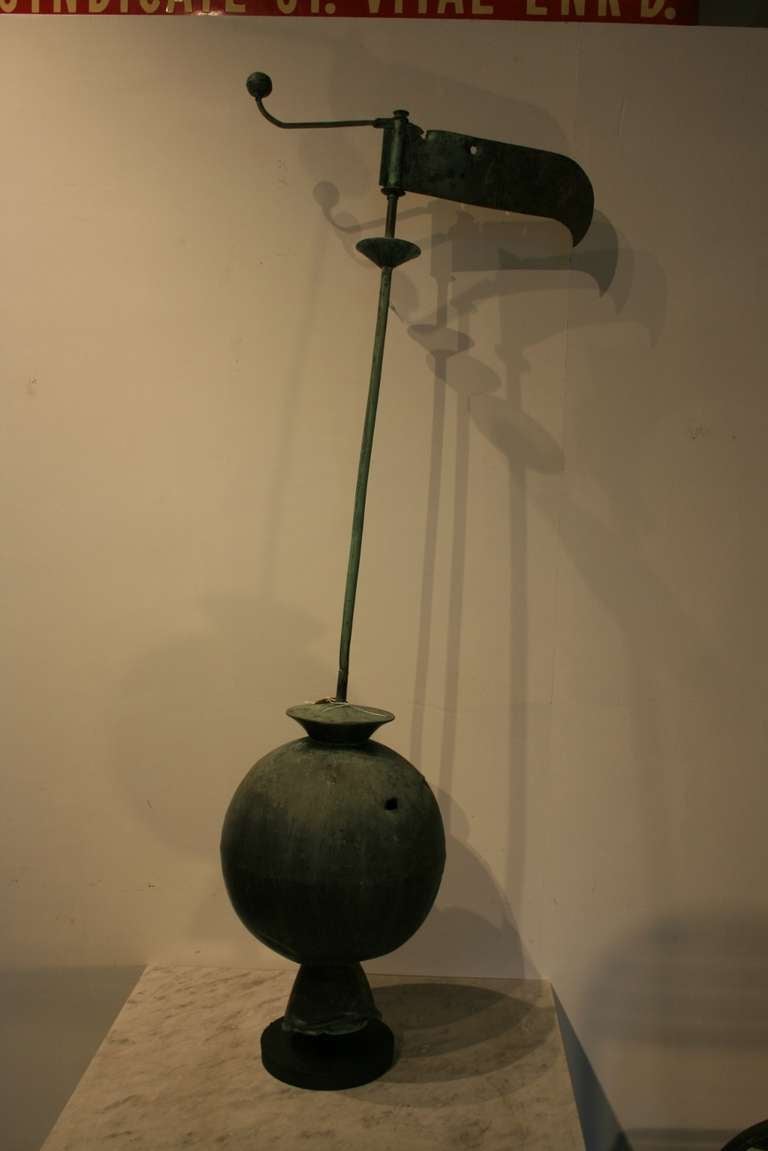
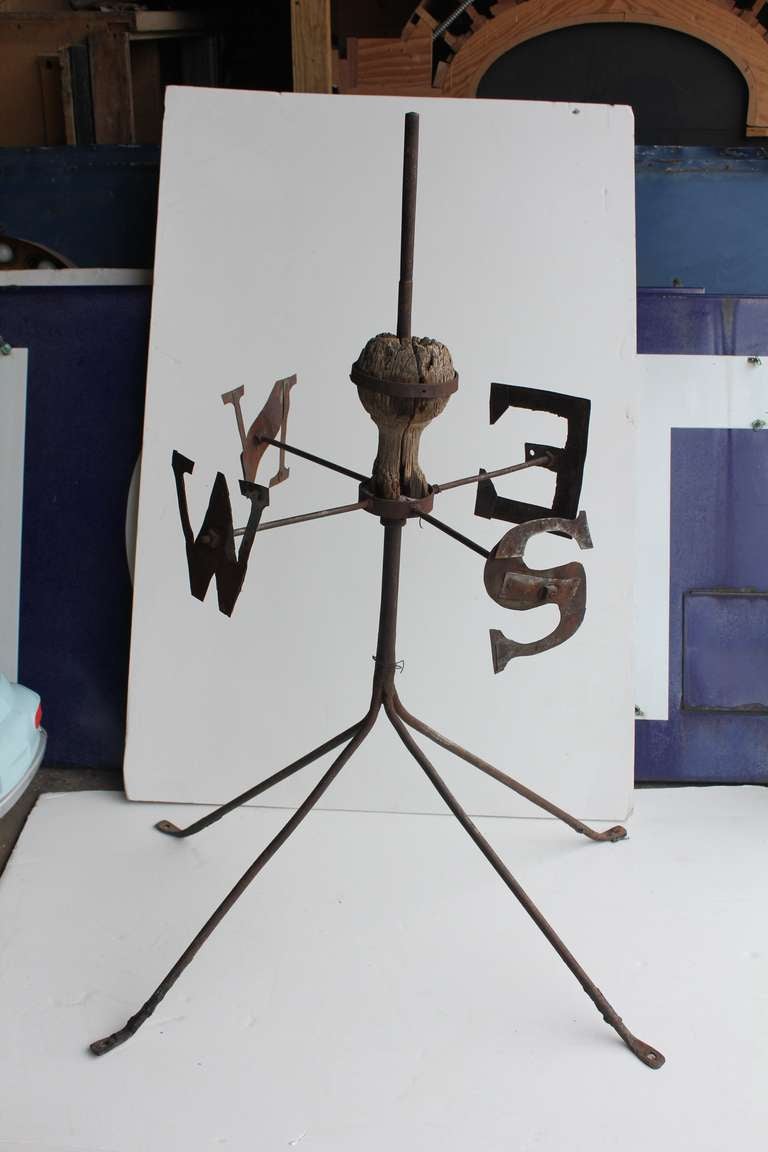
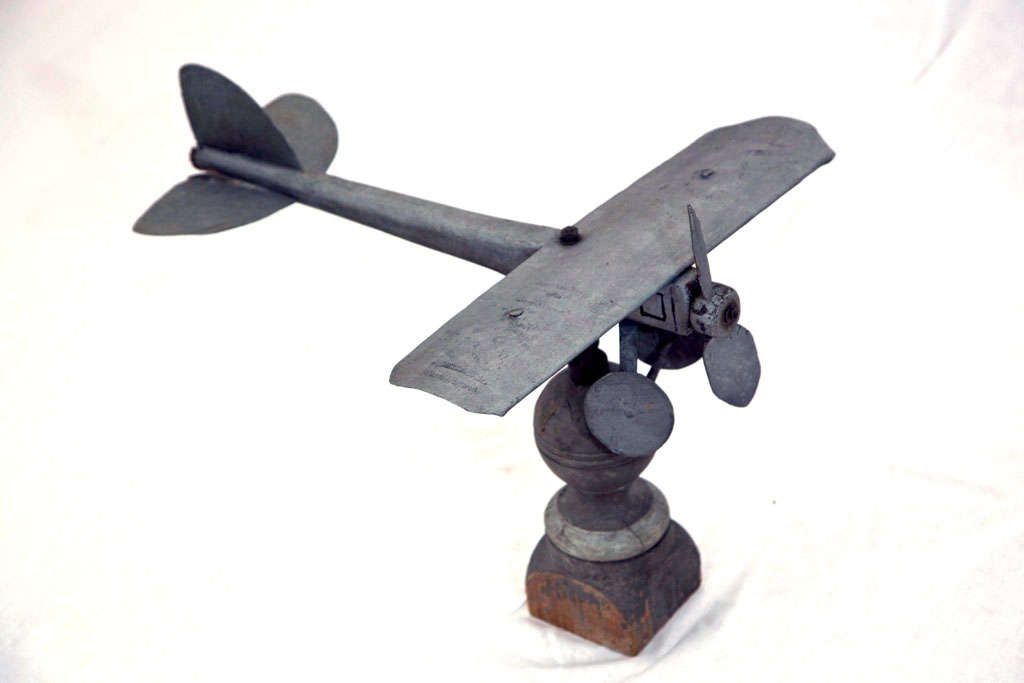
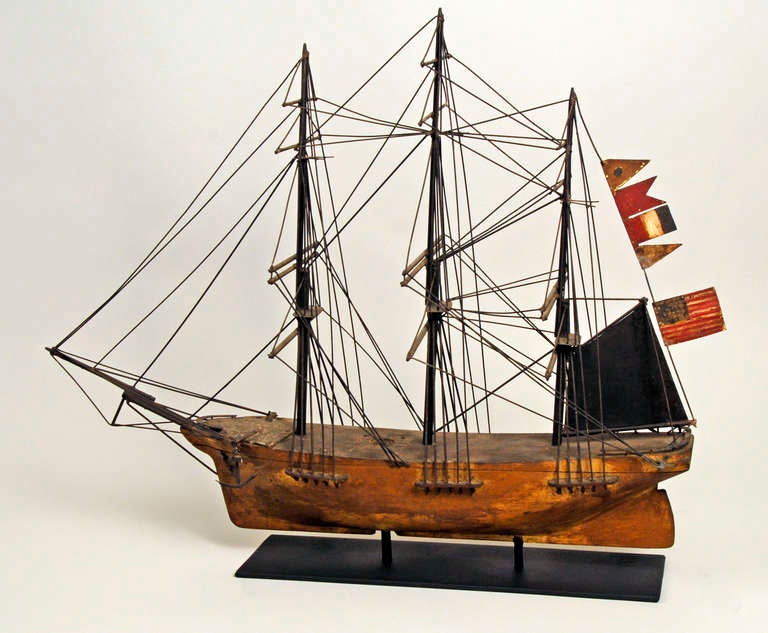
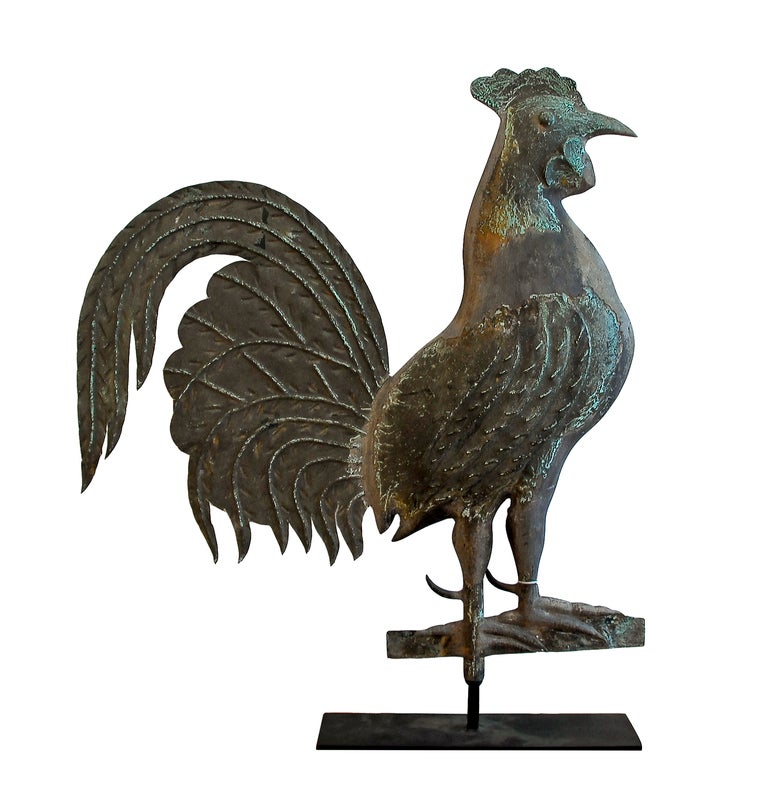
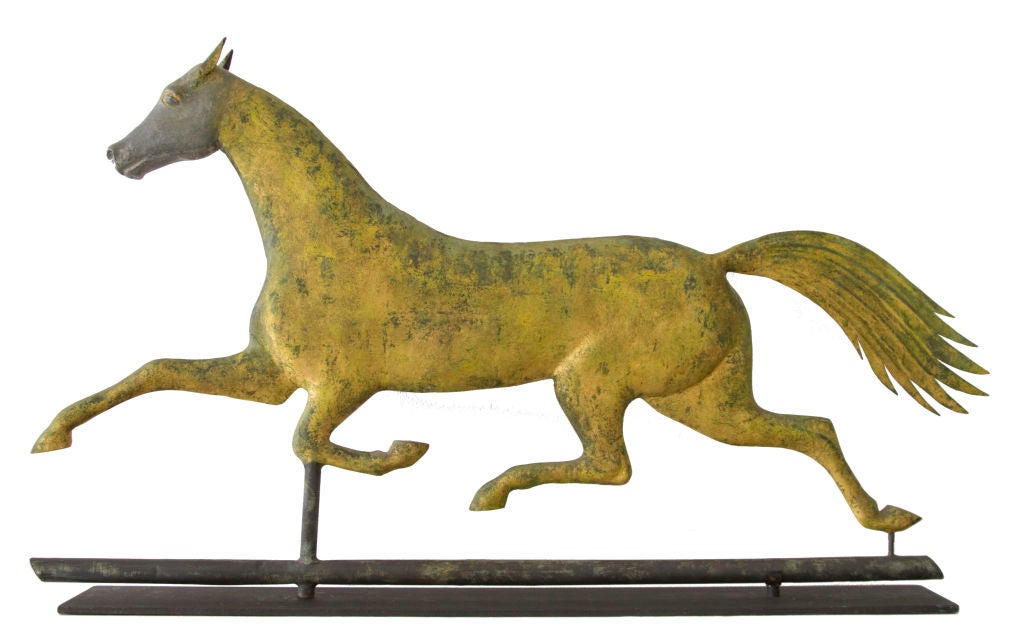
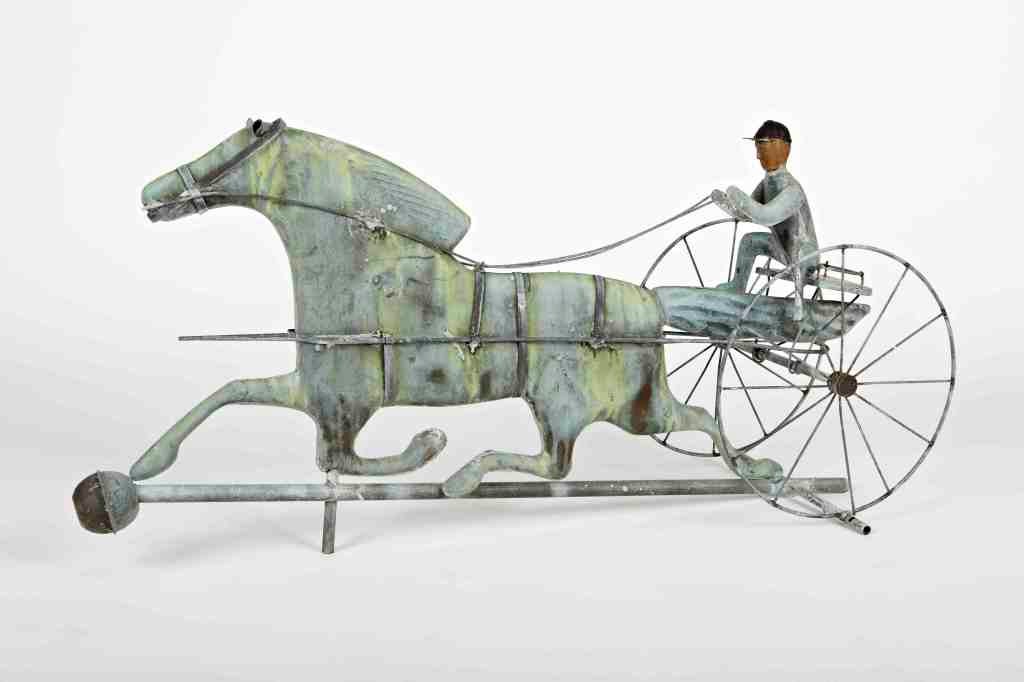
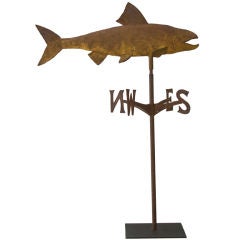
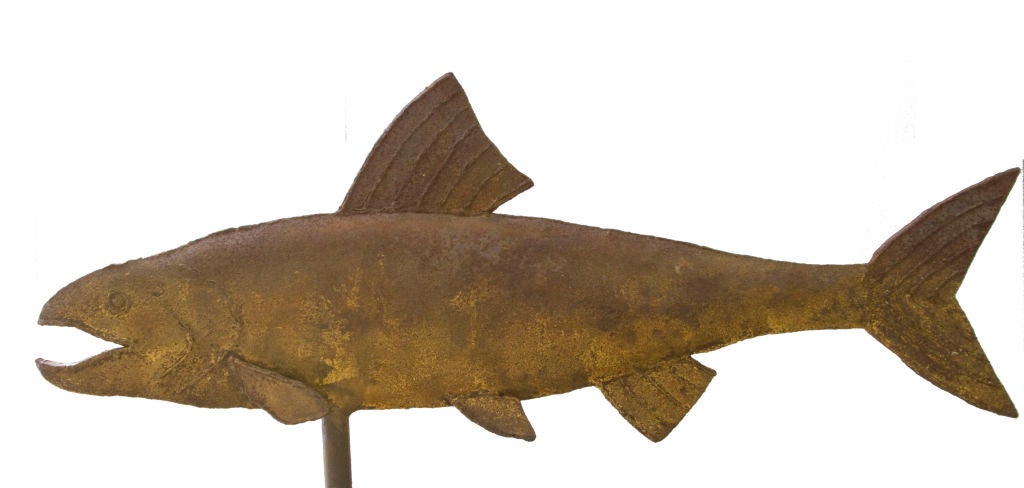
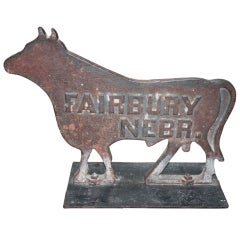
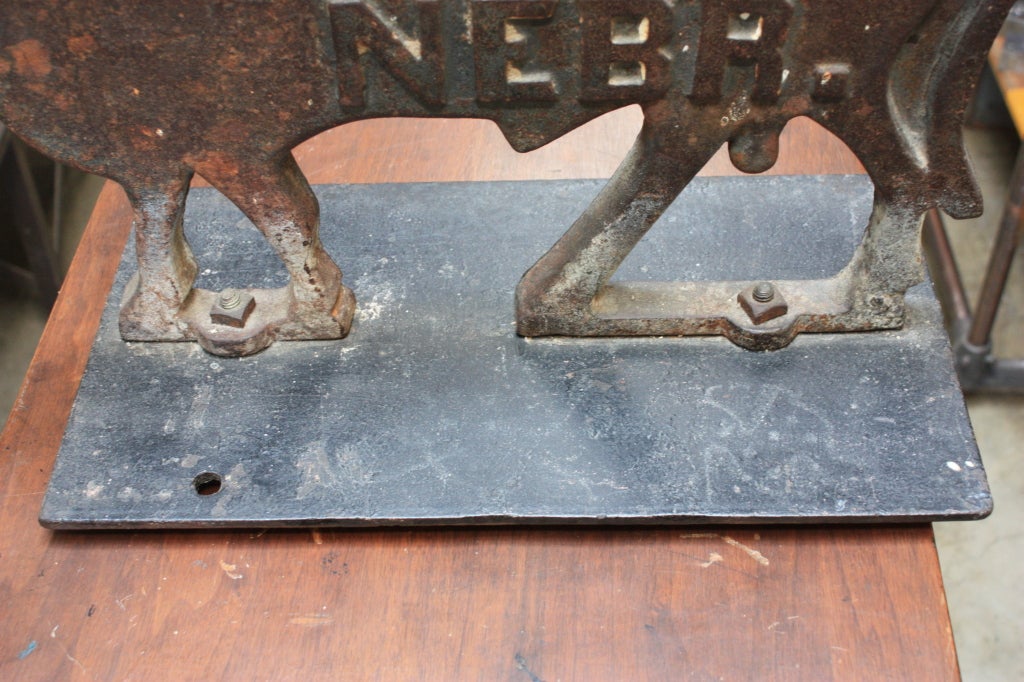
Find a variety of used weathervanes available on 1stDibs. The range of distinct used weathervanes — often made from
metal,
copper and
iron — can elevate any home. Used weathervanes have been made for many years, and versions that date back to the 18th Century alongside those produced as recently as the 21st Century. Used weathervanes bearing
Folk Art or
Neoclassical hallmarks are very popular at 1stDibs.
J.W. Fiske & Company,
Native American Art and
Albert Zahn each produced beautiful used weathervanes that are worth considering.
Prices for used weathervanes can differ depending upon size, time period and other attributes — at 1stDibs, used weathervanes begin at $130 and can go as high as $185,000, while the average can fetch as much as $2,822.
Whether it’s mounted on a mantel or hung flat against a wall in the living room or entryway, antique and vintage weathervanes can prove a striking decorative touch in your home.
Weathervanes are instruments that indicate wind direction. They are also referred to as wind vanes, wind gauges or weathercocks, but regardless of what we call them, most weathervanes will perform in the same way.
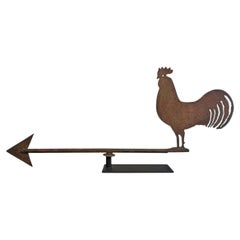
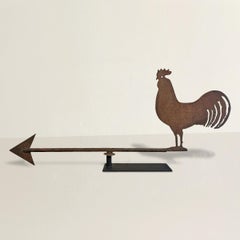
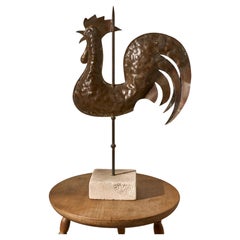
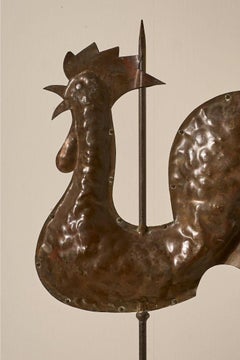
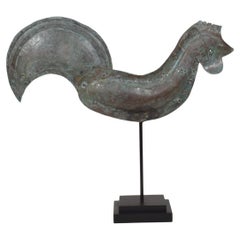
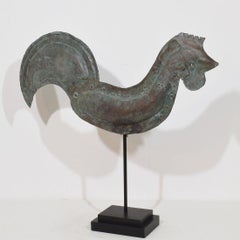
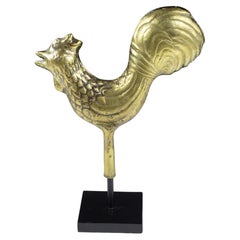
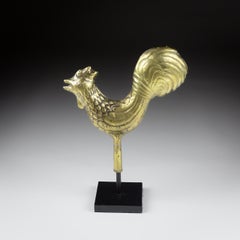
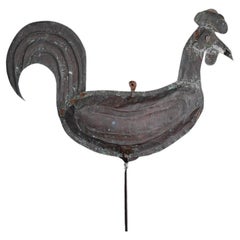
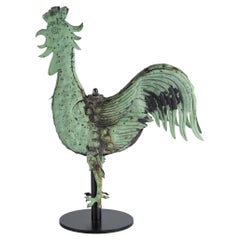
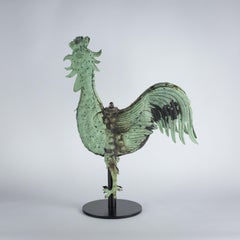
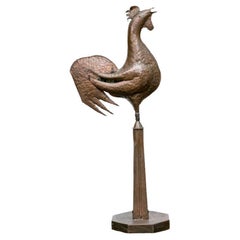
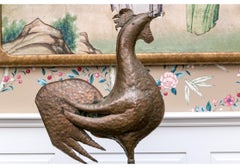
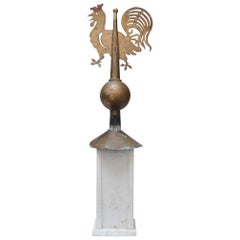
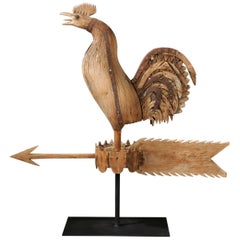
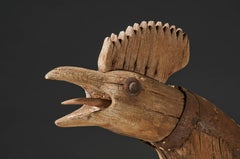
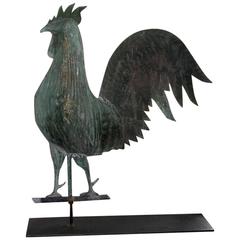
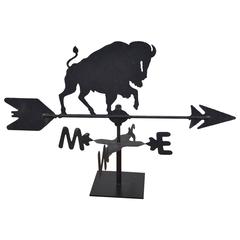
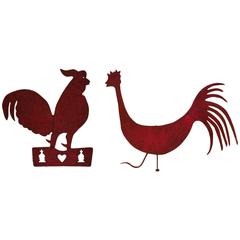
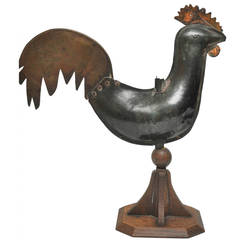
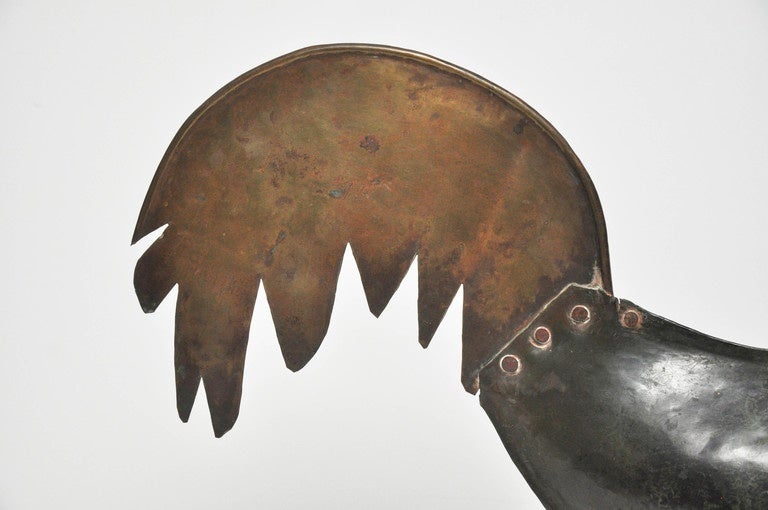
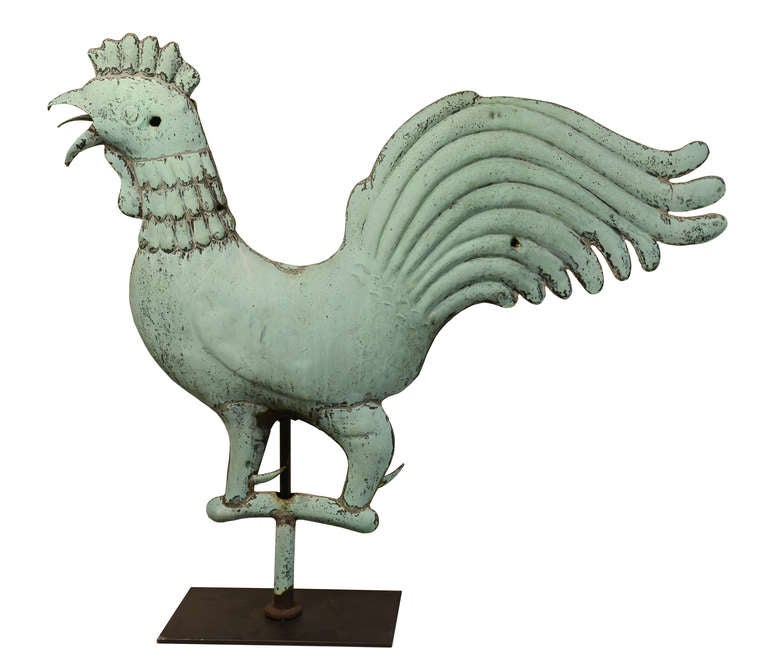
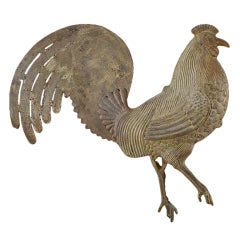
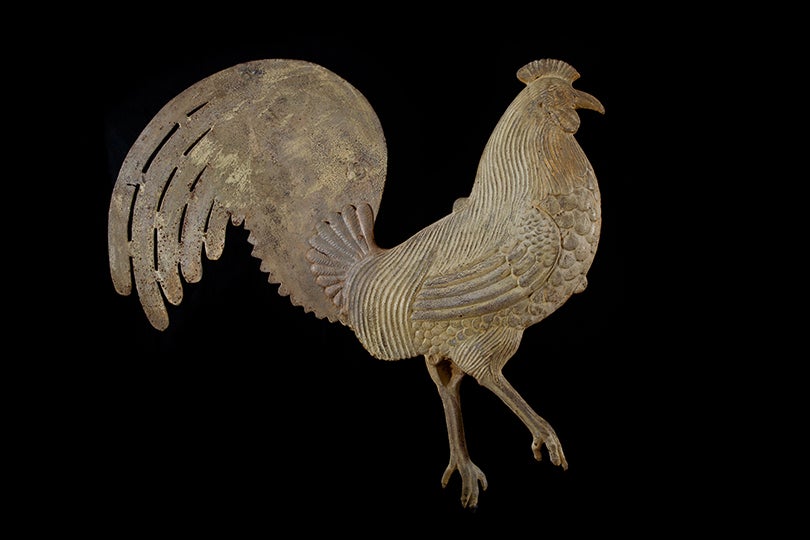
Weathervanes typically consist of a gravity-centered rotating horizontal arrow or other structure that is mounted on a stationary vertical axis. When the wind blows, the horizontal piece moves freely, rotating to indicate the wind’s direction as well as its speed. Andronicus, a Greek astronomer, crafted one of the earliest iterations of the weathervane in approximately 48 B.C. His bronze design featured the head and torso of a man but the tail of a fish. Later, weathervanes could be seen atop church steeples and towers throughout Europe. The oldest weathervane is Italian in origin and assumes the silhouette of a rooster. It is a copper weathervane, said to have originated between 820 and 830 A.D. and can be found in the Museo di Santa Giulia in Brescia, Italy.
Today, antique and vintage weathervanes are collectible sculptural works in any interior. They are celebrated for their place in the rich tradition of American folk art as well as their technological innovation.
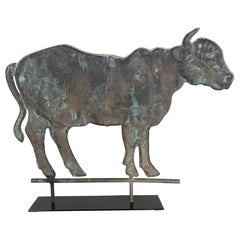
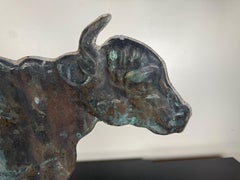
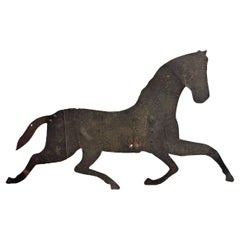
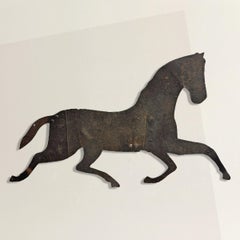
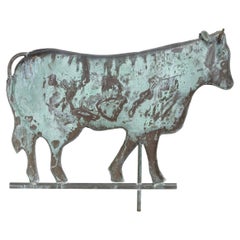
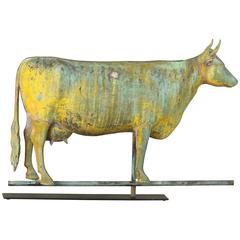
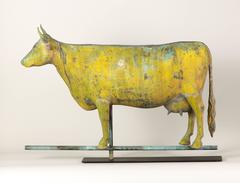
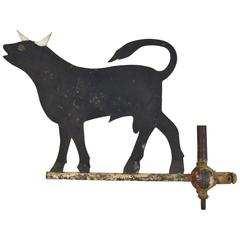
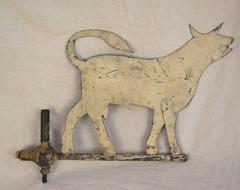
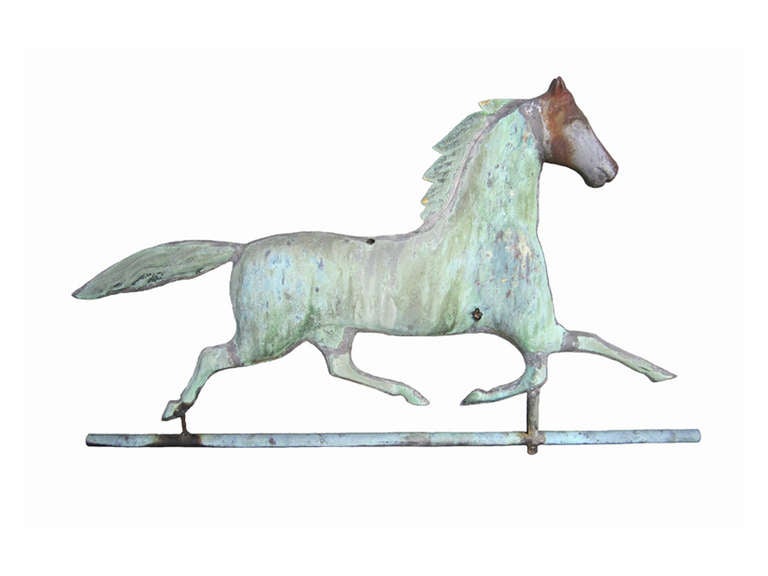
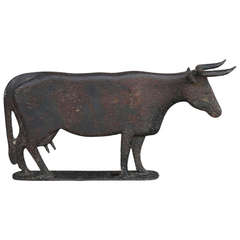
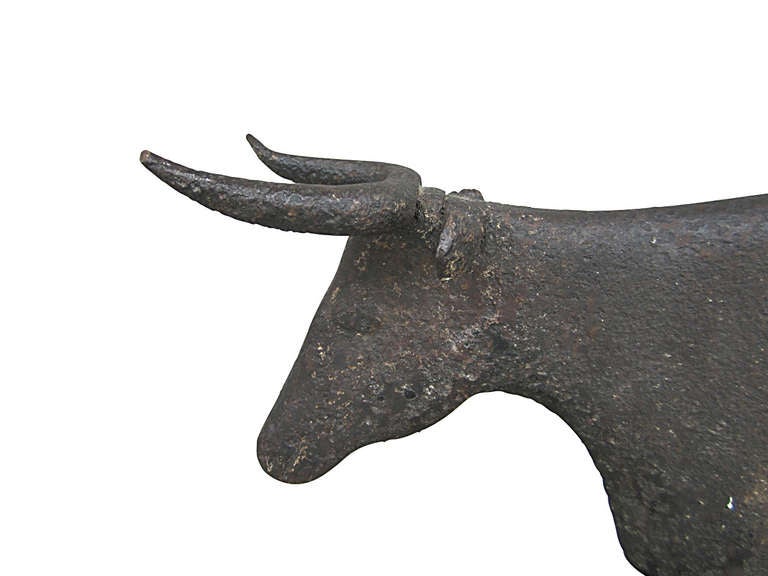
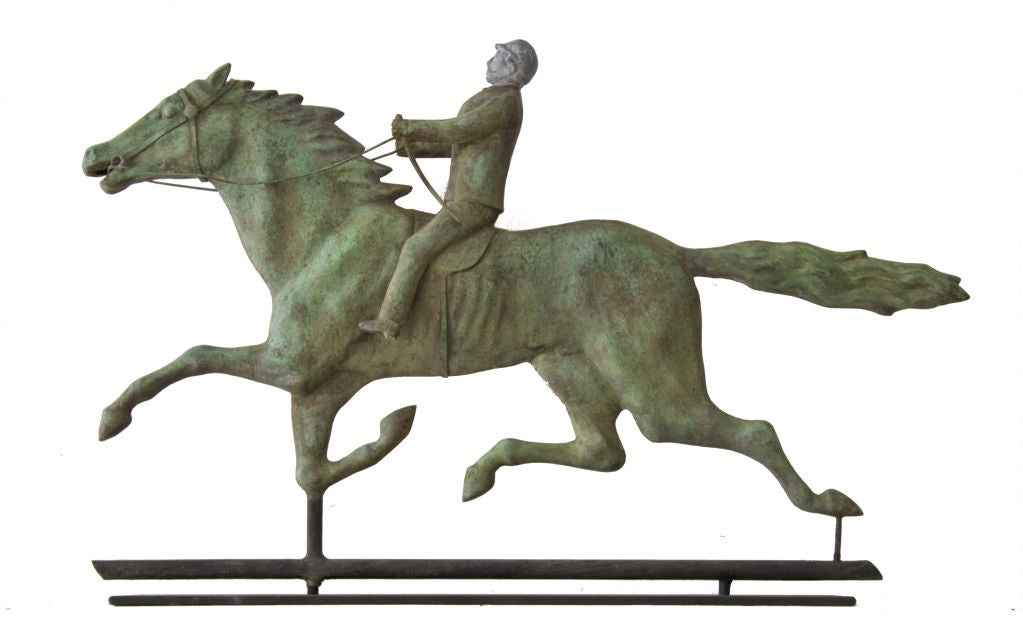
Over the course of the 19th century, as the popularity of and demand for weathervanes broadened in the United States, blacksmiths, farmers and other tradesmen created weathervanes in the forms of cows, horses and other animals for barns in rural farmland. Commercial manufacturers in major cities took to producing all manner of weathervanes that were marketed in mail-order catalogs of the era.
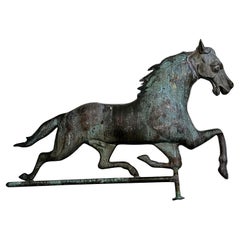
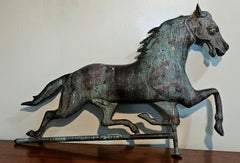
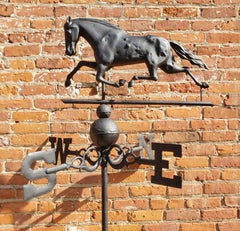
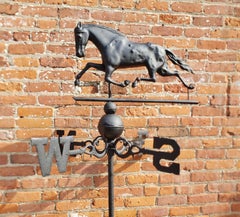
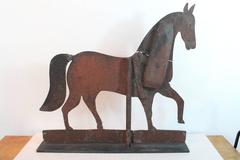
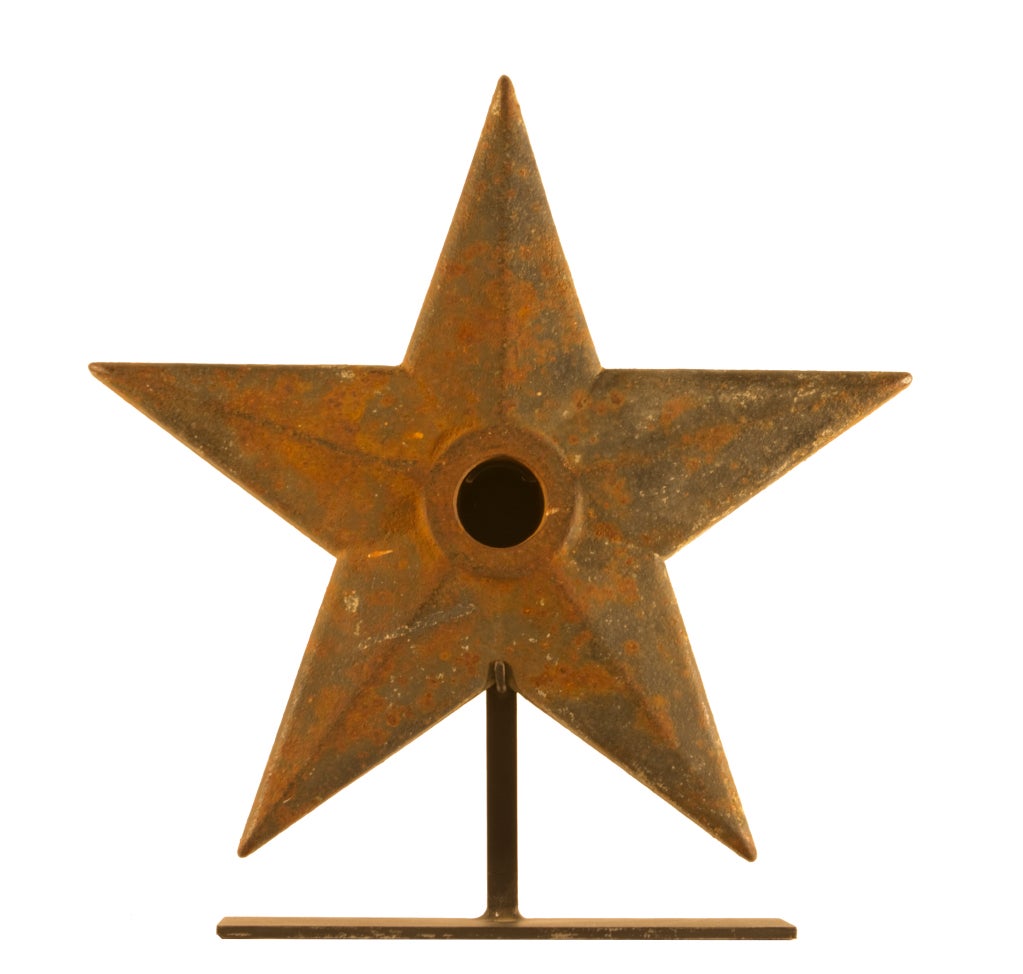
When decorating with weathervanes, if you’ve decided against mounting your cast-iron painted horse weathervane on your mantel to complement your farmhouse-style decor, there are other options. You could repurpose your vintage weathervane as a provocative lighting fixture and hang it above your dining-room table, or dot the walls of your mudroom with weathervanes where they might double as racks for coats or other outerwear. Create a gallery-style hang as a focal point in your living room, grouping weathervanes that share a single theme or material. Because weathervanes have taken on many forms over the years, you’re likely to find a style that best fits your personality.
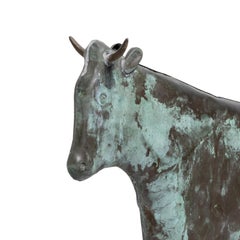
If positioned outdoors, a painted or varnished wood weathervane will resist harsh weather conditions, while copper weathervanes will resist erosion and usually come at an affordable price.
On 1stDibs, find a collection of antique and vintage weathervanes and other folk art today.