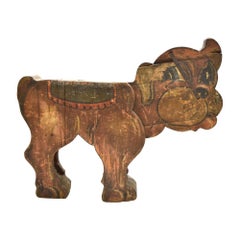
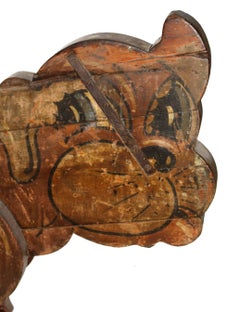
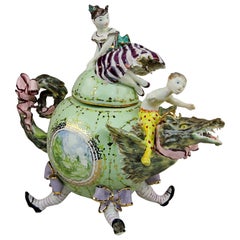
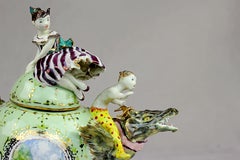
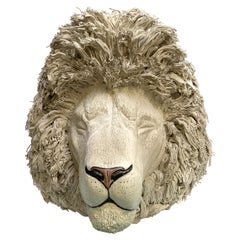
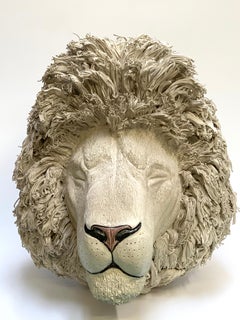
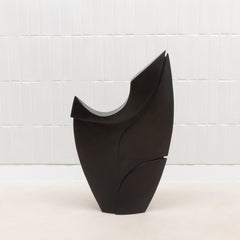
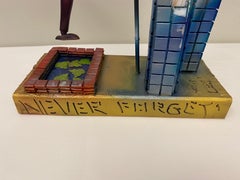
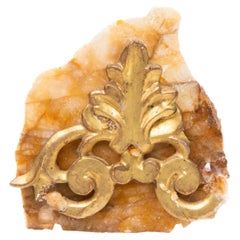
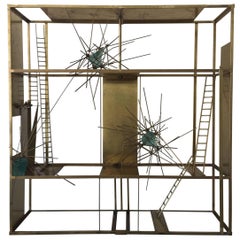
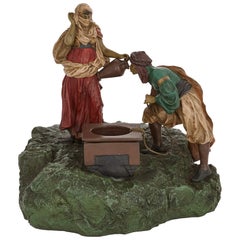
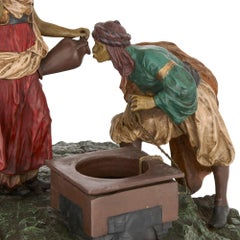
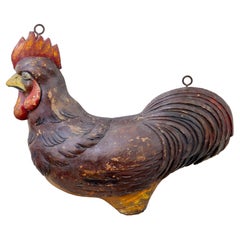
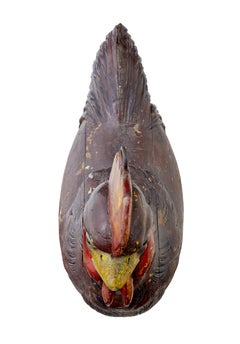
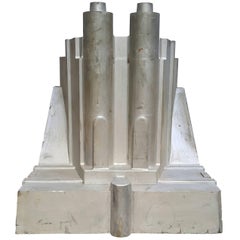
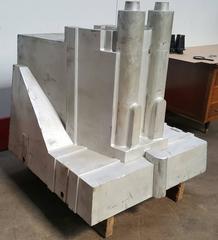
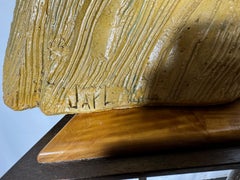
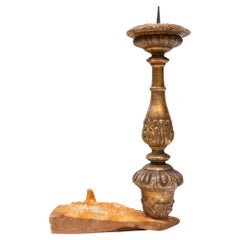
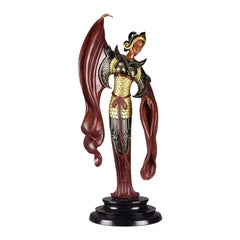
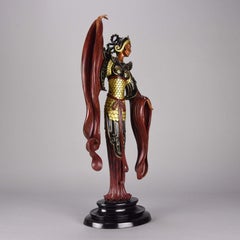
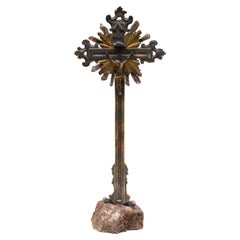
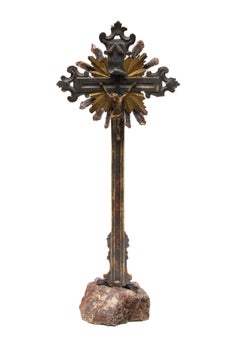
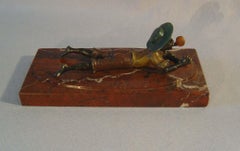
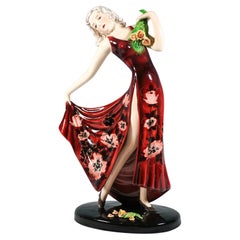
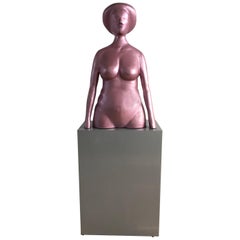
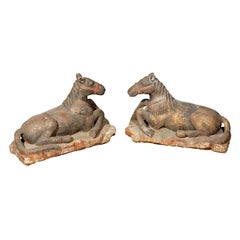
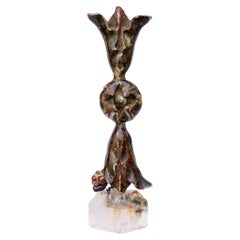
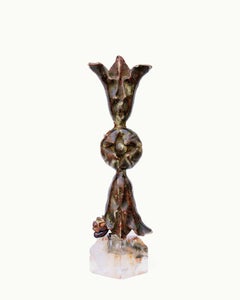
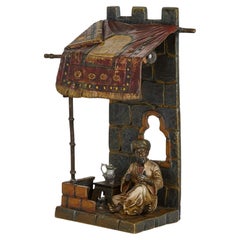
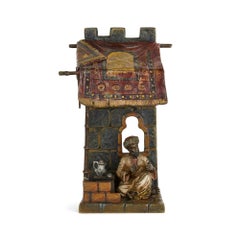
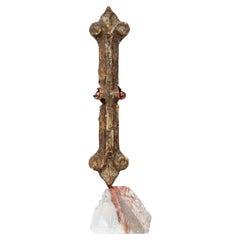
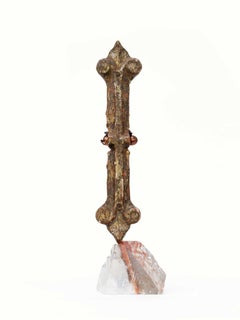
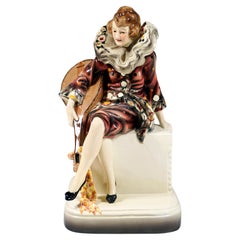
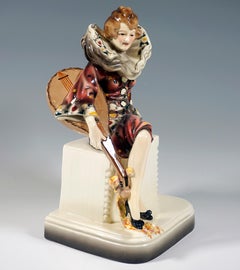
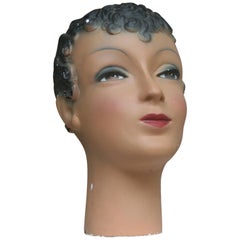
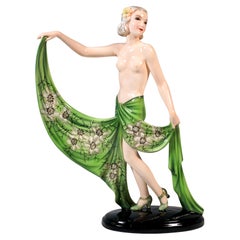
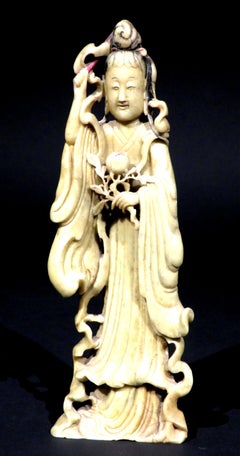
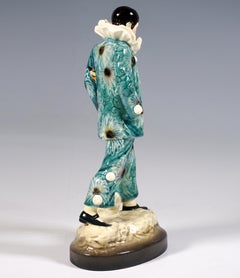
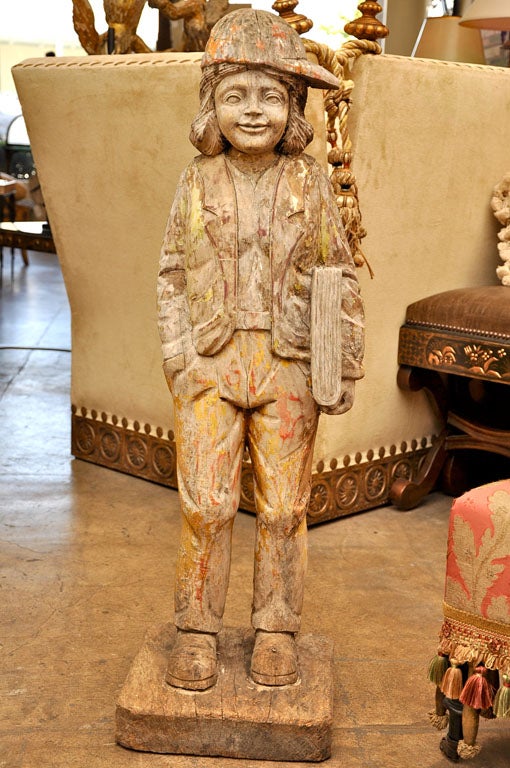
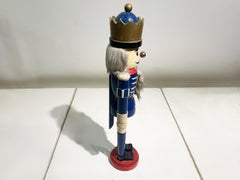
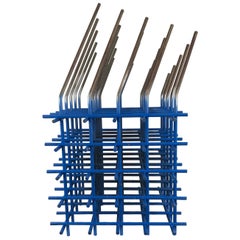
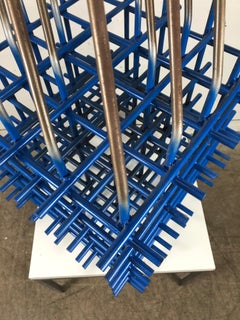
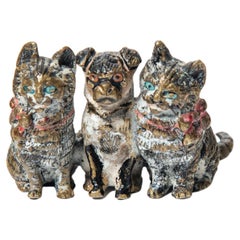
Industrial Foundry Form, factory casting, beautiful silver zinc original paint, wonderful patina, whimsical, fantasy Art Deco design,'Emaerald City' Very sculptural, see other listings for additional Foundry molds.
Foundry molds and patterns are wooden tools, carved out or built up to create negative space, which in turn is used to make the inverse form or shape to be used for the casting of metal. To make a wooden mold, wood needs to be stacked up, like a relief, or cut-out, like a sunken relief, with handles or other pieces to grab and pick up the mold from the molding material. Individual pattern pieces that get packed into the molding material are carved and shaped. The space or forms that these pieces make in the molding material will be the inverse of the final cast piece.
These antique foundry molds...
Category
1930s American Industrial Vintage Painted Sculptures