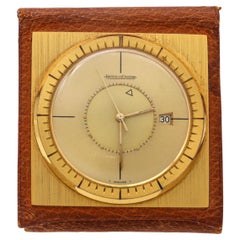
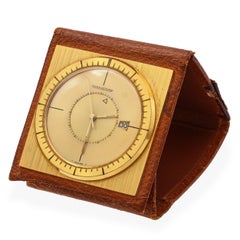
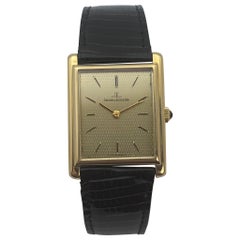
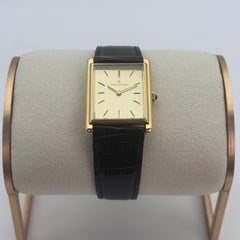
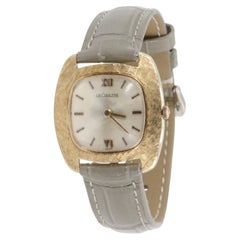
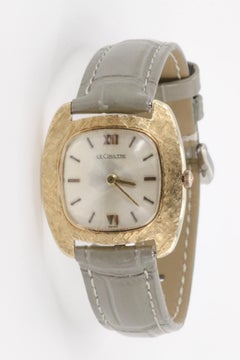
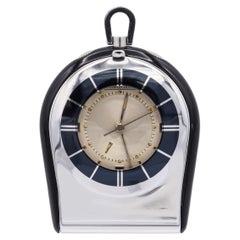
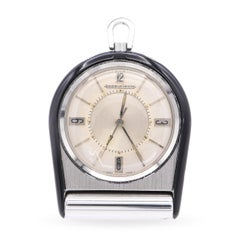
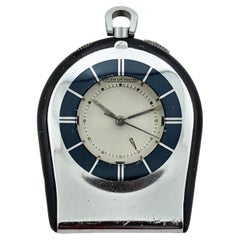
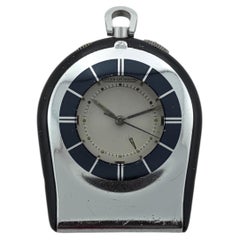
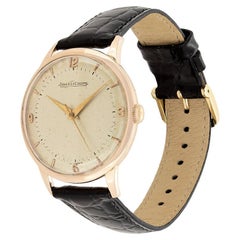
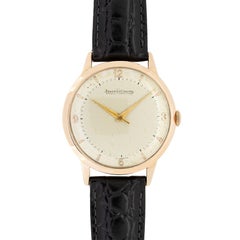
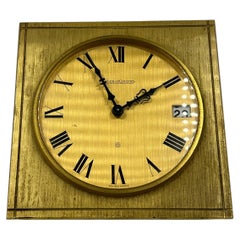
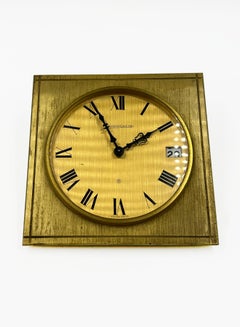
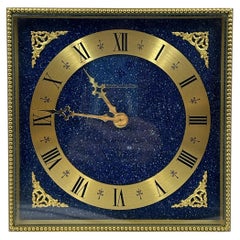
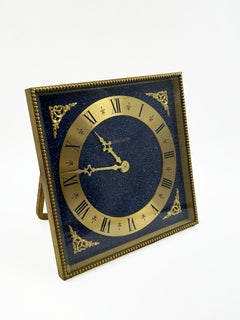
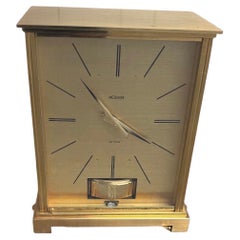
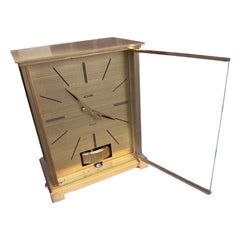
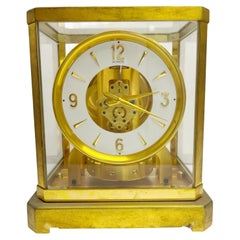
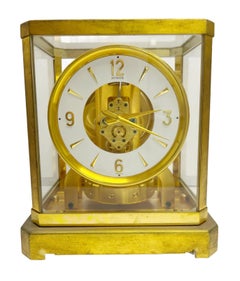
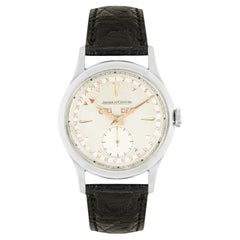
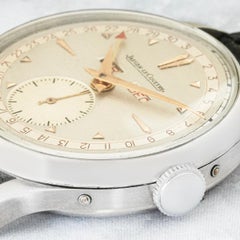
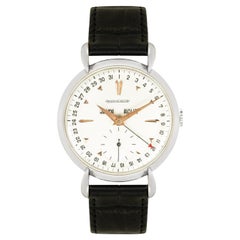
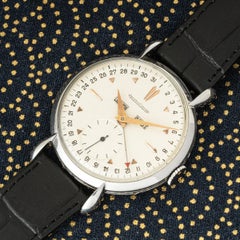
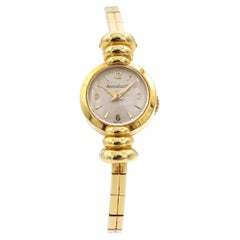
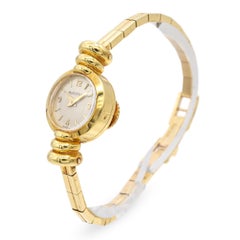
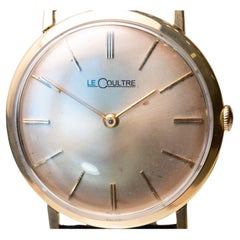
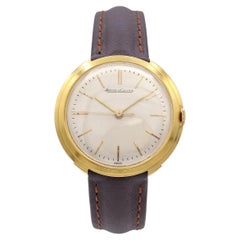
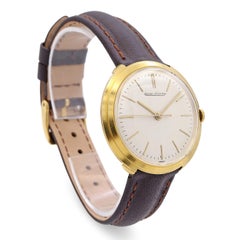
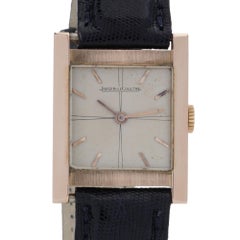
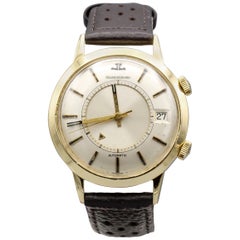
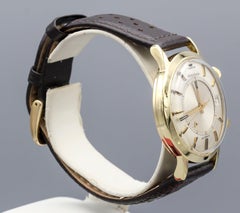
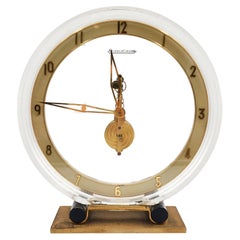
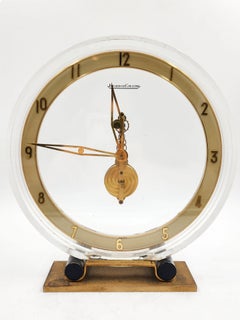
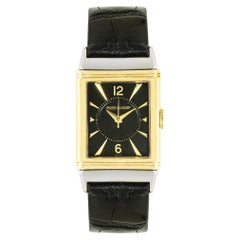
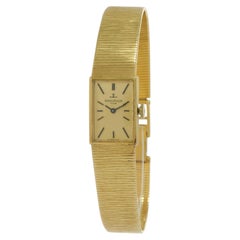
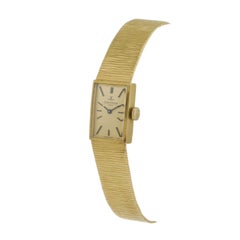
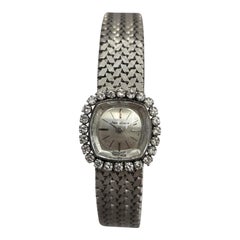
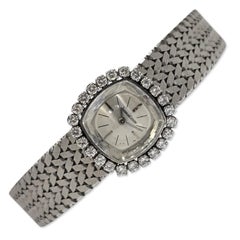
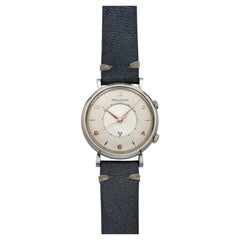
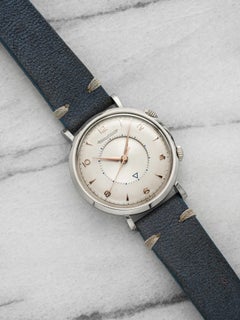
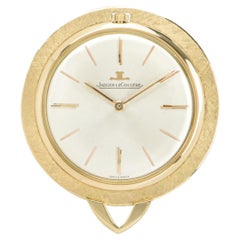
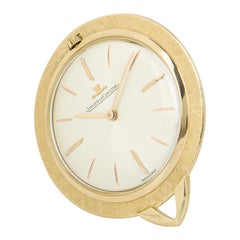
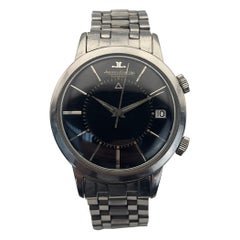
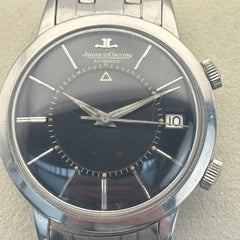
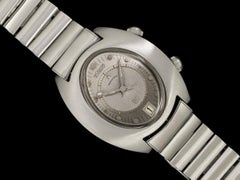
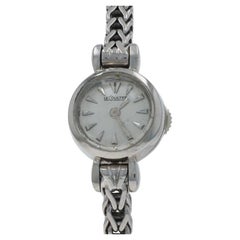
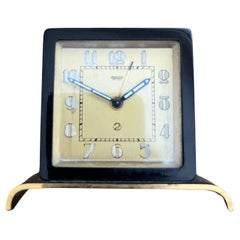
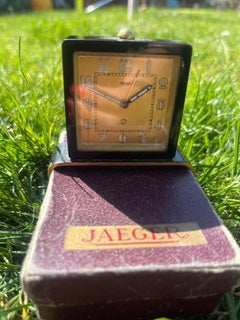
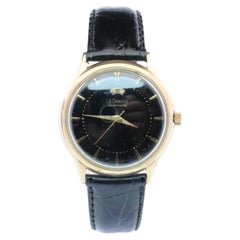
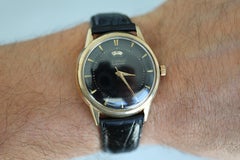
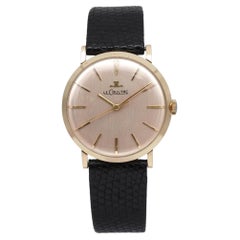
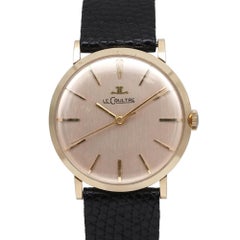
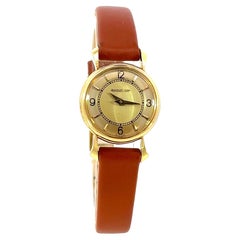
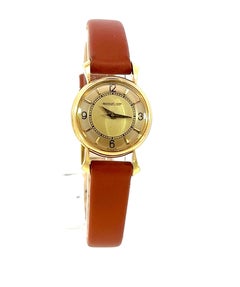
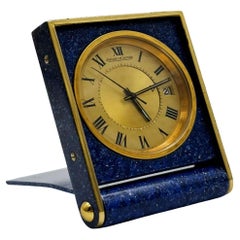
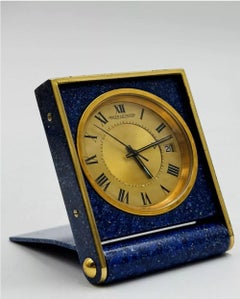
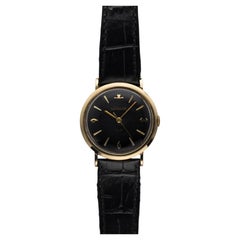
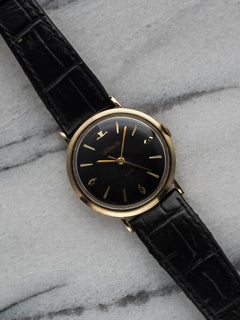
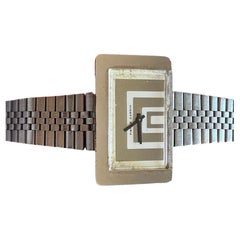
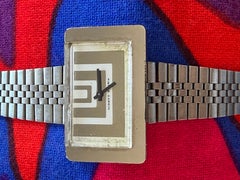
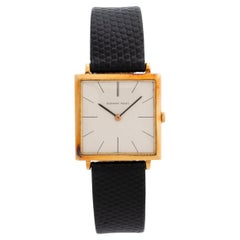
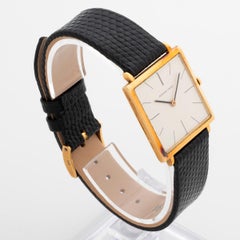
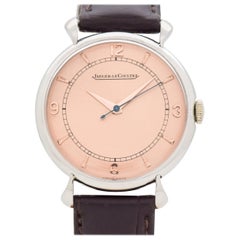
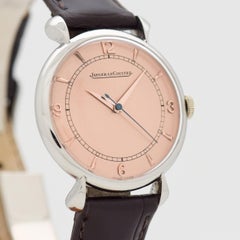
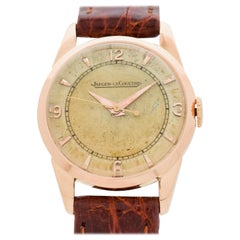
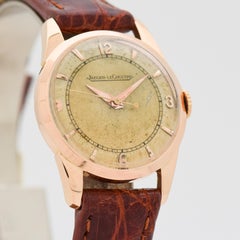
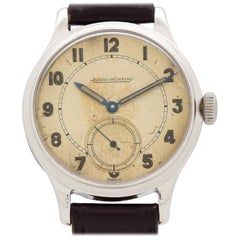
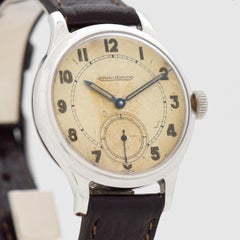
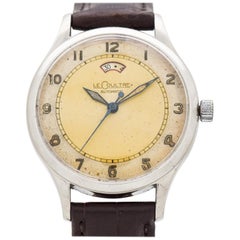
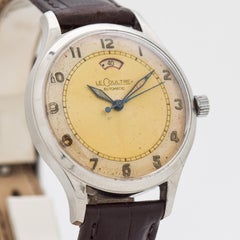
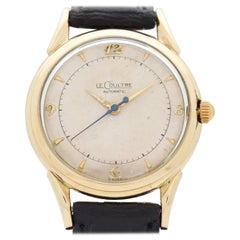
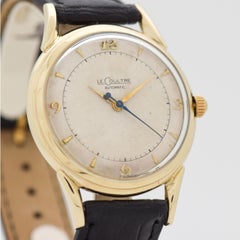
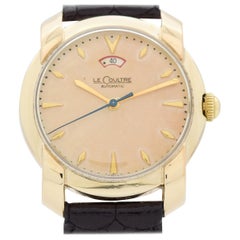
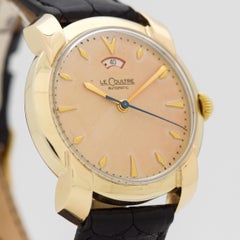
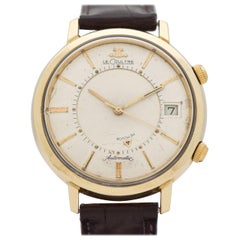
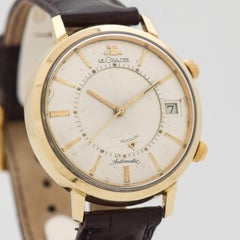
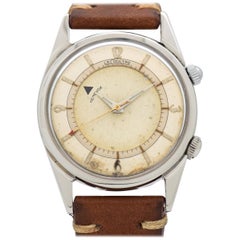
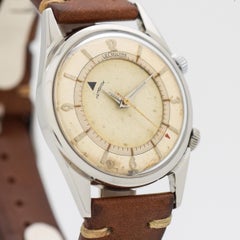
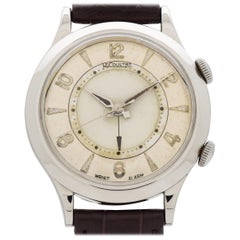
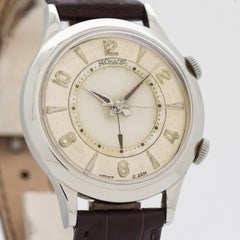
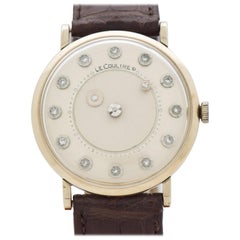
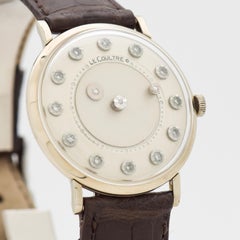
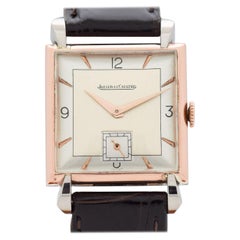
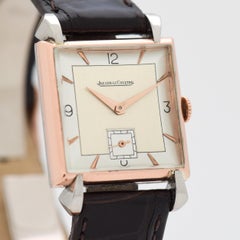
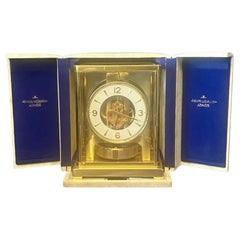
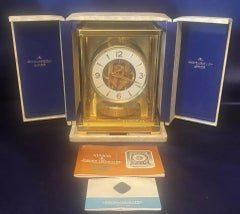
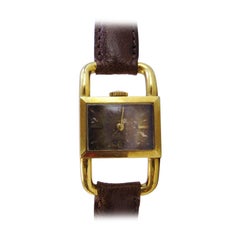
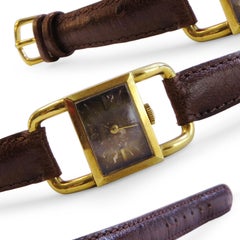
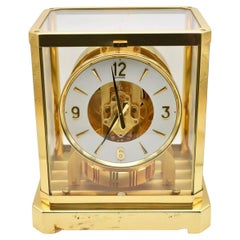
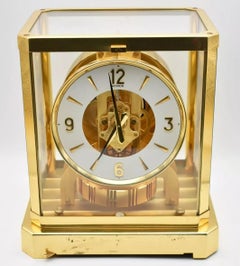
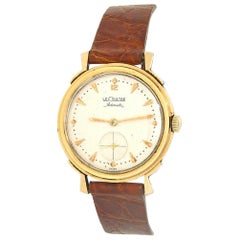
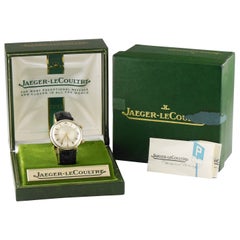
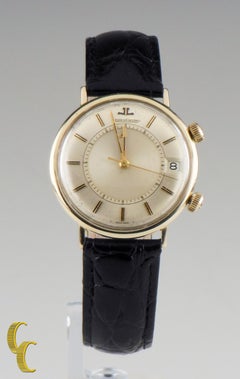
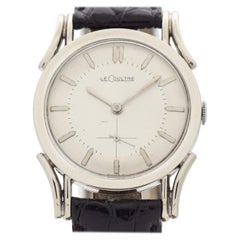
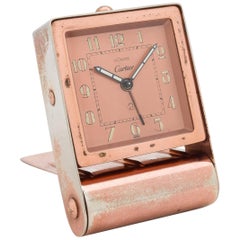
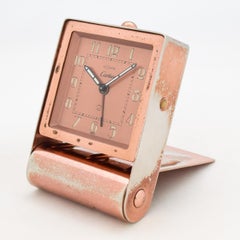
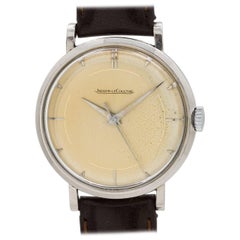
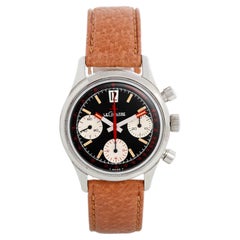
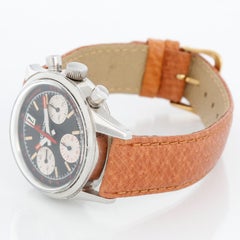
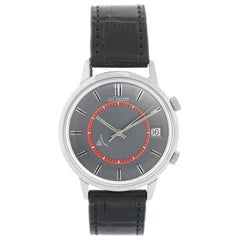
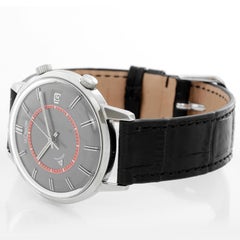
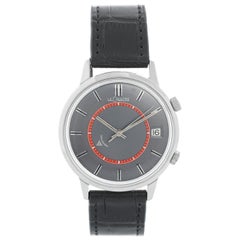
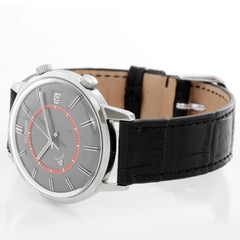
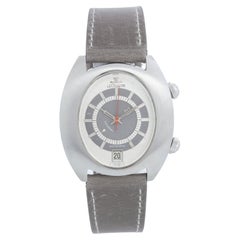
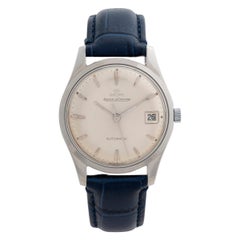
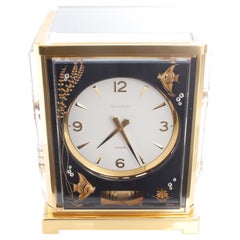
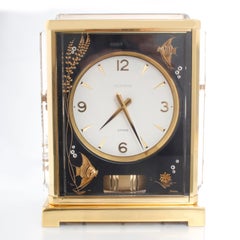
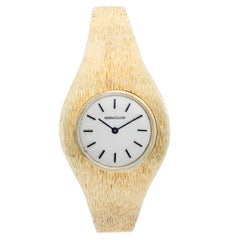
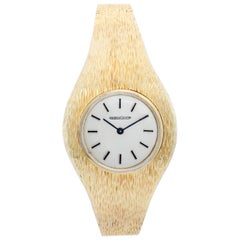
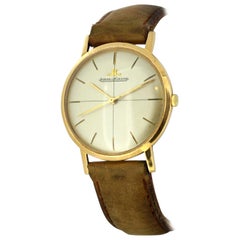
Surely you’ll find the exact vintage jaeger lecoultre you’re seeking on 1stDibs — we’ve got a vast assortment for sale. Frequently made of
Gold,
Stainless Steel and
Yellow Gold, this item was constructed with great care. In our selection of items, you can find a vintage example as well as a contemporary version. Finding the perfect vintage jaeger lecoultre may mean sifting through those created during different time periods — you can find an early version that dates to the 20th Century and a newer variation that were made as recently as the 21st Century. Creating a vintage jaeger lecoultre has been a part of the legacy of many jewelers, but those produced by
Jaeger-LeCoultre,
Cartier and
Hermès are consistently popular. A vintage jaeger lecoultre of any era or style can lend versatility to your look, but a version featuring
Diamond, from our inventory of 4, is particularly popular. Today, if you’re looking for a
marquise cut version of this piece and are unable to find the perfect match, our selection also includes
single cut and
square cut alternatives. Most of our vintage jaeger lecoultre for sale are for
men, but there are 40 pieces available to browse for
women.
The exquisite art of watchmaking is on display in the distinctive designs of Jaeger-LeCoultre. The Swiss manufacturer is celebrated for its striking Art Deco–era antique clocks, while its range of sumptuous luxury watches spans the gamut of modern design, each one a time capsule of its period.
Jaeger-LeCoultre was established in 1833 by watchmaker Antoine LeCoultre in the Vallée de Joux of the Swiss mountains. LeCoultre was also an inventor who, in 1844, created the millionomètre. As the first instrument to measure thousandths of a millimeter with total accuracy, it refined the meticulous watchmaking process. By 1866, LeCoultre's son, Elie LeCoultre, took over the business. He revolutionized watchmaking by bringing all 180 skills involved in the trade into one workshop: LeCoultre & Cie Manufacture.
By 1903, the company had passed to Antoine LeCoultre's grandson, Jacques-David LeCoultre. He created a signature line of ultra-thin watches in partnership with Edmond Jaeger, a French watchmaker who specialized in flat watch cases. In 1907, Louis Cartier signed a contract with Jaeger so that Cartier would have movements for its popular timepieces produced exclusively at LeCoultre in Switzerland. This era saw the debut of Cartier’s Santos as well as its Tank watch.
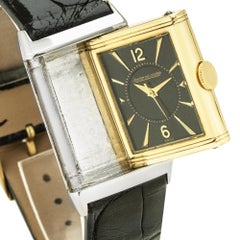
Watchmakers at Jaeger-LeCoultre began to experiment with the Art Deco style that had encompassed the 1920s and the 1930s. At the time, there were many influences that led to the creation of Art Deco jewelry, while the cases of Art Deco clocks featured architectural details and saw an integration of materials such as brass, glass and marble. Iconic Jaeger-LeCoultre designs from this era include the 1928 Atmos clock and the Reverso watch. Stylish and practical, the coveted Reverso watch features a case that you can flip to protect the watch face.
During the 1950s and '60s, Jaeger-LeCoultre watchmakers continued the manufacturer’s tradition of prioritizing practical reliability. In 1958, the company introduced the robust and durable Geophysic watch collection. The Memovox Polaris, an alarm-equipped dive watch one could wear underwater, followed in 1968.
The best-known timepiece in the company's modern collection is the Master Control watch, unveiled in 1992. It symbolizes a return to the thin style and performance-first ethic of classic Jaeger-LeCoultre. In 2018, the watchmaker also launched the Polaris collection. Inspired by the original Memovox, the series features a sporty, elegant and contemporary look.
Find vintage Jaeger-LeCoultre wristwatches and pocket watches on 1stDibs.
Records show that, in Europe, by the 16th century, it was high time for portable clock devices. Right now, perhaps you’re shopping for your own. If so, find a vast range of fashionable and functional antique, vintage and luxury watches on 1stDibs.
While wall-mounted time tellers and grandfather clocks were much more convenient than the sundials of ancient history, watches were becoming crucial for an increasingly connected society whose members learned that the latest advancements in technology meant they could carry devices that kept time to within a minute a day. Tragically, the first pocket watches — albeit an improvement on the accessories that preceded them, which dangled from a chain worn around the neck — didn’t help much as far as accuracy or portability. Focused on style over substance, the upper class frequently carried lavish pieces that ran hours behind.
Eventually, watches migrated from owners’ pockets to their wrists. In the early days of watchmaking, watches were fragile enough that they necessitated protection from the elements. Now, wristwatches made of gold and steel can withstand the harshest climates — even 100 meters underwater, in the case of Rolex’s Submariner. Designer Gérald Genta, whose range of clients included Rolex, created for Audemars Piguet the first luxury sports timepiece to be made from stainless steel. First introduced in 1972, the Royal Oak was a perfect choice for blending the form and function that are now synonymous with sports watches.
Indeed, although exceedingly practical, the watches of today are far from bland. Bulgari’s iconic Serpenti watch was on everyone’s list after the collection’s bold bracelet, which technically debuted after the timepiece, graced the wrist of actress Elizabeth Taylor. If anything, elaborately crafted timepieces — the unmistakably boxy silhouette of Cartier Tank watches, the elegant and minimal Calatrava designed by legendary Swiss house Patek Philippe — are even more effective than the shape we associate with traditional watches. You’ll always know what time it is because you won’t be able to tear your eyes away from your new accessory.
Form watches — the all-encompassing moniker bestowed upon non-round watches — are making headlines and completing contemporary fashionable ensembles the world over. At the same time, both casual fans and careful collectors are drawn to the unbeatable charm of vintage styles, such as the icons designed by Omega that even James Bond can’t resist.
When shopping for a watch, it’s good to keep your needs as well as your specific personal style in mind: A smaller, subtle timepiece is a good fit for small wrists. When will you be wearing your new accessory? There’s a versatile model out there for everyday wear, while a rugged, feature-heavy watch is a safe bet if you’re prone to embarking on all-weather activities in the great outdoors.
Find exactly what you’re looking for in an unparalleled collection of antique, vintage and luxury watches on 1stDibs that includes Cartier watches, Rolex watches, Patek Philippe watches and more — we promise it will be worth your time.