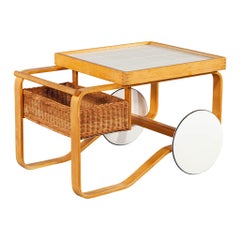
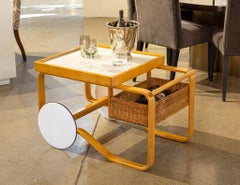
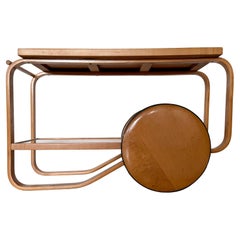
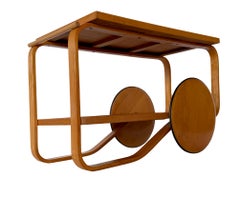
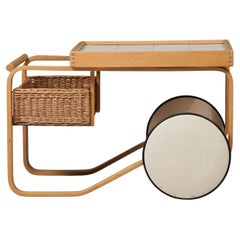
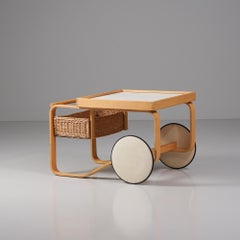
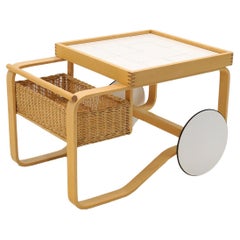
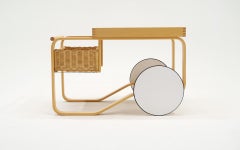
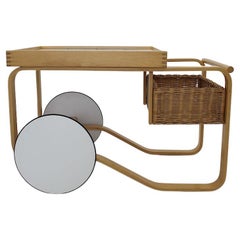
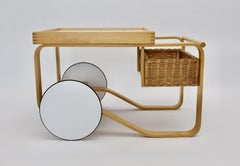
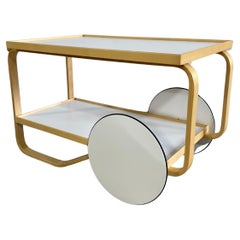
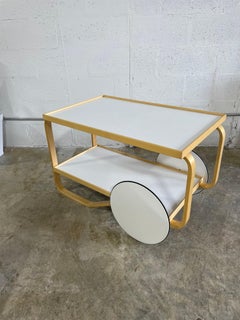
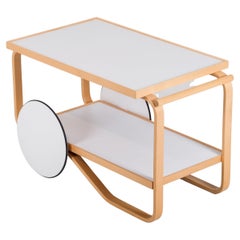
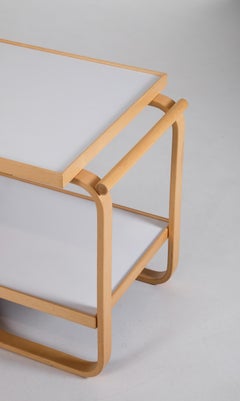
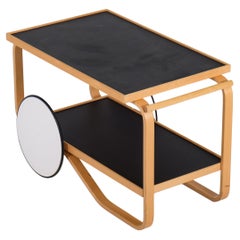
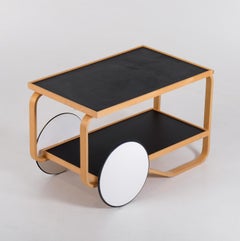
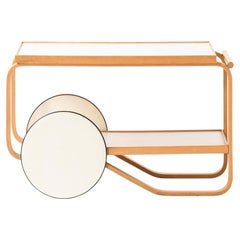
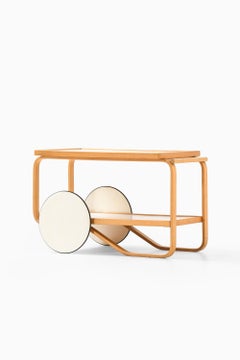
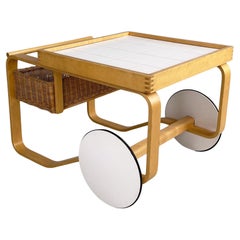
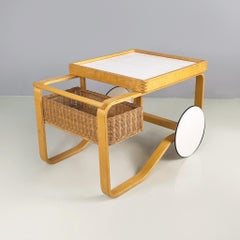
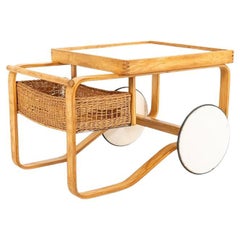
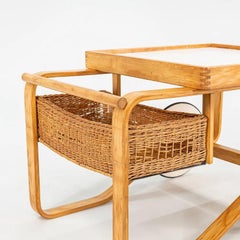
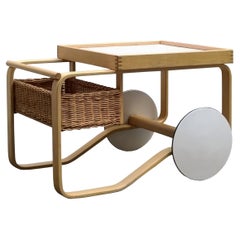
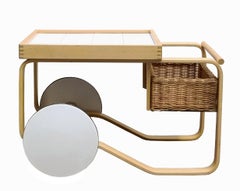
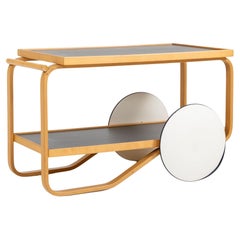
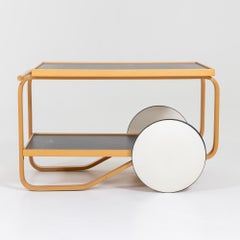
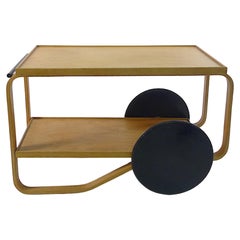
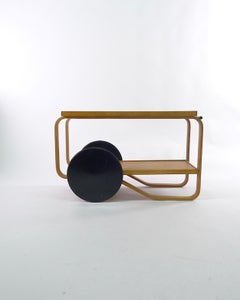
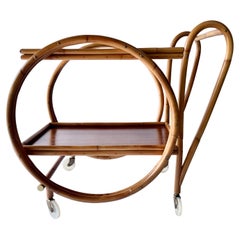
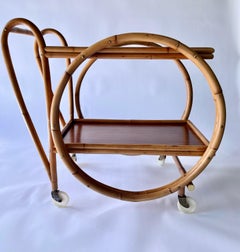
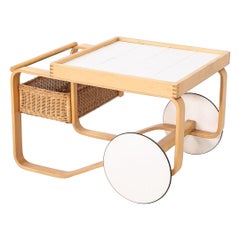
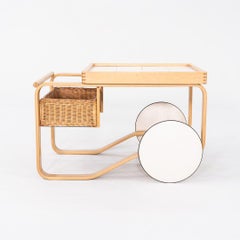
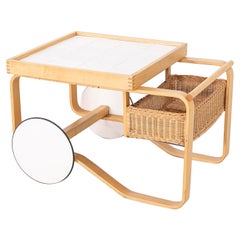
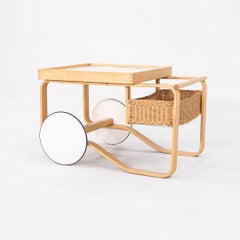
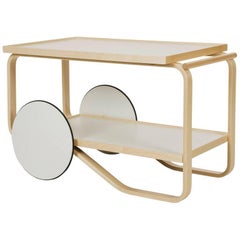
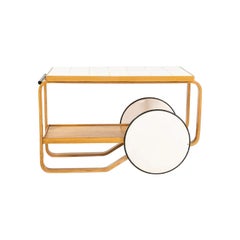
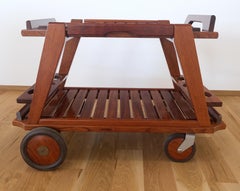
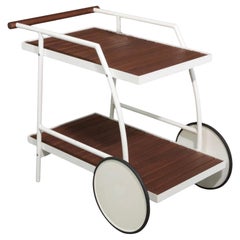
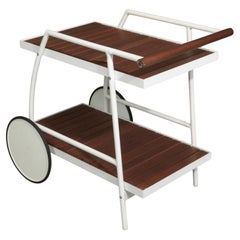
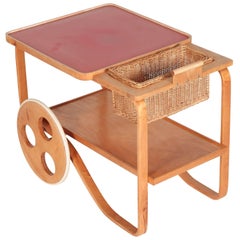
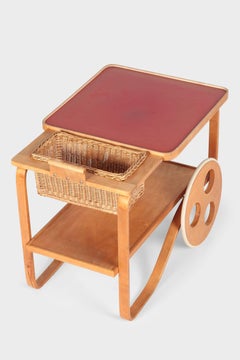
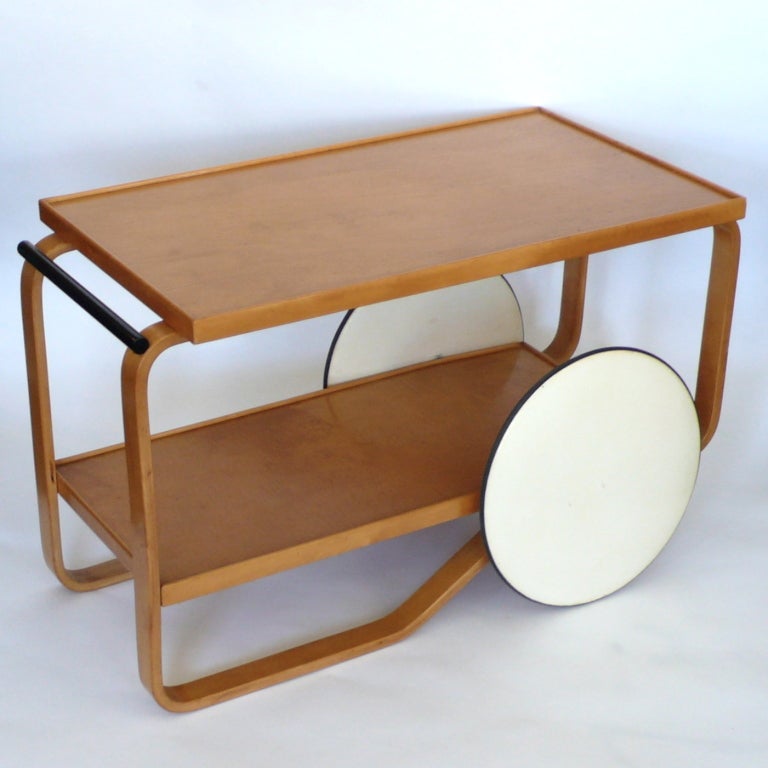
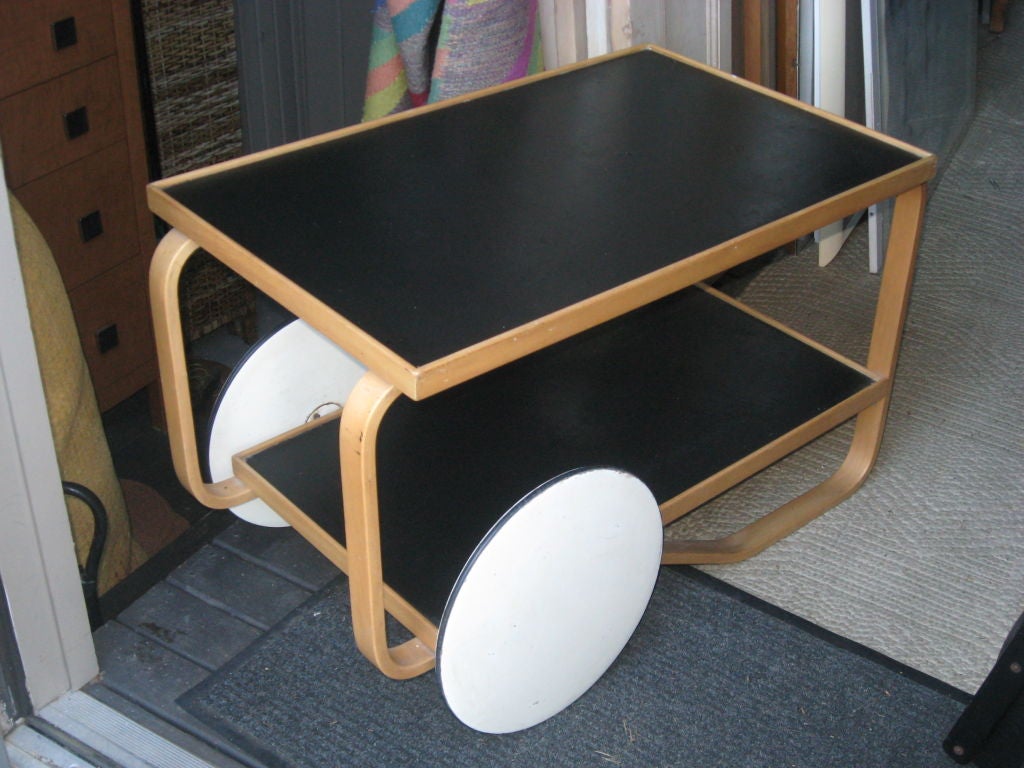
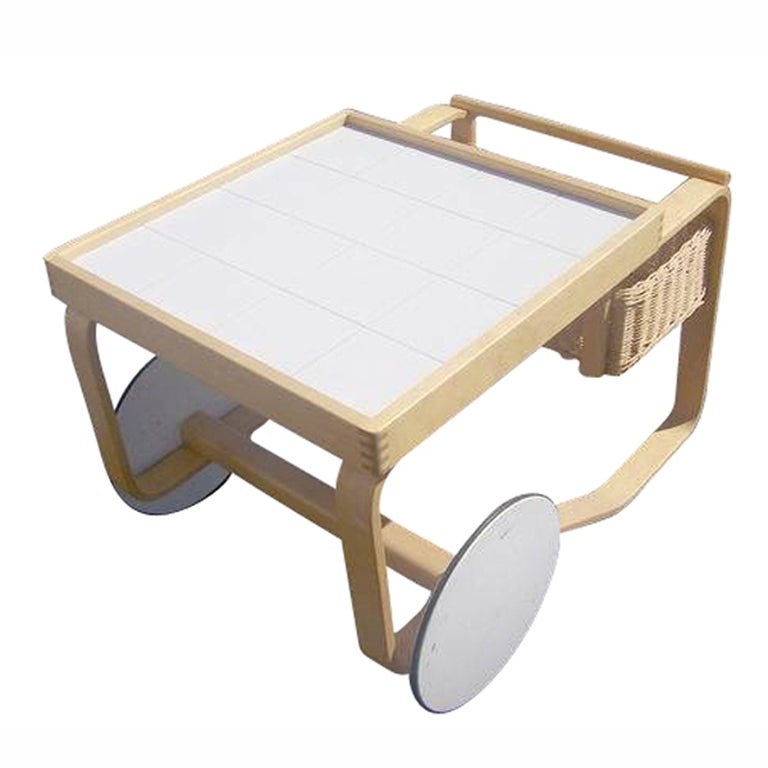
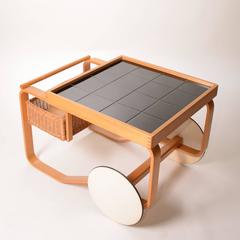
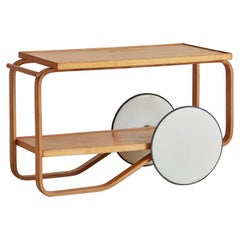
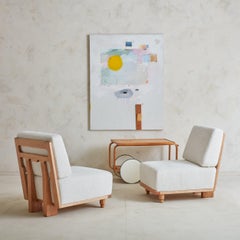
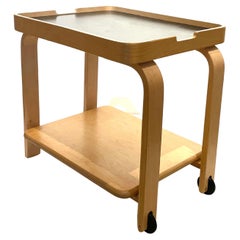
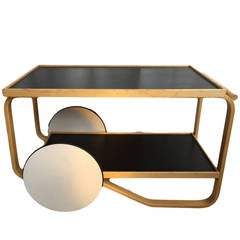
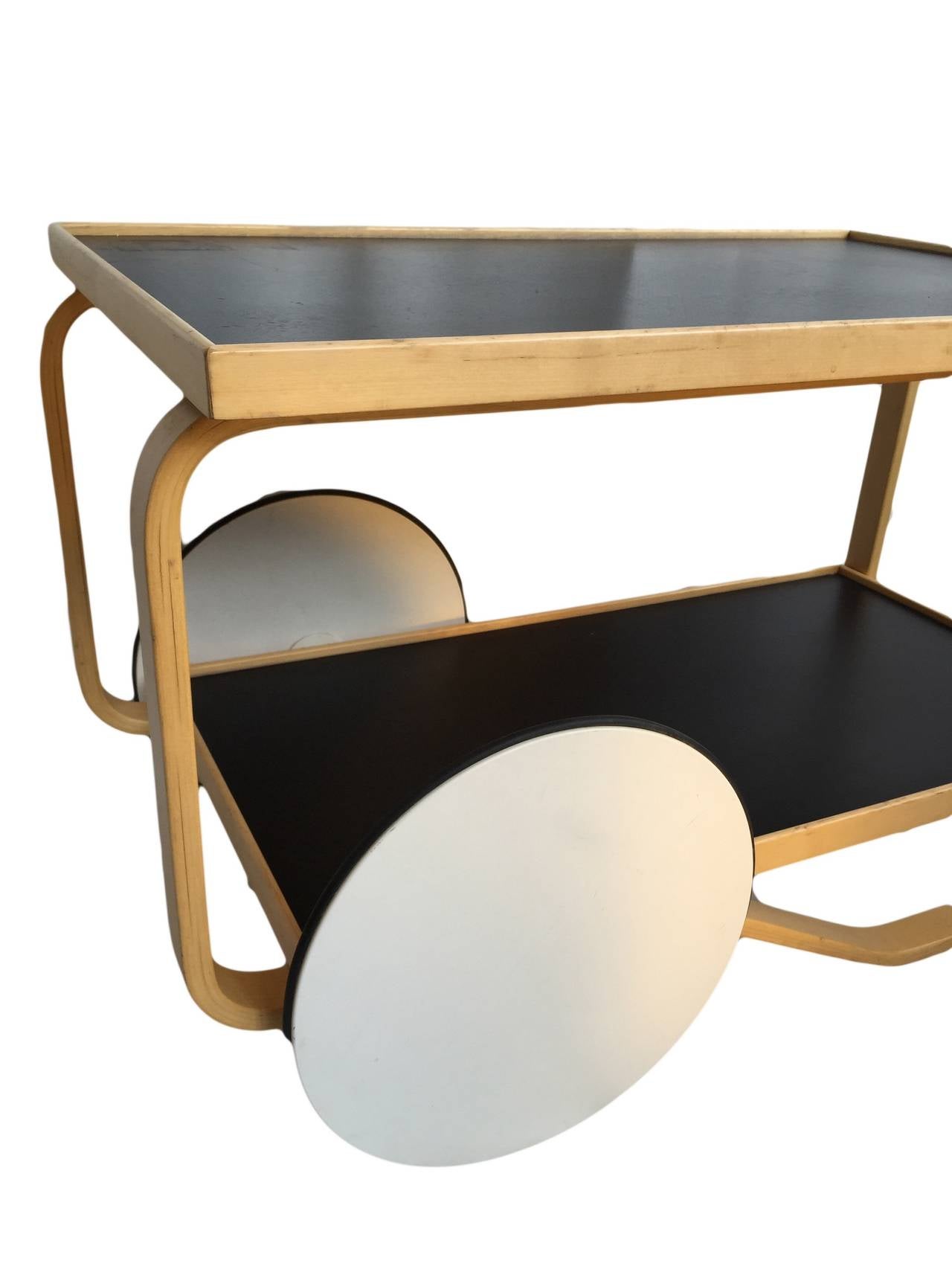
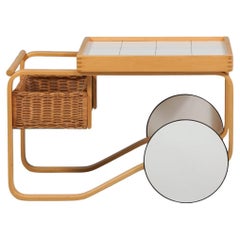
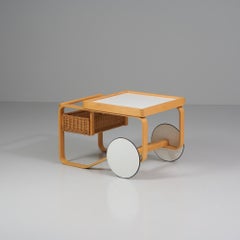
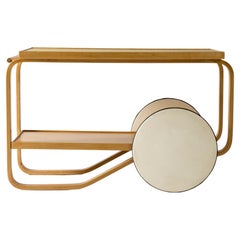
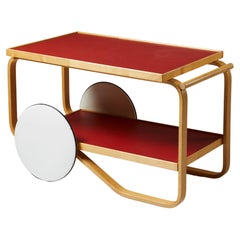
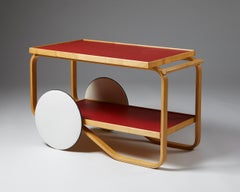
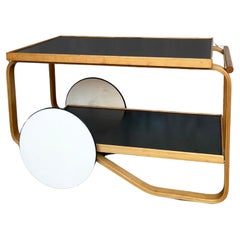
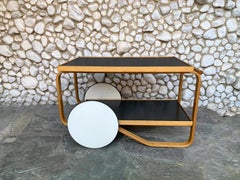
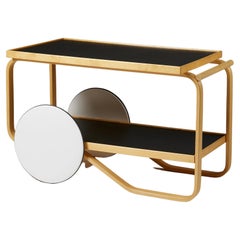
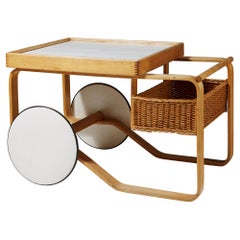
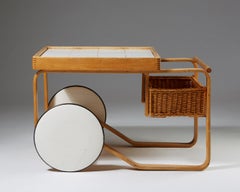
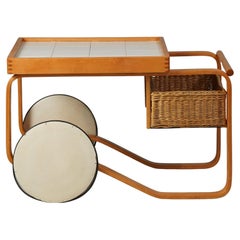
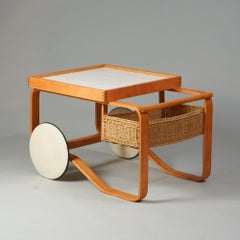
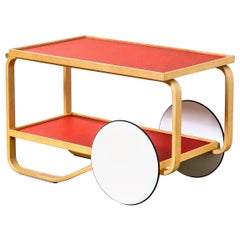
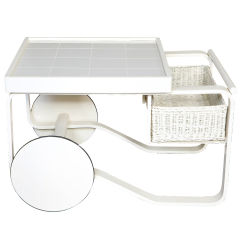
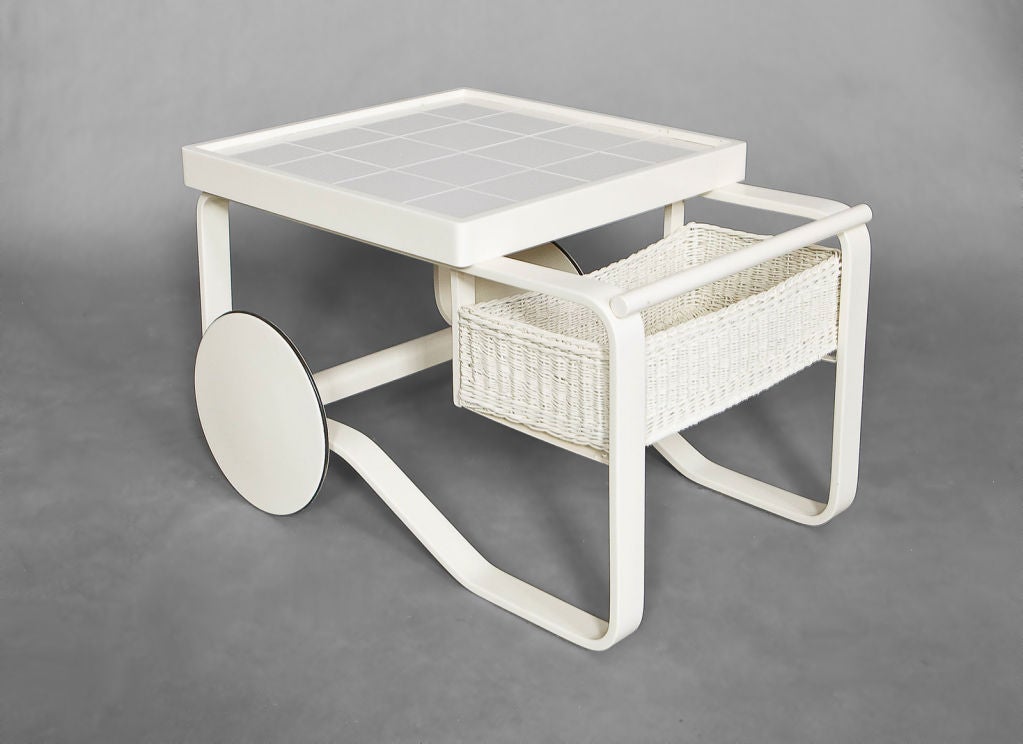
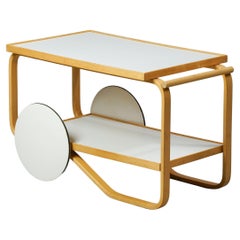
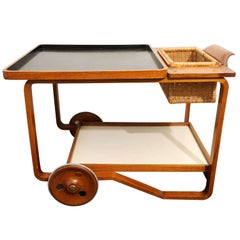
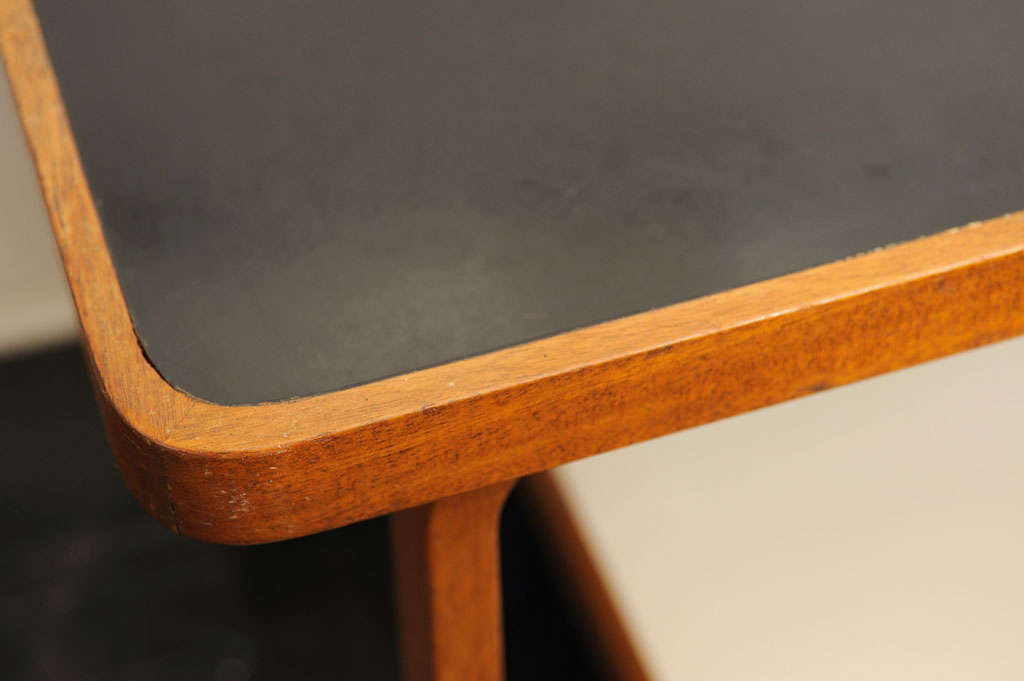
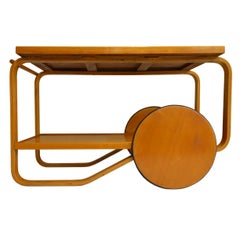
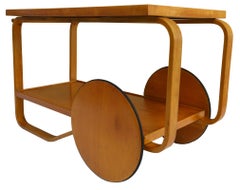
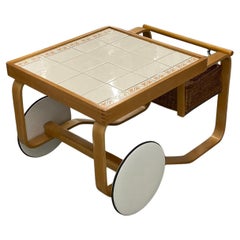
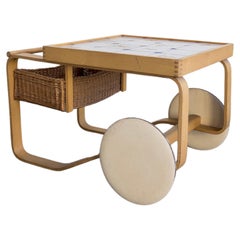
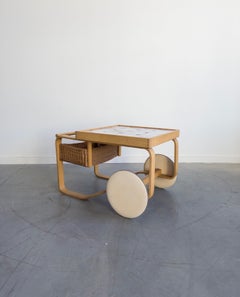
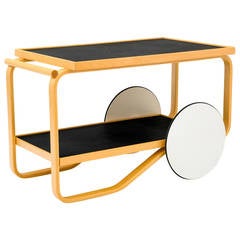
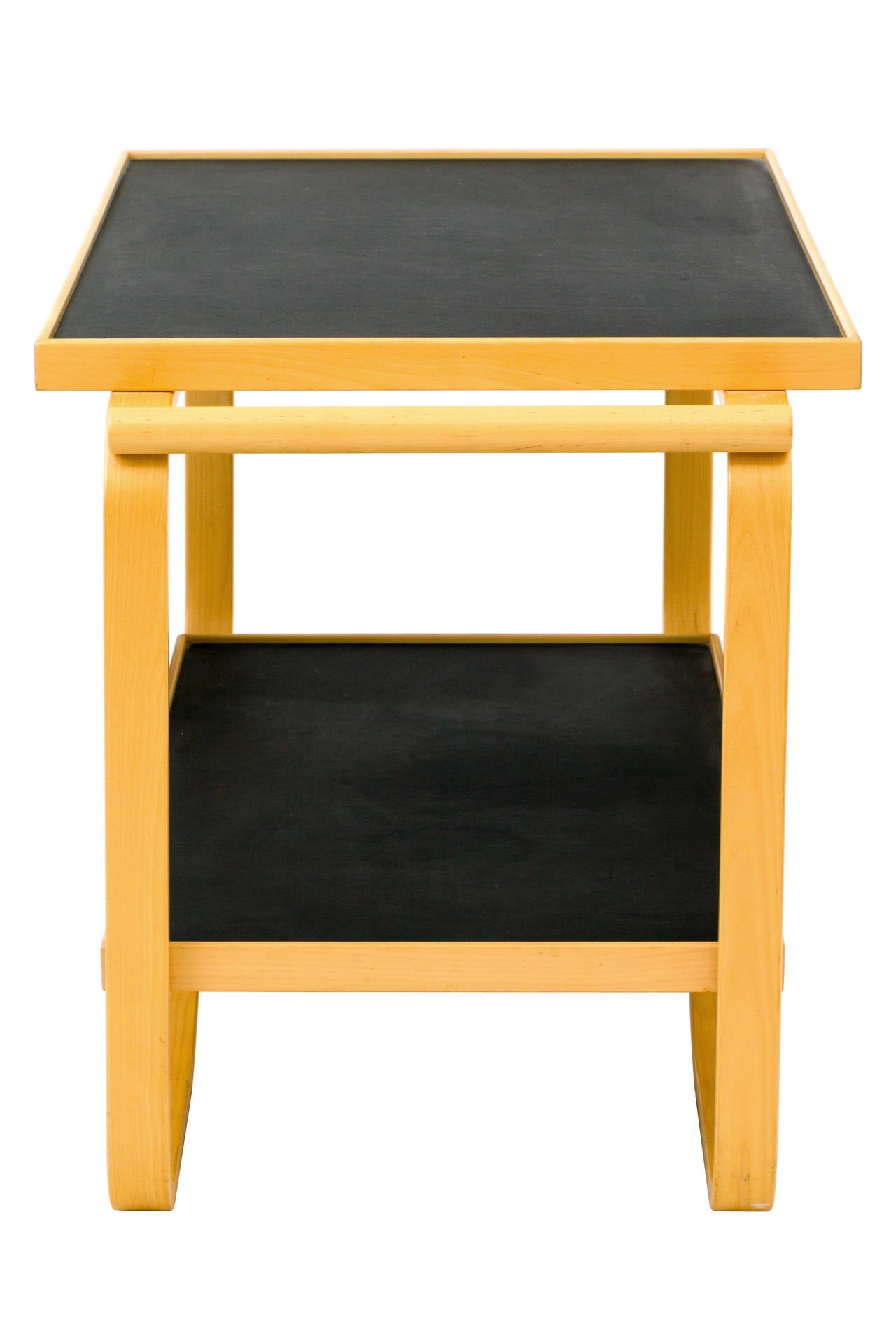
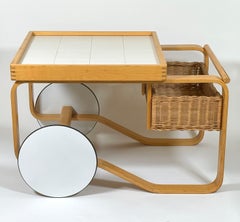
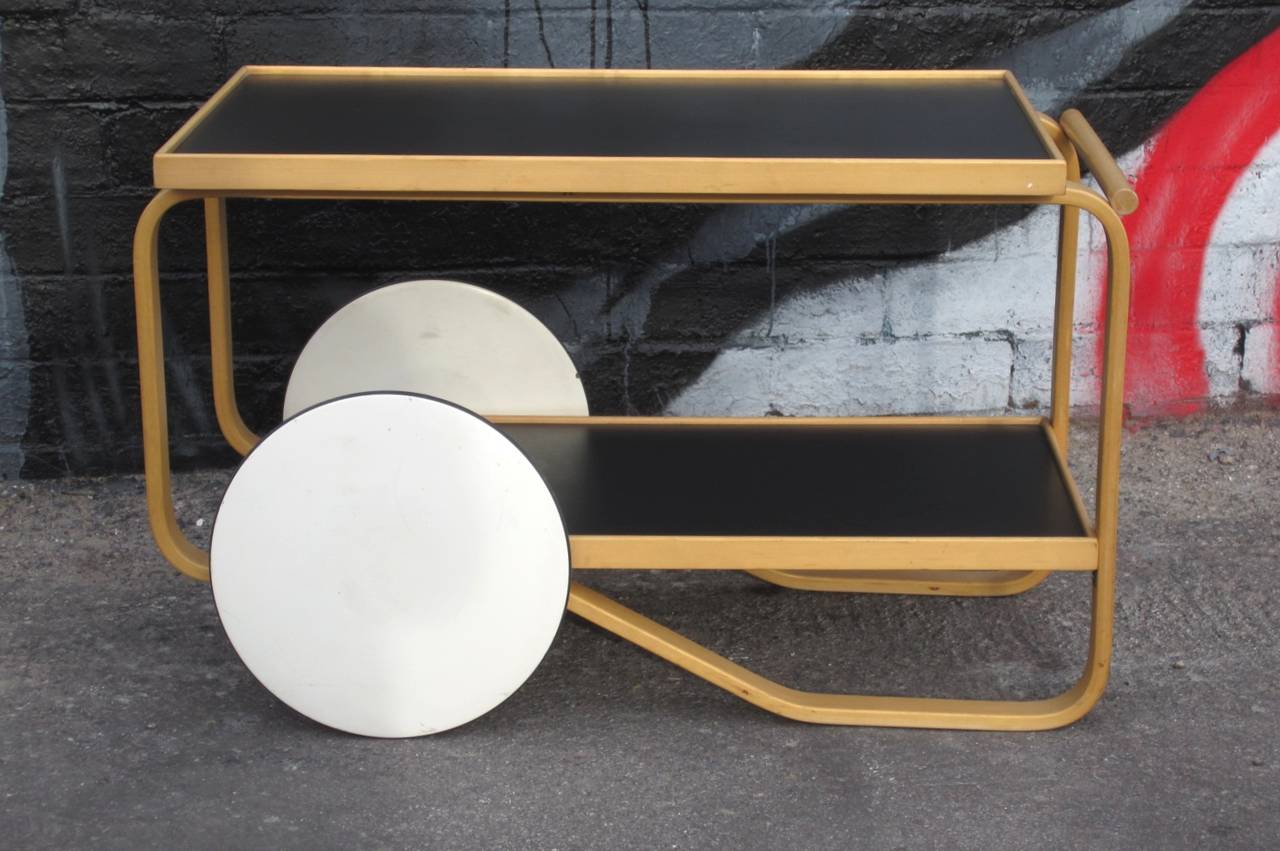
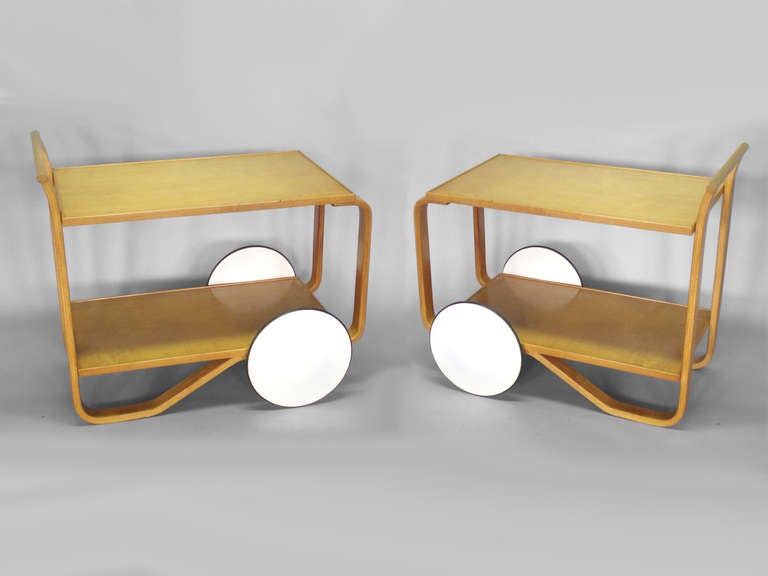
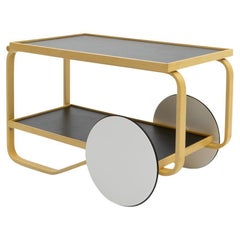
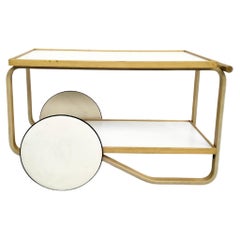
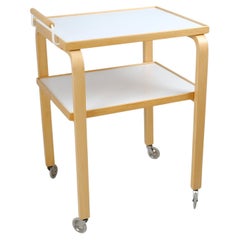
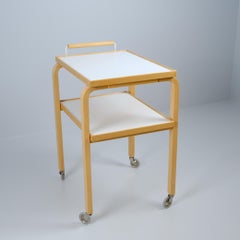
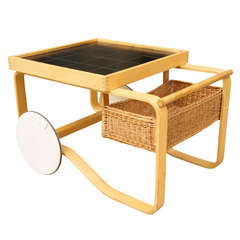
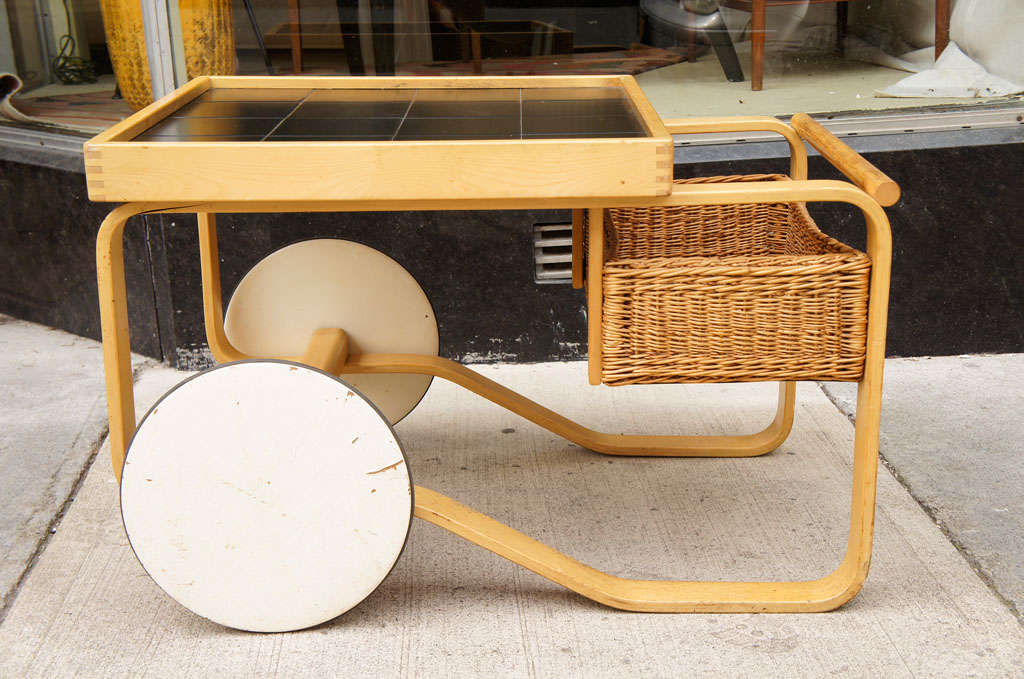
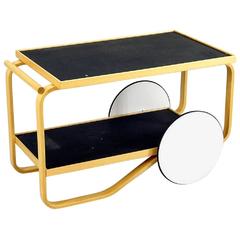
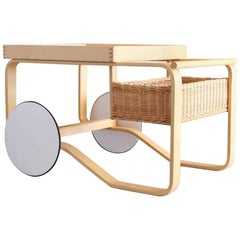
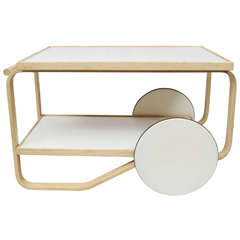
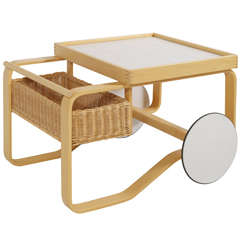
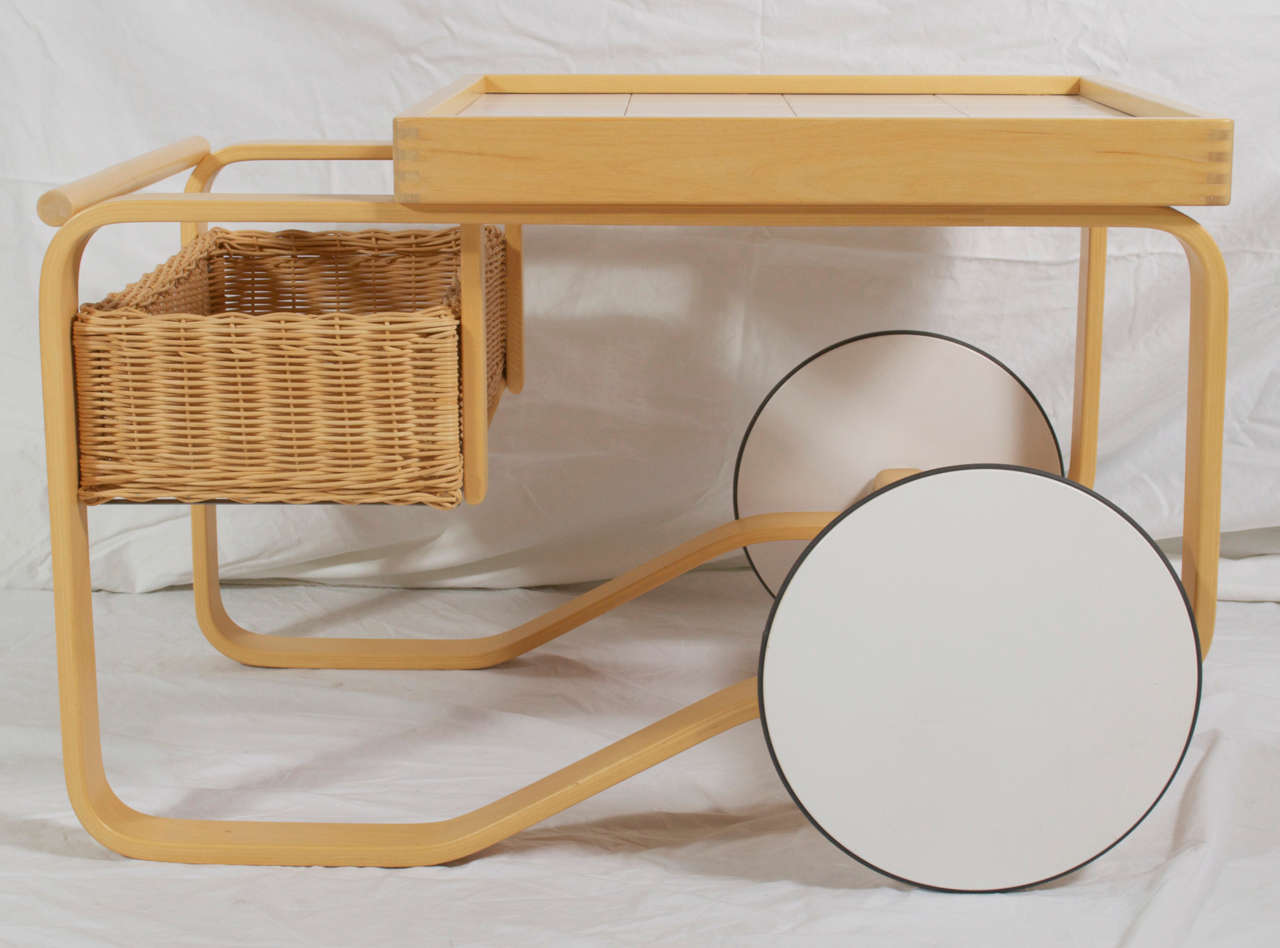
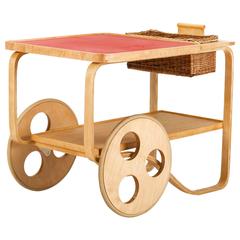
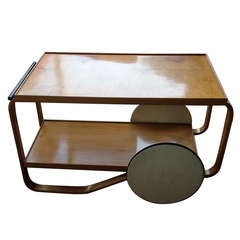
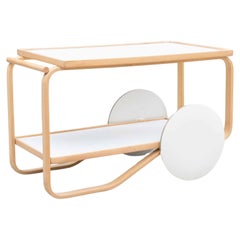
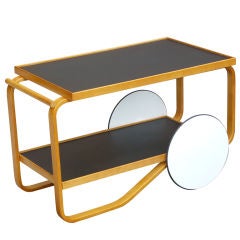
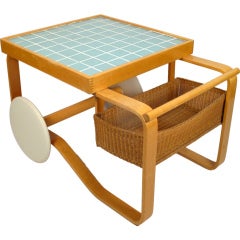
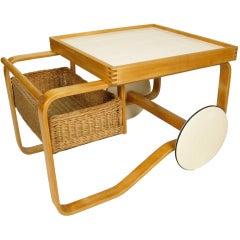
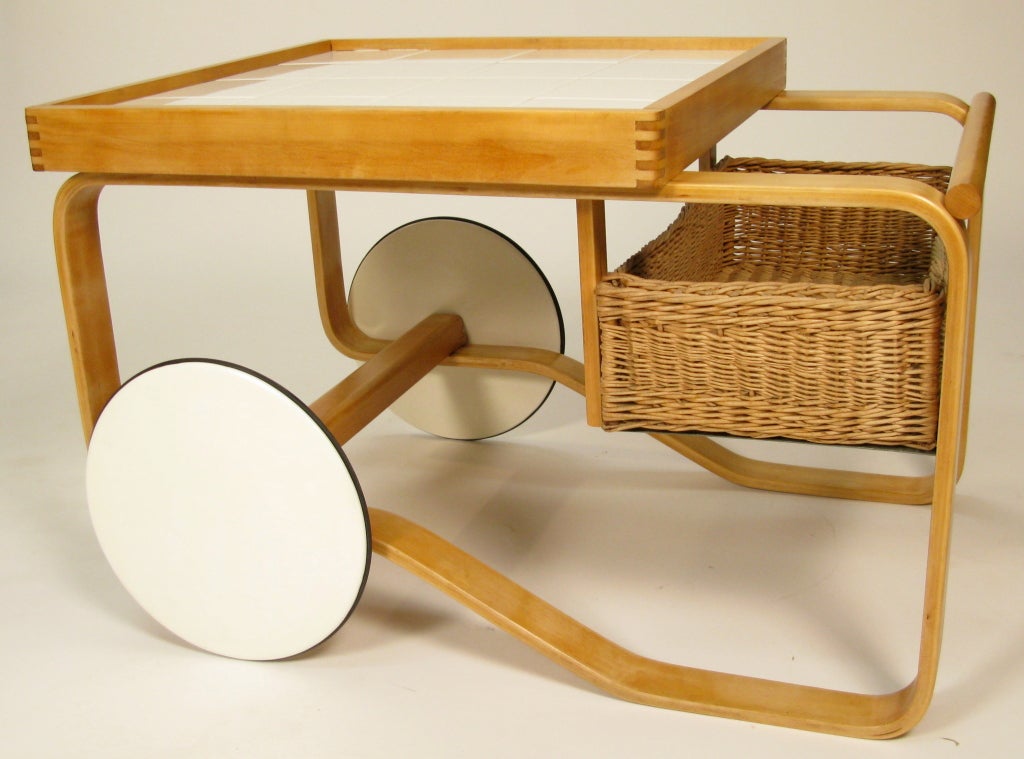
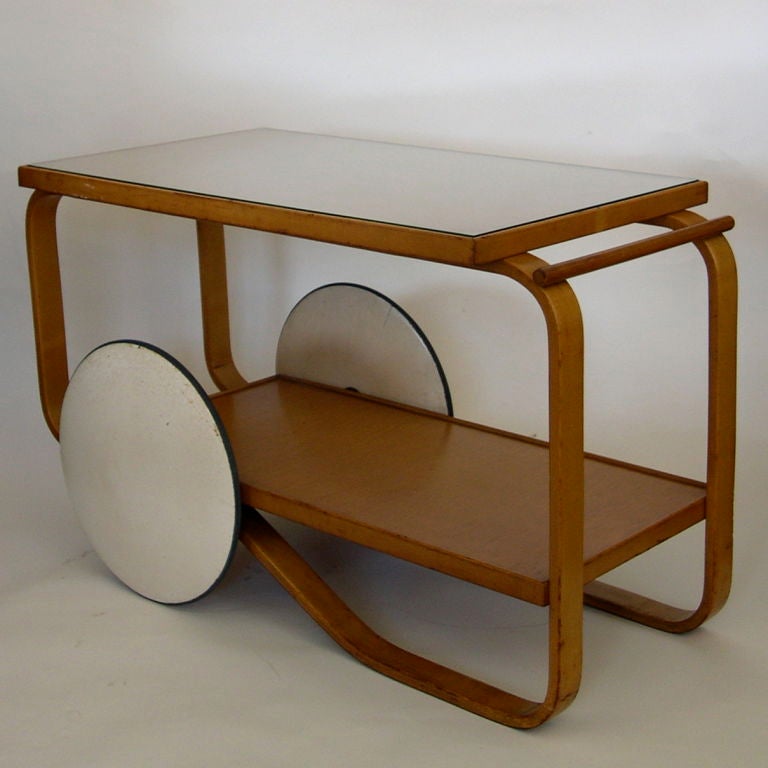
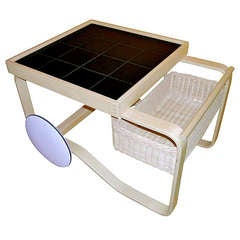
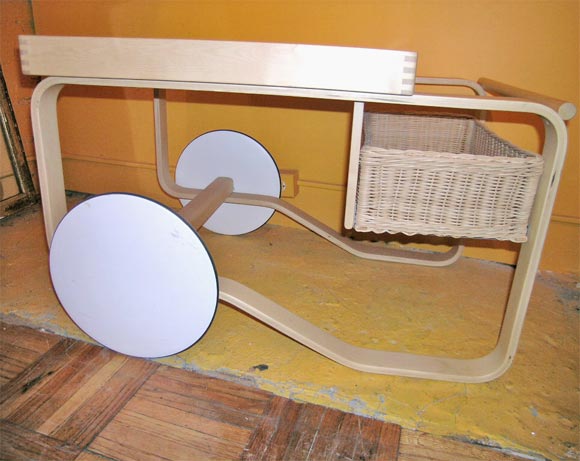
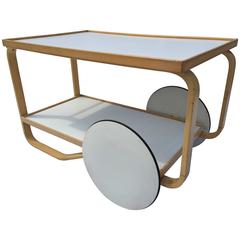
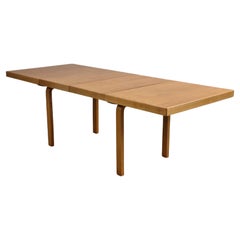
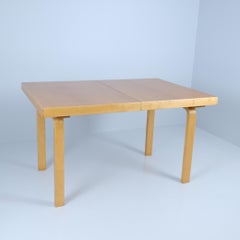
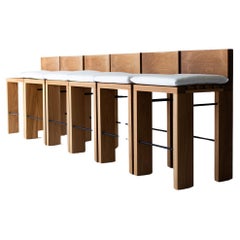
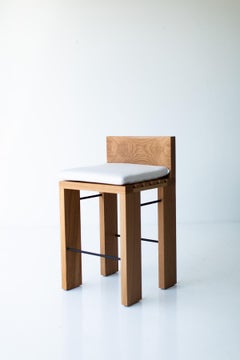
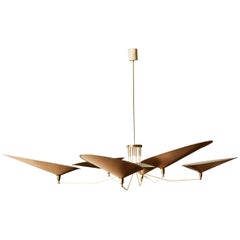
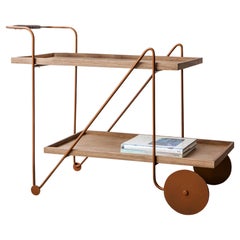
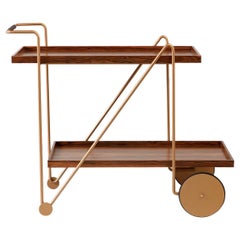
With a vast inventory of beautiful furniture at 1stDibs, we’ve got just the piece of alvar aalto bar cart you’re looking for. Frequently made of
wood,
birch and
natural fiber, every item from our selection of alvar aalto bar cart was constructed with great care. Whether you’re looking for newer or older items, there are earlier versions available from the 20th Century and newer variations made as recently as the 20th Century. A choice in our collection of alvar aalto bar cart made by
Scandinavian Modern designers — as well as those associated with
Mid-Century Modern — is very popular. You’ll likely find more than one object in our assortment of alvar aalto bar cart that is appealing in its simplicity, but
Alvar Aalto and
Artek produced versions that are worth a look.
An architect and designer, Alvar Aalto deserves an immense share of the credit for bringing Scandinavian modernism and Nordic design to a prominent place in the global arena. In both his buildings and his vintage furniture — which ranges from chairs, stools, tables and lighting to table- and glassware — Aalto’s sensitivity to the natural world and to organic forms and materials tempered the hardness of rationalist design.
Relatively few Aalto buildings exist outside Finland. (Just four exist in the United States, and only one — the sinuous 1945 Baker House dormitory at M.I.T. — is easily visited.) International attention came to Aalto, whose surname translates to English as “wave,” primarily through his furnishings.
Instead of the tubular metal framing favored by the Bauhaus designers and Le Corbusier, Aalto insisted on wood. His aesthetic is best represented by the Paimio armchair, developed with his wife, Aino Aalto, in 1930 as part of the overall design of a Finnish tuberculosis sanatorium.
Comfortable, yet light enough to be easily moved by patients, the Paimio chair’s frame is composed of two laminated birch loops; the seat and back are formed from a single sheet of plywood that scrolls under the headrest and beneath the knees, creating a sort of pillow effect. Aalto’s use of plywood had an enormous influence on Charles and Ray Eames, Arne Jacobsen, Marcel Breuer and others who later came to the material.
Concerned with keeping up standards of quality in the production of his designs, Aalto formed the still-extant company Artek in 1935, along with Aino, whose glass designs were made by the firm. In the latter medium, in 1936 the Aaltos together created the iconic, undulating Savoy vase, so-called for the luxe Helsinki restaurant for which the piece was designed.
Artek also produced Aalto pendants and other lighting designs, many of which — such as the Angel’s Wing floor lamp and the Beehive pendant — incorporate a signature Aalto detail: shades made of concentric enameled-metal rings graduated down in diameter. The effect of the technique is essential Alvar Aalto: at once precise, simple, and somehow poetic.
Find a collection of vintage Alvar Aalto stools, vases, dining tables and other furniture on 1stDibs.
Forever a sleek and elegant furnishing that evokes luxury and sophistication, a vintage bar cart will prove both functional and fabulous in your living room.
Bar carts as we know them were originally conceived as tea trolleys — a modest-sized table on wheels, sometimes featuring both an upper and lower shelf — to help facilitate tea service during the Victorian era in England. Modern bar carts weren’t really a common fixture in American interiors until after the end of Prohibition in the 1930s, when they were rolled onto the sets of Hollywood films. There, they suggested wealth and status in the dining rooms of affluent characters.
As tough as the 1930s had been on the average working American, the postwar era yielded economic stability and growth in homeownership. Increasingly, bar carts designed by the likes of Edward Wormley and other furniture makers became an integral part of sunken living rooms across the United States in the 1950s.
Bar carts were a must-have addition to the sensuous and sleek low-profile furnishings that we now call mid-century modern, each outfitted with the finest spirits and savory snacks that people had to offer. And partially owing to critical darlings like Mad Men, vintage cocktail carts have since seen a resurgence and have even become a selling point in restaurants.
Bar carts not only boast tremendous utilitarian value but also introduce a fun, nostalgic dynamic to the layout of your space, be it in the bar area or elsewhere. In addition to showcasing your favorite bottles of rye and local small-batch gin — or juices and mocktail ingredients — there is an undeniable allure to stacking statement glassware, vintage martini cocktail shakers and Art Deco decanter sets atop your fully stocked mid-century modern bar cart. And one size or style doesn’t fit all — an evolution of cocktail cart design throughout history has yielded all manner of metal bar carts, rattan carts and more.
We invite you to add a few more dashes of class to cocktail hour — peruse the vast collection of antique and vintage carts and bar carts on 1stDibs today.