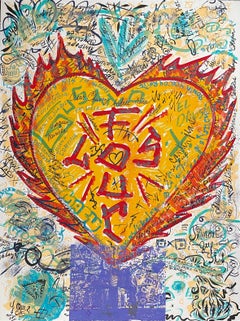
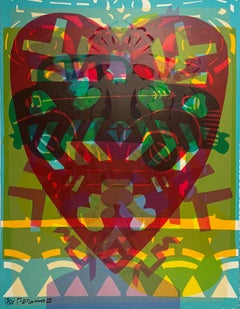
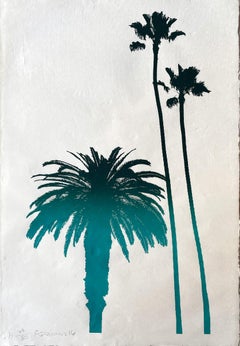
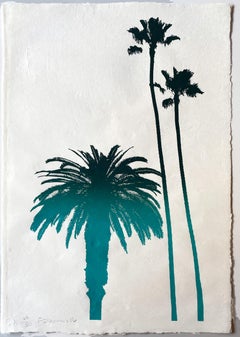
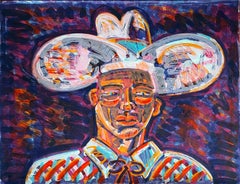
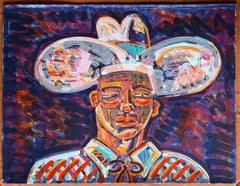
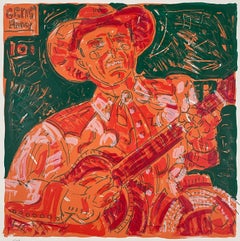
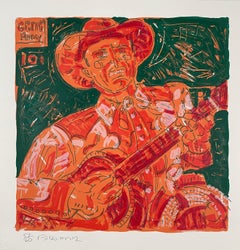
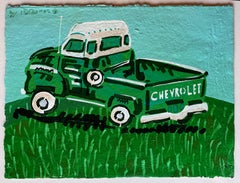
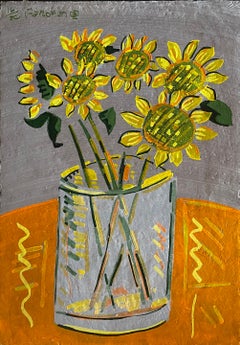
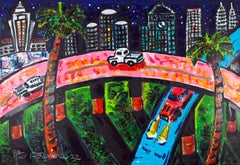
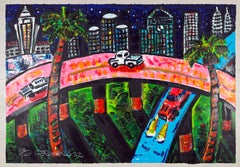
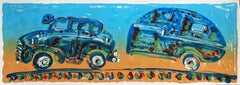
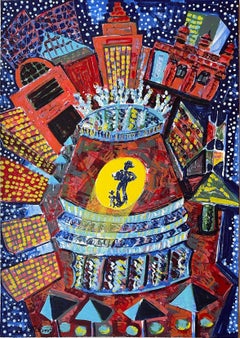
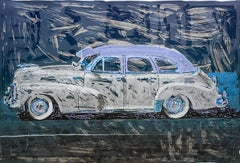
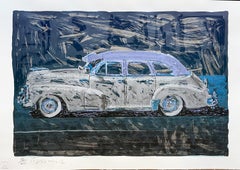
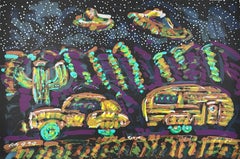
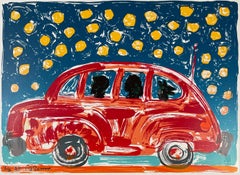
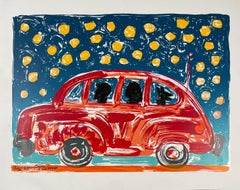
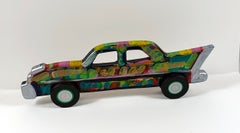
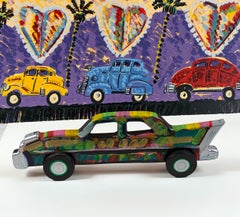
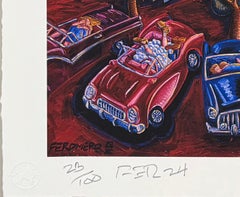
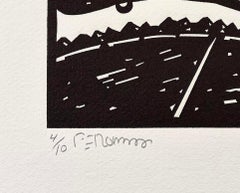
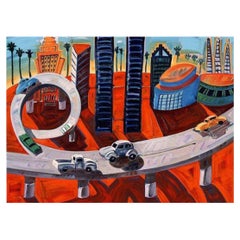
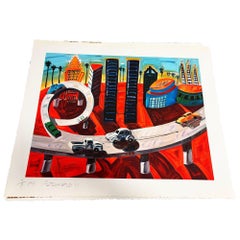
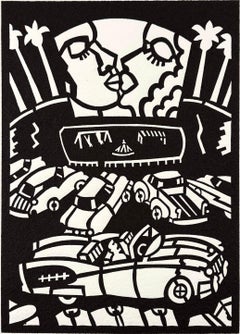
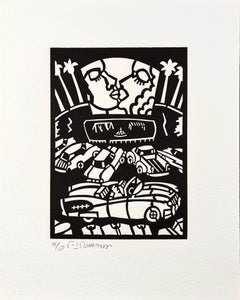
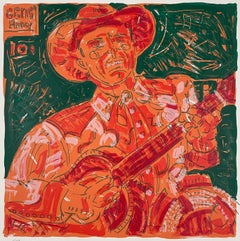
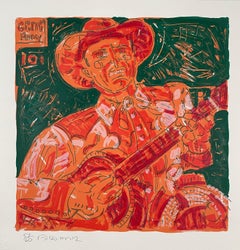
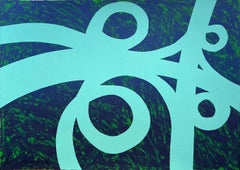
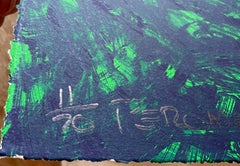
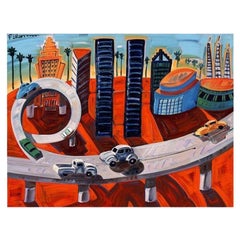
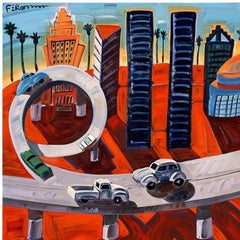
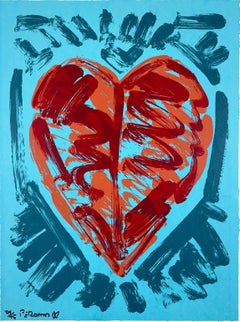
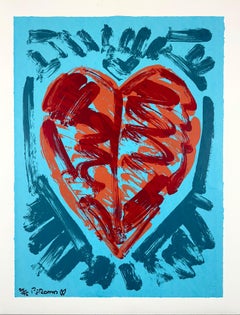
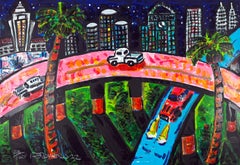
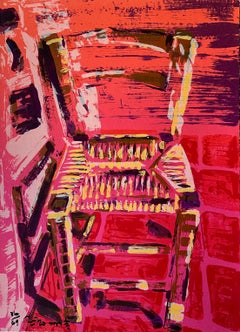
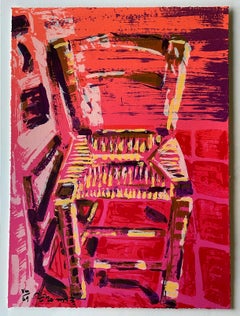
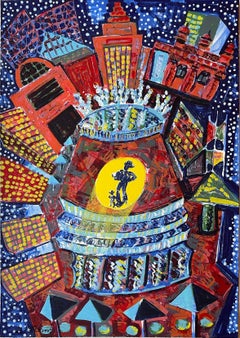
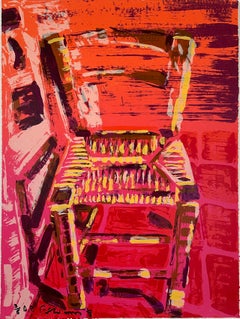
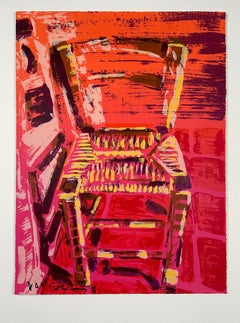
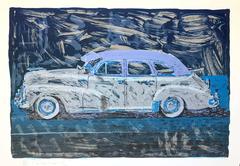
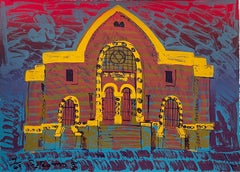
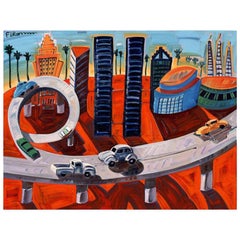
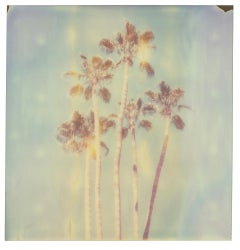
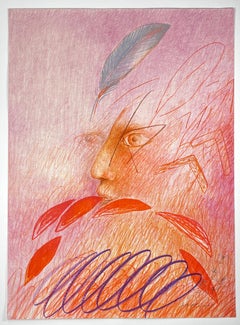
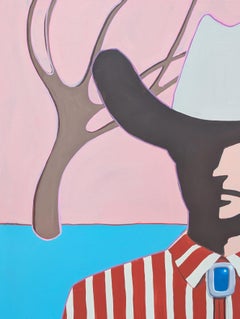
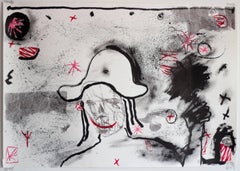
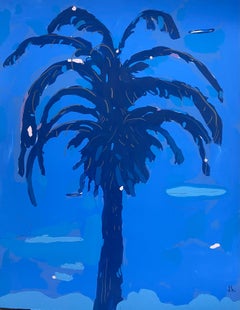
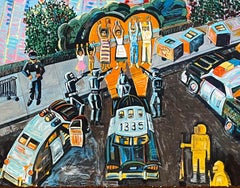
Beto De La Rocha For Sale on 1stDibs
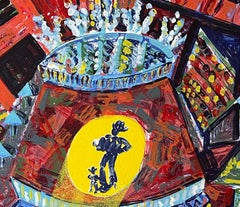
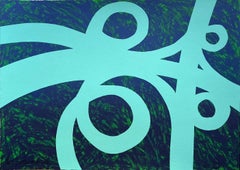
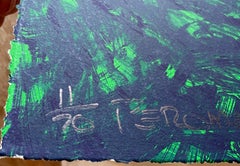
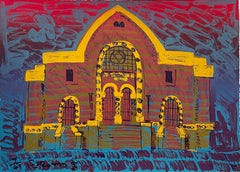
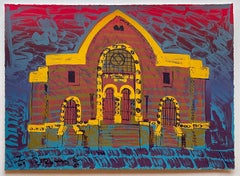
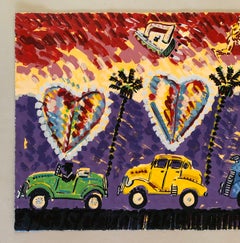
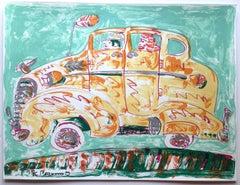
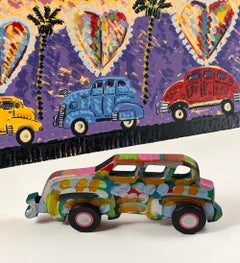
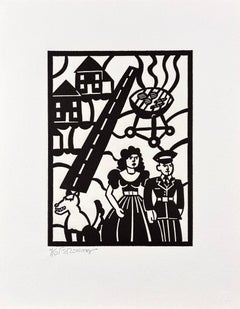
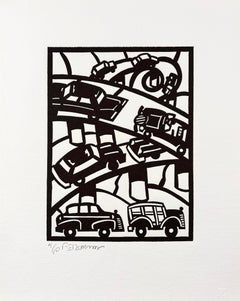
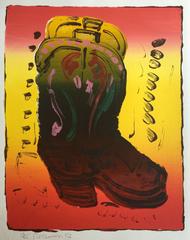
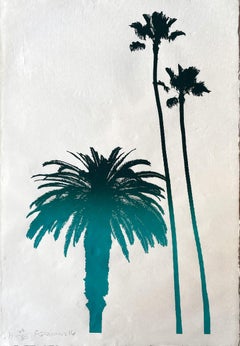
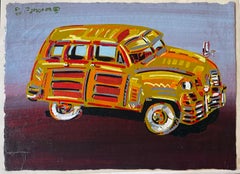
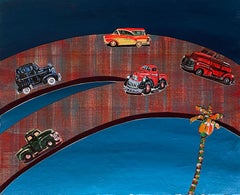
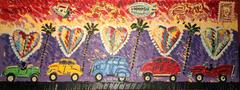
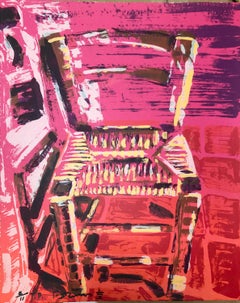
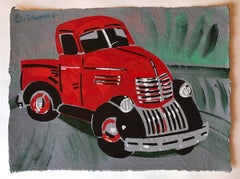
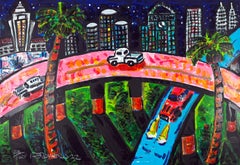
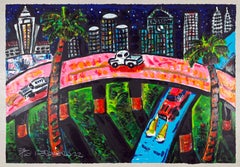
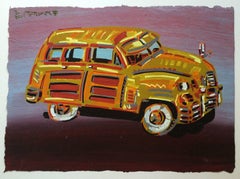
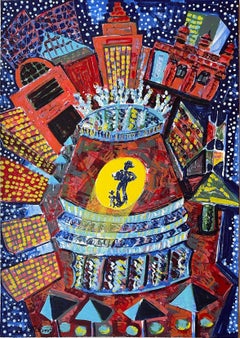
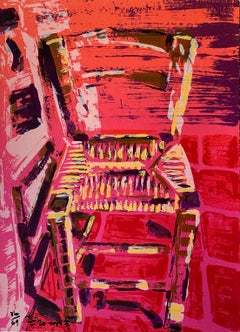
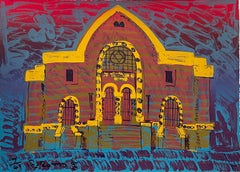
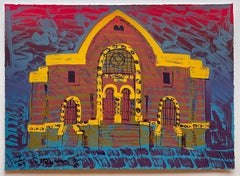
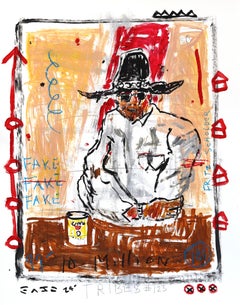
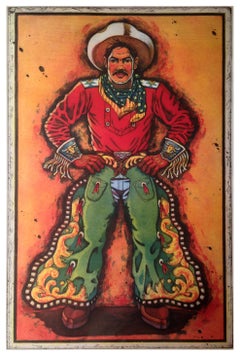
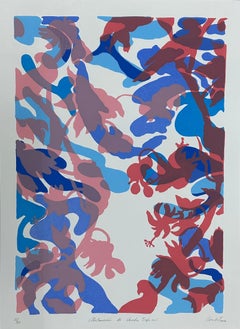
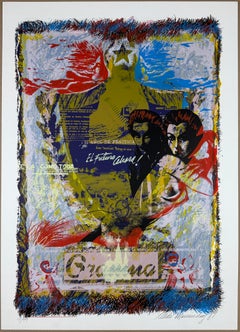
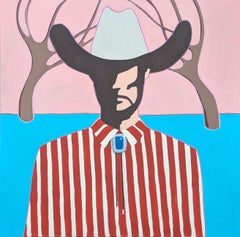
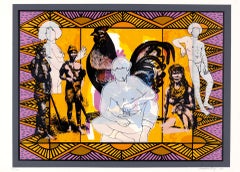
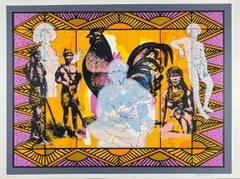
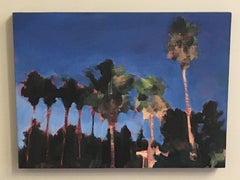
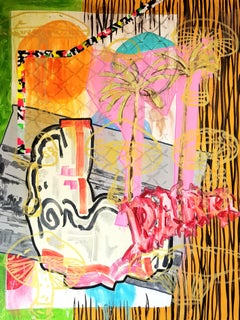
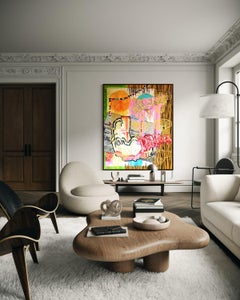
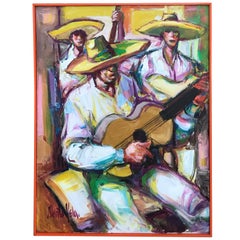
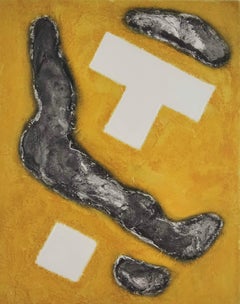
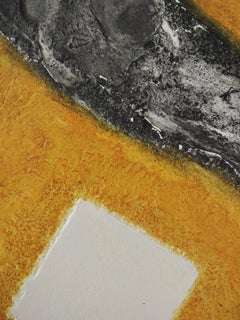
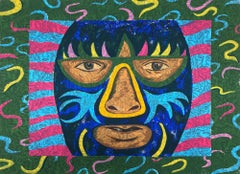
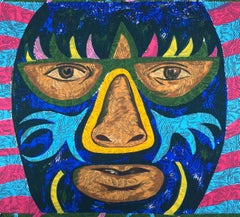
Surely you’ll find the exact beto de la rocha you’re seeking on 1stDibs — we’ve got a vast assortment for sale. Making the right choice when shopping for a beto de la rocha may mean carefully reviewing examples of this item dating from different eras — you can find an early iteration of this piece from the 20th Century and a newer version made as recently as the 21st Century. If you’re looking to add a beto de la rocha to create new energy in an otherwise neutral space in your home, you can find a work on 1stDibs that features elements of
black,
brown,
blue,
beige and more. Artworks like these — often created in
screen print,
paint and
stencil — can elevate any room of your home.
How Much is a Beto De La Rocha?
A beto de la rocha can differ in price owing to various characteristics — the average selling price for items in our inventory is $1,625, while the lowest priced sells for $400 and the highest can go for as much as $5,000.
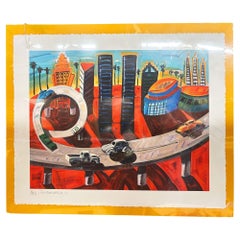
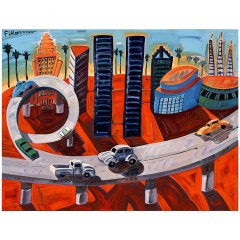
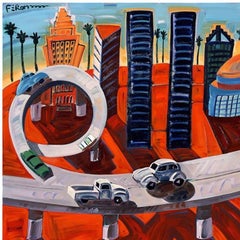
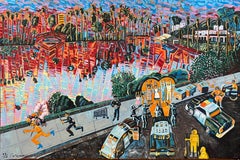
Frank Romero for sale on 1stDibs
Throughout his 40 year career as an artist, Frank Romero has been a dedicated member of the Los Angeles arts community. As a member of the 1970s Chicano art collective, Los Four, Romero and fellow artists Carlos Almaraz, Beto de la Rocha and Gilbert Lujan, helped to define and promote the new awareness of La Raza through murals, publications and exhibitions. Los Four's historic 1974 exhibition at the Los Angeles County Museum of Art was the country's first show of Chicano art at a major art institution.
Since then, Romero has successfully balanced a career in both the public and private arenas. He has completed More than 15 murals throughout Los Angeles, and was a key contributor to the 1984 Olympic Arts Festival with “Going to the Olympics,” a large scale mural which adorns one of Los Angeles’ busiest freeways (Highway 101).
Romero has exhibited extensively in the United States, Europe and Japan. His work is featured in many permanent collections, including the National Museum of Art in Washington D.C., the Los Angeles County Museum of Art, and the Carnegie Museum in Oxnard, CA.
A Close Look at Contemporary Art
Used to refer to a time rather than an aesthetic, Contemporary art generally describes pieces created after 1970 or being made by living artists anywhere in the world. This immediacy means it encompasses art responding to the present moment through diverse subjects, media and themes. Contemporary painting, sculpture, photography, performance, digital art, video and more frequently includes work that is attempting to reshape current ideas about what art can be, from Felix Gonzalez-Torres’s use of candy to memorialize a lover he lost to AIDS-related complications to Jenny Holzer’s ongoing “Truisms,” a Conceptual series that sees provocative messages printed on billboards, T-shirts, benches and other public places that exist outside of formal exhibitions and the conventional “white cube” of galleries.
Contemporary art has been pushing the boundaries of creative expression for years. Its disruption of the traditional concepts of art are often aiming to engage viewers in complex questions about identity, society and culture. In the latter part of the 20th century, contemporary movements included Land art, in which artists like Robert Smithson and Michael Heizer create large-scale, site-specific sculptures, installations and other works in soil and bodies of water; Sound art, with artists such as Christian Marclay and Susan Philipsz centering art on sonic experiences; and New Media art, in which mass media and digital culture inform the work of artists such as Nam June Paik and Rafaël Rozendaal.
The first decades of the 21st century have seen the growth of Contemporary African art, the revival of figurative painting, the emergence of street art and the rise of NFTs, unique digital artworks that are powered by blockchain technology.
Major Contemporary artists practicing now include Ai Weiwei, Cecily Brown, David Hockney, Yayoi Kusama, Jeff Koons, Takashi Murakami and Kara Walker.
Find a collection of Contemporary prints, photography, paintings, sculptures and other art on 1stDibs.
Finding the Right Prints-works-on-paper for You
Decorating with fine art prints — whether they’re figurative prints, abstract prints or another variety — has always been a practical way of bringing a space to life as well as bringing works by an artist you love into your home.
Pursued in the 1960s and ’70s, largely by Pop artists drawn to its associations with mass production, advertising, packaging and seriality, as well as those challenging the primacy of the Abstract Expressionist brushstroke, printmaking was embraced in the 1980s by painters and conceptual artists ranging from David Salle and Elizabeth Murray to Adrian Piper and Sherrie Levine.
Printmaking is the transfer of an image from one surface to another. An artist takes a material like stone, metal, wood or wax, carves, incises, draws or otherwise marks it with an image, inks or paints it and then transfers the image to a piece of paper or other material.
Fine art prints are frequently confused with their more commercial counterparts. After all, our closest connection to the printed image is through mass-produced newspapers, magazines and books, and many people don’t realize that even though prints are editions, they start with an original image created by an artist with the intent of reproducing it in a small batch. Fine art prints are created in strictly limited editions — 20 or 30 or maybe 50 — and are always based on an image created specifically to be made into an edition.
Many people think of revered Dutch artist Rembrandt as a painter but may not know that he was a printmaker as well. His prints have been preserved in time along with the work of other celebrated printmakers such as Pablo Picasso, Salvador Dalí and Andy Warhol. These fine art prints are still highly sought after by collectors.
“It’s another tool in the artist’s toolbox, just like painting or sculpture or anything else that an artist uses in the service of mark making or expressing him- or herself,” says International Fine Print Dealers Association (IFPDA) vice president Betsy Senior, of New York’s Betsy Senior Fine Art, Inc.
Because artist’s editions tend to be more affordable and available than his or her unique works, they’re more accessible and can be a great opportunity to bring a variety of colors, textures and shapes into a space.
For tight corners, select small fine art prints as opposed to the oversized bold piece you’ll hang as a focal point in the dining area. But be careful not to choose something that is too big for your space. And feel free to lean into it if need be — not every work needs picture-hanging hooks. Leaning a larger fine art print against the wall behind a bookcase can add a stylish installation-type dynamic to your living room. (Read more about how to arrange wall art here.)
Find fine art prints for sale on 1stDibs today.