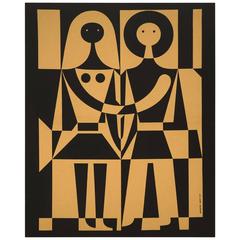
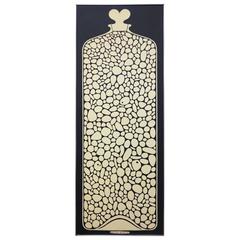
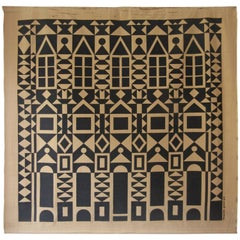
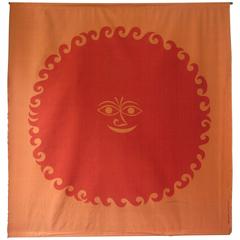
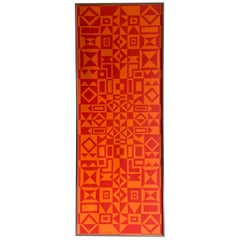
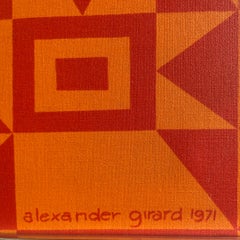
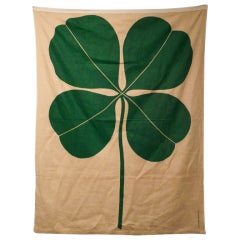
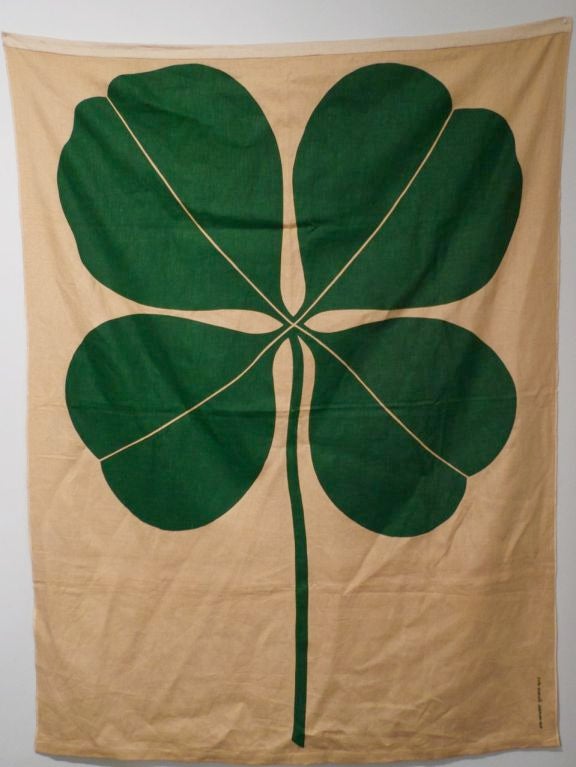
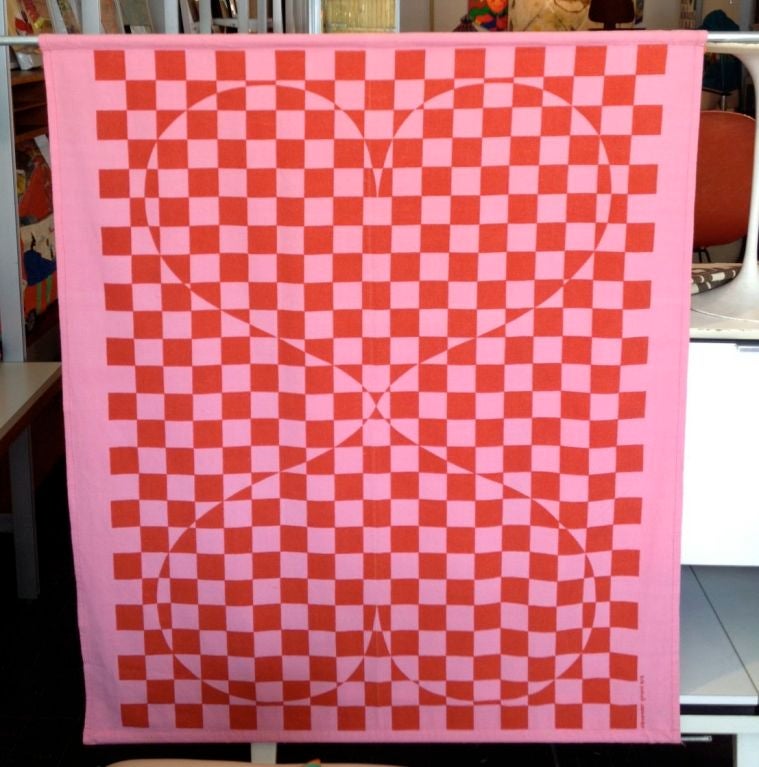
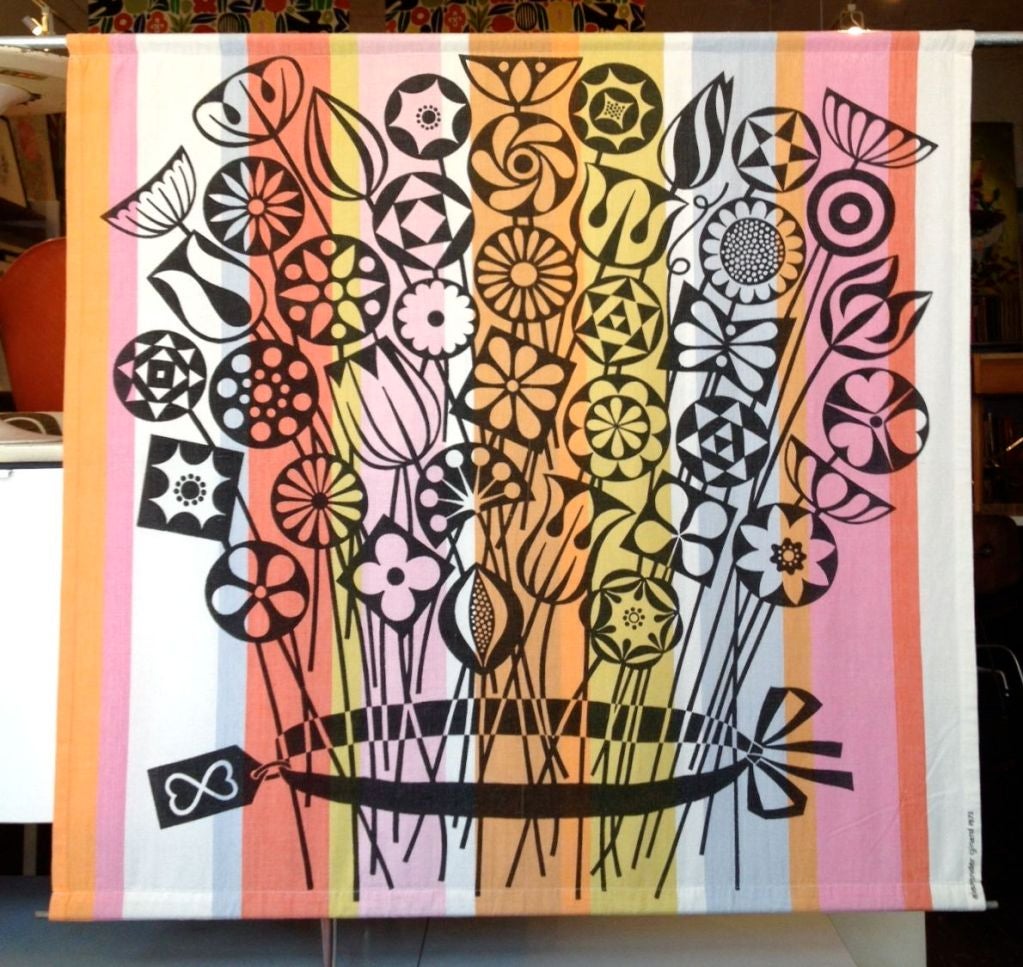
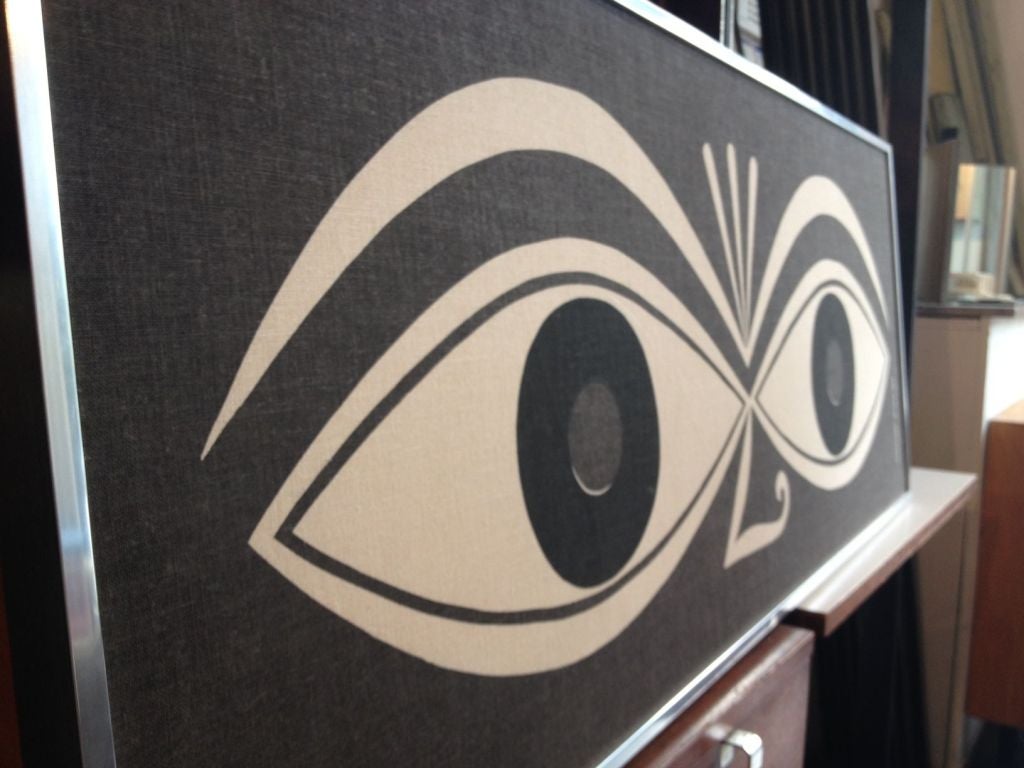
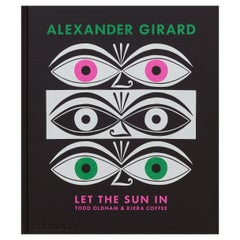
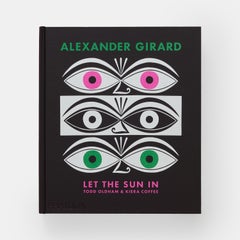
At 1stDibs, there are many versions of the ideal alexander girard enrichment panel for your home. Each alexander girard enrichment panel for sale was constructed with extraordinary care, often using
fabric,
cotton and
linen. Whether you’re looking for an older or newer alexander girard enrichment panel, there are earlier versions available from the 20th Century and newer variations made as recently as the 20th Century. When you’re browsing for the right alexander girard enrichment panel, those designed in
Mid-Century Modern styles are of considerable interest.
Alexander Girard and
Herman Miller each produced at least one beautiful alexander girard enrichment panel that is worth considering.
The director of design for the textiles department at Herman Miller, Inc., from 1952 to 1973, mid-century modern visionary Alexander Girard introduced bright, bouncy colors to upholstery and drapery fabrics, created jaunty graphics for marketing and advertising materials and devised motifs for everything from textiles to ceramics based on his true love: folk art from cultures around the globe.
The son of an American mother and an Italian father, Girard (known as Sandro to his friends) was born in New York City in 1907 but raised in Florence. He came from a creative family — his father was a master woodworker — and Girard began drawing and making his own playthings as a youngster. He had a fascination for nativity crèche tableaux, an enthusiasm that likely was the germ for his later interest in folk art. He went on to earn degrees in architecture at schools in both Rome and London before returning to New York in the 1930s and working in interior design.
By the 1940s, he and his wife, Susan, had moved to Detroit, where Girard was head of design for Detrola, a firm specializing in tabletop radios. The elegant bentwood housings that he developed for the devices won him acclaim, but, more importantly, at Detrola he met Charles Eames. The two became lifelong friends, and it was Eames who drew Girard toward Herman Miller, which had no dedicated textile department until Girard arrived, and most of its furniture was upholstered in mundane, “safe” hues. Girard changed all that, introducing fabrics in vivid shades of red, orange, yellow and blue. His early designs incorporated geometric motifs — stripes, circles, square, triangles and such. But toward the end of the 1950s he began to introduce folk art themes into his designs.
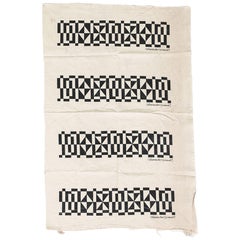
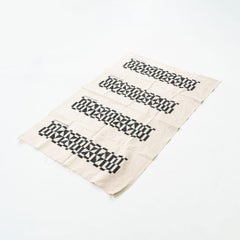
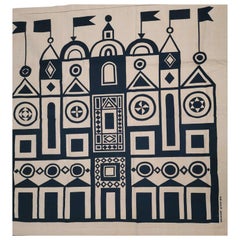
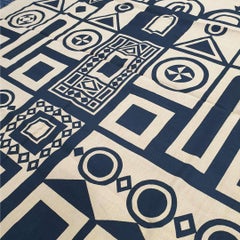
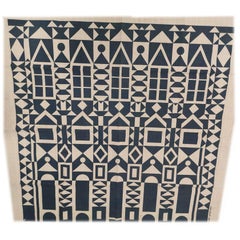
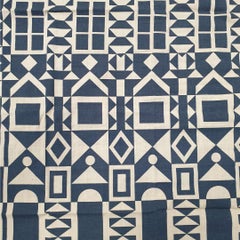
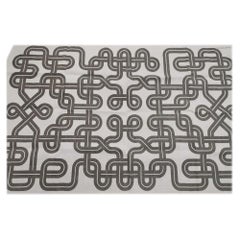
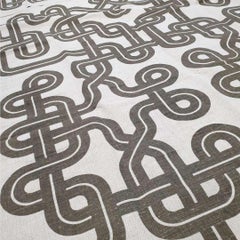
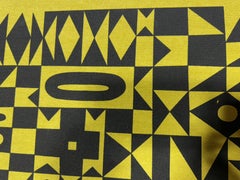
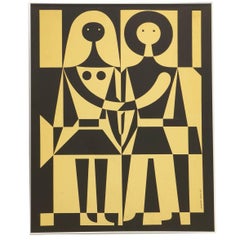
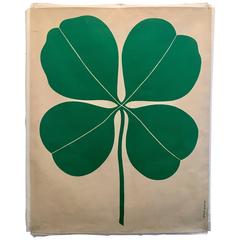
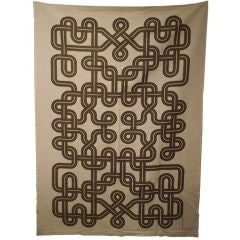
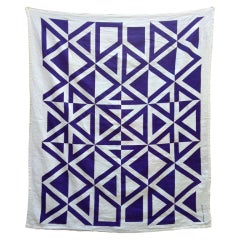
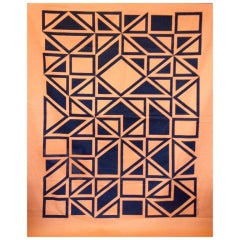
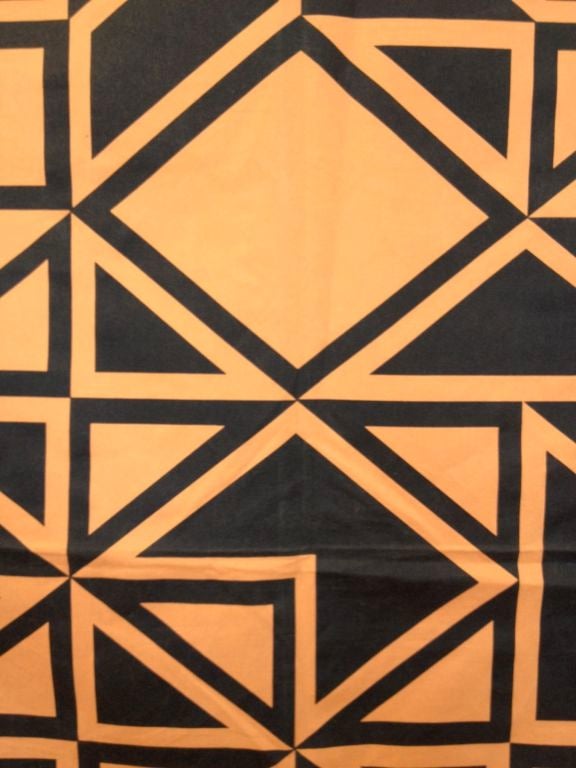
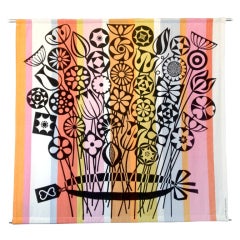
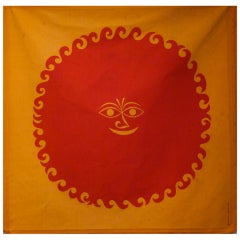
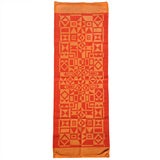
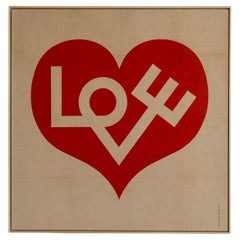
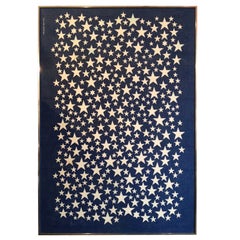
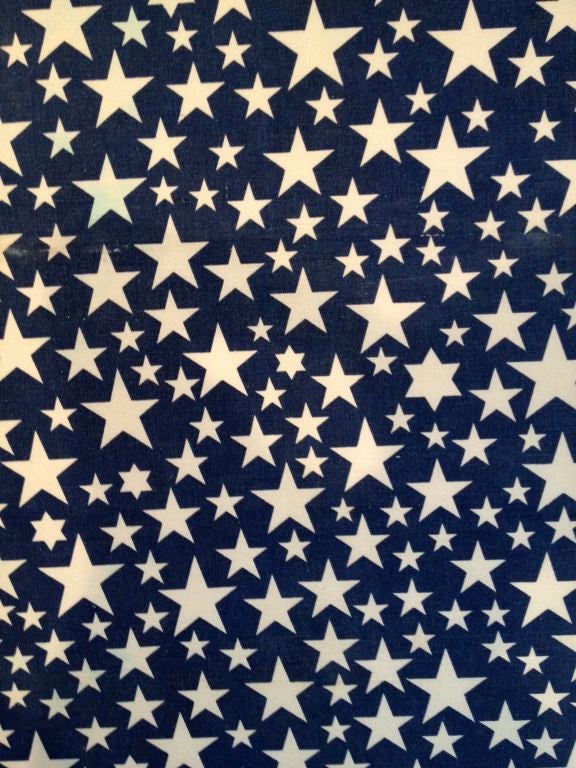
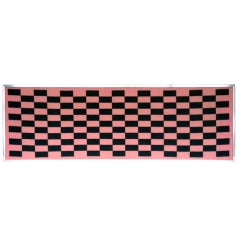
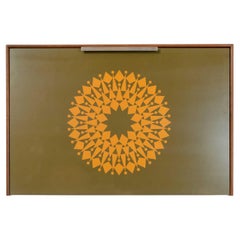
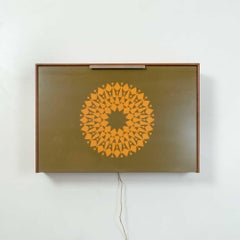
Girard did not collect important or expensive folk pieces. Rather he was drawn to simple objects such as handmade toys, figurines and models of animals, buildings and plants. The fabrics that emerged had whimsical, lighthearted motifs depicting, for example, angels, children, birds and flowers. Toward the end of his term with Herman Miller, in an effort to achieve what he termed “aesthetic functionalism,” Girard produced a group of what he called “Environmental Enrichment” pieces — silk-screened cotton panels emblazoned with various graphic designs, from bold geometric patterns to folk art themes. They were meant to divide spaces in offices or the home in lieu of walls while simultaneously functioning as art. Today, panels of vintage Girard upholstery textiles have become premium collectibles. The designer's furniture is less well known, primarily because most of it was created for private commissions.
Girard’s most lasting contribution may be his folk art collection. He and Susan had begun gathering pieces shortly after their marriage, in 1936. By the 1970s, they had amassed the world’s largest collection of cross-cultural folk art, composed of more than 100,000 pieces from around the world. The Girards donated their holdings to the Museum of International Folk Art, in Santa Fe (where they had moved in the ’60s), quintupling the institution’s collection, and a new wing — named for the Girards — had to be built to hold it.
Find a striking range of vintage Alexander Girard seating, tables, textiles and other furnishings on 1stDibs.
An empty wall in your home is a blank canvas, and that’s good news. Whether you’ve chosen to arrange a collage of paintings in a hallway or carefully position a handful of wall-mounted sculptures in your dining room, there are a lot of options for beautifying your space with the antique and vintage wall decor and decorations available on 1stDibs.
If you’re seeking inspiration for your wall decor, we’ve got some ideas (and we can show you how to arrange wall art, too).
“I recommend leaving enough space above the piece of furniture to allow for usable workspace and to protect the art from other items damaging it,” says Susana Simonpietri, of Brooklyn home design studio Chango & Co.
Hanging a single attention-grabbing large-scale print or poster over your bar or bar cart can prove intoxicating, but the maximalist approach of a salon-style hang, a practice rooted in 17th-century France, can help showcase works of various shapes, styles and sizes on a single wall or part of a wall.
If you’re planning on creating an accent wall — or just aiming to bring a variety of colors and textures into a bedroom — there is more than one way to decorate with wallpaper. Otherwise, don’t overlook what textiles can introduce to a space. A vintage tapestry can work wonders and will be easy to move when you’ve found that dream apartment in another borough.
Express your taste and personality with the right ornamental touch for the walls of your home or office — find a range of contemporary art, vintage photography, paintings and other wall decor and decorations on 1stDibs now.