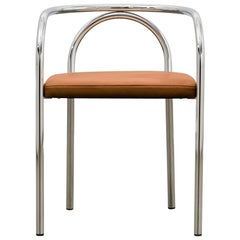
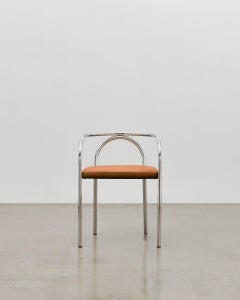
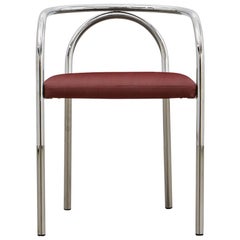
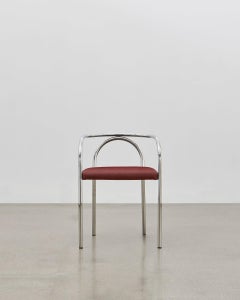
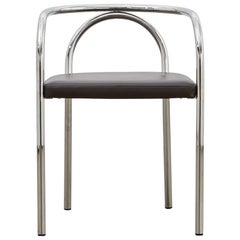
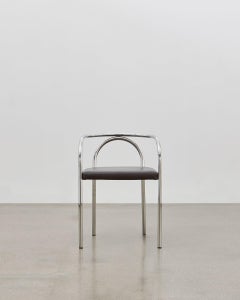
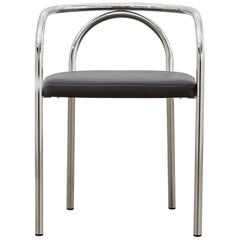
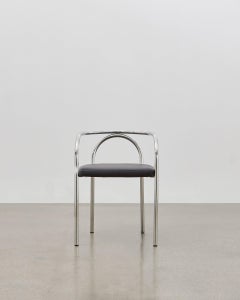
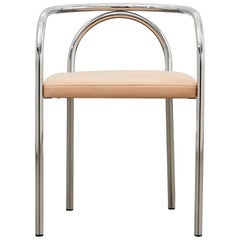
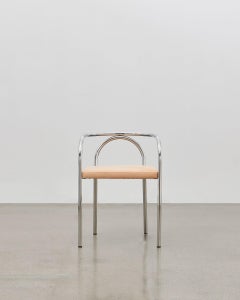
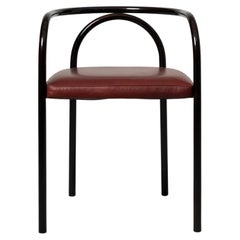
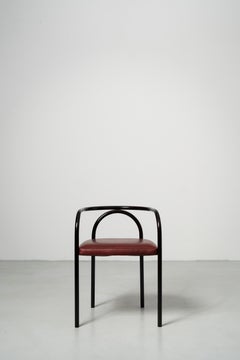
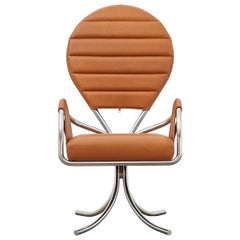
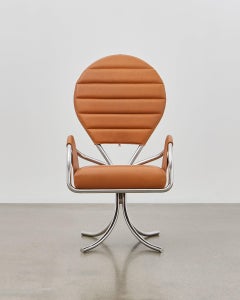
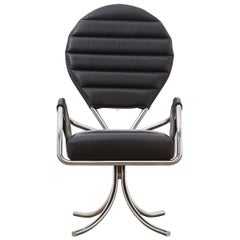
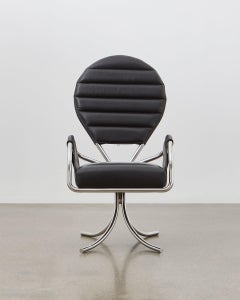
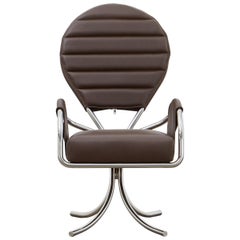
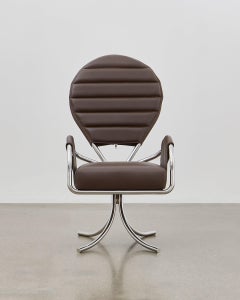
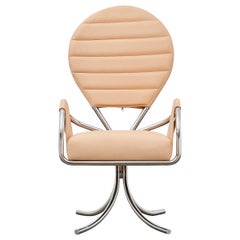
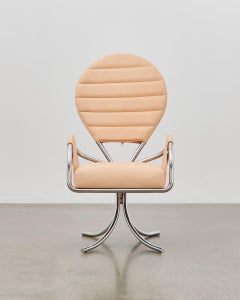
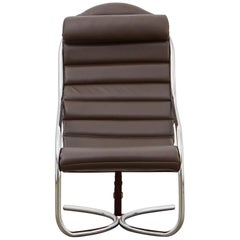
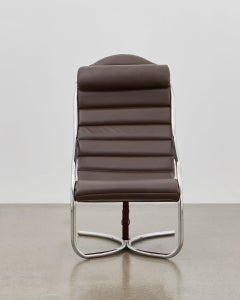
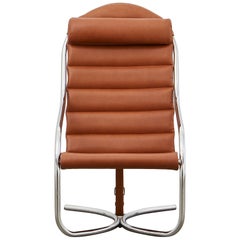
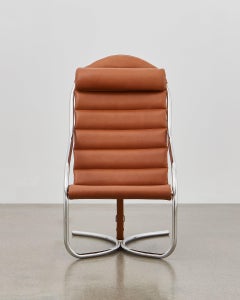
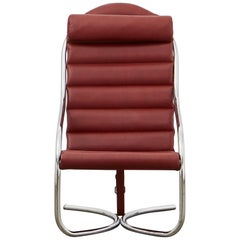
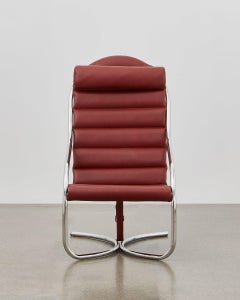
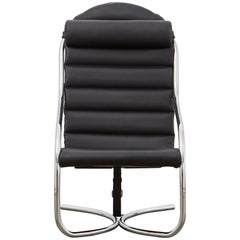
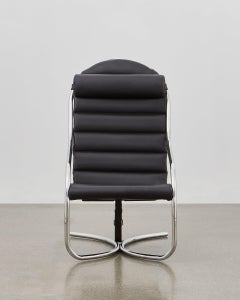
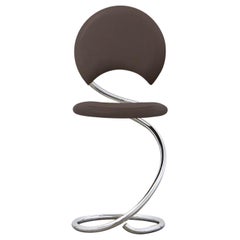
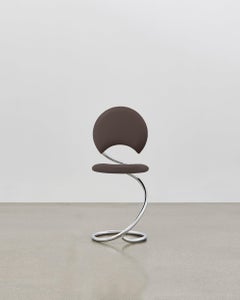
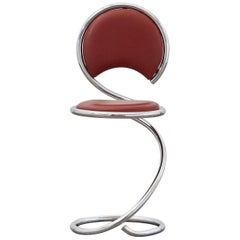
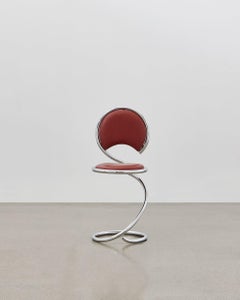
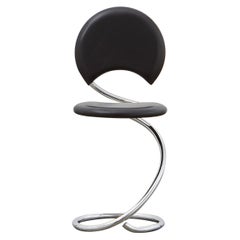
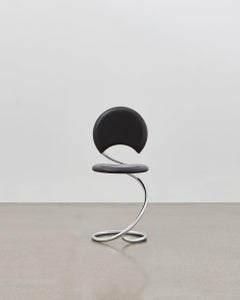
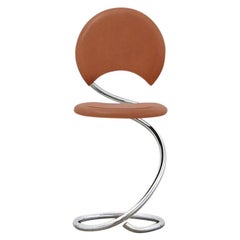
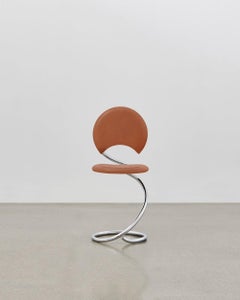
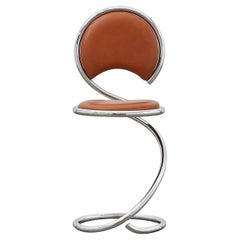
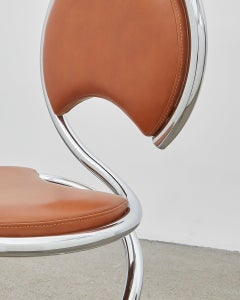
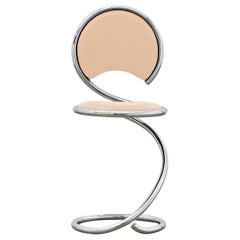
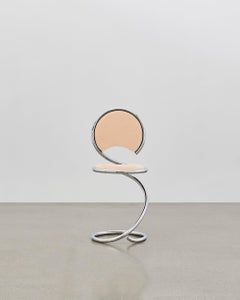
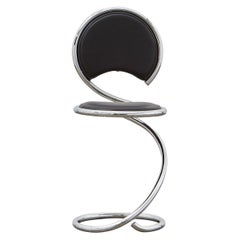
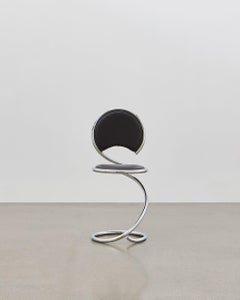
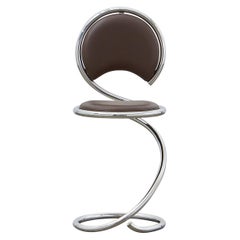
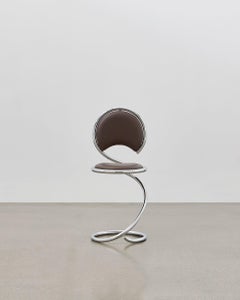
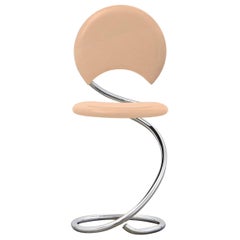
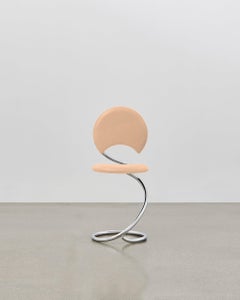
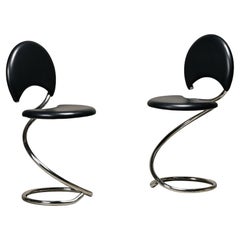
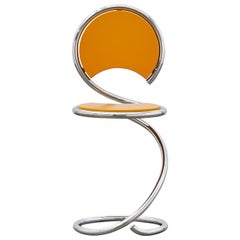
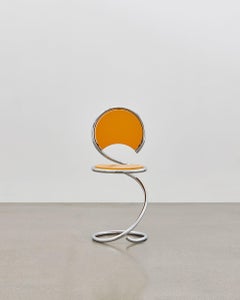
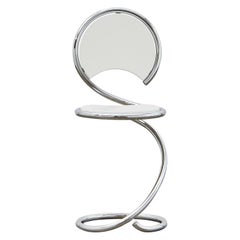
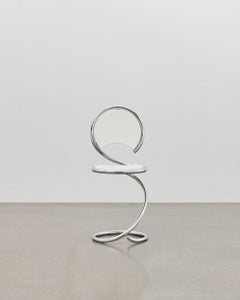
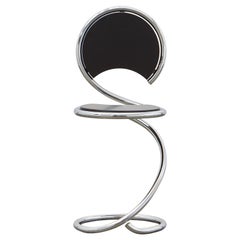
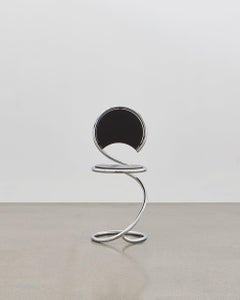
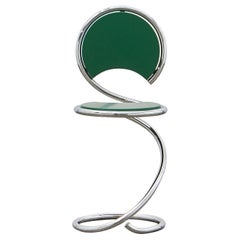
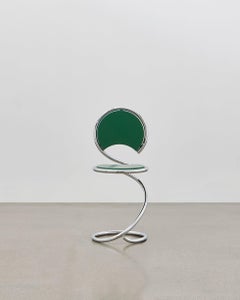
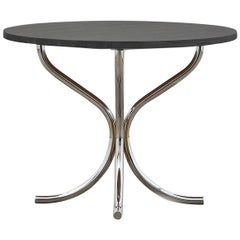
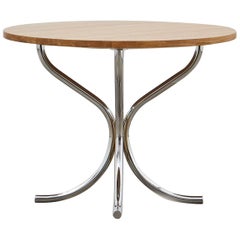
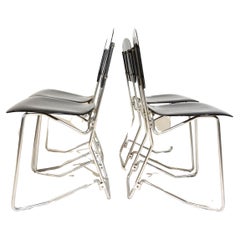
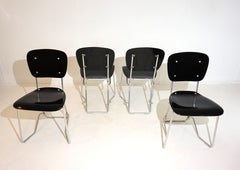
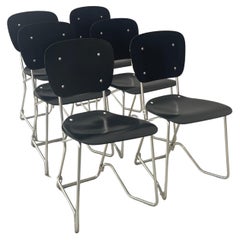
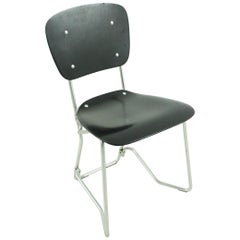
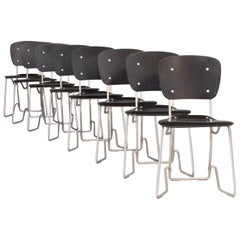
Ph Chair For Sale on 1stDibs
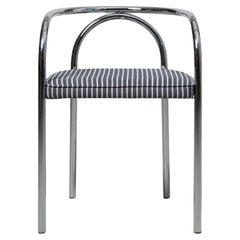
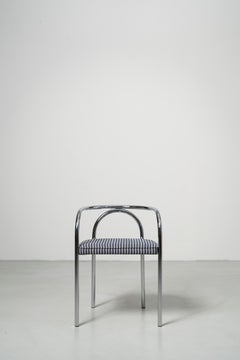
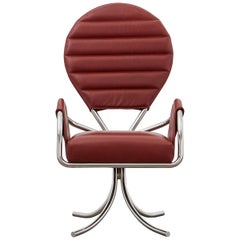
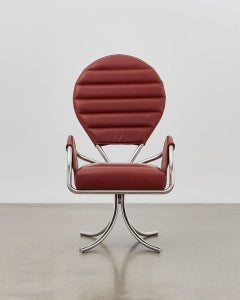
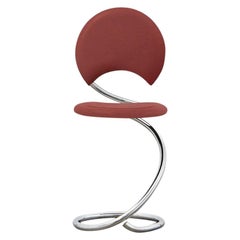
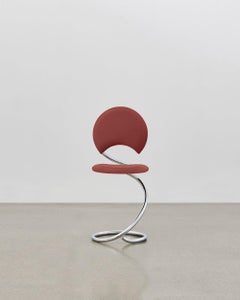
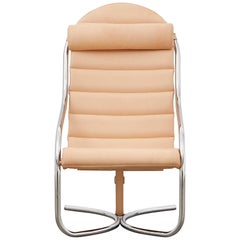
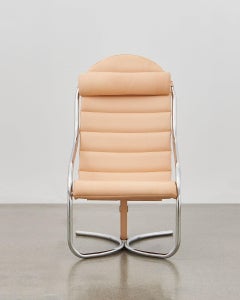
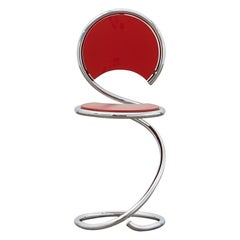
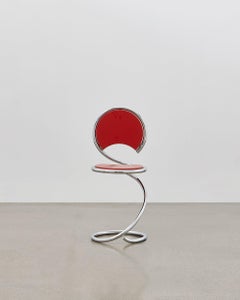
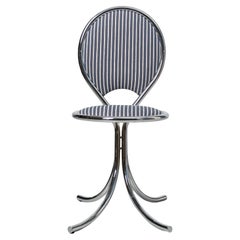
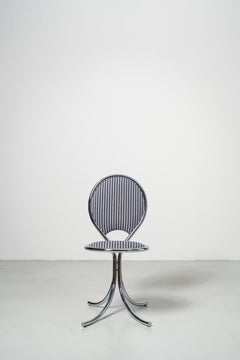
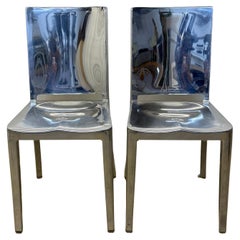
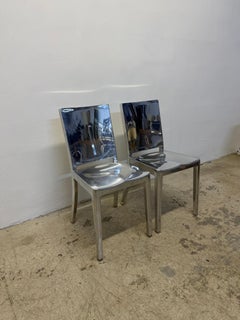
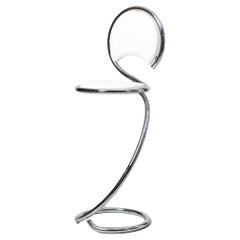
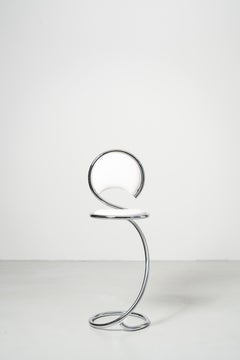
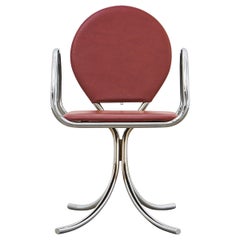
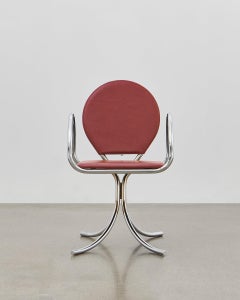
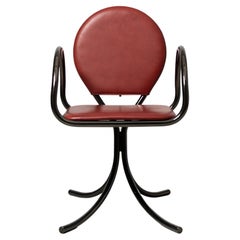
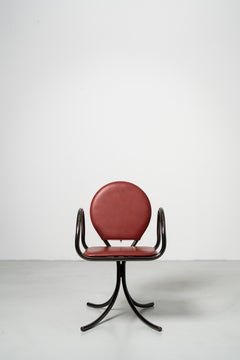
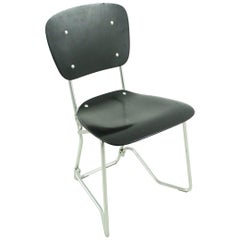
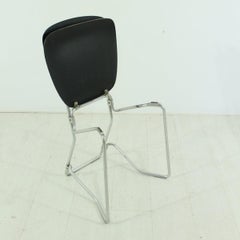
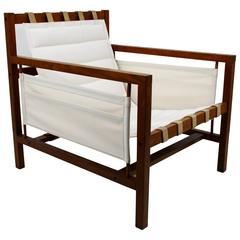
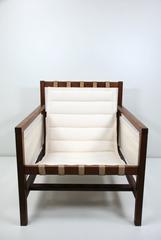
At 1stDibs, there are many versions of the ideal ph chair for your home. Frequently made of
chrome,
metal and
animal skin, every ph chair was constructed with great care. There are 2 variations of the antique or vintage ph chair you’re looking for, while we also have 36 modern editions of this piece to choose from as well. Whether you’re looking for an older or newer ph chair, there are earlier versions available from the 20th Century and newer variations made as recently as the 21st Century. A ph chair is a generally popular piece of furniture, but those created in
Scandinavian Modern styles are sought with frequency.
How Much is a Ph Chair?
A ph chair can differ in price owing to various characteristics — the average selling price 1stDibs is $1,484, while the lowest priced sells for $822 and the highest can go for as much as $6,450.
Poul Henningsen for sale on 1stDibs
The name Poul Henningsen is synonymous with the best and most innovative modern Scandinavian lamps and other lighting. The Danish designer created a signature vocabulary of fixtures with tiered and layered shades in sculptural arrangements that are at once naturalistic and geometric.
Henningsen grew up in a town on the outskirts of Copenhagen and studied architecture at the Technical University of Denmark. He would become a noted art critic, journalist and screenwriter, but his first love was lighting design.
Henningsen’s childhood home was illuminated by oil lamps. When his family switched to electrified lighting, he was alarmed and repelled by the harsh glare cast by an incandescent bulb, and in his late teens he began conducting quasi-scientific experiments to measure which materials and methods best diffused or reflected light to give it a warm brightness. His work came to the attention of the lighting-fixtures firm Louis Poulsen, which sponsored the development of a prototype lamp. The design won a gold medal at the 1925 Paris Expositions Internationales des Arts Decóratifs et Industriels Modernes — from which the term Art Deco derives. The lamp, whose three-part shade is said to be inspired by the arrangement of a dinner plate atop a soup bowl atop a teacup, became the basis for Henningsen’s most successful design, the PH 4/3 desk lamp.
All told, Henningsen would design some 100 lighting fixtures in his career. Some of his most notable creations are hanging lamps, which include the Septima (1929), a pendant composed of seven graduated frosted-glass layers; the Spiral (1942), made of a single ribbon of enameled aluminum; and the Artichoke lamp (1958), whose 70 glass or metal fins in a staggered and graduated arrangement on a central steel frame resemble those of its namesake. The last is likely Henningsen’s masterwork and an icon of mid-20th-century design. Like all Henningsen lighting designs, it is striking, sculptural and — thanks to his insistence on the primacy of the quality of the light cast — superbly functional.
Find a collection of authentic Poul Henningsen table lamps, floor lamps and other lighting on 1stDibs.
A Close Look at Bauhaus Furniture
The Bauhaus was a progressive German art and design school founded by the architect Walter Gropius that operated from 1919 to 1933. Authentic Bauhaus furniture — sofas, dining chairs, tables and more — and the school’s followers married industrial and natural materials in simple, geometric forms. The goal of the Bauhaus was to erase the distinction between art and craft while embracing the use of new technologies and materials.
ORIGINS OF BAUHAUS FURNITURE DESIGN
CHARACTERISTICS OF BAUHAUS FURNITURE DESIGN
- Emphasis on craft
- Simplicity, order, clarity and a prioritization of functionalism
- Incorporation of geometric shapes
- Minimalist and refined, little to no ornamentation
- Use of industrial materials such as tubular chrome, steel and plastic as well as leather, cane and molded plywood in furniture and other products
BAUHAUS FURNITURE DESIGNERS YOU SHOULD KNOW
AUTHENTIC BAUHAUS FURNITURE ON 1STDIBS
The name Bauhaus is derived from the German verb bauen, “to build.” Under the school’s innovative curriculum, students were taught the fine arts, such as painting and sculpture, as well as practical skills like carpentry and metalworking.
The school moved from Weimar in 1925 to the city of Dessau, where it enjoyed its heyday under Gropius, then Hannes Meyer and Ludwig Mies van der Rohe. The period from 1932 to 1933 when it operated in Berlin under Mies was its final chapter. Despite its brief existence, the Bauhaus has had an enduring impact on art and design in the United States and elsewhere, and is regarded by many as the 20th century’s chief crucible of modernism.
The faculty roster at the Bauhaus reads like a who’s who of modernist creative genius — it included such artists as Paul Klee, Wassily Kandinsky and László Moholy-Nagy along with architects and designers like Mies and Marcel Breuer, who became known for his muscular brutalist-style concrete buildings in the postwar years. In 1925, while he was head of the Bauhaus carpentry workshop, Breuer gave form to his signature innovation: the use of lightweight tubular-steel frames for chairs, side tables and sofas — a technique soon adopted by Mies and others. Breuer’s Cesca chair was the first-ever tubular steel frame chair with a caned seat to be mass produced, while the inspiration for his legendary Wassily chair, a timeless design and part of the collection crafted to furnish the Dessau school, was the bike he rode around campus.
Bauhaus design style reflects the tenets by which these creators worked: simplicity, clarity and function. They disdained superfluous ornament in favor of precise construction. Seating pieces such as side chairs, armchairs or club chairs for example, were made with tubular metal or molded plywood frames, and upholstery was made from leather or cane. Above all, designs in the Bauhaus style offer aesthetic flexibility. They can be the elements of a wholly spare, minimalist space, the quiet foundation of an environment in which color and pattern come from one’s own collection of art and artifacts.
Today, from textiles to typefaces, architecture, furniture and decorative objects for the home, Bauhaus creations continue to have an outsize influence on modern design.
Find a collection of authentic Bauhaus furniture on 1stDibs.
Finding the Right Seating for You
With entire areas of our homes reserved for “sitting rooms,” the value of quality antique and vintage seating cannot be overstated.
Fortunately, the design of side chairs, armchairs and other lounge furniture — since what were, quite literally, the early perches of our ancestors — has evolved considerably.
Among the earliest standard seating furniture were stools. Egyptian stools, for example, designed for one person with no seat back, were x-shaped and typically folded to be tucked away. These rudimentary chairs informed the design of Greek and Roman stools, all of which were a long way from Sori Yanagi's Butterfly stool or Alvar Aalto's Stool 60. In the 18th century and earlier, seats with backs and armrests were largely reserved for high nobility.
The seating of today is more inclusive but the style and placement of chairs can still make a statement. Antique desk chairs and armchairs designed in the style of Louis XV, which eventually included painted furniture and were often made of rare woods, feature prominently curved legs as well as Chinese themes and varied ornaments. Much like the thrones of fairy tales and the regency, elegant lounges crafted in the Louis XV style convey wealth and prestige. In the kitchen, the dining chair placed at the head of the table is typically reserved for the head of the household or a revered guest.
Of course, with luxurious vintage or antique furnishings, every chair can seem like the best seat in the house. Whether your preference is stretching out on a plush sofa, such as the Serpentine, designed by Vladimir Kagan, or cozying up in a vintage wingback chair, there is likely to be a comfy classic or contemporary gem for you on 1stDibs.
With respect to the latest obsessions in design, cane seating has been cropping up everywhere, from sleek armchairs to lounge chairs, while bouclé fabric, a staple of modern furniture design, can be seen in mid-century modern, Scandinavian modern and Hollywood Regency furniture styles.
Admirers of the sophisticated craftsmanship and dark woods frequently associated with mid-century modern seating can find timeless furnishings in our expansive collection of lounge chairs, dining chairs and other items — whether they’re vintage editions or alluring official reproductions of iconic designs from the likes of Hans Wegner or from Charles and Ray Eames. Shop our inventory of Egg chairs, designed in 1958 by Arne Jacobsen, the Florence Knoll lounge chair and more.
No matter your style, the collection of unique chairs, sofas and other seating on 1stDibs is surely worthy of a standing ovation.