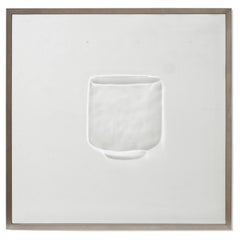
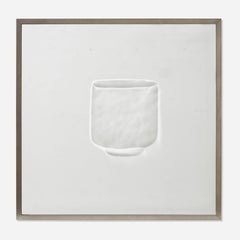
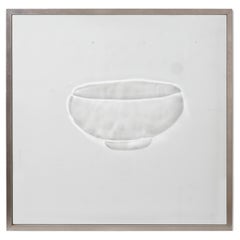
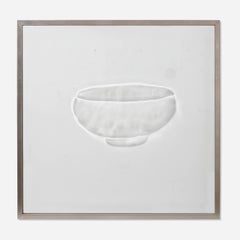
The late 19th and early 20th centuries saw sweeping social change and major scientific advances — both of which contributed to a new aesthetic: modernism. Rejecting the rigidity of Victorian artistic conventions, modernists sought a new means of expression. References to the natural world and ornate classical embellishments gave way to the sleek simplicity of the Machine Age. Architect Philip Johnson characterized the hallmarks of modernism as “machine-like simplicity, smoothness or surface [and] avoidance of ornament.”
Early practitioners of modernist design include the De Stijl (“The Style”) group, founded in the Netherlands in 1917, and the Bauhaus School, founded two years later in Germany.
Followers of both groups produced sleek, spare designs — many of which became icons of daily life in the 20th century. The modernists rejected both natural and historical references and relied primarily on industrial materials such as metal, glass, plywood, and, later, plastics. While Bauhaus principals Marcel Breuer and Ludwig Mies van der Rohe created furniture from mass-produced, chrome-plated steel, American visionaries like Charles and Ray Eames worked in materials as novel as molded plywood and fiberglass. Today, Breuer’s Wassily chair, Mies van der Rohe’s Barcelona chair — crafted with his romantic partner, designer Lilly Reich — and the Eames lounge chair are emblems of progressive design and vintage originals are prized cornerstones of collections.
It’s difficult to overstate the influence that modernism continues to wield over designers and architects — and equally difficult to overstate how revolutionary it was when it first appeared a century ago. But because modernist furniture designs are so simple, they can blend in seamlessly with just about any type of décor. Don’t overlook them.
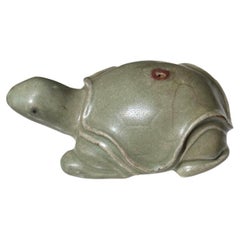
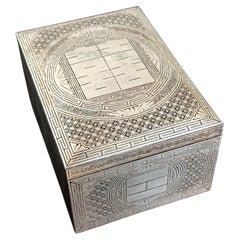
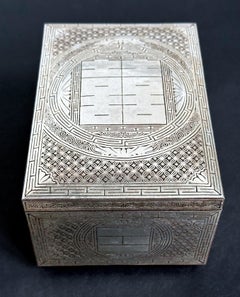
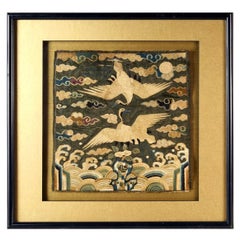
Asian sculptors have worked in materials including wood, bronze and jade. Artists and artisans have used traditional techniques to depict deities, scenes from culture and more, and today, antique Asian sculptures and carvings are a popular choice for provocative and sophisticated home decor.
In China, the Qing dynasty, from the mid-17th century to the early 20th century, brought about significant changes in art while preserving traditional culture. Many emperors during this period were patrons of the arts, such as painting, calligraphy and decorative arts. This era saw the building of new Buddhist temples, which were decorated with statues. Some of these sculptures were adorned with colorful cloisonné decoration, in which tiny compartments, or cloisons, made by soldering copper filaments to a metal surface were filled with vibrantly hued enamel.
From the 17th to mid-19th century in Japan, kimonos were worn across classes and often fastened with a netsuke, a type of small carved toggle. Artists carved these from ivory, wood, shells and coral, creating animals, flowers and mythical creatures. During the Japanese Meiji period, spanning from 1868–1912, the country began trading internationally after centuries of isolation, allowing artists to sell their work overseas. Bronze sculpture flourished around this time for creating teapots, vases and incense burners.
Asian sculpture continued to evolve in the 20th century. During the Japanese Shōwa era, from 1926–89, art was influenced by international modernist movements like abstraction, Futurism and Surrealism. Contemporary Asian sculptures and carvings continue to combine global influences and a rich heritage of technique.
Decorating a space with Asian sculptures and carvings is a great way to add interest to any corner of your home. Explore by material, period or style on 1stDibs.